Author: Gareth Trelawny

  • Installing a Decorative Kitchen Backsplash

    Installing a Decorative Kitchen Backsplash

    I was standing in a gutted kitchen in East Nashville last Tuesday, staring at a wall of cracked, dated ceramic that looked like it belonged in a 1970s cafeteria, when I realized something: most people treat backsplash installation like a purely cosmetic afterthought. They think it’s just about picking a pretty pattern to cover up some old drywall. But if you’re looking to actually force equity into a property, you need to view it as a strategic design move. I’ve seen too many amateur flippers blow their budget on high-end marble that doesn’t move the needle, or worse, settle for cheap peel-and-stick nonsense that makes a house feel cheap the second a buyer walks in.

    In this guide, I’m stripping away the fluff and giving you the real, gritty blueprint for a professional-grade finish. I’ll walk you through everything from calculating your actual material needs—so you aren’t running back to the tile shop mid-job—to the specific tools you’ll need to avoid a messy, uneven grout line. This isn’t just about making a kitchen look “nice”; it’s about mastering the technical execution required to turn a standard renovation into a high-margin asset.

    Table of Contents

    Guide Overview

    Total Time: 1-2 days
    Estimated Cost: $150-400
    Difficulty: Intermediate

    Tools & Supplies

    • Tile cutter or wet saw for precise cuts
    • Notched trowel for spreading adhesive
    • Spacers to maintain even grout lines
    • Rubber grout float for application
    • Level to ensure straight rows
    • Backsplash tiles (enough for square footage plus 10% extra)
    • Tile adhesive or mastic (1-2 tubs depending on area)
    • Grout (1 bag matching tile color)
    • Tile spacers (1 bag)
    • Caulk (1 tube for edges and corners)

    Step-by-Step Instructions

    • 1. Before you even touch a bag of thin-set, you need to prep the surface like your ROI depends on it—because it does. Scrub the walls down with a degreaser to remove every trace of cooking grease or old dust; if you don’t, that tile is going to peel off in six months, and nothing kills a flip faster than a callback for poor craftsmanship.
    • 2. Next, pull out that laser measurer I always talk about and map out your layout. Don’t just start tiling from one corner and hope for the best; you need to find the center point of your wall and work outward to ensure your cuts at the edges are symmetrical. There is nothing more amateur than a kitchen that looks lopsided because you were too lazy to plan the grid.
    • 3. Once you’ve mapped it, it’s time to apply your adhesive. Use a notched trowel to spread the thin-set, and make sure you’re creating even, consistent ridges rather than just globbing it on. If you leave huge gaps or uneven mounds, your tiles will sit at weird angles, and you’ll waste a fortune on expensive tiles that won’t lay flat.
    • 4. Now, start setting your tiles, and for heaven’s sake, use tile spacers. If you try to “eyeball” the gaps between tiles, the pattern will drift, and the entire backsplash will look like a DIY disaster rather than a professional renovation. Keep those lines dead straight—it’s the difference between a high-end finish and a cheap-looking job.
    • 5. After the adhesive has fully cured—and I mean actually cured, so don’t rush this—it’s time to grout. Mix your grout to a peanut butter consistency and push it into the joints using a rubber float, making sure you pack it deep into every single crevice. Wipe away the excess with a damp (not soaking wet) sponge before it sets, or you’ll be scrubbing endless white haze off your tiles for hours.
    • 6. The final touch is the silicone caulk. Don’t use grout in the corners where the backsplash meets the countertop; grout will crack the moment the house settles, and that’s a massive red flag for inspectors. Use a high-quality color-matched silicone to seal those joints, creating a flexible, waterproof barrier that actually lasts through years of heavy kitchen use.

    Finding Value Through Strategic Kitchen Remodel Backsplash Ideas
    Finding Value Through Strategic Kitchen Remodel Backsplash Ideas

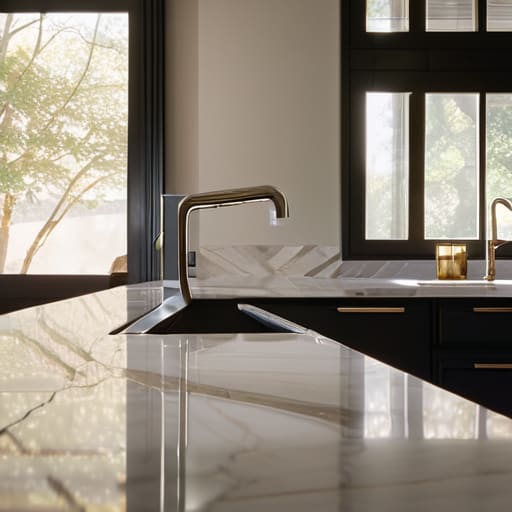
    When I’m walking through a potential flip, I’m not just looking at the cabinets; I’m looking at the “bones” of the kitchen. If you want to maximize your ROI, you need to move past the basic, builder-grade subway tile. I look for kitchen remodel backsplash ideas that feel intentional and high-end without breaking the bank. Think about using a herringbone or chevron pattern to create visual interest; it’s a way to force instant equity by making a standard kitchen feel like a custom designer space.

    However, a beautiful pattern won’t save you if the execution is sloppy. I’ve seen too many amateur renovations where the lines look crooked because they skipped using tile spacers for even lines. If your grout lines are inconsistent, the whole room feels cheap, and buyers will sniff that out immediately. My rule is simple: spend the extra twenty minutes ensuring your layout is laser-straight. It’s the difference between a kitchen that looks like a DIY project and one that looks like a professional, high-margin renovation.

    Precision Layouts Using Kitchen Tile Layout Patterns for Profit
    Precision Layouts Using Kitchen Tile Layout Patterns for Profit

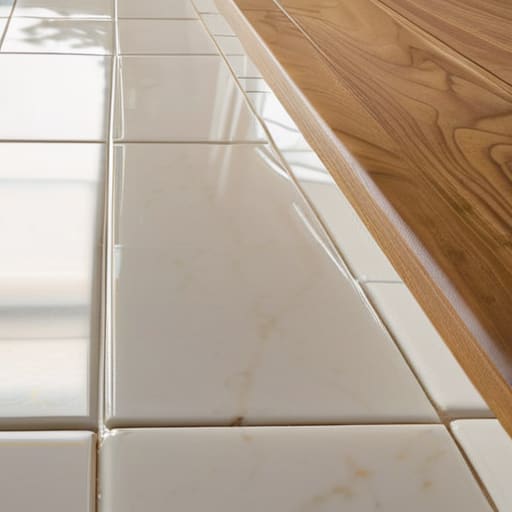
    When you’re flipping a house, the difference between a “DIY job” and a professional-grade renovation often comes down to the math. I’ve seen too many investors lose money because they rushed the layout and ended up with awkward, sliver-thin tiles in the corners. To avoid that, you need to obsess over your kitchen tile layout patterns before you even touch a bucket of mortar. Whether you’re going with a classic subway offset or a more high-end herringbone, I always start by finding the center point of the wall. This ensures your cuts are symmetrical, which is exactly what a picky buyer looks for during a walkthrough.

    Don’t just wing it, either. Use tile spacers for even lines to keep everything tight and disciplined; nothing screams “amateur” like crooked grout lines that make a kitchen look lopsided. If your lines aren’t straight, the entire room feels off, and that’s money left on the table. Once you’ve nailed the pattern, the goal is to create a sense of intentional, high-end design that makes the space feel more expensive than it actually was. Consistency is your best friend when you’re trying to force equity.

    Don't Blow Your Margin: 5 Hard Truths About Backsplash Execution

    • Stop obsessing over the “perfect” tile and focus on the grout. If your grout lines are uneven or dirty, it doesn’t matter if you used expensive subway tile; the whole kitchen will look cheap, and buyers will smell the lack of quality from the hallway.
    • Always account for your outlet placement before you even touch a trowel. There is nothing more amateur than realizing your beautiful new backsplash is interrupted by a cluster of ugly, unaligned electrical outlets that you didn’t plan for.
    • Buy 15% more tile than your measurements suggest. I’ve seen too many rookie investors stall a job halfway through because they ran out of material, and then they end up buying a new batch that doesn’t perfectly match the dye lot of the first one.
    • Use a laser level, not your eyes. I carry mine everywhere for a reason; if your horizontal lines are even slightly off, the eye will catch it immediately, and that’s the difference between a professional flip and a DIY disaster.
    • Prioritize durability over trendy patterns. If you’re installing this to flip, avoid anything so “out there” that it limits your buyer pool. Stick to classic textures that look high-end but won’t make a potential buyer think they have to renovate the second they move in.

    The Bottom Line: Turning Tile into Equity

    Don’t treat a backsplash as just a decorative afterthought; treat it as a high-margin tool to force appreciation and make your listing pop in photos.

    Precision matters more than the price tag—a misaligned pattern or a messy grout line will kill your perceived value faster than a cheap tile ever could.

    Focus on timeless, high-durability materials that appeal to the widest buyer demographic rather than chasing fleeting trends that will look dated by your next exit.

    ## The Investor's Edge

    “A backsplash isn’t just a decorative finish; it’s a strategic tool. If you pick the right tile and execute the layout with precision, you aren’t just covering a wall—you’re forcing equity into a room that’s going to sell itself.”

    Gareth Trelawny

    The Bottom Line on Backsplashes
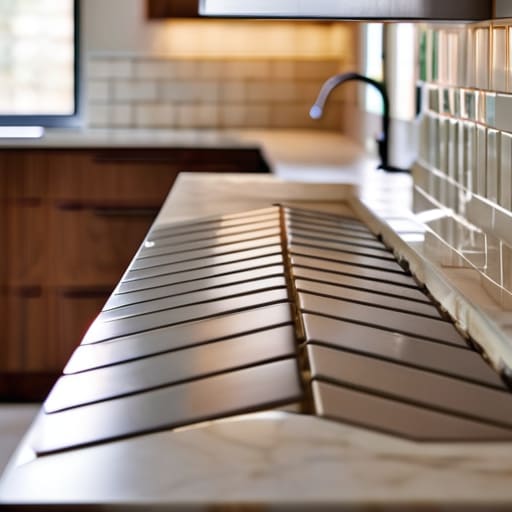
    The Bottom Line on Backsplashes for ROI.

    At the end of the day, a backsplash isn’t just about picking a pretty pattern from a catalog; it’s a calculated move to increase your ROI. We’ve covered how to nail the layout to avoid awkward cuts, how to select materials that actually appeal to a wide buyer pool, and why precision during the installation phase is what separates a professional-grade flip from a DIY disaster. If you focus on the strategic placement of your tile and keep your eyes on the long-term resale value rather than just your personal taste, you’re going to see that extra margin show up in your final numbers. Don’t let a sloppy installation eat your profits.

    Real estate investing is rarely about the easy wins; it’s about the grit you show when you’re standing in a dusty kitchen deciding between subway tile and a patterned mosaic. It’s easy to get overwhelmed by the small details, but those details are exactly where the equity is hidden. Every tile you set correctly is a step toward building that portfolio we’re all after. So, grab your laser measurer, trust your eye for potential, and get to work. The walls might be crumbling now, but you know exactly how to turn them into gold.

    Frequently Asked Questions

    How do I know if I'm overspending on tile when the goal is a quick flip versus a long-term rental?

    If you’re flipping, you’re playing a numbers game. Every dollar spent on a custom mosaic is a dollar taken directly out of your profit margin. For a quick flip, stick to high-impact, low-cost neutrals—think subway tile or a simple herringbone. If it’s a long-term rental, you can afford to spend slightly more on durability and “wow factor” to attract better tenants, but even then, don’t let vanity projects eat your ROI.

    Is it worth the extra labor cost to do a custom herringbone pattern, or should I stick to a standard offset to save on my renovation budget?

    Look, if you’re flipping for a quick margin, stick to a standard offset. It’s faster, less wasteful, and keeps your labor costs predictable. But if you’ve found a property with high-end bones and you’re aiming for a premium buyer, go with the herringbone. That custom pattern creates a “wow” factor that justifies a higher asking price. Just don’t skimp on the installer; a botched herringbone pattern is a massive red flag that screams amateur.

    What are the biggest red flags I should look for in a contractor's backsplash work that might signal future liability or poor equity growth?

    If you see uneven grout lines or tiles that aren’t sitting flush, walk away. That’s a sign of sloppy prep work, and it’s a nightmare for your margins. Look closely at the corners, too; if the silicone is messy or the tiles don’t meet cleanly, you’re looking at future water damage or mold. I’ve seen too many “cheap” installs turn into expensive liability issues during a final inspection. Don’t let bad craftsmanship eat your equity.

  • Developing a Professional House Flipping Strategy

    Developing a Professional House Flipping Strategy

    I still remember the smell of damp drywall and old sawdust from my first solo project—a tiny, neglected bungalow that most people wouldn’t have looked at twice. While the “gurus” on YouTube were busy preaching about high-leverage loans and massive luxury renovations, I was standing in a dusty living room with a laser measurer in one hand and a very tight budget in the other. I quickly learned that a winning house flipping strategy isn’t about following a flashy, expensive blueprint; it’s about having the grit to see past the grime and knowing exactly where to put your money to get the biggest bang for your buck.

    I’m not here to sell you a dream of overnight millions or some magic formula that ignores the reality of a construction delay. Instead, I’m going to give you the unvarnished truth about how I actually build equity. We’re going to dive into the practical, hands-on tactics of finding undervalued properties and managing a rehab without losing your mind. My goal is to show you how to develop a sustainable approach to investing, turning those crumbling walls into tangible wealth one project at a time.

    Table of Contents

    Mastering Residential Real Estate Arbitrage for Maximum Gains

    Mastering Residential Real Estate Arbitrage for Maximum Gains

    When people hear the term residential real estate arbitrage, they often think of complex institutional plays, but for us, it’s much simpler: it’s about spotting the gap between a property’s current “as-is” state and its potential “after-repair” value. You aren’t just buying a house; you’re buying a discrepancy. I look for neighborhoods where the floor plans are solid but the aesthetics are stuck in 1974. By stepping into that gap with a targeted renovation, you aren’t just fixing a kitchen—you are essentially manufacturing equity through strategic design choices.

    However, you can’t just wing it with your spending. If you don’t have a tight handle on your fix and flip renovation costs, you’ll bleed your margins dry before you even hit the listing stage. I’ve seen too many rookies get seduced by high-end marble countertops only to realize they’ve completely blown their budget on things that don’t actually drive a sale. My rule is simple: spend where it shows, and optimize everywhere else. You have to be disciplined enough to prioritize the structural and cosmetic updates that actually move the needle on your final sale price.

    Calculating Your Real Estate Roi Before You Buy

    Calculating Your Real Estate Roi Before You Buy

    Before you even step foot inside a potential property, you need to stop looking at the pretty crown molding and start looking at the math. I’ve seen too many rookies fall in love with a kitchen layout only to realize they’ve completely ignored the foundation issues. You cannot rely on “gut feelings” when it comes to a real estate ROI calculation. You need to run the numbers on paper—or your phone—before you ever sign a contract. If the spread between your purchase price, your projected renovation budget, and the After Repair Value (ARV) isn’t wide enough to cover your holding costs and a healthy profit margin, walk away.

    This is where most people trip up: they underestimate their fix and flip renovation costs. I always tell my clients to add a 15% contingency buffer to every single estimate. Whether it’s an unexpected plumbing issue or a sudden spike in lumber prices, that buffer is the difference between a successful flip and a total financial sinkhole. Proper renovation budget optimization isn’t about buying the cheapest materials; it’s about knowing exactly where every dollar goes to ensure you’re actually unlocking equity rather than just burning cash.

    My Non-Negotiable Rules for a Profitable Flip

    • Stop obsessing over the cosmetic stuff and look at the bones. I’ve seen too many beginners blow their entire budget on high-end backsplash tile only to realize they have a foundation issue that’s eating their profit margin alive. If the plumbing and electrical are shot, that’s where your money goes first.
    • Buy for the “worst house on the best block.” It’s a cliché for a reason. You want a property that has structural integrity but looks like a disaster zone. That’s where the real equity is hiding—in the gap between what people think it’s worth and what it could be worth once you clear out the clutter and fix the layout.
    • Build a “dream team” of contractors before you even sign the closing papers. I don’t care how much you love a certain aesthetic; if your carpenter doesn’t show up or your plumber disappears halfway through a job, your holding costs will skyrocket and kill your ROI. You need people who are as pragmatic as you are.
    • Keep a “miscellaneous” fund that’s at least 15% of your total budget. Renovations are never as clean as the Pinterest boards make them look. Once you tear down a wall, you’re probably going to find something unexpected behind it—mold, outdated wiring, or some other nightmare. If you don’t budget for the mess, you’re just gambling.
    • Design for the buyer, not for your own ego. I love mid-century modern as much as the next person, but if I’m flipping a suburban ranch, I’m not going to install a $5,000 velvet sofa or niche architectural lighting that only appeals to a tiny fraction of people. Stick to a clean, minimalist industrial chic that feels high-end but universally appealing.

    The Bottom Line for Your Next Flip

    Don’t get blinded by pretty finishes; your profit lives in the math you do before the first sledgehammer swings.

    Look for the “ugly ducklings” with structural integrity, because it’s much cheaper to fix a dated kitchen than a cracked foundation.

    Focus your renovation budget on high-impact, strategic upgrades that drive equity rather than getting lost in expensive, niche design details.

    The Real Secret to the Flip

    “Stop looking for the perfect house and start looking for the house that everyone else is too afraid to touch; that’s where the actual profit is hiding, right behind a layer of outdated wallpaper and some bad plumbing.”

    Gareth Trelawny

    The Bottom Line on Building Equity

    The Bottom Line on Building Equity.

    At the end of the day, a successful house flipping strategy isn’t about luck or stumbling into a goldmine; it’s about the math and the grit. We’ve covered how to leverage residential arbitrage to find your edge and, more importantly, how to run your numbers with surgical precision before you ever sign a closing document. You can’t afford to guess when it comes to your ROI. If you aren’t calculating your margins to the penny and scouting for those structural opportunities that others miss, you aren’t investing—you’re gambling. Stick to the data, respect the renovation timeline, and never, ever underestimate the cost of a “simple” plumbing fix.

    Look, I know the idea of tearing down walls and dealing with contractors can feel overwhelming, but that’s exactly where the profit lives. The magic happens in the gap between what a property is and what it could be. Don’t let the dust and the chaos intimidate you; let it fuel your drive to build something substantial. You don’t need a silver spoon to start this journey, just a sharp eye for potential and the willingness to get your hands dirty. Now, stop overthinking the spreadsheets and go find your first project. The equity is out there waiting for someone with the guts to go grab it.

    Frequently Asked Questions

    How do I know if a property has "good bones" or if the structural issues are going to eat my entire profit margin?

    Look, this is where most rookies lose their shirts. I always start by checking the basics: look at the foundation for major cracks, check if the floors feel level, and peek into the crawlspace or attic if you can. If the bones are crooked, you’re looking at a structural nightmare that’ll bleed your budget dry. Cosmetic stuff—bad paint, ugly tile—is easy equity. Structural failure? That’s a money pit. Trust your gut, but verify with a pro.

    What’s the best way to manage contractors without losing my mind—or my budget—when things inevitably go sideways?

    Look, I’ve been there—standing in a dusty kitchen at 7:00 AM while a plumber tells me the subfloor is rotted. To survive, you need a paper trail for everything. Never rely on a handshake; get every change order in writing and signed. I also build a 15% contingency buffer into my budget immediately. Expect the unexpected, vet your subs like your equity depends on it, and show up on-site often enough to stay visible.

    Should I be focusing on high-end luxury flips, or is there more consistent money in mid-range "bread and butter" renovations?

    Look, if you want a thrill and a massive payday, go for luxury. But if you want to actually build a portfolio, stick to the “bread and butter” mid-range flips. Luxury buyers are fickle and the margins are razor-thin if a single custom marble slab arrives cracked. Mid-range houses have a much larger pool of buyers and more predictable timelines. I’d rather have three steady wins than one high-stakes gamble that keeps me up at night.

  • Quick Cosmetic Renovations to Boost Property Value

    Quick Cosmetic Renovations to Boost Property Value

    I was standing in a kitchen last Tuesday that smelled like thirty years of burnt grease and damp drywall, clutching my laser measurer like a lifeline. Most people would have walked out the door, gagged, and written that property off as a total loss. But as I looked past the peeling floral wallpaper and the dated, honey-oak cabinets, I didn’t see a disaster; I saw a massive opportunity for a cosmetic renovation that would yield a ridiculous return on investment. The “experts” on TV will tell you that you need a six-figure budget and a structural engineer to make a house livable, but they’re selling you a fantasy that keeps most people from ever starting.

    I’m not here to give you a polished, Pinterest-perfect guide that ignores the reality of dust, delays, and tight margins. Instead, I’m going to show you how to identify the specific, high-impact changes that actually move the needle on property value without draining your bank account. We’re going to talk about where to spend your sweat equity and, more importantly, where to stop before you start over-improving. This is about turning crumbling walls into solid equity, one strategic update at a time.

    Table of Contents

    Mastering Low Budget Home Improvement for Maximum Gains

    Mastering Low Budget Home Improvement for Maximum Gains

    When you’re working with tight margins, you have to stop thinking about what you want and start thinking about what the market demands. I’ve learned that the secret to high renovation ROI isn’t about buying the most expensive marble countertops; it’s about strategic, high-impact changes that make a buyer feel like they’re walking into a fresh start. I’m talking about things like swapping out dated, brass hardware for matte black fixtures or giving a tired kitchen a facelift with a fresh coat of paint and new pulls. These small, intentional moves are the backbone of low budget home improvement that actually moves the needle on your final sale price.

    Don’t get distracted by fleeting interior design trends that will look dated by next season. Instead, focus on modernizing old spaces by brightening them up. If a room feels like a cave, fix the lighting. If the flooring is scarred, look into high-quality luxury vinyl plank. You want to create a sense of cleanliness and flow. My rule of thumb? If a change doesn’t immediately make the space feel larger, brighter, or more functional, it’s probably not worth your limited capital.

    Spotting Aesthetic Home Upgrades That Drive Real Value

    Spotting Aesthetic Home Upgrades That Drive Real Value

    When I’m walking through a potential flip, I’m not looking at what’s there; I’m looking at what’s hiding underneath. You have to train your eyes to see past the dated wallpaper and the beige-on-beige nightmare. The goal isn’t just to make a room look “pretty”—it’s about modernizing old spaces in a way that hits the sweet spot for the current buyer. I always look for high-impact areas like the kitchen and primary bath. You don’t need a full gut job to see a massive jump in renovation ROI. Sometimes, swapping out dated brass hardware for matte black or brushed nickel, or replacing a heavy, dark countertop with something lighter and more contemporary, is all it takes to signal to a buyer that the house is move-in ready.

    I also pay close attention to light and flow. A dark, cramped hallway can kill a deal, but a fresh coat of paint and updated lighting fixtures can work wonders. I try to stay mindful of current interior design trends, but I avoid anything too “trendy” that might feel dated in two years. Instead, I lean into timeless, clean lines that maximize the sense of space. It’s about making strategic choices that ensure the property stands out in a crowded market.

    My Non-Negotiable Rules for High-Margin Cosmetic Fixes

    • Focus on the “First Impression” zones. I always tell my clients that the entryway and the kitchen are where the money is made. If the front door looks tired or the kitchen feels dated, buyers will mentally write off the whole house before they even see the master suite.
    • Don’t underestimate the power of a fresh coat of paint. It’s the cheapest way to mask years of neglect, but don’t get creative with colors. Stick to a sophisticated, neutral palette—think warm whites or soft greys—that makes the space feel larger and allows buyers to actually see themselves living there.
    • Lighting is your secret weapon for creating atmosphere without a full electrical overhaul. Swap out those dated, yellowing plastic fixtures for something with a bit of character—maybe a matte black industrial pendant or a clean mid-century silhouette. It changes the entire mood of a room for the cost of a trip to the hardware store.
    • Hardware is the jewelry of the home. If I’m working with a tight budget, I’m not replacing cabinets; I’m replacing the handles. Swapping out old, brass pulls for modern, streamlined hardware is a quick win that makes a kitchen look instantly more expensive.
    • Clean up the visual clutter. A renovation isn’t just about adding things; it’s about subtraction. I make sure every surface is clear and every corner is tight. If a space feels cramped or messy, no amount of expensive paint is going to fix the perceived value.

    The Bottom Line: Turning Sweat Equity into Profit

    Don’t get distracted by high-end finishes; focus on the cosmetic upgrades that actually move the needle for buyers, like fresh paint and updated lighting.

    Always keep your laser measurer handy and your budget tighter—knowing your exact dimensions and costs upfront is the only way to prevent a “quick fix” from eating your margins.

    Look past the dated wallpaper and ugly flooring to see the bones; the real money is made in the gap between what the house looks like now and what it could be with a little strategic grit.

    The Real Value of Sweat Equity

    Stop looking at a dated kitchen or peeling wallpaper as a headache; look at them as your profit margin. In this game, the money isn’t made when you sell—it’s made when you decide that a little bit of paint and some new hardware is worth more than the cost of the materials.

    Gareth Trelawny

    Turning Vision into Value

    Turning Vision into Value through strategic renovations.

    At the end of the day, mastering cosmetic renovations isn’t about spending the most money; it’s about knowing exactly where every dollar will work the hardest. We’ve looked at how to prioritize high-impact, low-budget improvements and how to identify those specific aesthetic upgrades that actually move the needle on an appraisal. Whether it’s a fresh coat of paint, updated hardware, or a strategic lighting overhaul, the goal is always the same: maximizing your return on investment while minimizing unnecessary waste. Don’t get distracted by expensive, trendy gadgets that don’t add structural or visual substance. Focus on the smart, strategic wins that make a space feel cohesive and intentional.

    I know that looking at a dated, peeling fixer-upper can feel overwhelming, especially when you’re staring down a mountain of work. But remember, every seasoned investor started exactly where you are right now. The difference between someone who dreams about equity and someone who actually builds it is the willingness to get their hands dirty and see past the surface-level mess. You have the tools and the roadmap; now you just need the grit to execute. Stop waiting for the “perfect” house to fall into your lap and start looking for the hidden potential in the properties everyone else is overlooking. Go out there and build your empire, one renovation at a time.

    Frequently Asked Questions

    How do I know when a "cosmetic" project is actually hiding a structural nightmare behind the drywall?

    That’s the million-dollar question. I always tell my clients: don’t just look at the paint; look at the bones. If you see stair-step cracks in the brickwork, sagging floorboards, or doors that won’t quite latch, walk away. Those aren’t “character”—they’re red flags for foundation issues. I never commit to a cosmetic flip without running my laser measurer and a quick inspection to ensure the walls are actually straight before I start dreaming about new backsplash.

    Is it worth spending more on high-end finishes like quartz countertops, or should I stick to budget-friendly materials to protect my margins?

    Look, I’ve seen too many investors bleed their margins dry trying to build a showroom. If you’re flipping, don’t go overboard. Stick to high-impact, mid-range materials. A clean quartz countertop is a huge selling point, but if you’re paying a premium for exotic veining, you’re just gifting your profit to the supplier. Aim for the “sweet spot”: materials that look expensive in photos but won’t tank your ROI when the dust settles.

    At what point does a renovation stop being a smart upgrade and start becoming "over-improvement" for the neighborhood?

    You’ve hit the nail on the head—this is where most rookies blow their margins. You stop being smart and start over-improving the second your renovation costs exceed the ceiling of what the local comps can support. If you’re dropping $50k on a chef’s kitchen in a neighborhood where the average home sells for $300k, you aren’t building equity; you’re just donating money to your next buyer. Always aim for the neighborhood’s “sweet spot,” not its peak.

  • Ways to Increase Property Value Through Renovation

    Ways to Increase Property Value Through Renovation

    I was standing in a kitchen last Tuesday, knee-deep in sawdust and the unmistakable, metallic scent of old plumbing, staring at a subfloor that looked more like a sponge than structural timber. Most people would have seen a disaster and walked away, but I just reached into my bag for my laser measurer and started calculating. That’s the thing about property renovation; the industry loves to sell you this polished, Pinterest-perfect dream where everything snaps into place with a single coat of paint. But let’s be real—the actual work is messy, loud, and occasionally smells like a basement that hasn’t breathed since 1974.

    I’m not here to give you a superficial checklist or tell you that a new backsplash is a magic wand for ROI. I’m going to show you how to look past the grime to find the actual value hidden behind those crumbling walls. We’re going to talk about the gritty, unglamorous side of flipping and investing, focusing on the strategic decisions that turn a chaotic job site into a high-yield asset. If you’re ready to stop chasing aesthetics and start building generational wealth, let’s get to work.

    Table of Contents

    Spotting Structural Home Improvements That Build Real Wealth

    Spotting Structural Home Improvements That Build Real Wealth

    When you’re walking through a potential fixer-upper, you have to train your eyes to look past the ugly wallpaper and see the skeleton of the house. I’ve learned the hard way that flashy cosmetic fixes are fine, but if you want to build a real portfolio, you need to focus on structural home improvements that actually move the needle. I’m talking about things like reinforcing a foundation or updating a dated electrical system. These aren’t the “fun” parts of the job, and they certainly won’t look great on an Instagram reel, but they are the absolute bedrock of increasing property market value.

    Don’t get distracted by the superficial stuff too early. I see so many novice investors blow their entire renovation budget planning on high-end fixtures before they’ve even checked if the floor joists are rotting. If you want a high real estate ROI, you have to prioritize the bones. A beautifully tiled backsplash won’t save a house with a sagging roof, but a solid, sound structure gives you the leverage to command a premium price when it’s time to sell.

    Modernizing Old Houses Without Losing Their Soul

    Modernizing Old Houses Without Losing Their Soul

    When I walk into a house built in the fifties or sixties, I’m not looking to strip it down to a sterile, white box. That’s the fastest way to kill the character that actually drives a buyer’s emotional connection. Instead, I focus on modernizing old houses by blending original architectural bones with updated functionality. Think about it: you can keep those gorgeous original crown moldings or a built-in breakfast nook, but you swap out the outdated, heavy cabinetry for something cleaner and more streamlined. It’s about finding that sweet spot where history meets convenience.

    I see a lot of investors blow their entire renovation budget planning on trendy, superficial fixes that age poorly. If you want a real return, look at the kitchen. Instead of following every fleeting fad, I lean into timeless kitchen remodeling trends—like high-quality quartz countertops paired with hardware that nods to the home’s era. You aren’t just slapping on a new coat of paint; you’re upgrading the lifestyle within the space. This approach ensures you aren’t just chasing a quick flip, but actually increasing property market value through thoughtful, intentional design.

    My Non-Negotiable Rules for Maximizing ROI

    • Focus on the “unsexy” stuff first. I know, nobody wants to talk about updated electrical or plumbing, but you can’t sell a designer kitchen if the house feels unsafe. Fix the bones so you can sleep at night and your buyers don’t walk away during inspection.
    • Don’t over-improve for the neighborhood. I’ve seen too many investors drop fifty grand on a high-end marble backsplash in a zip code where people just want decent quartz. Know your ceiling, or you’ll end up eating your own profits.
    • Prioritize lighting like your life depends on it. A dark, cramped room feels small and depressing, no matter how much you spend on paint. Swapping out dated boob lights for recessed lighting or sleek pendants can make a space feel twice as large for a fraction of the cost.
    • Keep your cosmetic changes strategic. I love a good thrifted mid-century piece, but when it comes to the big stuff like flooring or cabinetry, stick to neutral, timeless palettes. You want the buyer to see their own life in the space, not my personal design quirks.
    • Always, always budget for the “oops” factor. I keep my laser measurer handy for precision, but even the best plans hit a snag when you tear down a wall and find unexpected rot. If you don’t have a 15% contingency fund tucked away, you aren’t investing—you’re gambling.

    My Golden Rules for Maximizing Your ROI

    Focus your budget on the bones; structural integrity and updated systems are what actually build long-term equity, while trendy finishes are just the icing on the cake.

    Respect the history of the home, but don’t be afraid to rip out the dated junk that makes a space feel claustrophobic and unlivable.

    Always leave yourself a buffer—both in your budget and your timeline—because a “simple” renovation never stays simple once you open up the walls.

    The Real Value of a Messy Job Site

    Stop looking at a renovation as a list of problems to fix; start seeing it as a roadmap to equity. A cracked foundation or outdated wiring isn’t a dealbreaker—it’s just the price of admission for turning a neglected house into a high-performing asset.

    Gareth Trelawny

    Turning Vision into Value

    Turning Vision into Value through home renovation.

    At the end of the day, successful renovation isn’t about slapping a fresh coat of paint on a disaster and hoping for the best. It’s about the strategic balance between smart structural investments and preserving the character that makes a house feel like a home. We’ve covered how to identify those high-yield structural upgrades that actually move the needle on your ROI, and how to modernize outdated layouts without stripping away the history that buyers crave. If you can master the art of seeing past the dated wallpaper and the cracked foundation, you aren’t just fixing a house; you are engineering equity.

    I know the process can feel overwhelming when you’re standing in the middle of a dust-filled living room, staring at a budget that feels too tight. But remember, every single renovation expert started exactly where you are right now. The grit it takes to navigate a messy job site is exactly what separates the hobbyists from the serious investors. Don’t let the chaos intimidate you. Keep your eyes on the long-term goal, trust your eye for design, and stay patient through the heavy lifting. This is how you build a legacy, one calculated renovation at a time.

    Frequently Asked Questions

    How do I figure out if a renovation is actually adding equity or if I'm just throwing good money after bad?

    Look, I’ve been there—staring at a quote for a custom backsplash and wondering if I’m just funding a contractor’s vacation. To avoid that trap, you have to run the math before you swing a hammer. Compare the renovation cost against the projected “After Repair Value” (ARV). If a $20k kitchen remodel only bumps the house value by $15k, walk away. Focus on high-ROI essentials like systems and layouts, not just expensive aesthetics.

    When should I stop the "aesthetic" upgrades and focus strictly on the heavy-duty structural stuff?

    Look, I get the temptation to pick out backsplash tiles early, but you have to respect the hierarchy of a rehab. Stop the aesthetic upgrades the second your budget starts encroaching on the “unseen” essentials. If you haven’t cleared the electrical, plumbing, or foundation issues, those trendy light fixtures won’t save your ROI. Aesthetics are the cherry on top, but structural integrity is the cake. Fix the bones first, or you’re just painting a sinking ship.

    How do I manage a renovation budget without getting blindsided by those inevitable "hidden" costs once the walls come down?

    The golden rule? Always bake a 15-20% contingency buffer into your budget before you even pick up a sledgehammer. I call it the “chaos fund.” You haven’t lived until you’ve opened a wall to find outdated wiring or a plumbing nightmare. Don’t treat that buffer as extra profit; treat it as a necessity. If you don’t account for the surprises, those “hidden” costs will eat your equity alive before the paint even dries.

  • Fixing Common Ceiling Imperfections

    Fixing Common Ceiling Imperfections

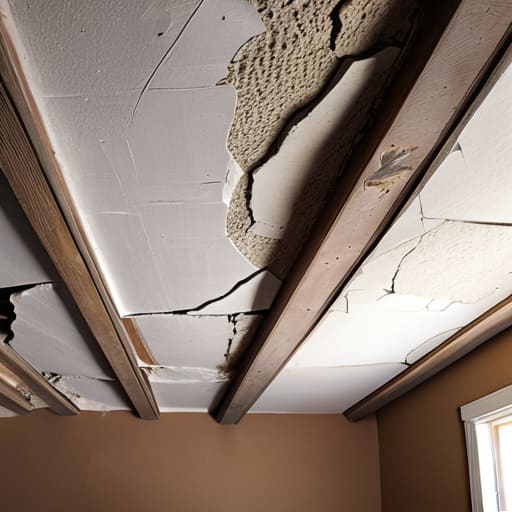
    I’ll never forget the look on my first client’s face when I walked into that mid-century bungalow and saw a massive, water-stained crater staring down from the living room. Most contractors would have immediately quoted them five figures for a full tear-out and replacement, but I knew better. They saw a catastrophe; I saw a lucrative opportunity. People love to act like ceiling repair is some terrifying, structural death sentence that requires a specialized crew and a massive loan, but that’s just how they keep their margins high. In reality, most of these issues are just symptoms of much smaller, fixable problems that are standing between you and a beautiful, high-value room.

    I’m not here to give you a sanitized, textbook lecture on drywall composition. I’m going to show you exactly how I tackle these messes on my own job sites to maximize my ROI. We’re going to strip away the intimidation and focus on the practical, dirty work required to turn a crumbling surface into a polished, professional finish. By the time we’re done, you won’t just know how to patch a hole; you’ll know how to handle a repair like a seasoned investor.

    Table of Contents

    Decoding Ceiling Crack Causes and Solutions

    Decoding Ceiling Crack Causes and Solutions photograph.

    When I first walk into a neglected fixer-upper, I don’t just see a crack; I see a diagnostic puzzle. Before you even grab your putty knife, you have to play detective. If that crack is hairline and superficial, it’s likely just the house “breathing” due to seasonal temperature shifts. But if it’s a wide, jagged fissure, you’re looking at structural movement or settling. Understanding these ceiling crack causes and solutions is the difference between a weekend DIY project and a massive headache that eats your profit margins.

    The real killer, though, is moisture. If you see discoloration or bubbling, stop everything. You aren’t just dealing with aesthetics; you’re fixing water damaged ceilings that could be hiding mold or rotting joists. Once the leak is plugged, you have to decide between plaster vs drywall repair depending on the era of the home. Old-school plaster requires a much more delicate touch and specific mesh tapes, whereas modern drywall is more forgiving. Identifying the source early ensures you aren’t just slapping a bandage on a wound that’s still bleeding.

    Plaster vs Drywall Repair Choosing Your Weapon

    Plaster vs Drywall Repair Choosing Your Weapon

    Before you pick up a putty knife, you need to know exactly what you’re fighting. If you’re walking into an older fixer-upper, there’s a high chance you’re dealing with original plaster. It’s heavy, it’s stubborn, and it’s prone to massive, crumbling chunks if you aren’t careful. While plaster vs drywall repair might seem like a minor distinction, the labor difference is night and day. Plaster requires a more nuanced touch and often more specialized materials to ensure the patch actually bonds with the old substrate.

    On the flip side, modern drywall is much more forgiving and significantly faster to work with. If you’re tackling a standard renovation, most of your drywall repair techniques will involve simple taping and mudding that any DIYer can master with a bit of patience. However, don’t get cocky; if you’re fixing water damaged ceilings, the material matters less than the source of the leak. Whether it’s brittle plaster or a soft sheet of gypsum, you have to ensure the structural integrity is restored before you even think about aesthetics.

    My Pro-Tips for Avoiding a Ceiling Disaster

    • Never, and I mean never, patch over a crack without finding the source first; if you’re just covering up a structural shift or a leak with spackle, you’re literally throwing your renovation budget down the drain.
    • Invest in a high-quality light meter or a powerful work lamp to inspect your repairs; shadows are the enemy of a smooth finish, and you don’t want to realize a patch is lumpy only after the buyer’s inspector shows up.
    • If you’re dealing with old plaster, don’t try to be a hero with just a putty knife; grab some mesh tape to reinforce the area, otherwise, that crack will be back before you’ve even finished your first cup of coffee.
    • Always check the attic or the floor above before you start sanding; I’ve seen too many investors lose money because they fixed a water stain but ignored the slow-dripping pipe that caused it in the first place.
    • Don’t skimp on the primer; if you skip the prep work and go straight to paint, your repair will look like a textured scar on an otherwise perfect ceiling, and that’s a massive red flag during a walkthrough.

    The Bottom Line on Ceiling Fixes

    Don’t panic at the first sign of a crack; identify if it’s just settling or a structural red flag before you start patching, so you don’t waste money on a cosmetic fix for a deep-seated problem.

    Choose your materials wisely by matching the repair method to the existing substrate—trying to patch plaster with drywall compound is a recipe for a hairline crack returning in six months.

    Treat every ceiling repair as an equity play, focusing on a seamless finish that makes the room feel intentional rather than “repaired,” because buyers notice a sloppy ceiling immediately.

    The Equity in the Details

    A crack in the ceiling isn’t just a maintenance headache; it’s a diagnostic tool. If you learn to read what those fissures are actually telling you, you can stop fearing the repair bill and start seeing the opportunity to protect your margins.

    Gareth Trelawny

    The Bottom Line on Ceiling Repairs

    The Bottom Line on Ceiling Repairs.

    At the end of the day, fixing a ceiling isn’t just about smoothing out some bumps; it’s about understanding the structural story the house is trying to tell you. Whether you’re dealing with a simple hairline crack in the drywall or a more complex plaster issue caused by settling, the key is to diagnose before you decorate. Don’t rush into a cosmetic patch if there’s an underlying moisture problem or a shifting joist, because that’s how you end up wasting your capital on a repair that won’t hold. Once you’ve correctly identified your “weapon”—be it fresh drywall or a careful plaster skim—you can move forward with the confidence that you aren’t just masking a problem, you’re building a lasting foundation for your renovation.

    I know that staring up at a water-stained or crumbling ceiling can feel overwhelming, especially when you’re trying to keep your budget tight and your timeline even tighter. But remember, every crack you fix and every uneven surface you level is a direct investment in your property’s value. These aren’t just chores; they are the strategic moves that turn a neglected house into a high-value asset. Don’t let the mess intimidate you. Grab your tools, stay pragmatic, and keep your eyes on the prize: turning that crumbling plaster into solid equity.

    Frequently Asked Questions

    How do I know if a crack in my ceiling is just cosmetic or a sign of serious structural issues that'll tank my ROI?

    Look, I’ve seen both, and the difference is everything for your bottom line. If it’s a hairline crack or a tiny spiderweb pattern, it’s likely just settling—patch it, paint it, and move on. But if that crack is wider than a quarter, running diagonally, or if you see actual sagging, stop. That’s a structural red flag that could turn a quick flip into a money pit. When in doubt, get an inspector before you commit.

    Is it actually worth the sweat equity to patch old plaster myself, or should I just bite the bullet and hire a pro?

    Look, if it’s a minor hairline crack or a small patch, grab your tools and do it yourself. That’s pure profit staying in your pocket. But if you’re staring at a ceiling that’s actively bowing or crumbling in large chunks, stop. Plaster is temperamental, and a botched DIY job will cost you more in professional repairs later than you’ll save now. Know when to sweat for your equity and when to call in the pros.

    What’s the best way to prep a repaired ceiling so the new paint job doesn't look like a patchy, amateur mess?

    The biggest mistake I see? Skimping on the sanding. If you leave even a tiny bump from your joint compound, it’ll scream “amateur” once the light hits it. Once you’ve smoothed things out, hit it with a high-quality primer. Don’t just slap regular paint over the patch; the texture will absorb it differently and leave a dull spot. Prime it first to seal everything, then paint the entire ceiling to ensure a seamless finish.

  • Choosing the Right Real Estate Investment Strategy

    Choosing the Right Real Estate Investment Strategy

    I still remember the smell of damp drywall and old sawdust from my first solo flip—a cramped, single-bedroom unit that most people wouldn’t have looked at twice. While the “gurus” on social media were busy preaching about passive income and effortless wealth, I was on my hands and knees with a laser measurer, trying to figure out if a structural crack was a dealbreaker or just a cheap fix. The truth is, most people overcomplicate a solid real estate investment strategy by chasing shiny, overpriced turnkey properties that leave zero room for profit. They think you need a massive inheritance to play the game, but they’re missing the point entirely.

    I’m not here to sell you a dream or a get-rich-quick scheme that falls apart the moment a contractor misses a deadline. Instead, I’m going to show you how to find the value that others overlook and how to manage the chaos of a renovation without losing your mind. My goal is to give you the practical, grit-tested tools you need to turn crumbling walls into solid equity. We’re going to focus on the math, the materials, and the mindset required to build a real portfolio from the ground up.

    Table of Contents

    Spotting Long Term Capital Appreciation in Dilapidated Homes

    Spotting Long Term Capital Appreciation in Dilapidated Homes

    When I’m walking through a property that looks like it hasn’t seen a paintbrush since the nineties, I’m not looking at the peeling wallpaper or the stained carpets. I’m looking at the lot size, the neighborhood trajectory, and the structural integrity. You have to train your brain to ignore the surface-level decay and focus on the underlying value. I’ve learned that the real money isn’t made in the cosmetic fixes; it’s made by identifying assets that will drive long-term capital appreciation regardless of a quick flip.

    If you’re aiming for more than just a single payday, you need to evaluate how a property fits into the broader local landscape. I always keep an eye on real estate market trends to ensure I’m not buying into a dying suburb. I want to see a neighborhood that is seeing new coffee shops, improved transit, or revitalized parks. If the bones are solid and the location is poised for growth, that dilapidated house is just a goldmine waiting for a little sweat equity and a strategic design overhaul.

    Mastering Rental Property Roi Analysis for Messy Renovations

    Mastering Rental Property Roi Analysis for Messy Renovations

    When you’re staring at a gutted kitchen or a cracked foundation, it’s easy to get swept up in the aesthetic potential. But as an investor, I have to snap myself out of it and get back to the numbers. A beautiful renovation is useless if it doesn’t move the needle on your rental property ROI analysis. Before I even pick up a sledgehammer, I’m running the math on every single upgrade. I need to know if that high-end quartz countertop is actually going to command a higher monthly rent, or if I’m just spending money to satisfy my own design cravings.

    You have to look past the immediate costs and focus on the long-term yield. I always weigh my rehab budget against current real estate market trends to ensure I’m not over-improving for the neighborhood. The goal isn’t just to make a pretty house; it’s to build a reliable engine for passive income through real estate. If the math doesn’t support a healthy margin after accounting for repairs, taxes, and vacancy, I walk away. I’m here to build equity, not a very expensive hobby.

    My Non-Negotiable Rules for Playing the Long Game

    • Don’t get blinded by pretty paint; I always look past the “lipstick on a pig” to ensure the structural bones—the foundation, the roof, and the layout—are actually worth the sweat equity.
    • Learn to love the “ugly” neighborhoods before they get trendy, because that’s where you find the undervalued gems that actually build real wealth.
    • Always build a 15% contingency buffer into your renovation budget, because in my experience, a “simple” plumbing fix has a funny way of turning into a full-scale disaster.
    • Focus your design choices on high-impact, functional upgrades like updated kitchens or lighting rather than expensive, niche decor that won’t actually move the needle on your resale value.
    • Stop waiting for the “perfect” market to jump in; the best time to build equity is when you find a property with enough potential to outpace any temporary economic dip.

    The Bottom Line for Your Next Flip

    Stop looking for perfection and start looking for potential; the real profit lives in the gap between a home’s current state and what it could be with smart, strategic design.

    Always run your numbers through the lens of a messy renovation—if your ROI doesn’t account for the inevitable “hidden” surprises behind a drywall, you aren’t investing, you’re gambling.

    Build equity by focusing on high-impact, structural improvements rather than superficial trends; I’d rather see a solid foundation and updated electrical than a trendy backsplash every single time.

    The Real Math of Renovation

    A successful investment strategy isn’t about finding a perfect house; it’s about finding a house with enough flaws to make you money, and having the grit to fix them.

    Gareth Trelawny

    Turning Vision Into Equity

    Turning Vision Into Equity through real estate.

    At the end of the day, a successful real estate investment strategy isn’t about luck; it’s about the math and the grit. We’ve covered how to identify those long-term appreciation plays in properties that most people would walk right past, and we’ve broken down the necessity of a cold, hard ROI analysis before you ever swing a sledgehammer. You have to be able to look past the peeling wallpaper and the outdated electrical to see the structural potential underneath. If you can master the balance between smart design choices and strict budget management, you aren’t just fixing a house—you are engineering a profit margin.

    I know it sounds daunting. There will be days when you’re standing in a flooded basement or staring at a contractor’s quote that makes your eyes water. But remember, the most significant wealth isn’t handed out; it’s built, one renovation at a time. Don’t let the mess intimidate you. Every crumbling wall is just an opportunity to create value where none existed before. Stay focused on the long game, trust your eye for design, and keep pushing. It’s time to stop watching from the sidelines and start building your legacy through the dirt and the sweat.

    Frequently Asked Questions

    How do I calculate a realistic renovation budget when I’m dealing with the "unknown unknowns" of an old house?

    Look, if you’re working on a house built before the nineties, “surprises” aren’t just possible—they’re guaranteed. You cannot budget based on a perfect scenario. I always follow a 20% rule: once you’ve tallied your contractor quotes and material costs, add a 20% contingency buffer immediately. Treat that money as already spent. If you don’t find a leak or outdated wiring, great—that’s your profit. If you do, you aren’t staring at a bankruptcy filing.

    At what point does a fixer-upper stop being a strategic investment and start becoming a money pit?

    It stops being an investment the second the “unknowns” outweigh your contingency fund. I’ve seen it happen: you think you’re just replacing flooring, but then you open a wall and find knob-and-tube wiring and structural rot. If the scope of work expands by more than 20% due to hidden defects, you aren’t renovating anymore—you’re just subsidizing a disaster. If you can’t see a clear path to equity through the mess, walk away.

    Should I be prioritizing quick flips for immediate cash flow or holding onto properties for long-term equity?

    Look, there’s no one-size-fits-all answer, but you have to decide what your current fuel is. If you’re starving for liquidity to fund your next big project, quick flips are your best friend—they provide the immediate cash injection needed to keep the engine running. But if you’re playing the long game, holding for equity builds that generational wealth I’m always talking about. Personally? I use flips to build my war chest, then pivot to long-term holds.

  • Understanding Property Renovation Costs and Budgeting

    Understanding Property Renovation Costs and Budgeting

    I was standing in a damp, unfinished basement last Tuesday, my laser measurer tucked into my bag and a layer of drywall dust coating my boots, when the contractor dropped a quote that made my stomach sink. It wasn’t just high; it was bloated with “safety margins” that felt more like a tax on my intelligence. Most people treat property renovation costs like some mysterious, untouchable black hole, but that’s exactly how the big players keep you from building real wealth. They want you to believe that every project requires a massive, unmanageable contingency fund, when in reality, you just need to know where the real money is actually going.

    I’m not here to sell you on some polished, Pinterest-perfect fantasy where every flip goes perfectly to plan. I’m going to give you the raw, unvarnished truth about what it actually takes to budget for a value-add project without bleeding out your capital. We are going to strip away the fluff and focus on strategic spending—learning how to prioritize the structural bones that build equity while knowing exactly when to cut corners on the aesthetics. By the end of this, you’ll have a roadmap to navigate those numbers with absolute confidence.

    Table of Contents

    How to Estimate Home Renovation Budget Without Breaking the Bank

    How to Estimate Home Renovation Budget Without Breaking the Bank

    The biggest mistake I see rookie investors make is treating their initial estimate like a fixed price tag. If you’re trying to figure out how to estimate home renovation budget accurately, you have to stop looking at the surface and start looking at the bones. I always start by breaking down the split between material vs labor costs in construction. Materials are easy to price out via a quick trip to the supplier, but labor is where the variables live. If you’re working with a crew that specializes in high-end finishes, your numbers are going to jump significantly compared to a standard refresh.

    Once you have those baseline figures, you absolutely cannot skip renovation contingency fund planning. I never, and I mean never, step onto a job site without a 15% buffer set aside in a separate account. You will find something behind a drywall—a leaky pipe, outdated wiring, or a structural quirk—that wasn’t in your initial walkthrough. If you don’t account for these hidden renovation expenses to watch for, you aren’t investing; you’re just gambling with your own capital.

    The Average Cost Per Square Foot for Remodeling Realities

    The Average Cost Per Square Foot for Remodeling Realities

    When you start looking at the numbers, you’ll inevitably see people throwing around a single, magic number for the average cost per square foot for remodeling. Here’s the reality: that number is a moving target. If you’re just doing a cosmetic refresh—think new paint, some mid-century lighting, and updated flooring—you might stay on the lower end of the spectrum. But if you’re tearing down load-bearing walls to create that open-concept flow everyone wants, your costs are going to skyrocket. You have to distinguish between the aesthetic upgrades and the structural heavy lifting.

    The real danger in a flip isn’t the visible stuff; it’s the disconnect between material vs labor costs in construction. I’ve seen investors get obsessed with picking the perfect quartz countertop, only to realize they’ve completely underestimated the cost of the skilled electrician needed to rewire the kitchen. You can’t just budget for the “pretty” parts. If you aren’t accounting for the specialized trades, you aren’t budgeting—you’re just guessing. Always remember that the square footage tells you the scale, but the scope of work determines your actual profit margin.

    Five Ways to Keep Your Renovation Budget from Spiraling Out of Control

    • Build a 15% “Oh Sht” fund into every single project. I’ve pulled back enough drywall to find unexpected mold or outdated wiring to know that if you don’t budget for the things you *can’t see, you’re essentially gambling with your profit margins.
    • Prioritize the “bones” over the “beauty.” It’s tempting to pick out high-end Italian tile, but if your plumbing is shot or the electrical panel can’t handle a modern kitchen, your equity is going to vanish. Fix the structural and mechanical issues first; you can always upgrade a faucet later.
    • Source your materials like you’re at a high-end thrift shop. I spend half my weekends hunting for mid-century gems, and I apply that same logic to rehabs. Don’t buy everything brand new at retail prices—look for liquidations, floor models, or even high-quality reclaimed materials to slash your material costs.
    • Get three quotes, but don’t just pick the cheapest one. I’ve learned the hard way that the “budget” contractor who underbids everyone else usually ends up being the most expensive because they disappear halfway through the job or hit you with endless change orders. Look for reliability and a clear scope of work.
    • Control the scope creep. It’s easy to walk into a bathroom remodel and decide, “You know what? Let’s just knock down this wall and expand the footprint.” Stop right there. Every “small” change adds labor hours and material costs that can quickly eat the spread you calculated during your initial analysis.

    The Bottom Line: Protecting Your Profit Margins

    Always bake a 15-20% contingency buffer into your initial numbers; in my experience, the “hidden” issues behind old drywall are the only things that can turn a profitable flip into a money pit.

    Focus your capital on high-ROI zones like kitchens and bathrooms, because while a designer backsplash is nice, it’s the functional layout and updated plumbing that actually drive the appraisal up.

    Don’t mistake a low quote for a good deal—if a contractor is significantly undercutting the market, they’re likely cutting corners on materials or labor that will haunt your inspection report later.

    The Real Cost of the "Quick Fix"

    “Newbies always get blinded by the sticker price of a renovation, but the real cost isn’t the lumber or the labor—it’s the money you lose by cutting corners on the things behind the drywall. I’d rather pay for high-quality plumbing now than bleed equity later when a single leak turns my profit margin into a puddle.”

    Gareth Trelawny

    The Bottom Line on Your Renovation Budget

    The Bottom Line on Your Renovation Budget.

    At the end of the day, managing property renovation costs isn’t about having an infinite bank account; it’s about having a disciplined strategy. We’ve covered how to estimate your budget without losing your mind, the reality of what you’ll actually pay per square foot, and the necessity of building in a contingency fund for those inevitable “surprises” behind the drywall. Remember, every dollar you spend needs to be a calculated move toward increasing the property’s value. If you aren’t tracking your expenses against your projected ROI, you aren’t investing—you’re just playing house. Keep your eyes on the numbers and don’t let scope creep bleed your equity dry.

    Look, I know the spreadsheets can feel overwhelming and the dust from a job site can feel suffocating, but that’s exactly where the opportunity lives. While everyone else is looking for turnkey homes and fighting over scraps, you’re looking at the bones of a house and seeing a future asset. The mess is temporary, but the wealth you build from a successful rehab is permanent. Stop waiting for the “perfect” market or a massive inheritance to fall into your lap. Grab your laser measurer, trust your research, and start turning those crumbling walls into solid equity.

    Frequently Asked Questions

    How much of a "contingency fund" should I actually set aside for those inevitable surprises behind the drywall?

    Look, if you aren’t planning for the “unknown,” you aren’t investing; you’re gambling. I always tell my clients to bake a 15% to 20% contingency fund into their initial math. If you’re tackling a total gut rehab in an older home, lean toward that 20%. You’re going to find outdated wiring or a surprise plumbing issue the moment you pull that first sheet of drywall. That buffer is what keeps your profit margins from evaporating.

    Are there specific high-ROI renovations that give me the most bang for my buck without blowing my entire budget?

    If you want to maximize your margins without draining your bank account, focus on the “heart” of the home. A kitchen refresh—think painting cabinets, upgrading hardware, and swapping out old countertops—offers massive ROI. Similarly, updating a dated bathroom with modern fixtures and fresh tiling can transform a property’s perceived value overnight. Don’t waste money on structural changes; focus on cosmetic upgrades that make a buyer feel like they’re stepping into a lifestyle, not a construction zone.

    When am I better off DIY-ing a project versus hiring a pro to ensure I don't kill my profit margins?

    Look, I love a good weekend project, but don’t let your ego eat your equity. If it’s cosmetic—painting cabinets, swapping out mid-century hardware, or laying LVP flooring—do it yourself. That’s where you claw back your margins. But if you’re touching anything behind the walls—electrical, plumbing, or structural—call a pro. One botched wiring job can turn a profitable flip into a financial sinkhole faster than you can grab your laser measurer.

  • Ways to Update Home Doors

    Ways to Update Home Doors

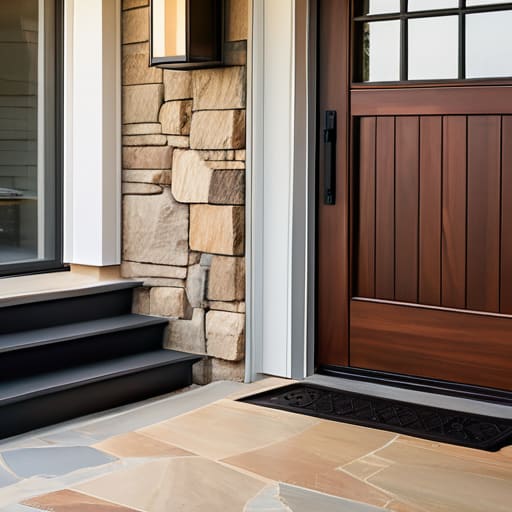
    I was standing in the entryway of a mid-century fixer-up last November, the kind of place where you can practically smell the deferred maintenance, when I realized the entire vibe was being sabotaged by a single, hollow-core disaster. The door was warped, the finish was peeling like a bad sunburn, and it felt cheap the second you touched the handle. Most contractors will try to upsell you on a custom, hand-carved mahogany masterpiece that eats your entire renovation budget before you even get to the kitchen, but that’s a rookie mistake. Real estate isn’t about luxury for luxury’s sake; it’s about strategic door replacement that signals quality without bleeding your margins dry.

    I’m not here to sell you on high-end showroom fluff or overpriced designer trends that won’t actually move the needle on your ROI. My goal is to give you the straight-up, boots-on-the-ground truth about which materials actually hold up and which ones are just expensive eye candy. We’re going to look at how to pick high-leverage options that boost curb appeal and security while keeping your flip profitable. If you want to stop wasting money on vanity projects and start building solid equity, you’re in the right place.

    Table of Contents

    Maximizing Returns With Modern Door Styles

    Maximizing Returns With Modern Door Styles.

    When I’m walking through a property, I’m looking for the “wow” factor that justifies a higher asking price. You can’t get that with a beige, hollow-core slab that looks like it belongs in 1994. To really drive up the perceived value, you need to lean into modern door styles that make a statement. I’m talking about clean lines, oversized glass inserts to pull in natural light, or even a bold, matte black finish. It’s about creating an immediate sense of luxury the moment a potential buyer steps onto the porch.

    However, don’t just chase aesthetics; you have to back it up with substance. If I’m pitching a renovation to a client, I’m emphasizing that high-end design must meet functionality. Investing in energy efficient entry doors isn’t just a “nice to have”—it’s a massive selling point for buyers looking to slash their utility bills. When you combine a striking visual upgrade with improved thermal performance, you aren’t just spending money on a new entrance; you’re strategically building equity that sticks.

    Securing the Perimeter With Vital Security Door Features

    Securing the Perimeter With Vital Security Door Features

    When I’m walking through a property I’ve just picked up, I’m not just looking at the paint colors; I’m looking for vulnerabilities. A flimsy, hollow-core front door is a massive red flag for any potential buyer. You need to prioritize security door features like reinforced strike plates and high-quality deadbolts that actually feel substantial when you turn them. If the door feels cheap, the buyer will assume the rest of the house is too.

    It’s also about more than just preventing break-ins; it’s about the integrity of the entire entryway. I’ve seen too many investors overlook basic door frame repair, only to realize later that the whole unit is misaligned because the foundation of the opening is rotting. If the frame is compromised, even the most expensive hardware won’t save you. Take the time to ensure the structural bones are solid before you even think about picking out the finish. A secure, well-fitted entrance is one of those non-negotiable high-leverage fixes that builds buyer confidence and protects your bottom line.

    Don't Leave Money on the Table: 5 Pro Tips for Your Next Door Swap

    • Stop overspending on high-end custom builds when a quality, pre-hung steel door can give you the same visual impact for a fraction of the cost. In this game, it’s about the ROI, not your personal vanity.
    • Check your threshold levels before you even order the hardware. There is nothing that kills a renovation’s vibe faster than a door that sticks or leaves a massive, ugly gap that lets the heat escape.
    • Don’t overlook the frame. If you’re replacing the door but leaving a warped, rotting jamb, you’re just putting a designer band-aid on a structural wound. Replace the whole unit if the integrity is compromised.
    • Use hardware as your secret weapon for a quick finish. You can take a standard, mid-range door and make it look like a custom piece just by swapping out cheap, flimsy handles for heavy, matte black or brushed brass hardware.
    • Always prioritize the weatherstripping during the install. I’ve seen too many investors focus so much on the “look” that they forget a drafty entryway kills the property’s energy efficiency rating—and that’s a huge red flag during a home inspection.

    The Bottom Line on Door Upgrades

    Stop viewing doors as an afterthought; a high-quality, modern entry is one of the fastest ways to boost curb appeal and command a higher asking price.

    Never compromise on security for style—invest in solid cores and reinforced hardware to protect your investment and your buyer’s peace of mind.

    Focus on high-leverage swaps that fix visible rot and outdated aesthetics to ensure you aren’t leaving equity on the table during your next flip.

    ## The High-Leverage Truth About Entryways

    “A sagging, weathered front door is more than just an eyesore; it’s a red flag to buyers that you’ve neglected the bones of the house. I don’t view door replacement as a cosmetic upgrade—I view it as a strategic play to protect my margins and instantly signal that the rest of the property is worth the premium.”

    Gareth Trelawny

    The Bottom Line on Your Entryway

    The Bottom Line on Your Entryway.

    At the end of the day, door replacement isn’t just about aesthetics or picking a trendy color from a swatch book; it’s a calculated move to protect your investment. We’ve covered how the right style can instantly elevate a property’s perceived value and how prioritizing heavy-duty security features ensures that your newly minted equity isn’t left vulnerable to the first person with a crowbar. If you’re looking for a high-leverage fix that hits both the “wow factor” for buyers and the practical needs of a long-term hold, this is it. Don’t view a door as a mere utility—view it as a strategic asset that seals the deal on your renovation budget.

    I know that staring at a list of contractor quotes and material options can feel overwhelming when you’re deep in the middle of a rehab. But remember why you started this journey in the first place. Every small, smart decision you make—like swapping out a sagging, hollow-core door for something substantial—is a brick in the foundation of your future wealth. It’s about seeing the potential in the details that everyone else overlooks. Stop settling for “good enough” and start making the moves that turn a house into a high-performing asset. You’ve got the eye for it; now go execute.

    Frequently Asked Questions

    How do I know if I can just swap the door itself or if I’m looking at a full frame replacement to avoid structural headaches?

    Here’s the reality: grab that laser measurer in my bag and check the plumb. If your current frame is rotted, warped, or the casing is pulling away from the drywall, don’t even bother just swapping the slab. Trying to hang a high-end door in a wonky frame is a recipe for a nightmare that’ll eat your margins. If the opening isn’t square, bite the bullet and do a full frame replacement. It’s better to pay for the labor now than to fight a door that won’t latch for the next three years.

    At what point does the cost of a high-end door stop being a smart investment and start eating into my actual profit margins?

    Look, there’s a fine line between “premium feel” and “burning cash.” You stop being smart when you’re buying custom mahogany for a house that’s destined for a mid-range flip. If the door cost pushes your renovation budget past the projected After Repair Value (ARV), you’ve failed. Stick to high-quality, semi-custom options that look expensive but don’t carry a boutique price tag. Don’t over-improve; your goal is equity, not a showroom.

    What are the biggest red flags to look for during a walkthrough that signal a door issue is more than just cosmetic?

    If you see a door that’s sticking or won’t latch, don’t just assume it’s a simple adjustment. Look closer. If there are visible gaps around the frame or cracks in the drywall near the casing, you’re likely looking at structural settling or a compromised header. Also, check for rot at the base—especially on exterior doors. If the wood feels soft or looks swollen, that’s not a cosmetic fix; that’s a full replacement waiting to happen.

  • Common Diy Renovation Projects for Investors

    Common Diy Renovation Projects for Investors

    I still remember the smell of damp drywall and old sawdust clinging to my hair after my first solo project—a cramped bungalow that most people would have called a teardown. I was standing there, covered in dust and clutching my laser measurer like a lifeline, staring at a kitchen that looked like it hadn’t seen a renovation since the seventies. Most people look at a house like that and see a money pit, but I saw something else entirely. They want you to believe that a successful diy renovation requires a massive crew of contractors and a bottomless bank account, but that’s just a marketing myth designed to keep you from building your own wealth.

    I’m not here to sell you on some polished, Pinterest-perfect fantasy where everything goes right on the first try. Real investing is messy, loud, and occasionally frustrating, but that’s exactly where the profit lives. In this guide, I’m going to strip away the fluff and give you the straightforward, tactical advice I use to turn neglected spaces into high-value assets. We’re going to focus on smart design choices and strategic labor so you can stop dreaming about equity and start actually building it.

    Table of Contents

    Smart Renovation Project Planning for the Bold

    Smart Renovation Project Planning for the Bold.

    Before you even pick up a hammer, you need to sit down with a notebook and a realistic mindset. Most people dive into a project headfirst and end up drowning in unexpected costs, but successful renovation project planning is about anticipating the chaos before it hits. I never step onto a job site without a granular breakdown of my materials and labor. You aren’t just playing around with aesthetics; you are managing a business asset. If you can’t map out the timeline, you’re just burning cash.

    For those of you looking at beginner diy home projects, my best advice is to start with the bones. Don’t get distracted by expensive finishes when the electrical or plumbing is questionable. I always prioritize structural integrity and functional upgrades because that’s what actually drives appraisal value. Focus on the high-impact areas—like a kitchen or a primary bath—where strategic changes yield the highest return. It’s about being surgical with your efforts rather than spreading yourself too thin across a house that isn’t ready for it.

    Beginner Diy Home Projects That Actually Build Equity

    Beginner Diy Home Projects That Actually Build Equity

    If you’re just starting out, don’t go out and try to gut a kitchen on day one. That’s a quick way to blow your budget and your confidence. Instead, focus on beginner DIY home projects that offer a high return on investment without requiring a structural engineering degree. I always tell my clients to start with cosmetic updates like refreshing cabinetry or swapping out dated hardware. It’s a relatively budget friendly home improvement that completely changes the vibe of a room. When you replace old, brassy handles with matte black or brushed nickel, you aren’t just decorating; you’re signaling to future buyers that the home has been well-maintained.

    Another high-impact area is the entryway or a small powder room. These are perfect spots for some quick room makeover ideas, like a fresh coat of paint or a new vanity. If you’re feeling slightly more ambitious, grab some essential woodworking tools and try building custom floating shelves. It adds that high-end, custom-built feel that makes a property stand out in a crowded market, turning a plain wall into a focal point that screams value.

    My Golden Rules for Not Wasting Money on a Fixer-Upper

    • Prioritize the “bones” over the aesthetics. I’ve seen too many people spend thousands on designer backsplash tile while ignoring a leaking water heater. Fix the structural and mechanical issues first; a beautiful kitchen doesn’t mean a thing if the foundation is shifting.
    • Know when to put down the hammer and call a pro. There is a fine line between a “smart DIY” and a “total disaster.” If you’re messing with load-bearing walls or complex electrical work without experience, you aren’t building equity—you’re building a liability.
    • Shop the secondhand market for high-end finishes. My secret weapon is thrifting mid-century modern pieces and refinishing them myself. You can get a high-end, designer look for a fraction of the retail cost, which keeps your margins healthy.
    • Don’t get “scope creep” during the process. It starts with painting a room and ends with you trying to remodel the entire house on a whim. Stick to your initial budget and plan, or you’ll find yourself deep in the red before you even hit the finish line.
    • Always measure twice, even if you think you’ve got it. I never leave the house without my laser measurer for a reason. There is nothing more expensive or frustrating than buying a custom cabinet or a piece of furniture that ends up being two inches too wide for the space.

    The Bottom Line on Building Equity

    Focus your sweat equity on high-impact areas like kitchens and baths; don’t waste time on cosmetic updates in rooms that won’t move the needle on your appraisal.

    Always budget for the “messy” factor—unexpected plumbing issues or structural surprises are just part of the game, so keep a contingency fund ready so a surprise doesn’t tank your ROI.

    Prioritize function over fluff; a beautiful renovation is great, but if it doesn’t solve a structural problem or improve the flow of the house, you’re just spending money, not building wealth.

    ## The Real Value of a Messy Job Site

    “Stop looking for the perfect, move-in-ready house; those are priced for convenience, not profit. I’d rather take on a project with peeling wallpaper and outdated fixtures any day, because every layer of grit you strip away is just another layer of equity you’re adding to your bank account.”

    Gareth Trelawny

    Turning Sweat Equity into Real Wealth

    Turning Sweat Equity into Real Wealth.

    At the end of the day, successful DIY renovation isn’t about having a perfect, dust-free workspace; it’s about the strategic execution of your plan. We’ve covered how to move from high-level project planning to tackling those specific, high-impact beginner projects that actually move the needle on your property’s valuation. Remember, the goal isn’t just to make a room look pretty—it’s to ensure every hour you spend on your knees scrubbing grout or painting trim is a direct investment into your bottom line. If you focus on the projects that offer the highest return on effort, you aren’t just playing house; you are building a scalable real estate portfolio one room at a time.

    I know the prospect of a messy, mid-renovation house can feel overwhelming, especially when you’re staring at a pile of debris and a mounting list of tasks. But don’t let the chaos intimidate you. Every cracked tile and outdated fixture is just a placeholder for the wealth you’re about to create. Real estate isn’t just for people who start with a silver spoon; it’s for the people willing to pick up a sander and get their hands dirty. Stop waiting for the “perfect” time to start and just grab your laser measurer. The equity is waiting for you to go out there and claim it.

    Frequently Asked Questions

    How do I know when a DIY project is actually worth the time, versus when I should just hire a professional to avoid a massive headache?

    Here’s my rule of thumb: if it’s cosmetic, grab your tools. Painting, tiling, or swapping out hardware is where you squeeze out the most sweat equity. But the second you see wires, smell gas, or realize you’re touching load-bearing walls, stop. Don’t gamble your investment on a “learning experience” that ends in a structural nightmare. If a mistake costs more than a pro’s quote, walk away and hire the expert.

    What are the red flags I should look for in a fixer-upper that signal a renovation will become a money pit rather than a profit maker?

    Look, I love a messy job site, but there’s a difference between “character” and a financial catastrophe. If you see sagging floorboards, heavy water staining on the ceiling, or old knob-and-tube wiring, proceed with extreme caution. Those aren’t just quick fixes; they’re structural or systemic nightmares that can eat your entire margin. If the foundation looks like it’s shifting or the smell of mold is thick, walk away. Don’t let a “deal” turn into a money pit.

    How do I balance my personal design aesthetic with what's actually going to drive the highest resale value in today's market?

    Here’s the hard truth: your personal taste is for your own home, not your next flip. If you go too heavy on a niche aesthetic—even if it’s gorgeous—you’re shrinking your buyer pool. I follow the 80/20 rule. Keep 80% of the project neutral and high-end (think clean lines and timeless finishes) to ensure mass appeal. Save that remaining 20% for your “designer” flair in ways that don’t require a sledgehammer to undo.

  • Upgrading Kitchen Cabinets Without Replacement

    Upgrading Kitchen Cabinets Without Replacement

    I was standing in a kitchen last Tuesday—a fixer-upper I just picked up in the suburbs—staring at these heavy, honey-oak carcasses that looked like they belonged in a 1992 sitcom. The contractor I was talking to was already sketching out a quote for a full gut job, talking about tearing out every single stud and replacing the entire layout. Honestly? It made my blood boil. That kind of “all or nothing” mentality is exactly how investors lose their margins. You don’t always need to demolish the bones of a house to fix the aesthetic; sometimes, you just need to realize that cabinet refacing is the smartest way to salvage your budget while still delivering that high-end, modern look.

    I’m not here to sell you on some magic DIY miracle or a way to hide structural rot with a thin layer of veneer. I’m here to give you the unfiltered truth about when this strategy actually builds equity and when it’s just throwing good money after bad. I’ve spent years on job sites learning exactly where the line is drawn between a savvy renovation and a waste of capital. By the end of this, you’ll know how to spot a quality job and how to use this shortcut to maximize your ROI without the headache of a total kitchen demolition.

    Table of Contents

    A Smart Kitchen Remodel Cost Comparison

    A Smart Kitchen Remodel Cost Comparison chart.

    When I’m walking through a property and looking at the numbers, I always run a quick kitchen remodel cost comparison before I even talk to a contractor. If I’m looking at a quick flip, the math is pretty brutal: a full gut job—ripping out everything from the floor to the ceiling—can easily swallow 15-20% of my entire renovation budget. On the flip side, a kitchen cabinetry facelift lets me keep the structural bones that are still perfectly sound while completely changing the visual impact for a tiny fraction of that price.

    In a head-to-head battle of refacing vs replacing cabinets, the winner is almost always decided by your ROI goals. Replacing everything is a massive undertaking that involves demolition dust, plumbing shifts, and weeks of living in a construction zone. However, if you opt for professional cabinet resurfacing, you’re essentially getting that high-end, custom look without the high-end price tag. It’s about being strategic; I’d much rather spend that saved cash on high-quality quartz countertops or updated lighting that actually moves the needle on the final sale price.

    Refacing vs Replacing Cabinets Choosing Equity Over Waste

    Refacing vs Replacing Cabinets Choosing Equity Over Waste

    When you’re staring at a set of dated, honey-oak carcasses, the instinct is often to rip everything out and start fresh. But as someone who looks at every project through the lens of ROI, I have to tell you: that’s often a massive mistake. The debate of refacing vs replacing cabinets usually comes down to one thing—how much of the actual structure is still sound? If the boxes are sturdy and level, tearing them out is just throwing money down the drain. A professional cabinet resurfacing can give you that high-end, custom look without the soul-crushing expense of a full demolition.

    Instead of chasing every fleeting modern kitchen aesthetic trend that requires a complete gut job, I prefer a more surgical approach. By keeping the existing frames and simply updating the doors and drawer fronts, you’re performing a strategic kitchen cabinetry facelift that keeps your budget focused on high-impact areas like quartz countertops or new lighting. It’s about being smart with your capital. You get the durable cabinet finishes and the clean lines you want, while keeping your renovation timeline—and your sanity—on track.

    5 Ways to Maximize Your ROI Without Tearing Out Every Cabinet

    • Check the bones before you buy the finish. I’ve seen people spend thousands refacing cabinets only to realize the boxes were rotting from a slow leak. Before you commit to new doors, open every single drawer and check for structural integrity; if the carcasses are soft, refacing is just putting expensive lipstick on a pig.
    • Don’t overlook the hardware upgrade. If you’re refacing, you have a golden opportunity to swap out those dated, clunky pulls for something more contemporary—think matte black or brushed brass. It’s a low-cost move that makes the entire kitchen feel intentional rather than just “patched up.”
    • Stick to timeless finishes to protect your resale value. When I’m flipping, I avoid the “trendy” trap. Skip the high-gloss navy or the overly distressed farmhouse look; instead, go for clean, neutral tones that appeal to the widest possible pool of buyers when it’s time to exit the investment.
    • Invest in high-quality door profiles. If you’re refacing, the door is the star of the show. Don’t skimp here by choosing cheap, thin MDF doors that warp after one season. Spend the extra bit on solid wood or high-grade materials that feel heavy and substantial when you close them.
    • Match your lighting to your new aesthetic. A kitchen refit can look cheap if you’re still using that one lonely, yellowing overhead light. Once the cabinets look fresh, swap in some under-cabinet LED strips or a modern pendant; it pulls the whole “new kitchen” illusion together and makes the space feel premium.

    The Bottom Line on Your Kitchen ROI

    Don’t let vanity projects kill your margins; if the cabinet boxes are structurally sound, refacing is the fastest way to modernize the space without the massive price tag of a full gut job.

    Focus your renovation budget where it actually moves the needle—use the money you save on cabinets to upgrade high-impact items like quartz countertops or new hardware.

    Think like an investor, not just a decorator; the goal isn’t just a “pretty” kitchen, it’s a strategic upgrade that maximizes your property’s resale value while keeping your renovation costs under control.

    ## Maximizing Your Margin

    “In this business, profit is found in the gap between what a house looks like and what it could look like. If the cabinet boxes are structurally sound, tearing them out is just throwing money away; refacing is how you manufacture that visual transformation without bleeding your renovation budget dry.”

    Gareth Trelawny

    Making the Call

    Making the Call: Cabinet Refacing vs Replacement

    At the end of the day, choosing between a full gut job and refacing comes down to one thing: your bottom line. We’ve looked at how the numbers stack up, and the reality is that you don’t need to tear out perfectly good carcasses to get a high-end look. If the structural bones of your cabinets are solid, a full replacement is often just throwing money down the drain that could be better spent on higher-impact upgrades like quartz countertops or updated lighting. Refacing gives you that fresh, modern aesthetic and a massive boost to your home’s perceived value without the massive headache—and the massive bill—of a total kitchen overhaul.

    Look, I know the idea of a massive renovation can feel overwhelming, especially when you’re trying to play the long game with your finances. But remember, building a real estate portfolio isn’t about making the most expensive moves; it’s about making the smartest moves. Don’t let the fear of a “small” project stop you from seeing the big picture. Whether you’re prepping a house for market or just upgrading your own space, focus on the ROI. Stop chasing perfection and start chasing equity. Grab your measuring tape, look at what you’ve already got, and start building that wealth one smart decision at a time.

    Frequently Asked Questions

    How do I know if my current cabinet boxes are actually sturdy enough to be refaced, or if they're too far gone?

    Before you commit, grab that laser measurer and get hands-on. Open every door and drawer. If you see sagging hinges, crumbling particle board, or any sign of water damage—especially near the sink—run. If the boxes are structurally sound and level, refacing is a goldmine. But if the carcasses are soft or warped, you’re just putting expensive lipstick on a pig. In that case, a full replacement is the only way to protect your investment.

    Does refacing actually hold up against heavy daily use, or will the new doors start peeling after a year?

    Look, I get the skepticism. I’ve seen cheap DIY jobs fall apart in six months, but professional refacing isn’t a “band-aid” fix. When you use high-quality thermofoil or professional-grade wood veneers, they’re built to handle the chaos of a real kitchen. As long as you aren’t blasting the new doors with heavy steam or abrasive chemicals, they’ll hold up just fine. It’s about investing in quality materials upfront so your equity doesn’t peel away.

    If I'm looking for the best ROI, should I focus on changing the door style or just updating the finish and hardware?

    If you’re chasing maximum ROI, don’t overthink it: prioritize the finish and hardware first. Changing the door style is a bigger job that can sometimes backfire if the new aesthetic doesn’t vibe with the existing box construction. However, a high-quality spray finish paired with modern, heavy-duty hardware can make an old kitchen look brand new for a fraction of the cost. It’s about smart cosmetic upgrades that drive perceived value without the heavy lifting.