
I was standing in a damp, unfinished basement last Tuesday, clutching my laser measurer and staring at a cracked foundation, when it hit me: most of the “expert” advice out there regarding real estate portfolio management is absolute garbage. You’ll see these gurus on social media preaching about high-level diversification and complex tax shelters as if you’re already managing a hundred units. It’s exhausting. They make it sound like you need a Wall Street degree and a mountain of seed money just to get started, but that’s a total lie. Real growth doesn’t come from following a textbook; it comes from knowing how to scale when things get messy.
I’m not here to sell you a dream or some overcomplicated spreadsheet that takes ten hours a week to update. I’m going to show you how I actually build equity, one strategic rehab at a time. We’re going to strip away the fluff and talk about the gritty reality of managing assets, from deciding when to hold a fixer-upper and when to flip it, to the unfiltered truth about cash flow. Let’s get to work.
Table of Contents
- Smart Real Estate Investment Strategies for the Scrappy Investor
- Maximizing Rental Yields Without a Massive Inheritance
- The Scrappy Investor’s Playbook: 5 Rules for Managing Your Portfolio
- The Bottom Line: Turning Sweat Equity into Real Wealth
- ## The Real Secret to Scaling
- Turning Vision into Value
- Frequently Asked Questions
Smart Real Estate Investment Strategies for the Scrappy Investor
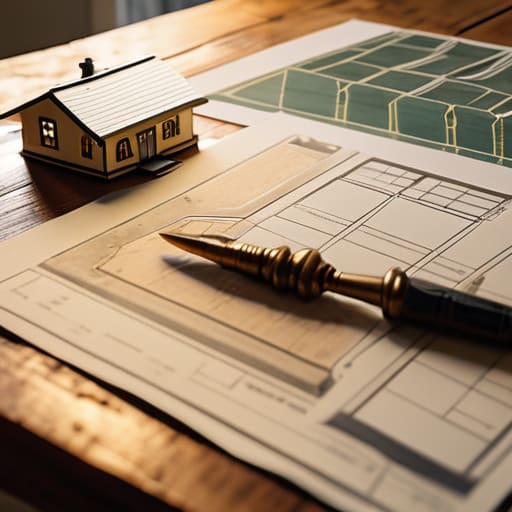
If you’re working with a limited budget, you can’t afford to play the game like the institutional giants. You have to be surgical. Instead of trying to buy a pristine turnkey property that eats up all your liquidity, look for the “ugly ducklings”—the houses with outdated kitchens or cracked floorboards that scare off the average buyer. My go-to approach involves a deep dive into rental property ROI analysis before I even pick up a hammer. I need to know if the cost of a new HVAC system and a cosmetic refresh will actually move the needle on my monthly cash flow.
Once you find that diamond in the rough, it’s all about how you distribute your capital. I don’t dump every cent into a single high-end renovation; I focus on the high-impact areas that drive value. This kind of strategic real estate asset allocation ensures you aren’t over-improving for the neighborhood. You want to hit that sweet spot where the renovation costs are minimized, but the property value jumps significantly. It’s about being smart with your cash, not just being willing to spend it.
Maximizing Rental Yields Without a Massive Inheritance

If you’re working with limited capital, you can’t afford to just throw money at a property and hope for the best. You have to be surgical. Instead of chasing flashy luxury builds, I focus on the “bread and butter” assets—think duplexes or small single-family homes in up-and-coming neighborhoods. The secret to maximizing rental yields isn’t necessarily raising the rent every six months; it’s about increasing the utility of the space. I’ve seen massive returns just by converting an awkward, unfinished basement into a functional home office or adding a third bedroom to a cramped layout. These are high-impact, low-cost tweaks that shift the property into a higher rent bracket.
Before you pick up a hammer, though, you need to run a rigorous rental property ROI analysis. I don’t care how much you love the mid-century crown molding in a living room; if the math doesn’t support the renovation cost, walk away. You need to know exactly how much every dollar spent on a kitchen refresh will actually add to your monthly cash flow. It’s about being disciplined with your real estate investment strategies so that every renovation step is a calculated move toward building equity, not just a way to satisfy your design itch.
The Scrappy Investor’s Playbook: 5 Rules for Managing Your Portfolio
- Stop obsessing over perfection and start focusing on cash flow; a flawless kitchen doesn’t pay the mortgage, but a reliable rental stream does.
- Keep a “renovation contingency” fund that actually exists—I’ve learned the hard way that when a pipe bursts mid-rehab, you need liquid cash, not a prayer.
- Don’t let your equity sit idle; once you’ve built enough value in a flip, look into leveraging that equity to fund your next acquisition rather than just letting it rot in the walls.
- Treat your property management like a business, not a hobby, which means having a vetted list of contractors on speed dial before you actually need them.
- Diversify your asset types, not just your locations; having a mix of long-term rentals and quick-turn flips keeps your portfolio resilient when the market shifts.
The Bottom Line: Turning Sweat Equity into Real Wealth
Stop waiting for the perfect market; start looking for the perfect project where you can manufacture value through smart, strategic renovations.
Focus on high-impact, low-cost upgrades—like modernizing a kitchen or fixing curb appeal—rather than getting lost in expensive, unnecessary luxury finishes.
Treat every renovation as a math problem, not an art project; your goal is to ensure the equity you build far outweighs the headache of the job site.
## The Real Secret to Scaling
“Portfolio management isn’t about chasing the shiny new builds; it’s about having the grit to manage the messy ones and the discipline to turn sweat equity into long-term stability.”
Gareth Trelawny
Turning Vision into Value

At the end of the day, managing a real estate portfolio isn’t about having a mountain of cash sitting in a bank account; it’s about how you leverage the assets you actually have. We’ve talked about finding those scrappy investment opportunities, maximizing your rental yields through smart design, and knowing when to pull the trigger on a renovation. Whether you are focusing on high-yield rentals or hunting for that perfect mid-century modern fixer-upper, the goal remains the same: constant, strategic growth. Don’t get paralyzed by the complexity of the math. Focus on the fundamentals—location, layout, and leverage—and you’ll find that even the most neglected property can become a cornerstone of your wealth.
I know it can feel overwhelming when you’re staring at a cracked foundation or a stack of unpaid contractor invoices, but that’s exactly where the profit lives. Most people walk away from a mess, but that is where we see the equity waiting to be unlocked. Building a portfolio is a marathon, not a sprint, and it requires a certain level of grit that you simply can’t learn in a classroom. Stop waiting for the “perfect” market or a massive windfall to get started. Grab your tools, sharpen your eye, and start turning those crumbling walls into solid equity one project at a time.
Frequently Asked Questions
How do I decide when to stop pouring money into a renovation and just accept the current value?
You have to stop chasing perfection and start chasing math. I call it the “Diminishing Returns Wall.” If you’re spending $5,000 on custom backsplash tile just to potentially add $2,000 in property value, you’re not investing—you’re decorating. Before you buy one more box of flooring, run your numbers again. If the projected After Repair Value (ARV) doesn’t absorb the cost plus a healthy margin, put the hammer down and walk away.
What’s the best way to balance my cash flow between paying for new property acquisitions and keeping my existing ones maintained?
Look, this is the classic tug-of-war. If you dump every cent into a new acquisition, your current portfolio starts looking like a neglected squat, and that kills your equity. I follow a strict “maintenance reserve” rule. Before I even look at a new deal, I ensure my existing properties have a dedicated percentage of monthly cash flow set aside for CapEx. Don’t chase the next shiny thing if it means your current assets are crumbling.
At what point does it make more sense to scale up to commercial properties instead of just sticking to single-family fixers?
You scale when your single-family flips start feeling like a second full-time job rather than a growth engine. Once you’ve mastered the rhythm of residential rehabs and have a reliable crew, look toward commercial. It’s less about the “pretty” design work and more about the math—square footage, triple net leases, and cap rates. If you’re tired of chasing individual tenants and want bigger, more predictable cash flow, that’s your signal to pivot.
