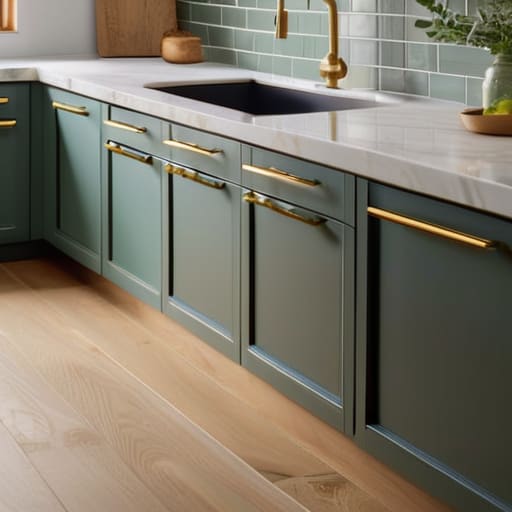
I was standing in a gutted bungalow last Tuesday, dust coating my boots and the smell of old grease hanging heavy in the air, when the contractor handed me a quote that made my blood boil. He was quoting figures that would make a seasoned developer blink, all because he wanted to swap out standard cabinetry for custom Italian imports. This is the biggest lie in the industry: that you need to blow your entire profit margin just to make a kitchen look “high-end.” When you’re calculating kitchen renovation costs, most people get blinded by the shiny showroom catalogs and forget that equity isn’t built on luxury marble, it’s built on smart, strategic spending.
I’m not here to sell you on a dream lifestyle or push some overpriced designer brand. My goal is to pull back the curtain on where your money actually goes and, more importantly, where it shouldn’t. I’m going to show you how to separate the essential structural upgrades from the superficial fluff that kills your ROI. By the time we’re done, you’ll know exactly how to manage your kitchen renovation costs so you can stop bleeding cash and start building real, tangible wealth.
Table of Contents
- A Strategic Kitchen Remodeling Budget Breakdown
- Decoding Average Cost of Kitchen Upgrades
- My Golden Rules for Keeping Your Renovation Budget from Spiraling Out of Control
- The Bottom Line: How to Protect Your Profit Margin
- The Golden Rule of Renovation Math
- Turning Numbers into Net Worth
- Frequently Asked Questions
A Strategic Kitchen Remodeling Budget Breakdown
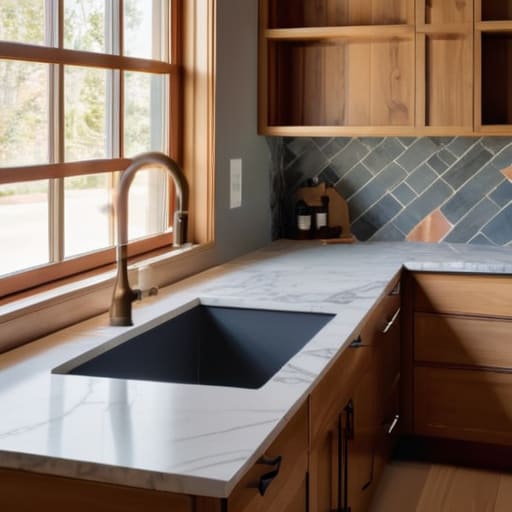
When I’m walking through a potential flip, I don’t just look at the backsplash; I’m mentally running a kitchen remodeling budget breakdown to see if the math actually works. You can’t just throw money at a room and hope for the best. I divide my spending into three distinct buckets: structural/mechanical, cabinetry/surfaces, and the “eye candy.” The structural stuff—plumbing, electrical, and layout changes—is where most rookies bleed cash. If you’re moving a sink to the other side of the room, your costs are going to spike, but that’s often where the real kitchen renovation ROI lives because a modern layout is what sells a house.
Next, you have to get tactical with your material selection. I always tell my clients that you don’t need custom Italian marble to make a statement. Instead, look for affordable kitchen design ideas like high-quality quartz or even premium butcher block that looks expensive but keeps your margins healthy. I keep a close eye on kitchen renovation material pricing because a 10% jump in lumber or tile costs can be the difference between a profitable flip and a massive headache. Remember, every dollar you spend should be a calculated move toward increasing the property’s final appraisal.
Decoding Average Cost of Kitchen Upgrades
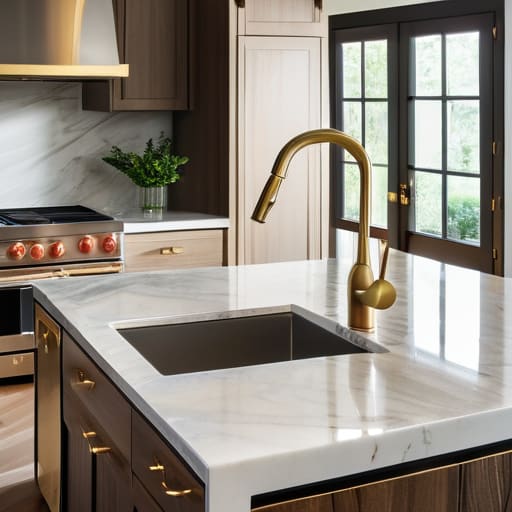
When you start looking at the numbers, it’s easy to get overwhelmed by the sheer variety of quotes flying around. The truth is, the average cost of kitchen upgrades isn’t a fixed number; it’s a sliding scale based entirely on your appetite for luxury versus your need for utility. If you’re looking at a mid-range refresh, you’re likely spending most of your capital on cabinetry and countertops. However, if you’re chasing high-end custom millwork or professional-grade appliances, those numbers will skyrocket faster than you can say “change order.”
I always tell my clients to look past the sticker price and focus on the kitchen renovation ROI. There is no point in installing hand-carved marble if the neighborhood comps don’t support it. Instead, I lean toward affordable kitchen design ideas that prioritize durability and clean lines—think quartz instead of marble or high-quality shaker cabinets that look expensive but won’t drain your entire contingency fund. You want to spend where the eye lands first, and save where the details are hidden under the sink.
My Golden Rules for Keeping Your Renovation Budget from Spiraling Out of Control
- Stop obsessing over the “dream” materials and start looking at the ROI. I’ve seen investors blow their entire margin on custom Italian marble when a high-quality quartz would have yielded the exact same appraisal bump. Buy for the exit, not for your own Pinterest board.
- Always, and I mean always, set aside a 15% contingency fund before you even pick up a sledgehammer. You haven’t lived until you’ve opened up a kitchen wall only to find outdated, non-code-compliant wiring or a plumbing nightmare that wasn’t on the blueprints. That buffer is the difference between a profitable flip and a personal financial crisis.
- Prioritize the “wet zones” and the layout over the aesthetic fluff. If you have to choose between high-end backsplash tile and moving the sink to a better location, move the sink. A functional kitchen layout adds massive value; a fancy tile pattern in a cramped, awkward space is just expensive wallpaper.
- Don’t be afraid to source secondhand for the non-essential pieces. My secret weapon is scouring estate sales for high-quality, solid wood cabinetry or vintage hardware. If you can refurbish a mid-century piece to look intentional and high-end, you’re saving thousands that can be redirected into the appliances or structural upgrades.
- Get three hard quotes from contractors, but don’t just pick the lowest number. I’ve learned the hard way that the “budget” contractor who underbids everyone else often ends up being the most expensive one once the change orders start rolling in. I look for the guy who understands my timeline and provides a realistic, itemized breakdown.
The Bottom Line: How to Protect Your Profit Margin
Stop treating your budget like a suggestion; always bake a 15% contingency fund into your numbers to cover the inevitable surprises hidden behind those old kitchen walls.
Focus your capital on high-impact zones like cabinetry and countertops, because fancy smart appliances won’t recoup your investment as fast as a clean, functional layout.
Prioritize durability over trends; I’d rather see high-quality quartz than a trendy backsplash that will look dated—and cheap—the moment you try to flip the property.
The Golden Rule of Renovation Math
Stop looking at a kitchen remodel as a massive expense and start seeing it as a calculated deposit into your equity account; if you aren’t spending money to increase the property’s value, you’re just decorating, and decorating doesn’t pay the mortgage.
Gareth Trelawny
Turning Numbers into Net Worth
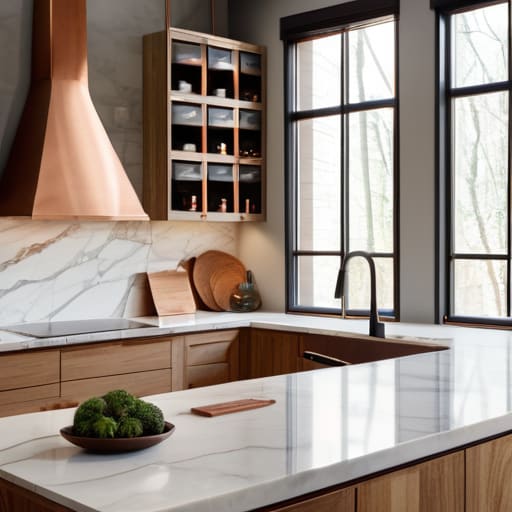
At the end of the day, navigating kitchen renovation costs isn’t about finding the cheapest possible option; it’s about making sure every dollar you sink into those cabinets and countertops actually works for you. We’ve looked at the breakdowns, from the high-end custom finishes to the strategic budget cuts that won’t tank your resale value. Remember, the goal is to balance your aesthetic vision with a ruthless focus on ROI. If you overspend on a designer backsplash but skimp on the structural plumbing, you aren’t investing—you’re just decorating. Keep your eye on the math, prioritize the upgrades that drive appraisal value, and always, always keep a contingency fund tucked away for when the walls inevitably hide a surprise.
Renovating a kitchen can feel like a chaotic, expensive mess while the dust is still settling, but don’t let the temporary headache distract you from the long game. I’ve stood in plenty of gutted kitchens that looked like total disasters, but I also know the feeling of seeing that sudden jump in equity once the final tile is laid. This isn’t just about a place to cook breakfast; it’s about building a foundation for your financial future. Stop staring at the spreadsheets with intimidation and start seeing them as your roadmap to building real wealth. Grab your laser measurer, get your budget locked in, and let’s get to work.
Frequently Asked Questions
How do I decide which high-end finishes are worth the investment and which ones are just wasting my budget?
Look, I’ve seen too many investors blow their margins on gold-plated faucets that nobody cares about. If you want ROI, put your money where the eyes land first: high-quality countertops, solid hardware, and functional cabinetry. Those are the tactile elements that scream “luxury” during a walkthrough. Skip the designer backsplash or custom-milled trim if it eats your profit. Invest in the bones and the surfaces people touch; leave the vanity stuff for the homeowners who aren’t trying to build equity.
What kind of "hidden" costs should I be setting aside for when we inevitably find something wrong behind the drywall?
Look, if you aren’t budgeting for the “unknowns,” you aren’t investing; you’re gambling. Once we tear down that drywall, we might find outdated knob-and-tube wiring, crumbling plaster, or even some rogue plumbing that hasn’t been touched since the seventies. I always tell my clients to set aside a 15-20% contingency fund specifically for these surprises. It’s better to have that cash sitting there and not need it than to have a project stall mid-rehab because of a leaky pipe.
Is it actually smarter to buy semi-custom cabinets to save money, or am I better off going full custom for the long-term resale value?
Look, I’ve seen both sides on a job site, and here’s the truth: don’t go full custom unless you’re building a forever home. For a flip or a rental, semi-custom is your sweet spot. It gives you that high-end, tailored look that buyers crave without the insane price tag that eats your profit margins. You’re looking for ROI, not a museum piece. Buy the semi-custom, spend the savings on better hardware, and maximize your equity.
