Category: Property

  • Effective House Remodeling Ideas for Investors

    Effective House Remodeling Ideas for Investors

    I was standing in a gutted kitchen last Tuesday, the smell of damp drywall and old sawdust thick in the air, when I realized most people approach house remodeling ideas with a fundamental misunderstanding. They see a Pinterest board full of marble countertops and gold fixtures and think that’s the path to wealth. Honestly? That’s just expensive decorating. If you’re chasing trends instead of structural value, you aren’t investing; you’re just burning cash. I’ve spent too many years on dusty job sites watching people pour their life savings into aesthetic upgrades that offer zero return on investment.

    I’m not here to sell you on a lifestyle fantasy or tell you to buy the most expensive tile on the market. My goal is to give you the actual, gritty blueprint for turning sweat equity into real profit. I’m going to walk you through strategic house remodeling ideas that focus on the bones of the property and the high-impact changes that actually move the needle on your appraisal. We aren’t looking for perfection here; we are looking for the smartest way to build your future, one renovation at a time.

    Table of Contents

    Modern Kitchen Remodel Concepts That Command Premium Prices

    Modern Kitchen Remodel Concepts That Command Premium Prices

    When I’m walking through a potential flip, the kitchen is the first place I look for “the gut.” If the layout is cramped and the cabinets are dated, I see opportunity. To truly drive ROI, you need to move beyond just swapping out hardware. I’m a huge advocate for open concept floor plan ideas that bridge the gap between the cooking area and the living space. Removing a non-load-bearing wall to create a seamless flow doesn’t just make the house feel bigger; it fundamentally changes how a buyer perceives the lifestyle of the home.

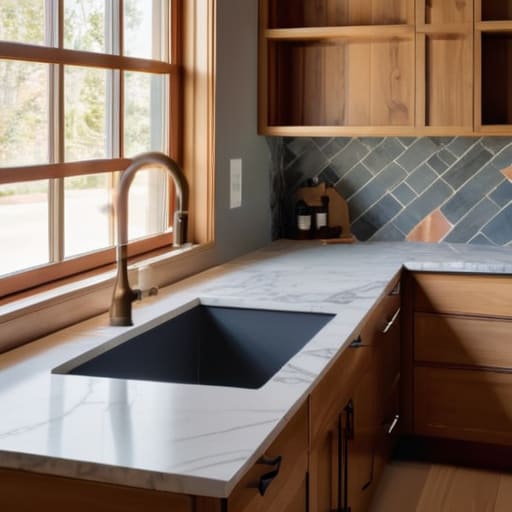
    If you’re working with a tighter budget, don’t panic. You don’t always need a full demolition to see a massive jump in appraisal. Focus on high-impact, modern kitchen remodel concepts like installing quartz countertops or a deep farmhouse sink. I always tell my clients: if you can’t afford a total overhaul, invest in lighting and high-end fixtures. These small, tactical upgrades are the secret to increasing home resale value without draining your entire renovation fund before you even hit the drywall phase.

    Open Concept Floor Plan Ideas to Unlock Hidden Space

    Open Concept Floor Plan Ideas to Unlock Hidden Space

    If you’re walking through a property and feel like you’re navigating a labyrinth of tiny, claustrophobic rooms, you’re looking at a goldmine. Most old builds were designed with a “compartmentalized” mindset, but modern buyers want flow. When I’m scouting a fixer-upper, I’m looking for those non-load-bearing walls that separate the dining area from the living room. Tearing those down is one of the most effective open concept floor plan ideas for instantly making a cramped footprint feel massive. It’s not just about aesthetics; it’s about creating a sightline that draws the eye through the house, which is a massive win for increasing home resale value.

    However, don’t go swinging a sledgehammer blindly. You have to balance openness with functionality. I’ve seen too many investors gut a house only to realize they’ve lost all sense of privacy or acoustic separation. The trick is to use structural elements—like a kitchen island or a change in flooring material—to define “zones” without actually building walls. This approach serves as one of those smart, small space renovation solutions that makes a house feel intentional rather than just empty. You want a layout that breathes, not one that feels like a hollow warehouse.

    Five Strategic Plays to Maximize Your ROI

    • Stop over-improving for the neighborhood. I see too many investors dumping high-end marble into a zip code that won’t recoup the cost. Aim for “aspirational but attainable”—quality finishes that feel expensive but don’t break your margin.
    • Focus on the “first impression” trifecta: curb appeal, lighting, and entryway flow. If a buyer feels a sense of warmth and light the second they step through the door, they’re already mentally moving in, which makes them much less likely to nitpick the minor flaws later.
    • Don’t ignore the “invisible” upgrades. While a new backsplash looks great in photos, nothing kills a deal faster than an old HVAC system or outdated electrical. I’d rather spend money on a reliable furnace and a clean, updated electrical panel than a designer light fixture every single time.
    • Master the art of the “cosmetic refresh” to save your budget. Sometimes you don’t need to rip out every single cabinet; a professional paint job, new hardware, and updated pulls can make a 1990s kitchen look contemporary for a fraction of the cost of a full gut job.
    • Prioritize functional bathrooms over pure aesthetics. A buyer can live with a slightly dated tile pattern, but they won’t forgive a cramped layout or poor plumbing. Ensure the vanity size is practical and the lighting is bright enough to actually use the space.

    The Bottom Line: Where to Put Your Money

    Stop chasing aesthetic trends that expire in two years; focus on structural and functional upgrades like layout shifts and high-end kitchen finishes that provide long-term, measurable equity.

    Always prioritize the “bones” of the house over the “jewelry”—a designer backsplash won’t save a property if the floor plan feels cramped and outdated.

    Measure twice, spend once; use your budget to fix the high-impact problem areas that potential buyers can see and feel immediately, rather than wasting capital on cosmetic fixes in low-traffic corners.

    ## The Investor's Mindset

    “Stop chasing the ‘perfect’ house and start hunting for the one with the ugly carpet and the outdated layout; that’s where the real profit is buried under the surface.”

    Gareth Trelawny

    Turning Vision into Value

    Turning Vision into Value through strategic remodeling.

    At the end of the day, successful remodeling isn’t about chasing every fleeting TikTok trend or buying the most expensive marble slab you can find. It’s about strategic execution. We’ve looked at how a high-end kitchen can anchor a property’s value and how breaking down walls to create an open floor plan can fundamentally change the way a buyer perceives a home’s scale. Whether you are tackling a full-scale gut renovation or just updating the layout to improve flow, the goal remains the same: maximizing your return on investment by addressing the features that actually move the needle. Don’t get distracted by the shiny objects; focus on the structural and functional upgrades that turn a house into a high-performing asset.

    I know the prospect of a renovation can feel overwhelming—the dust, the delays, and the inevitable budget creep are enough to make anyone want to walk away. But remember, every massive portfolio I see started with a single, messy project. You don’t need a perfect blueprint to start; you just need the grit to see it through to the finish line. Stop waiting for the “perfect” property to fall into your lap and start looking at the houses everyone else is overlooking. There is a massive amount of untapped equity sitting behind peeling wallpaper and outdated layouts, just waiting for someone with a sharp eye to come along and claim it. Get your hands dirty and go build that wealth.

    Frequently Asked Questions

    How do I determine if a renovation is actually adding equity or if I'm just over-improving for the neighborhood?

    Look at the comps, not your Pinterest board. If you’re installing marble countertops in a neighborhood where everyone else is rocking laminate, you’re burning cash. Before you swing a hammer, pull the recent sales data for within a half-mile radius. You want to aim for the “ceiling” of the neighborhood—that sweet spot just below the most expensive house on the block. Anything beyond that isn’t an investment; it’s just an expensive hobby.

    Which specific cosmetic upgrades offer the fastest return on investment when I'm on a tight flipping timeline?

    If you’re racing the clock, stop overthinking the big stuff and focus on high-impact cosmetics. Fresh, neutral paint is your best friend—it hides imperfections and brightens everything instantly. Next, swap out dated hardware; new matte black or brushed brass handles on old cabinets make a massive difference for pennies. Finally, upgrade the lighting. Replacing a crusty builder-grade fixture with something modern creates an immediate “wow” factor that buyers feel the second they walk in.

    At what point does a structural issue stop being a "renovation opportunity" and start being a money pit?

    Look, I’ve been on enough job sites to know the difference. A cracked drywall or a sagging floorboard? That’s just character waiting to be fixed. But the second you see foundation cracks wider than a quarter or a basement that feels like a sponge, walk away. If the cost to stabilize the bones exceeds 20% of your total budget, it’s no longer a renovation—it’s a sinkhole. Don’t let ego outrun your math.

  • An Introduction to Property Syndication

    An Introduction to Property Syndication

    I remember standing in the middle of a gutted mid-century bungalow last year, dust coating my lungs and the smell of damp drywall thick in the air, staring at a renovation budget that had just spiraled out of control. I had the vision, but I didn’t have the liquid capital to scale the project to the level I wanted. That’s when the industry gurus start throwing around terms like property syndication as if it’s some mystical, gatekept secret reserved for the ultra-wealthy. Let’s be real: most people talk about it like it’s a complex math equation designed to keep you out, but it’s actually just a way to pool resources so we can stop playing small.

    I’m not here to feed you a polished, corporate slideshow or some “get rich quick” fantasy. I’m going to pull back the curtain and show you how to actually use property syndication to leverage collective capital without losing your shirt. We’re going to skip the fluff and focus on the grit—the real, messy mechanics of how you can participate in larger deals and start building that generational wealth you’ve been working for.

    Table of Contents

    Real Estate Syndication Benefits Building Equity Without the Hard Labor

    Real Estate Syndication Benefits Building Equity Without the Hard Labor

    Look, I love a good renovation project as much as the next person—there’s nothing quite like the rush of seeing a gutted kitchen transform into a high-end centerpiece. But let’s be honest: I can’t be on three different job sites at once, and I certainly can’t manage a fifty-unit apartment complex by myself. This is where the real estate syndication benefits start to outweigh the DIY thrill. Instead of managing every plumber and electrician, you’re essentially stepping into a limited partnership real estate structure. You provide the fuel (the capital), and a professional team handles the heavy lifting, the permits, and the midnight calls about broken boilers.

    The biggest shift here is understanding the syndicator vs passive investor roles. In my usual flipping business, I am the one in the trenches. In a syndication, you’re the strategist. You aren’t losing the chance to build wealth; you’re just changing your method of delivery. You get exposure to large-scale multifamily real estate syndication deals that would be financially impossible to tackle solo, all without having to pick up a sledgehammer or deal with a single contractor.

    Syndication vs Direct Ownership Why You Dont Need to Hold the Hammer

    Syndication vs Direct Ownership Why You Dont Need to Hold the Hammer

    Look, I love a good renovation project as much as the next person. There is something incredibly satisfying about stripping old wallpaper or sourcing the perfect mid-century sideboard for a living room. But let’s be real: most people don’t have the time to manage a crew of contractors or the stomach for a plumbing disaster at 2:00 AM. This is where the core difference in syndication vs direct ownership becomes clear. When I buy a fixer-upper myself, I am the one dealing with the permits, the leaky roofs, and the endless supply runs. In a syndication, you aren’t the one holding the hammer; you’re the one providing the fuel for the engine.

    In a typical deal, the roles are clearly defined. The syndicator handles the heavy lifting—finding the deal, securing the financing, and managing the asset—while you step into a limited partnership real estate role. You get to benefit from the appreciation and cash flow of a large-scale project, like a massive apartment complex, without ever having to step foot on a dusty job site. It’s about choosing whether you want to be the person managing the chaos or the person profiting from the results.

    5 Ways to Vet a Syndication Deal Without Losing Your Shirt

    • Look past the shiny renderings. I’ve seen too many investors get blinded by high-end 3D models while ignoring a shaky foundation. Demand to see the actual inspection reports and the historical data on the asset before you even think about signing anything.
    • Audit the General Partner (GP) like they’re a contractor you’re hiring for a full gut rehab. You need to know their track record—not just what they did when the market was booming, but how they handled a crisis when things actually went sideways.
    • Get crystal clear on the “waterfall” structure. In my world, the math has to make sense. You need to know exactly when you start seeing your preferred return and how the profits are split once the sponsors hit their benchmarks.
    • Don’t ignore the exit strategy. A good deal needs a realistic way out, whether that’s a refinance or a sale in five years. If the sponsor’s plan for liquidity feels vague or overly optimistic, walk away. I’d rather miss a deal than get stuck in one.
    • Check the alignment of interests. I always want to see the sponsors putting their own skin in the game. If they aren’t investing their own capital alongside yours, they don’t have the same motivation to protect the asset when the renovation gets messy.

    The Bottom Line: Is Syndication Right for Your Portfolio?

    You can build serious real estate wealth without ever having to pick up a sledgehammer or deal with a midnight plumbing emergency.

    Syndication is the ultimate shortcut for investors who have the capital but lack the time or the desire to manage day-to-day renovations.

    While I love the grit of a hands-on flip, syndication allows you to scale your portfolio much faster by letting the pros handle the messy heavy lifting.

    ## Scaling Without the Scuff Marks

    “Syndication isn’t about stepping away from the game; it’s about playing it smarter. You don’t always have to be the one swinging the sledgehammer to profit from the renovation—sometimes, the most strategic move is providing the capital that turns a wreck into a masterpiece.”

    Gareth Trelawny

    The Bottom Line on Building Wealth

    The Bottom Line on Building Wealth.

    At the end of the day, syndication isn’t about avoiding the real estate game; it’s about choosing the right role within it. We’ve looked at how this model allows you to tap into massive deals, diversify your risk, and access professional management without having to spend your weekends arguing with a plumber or tracking down a missing permit. You don’t have to be the one swinging the hammer to benefit from the value created when a building is transformed. Whether you’re looking for passive cash flow or long-term appreciation, syndication provides a structured pathway to scale your portfolio in a way that direct ownership simply can’t match for someone with a busy schedule. It is about leveraging expertise rather than just leveraging your own manual labor.

    I know the idea of putting your capital into someone else’s project can feel intimidating—I’ve been there, standing on a dusty job site wondering if I’ve made a mistake. But remember, the goal isn’t just to own property; it’s to build generational wealth. You don’t need a massive inheritance or a background in construction to start making your money work as hard as you do. Stop waiting for the “perfect” time to buy a single-family fixer-upper and start looking at the bigger picture. Find your seat at the table, do your due diligence, and start turning vision into equity.

    Frequently Asked Questions

    How much capital do I actually need to get started, or is this only for people who are already wealthy?

    Look, I get it. You see the big numbers and assume you need a massive trust fund to play. You don’t. While direct flipping requires you to sink your own life savings into a single property, syndication lets you pool your resources with others. You’re looking for an entry point, not a mountain of cash. It’s about finding the right deal and the right partners, not having a million dollars sitting in the bank.

    How do I vet a syndicator to make sure they aren't just another person with a flashy pitch but no actual skin in the game?

    Look, I’ve seen enough flashy pitch decks to know a shark from a professional. To vet a syndicator, stop looking at their Instagram and start looking at their track record. Ask for a detailed breakdown of their “skin in the game”—how much of their own liquid capital is actually tied to the deal? If they aren’t co-investing alongside you, walk away. You want someone who feels the sting of a bad renovation just as much as you do.

    What happens to my money if the renovation goes sideways or the market takes a sudden dip?

    Look, I’ll be blunt: nothing in this game is a guaranteed win. If a renovation hits a massive snag or the market tanks, your capital is at risk. That’s why I don’t just jump into any deal. You have to vet the general partner’s track record and look for a healthy capital reserve in the budget. You aren’t swinging the hammer, but you still need to ensure there’s a safety net for when things get messy.

  • How to Build Property Equity

    How to Build Property Equity

    I was standing in a kitchen that smelled like thirty years of damp drywall and regret, clutching my laser measurer while staring at a floor plan that most people would have walked away from. The previous owner saw a disaster, but as I traced the lines of the original layout, I didn’t see a mess—I saw the hidden property equity buried under layers of cheap, outdated laminate and peeling wallpaper. Most “gurus” will tell you that building wealth is about timing the market or having a massive pile of liquid cash, but they’re selling you a fantasy. Real wealth isn’t found in a bull market; it’s found in the grit and sweat you put into a house that everyone else has given up on.

    I’m not here to give you a lecture on high-level macroeconomics or some polished, textbook theory. I’m going to show you the actual, unvarnished mechanics of how to identify value where others see nothing but chaos. We’re going to talk about how to strategically renovate to maximize your returns and, more importantly, how to ensure every dollar you spend on a job site is directly contributing to your bottom line.

    Table of Contents

    Calculating Home Equity Beyond the Surface Level

    Calculating Home Equity Beyond the Surface Level

    Most people make the mistake of thinking their equity is just a static number sitting in a bank account. They see the value of their house and subtract what they owe, calling it a day. But if you want to play the long game like an investor, you have to look deeper than just the equity vs mortgage balance math. You need to understand how much of that value is “trapped” and how much is actually working for you.

    When I’m scouting a new project, I’m not just looking at the current market price; I’m looking at the real estate appreciation impact over a five-to-ten-year horizon. True wealth isn’t just about having a high valuation on paper; it’s about understanding how much liquid capital you can actually access through smart equity release strategies once the renovation is complete. If you aren’t accounting for the delta between your purchase price, your renovation spend, and the projected market shift, you aren’t calculating wealth—you’re just guessing.

    Mastering Equity vs Mortgage Balance in Messy Markets

    Mastering Equity vs Mortgage Balance in Messy Markets

    When the market starts feeling volatile, it’s easy to get spooked by headlines, but you have to look at the math, not the noise. Understanding the nuance of equity vs mortgage balance is what separates the hobbyists from the real investors. It’s one thing to see a high valuation on a Zillow estimate; it’s another thing entirely to know how much of that value is actually yours once you subtract what you owe the bank. If you’re sitting on a property where the debt is eating up most of the value, you don’t have much of a cushion for a renovation or a market dip.

    I’ve seen too many people mistake a rising market for guaranteed profit. Just because your neighbor’s house sold for a premium doesn’t mean your real estate appreciation impact is as high as you think, especially if you’re carrying high-interest debt. To truly build wealth, you need to monitor that gap between your loan and the market value constantly. That spread is your actual fuel—it’s what allows you to pivot, fund your next project, or weather a downturn without losing your shirt.

    5 Ways I Force Equity to Grow (Without Waiting for the Market)

    • Stop chasing vanity upgrades. I’ve seen too many people blow their budget on high-end marble countertops that don’t actually move the needle. If you want to build real equity, focus on the “high-impact” zones: kitchens, bathrooms, and curb appeal. You want to spend money on things that change the perceived value of the home, not just your personal aesthetic.
    • Master the art of the “cosmetic flip.” You don’t always need to tear down load-bearing walls to see a return. Sometimes, all it takes is fresh paint, updated lighting fixtures, and refinishing those old hardwood floors to bridge the gap between a “dated” house and a “turn-key” asset.
    • Don’t ignore the bones. I always tell my clients: you can fix a bad layout with clever design, but you can’t fix a bad foundation or a failing roof without eating all your profit. Before you commit, use that laser measurer and get into the guts of the house. True equity lives in a structure that is sound, not just one that looks pretty in photos.
    • Leverage your sweat equity. If you have the grit to handle a messy renovation yourself—or at least manage the subs personally—you are essentially paying yourself a wage. Every hour you spend sanding a banister or tiling a backsplash is money that stays in your pocket and translates directly into your home’s valuation.
    • Keep a sharp eye on your debt-to-equity ratio. It’s easy to get cocky when your home value spikes, but I treat my equity like a strategic tool, not a piggy bank. Before you tap into a HELOC for your next project, make sure you aren’t over-leveraging yourself in a way that leaves you vulnerable if the market takes a sudden dip.

    The Bottom Line: Turning Potential into Profit

    Stop looking at your home’s value as a static number on a bank statement; equity is a dynamic tool that you actively grow through strategic, high-ROI renovations.

    Don’t get blinded by a high market appraisal—always prioritize the gap between your mortgage balance and your actual liquid equity to ensure you have the breathing room to handle unexpected job site costs.

    Real wealth isn’t found in pristine, turnkey properties; it’s built by identifying undervalued “bones” and having the grit to sweat through the messy middle of a rehab to unlock hidden value.

    The Real Value of a Fixer-Upper

    “Equity isn’t just a number on a bank statement; it’s the profit hidden behind peeling wallpaper and outdated floor plans, waiting for someone with enough grit to go in and claim it.”

    Gareth Trelawny

    The Bottom Line on Building Equity

    The Bottom Line on Building Equity.

    At the end of the day, understanding property equity isn’t just about staring at a spreadsheet or checking your mortgage balance once a year. It’s about recognizing the gap between what a house is worth today and what it could be worth after you’ve put in the sweat equity. We’ve covered how to look past the surface-level numbers and how to navigate those messy market shifts without losing your cool. Whether you are calculating your current position or planning your next strategic renovation, remember that equity is a moving target. You have to stay proactive, keep your eye on the real value of the bones, and never let a high interest rate or a fluctuating market blind you to the long-term potential of your assets.

    Building a real estate portfolio isn’t a sprint, and it certainly isn’t a clean, polished process. There will be dust, there will be unexpected plumbing disasters, and there will be days when you wonder why you didn’t just stick to a desk job. But that’s where the wealth is made. You aren’t just buying bricks and mortar; you are buying the opportunity to create something from nothing. Stop waiting for the “perfect” market or a massive windfall to get started. Grab your tools, find a property with a bit of grit, and start turning those crumbling walls into solid equity. The wealth is there—you just have to go out and build it.

    Frequently Asked Questions

    How do I figure out if a renovation is actually going to boost my equity or if I'm just throwing good money after bad?

    Before you swing a single sledgehammer, run the numbers through an ARV (After Repair Value) calculation. I never touch a project without knowing the ceiling for the neighborhood. If a $30k kitchen remodel only bumps your value by $20k, you’re just burning cash. You need to ensure the forced appreciation outweighs your renovation costs plus a healthy margin for error. If the math doesn’t scream profit, walk away. Don’t let ego drive your budget.

    If the market dips right after I finish a rehab, am I stuck with a massive loan and no real way to tap into that equity?

    Look, I’ve been in those trenches. A market dip feels like a gut punch when you’ve just poured your sweat into a rehab. But here’s the reality: equity isn’t just about what a buyer will pay today; it’s about the value you’ve baked into the asset. If you can’t tap the equity through a HELOC because of the dip, you pivot to a long-term hold. Don’t panic-sell a winner just because the market is acting moody.

    What’s the best way to use my equity to fund my next flip without getting completely overleveraged?

    Don’t go all-in on a single HELOC if you can avoid it. I prefer using a strategic combination of a Home Equity Line of Credit for liquidity and a hard money lender for the actual acquisition. This keeps your primary residence’s safety net intact while giving you the speed needed to snag a deal. Just remember: always leave a massive buffer in your renovation budget. If you overleverage, one unexpected plumbing disaster can sink your entire portfolio.

  • Navigating Rental Property Laws

    Navigating Rental Property Laws

    I still remember standing in a damp, half-finished basement in East London, clutching my laser measurer while a lawyer explained why my entire renovation timeline was dead in the water because I’d misread a single clause in the local rental property laws. It was a gut punch. Most “gurus” will tell you that real estate is all about finding the perfect mid-century sideboard or a house with great bones, but they conveniently skip over the part where a single legal oversight can evaporate your entire profit margin before you’ve even hung a single piece of art.

    I’m not here to feed you fluff or academic theories that only work in a textbook. I want to give you the grit and the reality of what it actually takes to protect your investment. I’m going to break down the essential rental property laws you need to master, stripping away the legal jargon so you can focus on what actually matters: building real, tangible equity. Consider this your no-nonsense roadmap to navigating the red tape without losing your mind—or your shirt.

    Table of Contents

    Securing Your Equity via Residential Lease Agreement Requirements

    Securing Your Equity via Residential Lease Agreement Requirements

    Look, I’ve seen too many investors lose their shirts not because the renovation failed, but because their paperwork was a mess. When you’re pouring your hard-earned capital into a property, your lease is your first line of defense. You can’t just pull a template off Google and call it a day. You need to nail those residential lease agreement requirements from the jump to ensure you aren’t accidentally signing away your rights or, worse, violating local statutes.

    I always tell my clients to treat their lease like a blueprint—it has to be precise. This means being crystal clear on things like security deposit regulations so there’s no ambiguity when a tenant moves out. If you aren’t explicit about how much you’re holding and under what conditions it gets returned, you’re just inviting a headache that could eat into your margins. I’ve spent enough time on job sites to know that a solid foundation is everything, and in this business, that foundation is built on a contract that protects your equity as fiercely as you do.

    Navigating Habitability Standards for Rentals Without Breaking the Bank

    Here’s the reality: I love a good renovation project, but there is a massive difference between a “charming fixer-upper” and a property that fails to meet basic habitability standards for rentals. You can’t just slap some fresh paint over mold or ignore a leaky roof to save on your initial rehab budget. If the unit isn’t safe, functional, and sanitary, you aren’t just risking a lawsuit; you’re jeopardizing the very equity you worked so hard to build.

    I always tell my clients to view these standards as a non-negotiable baseline rather than an optional expense. It’s much cheaper to invest in quality plumbing and reliable heating during the renovation phase than it is to deal with an emergency repair call at 2 AM or a legal battle over unlivable conditions. Before you even think about signing a tenant, make sure your property checks every box for safety. Don’t let a “budget” renovation turn into a legal nightmare that drains your bank account.

    • Get your security deposit rules down to a science; if you don’t follow your state’s specific timeline for returning funds or providing itemized deductions, you’re essentially handing that cash right back to the tenant—plus potentially paying their legal fees.
    • Don’t play favorites with your entry rights; even if you own the building, you can’t just barge in to check on a new backsplash whenever you want, so make sure your lease clearly outlines exactly how much notice you’re giving before stepping foot on the property.
    • Keep a paper trail for every single repair, no matter how small, because if a tenant ever claims a maintenance issue was neglected, your digital or physical log is the only thing standing between you and a massive liability claim.
    • Stop relying on “handshake” agreements for anything; if it isn’t written into the formal lease, it basically doesn’t exist in the eyes of a judge, so make sure every pet policy or parking rule is explicitly documented.
    • Watch your fair housing compliance like a hawk, because even a well-meaning comment during a walkthrough can be twisted into a discrimination claim that costs you way more than the equity you’re trying to build.

    The Bottom Line: Protecting Your Investment

    Treat your lease like a shield, not just a formality; a rock-solid agreement is what stands between your hard-earned equity and a legal nightmare.

    Don’t cut corners on habitability to save a few bucks upfront, because a single code violation can wipe out your entire renovation profit margin.

    Stay ahead of the local curve by knowing your specific municipality’s rules, so you can focus on the design and the ROI instead of playing catch-up with a city inspector.

    The Real Cost of Cutting Corners

    Look, I’m all about maximizing your ROI, but don’t mistake a legal oversight for a way to save money. A single compliance mistake can wipe out all the sweat equity you just poured into a renovation faster than a bad foundation can crack a wall.

    Gareth Trelawny

    Don't Let the Red Tape Stop the Rehab

    Don't Let the Red Tape Stop the Rehab.

    Look, I know that staring down a mountain of local statutes and habitability requirements feels a lot less exciting than picking out new backsplash tile or knocking down a load-bearing wall. But if you want to build a portfolio that actually lasts, you can’t afford to be sloppy with the paperwork. We’ve covered how a rock-solid lease agreement acts as your first line of defense and why meeting basic habitability standards isn’t just a legal chore—it’s how you protect your investment from costly litigation. If you get the legal foundation right from day one, you aren’t just a landlord; you’re a professional asset manager who knows how to mitigate risk while maximizing returns.

    At the end of the day, real estate investing is about more than just aesthetics and quick flips; it’s about playing the long game. There will be days when a surprise inspection or a complex zoning law makes you want to throw your laser measurer across the room, but don’t let that stop you. Every legal hurdle you clear is just another step toward building that generational wealth we’re all chasing. Stay pragmatic, keep your eyes on the fine print, and remember that the most profitable renovations are the ones built on a solid, compliant foundation. Now, get back out there and go find your next goldmine.

    Frequently Asked Questions

    How do I handle security deposits without getting tangled up in local escrow laws?

    Look, I’ve seen too many investors lose their shirt because they treated security deposits like a personal slush fund. Don’t make that mistake. Every state has its own rules about where that money lives—usually in a separate, interest-bearing escrow account. My rule of thumb? Treat that deposit like it’s radioactive. Keep it isolated, document every cent, and never, ever touch it for repairs until the tenant is officially out and the math is settled.

    What are the legal risks of doing a DIY renovation on a property I'm planning to rent out?

    Look, I love a good DIY project as much as the next person, but when you’re flipping a rental, “winging it” is a massive liability. If you cut corners on electrical or plumbing and a tenant gets hurt, you aren’t just looking at a repair bill—you’re looking at a lawsuit that could wipe out all your hard-earned equity. If it’s not code-compliant, it’s not a renovation; it’s a ticking time bomb for your investment.

    At what point does a minor repair cross the line into a legal habitability violation?

    It’s a fine line, but here’s the rule of thumb: if the issue affects a tenant’s basic safety, health, or access to essentials—think broken locks, no heat, or a leaking roof—you’ve crossed into violation territory. A squeaky door is just a nuisance; a door that won’t latch is a legal liability. Don’t gamble with your equity by ignoring the “big three”: water, heat, and structural integrity. Fix the essentials first, then worry about the aesthetics.

  • An Overview of Property Development

    An Overview of Property Development

    I still remember the smell of damp drywall and stale sawdust from my first solo project—a gutted mid-century ranch that most people wouldn’t have touched with a ten-foot pole. While the “gurus” on social media were busy preaching about massive loans and high-stakes commercial deals, I was standing in a literal puddle of rainwater, clutching my laser measurer and trying to figure out how to turn a structural nightmare into a win. Most people think property development is some exclusive club reserved for those with deep pockets and silver spoons, but that’s a lie. Real growth doesn’t come from a massive inheritance; it comes from having the guts to see potential where everyone else just sees a mess.

    I’m not here to sell you a dream or some polished, unrealistic fantasy of overnight wealth. What I am going to give you is the unvarnished truth about what it actually takes to build equity from the ground up. I’ll show you how to spot the high-margin opportunities hidden behind peeling wallpaper and how to manage a renovation without losing your mind—or your shirt. This is about smart, strategic rehabs and building a portfolio that actually lasts.

    Table of Contents

    The Feasibility Study for Developers Spotting Hidden Gold

    The Feasibility Study for Developers Spotting Hidden Gold.

    Before I even pick up a sledgehammer or call a contractor, I spend a ridiculous amount of time staring at spreadsheets and municipal maps. A lot of people think the fun part is the demo, but the real money is made or lost during the initial feasibility study for developers. You have to look past the peeling wallpaper and ask if the math actually works. I’m not just looking at the aesthetic potential; I’m digging into the urban planning and zoning laws to see if I’m actually allowed to add that extra bedroom or convert the garage into an ADU. If the city says no, the project is dead on arrival, no matter how much I love the bones of the house.

    I also make sure I’m playing the right game for my current capital. There is a massive difference in risk and timeline between residential vs commercial development, and you need to know which one fits your stomach for volatility. I run the numbers on everything: local comps, projected renovation costs, and even the most pessimistic exit strategies. You can’t afford to wing it; you need to know exactly how much equity you’re carving out before you sign a single check.

    Navigating Urban Planning and Zoning Laws to Unlock Value

    Let’s be real: you can find the perfect fixer-upper with incredible bones, but if the city says you can’t add that second story or convert the garage into an ADU, that “gold mine” just became a money pit. This is where most rookies trip up. They fall in love with a floor plan before they even check the local urban planning and zoning laws. I’ve seen too many investors pour their life savings into a project, only to realize halfway through that they’re stuck in a legal battle over setback requirements or density limits.

    Before you even think about pulling the trigger on property development financing, you need to know exactly what you’re allowed to build. There is a massive difference between residential vs commercial development when it comes to how a municipality views your project. If you’re looking to flip a single-family home into a duplex to maximize your ROI, you have to ensure the zoning permits that density shift. Don’t let a bureaucratic oversight kill your margins; do your homework on the local code first, or you’ll be fighting the city instead of building your equity.

    My Non-Negotiables: 5 Rules for Not Losing Your Shirt on a Development

    • Don’t fall in love with the aesthetics. I’ve seen too many designers get blinded by a beautiful original fireplace and ignore the fact that the foundation is shifting. You aren’t buying a home; you’re buying a math problem. If the numbers don’t work, the prettiest mid-century molding in the world won’t save your profit margin.
    • Build a “buffer” into your budget that would make a banker sweat. I always add a 15-20% contingency fund for the stuff you can’t see behind the drywall. Between unexpected plumbing issues and the rising cost of materials, that buffer is the only thing standing between a successful flip and a financial nightmare.
    • Vet your contractors like they’re your own family. A cheap quote is a trap that usually ends with half-finished work and a massive headache. I’d rather pay a premium for a crew that shows up on time and respects the timeline than save five grand only to have my project stall for three months.
    • Focus on “high-impact” renovations. You don’t need to gut every single room to see a return. I look for the big wins: modernizing a dated kitchen, updating lighting, and fixing the curb appeal. These are the strategic touches that actually move the needle on your appraisal without draining your capital.
    • Master the art of the “micro-neighborhood” study. Don’t just look at the city’s growth trends; look at the street you’re actually buying on. I spend hours walking the blocks, checking which houses are being renovated and which ones are still rotting. Understanding the immediate micro-market is how you spot the value before the rest of the world catches on.

    The Bottom Line: Turning Potential into Profit

    Don’t get blinded by a pretty facade; the real money is made in the numbers, so run a brutal feasibility study before you ever sign a contract.

    Treat zoning laws like a roadmap rather than a roadblock—knowing how to play within the rules is what lets you unlock a property’s true density and value.

    Success in this game isn’t about luck or a trust fund; it’s about having the grit to see past the mess and the strategic eye to turn structural headaches into equity.

    The Real Value of a Fixer-Upper

    Most people see a cracked foundation or outdated wiring and run the other way, but that’s exactly where the profit is hiding; property development isn’t about buying perfection, it’s about having the vision to see the equity buried under the mess.

    Gareth Trelawny

    Turning Vision into Value

    Turning Vision into Value through property development.

    Look, property development isn’t some magic trick or a game reserved for the ultra-wealthy; it’s a calculated process of seeing what others miss. We’ve covered how a rigorous feasibility study keeps you from bleeding cash and how mastering the labyrinth of zoning laws can literally unlock the hidden equity sitting right under your nose. You can’t just wing it and hope for the best. You need to respect the numbers, understand the legal constraints of your site, and always, always account for the messiness of the actual build. Success in this game comes down to strategic preparation and the ability to bridge the gap between a dilapidated structure and a high-value asset.

    At the end of the day, don’t let the fear of a crumbling foundation or a complex permit application stop you from pulling the trigger. Every massive portfolio I see started with one person deciding to take a risk on a property that everyone else had written off. It’s going to be exhausting, and there will be days when you’re covered in drywall dust and wondering why you didn’t just stay in a desk job. But when you see that finished renovation and realize you’ve just built tangible wealth from scratch, you’ll know it was worth every single headache. Now, grab your laser measurer and go find your first project.

    Frequently Asked Questions

    How do I calculate a realistic contingency fund so a single plumbing disaster doesn't wipe out my entire profit margin?

    Look, I’ve been there—standing in a knee-deep puddle of greywater because a “minor” pipe burst. Never budget to the penny. For a standard renovation, I always set aside 15% of my total project cost as a contingency. If you’re tackling a total gut job or an older fixer-upper, bump that to 20%. It’s not “wasted” money; it’s the insurance policy that keeps your profit margin from evaporating when the unexpected happens.

    When looking at a fixer-upper, how can I tell the difference between cosmetic issues and structural red flags that will kill my ROI?

    Look, I’ve seen plenty of rookies sink their entire profit margin into a foundation they should’ve walked away from. Cosmetic issues—peeling paint, dated tile, or ugly carpet—are just opportunities for me to add value. But if you see massive cracks in the masonry, sloping floors, or a basement that smells like a swamp, stop. Those are structural red flags. Fix the aesthetics to sell, but fix the structure to survive.

    How do I find reliable contractors who won't ghost me or inflate their quotes once the demolition starts?

    Look, I’ve been ghosted by contractors before, and it’s a nightmare that kills your margins. My rule? Never hire based on the lowest bid alone. I vet people through my network of local trades first. Get three detailed, written quotes—if a quote is vague, walk away. Always check their recent job sites personally. A pro won’t mind you seeing their current work. If they won’t show you proof, they aren’t the one.

  • The Importance of a Professional Home Inspection

    The Importance of a Professional Home Inspection

    I still remember the smell of damp drywall and old rot from that first fixer-upper I picked up in my early twenties. I thought I was being clever, spotting a “diamond in the rough” with gorgeous bones and a killer mid-century layout, but I’d completely ignored the warning signs in the crawlspace. I skipped a thorough home inspection because I was so blinded by the potential profit margins that I convinced myself the foundation issues were “just character.” That mistake cost me three months of renovation time and a chunk of my initial investment that I’ll never get back.

    I’m not here to give you a textbook lecture on why checklists matter; I’m here to teach you how to read between the lines of a report. I want to show you how to distinguish between a cosmetic headache and a structural nightmare that will drain your bank account before you even pick up a sledgehammer. My goal is to give you the straight talk you need to spot the real red flags, ensuring that every dollar you pour into a property is building actual equity rather than just burying you in unexpected repairs.

    Table of Contents

    Mastering Your Pre Purchase Inspection Checklist

    Mastering Your Pre Purchase Inspection Checklist.

    When you’re standing in a gutted living room, it’s easy to get swept up in the vision of where the marble island will go. But before you start picking out backsplash tiles, you need a solid pre-purchase inspection checklist that goes deeper than aesthetics. I don’t just look for cosmetic flaws; I’m hunting for the stuff that actually moves the needle on my ROI. You need to be looking at the electrical panel, the age of the HVAC, and most importantly, any signs of moisture in the basement that suggest a foundation nightmare is brewing.

    Don’t just take the seller’s word for it—get a pro in there to perform a thorough structural integrity assessment. I’ve seen too many rookies walk into a “deal of a lifetime” only to realize the house is slowly sinking into the earth. Using professional inspector services isn’t an extra expense; it’s your primary defense against a money pit. You aren’t just buying a house; you’re acquiring a liability that needs to be vetted. If the bones aren’t right, no amount of mid-century modern charm will save your margins.

    Seeking Professional Inspector Services for Real Value

    Seeking Professional Inspector Services for Real Value

    Look, I’ve seen too many rookies try to save a few hundred bucks by DIY-ing their way through a walkthrough, only to realize they’ve just bought a very expensive pile of rubble. You aren’t just paying for a person to walk around with a flashlight; you are paying for a structural integrity assessment that tells you if the bones of the house can actually support your vision. If you’re planning a high-end kitchen remodel or adding a second story, you need to know if that foundation is solid before you start swinging a sledgehammer.

    Don’t settle for a generalist if you’re eyeing an older fixer-upper. I always recommend hiring specialized professional inspector services that dive deep into the guts of the property—think electrical, plumbing, and HVAC. You want someone who isn’t afraid to crawl into a damp crawlspace to find those hidden home defects that could turn your dream flip into a financial nightmare. In this game, the goal isn’t just to find problems; it’s to quantify the risk so you can negotiate a price that protects your future equity.

    5 Red Flags That Should Make You Walk Away (Or Negotiate Hard)

    • Look past the staging and check the foundation. If you see stair-step cracks in the brickwork or doors that won’t quite latch, you aren’t looking at a “charming quirk”—you’re looking at a structural nightmare that will drain your renovation budget before you even pick out tile.
    • Don’t ignore the smell of dampness. If a basement or crawlspace has that heavy, musty odor, there’s a high chance you’re fighting moisture or mold issues. I’ve seen too many investors get blinded by a fresh coat of paint only to realize they’re inheriting a massive remediation bill.
    • Test the electrical panel like your equity depends on it. If you see outdated knob-and-tube wiring or a panel that looks like it hasn’t been touched since the Nixon administration, factor in a full rewire. It’s a non-negotiable expense if you want to flip a property safely and legally.
    • Check the age and condition of the big-ticket items—the HVAC, the water heater, and the roof. I don’t care how beautiful the mid-century modern built-ins are if the furnace is on its last legs. You need to know exactly how much capital you’ll need to inject just to make the house functional.
    • Inspect the plumbing for signs of slow leaks or corrosion. Look under every sink and check the water pressure. A small leak today is a massive mold problem tomorrow, and in this business, we hunt for profit, not expensive plumbing disasters.

    The Bottom Line: Protecting Your Investment

    Never fall in love with a house before you’ve seen the bones; an inspection isn’t a hurdle, it’s your best tool for separating a diamond in the rough from a total money pit.

    Use the inspection report as a negotiation weapon to drive down the purchase price or demand repairs that keep your renovation budget from spiraling out of control.

    Focus your energy on the structural and mechanical “big ticket” items—if the foundation is shot or the electrical is a nightmare, no amount of mid-century modern charm will save your ROI.

    The Inspection is Your Real Due Diligence

    Look, I don’t care how much I love the mid-century layout or the natural light; if the inspection report shows a foundation issue or outdated wiring, I’m walking. You aren’t buying a home; you’re buying a set of future problems, and the inspection is the only tool you have to decide if those problems are manageable renovations or total equity killers.

    Gareth Trelawny

    The Bottom Line: Knowledge is Your Best Asset

    The Bottom Line: Knowledge is Your Best Asset.

    At the end of the day, a home inspection isn’t just a box you check to close a deal; it is your most powerful tool for protecting your capital. We’ve covered how to build a killer checklist and why hiring a seasoned pro is non-negotiable if you want to avoid a total nightmare. Remember, you aren’t looking for a flawless house—I certainly never do—you are looking for transparency. You need to know exactly what kind of structural or mechanical battles you’re signing up for so you can price your renovation budget with precision rather than guesswork.

    Building wealth through real estate is a marathon, not a sprint, and it requires a level of grit that most people simply don’t possess. There will be moments when you’re staring at a foundation crack or a dated electrical panel and feeling like you’ve made a massive mistake. But if you do the work upfront and vet your assets thoroughly, those challenges become nothing more than line items in a successful rehab plan. Stop looking for perfection and start looking for opportunity hidden beneath the surface. Go get that equity.

    Frequently Asked Questions

    How do I tell the difference between a "character flaw" in an old house and a structural issue that's actually going to tank my ROI?

    Here’s the rule of thumb: character is about what you can fix with a sledgehammer or a sander; structural issues are about what requires a structural engineer and a second mortgage. If it’s a crooked floorboard or an uneven door frame, that’s just old-house charm you can level out. But if you see stair-step cracks in the foundation or sagging rooflines, run. Those aren’t “quirks”—they’re equity killers that’ll bleed your budget dry.

    If the inspector finds a massive problem, should I walk away immediately or try to negotiate the repair costs into the deal?

    Look, there’s no one-size-fits-all answer, but here’s my rule of thumb: it depends on the math. If the inspector finds a cracked foundation or ancient knob-and-tube wiring, don’t panic—just run the numbers. If the repair costs eat your entire projected profit margin, walk away. But if it’s a fixable headache that you can leverage to knock $15k off the asking price, stay in the game. Negotiate hard or move on.

    Are there specific red flags I should be looking for during my own walkthrough before I even bother paying for a professional inspection?

    Look, I’m not saying skip the pro, but don’t waste your time on a money pit. During your walkthrough, keep your eyes peeled for water stains on ceilings or that funky, musty smell in the basement—that’s a massive red flag for mold or foundation issues. Check the electrical panel for messy, DIY-looking wiring and look for cracks in the exterior masonry. If you see these, walk away or prepare to negotiate hard.

  • Understanding Property Tax for Investors

    Understanding Property Tax for Investors

    I was standing in a dusty, half-gutted kitchen last October, clutching my laser measurer and staring at a stack of closing documents that felt heavier than the sledgehammer in my hand. I had just found the perfect mid-century bones, but the initial math was bleeding out because I hadn’t properly accounted for how the local property tax assessment would spike once my renovations were complete. It’s a gut punch that catches even the most seasoned flippers off guard; you spend months sweating over floor plans and material costs, only to realize you’ve accidentally negotiated away your entire profit margin to the county assessor.

    I’m not here to give you a lecture on municipal law or hide behind academic jargon. My goal is to pull back the curtain on how these assessments actually work in the real world of investing. I’m going to show you how to factor these costs into your initial buy, how to fight back when an assessment feels predatory, and how to ensure your hard-earned equity stays exactly where it belongs—in your pocket.

    Table of Contents

    Cracking the Code of Your Ad Valorem Tax Assessment

    Cracking the Code of Your Ad Valorem Tax Assessment

    When you’re staring at a dilapidated bungalow, you’re seeing potential; the county, however, is looking at something entirely different. This is where the ad valorem tax assessment comes into play. Essentially, the local government assigns an assessed property value to your investment based on what they think it’s worth, not necessarily what you’re actually paying for it. If you’re flipping a house that’s currently a wreck, you don’t want the city valuing it as if it were a turnkey masterpiece. If their math is off, you’re essentially overpaying for a renovation that hasn’t even happened yet.

    I’ve learned the hard way that you can’t just take these numbers at face value. If the assessment feels inflated compared to the actual condition of the structure, you need to look into the property tax appeals process. I always keep a folder of “before” photos and contractor estimates specifically for this reason. Proving that a house has significant deferred maintenance is your best leverage to keep those municipal tax levies from eating into your projected margins before you’ve even picked up a sledgehammer.

    Fighting Municipal Tax Levies to Protect Your Equity

    Fighting Municipal Tax Levies to Protect Your Equity

    Look, I’ve seen it happen too many times: you pour your heart, soul, and a massive chunk of your renovation budget into a property, only to have the city swoop in with a massive hike in municipal tax levies. It feels like you’re being penalized for actually doing the work. But here’s the thing—you don’t just have to sit there and take it. If the city’s valuation of your home doesn’t reflect the reality of the neighborhood or the current state of your project, you need to get aggressive.

    The most effective way to fight back is by mastering the property tax appeals process. I don’t mean just sending a polite email; I mean gathering hard data, like recent sales of comparable homes that haven’t been touched by a recent renovation, to prove your assessed property value is inflated. Also, don’t overlook potential property tax exemptions that might apply to your specific situation. Whether it’s a homestead exemption or something more niche, these small wins can keep your overhead low and ensure your hard-earned equity stays exactly where it belongs: in your pocket.

    5 Ways to Keep the Tax Man from Eating Your Renovation Profits

    • Audit your assessment every single year; don’t assume the city is being fair, because they aren’t looking at your property through a designer’s lens—they’re just looking at numbers.
    • Document every single “unsexy” repair you make, from foundation work to roof replacements, because these capital improvements can be vital leverage when you’re contesting an inflated valuation.
    • Watch your post-renovation math closely to ensure you aren’t blindsided by a massive tax spike the moment you finish that high-end kitchen remodel.
    • Research local exemptions for long-term owners or specific property types, because even a small reduction in your annual bill adds up to significant equity over a five-year hold.
    • Hire a professional tax consultant if the math starts getting messy; sometimes paying a pro a few hundred bucks is a smart investment to save you thousands in unnecessary levies.

    The Bottom Line on Protecting Your Margins

    Don’t take your assessment at face value; if the city’s math doesn’t match the actual condition of your fixer-upper, you need to show up at the appeal hearing with your data ready.

    Treat property taxes as a fixed renovation cost in your initial pro forma, because an unexpected spike in levies can quickly turn a profitable flip into a cash-flow nightmare.

    Stay aggressive with municipal appeals—fighting a tax levy isn’t just about saving a few bucks, it’s about defending the equity you’re working so hard to build through your renovations.

    ## The Real Cost of Doing Business

    “In this game, your profit margin isn’t just determined by the cost of lumber and labor; it’s determined by how much of your hard-earned equity you let slip away to a miscalculated tax assessment.”

    Gareth Trelawny

    Protecting Your Bottom Line

    Protecting Your Bottom Line via property taxes.

    At the end of the day, managing your property taxes isn’t just some boring administrative chore; it is a vital part of your profit margin protection. We’ve covered how to dissect your ad valorem assessments and how to aggressively fight back against unfair municipal levies that threaten to drain your renovation budget. Remember, if you don’t stay on top of these numbers, you’re essentially leaving money on the table for the city to collect. You have to be willing to audit the math and challenge the status quo if you want to ensure that every dollar you spend on new flooring or structural repairs actually translates into real, usable equity.

    Building a real estate portfolio is a marathon, not a sprint, and it requires a mindset that is as much about financial defense as it is about aesthetic transformation. Don’t let the complexity of tax codes intimidate you into playing small. Use the tools we’ve discussed to safeguard your assets, and keep your eyes fixed on the long-term goal. If you can master the grit of a messy renovation and the discipline of smart tax management, you won’t just be fixing houses—you’ll be building a legacy that lasts for generations. Now, grab your laser measurer and get back to work.

    Frequently Asked Questions

    If I'm planning a major renovation, when is the right time to expect my property tax assessment to jump?

    Here’s the reality: don’t expect a sudden spike the moment you swing a sledgehammer. Most assessors won’t knock on your door just because you installed quartz countertops. The jump usually happens during the next scheduled reassessment cycle or if you pull a major permit that fundamentally changes the property’s footprint—like adding a bedroom or finishing a basement. My advice? Plan your budget around that inevitable bump so it doesn’t eat your renovation margins.

    Can I actually deduct my renovation costs from my property tax bill, or is that a total myth?

    Here’s the reality: you can’t directly deduct renovation costs from your tax bill like a coupon. That’s a myth. However, there’s a silver lining. As you upgrade a property, your assessed value will eventually climb, which means your taxes will too. My strategy? Focus on high-ROI improvements that increase equity without triggering a massive assessment spike immediately. You aren’t lowering the bill; you’re building value that far outpaces the tax increase.

    How do I know if the city is overvaluing my fixer-upper compared to the actual market value of the neighborhood?

    You need to pull the comps yourself. Don’t just take the city’s word for it; they’re looking at data points, not the cracked foundation or the outdated electrical you’re currently staring at. Grab a spreadsheet and look at recent sales for renovated homes in your immediate radius. If the city is valuing your “as-is” wreck at a price close to a fully flipped neighbor, they’ve missed the mark. That’s your leverage for an appeal.

  • Common Property Flipping Mistakes to Avoid

    Common Property Flipping Mistakes to Avoid

    I still remember the smell of damp drywall and old sawdust hitting me as I stepped into my first “diamond in the rough” back in my early twenties. I had my laser measurer in hand, feeling like a total pro, only to realize three days later that I’d completely miscalculated the cost of the structural repairs needed behind a beautiful, but deceptive, accent wall. That gut-wrenching moment of seeing my projected profit margin evaporate was my first real lesson in how easily property flipping mistakes can turn a dream investment into a financial sinkhole. It wasn’t about the design; it was about the hidden realities beneath the surface.

    I’m not here to sell you some polished, Instagram-ready fantasy of effortless wealth. I’m here to give you the gritty, unvarnished truth about what actually goes wrong when the sledgehammer hits the floor. I’m going to walk you through the specific, costly blunders I’ve made and seen others make, so you can learn to spot the red flags before they sink your bank account. We’re going to focus on building real equity, one smart, calculated renovation at a time.

    Table of Contents

    The Danger of Underestimating Renovation Costs

    The Danger of Underestimating Renovation Costs.

    I’ve seen it happen more times than I care to admit: a flipper walks into a property, sees a few scuffed floors and outdated cabinets, and thinks they’ve hit the jackpot. They build their entire budget around a “light refresh,” only to peel back a layer of wallpaper and find a literal disaster lurking behind the drywall. Underestimating renovation costs is the fastest way to watch your projected profit evaporate before you’ve even picked out your backsplash tile. When you’re working with tight margins, a single unexpected plumbing issue or a faulty electrical panel isn’t just an inconvenience—it’s a direct hit to your bottom line.

    You have to account for the “unknown unknowns.” I always tell my clients to build a contingency fund that’s at least 15% of the total budget, because something always goes sideways once the sledgehammers come out. If you don’t buffer for these surprises, you’ll find yourself scrambling for more capital mid-project, which leads to those dreaded property flipping financing errors that can tank your entire deal. If you want to protect your fix and flip profit margins, you have to treat your budget like a survival guide, not a suggestion.

    Avoiding Fatal Property Flipping Financing Errors

    Avoiding Fatal Property Flipping Financing Errors.

    If you think the hardest part of a flip is the demolition, you haven’t seen a budget bleed out due to bad lending. One of the most common property flipping financing errors I see is people relying solely on high-interest hard money loans without a “Plan B” for the holding costs. If your renovation hits a snag—and let’s be real, they always do—those monthly interest payments start eating your lunch. You might have a great eye for design, but if you haven’t accounted for the cost of capital during delays, you’re essentially working for the bank instead of yourself.

    To protect your fix and flip profit margins, you need to build a financial buffer that accounts for more than just materials and labor. I always tell my clients to secure a line of credit before they even sign the closing papers on a new property. This isn’t just about having extra cash; it’s about ensuring that a delay in inspections or a supply chain hiccup doesn’t turn a profitable project into a personal debt trap. You need to be as precise with your spreadsheets as you are with your laser measurer.

    Stop Bleeding Cash: 5 Blunders That’ll Eat Your Profit Margin

    • Stop falling in love with the “vision” and start looking at the bones. I’ve seen so many rookies buy a house because they love the original crown molding, only to realize the foundation is cracked and the electrical is a death trap. If the structural integrity isn’t there, your “dream flip” is just an expensive way to go broke.
    • Don’t try to be your own general contractor unless you actually have the time and the temperament for it. I love getting my hands dirty, but managing six different subcontractors while trying to stay on schedule is a full-time job. If you mismanage the timeline, you’re just paying interest on a loan while your profit evaporates.
    • Avoid the “over-improvement” trap. Just because you can afford a high-end chef’s kitchen doesn’t mean the neighborhood can support it. You need to know the ceiling price of your area. If you spend $50k on a kitchen in a neighborhood where the top-tier homes only feature mid-range finishes, you aren’t building equity—you’re just gifting money to your contractor.
    • Stop skimping on the “invisible” stuff. It’s tempting to spend your entire budget on trendy backsplash tiles and matte black fixtures because they look great in photos, but if you ignore the HVAC, the plumbing, or the insulation, the inspection report will kill your deal during the sale. Buyers can see a pretty paint job, but they can also smell a bad inspection.
    • Never, ever skip the detailed walkthrough with a professional before you sign the contract. I always keep my laser measurer handy, but even I can’t see a slow leak behind a fresh layer of drywall. You need to know exactly what you’re getting into before you commit your capital, or you’ll be fixing mistakes instead of building wealth.

    The Bottom Line: How to Protect Your Profit

    Build a “chaos buffer” into your budget; if you aren’t accounting for the inevitable surprises behind a drywall, you aren’t investing, you’re gambling.

    Treat your financing like a foundation—if your debt structure is shaky or your interest rates are miscalculated, even a perfect renovation won’t save your ROI.

    Focus on the math, not the aesthetics; a designer kitchen is great, but it shouldn’t come at the expense of the structural integrity or the actual margin you need to build real equity.

    The Real Cost of Cutting Corners

    “The biggest mistake I see isn’t a lack of capital; it’s the arrogance of thinking you can outsmart a structural issue with a fresh coat of paint and a prayer. You can’t hide bad bones with mid-century modern decor, and if you try, the equity you’re working so hard to build will evaporate the moment the inspector shows up.”

    Gareth Trelawny

    Don't Let the Dust Settle on Your Potential

    Don't Let the Dust Settle on Your Potential.

    Look, flipping houses isn’t some glamorous TV montage; it’s a grind of managing tight margins and unpredictable contractors. If you walk away from this list, remember that the biggest killers of profit aren’t the cracked tiles or the outdated electrical—they are the unseen financial leaks. Whether you’re getting blindsided by a renovation budget that balloons overnight or you’ve miscalculated your exit strategy by relying on shaky financing, these mistakes are avoidable if you stay disciplined. You have to respect the numbers as much as you respect the design. If you can master the math behind the aesthetics, you’re already ahead of most of the hobbyists out there.

    At the end of the day, I want you to stop looking at a dilapidated house as a headache and start seeing it for what it actually is: a puzzle waiting to be solved. Every crumbling wall is just an opportunity to build something better and, more importantly, to build your own financial freedom. It’s going to get messy, and there will be days when you’re covered in drywall dust wondering why you didn’t just keep your day job. But when that closing check hits and you see the equity you’ve carved out of nothing, you’ll realize that the sweat was worth the equity. Now, grab your laser measurer and get to work.

    Frequently Asked Questions

    How do I know when a renovation is actually "finished" versus when I'm just throwing good money after bad to chase a higher ROI?

    You have to know when to walk away from the sledgehammer. I always tell my clients: stop chasing perfection and start chasing the ceiling. Once your upgrades hit the “comparable” mark for the neighborhood, you’re done. If you’re debating between high-end marble and standard quartz just to squeeze out an extra $2k in profit, you’ve already lost. If the math doesn’t show a clear margin increase, put the tools down.

    What are the red flags I should look for during a walkthrough that signal a structural nightmare rather than just a cosmetic fix?

    When you’re walking a property, don’t get distracted by ugly wallpaper; look at the bones. If you see stair-step cracks in the brickwork or large, diagonal fissures above door frames, that’s not a cosmetic fix—it’s a foundation screaming for help. Check the basement for dampness or bowing walls, and if the floors feel uneven under your boots, walk away. A fresh coat of paint won’t fix a sinking slab, and those repairs will eat your entire margin.

    How much of a contingency buffer should I realistically set aside for those inevitable "hidden" costs that pop up once the walls are actually opened?

    Look, if you’re planning on a 10% contingency, you’re playing a dangerous game. In my experience, especially with older fixer-uppers, that’s barely enough to cover a surprise plumbing leak or some funky wiring. I always tell my clients to pad the budget with at least 20%. It sounds painful upfront, but that buffer is the difference between a profitable flip and a total financial sinkhole when you inevitably find something nasty behind the drywall.

  • Exploring Commercial Property Investing

    Exploring Commercial Property Investing

    I remember standing in the middle of a gutted warehouse last spring, the smell of damp concrete and old diesel heavy in the air, clutching my laser measurer like a lifeline. Most people looked at that space and saw a liability—a dark, drafty shell that was one bad inspection away from a total loss. But as I traced the lines of the exposed brick, I didn’t see a disaster; I saw the foundation of a high-yield asset. That’s the thing about commercial property investing: the mainstream gurus want you to believe you need a massive corporate fund or a silver spoon to play in this league, but they’re wrong. The real opportunities aren’t found in pristine glass towers; they’re hidden in the grit and the grime of properties that everyone else is too afraid to touch.

    I’m not here to feed you the polished, unrealistic fantasies you see on social media. My goal is to pull back the curtain and show you how to actually navigate the messy reality of commercial property investing without losing your mind or your shirt. I’ll be sharing the unfiltered, boots-on-the-ground strategies I use to identify undervalued spaces and turn structural headaches into long-term equity. If you’re ready to stop chasing hype and start building something tangible, let’s get to work.

    Table of Contents

    Spotting Market Trends in Broken Windows and Cracked Concrete

    When I’m walking through a distressed warehouse or a vacant strip mall, I’m not looking at the boarded-up windows or the spiderweb cracks in the foundation as mere liabilities. I see them as data points. Most people see a mess; I see a way to predict where the commercial real estate market trends are heading. For instance, if I see a cluster of aging industrial spaces in a specific zip code, I don’t just see decay—I see an opportunity to pivot toward high-demand logistics hubs.

    It’s about looking past the surface damage to see the bones of the asset. A cracked parking lot is a headache, sure, but it’s a much easier fix than a structural failure in a retail unit. I always weigh the industrial vs retail property landscape before I commit. Industrial assets often offer more straightforward long-term stability, whereas retail requires a much sharper eye for foot traffic and tenant longevity. You have to be able to look at a crumbling facade and calculate whether the cost of the rehab will actually drive up your yield, or if you’re just throwing good money after bad.

    Industrial vs Retail Property Where the Real Equity Hides

    Industrial vs Retail Property Where the Real Equity Hides

    When you’re staring at a distressed asset, the first question you have to ask is whether you’re looking at a warehouse or a storefront. In the current landscape of industrial vs retail property, the math tells two very different stories. I tend to lean toward industrial spaces—think old manufacturing hubs or distribution centers—because they are generally more forgiving. The layouts are often open, meaning I don’t have to sweat the small stuff like intricate plumbing or delicate retail finishes. You’re essentially selling square footage and functionality, which makes the renovation process much more predictable.

    Retail, on the other hand, is a high-stakes game of aesthetics and foot traffic. If you snag a corner unit with great visibility, the upside is massive, but you’re also dealing with complex commercial lease structures that can make or break your stability. While a retail flip might offer a quicker adrenaline rush, industrial assets often provide a more stable foundation for long-term wealth. I always tell my clients to look past the surface; sometimes, a boring, windowless warehouse is actually a goldmine of steady cash flow compared to a trendy but fickle boutique space.

    My Rules for Not Getting Burned in the Commercial Game

    • Look past the ugly facade and audit the bones; I’ve seen more money lost to bad plumbing and structural rot than I ever have to bad market trends.
    • Focus on the “highest and best use” rather than what the building currently is—if a dusty warehouse can be rezoned for trendy loft offices, that’s your profit margin right there.
    • Don’t fall in love with the aesthetic; check the zoning laws and local ordinances like they’re your job, because a beautiful building is worthless if you can’t legally change its purpose.
    • Always build a massive contingency fund into your rehab budget, because in commercial spaces, the moment you open up a wall, you’re going to find something unexpected and expensive.
    • Prioritize tenant versatility; I always look for layouts that can easily pivot from a small retail boutique to a service-based office so I’m not left with a massive, empty shell if one industry dips.

    The Bottom Line: Turning Chaos into Capital

    Stop looking for polished storefronts; the highest margins are buried in the properties everyone else is too intimidated to touch.

    Know your niche before you swing a hammer—industrial spaces offer different scalability than retail, so don’t mix up your renovation strategy.

    Success in commercial flipping isn’t about aesthetic perfection, it’s about identifying structural potential and driving equity through smart, strategic rehabs.

    The Equity in the Ugly

    “Most people walk past a boarded-up storefront and see a liability, but I see a blueprint. In commercial investing, your profit isn’t found in the polished lobby; it’s hidden behind the peeling paint and the structural headaches that everyone else is too afraid to touch.”

    Gareth Trelawny

    From Cracked Concrete to Solid Equity

    From Cracked Concrete to Solid Equity.

    At the end of the day, commercial property investing isn’t about finding a perfect, turnkey building; it’s about having the vision to see past the decay. We’ve talked about how to read market trends through the lens of physical deterioration and why choosing between industrial and retail spaces can fundamentally change your ROI. Whether you are eyeing a dusty warehouse or a retail strip with outdated storefronts, the goal remains the same: identify the structural potential and execute a strategic rehab that maximizes value. It’s a game of numbers, grit, and knowing exactly where the hidden equity is buried under those layers of old paint and cracked pavement.

    I know it can feel overwhelming when you’re standing in a vacant, echoing space with a handful of blueprints and a lot of questions. But remember, every massive real estate empire started with a single, messy project. Don’t let the dust and the daunting repair lists intimidate you into staying on the sidelines. If you have the patience to handle the grind and the discipline to follow a smart design plan, you can turn a crumbling asset into a cornerstone of your wealth. Stop waiting for the “perfect” market and start looking for the perfect opportunity hiding in plain sight.

    Frequently Asked Questions

    How much of a cash cushion do I actually need to set aside for those "hidden" structural surprises that always pop up mid-renovation?

    Look, I’ve learned the hard way: if you aren’t budgeting for the “unforeseen,” you aren’t actually budgeting. For commercial flips, I never move a single sledgehammer without a 15-20% contingency fund sitting in a liquid account. That’s not just “extra” money; it’s your survival fund for when you peel back a wall and find outdated wiring or a foundation issue that wasn’t on the inspection. Don’t gamble your equity on a perfect scenario.

    Is it better to go after a single large industrial warehouse or a string of smaller retail spaces when I'm first starting to build my portfolio?

    If you’re just starting out, don’t chase the massive industrial warehouse. It’s a heavy lift with high stakes; one bad tenant and your cash flow vanishes. I’d lean toward a string of smaller retail spaces. It’s more “hands-on,” sure, but the diversification is your safety net. If one storefront goes dark, the others keep your equity growing. It’s about building momentum and learning the ropes without betting the entire farm on one roof.

    How do I figure out if a neighborhood is actually on the rise, or if I'm just looking at a "fixer-upper" that's stuck in a dying market?

    Don’t just look at the paint peeling; look at the foot traffic and the “newness” nearby. I always check for signs of gentrification—like a high-end coffee shop moving into a gritty block or new permit filings for nearby commercial builds. If you see local businesses upgrading their facades or new transit lines being planned, that’s a green light. If the only thing moving in is more boarded-up windows, walk away.

  • The Art of Property Refurbishing

    The Art of Property Refurbishing

    I still remember the smell of damp drywall and old sawdust from my first solo project—a tiny, gutted bungalow that most people wouldn’t have looked at twice. While the “experts” on social media were busy posting polished, high-budget transformations with professional lighting, I was standing in a dusty hallway, clutching my laser measurer and wondering if I’d made a massive mistake. But that’s the thing about property refurbishing; the real money isn’t made in the glossy finished product you see on a screen, it’s found in the gritty, unglamorous middle where most people lose their nerve.

    I’m not here to sell you a dream of effortless wealth or some magical “hacks” that only work if you have a million-dollar budget. I’m here to give you the actual, unvarnished blueprint for turning a wreck into a high-yield asset. We’re going to talk about how to spot structural potential, how to manage contractors without losing your mind, and how to prioritize the upgrades that actually drive equity. If you’re ready to stop chasing the hype and start building real, tangible wealth, then let’s get to work.

    Table of Contents

    Spotting Hidden Value Through Modernizing Old Properties

    Spotting Hidden Value Through Modernizing Old Properties

    When I walk into a house that hasn’t been touched since 1974, I don’t see the avocado-green appliances or the wood-paneled walls as a headache. I see them as a goldmine. Most buyers see a dated kitchen and run; I see an opportunity for massive property value appreciation. The trick to modernizing old properties isn’t about stripping everything to the studs, though. It’s about identifying those specific, high-impact changes—like opening up a cramped floor plan or updating dated lighting—that fundamentally change how a space feels.

    However, you have to be smart about where your capital goes. I always tell my clients to distinguish between structural vs cosmetic upgrades before they even pick up a sledgehammer. Replacing a roof is necessary, but it won’t wow a buyer. If you want to see a real jump in your renovation ROI for investors, you focus on the “lifestyle” elements: a sleek, functional kitchen or a primary suite that feels like a sanctuary. It’s about finding that sweet spot where your spending directly translates into tangible equity.

    Mastering Your Initial Refurbishment Cost Estimation

    Mastering Your Initial Refurbishment Cost Estimation.

    Look, I’ve seen too many ambitious investors sink their entire capital into a project because they underestimated the “unknowns.” A spreadsheet is a great start, but a theoretical refurbishment cost estimation is worthless if it doesn’t account for what’s hiding behind the drywall. Before you even pick up a sledgehammer, you need to distinguish between structural vs cosmetic upgrades. I always tell my clients: a designer kitchen is a luxury, but a failing foundation is a dealbreaker. If your budget is swallowed by structural repairs, you won’t have a dime left to actually make the property sellable.

    To maximize your renovation ROI for investors, you have to be ruthless with your math. I carry my laser measurer everywhere for a reason—precision prevents expensive mistakes. Don’t just guess the square footage of new flooring; measure it twice and then add a 15% contingency buffer for waste and unexpected hiccups. In this game, your profit isn’t made when you sell; it’s made when you buy and budget correctly. If you can’t control the costs, you can’t control your equity.

    My Non-Negotiable Rules for a Profitable Flip

    • Prioritize the “bones” before the aesthetics. I’ve seen too many investors blow their budget on high-end quartz countertops only to realize the electrical panel is a fire hazard or the foundation is shifting. Fix the structural and mechanical issues first; you can’t style your way out of a bad inspection.
    • Focus on high-impact, low-cost zones. If you’re looking to maximize your ROI, pour your energy into the kitchen and the primary bathroom. These are the rooms that sell houses. A fresh coat of paint, updated hardware, and decent lighting can do more for your equity than a complete structural overhaul in a hallway.
    • Don’t over-spec the finishes. I love mid-century modern furniture as much as the next person, but when I’m refurbishing a rental or a flip, I’m not buying custom designer fixtures. Choose durable, neutral, and high-quality materials that appeal to the widest possible buyer pool without draining your contingency fund.
    • Build a “buffer” into your timeline and budget. In my experience, something always goes wrong once you peel back the wallpaper or lift the floorboards. I always factor in a 15-20% contingency for those “oops” moments. If you don’t account for the mess, the mess will account for your profit.
    • Learn to see the potential, not the disaster. When I walk into a house that smells like damp carpet and old cigarettes, I don’t see a mess—I see an opportunity. You have to train your eye to look past the grime and visualize the layout, the natural light, and the structural possibilities. That’s where the money is made.

    The Bottom Line: Turning Renovations into Returns

    Stop looking at a property’s current state and start looking at its bones; the real profit lies in the gap between what a house is and what it could be with smart, strategic design.

    Never treat your budget like a suggestion; a realistic cost estimation isn’t just about the materials, it’s about accounting for the inevitable surprises that come with old plumbing and uneven floors.

    Focus your capital on high-impact upgrades that drive equity, rather than getting lost in the weeds of expensive, niche aesthetic choices that won’t actually move the needle on the final valuation.

    The Real Value of a Messy Job Site

    “Most people see a cracked foundation or outdated electrical as a reason to walk away, but I see them as the entry price for building real wealth. You aren’t just buying a house; you’re buying the opportunity to manufacture equity with your own two hands.”

    Gareth Trelawny

    Turning Vision Into Value

    Turning Vision Into Value through property refurbishing.

    At the end of the day, successful property refurbishing isn’t about magic; it’s about the discipline to execute a plan. We’ve covered how to look past the dated wallpaper to find the architectural bones that actually matter, and more importantly, how to keep your budget from spiraling out of control during that first chaotic phase of demolition. You have to bridge the gap between seeing the potential and actually managing the math. If you can spot the modernization opportunities and master your initial cost estimations, you aren’t just playing house—you are building a scalable business model that works.

    I know it can feel overwhelming when you’re standing in a dusty living room surrounded by outdated fixtures and cracked floorboards. It’s easy to let the chaos get in your head. But remember, every high-end, polished property you see on a listing started as a mess that someone had the guts to tackle. Don’t wait for the “perfect” market or a massive windfall to get started. Grab your measuring tape, trust your eye, and start looking for those opportunities. The equity is out there, hiding behind those crumbling walls, just waiting for you to unlock it.

    Frequently Asked Questions

    How do I decide which structural repairs are non-negotiable and which cosmetic upgrades are just "nice to haves" for my budget?

    Here’s the rule I live by: if it affects the bones, the roof, or the electrical, it’s non-negotiable. You can’t polish a house that’s sinking or leaking. I’ve seen too many rookies blow their budget on trendy backsplash tiles only to realize they can’t afford to fix a cracked foundation. Prioritize the structural integrity first. Once the house is safe and sound, then—and only then—do we start playing with the “nice-to-haves” like designer hardware.

    What are the biggest red flags I should look for during a walkthrough that could turn a profitable flip into a money pit?

    Look, I’ve seen it happen: a “dream fixer-upper” turns into a financial nightmare in a single afternoon. If you see fresh paint in one specific corner or smell something sweet and cloying, run. That’s often masking mold or water damage. Also, check the foundation for significant cracks and peek at the electrical panel. If it looks like a bird’s nest of outdated wiring, you aren’t just renovating; you’re rebuilding the entire skeleton. Don’t let a pretty kitchen blind you to structural rot.

    How do I manage contractors effectively without letting the renovation timeline spiral out of control?

    Look, I’ve been there—staring at a job site while my timeline evaporates. The secret isn’t micromanaging every nail; it’s about rigid documentation and scheduled checkpoints. Never start a phase without a written scope of work and a firm deadline. I personally insist on a weekly walkthrough every Friday morning. If you aren’t physically standing there with your laser measurer, checking their progress against the plan, you’re just leaving your equity to chance.