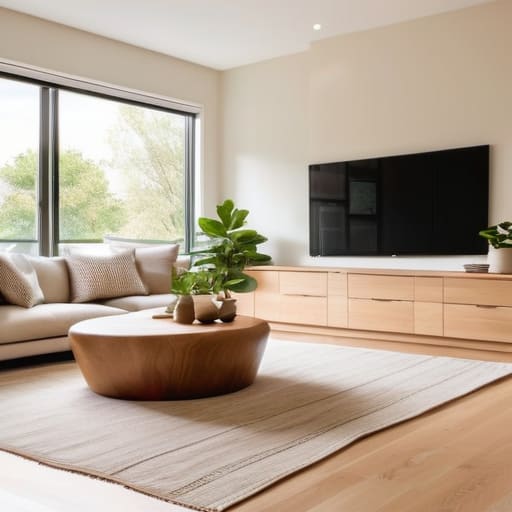
I still remember standing in the middle of a gutted bungalow last October, the smell of damp drywall and old sawdust thick in the air, clutching my laser measurer like a lifeline. I was staring at a kitchen that looked like it hadn’t been touched since 1974, realizing that most “experts” would tell me to blow my entire budget on custom marble countertops just to make it look pretty. But here’s the truth they won’t tell you: when you’re renovating for renters, luxury is a trap that eats your margins alive. You aren’t designing a showroom for a magazine; you’re building a durable, functional asset that can withstand the reality of daily life without breaking your bank account.
I’m not here to sell you on some overpriced, aesthetic-only lifestyle hack. My goal is to show you how to strip away the fluff and focus on the strategic upgrades that actually drive rental yield and protect your investment. We are going to talk about the gritty, unglamorous side of property rehab—the stuff that turns a crumbling fixer-upper into serious, long-term equity. Consider this your no-nonsense roadmap to building wealth, one smart renovation at a time.
Table of Contents
- Low Cost Rental Improvements That Actually Drive Value
- Maximizing Roi on Rental Properties Without Breaking the Bank
- My Non-Negotiables for High-Yield Rental Renos
- The Bottom Line: Building Equity One Room at a Time
- ## The Golden Rule of Rental Renos
- Turning Sweat Equity into Lasting Wealth
- Frequently Asked Questions
Low Cost Rental Improvements That Actually Drive Value
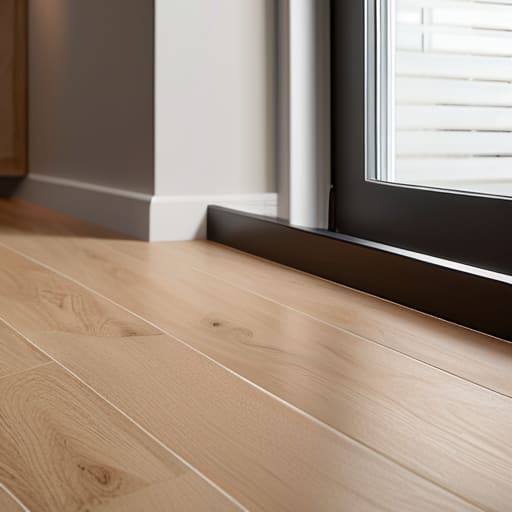
When you’re working with a tight budget, you have to stop thinking about aesthetics and start thinking about durability. I’ve learned the hard way that a cheap laminate countertop looks great on day one but can be a nightmare by month six. If you want to focus on maximizing ROI on rental properties, you need to invest in materials that can take a beating. I always look for high-quality luxury vinyl plank (LVP) flooring; it’s waterproof, scratch-resistant, and looks expensive enough to justify a higher rent without breaking your bank during the install.
Another secret weapon in my toolkit is lighting. Most landlords leave tenants stuck with a single, depressing overhead fixture, but swapping those out for modern, recessed lighting or even just some sleek, neutral pendants can completely transform a space. These are some of the most effective low-cost rental improvements because they change the entire mood of a room for under a hundred bucks. It’s about creating a space that feels intentional and clean, rather than just a place to sleep. When a unit feels “designed,” tenants are much more likely to sign a lease and, more importantly, stay longer.
Maximizing Roi on Rental Properties Without Breaking the Bank
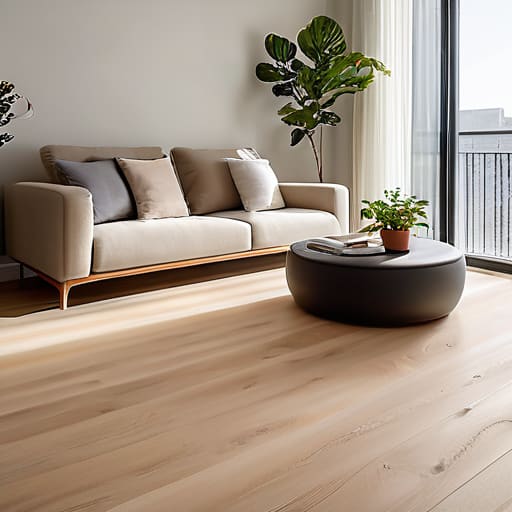
When you’re looking at maximizing ROI on rental properties, the biggest mistake I see is people over-improving. You aren’t designing a showroom for a magazine cover; you’re building a functional space that attracts a reliable tenant. Focus your budget on the “bones” of the living experience. Instead of high-end marble, invest in durable materials for rental units like luxury vinyl plank flooring. It looks sleek, handles the inevitable spills and scratches of a busy life, and won’t leave you crying when a tenant moves out.
Efficiency is your best friend here. I always tell my clients that the goal is to minimize future maintenance calls while subtly increasing the monthly rent. This is where increasing rental yield through renovation becomes a math game rather than an art project. Think about lighting and hardware. Swapping out a dated, plastic light fixture for a clean, industrial matte black one is a tiny expense that completely changes the vibe of a room. It’s about making smart, tactical choices that scream “quality” without draining your renovation fund.
My Non-Negotiables for High-Yield Rental Renos
- Prioritize durability over aesthetics every single time; I’d much rather install luxury vinyl plank that can survive a spilled glass of red wine than a trendy hardwood that’ll be ruined in six months.
- Focus on the “touchpoints”—the things tenants actually interact with daily—like high-quality cabinet pulls, sturdy door handles, and reliable faucets, because cheap hardware is the first thing that feels “low-end.”
- Stick to a neutral, high-end color palette for walls to keep the space feeling bright and versatile, which makes it much easier to pivot if you ever decide to sell rather than rent.
- Don’t skimp on lighting; swapping out those dated, plastic boob lights for something with a bit of industrial character can instantly elevate a room without requiring a full electrical overhaul.
- Invest in “smart” but simple upgrades like programmable thermostats or keyless entry locks, which add massive convenience for the tenant and save me a headache regarding lockouts and energy efficiency.
The Bottom Line: Building Equity One Room at a Time
Stop chasing luxury trends that won’t pay for themselves; focus on durable, high-impact upgrades like fresh paint and updated hardware that stand up to tenant wear and tear.
Always run the numbers before you swing a hammer—if a renovation doesn’t directly increase your monthly rent or significantly boost the property’s resale value, it’s just an expensive hobby.
View every renovation as a strategic move toward your long-term portfolio, prioritizing functional fixes that turn a neglected fixer-upper into a reliable, cash-flowing asset.
## The Golden Rule of Rental Renos
“Don’t fall into the trap of designing for your own Pinterest board; you aren’t the tenant. Your job isn’t to build a showroom—it’s to build a durable, high-impact space that attracts quality renters and protects your bottom line.”
Gareth Trelawny
Turning Sweat Equity into Lasting Wealth
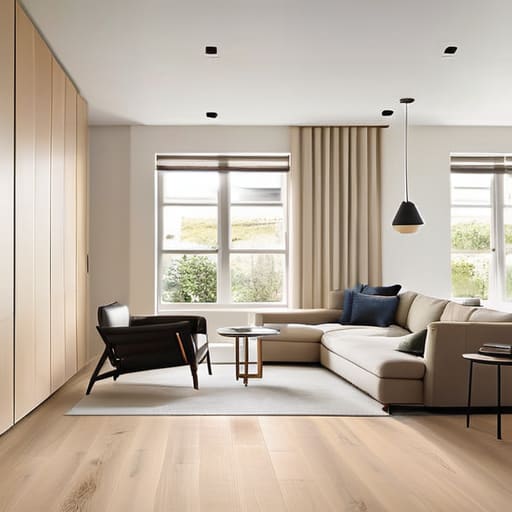
At the end of the day, renovating for renters isn’t about chasing high-end luxury or installing marble countertops that will just get scratched by moving trucks. It’s about being strategic. We’ve talked about focusing on the high-impact, low-cost wins—things like fresh paint, updated lighting, and durable flooring—that make a property feel modern without draining your capital. The goal is to find that sweet spot where functionality meets aesthetic appeal, ensuring you aren’t over-improving for the neighborhood while still providing a space that tenants actually want to call home. Remember, every dollar you spend should be a calculated move toward increasing your monthly cash flow or long-term property value.
I know it can feel overwhelming when you’re staring at a gutted kitchen or a floorplan that makes no sense, but don’t let the mess intimidate you. Real estate isn’t built on perfection; it’s built on persistence. Every crumbling wall you fix and every smart upgrade you implement is another brick in the foundation of your financial future. You don’t need a massive windfall to get started, you just need the grit to see the potential where others only see a headache. Stop waiting for the “perfect” market or a huge inheritance and start building your legacy one renovation at a time.
Frequently Asked Questions
How do I decide between using high-end finishes to attract premium tenants versus budget-friendly materials that just need to last?
Look, don’t get caught in the “luxury trap.” If your target market is a middle-class family, they don’t need marble countertops; they need a dishwasher that won’t die in six months. I always run the math on durability versus prestige. If a high-end finish is just eye candy that’ll crack under heavy use, skip it. Use budget-friendly, heavy-duty materials for the high-traffic spots and save your capital for the strategic upgrades that actually justify a higher rent.
At what point does a "quick fix" become a money pit that actually hurts my long-term ROI?
The moment you start patching over a structural issue instead of fixing the root cause, you’re digging a grave for your ROI. If you’re putting expensive, trendy backsplash over a leaking pipe or trying to hide mold with fresh paint, stop. That’s not a “quick fix”—it’s a deferred catastrophe. Real equity is built on solid bones. If the repair requires a “band-aid” to look good, it’s likely a money pit in disguise.
Should I prioritize aesthetic upgrades like paint and lighting, or focus my budget on invisible stuff like plumbing and electrical?
Look, I get the temptation to pick out trendy pendant lights, but don’t let a fresh coat of paint mask a disaster waiting to happen. If the plumbing is failing, your “aesthetic” upgrade is just a ticking time bomb for your cash flow. Prioritize the bones first. Fix the electrical and plumbing to protect your asset, then use whatever’s left to tackle the paint and lighting. You can’t style your way out of a burst pipe.
