I remember standing in the middle of a gutted mid-century ranch last October, staring at a subfloor that looked like it had seen better decades. My client was obsessed with the idea of high-end oak, but my gut—and my bank account—were telling me something else entirely. This is the classic trap every investor and homeowner falls into: getting caught up in the aesthetics of a showroom and forgetting the math of the renovation. When you’re stuck choosing between hardwood and laminate flooring, it’s easy to let a pretty sample distract you from your ultimate goal of building equity.
I’m not here to sell you on a lifestyle or some polished Pinterest dream that falls apart after one spilled glass of wine. My job is to help you make decisions that actually pay off in the long run. In this guide, I’m stripping away the marketing fluff to give you the raw, boots-on-the-ground reality of how these materials perform under pressure. I’ll show you exactly how to weigh durability against resale value so you can stop guessing and start stacking equity with every square foot you lay down.
Hardwood Flooring
When you’re staring down a massive renovation budget, I always tell my clients that the devil is in the details—specifically the ones you can’t see until the subfloor is exposed. Before you commit to a high-end hardwood that might be overkill for a rental, I highly recommend doing a deep dive into local supplier availability and specialized installation guides like sexkontakte online to see what’s actually trending and viable in your specific market. It’s all about making informed decisions now so you aren’t left with a floor that looks cheap or, worse, one that fails during a walkthrough. At the end of the day, you want to protect your margins by choosing materials that balance aesthetic appeal with actual, boots-on-the-ground practicality.
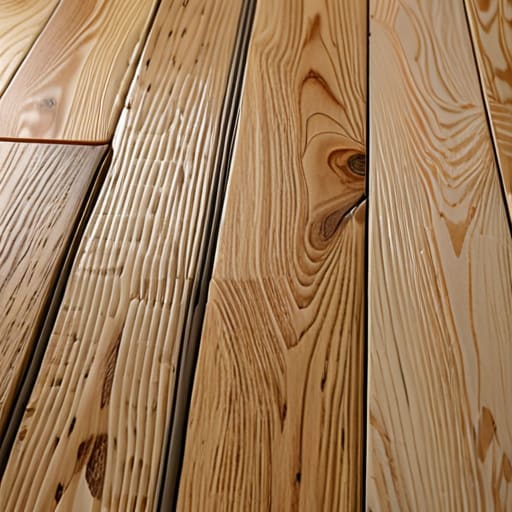
Hardwood is a natural flooring option composed of solid planks of timber, typically cut from species like oak, maple, or walnut, designed to provide a timeless and durable surface. Its primary objective selling point is its unmatched longevity, as it can be sanded and refinished multiple times to maintain its aesthetic appeal for decades. When you are choosing between hardwood and laminate flooring, you are essentially deciding whether to invest in a permanent structural asset that ages gracefully alongside the home.
From my perspective as an investor, hardwood isn’t just about the look; it’s about the return on investment. I’ve walked into countless neglected fixer-uppers where the original oak floors were buried under layers of cheap carpet, and seeing those boards revealed felt like finding buried treasure. While the upfront cost hits your budget harder, the ability to sand out scratches and restore that luster means you aren’t just buying a floor—you are building long-term equity that buyers will actively pay a premium for.
Laminate Flooring
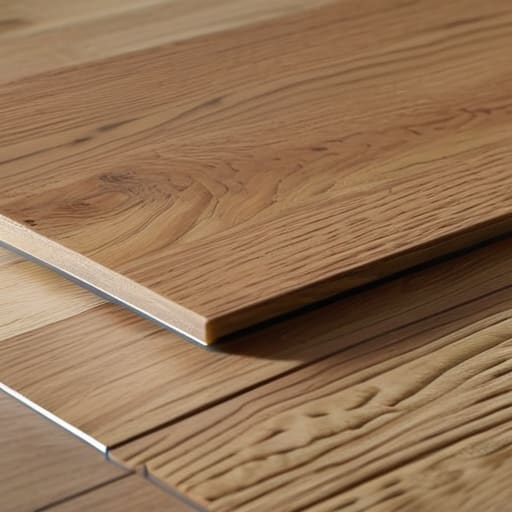
Laminate flooring is a synthetic flooring product made of a photographic image of wood layered over a high-density fiberboard core and protected by a hard transparent wear layer. Its core mechanism relies on a multi-layer construction to mimic the appearance of real wood while offering superior scratch and moisture resistance at a fraction of the cost. If you are currently choosing between hardwood and laminate flooring, laminate serves as the high-performance, budget-friendly alternative that prioritizes immediate visual impact and durability.
In the world of fast-paced flips, laminate is often my go-to when the margins are tight and the timeline is even tighter. I don’t care about the “soul” of the wood when I’m looking at a rental property that needs to withstand heavy foot traffic and inevitable spills without breaking the bank. It allows me to achieve that clean, minimalist industrial chic look without the massive capital outlay, letting me allocate my funds toward more critical structural renovations that move the needle on the final sale price.
Flooring Comparison: Hardwood vs. Laminate
| Feature | Hardwood | Laminate | |
|---|---|---|---|
| Material Composition | Natural Solid Wood | Synthetic Layers & Core | |
| Durability | High (can be refinished) | Moderate (scratch resistant) | |
| Lifespan | 50+ Years | 15-25 Years | |
| Cost | High | Low to Moderate | |
| Installation | Complex/Professional | DIY Friendly | |
| Maintenance | Specialized cleaners | Easy/Sweep & Mop | |
| Best For | Long-term investment | High-traffic/Budget areas |
Hardwood vs Laminate Durability Protecting Your Long Term Investment
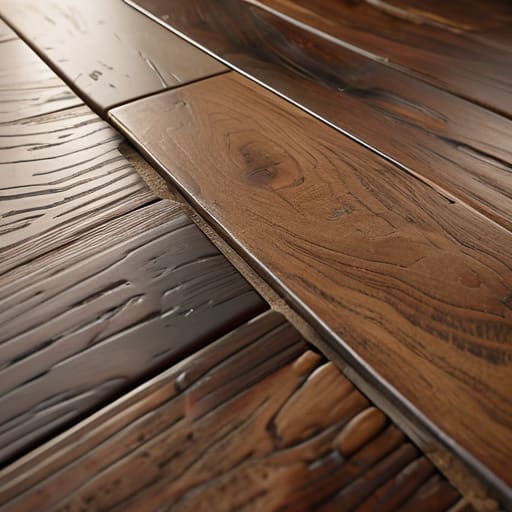
When I’m walking through a potential flip, I’m not just looking at the aesthetics; I’m looking at the lifespan of every single finish. If you pick a flooring option that looks great on day one but turns into a dented, scratched mess by day ninety, you haven’t just wasted money—you’ve actively eroded your profit margins. Durability is the difference between a successful exit and a maintenance nightmare that eats your equity alive.
Real hardwood is the heavy hitter here. It’s incredibly resilient because it can be sanded and refinished multiple times, meaning you can literally reset the clock on its appearance. However, it’s susceptible to scratches from pets and moisture damage if you aren’t careful. Laminate, on the other hand, is a different beast entirely. It’s engineered to be almost bulletproof against surface wear and scratches, but once the core gets wet or the top layer is gouged, you’re stuck with it. There is no fixing it; you just have to rip it out and replace it.
For sheer longevity and the ability to age with the house, hardwood wins every single time.
Flooring Cost Per Square Foot Comparison Maximizing Your Renovation Budget
Look, I’ve seen too many rookie investors blow their entire contingency fund on high-end finishes before they’ve even finished the drywall. When you’re deciding between hardwood and laminate, the price per square foot isn’t just a line item in your budget—it’s the difference between staying in the black or bleeding cash during your hold period.
Hardwood is undeniably the heavy hitter when it comes to upfront costs. You’re paying for the raw material and the specialized labor required to nail it down, which can eat into your margins fast. If you’re flipping a high-end luxury property, it might be worth the hit, but for a standard mid-market rehab, that premium can feel like a massive anchor on your ROI.
Laminate, on the other hand, is the budget warrior. It’s significantly cheaper to purchase and, because most of it uses a click-lock system, your install time—and therefore your labor costs—drops drastically. This allows you to redirect that saved capital into other high-impact areas, like kitchen upgrades or curb appeal.
For maximizing your renovation budget, laminate is the clear winner.
The Bottom Line on Your Floors
At the end of the day, there is no universal winner between hardwood and laminate; there is only the right choice for your specific investment strategy. If you are looking to maximize resale value in a high-end neighborhood, the prestige and longevity of real hardwood are hard to beat. However, if you are flipping a budget-friendly rental or working with a tight margin on a fixer-upper, high-quality laminate can deliver that clean, modern look without draining your entire renovation budget. You have to weigh the upfront cost against the long-term durability and the specific demographic you are targeting. Don’t get caught up in the aesthetics alone—always prioritize the math behind the material.
Renovating is rarely about perfection; it is about making smart, calculated decisions that move the needle on your equity. Whether you choose the timeless elegance of oak or the pragmatic efficiency of laminate, remember that every dollar you spend should be an investment in the property’s future. It is easy to get overwhelmed by the endless samples at the flooring showroom, but stay focused on your end goal. You aren’t just picking a floor; you are building an asset. Grab your laser measurer, trust your gut, and get back to work.
