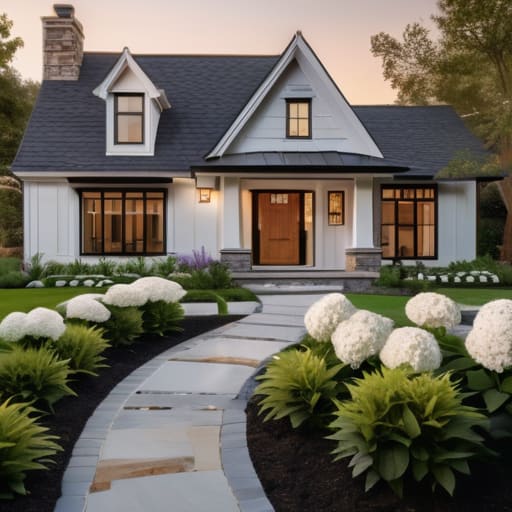
I remember standing on a cracked concrete driveway last October, staring at a listing that looked like a total disaster on paper. The overgrown weeds were choking out the front door, and the peeling paint made the whole structure look tired and defeated. Most “experts” would have told you that you needed a five-figure landscaping budget and a custom stone entryway to fix the problem, but they’re selling you a dream that eats your margins. In reality, curb appeal isn’t about how much money you can throw at a house; it’s about identifying the high-impact, low-cost pivots that stop a buyer in their tracks.
I’m not here to give you a Pinterest board of expensive, impractical trends that won’t actually move the needle on your ROI. Instead, I’m going to show you how to strategically target the neglect that’s currently suppressing your property’s value. We are going to talk about the grit and the practicalities of making a house look intentional and well-maintained without breaking the bank. My goal is to help you turn that initial visual friction into instant equity through smart, decisive upgrades.
Table of Contents
- Mastering First Impression Home Aesthetics for Maximum Profit
- Smart Exterior Home Renovation Ideas for the Savvy Investor
- Five High-ROI Moves to Stop the Scroll and Start the Bidding War
- The Bottom Line on Curb Appeal
- The Margin is in the Details
- The Bottom Line on Curb Appeal
- Frequently Asked Questions
Mastering First Impression Home Aesthetics for Maximum Profit
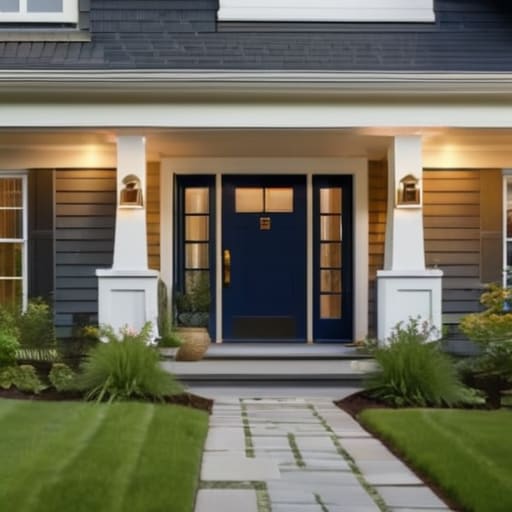
When I’m walking up to a potential flip, I’m not just looking at the structure; I’m reading the story the exterior tells. If the entryway looks tired, buyers subconsciously assume the plumbing and electrical are just as neglected. To maximize your margins, you need to focus on first impression home aesthetics that signal quality. This isn’t about a full-scale overhaul; it’s about strategic, high-impact moves. For instance, I always look at the front door first. You don’t need a custom mahogany slab to make a statement—simply leaning into current front door color trends, like a deep navy or a muted sage, can act as a visual anchor that pulls the whole facade together.
Beyond the door, don’t underestimate the power of greenery. I’m a huge advocate for low maintenance garden design because, let’s be real, most buyers aren’t looking to spend their weekends weeding. Think hardy perennials and clean mulch lines that suggest order and care. If you have a little extra room in the budget, adding some subtle outdoor lighting design can make the property look expensive even during twilight showings. It’s about creating an atmosphere of stability that makes a buyer feel like they’ve already found home.
Smart Exterior Home Renovation Ideas for the Savvy Investor
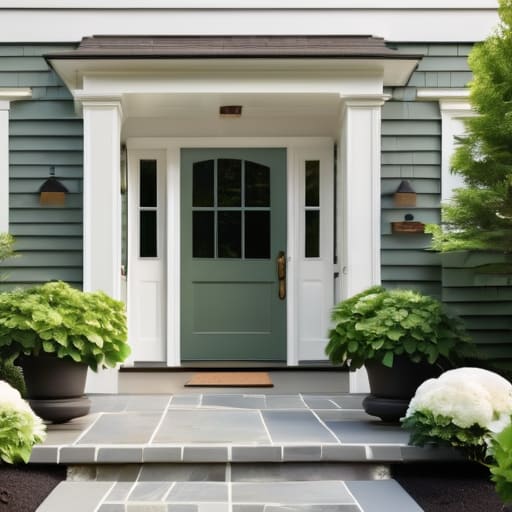
When you’re looking at a property through an investor’s lens, you aren’t just looking at flowers; you’re looking at ROI. I always tell my clients to focus on high-impact, low-cost exterior home renovation ideas that scream “well-maintained” the moment a buyer pulls up to the curb. For me, that starts with the entryway. You don’t need a full structural overhaul to change the vibe; sometimes, just leaning into current front door color trends—think a moody navy or a sophisticated sage—can act as a visual anchor that pulls the whole facade together.
Beyond the hardware, don’t overlook the power of strategic landscaping for home value. I’m not talking about a botanical garden that requires a full-time gardener; I’m talking about a low maintenance garden design that looks intentional and clean. Think hardy perennials, fresh mulch, and crisp edging. If you want to take it a step further without breaking the bank, a simple outdoor lighting design using solar-powered path lights can make a property feel safe and high-end during evening showings. It’s about making the house look like an asset, not a liability.
Five High-ROI Moves to Stop the Scroll and Start the Bidding War
- Stop ignoring the entryway; a fresh coat of high-contrast paint on the front door and updated hardware can act as a psychological magnet for potential buyers.
- Don’t dump money into complex landscaping if the basics are failing—clean up the edges, throw down fresh mulch, and prune back anything that looks like it hasn’t seen shears in a decade.
- Lighting isn’t just for safety; swapping out those dated, plastic porch lights for something with a clean, industrial edge instantly signals that the home has been well-maintained.
- Clean your windows until they shine; it sounds basic, but removing the grime and oxidation makes the whole structure look more expensive and well-kept from the curb.
- Tackle the driveway and walkways—if they’re stained or cracked, a deep power wash or a strategic patch job can make a tired property look brand new without a full repave.
The Bottom Line on Curb Appeal
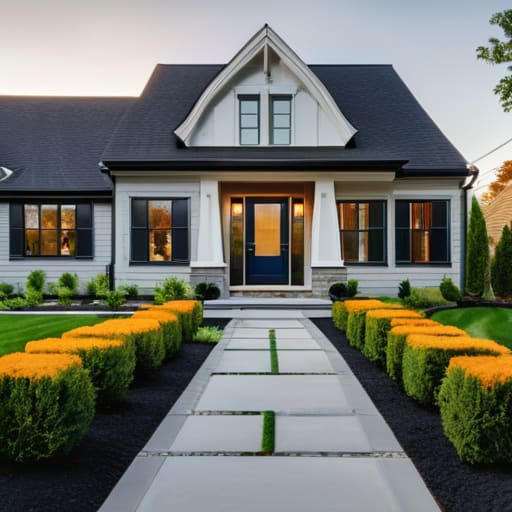
Stop overspending on high-end finishes that don’t move the needle; focus your budget on high-impact, visible upgrades like a fresh front door or clean landscaping that scream “well-maintained” to a buyer.
Treat the exterior like a sales pitch—if the first thing a potential buyer sees is a cracked walkway or overgrown weeds, they’ve already mentally devalued the entire property before they even step inside.
Always run the numbers on your exterior repairs to ensure you aren’t just spending money, but actually building equity; every dollar spent on curb appeal should be a strategic move to widen your profit margins.
The Margin is in the Details
“Don’t mistake curb appeal for just picking out a pretty front door; it’s about strategic sweat equity that stops a buyer in their tracks before they even see the floor plan.”
Gareth Trelawny
The Bottom Line on Curb Appeal
At the end of the day, curb appeal isn’t about spending a fortune on high-end landscaping or custom masonry; it’s about strategic execution. We’ve covered how a fresh coat of paint, a manicured lawn, and updated lighting can completely shift a buyer’s perception from “this is a headache” to “this is my future home.” Remember, every dollar you sink into the exterior needs to serve a purpose: increasing perceived value and minimizing friction during the initial walkthrough. If you focus on the high-impact, low-cost wins we discussed, you aren’t just fixing up a house—you are protecting your margins and ensuring your renovation pays for itself.
Real estate investing is rarely a clean, easy process, and the exterior of a property will often be the messiest part of the job. But that’s exactly where the opportunity lies. While other investors are scared off by peeling siding or overgrown bushes, you’re seeing the equity hiding underneath. Don’t let the dust and the dirt intimidate you. Use your eye for detail, trust your gut, and remember that every crumbling wall is just a stepping stone toward building that portfolio you’ve been dreaming of. Now, grab your laser measurer and get to work.
Frequently Asked Questions
At what point does spending more on landscaping become a case of diminishing returns for my ROI?
Look, I’ve seen it happen: you start with a fresh layer of mulch and end up installing a $15,000 Japanese maple that does nothing for your margins. You hit diminishing returns the moment your landscaping costs exceed the perceived “wow factor” for a buyer. Stop chasing perfection. Once the lawn is green, the edges are crisp, and the entryway looks intentional, put your money back into the kitchen. Curb appeal gets them through the door; the interior closes the deal.
Which exterior upgrades actually move the needle on appraisal value versus what just looks good for photos?
Look, there’s a massive difference between “Instagrammable” and “appraisal-ready.” A trendy, oversized front door looks great in a listing photo, but it won’t move the needle like a fresh roof or updated siding will. If you want to see real equity growth, focus on the structural bones and high-impact essentials: windows, garage doors, and landscaping. Don’t waste your margins on boutique lighting if the foundation or roof is screaming for attention. Invest in what appraisers actually check.
How do I balance high-end aesthetic upgrades with a tight renovation budget when I'm trying to protect my margins?
Look, I get it. It’s easy to get carried away with high-end finishes, but if you overspend on the “wow” factor, you’re just eating your own profit. My rule is simple: spend big on the things people touch and see immediately—like a heavy, designer front door or matte black hardware—and save on the stuff that’s hidden. Use high-impact, mid-range materials and let smart lighting do the heavy lifting. Don’t buy luxury; buy perceived value.
