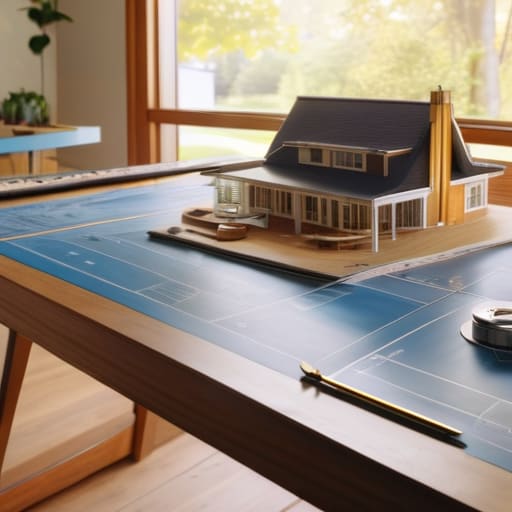
I still remember the smell of damp drywall and old sawdust from my first solo project—a tiny, neglected bungalow that most people wouldn’t have looked at twice. While the “gurus” on social media were busy selling polished dreams of effortless wealth and luxury mansions, I was on my hands and knees with a scraper, realizing that the real money in the property flipping niche isn’t found in the shiny finish, but in the grit it takes to uncover it. You don’t need a massive windfall to get started; you just need to be able to see the structural potential hidden beneath layers of outdated wallpaper and bad decisions.
I’m not here to give you a sanitized, “get rich quick” lecture. Instead, I’m going to show you the unvarnished reality of how I turn crumbling walls into solid equity. We’re going to talk about strategic rehabs, spotting undervalued assets, and why a sharp eye for design is just as important as your budget. If you’re ready to trade the hype for hard-earned knowledge, let’s get to work.
Table of Contents
- Mastering Real Estate Market Analysis for Hidden Gems
- Spotting Property Appreciation Trends Before the Crowd
- The Dirty Work: 5 Realities of Turning a Fixer-Upper into a Profit
- The Bottom Line: Turning Vision into Equity
- The Real Value Isn't on the Listing
- Turning Vision Into Value
- Frequently Asked Questions
Mastering Real Estate Market Analysis for Hidden Gems

Before you even pick up a sledgehammer, you need to get comfortable with the numbers. Most beginners make the mistake of falling in love with a house’s “bones” before they’ve actually run a proper real estate market analysis. I’ve seen too many investors get blinded by a beautiful mid-century layout, only to realize they’ve overextended in a neighborhood where demand is stalling. You have to look past the aesthetic and dig into the data—check the days on market, the local school ratings, and the recent comps within a half-mile radius.
To truly master fix and flip profitability, you have to hunt for the pockets where the value is about to jump. I don’t look for the neighborhoods that are already polished; I look for the ones on the cusp of a turnaround. You’re looking for that sweet spot where a strategic cosmetic overhaul can trigger significant property appreciation trends. It’s about finding the gap between what a house is worth in its current, neglected state and what it could be with the right design intervention. If the math doesn’t scream “equity” during your initial walkthrough, walk away.
Spotting Property Appreciation Trends Before the Crowd
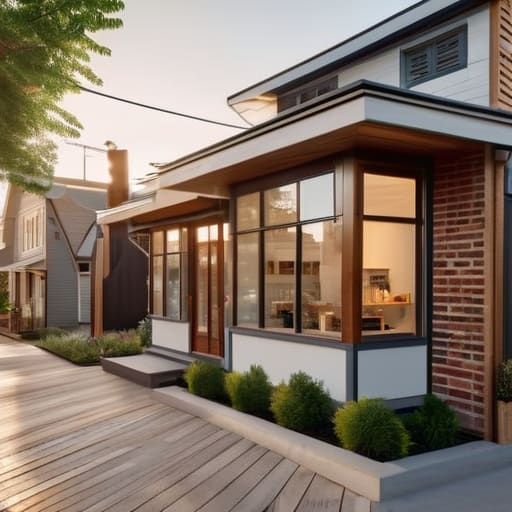
If you’re waiting for the local news to report that a neighborhood is “up and coming,” you’ve already missed the boat. By then, the entry price has spiked, and your margins are razor-thin. To truly master real estate investment strategies, you have to look for the subtle, quiet indicators that most people overlook. I’m talking about the arrival of a new high-end coffee shop, the sudden influx of boutique fitness studios, or even just seeing a handful of well-maintained homes popping up in a sea of neglected lots. These aren’t just lifestyle changes; they are early signals of shifting property appreciation trends.
I always tell my clients that the real money is made in the “transition zones”—those pockets of a city that are currently undervalued but are being squeezed by the expansion of more expensive districts. You need to be looking at the bones of the area, not just the current aesthetics. When I’m scouting, I’m looking for the intersection of infrastructure improvements and demographic shifts. If the city is planning a new transit line or a park renovation nearby, that’s your cue to get in. It’s about finding that sweet spot where your renovation can bridge the gap between what the neighborhood is and what it’s becoming.
The Dirty Work: 5 Realities of Turning a Fixer-Upper into a Profit
- Stop obsessing over the paint colors and start looking at the bones. I’ve seen too many rookies blow their entire budget on high-end fixtures only to realize they have a foundation issue that’s going to eat their margin alive. If the plumbing and electrical aren’t sound, no amount of mid-century modern styling will save your ROI.
- Build a “ride or die” contractor crew before you even sign a contract. You can have the best vision in the world, but if your plumber doesn’t show up or your electrician is cutting corners, you’re hemorrhaging money every day the house sits empty. I treat my subs like partners, not just line items, because a reliable crew is the backbone of every successful flip.
- Learn to love the “ugly” houses that everyone else is scrolling past. The gold is always hidden behind layers of outdated wallpaper and bad carpet. If a house looks depressing in the listing photos, that’s usually where your opportunity lies—the less competition there is, the better your entry price will be.
- Keep a massive contingency fund tucked away for the “surprises.” I always tell people: once you tear down a wall, you’re basically playing a game of real estate roulette. You will find something unexpected—mold, outdated wiring, or structural rot—and if you haven’t budgeted for it, your “profitable” flip is going to turn into a personal debt trap.
- Design for the buyer, not for your own ego. I love a good industrial chic vibe as much as the next person, but my job isn’t to build my dream home; it’s to build a product that sells. Stick to timeless, high-impact upgrades that appeal to the widest possible demographic in that specific neighborhood. Don’t get precious with your design choices—get pragmatic.
The Bottom Line: Turning Vision into Equity
Don’t get distracted by the mess; focus on the bones of the property and where you can actually add value through smart, strategic design.
Real wealth in this game isn’t about luck, it’s about doing the legwork to understand market shifts before they become common knowledge.
You have to be willing to get your hands dirty and manage the chaos of a renovation if you want to see a real return on your investment.
The Real Value Isn't on the Listing
Most people walk into a fixer-upper and see a disaster, but if you’re looking to build actual wealth, you need to stop seeing the peeling wallpaper and start seeing the equity hiding underneath it.
Gareth Trelawny
Turning Vision Into Value

At the end of the day, success in this niche isn’t about luck or stumbling into a windfall; it’s about the discipline of the grind. We’ve talked about the heavy lifting required to master market analysis and the foresight needed to spot appreciation trends before the rest of the neighborhood catches on. You can’t just wing it. You need to combine a sharp eye for potential with a data-driven approach to ensure your renovation budget actually translates into sweat equity. If you aren’t looking at the numbers and the neighborhood trends simultaneously, you aren’t investing—you’re just gambling.
Look, I know the idea of tearing down walls and managing contractors can feel overwhelming, especially when you’re starting from scratch. But remember: every high-end, polished property you see started as a mess that someone else was too afraid to touch. Don’t let the dust and the chaos intimidate you. Real estate is one of the few paths where you can literally build your own wealth with your own two hands. Stop waiting for the “perfect” market or a massive inheritance to fall into your lap. Grab your measuring tape, find a diamond in the rough, and start turning those crumbling walls into your future.
Frequently Asked Questions
How much of a contingency fund should I actually set aside for those "surprise" structural issues that pop up mid-renovation?
Look, if you’re planning on a tight budget, you’re already losing. I never step onto a job site without a 15% to 20% contingency fund tucked away. In a perfect world, 10% might cover a leaky faucet or a stubborn subfloor, but we don’t live in a perfect world. Between outdated wiring and “mystery” foundation cracks, those surprises will eat your profit alive if you aren’t prepared. Treat that fund as non-negotiable.
Is it better to focus on single-family homes for long-term equity, or should I be looking at multi-family units to scale faster?
Look, there’s no “correct” answer, only what fits your current bandwidth and capital. If you want to master the craft, start with single-family homes; they’re easier to manage and easier to flip for a quick win. But if your goal is rapid scaling and cash flow, multi-family is the way to go. Personally, I prefer the control of a single-family rehab, but nothing builds a portfolio faster than the math of a multi-unit.
How do I find reliable contractors who won't blow my budget or my timeline when I'm working with tight margins?
Look, I’ve been burned before, and in this game, a bad contractor is a margin killer. Don’t just hire the cheapest bid; that’s a trap. I vet people by asking for recent job sites—I want to see their actual work, not just polished photos. I always cross-reference reviews and, most importantly, I negotiate a fixed-price contract with clear milestones. If they can’t commit to a timeline in writing, walk away.
