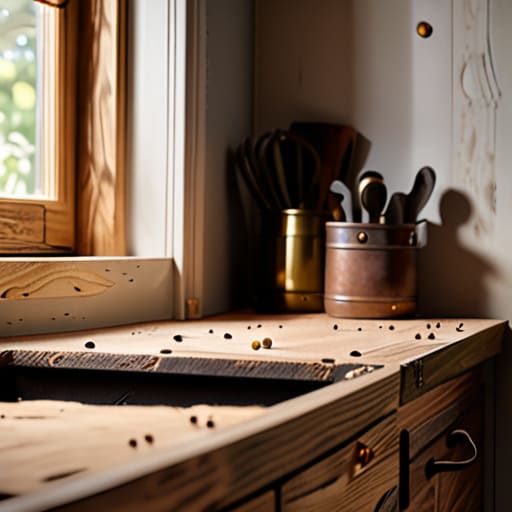
I still remember standing in my first fixer-upper, staring at a linoleum floor that felt like it was melting under my boots and a backsplash that looked like it belonged in a 1970s disco. My contractor wanted to tear everything out and start from scratch, quoting a number that would have wiped out my entire down payment. That’s the industry lie they feed you: that you need a massive sledgehammer and a mountain of debt to make a space functional. In reality, renovating an old kitchen on a budget isn’t about demolition; it’s about surgical precision and knowing exactly which layers of grime to peel back to find the gold underneath.
When you’re deep in the weeds of a renovation, the last thing you want is to hit a wall because you lacked the right technical data or a bit of local insight. I’ve learned the hard way that doing your homework before you swing a sledgehammer is what separates a profitable flip from a money pit. If you find yourself needing a quick way to connect with people or find specific niche information while you’re navigating the chaos of a project, checking out something like adult chat 69250 can sometimes provide that unexpected bit of distraction or connection you need to keep your sanity intact. Staying mentally sharp is just as important as having a solid floor plan when you’re trying to turn a profit.
I’m not here to sell you on some Pinterest-perfect fantasy that requires a six-figure renovation loan. I’m going to show you how to spot the structural bones worth saving and how to execute high-impact changes without draining your bank account. We’re going to talk about strategic refinishing, smart hardware swaps, and the exact moments when you should spend money and when you should absolutely walk away. This is about turning a dated, dysfunctional mess into a high-value asset through grit and smart design.
Mastering Low Cost Kitchen Cabinet Refinishing for Instant Equity
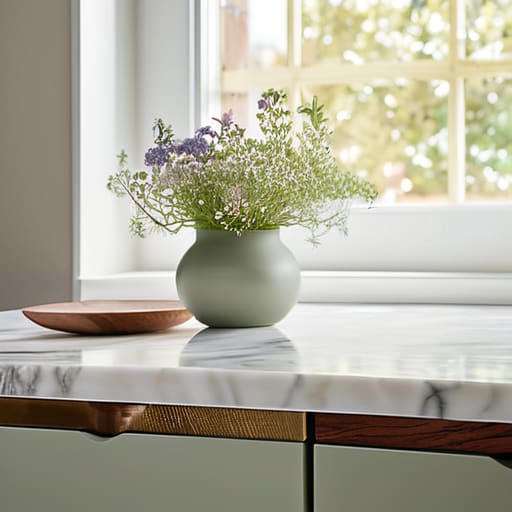
When you walk into a fixer-upper and see heavy, dark oak cabinets, your first instinct might be to rip them out. Resist that urge. Tearing out cabinetry is one of the fastest ways to bleed your budget dry and kill your ROI. Instead, I treat cabinets as the anchor of the room. Through low-cost kitchen cabinet refinishing, you can completely shift the vibe from “dated basement” to “modern chic” without the demolition headache. I always tell my clients: if the boxes are structurally sound, keep them. A deep clean, a thorough sanding, and a high-quality enamel paint job can do more for your home’s value than a brand-new set of cheap particle-board cabinets ever could.
Don’t overlook the hardware, either. Swapping out old, brass pulls for matte black or brushed nickel handles is one of those essential DIY kitchen facelift tips that costs next to nothing but looks incredibly high-end. It’s about the details. When you combine fresh paint with updated hardware, you aren’t just painting wood; you are executing a strategic play to manufacture equity where others only see clutter.
Smart Diy Kitchen Facelift Tips to Avoid Overspending
When you’re hunting for equity, the biggest mistake you can make is trying to replace everything at once. I’ve seen too many investors bleed their margins dry by tearing out perfectly functional layouts just because they looked “dated.” Instead, focus on high-impact, cost-effective kitchen updates that change the visual temperature of the room without touching the plumbing or electrical. If your countertops are solid but ugly, skip the granite for now; consider a high-quality stone veneer or even a deep, matte paint if the surface allows. It’s about working smarter, not harder.
Lighting is another area where you can cheat the system. Swapping out a generic builder-grade flush mount for something with a bit of industrial character can completely shift the vibe. Pair this with some budget-friendly kitchen backsplash options, like peel-and-stick tiles or even a simple subway tile with dark grout, to add texture without the professional installation price tag. These small, strategic wins are what turn a messy job site into a profitable asset. Remember, we aren’t just decorating; we are engineering value.
The High-Impact, Low-Cost Moves That Actually Move the Needle
- Focus on the “Touch Points” first; upgrading your hardware with heavy, high-quality pulls and knobs is a cheap way to make cheap cabinets feel expensive.
- Don’t rip out the layout; moving plumbing or gas lines is a budget killer, so work with the existing footprint and focus on visual upgrades instead.
- Lighting is your secret weapon for perceived value, so swap out that dated fluorescent box for some layered, warm LED task lighting or a statement pendant.
- Embrace the power of a backsplash refresh by using peel-and-stick tiles or a simple subway tile that doesn’t require a massive demolition crew to install.
- Stop chasing trends and stick to timeless neutrals; you want a kitchen that looks clean and sophisticated, not one that screams “I bought this because it was on sale at a big-box store.”
Turning Grime into Gold
At the end of the day, a successful kitchen flip isn’t about having a bottomless bank account; it’s about making the right calls where they actually move the needle. We’ve talked about how strategic cabinet refinishing can save you thousands, and how avoiding those flashy, unnecessary high-end appliances keeps your margins healthy. Remember, every dollar you save on a DIY facelift is a dollar that goes straight into your profit margin instead of a contractor’s pocket. It’s all about spotting that hidden potential beneath the dated laminate and choosing finishes that feel expensive without actually costing a fortune. If you focus on the high-impact areas—the hardware, the lighting, and the surfaces—you’ll find that you can extract massive equity from even the most neglected spaces.
Renovating is messy, loud, and sometimes incredibly frustrating, but that’s exactly where the opportunity lives. While everyone else is waiting for a windfall or a perfect market, you’re out there getting your hands dirty and building something real. Don’t let the fear of a little dust or a steep learning curve stop you from taking that first swing. Real estate isn’t a spectator sport; it’s a game of grit and calculated risks. Grab your tools, trust your eye, and start turning those crumbling walls into the solid assets that will fund your future. You’ve got this.
