Category: Property

  • Finding Potential in Fixer Upper Properties

    Finding Potential in Fixer Upper Properties

    I was standing in a kitchen last Tuesday, knee-deep in sawdust and the unmistakable, heavy scent of damp drywall, when I realized something. Most people walk into a house like that and see a disaster waiting to happen, but I just saw a math problem waiting to be solved. I remember my first real fixer upper—a tiny, gutted bungalow that smelled more like mold than opportunity—and the sheer panic I felt when the floorboards groaned under my boots. Most “experts” will tell you that you need a massive capital injection or a team of twenty contractors to make it work, but they’re selling you a fantasy. The truth is, the real profit isn’t in the pristine, move-in-ready listings; it’s buried under the layers of outdated wallpaper and bad decisions left by the previous owners.

    I’m not here to give you a polished, Pinterest-perfect version of real estate investing. I’m here to show you how to look past the chaos and identify the structural potential that actually builds wealth. I promise to give you the unfiltered, boots-on-the-ground reality of how to manage a renovation without losing your mind or your shirt. We’re going to talk about smart design, strategic rehabs, and exactly how to turn those crumbling walls into solid equity.

    Table of Contents

    Mastering Real Estate Investment Strategies for Hidden Gems
    Mastering Real Estate Investment Strategies for Hidden Gems.

    When you’re hunting for those hidden gems, you can’t just fall in love with a vintage layout and call it a day. You need a tactical approach to your real estate investment strategies. I always start with a brutal, no-nonsense structural integrity assessment before I even dream about picking out backsplash tile. If the foundation is cracked or the electrical is a nightmare, that “charming” bungalow is just a money pit in disguise. You have to be able to look past the peeling wallpaper and see the bones of the building.

    Once I know the structure is sound, my focus shifts to the math. Successful flipping houses for profit isn’t about spending money to make it look pretty; it’s about spending money where it actually drives property value appreciation. I don’t waste my capital on high-end finishes in a mid-range neighborhood. Instead, I prioritize the high-impact areas—like a functional kitchen or a refreshed primary bath—that will actually move the needle for a buyer. It’s about being strategic, not just aesthetic.

    A Sharp Eye for Structural Integrity Assessment
    A Sharp Eye for Structural Integrity Assessment

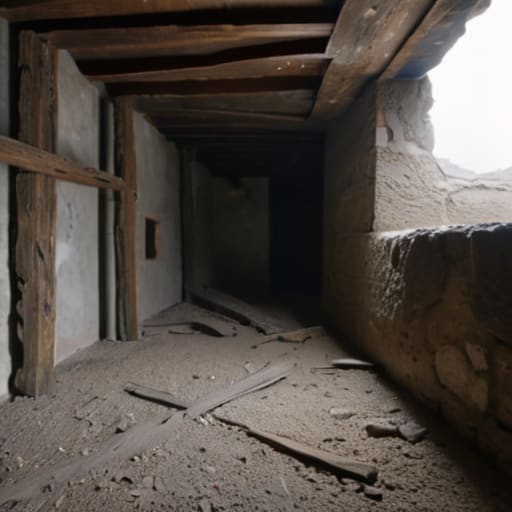
    When you walk into a property that looks like it’s been through a war zone, your first instinct might be to look at the peeling wallpaper or the dated kitchen tiles. Forget that. Those are cosmetic, and they’re easy fixes. I want you to look at the bones. A proper structural integrity assessment is the difference between a profitable flip and a financial nightmare that drains your bank account. I always start by checking the foundation for cracks and sniffing out moisture in the basement. If the skeleton of the house is compromised, no amount of mid-century modern furniture or chic lighting is going to save your margins.

    You have to be ruthless here. I’ve seen too many rookies dive into a project because they fell in love with the “character” of an old home, only to realize too late that the roof is shot and the joists are sagging. Integrating these checks early on is vital for your renovation budget planning. If you don’t account for the heavy lifting—the stuff behind the drywall—your profit margins will evaporate before you even pick up a sledgehammer. Look past the mess to see if the structure can actually support the vision you have for it.

    The Profit-Maker’s Playbook: 5 Ways to Avoid Getting Buried in a Renovation

    • Prioritize the “bones” before the “beauty.” I’ve seen too many rookies blow their entire budget on high-end quartz countertops only to realize they can’t afford to fix a leaking roof or a cracked foundation. If the structure isn’t sound, your gorgeous new kitchen is just expensive wallpaper on a sinking ship.
    • Budget for the “Oh Sh*t” factor. In this business, something always goes wrong behind a drywall. Whether it’s outdated wiring or a surprise termite infestation, I always add a 15-20% contingency buffer to my estimates. If you don’t account for the mess, the mess will account for you.
    • Focus on high-ROI cosmetic upgrades. You don’t need a full-scale remodel to see a jump in equity. Sometimes, a fresh coat of neutral paint, updated lighting fixtures, and some smart landscaping can do more heavy lifting for your resale value than a complete gut job.
    • Don’t get emotionally attached to the “ugly.” When I walk into a house that smells like mothballs and has shag carpeting from 1974, I don’t see a disaster; I see a blank canvas. If you start feeling sorry for the house, you’ll start making design choices based on sentiment rather than profit margins.
    • Master the art of the “smart” layout. You don’t always need to move load-bearing walls to fix a cramped floor plan. Often, simply removing a non-structural partition or optimizing the flow between the kitchen and living area can make a tiny fixer-upper feel like a custom-built estate.

    The Bottom Line on Turning Chaos into Equity

    Don’t get distracted by ugly wallpaper or outdated carpet; focus your energy and budget on the bones and the systems that actually drive long-term value.

    Profit isn’t made when you sell the house; it’s made when you buy it—so use your assessment skills to ensure the renovation costs won’t swallow your margins.

    Patience is a professional tool; you have to be willing to get your hands dirty and navigate the mess of a job site to unlock the equity hidden behind those crumbling walls.

    ## The Real Value of a Messy Project

    “Most people see a cracked foundation or peeling wallpaper and run the other way, but I see a discount on the purchase price and an opportunity to manufacture equity. In this game, the profit isn’t in the turnkey houses; it’s hidden under the layers of neglect that everyone else is too afraid to touch.”

    Gareth Trelawny

    Turning Vision into Value
    Turning Vision into Value through strategic flipping.

    At the end of the day, successful flipping isn’t about luck; it’s about the discipline to execute a plan. We’ve covered how to spot those hidden gems through strategic investment, how to look past the ugly wallpaper to assess the actual structural bones, and how to prioritize the repairs that actually move the needle on your ROI. You can’t afford to get distracted by the cosmetic fluff if the foundation is shaky, but you also can’t let a little dust and debris stop you from seeing the massive equity waiting underneath. It’s about balancing that sharp eye for design with a ruthless pragmatism when it comes to your budget and your timeline.

    I know it sounds intimidating—standing in the middle of a gutted kitchen with a laser measurer in one hand and a stack of contractor quotes in the other. But remember, every polished, high-end property you see on the market started its life as a mess. The difference between an amateur and a real investor is the willingness to get their hands dirty when things get complicated. Don’t let the fear of a messy renovation hold you back from building your future. Grab your gear, trust your gut, and start turning those crumbling walls into the solid wealth you deserve.

    Frequently Asked Questions

    How do I figure out if a renovation budget is actually realistic before I sign the closing papers?

    Don’t trust a single spreadsheet you find online; they’re useless once you actually peel back the drywall. Before you sign anything, get a contractor through the property for a walkthrough—not just a quote. I always add a 15% “chaos buffer” to my estimates because something always goes sideways once the sledgehammers come out. If the numbers don’t work with that extra cushion, walk away. Never gamble your equity on a “best-case scenario” budget.

    At what point does a "fixer-upper" cross the line from a profitable flip to a money pit?

    The line is crossed when the “unknowns” start outweighing your contingency fund. I’ve seen it happen: you think you’re just replacing a subfloor, but then you find black mold, a cracked foundation, and outdated knob-and-tube wiring all in one go. If the cost to stabilize the bones exceeds your projected profit margin once you factor in a 20% buffer for surprises, walk away. Don’t let ego turn a smart flip into a sinkhole.

    How much of the heavy lifting should I do myself versus hiring out to contractors to ensure I'm actually building equity?

    Here’s the reality: if you’re trying to build real equity, you need to be strategic about your sweat equity. I handle the cosmetic stuff—painting, demo, and maybe some floor refinishing—because those are high-impact, low-risk tasks. But don’t play hero with the plumbing or electrical. If you botch a structural repair, you aren’t building wealth; you’re just burning it. Hire pros for the bones, and save your energy for the design details that actually drive appreciation.


  • Strategies for Successful Buy to Let Investing

    Strategies for Successful Buy to Let Investing

    I still remember standing in the middle of a gutted Victorian terrace last October, the smell of damp plaster and old dust thick enough to taste, clutching my laser measurer like a lifeline. Everyone in the industry was telling me that a successful buy to let strategy required a massive down payment and a team of twenty specialists. They make it sound like this polished, corporate game played only by people with trust funds. But as I stared at those cracked floorboards, I didn’t see a financial nightmare; I saw raw potential waiting to be unlocked by someone willing to get their hands dirty.

    I’m not here to sell you on some magical, passive-income fantasy that requires zero effort. Instead, I’m going to give you the unvarnished truth about how to actually build a portfolio from the ground up. I’ll show you how to spot the undervalued gems, navigate the messy reality of renovations, and turn a neglected property into a reliable asset. If you’re ready to stop listening to the hype and start building real equity, then let’s get to work.

    Table of Contents

    Mastering Rental Yield Calculation Without the Fluff

    Mastering Rental Yield Calculation Without the Fluff

    Look, I’ve seen too many people jump into a deal because the house looks pretty, only to realize six months later that the math doesn’t work. If you want to survive in this game, you have to stop looking at aesthetics and start looking at the numbers. A basic rental yield calculation is your first line of defense. You take your annual rental income and divide it by the total purchase price (including those inevitable renovation costs), and that percentage tells you if you’re looking at a goldmine or a money pit.

    But don’t get cocky if that number looks high. You need to account for the invisible drains on your cash flow. I always tell my clients to factor in current buy to let mortgage rates and the reality of maintenance reserves before they sign anything. If you aren’t calculating your actual net returns after taxes and insurance, you aren’t investing—you’re just gambling with a hammer. Real estate is about precision, not guesswork.

    Buy to Let vs Buy to Sell Picking Your Battle

    Buy to Let vs Buy to Sell Picking Your Battle

    Deciding between a quick flip and a long-term hold is the fork in the road that defines your entire strategy. When I’m looking at a property, I have to ask myself: am I looking for a sprint or a marathon? With a “buy to sell” approach, you’re hunting for that immediate dopamine hit—the massive capital gain realized the moment the hammer drops and the sale closes. It’s high-octane and requires a sharp eye for undervalued assets, but it’s also high-stress. One unexpected structural issue can eat your entire profit margin before you even list the place.

    On the flip side, choosing a long-term rental strategy is about playing the long game. Instead of one big payday, you’re building a steady stream of cash flow. However, this path requires you to get comfortable with the granular details, like navigating buy to let tax implications and managing the day-to-day realities of being a property owner. You aren’t just looking for a renovation project; you’re looking for sustainable property investment returns. It’s less about the thrill of the sale and more about the discipline of building a portfolio that works for you while you sleep.

    5 Hard-Earned Rules for Building a Rental Portfolio That Actually Scales

    • Don’t get blinded by the “pretty” factor; look for the bones. I’ve seen plenty of staged homes that look like a Pinterest board but have structural issues that will eat your margins alive. Focus on the layout and the foundation—you can always swap out cheap hardware for mid-century accents later, but you can’t fix a bad footprint without breaking the bank.
    • Build a “buffer fund” before you even sign the deed. Renovations are never as clean as the contractor’s quote suggests, and in a buy-to-let scenario, your cash flow is your lifeline. If a boiler dies or a tenant leaves mid-lease, you need to be able to absorb that hit without it derailing your entire investment strategy.
    • Location is about more than just a zip code; it’s about the “lifestyle draw.” I look for proximity to transit and decent grocery stores. A tenant isn’t just renting four walls; they’re renting a commute and a lifestyle. If the area is stagnant, your capital appreciation is going to stall along with it.
    • Treat your tenant screening like a high-stakes audit. A bad tenant is more expensive than a bad renovation. I don’t care how much they love the aesthetic of the place—if their credit history or employment stability doesn’t hold up, they aren’t the right fit for a long-term asset.
    • Think like a designer, but budget like a skeptic. Small, high-impact upgrades—like durable flooring or updated lighting—can significantly increase your rental appeal and justify a higher monthly rent. Just don’t go overboard with custom finishes that won’t offer a return on investment; keep it functional, clean, and easy to maintain.

    The Bottom Line: What You Need to Carry Forward

    Stop chasing prestige and start chasing numbers; a property is only an asset if the rental yield actually covers your costs and leaves you with a profit margin.

    Decide on your exit strategy before you even pick up the keys—know whether you’re playing the long game with steady rental income or the quick game with a high-margin flip.

    Equity is built in the margins, so don’t be afraid of a messy renovation if it means turning a neglected eyesore into a high-performing, cash-flowing machine.

    The Real Value of a Rental Property

    “Stop looking for turnkey properties that offer nothing but instant gratification; the real wealth is hidden in the properties that look like a disaster to everyone else, but look like a steady monthly paycheck to you.”

    Gareth Trelawny

    The Bottom Line on Building Your Portfolio

    The Bottom Line on Building Your Portfolio

    At the end of the day, transitioning into the buy-to-let market isn’t about chasing every shiny new development on the market; it’s about the math and the strategy. We’ve looked at how to crunch your rental yields without getting lost in the weeds and how to decide whether you’re playing the long game with rentals or the quick game with flips. Whether you choose to hold a property for decades or renovate and move on, the core principle remains the same: you have to understand your numbers before you ever pick up a hammer or sign a contract. Success in this industry is built on calculated risks, not blind luck.

    I know it can feel overwhelming when you’re staring at a spreadsheet or a property with outdated wiring and peeling wallpaper, but don’t let the mess intimidate you. Every massive real estate empire I’ve seen started with a single, imperfect property and a person who refused to walk away when things got gritty. You don’t need a silver spoon to get started; you just need the discipline to learn the craft and the vision to see value where others only see decay. Stop waiting for the “perfect” market and start building your generational wealth one brick at a time.

    Frequently Asked Questions

    How much of a cash buffer should I actually keep aside for those inevitable "midnight plumbing emergency" moments?

    Look, if you’re playing with thin margins, a burst pipe can wipe out your entire year’s profit in one night. I always tell my clients to keep at least 3-6 months of operating expenses in a dedicated liquid reserve. Don’t just account for the plumber’s call-out fee; account for the potential water damage and the tenant’s frustration. Think of it as your “sleep better at night” fund. It’s not just math; it’s survival.

    Is it better to hunt for high-yield properties in rougher neighborhoods or play it safe with lower yields in gentrified areas?

    Look, there’s no magic answer, only different risk profiles. If you’re hunting for high yields in rougher pockets, you’re playing a volume game; the cash flow is juicy, but you’ll deal with more tenant turnover and maintenance headaches. If you go the gentrified route, you’re betting on long-term capital appreciation and stability. Personally? I prefer the high-yield grit if the bones are solid. I’d rather sweat the renovation now for better monthly cash flow.

    At what point does a renovation stop being a smart investment and start becoming a money pit that eats my entire margin?

    It stops being an investment the second you start chasing “perfection” instead of “profit.” I see it all the time: investors getting sucked into high-end finishes that the local rental market won’t actually pay a premium for. If you’re debating between a designer faucet and a standard one, and that extra cost eats 5% of your margin, walk away. Stick to the math. If the renovation isn’t driving a specific increase in rental yield or resale value, it’s just a hobby.

  • How to Successfully Flip Houses for Profit

    How to Successfully Flip Houses for Profit

    I still remember the smell of damp drywall and old sawdust from my first solo project—a cramped, single-story bungalow that most people wouldn’t look at twice without gagging. While the “gurus” on social media were busy posting polished photos of luxury mansions and talking about effortless millions, I was on my hands and knees in a dusty basement, wondering if I’d just made the biggest mistake of my life. That’s the reality they don’t show you: property flipping isn’t about the glamorous reveal; it’s about the grit you show when the plumbing fails at 2:00 AM.

    I’m not here to sell you a dream or a get-rich-quick scheme that requires a massive inheritance to start. Instead, I’m going to pull back the curtain on how I actually build equity by spotting the hidden potential in the mess. I’ll share the practical, hard-won lessons I’ve learned from years of managing job sites and navigating renovation disasters. If you’re ready to stop chasing the hype and start learning how to turn crumbling walls into solid financial assets, then you’re in the right place.

    Table of Contents

    Finding Gold in Fix and Flip Real Estate

    Finding Gold in Fix and Flip Real Estate

    When I’m out scouting for my next project, I’m not looking for the “pretty” houses. Those are already priced to perfection, and there’s zero margin left for me to make a profit. Instead, I’m hunting for the houses that make most people cringe—the ones with the overgrown landscaping, the outdated shag carpet, or that suspicious water stain on the ceiling. To find the real wins in fix and flip real estate, you have to look past the cosmetic decay and evaluate the skeleton of the building. I always say that you can replace a kitchen or rip out old flooring, but you can’t fix a bad floor plan or a foundation that’s shifting.

    The secret is staying ahead of the curve by monitoring local real estate market trends before you even step foot on a property. I don’t just bid on a whim; I need to know exactly what the neighborhood can support once the dust settles. Before I ever sign a contract, I’m obsessing over the numbers to ensure the math actually works. If the potential upside doesn’t significantly outweigh the risk of a surprise plumbing disaster, I walk away. You have to be willing to let a deal go to ensure your next one is a winner.

    Winning Property Acquisition Strategies for the Bold

    Winning Property Acquisition Strategies for the Bold.

    If you’re waiting for a perfect turnkey listing to hit the MLS, you’ve already lost the race. Winning in this game requires a shift in mindset; you have to stop looking at what a house is and start seeing what it could be. I’ve found that the best property acquisition strategies usually involve looking where others are afraid to tread—think wholesalers, pre-foreclosures, or even those overgrown properties in quiet neighborhoods that everyone assumes are money pits. You aren’t just buying four walls; you are buying the spread between the purchase price and the potential.

    However, being bold doesn’t mean being reckless. Before I even sign a contract, I am obsessively running my numbers. You cannot rely on gut feelings alone; you need a brutal, realistic after repair value calculation to ensure there’s actually meat on the bone. I spend hours walking through dusty basements, mentally mapping out every plumbing upgrade and structural fix. If the math doesn’t hold up against the current real estate market trends, I walk away. I’d rather miss out on a mediocre deal than sink my capital into a renovation that won’t yield the equity I need.

    The Dirty Work: 5 Rules for Not Losing Your Shirt on a Flip

    • Don’t fall in love with the aesthetics; fall in love with the numbers. I’ve seen plenty of designers get blinded by a gorgeous original fireplace and ignore the fact that the foundation is cracked. If the math doesn’t work after you factor in the “surprise” repairs, walk away.
    • Always, and I mean always, build a 15% contingency buffer into your renovation budget. Between unexpected mold behind a wall or a sudden spike in lumber prices, something is going to go sideways. If you don’t budget for the mess, the mess will eat your entire profit margin.
    • Focus your renovation budget on the “high-impact” zones. In my experience, buyers will forgive a dated bedroom, but they will absolutely crucify you for a mediocre kitchen or a bathroom that feels cramped and cheap. Spend your money where it creates the most perceived value.
    • Get a professional inspection before you sign anything. I know, it feels like an extra hurdle when you’re trying to move fast, but I’d rather spend a few hundred bucks now than find out I’ve inherited a house with a failing sewer line after I’ve already closed.
    • Build your “A-Team” of contractors before you actually need them. You can’t just hire a random guy from a flyer when you’re on a tight timeline. You need reliable subs who actually show up and understand that a renovation schedule is a living, breathing thing.

    The Bottom Line: Turning Sweat Equity into Real Wealth

    Don’t get blinded by shiny finishes; your profit lives in the structural integrity and the “bones” of the house before the first coat of paint ever touches a wall.

    Success in flipping isn’t about luck—it’s about having a disciplined acquisition strategy and the grit to stay the course when a renovation inevitably gets messy.

    Real estate is a game of margins, so master the art of spotting undervalued potential and managing your rehab costs without sacrificing the design elements that drive resale value.

    ## The Reality of the Build

    “Most people see a cracked foundation or outdated wallpaper as a headache, but I see them as the discount you need to build real equity. In this game, your profit isn’t just found in the sale; it’s earned in the grit it takes to see past the mess and uncover the bones.”

    Gareth Trelawny

    Turning Vision into Value

    Turning Vision into Value through property flipping.

    At the end of the day, successful property flipping isn’t about luck or having a bottomless bank account; it’s about the intersection of a sharp eye and a calculated strategy. We’ve walked through how to identify those diamond-in-the-rough properties and the aggressive acquisition tactics needed to secure them before the competition even realizes what they’re looking at. Remember, the profit is baked into the buy, not just the renovation. If you don’t get the numbers right during the acquisition phase, even the most stunning mid-century modern remodel won’t save your margins. You have to be willing to do the math, trust your gut on the structural integrity, and stay disciplined when the renovation gets messy.

    Real estate investing is rarely a clean, polished process. It’s dusty, it’s exhausting, and there will be days when you’re staring at a plumbing disaster wondering why you didn’t just stay in a corporate office. But that’s exactly where the equity is built. Every crumbling wall you fix and every outdated layout you transform is a step toward building something permanent and tangible. Don’t let the fear of a little chaos keep you on the sidelines. Grab your tools, trust your training, and start looking for that next opportunity to turn a neglected house into a wealth-generating asset.

    Frequently Asked Questions

    How do I figure out if a renovation budget is actually realistic before I pull the trigger on a purchase?

    Don’t guess. If you’re guessing, you’re losing money. Before I sign anything, I get a contractor on-site for a walkthrough, but I don’t just take their word for it. I pull my laser measurer out, verify the square footage myself, and build a 15% “chaos buffer” into every estimate. You have to account for the rot behind the drywall that nobody sees until the hammer swings. If the math doesn’t hold with a buffer, walk away.

    What are the red flags I should look for during a walkthrough that signal a house is a money pit rather than a diamond in the rough?

    Don’t let a fresh coat of paint fool you. When I’m walking a site, I’m looking past the staging. If I see fresh drywall in only one corner or a suspicious lack of water stains on a ceiling, my alarm bells go off. Watch out for sagging floorboards or that unmistakable musty smell—it usually means foundation issues or mold hiding behind the studs. If the electrical panel looks like a bird’s nest, walk away. That’s not a renovation; that’s a sinkhole.

    How much of my own cash do I really need to have on hand to manage unexpected contractor delays or material price hikes?

    Look, if you’re banking on your budget being perfect, you’ve already lost. I never step onto a job site without a 15-20% contingency fund sitting in a liquid account. Between supply chain nonsense and contractors disappearing mid-demo, things will go sideways. Don’t mistake a “tight budget” for a “risky one.” That extra cash isn’t just a safety net; it’s the difference between a successful flip and a total financial meltdown.