
I still remember the smell of damp drywall and stale cigarette smoke from my first “big” project—a tiny, neglected bungalow that most people wouldn’t have looked at twice. While the polished gurus on Instagram were busy preaching about high-leverage luxury flips and massive seed funding, I was standing in a mud-caked kitchen with a laser measurer in my hand, realizing that true property acquisition isn’t about having a mountain of cash. It’s about having the vision to see past the rot and the guts to step into a house that everyone else has already written off as a lost cause.
I’m not here to sell you a dream of overnight millions or some complicated, high-finance strategy that requires a degree in economics. My goal is to give you the actual, unvarnished blueprint for finding value where others see nothing but rubble. I’m going to show you how to identify the bones of a solid investment, how to negotiate when the stakes feel high, and how to turn a messy, stressful search into a calculated move toward equity. Let’s stop chasing the hype and start building something real.
Table of Contents
- Mastering Asset Acquisition Strategies for the Scrappy Investor
- Sharpening Your Property Valuation Methods to Spot Hidden Equity
- 5 Ways to Find the Gold Before the Competition Does
- The Bottom Line for Your Next Acquisition
- The Real Secret to Finding Deals
- Building Your Foundation
- Frequently Asked Questions
Mastering Asset Acquisition Strategies for the Scrappy Investor
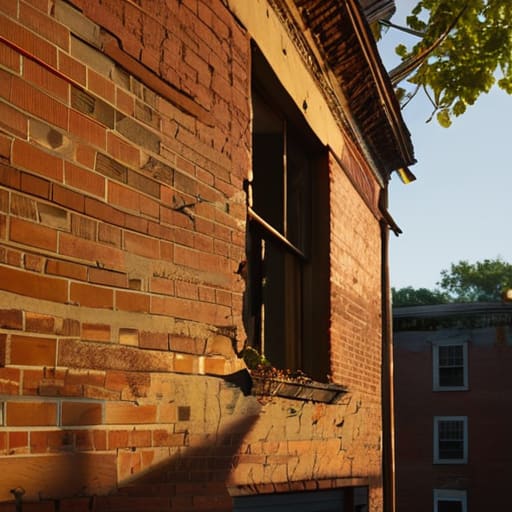
Look, if you’re playing the game like everyone else, you’re going to end up fighting over the same polished, overpriced turnkey properties that offer zero margin for error. To actually build something, you have to get comfortable with the unconventional. Mastering asset acquisition strategies isn’t about outbidding the big developers; it’s about finding the cracks in the market that they’re too lazy to look into. I’m talking about the distressed single-family homes or the neglected multi-unit buildings that look like a nightmare on paper but are actually goldmines once you strip away the grime.
Before you ever sign a contract, you have to respect the grind of the real estate due diligence process. I’ve seen too many rookies get blinded by a “great deal” only to realize halfway through that the foundation is shot or the zoning is a mess. You need to be clinical. Use every property valuation method in your toolkit—from comps to detailed repair estimates—to ensure the math actually works. If the numbers don’t leave you enough breathing room for the inevitable renovation surprise, walk away. Staying scrappy means knowing when to strike and, more importantly, when to stay on the sidelines.
Sharpening Your Property Valuation Methods to Spot Hidden Equity

Most people walk into a house and see the peeling wallpaper or the dated linoleum and immediately check out. That’s where they lose the game. To build a real estate portfolio that actually moves the needle, you have to train your eyes to look past the mess. I don’t just look at what a house is; I look at what it could be once the structural bones are stabilized and the layout is optimized. This requires mastering specific property valuation methods that go deeper than a quick glance at Zillow. You need to calculate the “after-repair value” (ARV) against your projected renovation budget before you even think about making an offer.
The real magic happens during the real estate due diligence process. This is where you get granular. I’m talking about checking the age of the HVAC, sniffing out foundation issues, and verifying that the square footage isn’t just a landlord’s optimistic estimate. If you skip this step to save time, you aren’t investing; you’re gambling. You have to account for every unexpected expense—from plumbing surprises to those pesky closing costs and financing fees—to ensure your margin for error stays wide enough to actually turn a profit.
5 Ways to Find the Gold Before the Competition Does
- Stop looking at the “pretty” houses on Zillow. If you want real equity, you have to hunt for the properties with bad curb appeal, overgrown landscaping, or outdated interiors that scare off the average buyer. That’s where the margin is hidden.
- Learn to read a floor plan like a map of future possibilities. I don’t see a cramped 1970s kitchen; I see an opportunity to knock out a non-load-bearing wall and create an open-concept living space that doubles the home’s perceived value.
- Build a “boots on the ground” network. Don’t just rely on digital listings. Start talking to local wholesalers, contractors, and even the neighbors. Often, the best deals are the ones that never even hit the public market.
- Master the art of the “as-is” inspection. You need to be able to walk into a room and quickly distinguish between a cosmetic fix, like peeling wallpaper, and a structural nightmare, like a cracked foundation. Knowing the difference keeps your budget from exploding.
- Don’t get emotionally attached to a property. I’ve seen too many investors fall in love with a mid-century modern layout and overpay just because they liked the vibe. Treat every acquisition as a math problem, not a dream home.
The Bottom Line for Your Next Acquisition
Stop looking for turnkey perfection; the real profit is hidden in the properties that look like a disaster to everyone else.
Master your math before you pick up a hammer—if you can’t accurately value the potential equity during the walkthrough, you’re just gambling, not investing.
Build your portfolio through grit and strategy, not luck, by focusing on assets that allow you to manufacture value through smart, targeted renovations.
The Real Secret to Finding Deals
“Stop looking for the perfect, move-in-ready house that everyone else is bidding on. You aren’t going to build wealth there. You need to find the place with the outdated layout and the cracked driveway—the place that makes most people turn their heads in disgust—because that’s where the real equity is hiding.”
Gareth Trelawny
Building Your Foundation

At the end of the day, successful property acquisition isn’t about luck or stumbling into a goldmine; it’s about the discipline of your process. We’ve covered how to refine your acquisition strategies so you aren’t just chasing every shiny listing, and more importantly, how to sharpen your valuation methods so you can see the actual value buried under layers of dated wallpaper and cracked floorboards. You have to move past the surface-level aesthetics and start looking at the bones of a house. If you can master the math and develop a sharp eye for potential, you stop being a spectator and start becoming a serious player in this game.
Look, I know the idea of diving into a messy renovation or bidding on a neglected property feels intimidating. There will be days when the dust is thick, the budget is tight, and you wonder if you made a mistake. But remember: equity is built in the grit. Every crumbling wall you fix and every overlooked corner you revitalize is a step toward the generational wealth you’re working for. Don’t wait for the perfect market or a massive windfall to get started. Grab your tools, trust your training, and go find that first project that everyone else is too afraid to touch.
Frequently Asked Questions
How do I actually secure financing for a fixer-upper when the property is in such bad shape that traditional banks won't touch it?
Look, if the house is a wreck, a standard mortgage is off the table. Most big banks want “move-in ready,” and a crumbling kitchen isn’t that. You need to look at hard money lenders or private money partners. It’s more expensive upfront, but they care about the deal’s potential, not the current state of the drywall. Once you’ve stabilized the property and added value, you can refinance into a traditional loan.
What are the red flags I should look for during a walkthrough that signal a "money pit" rather than a high-equity opportunity?
Look, there’s a massive difference between a cosmetic disaster and a structural nightmare. If you see fresh paint in one corner but smell heavy mildew or see water stains on the ceiling, run. I always check the electrical panel and the foundation first; if the bones are shot, your “equity” will vanish into repair bills. If the cracks are wide and diagonal, or the sewage smells like a basement from hell, walk away. Don’t let a pretty kitchen distract you from a failing foundation.
How much of a cash cushion should I realistically keep on hand for those inevitable, mid-renovation surprises that blow the budget?
Look, if you aren’t planning for disaster, you aren’t planning. I never step onto a job site without a 15% to 20% contingency fund tucked away. Between finding outdated wiring behind a drywall or discovering dry rot in a subfloor, “surprises” are the only thing you can actually count on. Don’t touch that cash for upgrades or fancy fixtures; that money is strictly for the things that keep the house standing and the project moving.
