
I still remember the smell of damp rot and stale cigarette smoke hitting me the second I stepped into that split-level in East Austin three years ago. On paper, it was a “charming vintage gem,” but as I pulled my laser measurer from my bag, I realized the floorboards were bowing more than any floor should. That was my first real lesson in real estate due diligence: if you don’t look past the fresh coat of beige paint, you aren’t buying an investment, you’re buying a nightmare. Most people treat this phase like a boring checkbox on a legal form, but in my world, it’s the difference between building wealth and flushing your savings down a literal hole in the ground.
I’m not here to give you a dry lecture or a list of legal definitions you can find in any textbook. I want to show you how to actually see a property for what it is before you sign on the dotted line. I’m going to walk you through my personal, boots-on-the-ground approach to real estate due diligence, focusing on the gritty details that actually impact your bottom line. We’re going to talk about spotting the red flags that the listing agents won’t mention, so you can walk into every deal with absolute confidence.
Table of Contents
- Using a Property Inspection Checklist to Spot Hidden Gold
- The Title Search Importance Protecting Your Hard Earned Equity
- 5 Ways to Keep Your Investment From Turning Into a Nightmare
- The Bottom Line: Don't Buy a Headache
- The Cost of Cutting Corners
- Don't Leave Your Equity to Chance
- Frequently Asked Questions
Using a Property Inspection Checklist to Spot Hidden Gold
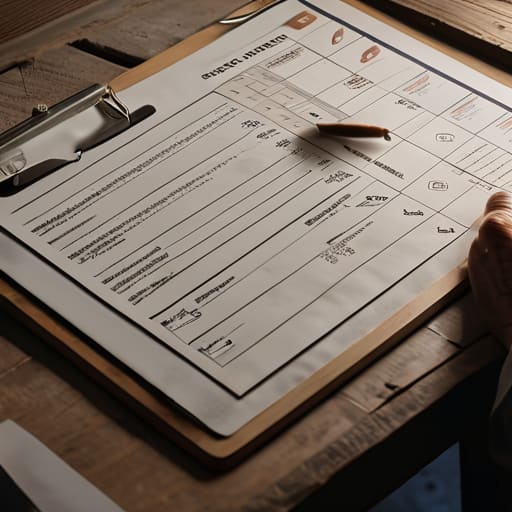
I don’t walk into a potential flip without my clipboard and a heavy-duty property inspection checklist in hand. While most buyers are distracted by the granite countertops or a fresh coat of paint, I’m looking at the stuff that actually matters: the foundation, the electrical panel, and the age of the HVAC system. You have to train your eyes to see past the staging. If the floorboards are uneven or there’s a faint scent of mildew in the basement, that’s not just a “character quirk”—it’s a massive red flag that could eat your entire profit margin before you even swing a hammer.
Think of your checklist as your first line of defense against a total catastrophe. I’ve seen too many rookies skip the granular details only to realize halfway through a rehab that they’re dealing with outdated wiring or structural rot. You aren’t just looking for cosmetic fixes; you are hunting for structural integrity. By being meticulous now, you ensure that the “gold” you think you’ve found isn’t actually just a very expensive pile of debris waiting to happen.
The Title Search Importance Protecting Your Hard Earned Equity

Look, I’ve seen it happen to the best of us: you find a gorgeous mid-century ranch, the numbers make perfect sense, and you’re already mentally picking out the new kitchen tile. But if you skip the paperwork, you’re playing a dangerous game. Understanding the title search importance isn’t just about being a stickler for bureaucracy; it’s about making sure the person selling you that dream actually has the legal right to do so. You don’t want to pour your entire renovation budget into a property only to find out there’s an old, undisclosed lien or a long-lost heir claiming they own half the lot.
Think of this as the ultimate layer of commercial real estate risk mitigation, even if you’re just flipping a single-family home. A clean title ensures that once the keys are in your hand, the equity you’re working so hard to build is actually yours. I always tell my clients to treat the title search as non-negotiable. It’s much easier to walk away from a deal during the contingency period than it is to fight a legal battle over a property you thought you owned.
5 Ways to Keep Your Investment From Turning Into a Nightmare
- Don’t skip the zoning check; there is nothing worse than falling in love with a property only to realize you can’t legally add that ADU or shop space you planned for your exit strategy.
- Dig into the permit history like your bank account depends on it, because if those “new” additions were done without a permit, you’re the one who’s going to be paying to fix them later.
- Get a handle on the neighborhood’s trajectory by looking at more than just the house next door; check local development plans to see if a new highway or a massive warehouse is about to ruin your resale value.
- Always get a hard look at the utility costs and the age of the major systems—HVAC and electrical aren’t just line items on a budget, they are the silent killers of your profit margins.
- Vet your contractors and suppliers before you even sign the closing papers, because a renovation is only as solid as the people you’re trusting to execute your vision.
The Bottom Line: Don't Buy a Headache
Never trust a fresh coat of paint; always dig into the bones of a property to ensure you’re investing in structural equity rather than just masking a money pit.
Treat your title search like your insurance policy—clearing up liens and ownership disputes early is the only way to guarantee that the profit you work for actually stays in your pocket.
Use a systematic checklist to turn your gut feelings into hard data, because in this business, an educated guess is just a fast way to lose your shirt.
The Cost of Cutting Corners
“In this business, your profit isn’t made when you sell the house; it’s made when you buy it. If you skip the gritty, unglamorous work of due diligence, you aren’t investing in an asset—you’re just subsidizing someone else’s mistake.”
Gareth Trelawny
Don't Leave Your Equity to Chance

Look, I know due diligence feels like a mountain of tedious paperwork and endless walkthroughs, but that’s exactly where the real work happens. We’ve covered why you can’t skip a rigorous inspection checklist to find those structural deal-breakers, and why a clean title search is your only real defense against legal nightmares that could swallow your investment whole. If you skip these steps, you aren’t investing; you’re just gambling. You have to know the bones of the property before you ever pick up a sledgehammer, or you’ll find yourself spending your entire profit margin just trying to fix mistakes you should have seen coming.
At the end of the day, building a portfolio isn’t about finding the perfect, turnkey house—it’s about having the discipline to verify the reality behind the marketing photos. Every crumbling wall and every legal hiccup is just another hurdle on the way to building your wealth. It’s going to be messy, and it’s definitely going to be exhausting sometimes, but that’s the price of entry. Keep your eyes sharp, your measurements precise, and your due diligence airtight. That is how you turn a risky renovation into a solid, life-changing asset.
Frequently Asked Questions
What's the absolute red flag that should make me walk away from a deal immediately, even if the price is perfect?
If you see major structural failure—specifically a sagging foundation or significant load-bearing wall issues—walk. I’ve seen “perfect” prices lure people into nightmares where the cost to stabilize the bones exceeds the potential equity. A cracked tile is a nuisance; a shifting foundation is a financial sinkhole. If the skeleton of the house is compromised, you aren’t just renovating; you’re fighting a losing battle against physics. Don’t let a bargain price blind you to a structural catastrophe.
How do I figure out which inspection items are just cosmetic fixes and which ones are going to eat my entire renovation budget?
Here’s the rule of thumb I live by: if it’s behind a wall or under the floor, it’s a budget killer. Cosmetic issues—think dated wallpaper, scratched hardwoods, or ugly tile—are just opportunities for me to add value with a weekend of sweat equity. But if the inspection flags the electrical panel, the foundation, or the plumbing stack, stop everything. Those aren’t “renovations”; those are structural liabilities that can swallow your entire profit margin whole.
If I find a major issue during due diligence, how do I approach the seller to negotiate a price drop without losing the house?
Don’t go in swinging. If you find a cracked foundation or ancient wiring, treat it as a collaborative problem-solving session rather than a confrontation. Approach the seller with the inspection report in hand and say, “I love this house, but this specific issue is going to cost $X to fix to make it safe/marketable.” Present the repair estimate clearly. You aren’t being difficult; you’re just adjusting the price to reflect the reality of the bones.
