
I’ll never forget the smell of my first solo flip—a damp, heavy stench that hit me the second I cracked the seal on a basement door in East Nashville. It wasn’t just a bad odor; it was the unmistakable, suffocating scent of a structural nightmare. Most people see a patch of fuzz on a drywall corner and immediately start panic-calling expensive remediation companies that charge a fortune just to spray some bleach. But let me tell you, dealing with mold shouldn’t mean watching your entire profit margin evaporate before you’ve even swung a hammer.
I’m not here to sell you on some overpriced, “miracle” chemical spray or tell you to run for the hills every time you see a dark spot. I’m here to give you the straight-talk blueprint for identifying what’s a superficial nuisance and what’s a deal-breaker. We’re going to walk through how to assess the damage, fix the actual source of the moisture, and manage the cleanup without losing your mind—or your shirt. I promise to show you how to turn these messy, damp setbacks into solid equity through smart, strategic action.
Table of Contents
- Spotting the Rot Understanding Common Mold Growth Causes
- Mastering Black Mold Identification Before You Sign
- My Battle Plan: How to Tackle Mold Without Losing Your Shirt
- The Bottom Line: Don't Let Mold Kill Your ROI
- ## Turning Rot into Revenue
- Don't Let the Rot Stop Your Hustle
- Frequently Asked Questions
Spotting the Rot Understanding Common Mold Growth Causes
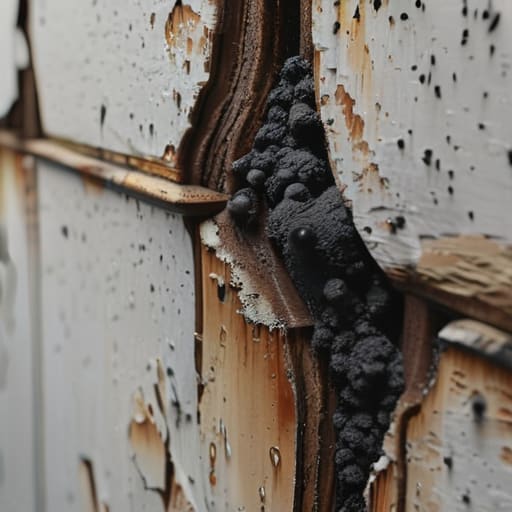
If you want to make money in this game, you have to look past the fresh paint and check the bones. Most of the time, the real culprit behind a funky smell isn’t just bad luck; it’s a failure in the building’s envelope. I’ve seen countless deals stall because a seller ignored a slow leak in the roof or a poorly sealed window frame. When moisture gets trapped behind drywall, you aren’t just looking at a surface issue—you’re looking at a structural liability. Understanding these mold growth causes is the difference between a profitable flip and a money pit.
Don’t just assume it’s a simple fix, either. Sometimes the issue is deeper, like a faulty HVAC system or a crawlspace that hasn’t seen a dehumidifier in a decade. While I’m all for getting my hands dirty, I’ve learned that improperly addressing a leak only leads to a repeat performance six months later. You need to identify the source of the dampness before you even think about cleaning. If you can’t pinpoint why the moisture is there, you’re just putting a band-aid on a broken limb.
Mastering Black Mold Identification Before You Sign

When you’re walking through a potential flip, you can’t just rely on your eyes; you have to use your nose. If you catch that heavy, musty scent in a basement or a windowless guest room, your internal alarm should be screaming. I’ve learned the hard way that a fresh coat of paint is often used to mask a much deeper issue. Real black mold identification requires looking behind the scenes—literally. I always bring my flashlight to check the corners of drywall, the undersides of sinks, and the perimeter of window frames. If you see fuzzy black spotting or slimy textures, don’t just assume it’s surface level; it’s likely deep in the substrate.
Before you pull the trigger on a contract, you need to decide if this is a quick fix or a deal-breaker. If the infestation looks widespread or is embedded in the HVAC system, stop thinking about DIY scrubbers and start looking into professional mold removal services. Trying to DIY a massive reclamation project can tank your timeline and your budget. My rule of thumb? If the rot is localized, it’s an opportunity to build equity; if it’s systemic, it’s a financial sinkhole you need to walk away from.
My Battle Plan: How to Tackle Mold Without Losing Your Shirt
- Don’t just scrub the surface and call it a day. If you don’t find the source—whether it’s a leaky pipe behind the drywall or a failing window seal—that mold is coming back to haunt your margins. Fix the leak first, or you’re just throwing money down the drain.
- Invest in a high-quality HEPA air scrubber. When you’re ripping out contaminated drywall, you’re going to kick up spores that will settle in every corner of that house. If you don’t contain the dust, you’re essentially spreading the problem to the “clean” parts of the house.
- Know when to call in the pros and when to grab a sponge. If it’s a small patch in a bathroom vanity, you can handle it. But if you see it spreading across a large area of the basement, don’t try to be a hero. A professional remediation team is cheaper than a lawsuit or a failed inspection.
- Use the right chemistry, not just whatever is under the sink. Bleach is a common mistake; it often only kills surface mold while leaving the roots alive in porous materials. Look for professional-grade antimicrobial cleaners that actually penetrate the surface.
- Document every single step of the remediation process. I need a paper trail of the cleaning, the drying, and the repair for my records and for future buyers. Showing a potential buyer a professional remediation receipt is a massive trust builder that protects your exit strategy.
The Bottom Line: Don't Let Mold Kill Your ROI
Never treat mold as just a cosmetic issue; if you don’t trace it back to the source—be it a leaky pipe or a failed roof—you’re just painting over a ticking time bomb that will tank your resale value later.
Use your inspection period to get aggressive; if you find significant growth, don’t just ask for a credit, demand a professional remediation plan so you aren’t inheriting someone else’s structural nightmare.
View mold remediation as a strategic investment rather than a sunk cost, because fixing the moisture problem properly is exactly how you transform a liability into a clean, high-equity asset.
## Turning Rot into Revenue
“Look, I’m not here to scare you away from a fixer-upper just because there’s some fuzz in the corner of the basement. But if you don’t treat mold like a structural threat rather than an aesthetic nuisance, you aren’t investing—you’re just subsidizing someone else’s disaster. Fix the source, kill the spores, and turn that damp corner into the equity you actually came here for.”
Gareth Trelawny
Don't Let the Rot Stop Your Hustle
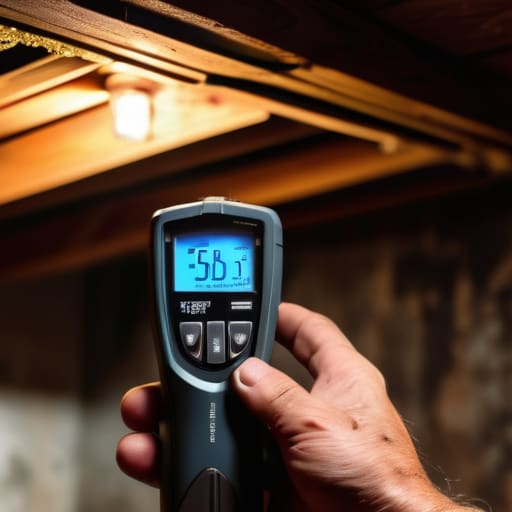
At the end of the day, dealing with mold isn’t about being scared of a little dampness; it’s about being smart enough to identify the root cause before you ever swing a hammer. We’ve talked about tracking down those sneaky leaks, understanding the difference between surface mildew and the nasty black mold that can tank your ROI, and why you need to always check the foundation and ventilation during your walkthroughs. If you can spot the signs early and factor the remediation costs into your initial offer, you aren’t just fixing a house—you are protecting your margins and ensuring that your next renovation project is a win rather than a money pit.
Look, I know seeing spores on a basement wall can feel like a gut punch when you’re trying to build your portfolio, but don’t let it derail your vision. Every fixer-upper has its demons, and mold is often just one more hurdle between you and that massive equity jump. If you approach these issues with a pragmatic mindset and a solid plan, you’ll realize that these problems are actually opportunities in disguise. Keep your eyes sharp, keep your budget realistic, and remember: we aren’t just cleaning walls, we are building generational wealth one solid, dry room at a time.
Frequently Asked Questions
How much is this mold going to actually tank my renovation budget?
Look, I’m not going to sugarcoat it: mold is a budget killer if you aren’t prepared. If it’s just surface level, you’re looking at a few hundred for supplies and a weekend of heavy-duty scrubbing. But if it’s deep in the subfloor or eating your studs? You’re looking at thousands for professional remediation and structural repairs. Always bake a “mystery rot” contingency of at least 10% into your rehab math—it’s better than getting blindsided mid-demo.
Can I just patch over the mold and keep moving, or is that a dealbreaker?
Look, I get the temptation. You’re staring at a tight deadline and a budget that’s already bleeding, and a quick patch feels like a shortcut to profit. But let me be blunt: patching over mold is a rookie mistake that will haunt your ROI. If you don’t kill the source, that rot will just eat through your new drywall and turn your “renovation” into a massive liability. Don’t bury the problem; fix it properly or walk away.
Do I need to hire a professional remediation crew, or can I tackle this myself to save on costs?
Here’s the truth: if it’s a small patch of surface mildew from a leaky bathroom sink, grab a scrub brush and some vinegar; it’s a quick win for your budget. But if you’re looking at a massive colony behind a drywall or smelling that heavy, musty scent in the basement, call the pros. Don’t risk your lungs—or your investment—trying to DIY a structural nightmare. Sometimes paying for remediation is the smartest way to protect your equity.
