
I was standing in a dusty, half-finished kitchen last Tuesday, the smell of damp drywall heavy in the air, when I realized most people approach property valuation like they’re reading a magic spell. They rely on those glossy, automated online estimates that tell them exactly what their house is worth—as if a computer algorithm can sense the difference between a structural crack and a cosmetic one. Honestly, those numbers are often nothing more than expensive guesswork. If you want to build actual wealth, you have to stop looking at what a website says and start looking at what the bones of the house are actually telling you.
I’m not here to give you a lecture on theoretical economics or feed you the sanitized version of real estate you see on HGTV. I’m going to show you how to perform a real-world assessment that accounts for the grit, the grime, and the massive potential hidden behind peeling wallpaper. My goal is to teach you how to spot the gap between a property’s current price and its true ceiling value. By the time we’re done, you won’t just be guessing at numbers; you’ll be calculating equity with the precision of a pro.
Table of Contents
Decoding Real Estate Market Trends for Hidden Gains

You can’t just walk into a house, look at some peeling wallpaper, and guess what it’s worth. If you want to actually build wealth, you have to look at the bigger picture. I spend a lot of my time digging into real estate market trends to see where the momentum is shifting. Are people flocking to certain school districts? Is there a sudden influx of tech workers moving into a specific zip code? Understanding these macro shifts tells you if you’re buying into a neighborhood that’s about to explode or one that’s quietly stagnating.
Once you understand the neighborhood’s trajectory, you have to get granular. I never rely solely on those shiny automated valuation models you see on Zillow; they’re fine for a ballpark figure, but they lack the nuance of a human eye. To really find the meat on the bone, you need a solid comparative market analysis. You have to look at what the house down the street—the one that was actually renovated—sold for, not just the dilapidated shells surrounding it. That’s how you find the gap between the current price and the ultimate potential.
Why Automated Valuation Models Often Miss the Potential
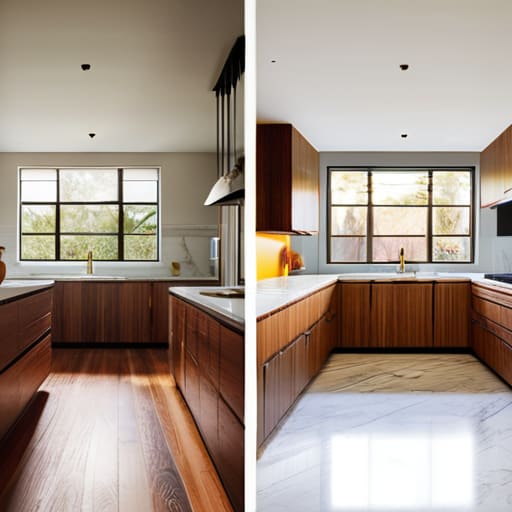
Look, I’ve seen it a hundred times: an investor pulls up a generic website, looks at a number, and walks away from a goldmine because the algorithm said the house was a lemon. The problem is that automated valuation models are essentially math equations looking backward. They rely on historical data and recent sales of nearby homes, but they have zero eyes on the ground. They can’t see that a dated, wood-paneled kitchen is actually one weekend of demolition away from a high-end marble masterpiece. They see “old,” while I see unrealized equity.
These digital tools are great for a quick ballpark figure, but they lack the nuance required for a serious flip. An algorithm can’t factor in the charm of original crown molding or the way a newly installed sliding glass door completely transforms a cramped living space. To get a real picture, you need a human performing a comparative market analysis that actually accounts for the quality of finishes and the specific bones of the structure. Don’t let a computer’s lack of vision dictate your investment strategy; numbers tell a story, but they don’t always tell the whole truth.
My Field-Tested Checklist for Spotting Real Value
- Look past the ugly wallpaper and the outdated carpet; I’m looking for the bones. A house with good structural integrity and a solid layout is worth ten times more than a “turn-key” home that’s been stripped of its character and soul.
- Never rely solely on the comps down the street. A neighbor’s pristine, renovated ranch isn’t a direct comparison to your diamond-in-the-rough fixer-upper. You have to calculate what that house could be worth once you’ve finished the heavy lifting.
- Check the “invisible” costs before you get excited about the price tag. I always pull out my laser measurer and check the square footage myself, but I also look at the age of the HVAC and the roof. A cheap valuation means nothing if you’re staring down a $20k mechanical overhaul.
- Study the neighborhood’s trajectory, not just its current state. I want to see where the coffee shops and new developments are moving. Value isn’t just about the four walls you’re standing in; it’s about the momentum of the entire zip code.
- Factor in the “renovation premium.” When I’m running the numbers, I don’t just look at what I’m spending; I look at the ceiling price for the area. If the neighborhood’s highest-valued home is still $50k above my projected post-rehab value, I walk away.
The Bottom Line on Spotting Real Value
Stop relying solely on Zillow or automated algorithms; they can’t see the potential of a gorgeous layout hidden behind outdated wallpaper or a dated kitchen.
True equity is found in the gap between a property’s current “as-is” price and its post-renovation value, so always calculate your math based on the finished product, not the mess you’re inheriting.
Market trends are your roadmap, but your boots-on-the-ground intuition is your compass—learn to read the neighborhood’s trajectory to ensure your renovation efforts actually drive appreciation.
The Flaw in the Algorithm
An algorithm can tell you what a house is worth based on what the neighbors paid, but it can’t see the potential in a gutted kitchen or the equity waiting behind a layer of outdated wallpaper. If you rely solely on a computer to value a property, you’re going to miss the best deals on the market.
Gareth Trelawny
The Bottom Line on Valuation
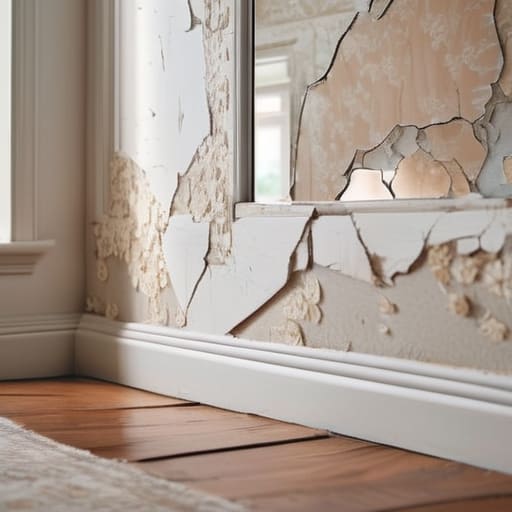
At the end of the day, property valuation isn’t just about staring at a spreadsheet or trusting a computer algorithm to tell you what a house is worth. If you want to win in this game, you have to look beyond the data points. You need to understand the local market trends that the bots miss and, more importantly, recognize the gap between current condition and ultimate potential. Don’t let an automated report dictate your strategy; instead, use it as a baseline while you do the real work of identifying the equity that’s currently buried under peeling wallpaper and outdated layouts.
Building a real estate portfolio is rarely a clean, linear process, and it certainly isn’t for the faint of heart. There will be days when the renovation feels like it’s swallowing your budget whole, but remember why you started. You aren’t just buying buildings; you are manufacturing wealth through your own vision and sweat equity. Stop looking for the perfect, turnkey property that everyone else is fighting over. Instead, look for the mess, find the value, and build your future one renovation at a time.
Frequently Asked Questions
How do I know if a low appraisal is actually an opportunity to buy under market value or just a sign of a bad deal?
Look, a low appraisal is a double-edged sword. If the number is low because the house is a wreck—think outdated electrical or a sagging roof—that’s your opportunity. You’re buying the “mess” at a discount. But if the appraisal is low because the neighborhood is dying or the school district just tanked, walk away. I always run the numbers against the ARV (After Repair Value). If the gap between that low appraisal and the potential post-reno value is massive, you’ve found gold.
What specific renovations give me the highest ROI when I'm trying to bump up the professional valuation?
If you want to move the needle on a professional valuation, stop obsessing over expensive custom cabinetry and focus on the “big three”: kitchens, bathrooms, and curb appeal. A modern, functional kitchen is the heart of any high-value sale. Don’t overlook the basics, though—fresh neutral paint and updated lighting can make a space feel brand new for a fraction of the cost. Focus on high-impact, high-visibility upgrades that justify a higher price per square foot.
How can I estimate the "after-repair value" accurately before I even swing a hammer?
You have to play the “comparable” game, but with a designer’s eye. Don’t just look at what the neighbor sold for; look at what the renovated version of that house could fetch. I grab my laser measurer, walk the block, and hunt for the highest-priced turnkey homes nearby. Subtract the cost of my projected finishes and labor from those sale prices. If the math doesn’t leave me a healthy profit margin, I walk away.
