
I was standing in a kitchen last Tuesday, staring at a water-stained ceiling in a property I’d just picked up, when I realized how much the industry lies to you. Most “experts” will try to sell you on expensive software suites or complex algorithmic models to handle your rental income optimization, acting like you need a PhD in data science just to collect a check. It’s absolute nonsense. They want you to believe that maximizing your margins requires a massive overhead, but they’re ignoring the real work: the sweat equity, the smart design choices, and the ability to spot a diamond in the rough before the tech bros even see the listing.
I’m not here to give you a lecture on theoretical spreadsheets or high-priced consulting fluff. My goal is to show you how to use strategic, hands-on renovations to drive your numbers up without draining your bank account. I’m going to walk you through the exact methods I use to squeeze every bit of value out of a property, from tactical upgrades to smarter tenant retention. We aren’t just chasing numbers; we are building real equity through grit and common sense.
Table of Contents
- Maximizing Rental Yield Strategies Through Smart Renovation
- Using Market Rent Analysis to Find Hidden Gold
- Stop Guessing and Start Scaling: 5 Ways to Boost Your Monthly Take
- The Bottom Line: Turning Dust into Dollars
- ## Stop Chasing Percentage and Start Building Equity
- The Bottom Line on Boosting Your Yield
- Frequently Asked Questions
Maximizing Rental Yield Strategies Through Smart Renovation
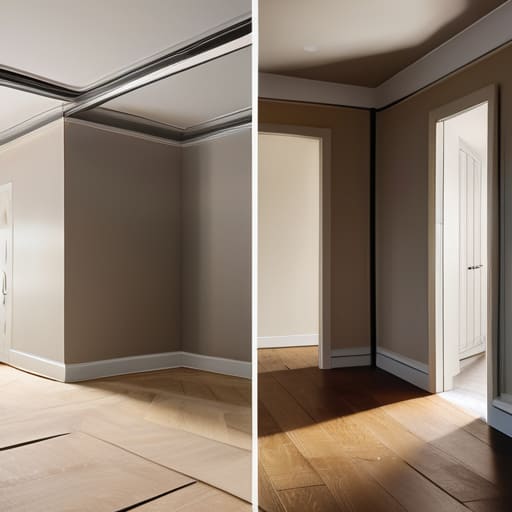
When I walk into a property that’s been neglected for a decade, I don’t just see peeling wallpaper and dated linoleum; I see a roadmap for maximizing rental yield strategies. The secret isn’t in the expensive, high-end finishes that’ll just get trashed in six months. It’s about targeting the high-impact, functional upgrades that actually move the needle. I’m talking about updated lighting, fresh neutral paint, and modernizing those tired kitchens. These aren’t just cosmetic fixes; they are calculated moves designed for property value appreciation and attracting tenants who actually respect the space.
You also have to think about the long game—specifically, how your renovation choices affect your bottom line after the lease is signed. If I’m installing new flooring, I’m choosing luxury vinyl plank every single time because it’s nearly indestructible. Investing in quality materials upfront is the most effective way to handle maintenance cost reduction down the road. If you spend your entire budget on “pretty” things that break easily, you’re just trading one headache for another. Focus on durability and utility; that’s how you turn a renovation into a true profit engine.
Using Market Rent Analysis to Find Hidden Gold

You can’t just pull a number out of thin air and hope for the best; that’s a fast track to a vacant unit and a bruised ego. Before I even pick up a sledgehammer, I’m deep in the data. I perform a thorough market rent analysis to see exactly what tenants in a specific zip code are willing to pay for certain amenities. It’s not just about the bedroom count; it’s about whether the local market is craving a sleek, industrial kitchen or a dedicated home office space. If you miss this step, you might spend thousands on a high-end renovation only to realize you’ve overshot the ceiling of what the neighborhood can actually support.
The real magic happens when you find that sweet spot where your upgrades meet actual demand. I look for those “hidden gold” opportunities where a modest investment—like updating old fixtures or improving curb appeal—can bridge the gap between a low-tier rental and a premium one. This isn’t just about chasing higher monthly checks; it’s a core part of maximizing rental yield strategies by ensuring every dollar I sink into the property is actually working to drive property value appreciation in the long run.
Stop Guessing and Start Scaling: 5 Ways to Boost Your Monthly Take
- Stop obsessing over tiny cosmetic fixes and focus on the high-ROI upgrades—like modernizing kitchens or upgrading flooring—that actually justify a higher rent bracket.
- Don’t let your units sit empty while you hunt for the “perfect” tenant; implement a streamlined, digital application process to cut down vacancy time and keep that cash flowing.
- Look at your utility costs; switching to smart thermostats or LED lighting isn’t just eco-friendly, it makes the property more attractive to tenants looking to keep their own monthly overhead low.
- Stop leaving money on the table by offering “add-on” services like reserved parking spots or storage unit rentals that cost you nothing but add real value to the tenant’s lifestyle.
- Treat your property like a business, not a hobby; review your rent rolls every single quarter to ensure you aren’t lagging behind the current market rates in your neighborhood.
The Bottom Line: Turning Dust into Dollars
Stop guessing what tenants will pay; use hard market data to ensure your renovation budget is actually driving a rent increase that outpaces your costs.
Focus your capital on high-impact, “visible” upgrades like kitchen and bath refreshes that justify premium rents rather than wasting money on invisible structural fixes that don’t move the needle.
View every renovation not as a design project, but as a strategic equity play—if the work doesn’t directly increase your monthly cash flow or long-term asset value, don’t do it.
## Stop Chasing Percentage and Start Building Equity
“Rental income optimization isn’t about squeezing an extra fifty bucks out of a tenant every month; it’s about identifying the structural and aesthetic gaps in a property that are preventing you from commanding the true market rate.”
Gareth Trelawny
The Bottom Line on Boosting Your Yield

Look, optimizing your rental income isn’t about some magic trick or waiting for the market to do the heavy lifting for you. It comes down to the fundamentals we’ve covered: knowing exactly what the competition is charging through rigorous market analysis and being brave enough to pull the trigger on strategic renovations that actually move the needle. You can’t just slap a coat of paint on a unit and expect a premium; you have to identify the specific upgrades—whether it’s a kitchen refresh or a smarter floor plan—that justify a higher rent bracket. Stop guessing and start investing with intention so every dollar you spend on a rehab translates directly into a higher monthly check.
At the end of the day, real estate is a game of patience and grit. There will be days when a renovation goes sideways or a tenant dispute eats into your margins, but don’t let the mess distract you from the bigger picture. You aren’t just fixing houses; you are engineering your own freedom and building a foundation that lasts. Every crumbling wall you fix and every undervalued property you turn around is a brick in the wall of your long-term wealth. Keep your eyes on the data, keep your laser measurer handy, and never settle for mediocre returns when there is equity waiting to be unlocked.
Frequently Asked Questions
How do I decide if a renovation is actually going to pay for itself in higher rent, or if I'm just throwing good money after bad?
You have to run the math before you pick up a sledgehammer. I always look at the “rent delta”—the difference between current rent and the projected rent after the upgrades. If a $10,000 kitchen refresh only bumps your monthly rent by $50, you’re just burning cash. You want a high ROI on every dollar spent. If the math doesn’t show a clear path to recouping that capital through increased cash flow, walk away.
At what point does the cost of constant repairs start eating too much into my monthly cash flow?
You’ve hit the red line when your “maintenance” budget stops being a line item and starts becoming a lifestyle. If you’re spending more on emergency plumber calls and patchwork repairs than you are on actual capital improvements, you aren’t investing—you’re just subsidizing a decaying building. Once your repair costs consistently eat more than 15-20% of your gross rent, it’s time to stop patching the leaks and start planning a full-scale rehab.
How can I find the sweet spot between high-end upgrades and keeping my budget tight enough to maintain a solid ROI?
You have to stop thinking like a homeowner and start thinking like an investor. I call this the “Value-Add Filter.” Before you buy that expensive quartz countertop, ask yourself: will this specific upgrade actually bump the rent, or am I just satisfying my own aesthetic? Stick to high-impact, durable basics—think neutral palettes and solid hardware. Focus your budget on the “money rooms”—kitchens and baths—and skip the boutique finishes that don’t move the needle on ROI.
