
I still remember the smell of damp drywall and old sawdust from my first solo project—a tiny, gutted bungalow that most people wouldn’t have looked at twice. While the “experts” on social media were busy posting polished, high-budget transformations with professional lighting, I was standing in a dusty hallway, clutching my laser measurer and wondering if I’d made a massive mistake. But that’s the thing about property refurbishing; the real money isn’t made in the glossy finished product you see on a screen, it’s found in the gritty, unglamorous middle where most people lose their nerve.
I’m not here to sell you a dream of effortless wealth or some magical “hacks” that only work if you have a million-dollar budget. I’m here to give you the actual, unvarnished blueprint for turning a wreck into a high-yield asset. We’re going to talk about how to spot structural potential, how to manage contractors without losing your mind, and how to prioritize the upgrades that actually drive equity. If you’re ready to stop chasing the hype and start building real, tangible wealth, then let’s get to work.
Table of Contents
Spotting Hidden Value Through Modernizing Old Properties

When I walk into a house that hasn’t been touched since 1974, I don’t see the avocado-green appliances or the wood-paneled walls as a headache. I see them as a goldmine. Most buyers see a dated kitchen and run; I see an opportunity for massive property value appreciation. The trick to modernizing old properties isn’t about stripping everything to the studs, though. It’s about identifying those specific, high-impact changes—like opening up a cramped floor plan or updating dated lighting—that fundamentally change how a space feels.
However, you have to be smart about where your capital goes. I always tell my clients to distinguish between structural vs cosmetic upgrades before they even pick up a sledgehammer. Replacing a roof is necessary, but it won’t wow a buyer. If you want to see a real jump in your renovation ROI for investors, you focus on the “lifestyle” elements: a sleek, functional kitchen or a primary suite that feels like a sanctuary. It’s about finding that sweet spot where your spending directly translates into tangible equity.
Mastering Your Initial Refurbishment Cost Estimation
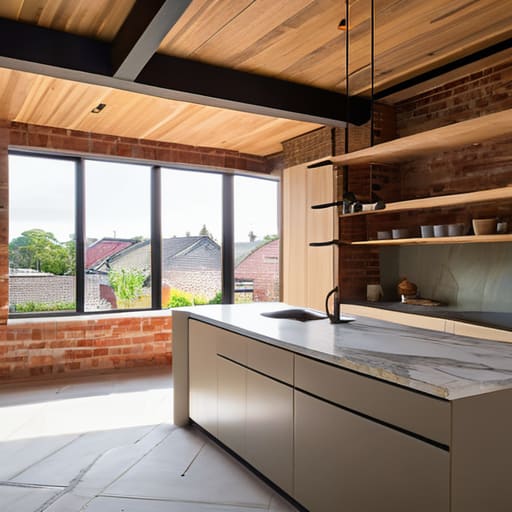
Look, I’ve seen too many ambitious investors sink their entire capital into a project because they underestimated the “unknowns.” A spreadsheet is a great start, but a theoretical refurbishment cost estimation is worthless if it doesn’t account for what’s hiding behind the drywall. Before you even pick up a sledgehammer, you need to distinguish between structural vs cosmetic upgrades. I always tell my clients: a designer kitchen is a luxury, but a failing foundation is a dealbreaker. If your budget is swallowed by structural repairs, you won’t have a dime left to actually make the property sellable.
To maximize your renovation ROI for investors, you have to be ruthless with your math. I carry my laser measurer everywhere for a reason—precision prevents expensive mistakes. Don’t just guess the square footage of new flooring; measure it twice and then add a 15% contingency buffer for waste and unexpected hiccups. In this game, your profit isn’t made when you sell; it’s made when you buy and budget correctly. If you can’t control the costs, you can’t control your equity.
My Non-Negotiable Rules for a Profitable Flip
- Prioritize the “bones” before the aesthetics. I’ve seen too many investors blow their budget on high-end quartz countertops only to realize the electrical panel is a fire hazard or the foundation is shifting. Fix the structural and mechanical issues first; you can’t style your way out of a bad inspection.
- Focus on high-impact, low-cost zones. If you’re looking to maximize your ROI, pour your energy into the kitchen and the primary bathroom. These are the rooms that sell houses. A fresh coat of paint, updated hardware, and decent lighting can do more for your equity than a complete structural overhaul in a hallway.
- Don’t over-spec the finishes. I love mid-century modern furniture as much as the next person, but when I’m refurbishing a rental or a flip, I’m not buying custom designer fixtures. Choose durable, neutral, and high-quality materials that appeal to the widest possible buyer pool without draining your contingency fund.
- Build a “buffer” into your timeline and budget. In my experience, something always goes wrong once you peel back the wallpaper or lift the floorboards. I always factor in a 15-20% contingency for those “oops” moments. If you don’t account for the mess, the mess will account for your profit.
- Learn to see the potential, not the disaster. When I walk into a house that smells like damp carpet and old cigarettes, I don’t see a mess—I see an opportunity. You have to train your eye to look past the grime and visualize the layout, the natural light, and the structural possibilities. That’s where the money is made.
The Bottom Line: Turning Renovations into Returns
Stop looking at a property’s current state and start looking at its bones; the real profit lies in the gap between what a house is and what it could be with smart, strategic design.
Never treat your budget like a suggestion; a realistic cost estimation isn’t just about the materials, it’s about accounting for the inevitable surprises that come with old plumbing and uneven floors.
Focus your capital on high-impact upgrades that drive equity, rather than getting lost in the weeds of expensive, niche aesthetic choices that won’t actually move the needle on the final valuation.
The Real Value of a Messy Job Site
“Most people see a cracked foundation or outdated electrical as a reason to walk away, but I see them as the entry price for building real wealth. You aren’t just buying a house; you’re buying the opportunity to manufacture equity with your own two hands.”
Gareth Trelawny
Turning Vision Into Value
At the end of the day, successful property refurbishing isn’t about magic; it’s about the discipline to execute a plan. We’ve covered how to look past the dated wallpaper to find the architectural bones that actually matter, and more importantly, how to keep your budget from spiraling out of control during that first chaotic phase of demolition. You have to bridge the gap between seeing the potential and actually managing the math. If you can spot the modernization opportunities and master your initial cost estimations, you aren’t just playing house—you are building a scalable business model that works.
I know it can feel overwhelming when you’re standing in a dusty living room surrounded by outdated fixtures and cracked floorboards. It’s easy to let the chaos get in your head. But remember, every high-end, polished property you see on a listing started as a mess that someone had the guts to tackle. Don’t wait for the “perfect” market or a massive windfall to get started. Grab your measuring tape, trust your eye, and start looking for those opportunities. The equity is out there, hiding behind those crumbling walls, just waiting for you to unlock it.
Frequently Asked Questions
How do I decide which structural repairs are non-negotiable and which cosmetic upgrades are just "nice to haves" for my budget?
Here’s the rule I live by: if it affects the bones, the roof, or the electrical, it’s non-negotiable. You can’t polish a house that’s sinking or leaking. I’ve seen too many rookies blow their budget on trendy backsplash tiles only to realize they can’t afford to fix a cracked foundation. Prioritize the structural integrity first. Once the house is safe and sound, then—and only then—do we start playing with the “nice-to-haves” like designer hardware.
What are the biggest red flags I should look for during a walkthrough that could turn a profitable flip into a money pit?
Look, I’ve seen it happen: a “dream fixer-upper” turns into a financial nightmare in a single afternoon. If you see fresh paint in one specific corner or smell something sweet and cloying, run. That’s often masking mold or water damage. Also, check the foundation for significant cracks and peek at the electrical panel. If it looks like a bird’s nest of outdated wiring, you aren’t just renovating; you’re rebuilding the entire skeleton. Don’t let a pretty kitchen blind you to structural rot.
How do I manage contractors effectively without letting the renovation timeline spiral out of control?
Look, I’ve been there—staring at a job site while my timeline evaporates. The secret isn’t micromanaging every nail; it’s about rigid documentation and scheduled checkpoints. Never start a phase without a written scope of work and a firm deadline. I personally insist on a weekly walkthrough every Friday morning. If you aren’t physically standing there with your laser measurer, checking their progress against the plan, you’re just leaving your equity to chance.
