I was standing in a kitchen last Tuesday that smelled like thirty years of burnt grease and damp drywall, clutching my laser measurer like a lifeline. Most people would have walked out the door, gagged, and written that property off as a total loss. But as I looked past the peeling floral wallpaper and the dated, honey-oak cabinets, I didn’t see a disaster; I saw a massive opportunity for a cosmetic renovation that would yield a ridiculous return on investment. The “experts” on TV will tell you that you need a six-figure budget and a structural engineer to make a house livable, but they’re selling you a fantasy that keeps most people from ever starting.
I’m not here to give you a polished, Pinterest-perfect guide that ignores the reality of dust, delays, and tight margins. Instead, I’m going to show you how to identify the specific, high-impact changes that actually move the needle on property value without draining your bank account. We’re going to talk about where to spend your sweat equity and, more importantly, where to stop before you start over-improving. This is about turning crumbling walls into solid equity, one strategic update at a time.
Table of Contents
Mastering Low Budget Home Improvement for Maximum Gains
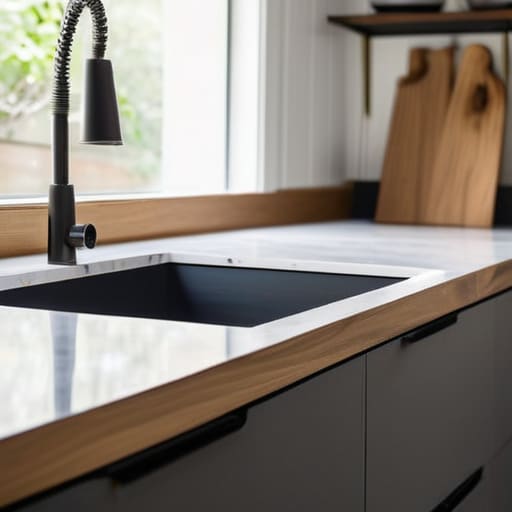
When you’re working with tight margins, you have to stop thinking about what you want and start thinking about what the market demands. I’ve learned that the secret to high renovation ROI isn’t about buying the most expensive marble countertops; it’s about strategic, high-impact changes that make a buyer feel like they’re walking into a fresh start. I’m talking about things like swapping out dated, brass hardware for matte black fixtures or giving a tired kitchen a facelift with a fresh coat of paint and new pulls. These small, intentional moves are the backbone of low budget home improvement that actually moves the needle on your final sale price.
Don’t get distracted by fleeting interior design trends that will look dated by next season. Instead, focus on modernizing old spaces by brightening them up. If a room feels like a cave, fix the lighting. If the flooring is scarred, look into high-quality luxury vinyl plank. You want to create a sense of cleanliness and flow. My rule of thumb? If a change doesn’t immediately make the space feel larger, brighter, or more functional, it’s probably not worth your limited capital.
Spotting Aesthetic Home Upgrades That Drive Real Value
When I’m walking through a potential flip, I’m not looking at what’s there; I’m looking at what’s hiding underneath. You have to train your eyes to see past the dated wallpaper and the beige-on-beige nightmare. The goal isn’t just to make a room look “pretty”—it’s about modernizing old spaces in a way that hits the sweet spot for the current buyer. I always look for high-impact areas like the kitchen and primary bath. You don’t need a full gut job to see a massive jump in renovation ROI. Sometimes, swapping out dated brass hardware for matte black or brushed nickel, or replacing a heavy, dark countertop with something lighter and more contemporary, is all it takes to signal to a buyer that the house is move-in ready.
I also pay close attention to light and flow. A dark, cramped hallway can kill a deal, but a fresh coat of paint and updated lighting fixtures can work wonders. I try to stay mindful of current interior design trends, but I avoid anything too “trendy” that might feel dated in two years. Instead, I lean into timeless, clean lines that maximize the sense of space. It’s about making strategic choices that ensure the property stands out in a crowded market.
My Non-Negotiable Rules for High-Margin Cosmetic Fixes
- Focus on the “First Impression” zones. I always tell my clients that the entryway and the kitchen are where the money is made. If the front door looks tired or the kitchen feels dated, buyers will mentally write off the whole house before they even see the master suite.
- Don’t underestimate the power of a fresh coat of paint. It’s the cheapest way to mask years of neglect, but don’t get creative with colors. Stick to a sophisticated, neutral palette—think warm whites or soft greys—that makes the space feel larger and allows buyers to actually see themselves living there.
- Lighting is your secret weapon for creating atmosphere without a full electrical overhaul. Swap out those dated, yellowing plastic fixtures for something with a bit of character—maybe a matte black industrial pendant or a clean mid-century silhouette. It changes the entire mood of a room for the cost of a trip to the hardware store.
- Hardware is the jewelry of the home. If I’m working with a tight budget, I’m not replacing cabinets; I’m replacing the handles. Swapping out old, brass pulls for modern, streamlined hardware is a quick win that makes a kitchen look instantly more expensive.
- Clean up the visual clutter. A renovation isn’t just about adding things; it’s about subtraction. I make sure every surface is clear and every corner is tight. If a space feels cramped or messy, no amount of expensive paint is going to fix the perceived value.
The Bottom Line: Turning Sweat Equity into Profit
Don’t get distracted by high-end finishes; focus on the cosmetic upgrades that actually move the needle for buyers, like fresh paint and updated lighting.
Always keep your laser measurer handy and your budget tighter—knowing your exact dimensions and costs upfront is the only way to prevent a “quick fix” from eating your margins.
Look past the dated wallpaper and ugly flooring to see the bones; the real money is made in the gap between what the house looks like now and what it could be with a little strategic grit.
The Real Value of Sweat Equity
Stop looking at a dated kitchen or peeling wallpaper as a headache; look at them as your profit margin. In this game, the money isn’t made when you sell—it’s made when you decide that a little bit of paint and some new hardware is worth more than the cost of the materials.
Gareth Trelawny
Turning Vision into Value

At the end of the day, mastering cosmetic renovations isn’t about spending the most money; it’s about knowing exactly where every dollar will work the hardest. We’ve looked at how to prioritize high-impact, low-budget improvements and how to identify those specific aesthetic upgrades that actually move the needle on an appraisal. Whether it’s a fresh coat of paint, updated hardware, or a strategic lighting overhaul, the goal is always the same: maximizing your return on investment while minimizing unnecessary waste. Don’t get distracted by expensive, trendy gadgets that don’t add structural or visual substance. Focus on the smart, strategic wins that make a space feel cohesive and intentional.
I know that looking at a dated, peeling fixer-upper can feel overwhelming, especially when you’re staring down a mountain of work. But remember, every seasoned investor started exactly where you are right now. The difference between someone who dreams about equity and someone who actually builds it is the willingness to get their hands dirty and see past the surface-level mess. You have the tools and the roadmap; now you just need the grit to execute. Stop waiting for the “perfect” house to fall into your lap and start looking for the hidden potential in the properties everyone else is overlooking. Go out there and build your empire, one renovation at a time.
Frequently Asked Questions
How do I know when a "cosmetic" project is actually hiding a structural nightmare behind the drywall?
That’s the million-dollar question. I always tell my clients: don’t just look at the paint; look at the bones. If you see stair-step cracks in the brickwork, sagging floorboards, or doors that won’t quite latch, walk away. Those aren’t “character”—they’re red flags for foundation issues. I never commit to a cosmetic flip without running my laser measurer and a quick inspection to ensure the walls are actually straight before I start dreaming about new backsplash.
Is it worth spending more on high-end finishes like quartz countertops, or should I stick to budget-friendly materials to protect my margins?
Look, I’ve seen too many investors bleed their margins dry trying to build a showroom. If you’re flipping, don’t go overboard. Stick to high-impact, mid-range materials. A clean quartz countertop is a huge selling point, but if you’re paying a premium for exotic veining, you’re just gifting your profit to the supplier. Aim for the “sweet spot”: materials that look expensive in photos but won’t tank your ROI when the dust settles.
At what point does a renovation stop being a smart upgrade and start becoming "over-improvement" for the neighborhood?
You’ve hit the nail on the head—this is where most rookies blow their margins. You stop being smart and start over-improving the second your renovation costs exceed the ceiling of what the local comps can support. If you’re dropping $50k on a chef’s kitchen in a neighborhood where the average home sells for $300k, you aren’t building equity; you’re just donating money to your next buyer. Always aim for the neighborhood’s “sweet spot,” not its peak.
