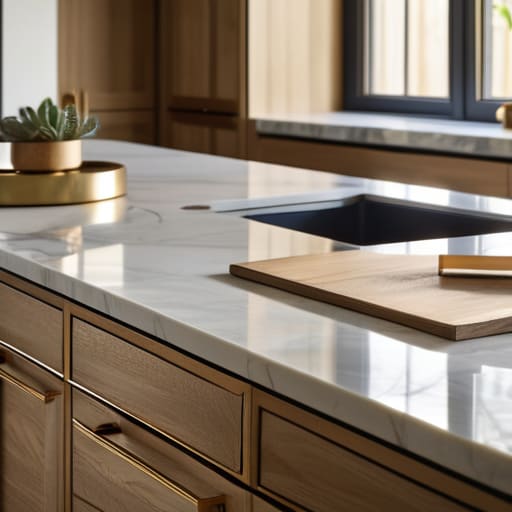
I was standing in a gutted mid-century bungalow last Tuesday, knee-deep in sawdust and smelling nothing but stale drywall dust, when I realized something: most people are absolutely throwing money away on their flips. I see it all the time on HGTV—people ripping out perfectly good bones to install $20,000 marble countertops that won’t actually move the needle on the appraisal. They’re chasing aesthetics when they should be chasing renovation roi. If you’re spending your capital on vanity projects instead of high-impact structural or functional upgrades, you aren’t investing; you’re just decorating a very expensive mistake.
I’m not here to give you a polished, theoretical lecture on interior design trends. I’m here to show you how to look at a dilapidated kitchen and see exactly where the profit margins are hiding. Over the next few sections, I’m going to strip away the fluff and give you the hard truth about which upgrades actually build equity and which ones are just expensive distractions. We’re going to focus on strategic, high-yield rehabs that turn crumbling walls into real, tangible wealth.
Table of Contents
- Highest Return on Investment Home Improvements for Beginners
- Cost Effective Home Upgrades That Actually Move the Needle
- My Golden Rules for Protecting Your Profit Margins
- The Bottom Line: Don't Overbuild, Just Optimize
- The Golden Rule of the Flip
- The Bottom Line on Building Equity
- Frequently Asked Questions
Highest Return on Investment Home Improvements for Beginners
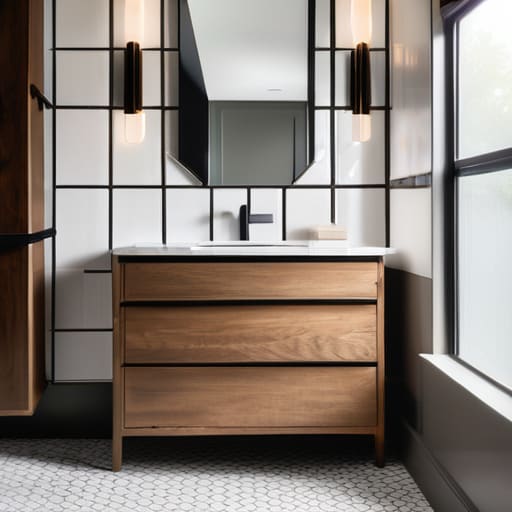
If you’re just starting out, don’t go chasing a total gut renovation on day one. You’ll bleed cash before you even see a dime of profit. Instead, focus on the heavy hitters. For most beginners, the highest return on investment home improvements fall into two categories: the kitchen and the master bath. I always tell my clients to look at the bones. You don’t need custom Italian marble to see a massive bathroom renovation impact on resale; sometimes, it’s just about swapping out dated vanities, updating the hardware, and installing a modern, neutral tile.
The kitchen is where the real magic happens, but you have to be smart about the math. I spend a lot of time analyzing kitchen remodeling cost vs value before I ever sign a contract. If you’re overspending on high-end appliances that the local market won’t pay a premium for, you’re just burning your margin. My rule of thumb? Aim for cost-effective home upgrades like painting cabinets, upgrading light fixtures, and installing quartz countertops. These changes give that “wow” factor without the soul-crushing price tag of a full structural overhaul.
Cost Effective Home Upgrades That Actually Move the Needle
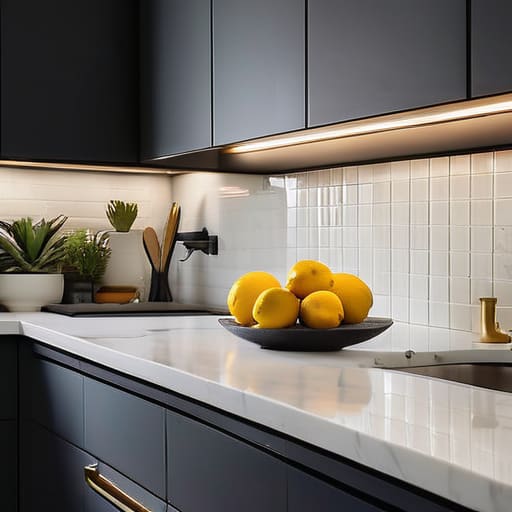
If you aren’t ready to gut a whole kitchen, don’t panic. You don’t always need a massive budget to see a real shift in property value. Sometimes, the smartest move is focusing on the “facelift” approach. I’m talking about swapping out dated, brass hardware for matte black fixtures or replacing those chunky, old-school laminate countertops with something sleeker like quartz. These are cost-effective home upgrades that change the entire vibe of a room without the massive headache of a full demolition. When I’m walking a site, I’m looking for those small, high-impact visual wins that make a buyer feel like they’re walking into a modern home rather than a time capsule.
Don’t overlook the power of lighting and paint, either. A fresh, neutral color palette can instantly make a cramped space feel airy and expensive. It’s one of the most underrated property value enhancement strategies in my toolkit. By upgrading to recessed lighting or adding statement pendants, you’re not just brightening a room; you’re directing the eye to the features you want to sell. It’s about working smarter, not harder, to ensure every dollar you spend is actively building your equity.
My Golden Rules for Protecting Your Profit Margins
- Stop chasing “luxury” and start chasing “necessity.” I’ve seen too many rookie investors blow their budget on high-end marble countertops when the real issue is a leaky roof or outdated electrical. Buyers will forgive a lack of gold fixtures, but they won’t forgive a house that feels unsafe or broken.
- The “Neutral Base” strategy is your best friend. I love my bold mid-century pieces as much as the next person, but when I’m flipping, I keep the bones neutral. You want the potential buyer to see their own life in the space, not feel like they’re walking into one of my personal design mood boards.
- Never underestimate the power of a fresh coat of paint and decent lighting. It’s the cheapest way to mask a mediocre floor plan. If a room feels dark and cramped, don’t tear down a load-bearing wall immediately—swap out the old yellowing fixtures for something clean and bright. It changes the entire vibe for a fraction of the cost.
- Focus on the “First Impression” zones. The entryway and the kitchen are where the emotional sale happens. If the front door looks tired or the kitchen feels cluttered and dated, the buyer’s brain starts calculating the cost of repairs before they’ve even seen the master suite. Win them over in the first thirty seconds.
- Always, always budget for the “Oh Sh*t” factor. I keep my laser measurer in my bag, but I keep a contingency fund in my bank account for a reason. Once you peel back those old layers of wallpaper or rip up a floor, you’re going to find something you didn’t expect. If you don’t have a 10-15% buffer, you aren’t investing; you’re gambling.
The Bottom Line: Don't Overbuild, Just Optimize
Focus on the “bones” and the basics—investing in high-impact areas like kitchens and bathrooms will always beat a high-end custom build that pushes your property past its neighborhood ceiling.
Stop chasing perfection and start chasing profit; sometimes a fresh coat of paint and some smart mid-century styling can do more for your equity than an expensive, unnecessary structural overhaul.
Always keep your laser measurer and your budget close—knowing exactly what you’re working with prevents the “scope creep” that turns a profitable flip into a money pit.
The Golden Rule of the Flip
Stop chasing vanity upgrades that look pretty in a catalog; if a renovation doesn’t solve a structural headache or fix a functional flaw, you’re just spending money to decorate your losses. Real equity is built in the guts of the house, not the gold plating on the faucets.
Gareth Trelawny
The Bottom Line on Building Equity
At the end of the day, maximizing your renovation ROI isn’t about throwing money at every shiny new fixture you see on Pinterest. It’s about being strategic. We’ve talked about how high-impact updates like fresh paint, updated lighting, and smart kitchen refreshes can do the heavy lifting without draining your entire contingency fund. Remember, the goal is to focus on the functional and aesthetic essentials that buyers actually care about. If an upgrade doesn’t clearly add value to the property or solve a glaring problem, leave it alone. Keep your eye on the budget, stay disciplined with your contractor, and always, always measure twice and cut once.
I know that looking at a gutted kitchen or a cracked floor can feel overwhelming, but don’t let the chaos shake your confidence. Every fixer-upper I’ve ever flipped started out looking like a disaster zone, but that’s exactly where the profit lives. You aren’t just buying a house; you are buying the opportunity to create value where others only see decay. If you have the grit to manage the mess and the vision to see past the peeling wallpaper, you will find that wealth is built one renovation at a time. Now, grab your laser measurer and get to work.
Frequently Asked Questions
How do I know if I'm over-improving for the neighborhood and killing my potential profit margin?
Look at the comps—and I mean really look at them. If every house on the block is selling with butcher block counters and you’re installing Calacatta marble, you’re bleeding money. You aren’t “adding value”; you’re just subsidizing your own hobby. Before you swing a hammer, find the neighborhood ceiling. Your goal is to be the best house on the street, not a mansion in a bungalow zone. Don’t overbuild; just outshine.
Is it actually worth spending the extra cash on high-end finishes, or should I stick to the basics to keep my margins safe?
Look, I’ve seen too many investors blow their margins trying to turn a flip into a luxury showroom. Here’s the truth: don’t chase high-end finishes just for the sake of vanity. Stick to high-quality basics that feel durable and clean. If you’re going to splurge, do it on “touchpoints”—the things buyers actually feel, like solid hardware or a sleek faucet. Keep the rest standard; your profit margin will thank you.
When a renovation goes sideways and the budget starts creeping up, how do I decide which upgrades to cut without tanking the resale value?
When the budget starts bleeding, you have to play defense. My rule is simple: never cut the “bones” or the “function.” If you compromise on the HVAC, the roof, or the electrical, you’re just building a ticking time bomb that will kill your resale value. Instead, trim the fat on the aesthetics. Swap the custom marble for a high-end quartz, or ditch the designer lighting for something more standard. Save the equity, not the ego.
