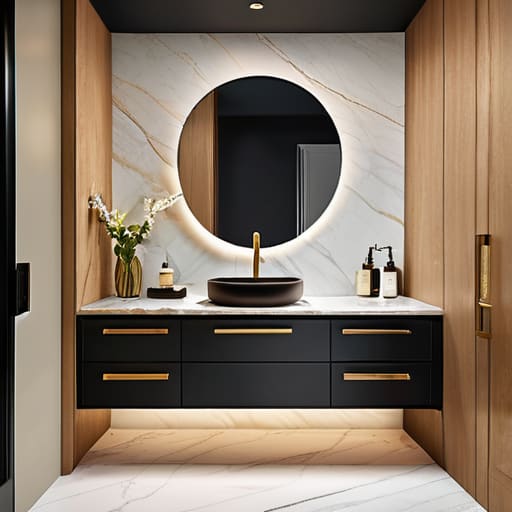
I still remember the smell of damp drywall and old grout from my first solo flip—a cramped, 1970s ranch where the master ensuite looked more like a crime scene than a sanctuary. Most “experts” will tell you that a high-end bathroom renovation requires a six-figure budget and custom Italian marble to see a return, but honestly? That’s just expensive noise designed to separate you from your cash. I’ve stood in enough dusty job sites to know that the real money isn’t made in the gold-plated faucets; it’s found in the strategic decisions you make before the first tile is even laid.
I’m not here to sell you on a lifestyle magazine fantasy or a list of overpriced trends that will be dated by next season. Instead, I’m going to show you how to approach a bathroom renovation with a cold, calculated eye for ROI. We’re going to talk about where to spend your hard-earned capital and, more importantly, where to cut corners safely to maximize your equity. If you’re ready to stop guessing and start building real wealth through smart, tactical rehabs, let’s get to work.
Table of Contents
- Modern Bathroom Remodeling Ideas for Maximum Equity
- Navigating Your Bathroom Renovation Cost Estimator Without Breaking
- My Golden Rules for Avoiding Renovation Money Pits
- Bottom Line: Turning Tiles into Equity
- The Real Value of a Dirty Bathroom
- The Bottom Line on Bathroom ROI
- Frequently Asked Questions
Modern Bathroom Remodeling Ideas for Maximum Equity
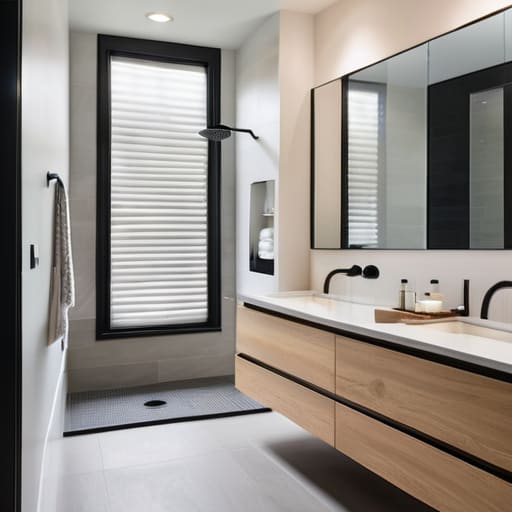
When I’m walking through a potential flip, I’m not looking for a pristine master suite; I’m looking for the bones that can support a high-end finish. To hit those luxury bathroom aesthetic trends without draining your entire renovation budget, focus on high-impact, tactile elements. Think matte black fixtures paired with floating vanities to create a sense of airiness. If you’re dealing with a cramped layout, don’t panic—small bathroom space optimization is where the real money is made. Using large-format tiles can actually make a tiny room feel expansive, provided you choose the right grout color to minimize visual clutter.
Don’t get distracted by flashy, expensive gadgets that won’t actually move the needle during a resale. Instead, prioritize the stuff that buyers can’t see but will definitely notice if it fails. I always tell my clients to budget for bathroom plumbing upgrades early in the process. It’s much better to swap out old, corroded pipes while the walls are open than to face a catastrophic leak six months after you’ve closed the deal. Solid, functional infrastructure is what turns a quick flip into a long-term asset.
Navigating Your Bathroom Renovation Cost Estimator Without Breaking
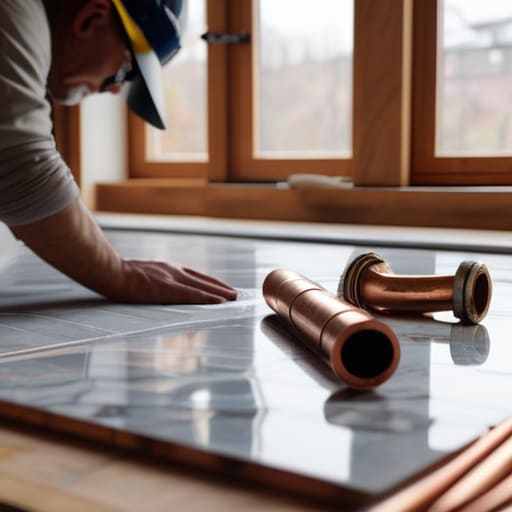
Look, I’ve seen too many investors go into a project with a “vibe” and no actual math, only to end up bleeding cash before they even pick out a tile. Using a bathroom renovation cost estimator isn’t about being stingy; it’s about protecting your margins. When I’m walking a site, I’m not just looking at the pretty finishes; I’m looking at the guts. You have to account for the invisible stuff—like essential bathroom plumbing upgrades—that can easily blow a budget if you’re only focusing on the surface level.
The trick is to categorize your spending into “equity builders” and “aesthetic fluff.” If you’re working with a tight budget, prioritize high-impact changes like new fixtures or better lighting over high-end stone that won’t actually move the needle on your resale price. I always tell my clients to build a 15% contingency buffer into their estimates. Whether you’re dealing with unexpected mold or a subfloor that’s seen better days, that buffer is the difference between a profitable flip and a financial sinkhole.
My Golden Rules for Avoiding Renovation Money Pits
- Prioritize the “wet” work first; I’ve seen too many investors waste money on high-end vanity installs only to have to tear them out because they ignored a hairline crack in the subfloor or a slow leak in the waterproofing.
- Stop chasing trends and start looking at timeless durability; a trendy brass fixture might look great on Instagram today, but if it’s hard to clean or looks dated in two years, you’re eating that cost when it’s time to flip.
- Don’t skimp on the lighting plan; a single, lonely overhead light makes even the most expensive tile look cheap, so always budget for layered lighting—task, ambient, and accent—to create that high-end boutique feel.
- Think about the layout before you think about the aesthetics; moving a toilet or a drain is the fastest way to blow your budget, so if the current footprint works, keep it and pour that saved cash into premium finishes instead.
- Always, always over-order your tile; there is nothing more soul-crushing than being three tiles short on a Sunday afternoon when the supplier is closed, and trust me, you’ll need those extras for future repairs once the house is sold.
Bottom Line: Turning Tiles into Equity
Stop chasing expensive trends; focus on high-impact, durable upgrades like modern fixtures and clean tiling that appeal to the widest range of buyers.
Always keep a buffer in your renovation budget for the “hidden” issues—because once you peel back those old bathroom tiles, you never know what kind of water damage you’re actually dealing with.
View every renovation through the lens of ROI, ensuring that every dollar spent on your bathroom is a calculated move toward increasing the property’s total market value.
The Real Value of a Dirty Bathroom
Stop looking at a cracked vanity and water-stained ceiling as a headache; look at them as a discount on your entry price. In this game, a messy bathroom isn’t a dealbreaker—it’s your biggest opportunity to manufacture equity before you even list the property.
Gareth Trelawny
The Bottom Line on Bathroom ROI
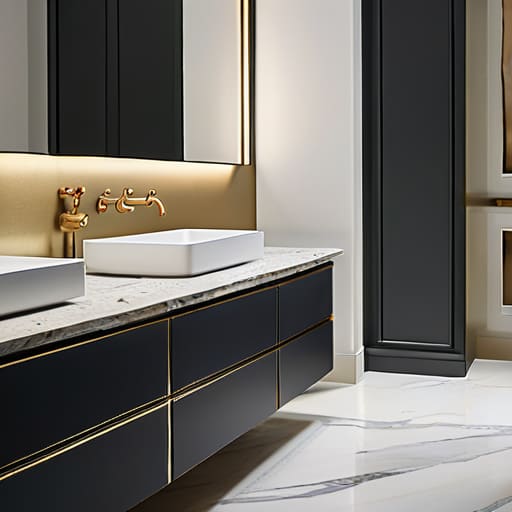
At the end of the day, a successful bathroom renovation isn’t about picking the most expensive marble slab or chasing every passing design trend. It’s about the strategic intersection of aesthetics and utility. We’ve walked through how to select modern fixtures that actually move the needle on appraisal, and more importantly, how to use a cost estimator to keep your budget from spiraling into a money pit. Remember, your goal isn’t just to create a pretty space; it’s to ensure every dollar you pour into those tiles and vanities translates into tangible, measurable equity. If you keep your eye on the numbers and your hands on the quality of the materials, you aren’t just remodeling—you are building an asset.
I know that looking at a gutted bathroom with exposed pipes and outdated plumbing can feel overwhelming, but that’s exactly where the opportunity lives. Don’t let the dust and the chaos intimidate you. Every time I step onto a job site that looks like a disaster zone, I don’t see a mess; I see the future profit margin waiting to be unlocked. Real estate investing is a marathon, not a sprint, and mastering these high-impact renovations is how you win. So, grab your laser measurer, trust your gut, and get to work. It’s time to turn those crumbling walls into wealth.
Frequently Asked Questions
How do I decide whether to gut the entire bathroom or just swap out the fixtures to keep my margins high?
Look at the bones first. If the plumbing is solid and the layout works, don’t go tearing out walls just for the sake of it—that’s how you bleed your margins dry. Swap the fixtures, refresh the tile, and go heavy on high-end hardware to create that “wow” factor. But, if you’re staring at moldy subfloors or ancient, leaking pipes, gut it. You can’t build equity on a shaky foundation.
What are the biggest "hidden" red flags I should look for behind the walls before I commit to a renovation budget?
Look, if you’re only looking at the pretty tile, you’re doing it wrong. Before you commit a dime to those mid-century fixtures, you need to know what’s lurking behind the drywall. I always check for water staining around the tub—that’s a sign of slow, systemic leaks. Also, watch for uneven flooring or cracks in the subfloor; that usually means structural rot or a failing joist. If the plumbing looks like a spaghetti mess of galvanized steel, budget for a total overhaul.
At what point does spending more on high-end finishes stop being a smart investment and start eating into my actual profit?
Look, I love a high-end matte black fixture as much as the next person, but there’s a hard ceiling. You stop seeing a return the moment you start buying for your own taste instead of the neighborhood’s ceiling price. If you’re in a mid-range suburb, installing a $3,000 designer soaking tub won’t magically jump your sale price by $5,000. You’re just subsidizing your hobby with your profit margin. Stick to high-quality, durable essentials and save the luxury splurges for your personal sanctuary.
