
I was standing in a kitchen last Tuesday, knee-deep in sawdust and the unmistakable, heavy scent of damp drywall, when I realized something. Most people walk into a house like that and see a disaster waiting to happen, but I just saw a math problem waiting to be solved. I remember my first real fixer upper—a tiny, gutted bungalow that smelled more like mold than opportunity—and the sheer panic I felt when the floorboards groaned under my boots. Most “experts” will tell you that you need a massive capital injection or a team of twenty contractors to make it work, but they’re selling you a fantasy. The truth is, the real profit isn’t in the pristine, move-in-ready listings; it’s buried under the layers of outdated wallpaper and bad decisions left by the previous owners.
I’m not here to give you a polished, Pinterest-perfect version of real estate investing. I’m here to show you how to look past the chaos and identify the structural potential that actually builds wealth. I promise to give you the unfiltered, boots-on-the-ground reality of how to manage a renovation without losing your mind or your shirt. We’re going to talk about smart design, strategic rehabs, and exactly how to turn those crumbling walls into solid equity.
Table of Contents
- Mastering Real Estate Investment Strategies for Hidden Gems
- A Sharp Eye for Structural Integrity Assessment
- The Profit-Maker’s Playbook: 5 Ways to Avoid Getting Buried in a Renovation
- The Bottom Line on Turning Chaos into Equity
- ## The Real Value of a Messy Project
- Turning Vision into Value
- Frequently Asked Questions
Mastering Real Estate Investment Strategies for Hidden Gems
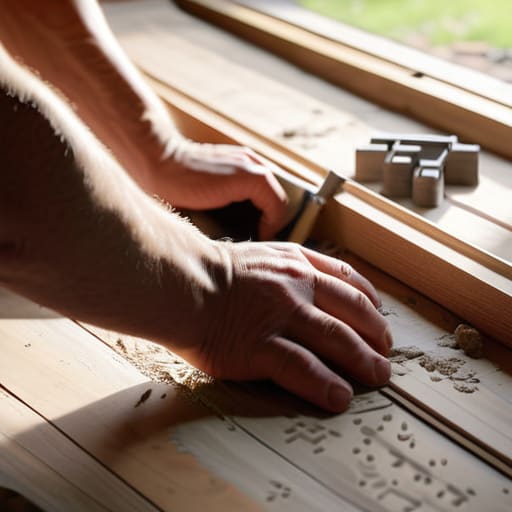
When you’re hunting for those hidden gems, you can’t just fall in love with a vintage layout and call it a day. You need a tactical approach to your real estate investment strategies. I always start with a brutal, no-nonsense structural integrity assessment before I even dream about picking out backsplash tile. If the foundation is cracked or the electrical is a nightmare, that “charming” bungalow is just a money pit in disguise. You have to be able to look past the peeling wallpaper and see the bones of the building.
Once I know the structure is sound, my focus shifts to the math. Successful flipping houses for profit isn’t about spending money to make it look pretty; it’s about spending money where it actually drives property value appreciation. I don’t waste my capital on high-end finishes in a mid-range neighborhood. Instead, I prioritize the high-impact areas—like a functional kitchen or a refreshed primary bath—that will actually move the needle for a buyer. It’s about being strategic, not just aesthetic.
A Sharp Eye for Structural Integrity Assessment
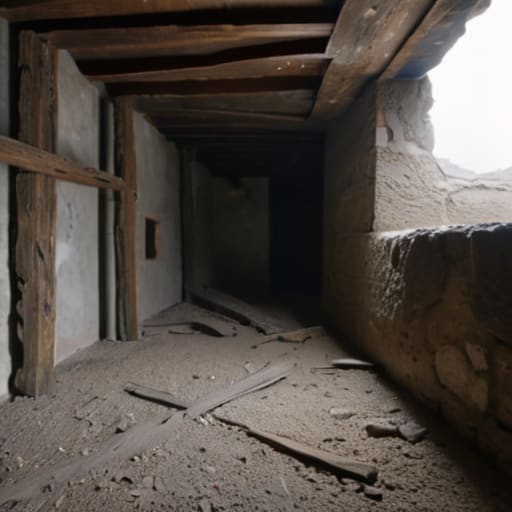
When you walk into a property that looks like it’s been through a war zone, your first instinct might be to look at the peeling wallpaper or the dated kitchen tiles. Forget that. Those are cosmetic, and they’re easy fixes. I want you to look at the bones. A proper structural integrity assessment is the difference between a profitable flip and a financial nightmare that drains your bank account. I always start by checking the foundation for cracks and sniffing out moisture in the basement. If the skeleton of the house is compromised, no amount of mid-century modern furniture or chic lighting is going to save your margins.
You have to be ruthless here. I’ve seen too many rookies dive into a project because they fell in love with the “character” of an old home, only to realize too late that the roof is shot and the joists are sagging. Integrating these checks early on is vital for your renovation budget planning. If you don’t account for the heavy lifting—the stuff behind the drywall—your profit margins will evaporate before you even pick up a sledgehammer. Look past the mess to see if the structure can actually support the vision you have for it.
The Profit-Maker’s Playbook: 5 Ways to Avoid Getting Buried in a Renovation
- Prioritize the “bones” before the “beauty.” I’ve seen too many rookies blow their entire budget on high-end quartz countertops only to realize they can’t afford to fix a leaking roof or a cracked foundation. If the structure isn’t sound, your gorgeous new kitchen is just expensive wallpaper on a sinking ship.
- Budget for the “Oh Sh*t” factor. In this business, something always goes wrong behind a drywall. Whether it’s outdated wiring or a surprise termite infestation, I always add a 15-20% contingency buffer to my estimates. If you don’t account for the mess, the mess will account for you.
- Focus on high-ROI cosmetic upgrades. You don’t need a full-scale remodel to see a jump in equity. Sometimes, a fresh coat of neutral paint, updated lighting fixtures, and some smart landscaping can do more heavy lifting for your resale value than a complete gut job.
- Don’t get emotionally attached to the “ugly.” When I walk into a house that smells like mothballs and has shag carpeting from 1974, I don’t see a disaster; I see a blank canvas. If you start feeling sorry for the house, you’ll start making design choices based on sentiment rather than profit margins.
- Master the art of the “smart” layout. You don’t always need to move load-bearing walls to fix a cramped floor plan. Often, simply removing a non-structural partition or optimizing the flow between the kitchen and living area can make a tiny fixer-upper feel like a custom-built estate.
The Bottom Line on Turning Chaos into Equity
Don’t get distracted by ugly wallpaper or outdated carpet; focus your energy and budget on the bones and the systems that actually drive long-term value.
Profit isn’t made when you sell the house; it’s made when you buy it—so use your assessment skills to ensure the renovation costs won’t swallow your margins.
Patience is a professional tool; you have to be willing to get your hands dirty and navigate the mess of a job site to unlock the equity hidden behind those crumbling walls.
## The Real Value of a Messy Project
“Most people see a cracked foundation or peeling wallpaper and run the other way, but I see a discount on the purchase price and an opportunity to manufacture equity. In this game, the profit isn’t in the turnkey houses; it’s hidden under the layers of neglect that everyone else is too afraid to touch.”
Gareth Trelawny
Turning Vision into Value
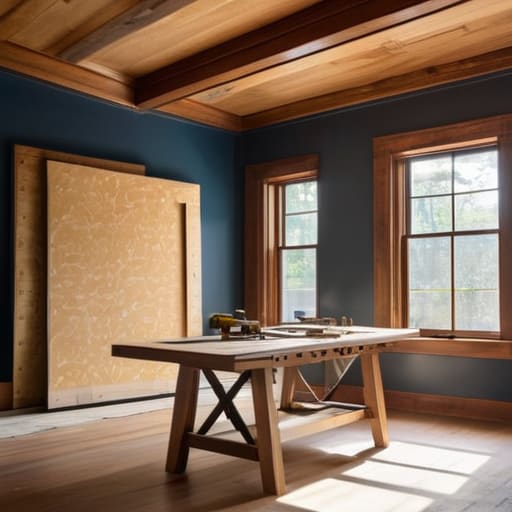
At the end of the day, successful flipping isn’t about luck; it’s about the discipline to execute a plan. We’ve covered how to spot those hidden gems through strategic investment, how to look past the ugly wallpaper to assess the actual structural bones, and how to prioritize the repairs that actually move the needle on your ROI. You can’t afford to get distracted by the cosmetic fluff if the foundation is shaky, but you also can’t let a little dust and debris stop you from seeing the massive equity waiting underneath. It’s about balancing that sharp eye for design with a ruthless pragmatism when it comes to your budget and your timeline.
I know it sounds intimidating—standing in the middle of a gutted kitchen with a laser measurer in one hand and a stack of contractor quotes in the other. But remember, every polished, high-end property you see on the market started its life as a mess. The difference between an amateur and a real investor is the willingness to get their hands dirty when things get complicated. Don’t let the fear of a messy renovation hold you back from building your future. Grab your gear, trust your gut, and start turning those crumbling walls into the solid wealth you deserve.
Frequently Asked Questions
How do I figure out if a renovation budget is actually realistic before I sign the closing papers?
Don’t trust a single spreadsheet you find online; they’re useless once you actually peel back the drywall. Before you sign anything, get a contractor through the property for a walkthrough—not just a quote. I always add a 15% “chaos buffer” to my estimates because something always goes sideways once the sledgehammers come out. If the numbers don’t work with that extra cushion, walk away. Never gamble your equity on a “best-case scenario” budget.
At what point does a "fixer-upper" cross the line from a profitable flip to a money pit?
The line is crossed when the “unknowns” start outweighing your contingency fund. I’ve seen it happen: you think you’re just replacing a subfloor, but then you find black mold, a cracked foundation, and outdated knob-and-tube wiring all in one go. If the cost to stabilize the bones exceeds your projected profit margin once you factor in a 20% buffer for surprises, walk away. Don’t let ego turn a smart flip into a sinkhole.
How much of the heavy lifting should I do myself versus hiring out to contractors to ensure I'm actually building equity?
Here’s the reality: if you’re trying to build real equity, you need to be strategic about your sweat equity. I handle the cosmetic stuff—painting, demo, and maybe some floor refinishing—because those are high-impact, low-risk tasks. But don’t play hero with the plumbing or electrical. If you botch a structural repair, you aren’t building wealth; you’re just burning it. Hire pros for the bones, and save your energy for the design details that actually drive appreciation.
