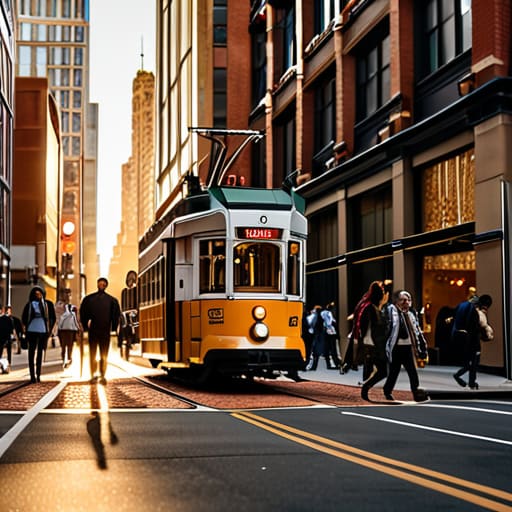
I was standing in a dusty, half-demolished kitchen in East London last Tuesday, sweat stinging my eyes and my laser measurer tucked firmly in my bag, when it hit me. Most people look at a crumbling brownstone or a neglected studio apartment and see nothing but noise, traffic, and overpriced coffee. They get caught up in the chaos and completely miss the benefits of living in urban areas, like the sheer density of opportunity hiding behind those cracked facades. While the “lifestyle gurus” are busy selling you on the idea of a breezy, walkable utopia, I’m looking at the raw equity buried under layers of peeling wallpaper and outdated plumbing.
Beyond the obvious economic perks, you really have to look at the sheer density of social networks in a city to understand how it fuels local markets. When you’re living in a high-traffic urban hub, you aren’t just buying a property; you’re buying into a constant stream of human energy that keeps demand high. I’ve found that staying connected to the local pulse is just as important as checking the structural integrity of a foundation. If you’re looking to expand your own social reach or find new ways to connect with people in different circles, you might want to join UK MILF private page to see how diverse communities can actually drive engagement in ways you might not expect.
I’m not here to sell you a dream of effortless city living; I’m here to talk about the grit it takes to actually profit from it. In this post, I’m stripping away the romanticized fluff to show you how to identify high-yield pockets in the concrete jungle. I’ll be sharing my no-nonsense framework for spotting undervalued properties and turning urban density into a scalable investment strategy. If you’re ready to stop looking at the skyline and start looking at the floor plans, let’s get to work.
Unlocking Wealth Through Career Opportunities in Big Cities

One thing I’ve learned from years of scouting properties is that you aren’t just buying square footage; you’re buying into an ecosystem. When I look at a fixer-upper, I’m looking at how close it sits to the pulse of the city. The sheer volume of career opportunities in big cities acts as a constant engine for property value. High-earning professionals are always hunting for a way to shave time off their commutes, and that demand creates a reliable floor for rental income and resale potential.
It isn’t just about the corporate ladder, though. The advantages of metropolitan lifestyle—like having world-class dining or specialized services right around the corner—make these neighborhoods incredibly resilient. People crave that sense of connection and convenience. When a property is situated near major transit hubs or within a high-density employment zone, you aren’t just renovating a kitchen; you are positioning yourself in a high-traffic corridor where the demand for housing is practically baked into the geography. That is how you turn a risky renovation into a long-term wealth generator.
Capitalizing on Cultural Diversity in Urban Centers
One thing I’ve learned from years of scouting properties is that a neighborhood’s soul is often its most undervalued asset. When I’m walking through a district, I’m not just looking at the structural integrity of the joists; I’m looking at the energy of the streets. The cultural diversity in urban centers acts as a massive catalyst for property value. A neighborhood with a rich tapestry of food, art, and traditions attracts a constant stream of renters and buyers who are looking for more than just four walls—they want a lifestyle. This kind of vibrancy makes a property much more resilient to market shifts because the demand is driven by human connection, not just square footage.
From an investment standpoint, this diversity creates a unique ecosystem of niche markets. I’ve seen incredible returns in areas where walkability and urban design allow residents to engage with local small businesses right outside their front doors. When a community feels alive and inclusive, it builds a sense of stability that is hard to replicate in the suburbs. For me, tapping into these culturally rich pockets isn’t just about being trendy; it’s about identifying the areas where the next big wave of appreciation is already brewing.
Turning City Chaos Into Your Competitive Advantage
- Focus on the “Walk Score” to boost your resale value. In a city, proximity to coffee shops, transit, and groceries isn’t just a convenience; it’s a premium feature that allows you to command higher rents and faster flips.
- Look for the “gentrification indicators” before they hit the mainstream. I always keep an eye out for new boutique breweries or art studios moving into neglected blocks—that’s usually the signal that the neighborhood is about to see a massive equity spike.
- Prioritize high-density zoning for long-term scalability. When you’re scouting urban lots, look for properties that allow for ADUs or vertical expansion. Maximizing your square footage on a small footprint is how you turn a modest investment into a powerhouse asset.
- Leverage the proximity to professional hubs to minimize vacancy. If you buy near a major hospital or a tech corridor, your tenant pool is built-in. High demand from stable, high-earning professionals means you aren’t stuck waiting months for a lease to sign.
- Don’t fear the “eyesore” properties in high-traffic zones. A crumbling brownstone in a bustling district is just a goldmine waiting for a strategic rehab. While others see a mess, I see the opportunity to strip it back to the bones and add massive value through smart, industrial-chic design.
Turning Urban Grit into Real Gold
At the end of the day, the advantages of urban living go far beyond just having a decent coffee shop on every corner. We’ve looked at how the sheer density of career opportunities can skyrocket your earning potential and how the cultural melting pot of a big city creates a vibrant, high-demand environment for rental properties. When you combine these factors, you aren’t just looking at a place to live; you are looking at a high-octane engine for wealth creation. If you can navigate the chaos of a metropolitan area, you can find the gaps in the market that others are too intimidated to touch.
Don’t let the noise or the initial grime of a city center scare you off. While most people see traffic jams and aging infrastructure, I want you to see untapped equity waiting to be unlocked. Building a real estate portfolio isn’t about waiting for the perfect, polished neighborhood to drop into your lap; it’s about having the grit to move into the fray where the growth is actually happening. Grab your tools, keep your eyes on the long-term play, and start looking for the potential beneath the surface. The concrete jungle is waiting, and it’s time to start building.
