Author: Gareth Trelawny

  • Choosing and Installing Kitchen Countertops

    Choosing and Installing Kitchen Countertops

    I still remember standing in a kitchen in East Austin three years ago, staring at a slab of “luxury” faux-marble that cost more than my first car, only to realize it was peeling at the seams within six months. Most contractors will try to sell you on the idea that a high-end countertop installation requires a massive, life-altering budget to see a return on investment, but that is a total lie. They want you to chase trends that die in a season, rather than focusing on the durable, high-impact materials that actually move the needle when it’s time to flip the property.

    I’m not here to give you a glossy, Pinterest-perfect lecture on aesthetics; I’m here to talk about building real equity. In this guide, I’m stripping away the sales fluff to show you how to navigate the messy reality of countertop installation without getting ripped off. We’re going to cover how to spot high-value materials, how to manage your installers so they don’t cut corners, and how to choose finishes that command attention from potential buyers. Let’s get to work.

    Table of Contents

    Calculating Kitchen Remodel Costs Without Breaking the Bank

    Calculating Kitchen Remodel Costs Without Breaking the Bank

    When I’m walking through a new fixer-upper, my mind immediately starts running the numbers. To avoid blowing your entire budget before you even hit the demo stage, you have to be surgical about your kitchen remodel costs. Don’t just pick the prettiest slab you see on Instagram; you need to weigh the upfront price against long-term value. For instance, while marble looks incredible in staging, its low countertop material durability can be a nightmare for a rental property or a high-traffic family home. I always tell my clients to look for the sweet spot where aesthetic appeal meets rugged longevity.

    Another way to keep things lean is to understand exactly what you’re paying for during the template and measurement process. If you try to DIY the measurements to save a few bucks, you’re likely going to end up paying for a second round of professional fabrication services when the stone doesn’t fit the cabinets. It’s a classic rookie mistake that eats your margins alive. Instead, budget for precision early on. It’s much cheaper to pay for accuracy once than to pay for mistakes twice.

    Selecting Countertop Material Durability for Long Term Gains

    Selecting Countertop Material Durability for Long Term Gains

    When you’re looking at the long game, you have to stop thinking about what looks pretty in a showroom and start thinking about what can survive a decade of heavy use. If you’re flipping a property, you don’t want to be back on-site in eighteen months because a cheap laminate surface started peeling or staining. When I’m evaluating countertop material durability, I prioritize quartz or granite. They offer that high-end, indestructible feel that buyers crave, and more importantly, they don’t require the constant, neurotic maintenance that natural marble demands.

    Don’t let a “bargain” material eat your margins later. I’ve seen too many investors try to shave a few hundred dollars off the initial budget, only to have the homeowner complain about scratches within a year. If you want to maximize your ROI, invest in materials that can take a beating. This is also where you should look into professional fabrication services rather than DIY-ing the heavy lifting. A precise cut and a seamless edge are what separate a “cheap flip” from a high-value asset that commands top dollar at closing.

    5 Ways to Avoid a Countertop Installation Nightmare

    • Don’t trust your eyes; trust your laser measurer. I’ve seen too many DIYers or cheap contractors eyeball a run of granite only to realize the cabinets are slightly out of level, leaving a gap that looks like a canyon. Always double-check your measurements—and if you’re hiring someone, verify their math before they cut the slab.
    • Prioritize the sink cutout timing. If you’re installing a new undermount sink, make sure the fabricator has the exact model on hand before they start cutting. There is nothing more soul-crushing than having a beautiful, expensive piece of quartz sitting in a warehouse because your sink arrived two days late.
    • Stop chasing trends and start looking at resale. While I love a dramatic marble look, if you’re flipping, stick to high-quality quartz in neutral tones. It gives buyers that “clean and modern” feeling without the high-maintenance headache of sealing natural stone every six months.
    • Plan for the backsplash integration before the stone arrives. One of the biggest mistakes I see is people installing the counters and then scrambling to figure out how the tile will meet the edge. Decide if you’re doing a full-height splash or a simple eased edge now, so you aren’t making expensive design calls on the fly.
    • Budget for the “hidden” installation costs. The price per square foot is just the starting line. You need to account for edge profiling, sink cutouts, and potential backsplash pieces. If you don’t build these into your initial renovation spreadsheet, your profit margin is going to evaporate before you even finish the demo.

    The Bottom Line: Maximizing Your ROI at the Countertop

    Don’t chase trends that won’t age; prioritize high-durability materials like quartz that offer a premium look without the constant maintenance headache of natural stone.

    Focus your budget where it’s visible; if you’re tight on cash, invest in a high-end slab for the island to create a focal point while using more cost-effective options for the perimeter.

    Always factor in the “hidden” costs of installation, like sink cutouts and edge profiles, so you don’t end up eating into your profit margins during the final walkthrough.

    ## The Equity in the Details

    “Don’t just look at a countertop as a place to prep dinner; look at it as the centerpiece of your ROI. If you’re picking materials based on a pretty picture instead of how much value they actually add to the appraisal, you’re just decorating, not investing.”

    Gareth Trelawny

    The Bottom Line on Your Kitchen Investment

    The Bottom Line on Your Kitchen Investment

    At the end of the day, countertop installation isn’t just about picking a pretty slab of stone; it’s a calculated move to increase your property’s value. We’ve walked through how to budget without bleeding cash, and how to prioritize materials that won’t just look good on day one, but will actually withstand the test of time and heavy use. Remember, every dollar you sink into a cheap, flimsy material is a dollar you’ll eventually have to spend again when it cracks or stains. If you want to see a real return on your investment, you have to stop treating renovations like a shopping spree and start treating them like a strategic asset deployment.

    I know that staring at a gutted kitchen and a mountain of quotes can feel overwhelming, especially when you’re trying to balance your vision with a strict budget. But don’t let the dust and the temporary chaos scare you off. Every successful flip I’ve ever completed started with a messy construction zone and a series of tough decisions. If you keep your eyes on the long-term equity and stay disciplined with your material choices, you aren’t just installing counters—you are building real, tangible wealth. Now, grab your laser measurer and get to work; those walls aren’t going to renovate themselves.

    Frequently Asked Questions

    Is it worth paying for professional installation, or can I save a few hundred bucks by DIYing the stone myself?

    Look, I get the temptation to save a few hundred bucks, but let me be blunt: don’t DIY stone unless you have a death wish for your profit margins. One wrong cut or a cracked slab during installation won’t just cost you a few hundred; it’ll wipe out your entire renovation budget. If you’re serious about building equity, pay the pros. You want precision and a warranty, not a costly mistake that devalues the house.

    How much of a delay should I actually expect in my renovation timeline once the old counters are ripped out?

    Look, if you think ripping out the old counters is the finish line, you’re in for a reality check. Once those old slabs are gone, you’re looking at a dead zone of anywhere from one to three weeks. You’ve got to account for the gap between demolition and the new fabricator measuring the actual installed cabinets. Don’t let a “quick swap” turn into a month-long kitchen outage without a buffer in your schedule.

    Can I install new countertops directly over my existing laminate, or am I going to run into structural issues?

    Look, I’ve seen people try to save a few bucks by layering new stone over old laminate, and frankly, it’s a gamble I wouldn’t take if I were building real equity. While you might find “over-lay” kits, they often lead to uneven surfaces or, worse, structural sagging that’ll haunt your resale value. If you want a professional finish that actually commands attention, rip that old laminate out. Do it right the first time.

  • Managing a Construction Budget for Renovations

    Managing a Construction Budget for Renovations

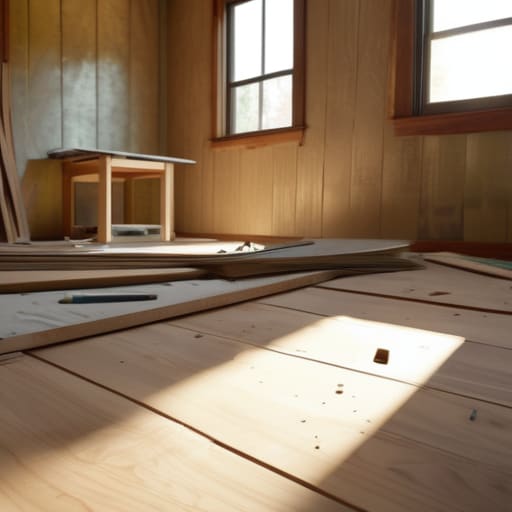
    I still remember the smell of damp drywall and old sawdust from my first solo flip—a tiny, neglected bungalow that looked more like a teardown than an investment. I was standing in the middle of the kitchen, staring at a quote from a contractor that was nearly double what I’d set aside, realizing my entire construction budget was about to evaporate before I’d even swung a hammer. That moment was a brutal wake-up call: most people think you just need a pile of cash, but the truth is, if you don’t account for the inevitable chaos behind the walls, you aren’t investing, you’re just gambling.

    I’m not here to give you some polished, theoretical spreadsheet that falls apart the second a pipe bursts. I want to show you how to build a realistic, battle-tested construction budget that actually survives the reality of a job site. I’m going to pull back the curtain on where to cut costs without sacrificing design, how to pad your numbers for the hidden disasters, and how to keep your margins healthy so you can actually walk away with the equity you worked for.

    Table of Contents

    A Real Construction Project Cost Breakdown for Gritty Renovators

    A Real Construction Project Cost Breakdown for Gritty Renovators

    When I’m walking through a gutted bungalow, my brain is already running a mental construction project cost breakdown. I don’t just see peeling wallpaper; I see the line items that will eat my margins if I’m not careful. You have to categorize your spending into three distinct buckets: hard costs, soft costs, and that all-important contingency fund. Hard costs are your bread and butter—the lumber, the flooring, and the plumbing fixtures. Soft costs are the “invisible” drains, like permits, architectural fees, and insurance. If you ignore these, you’re essentially handing your profit back to the city.

    The biggest variable, and usually the one that keeps me up at night, is managing construction expenses related to labor. I’ve learned the hard way that cheap labor often becomes the most expensive mistake you can make in a flip. Whether it’s an electrician or a drywaller, you need to account for skilled tradespeople who actually show up on time. I always set aside at least 15% of my total spend for the “unexpected” bucket. In this business, something always goes wrong behind a wall, and having that cushion is the only way to keep your equity from evaporating.

    Residential Building Budget Planning for the Sharp Eyed Investor

    Residential Building Budget Planning for the Sharp Eyed Investor

    When you’re staring at a fixer-upper that looks more like a teardown than a dream, the numbers can get blurry fast. Effective residential building budget planning isn’t about guessing what a new kitchen might cost; it’s about anticipating the chaos. I’ve learned the hard way that you can’t just account for the pretty finishes. You have to look beneath the surface—the plumbing, the electrical, and the structural bones. If you aren’t factoring in the “invisible” costs, you aren’t planning; you’re just gambling.

    The secret to staying profitable is aggressive managing construction expenses before the first hammer even swings. I always build a 15% contingency buffer into my spreadsheets, because in this business, something always goes sideways. Whether it’s an unexpected termite issue or a sudden spike in material prices, that buffer is the difference between a successful flip and a financial sinkhole. You need to be ruthless with your math so you can be flexible with your reality.

    5 Hard-Won Rules for Keeping Your Budget from Spiraling

    • Build a 15% “Oh Sh*t” Fund. I don’t care how clean the walls look; once you peel back the drywall, you’re going to find something you didn’t plan for. If you don’t bake a contingency buffer into your initial math, you aren’t investing—you’re gambling.
    • Source Your High-Impact Materials Early. Don’t wait until the tilers are standing in your kitchen to realize your dream backsplash is backordered for six months. Buy your finishings ahead of time to lock in prices and keep the momentum moving.
    • Don’t Skimp on the Invisible Stuff. It’s tempting to spend the whole budget on fancy brass hardware and mid-century lighting, but please, prioritize the plumbing, electrical, and structural integrity. No one cares about a designer faucet if the house has a leaking foundation.
    • Get Three Quotes, But Trust Your Gut. Never take the first contractor’s word as gospel. I always get at least three bids, but I’m looking for more than just the lowest number; I’m looking for the person who actually understands the scope of a renovation rather than someone just trying to get a foot in the door.
    • Track Every Single Receipt in Real-Time. I keep a digital folder for every invoice and a physical notebook for the small stuff. If you wait until the end of the month to tally up your spending, you’ve already lost control of your margins.

    The Bottom Line: What You Need to Carry Forward

    Stop treating your budget like a suggestion; build in a 15-20% contingency fund for the “hidden” disasters that are waiting to be found behind old drywall.

    Focus your capital where it actually creates equity—invest in the bones and the high-impact design elements, and don’t get distracted by expensive upgrades that won’t move the needle on your resale value.

    Track every single cent in real-time, because the moment you lose sight of your actual spending versus your projections is the moment your profit margin starts to bleed out.

    The Reality of the Numbers

    A budget isn’t just a spreadsheet of what you hope to spend; it’s your survival guide for when the demolition reveals the rot you didn’t see coming. If you don’t build in a margin for the mess, you aren’t investing—you’re gambling.

    Gareth Trelawny

    Final Thoughts Before You Swing the Sledgehammer

    Final Thoughts Before You Swing the Sledgehammer

    At the end of the day, managing a construction budget isn’t about being a math genius; it’s about being prepared for the chaos. We’ve looked at how to break down your costs, from the big-ticket structural items to those tiny, annoying finishing touches that always seem to creep up on you. Remember, the goal of your planning isn’t to create a perfect, static document, but to build a strategic roadmap that keeps you from bleeding cash when the unexpected happens. If you can master the art of the detailed breakdown and keep a healthy contingency fund tucked away, you aren’t just guessing—you’re investing with intention.

    I know it feels overwhelming when you’re staring at a pile of debris and a spreadsheet that doesn’t quite add up yet. But don’t let the fear of a messy renovation keep you on the sidelines. Every crack in the plaster and every outdated fixture is just an opportunity to build more equity. You have the eye for potential, and now you have the framework to fund it. Stop waiting for the “perfect” moment or a massive windfall to start your journey. Grab your tools, trust your numbers, and go turn those crumbling walls into wealth.

    Frequently Asked Questions

    How much of a "buffer" should I actually set aside for those inevitable surprises once I tear into the walls?

    Look, if you’re banking on a zero-surprise renovation, you’re already losing money. Once you tear into those old walls, you’re going to find something—bad wiring, outdated plumbing, or rot you didn’t see during the walkthrough. I always set aside a 15% to 20% contingency buffer. It sounds steep, but that extra cushion is the difference between a profitable flip and a personal financial disaster when the “unexpected” inevitably shows up.

    Is it better to go with cheap, off-the-shelf materials to save upfront, or should I invest in higher-quality finishes to drive up the resale value?

    Look, I get the temptation to slash costs with whatever’s on sale at the big-box stores, but don’t mistake “cheap” for “smart.” I always play a game of strategic compromise. Use the budget-friendly stuff for the things no one touches—like subflooring or rough plumbing. But for the high-impact finishes, like quartz countertops or solid hardware, invest. That’s where the perceived value lives. You aren’t just building a house; you’re staging a profit margin.

    How do I tell the difference between a contractor's quote that's a genuine deal and one that's just cutting corners on something critical?

    Look, if a quote feels too good to be true, it usually is. A “deal” is a contractor who understands the value of quality materials; a red flag is a quote that’s suspiciously vague. If they aren’t itemizing labor versus materials, or if they’re skipping the line items for things like permits and debris removal, they’re likely cutting corners. I’d rather pay a premium for a detailed bid than find out later they skimped on the electrical.

  • Essential Steps for Successful House Flipping

    Essential Steps for Successful House Flipping

    I still remember the smell of damp drywall and old sawdust from my first solo project—a tiny, gutted bungalow that most people wouldn’t have looked at twice. While the gurus on social media were busy posting polished photos of finished mansions, I was on my hands and knees with a laser measurer, trying to figure out if a sagging floorboard was a minor fix or a financial catastrophe. That’s the reality of house flipping that nobody wants to talk about: it’s not all champagne toasts and quick wins; it’s mostly sweat, grit, and making tough calls when a renovation goes sideways.

    I’m not here to sell you a dream of effortless wealth or some “get rich quick” scheme that requires a million-dollar line of credit. Instead, I’m going to show you how to develop a sharp eye for potential and the tactical discipline needed to manage a real job site. I’ll be sharing the exact, unvarnished strategies I use to turn neglected properties into profitable assets, focusing on smart design and strategic rehabs that actually move the needle on your equity.

    Table of Contents

    Mastering Wholesale Real Estate Basics for Beginners

    Mastering Wholesale Real Estate Basics for Beginners

    Before you start swinging a sledgehammer, you need to understand that you don’t always have to own the deed to make money. Mastering wholesale real estate basics is about playing the middleman. Instead of funding a full renovation yourself, you’re essentially finding a distressed property, locking it under contract, and then selling that contract to a hungry investor for a fee. It’s a way to build up your initial capital without the massive overhead of a traditional mortgage.

    However, don’t mistake this for easy money. To succeed, you have to get incredibly good at spotting deals that others miss. You need to understand how to vet a property quickly so you aren’t wasting time on junk. The real secret lies in your ability to estimate the potential profit margin for the person buying your contract. If you can prove the numbers work, you’ll have investors lining up to take your assignments off your hands. It’s a high-speed game of finding value where others only see a mess.

    Spotting Potential Before the Paint Starts Peeling

    Spotting Potential Before the Paint Starts Peeling

    When I walk into a property that looks like a total disaster, most people see a nightmare. I see a spreadsheet of opportunities. The secret isn’t just looking at the ugly wallpaper or the dated linoleum; it’s about looking past the surface to see the structural integrity. You have to be able to distinguish between cosmetic issues—things that are easy to fix—and the “deal-killers” like foundation cracks or outdated electrical systems. Before you even think about your after repair value calculation, you need to know if the bones of the house can actually support your vision.

    I always tell my clients to look for “good bones” hidden under layers of bad taste. A house with a weird layout or hideous 70s carpeting is a goldmine if the footprint is solid. My goal is to find properties where the real estate investment ROI is maximized by fixing what’s broken rather than tearing everything down to the studs. You want to find that sweet spot where a moderate amount of sweat equity transforms a neglected space into a high-value asset without blowing your entire budget on structural repairs.

    Five Rules for Not Losing Your Shirt on a Flip

    • Nail your budget before you even pick up a hammer. I’ve seen too many investors go broke because they accounted for new flooring but forgot about the $5,000 electrical overhaul hiding behind the drywall. Always build in a 15% contingency fund for the “surprises” that inevitably live in old houses.
    • Focus on the “Big Three” to maximize ROI. If you want to see real equity growth, don’t waste your capital on high-end custom cabinetry if the kitchen layout is garbage. Prioritize updated kitchens, clean bathrooms, and curb appeal—these are the rooms that actually sell the dream.
    • Build your “A-Team” of contractors early. You can have the best design eye in the world, but if your plumber doesn’t show up for three days, your holding costs will eat your entire profit margin. I rely on a small, vetted crew that I trust to work as hard as I do.
    • Don’t get emotionally attached to the design. I love a good mid-century modern statement piece as much as the next person, but if I’m flipping a suburban ranch, I’m sticking to neutral, mass-appeal finishes. Your goal is to sell to the widest possible audience, not to satisfy your personal aesthetic.
    • Watch your holding costs like a hawk. Every day that house sits empty, you’re bleeding money through taxes, insurance, and utilities. A slow renovation is a silent killer; keep the project moving, manage your timeline strictly, and get that property back on the market as fast as safely possible.

    The Bottom Line: Turning Vision Into Value

    Don’t get blinded by the mess; focus on the bones, because you can always swap out ugly tile, but you can’t fix a bad foundation or a poor layout.

    Profit is made during the buy, not the sale, so run your numbers ruthlessly before you ever sign a contract or pick up a sledgehammer.

    Master the art of the strategic rehab by prioritizing high-impact updates that drive equity rather than getting lost in expensive, unnecessary luxury details.

    The Real Value of a Messy Job Site

    “Stop looking for the perfect turnkey house; there’s no margin in perfection. You’re looking for the house that everyone else is too intimidated to touch, because that’s where the real equity is hiding under the grime.”

    Gareth Trelawny

    From Blueprint to Bank Account

    From Blueprint to Bank Account house flipping.

    At the end of the day, house flipping isn’t about luck or having a magic wand; it’s about the marriage of strategic planning and grit. We’ve walked through the fundamentals of wholesaling to get your foot in the door, and we’ve discussed how to look past the ugly wallpaper to find the structural integrity that actually matters. You have to understand your numbers, master the art of spotting potential in a wreck, and most importantly, know when to walk away from a deal that doesn’t pencil out. If you can bridge the gap between a property’s current state and its highest and best use, you aren’t just renovating a house—you are engineering a profit margin.

    I know it sounds intimidating, especially when you’re staring at a pile of debris or a budget that feels too tight. But remember, every massive real estate portfolio I see started with a single, messy project. You don’t need a massive inheritance to win this game; you just need the discipline to execute and the patience to see a project through to the finish line. Stop waiting for the “perfect” market or the “perfect” amount of capital to land in your lap. Grab your measuring tape, find a house with good bones, and start turning those crumbling walls into solid equity.

    Frequently Asked Questions

    How much liquid capital do I actually need to have on hand before I even pull the trigger on my first project?

    Look, I get it. You want to dive in, but you’re staring at your bank account wondering if it’s enough. Here’s the reality: don’t just budget for the down payment. You need a “chaos fund.” I always recommend having at least 15-20% of your total project cost in liquid cash, sitting there untouched. Between unexpected plumbing disasters and permit delays, that cushion is the difference between a profitable flip and a total financial meltdown.

    How do I figure out if a renovation budget is realistic or if I'm just setting myself up for a massive deficit?

    Stop guessing and start measuring. I’ve seen too many investors sink their profits into a “quick fix” that turns into a money pit. To keep your budget realistic, you need a line-item breakdown from actual contractors, not just a rough estimate from a friend. Always bake in a 15% contingency fund for the inevitable surprises behind the drywall. If your math doesn’t account for the “oops” moments, you aren’t budgeting—you’re gambling.

    What’s the best way to vet contractors so I don't end up with a crew that disappears halfway through the demo?

    Listen, a bad contractor is the fastest way to bleed your equity dry. Never hire anyone based solely on a low bid; that’s how you end up with half-finished demo and a massive headache. I always demand three things: proof of current insurance, a licensed credential I can verify myself, and at least two references from recent projects. If they won’t walk a job site with me or provide written contracts, I walk away.

  • Essential Guides to Rental Property Management

    Essential Guides to Rental Property Management

    I still remember the smell of damp drywall and stale cigarette smoke from my first “investment”—a tiny studio that looked great in the listing photos but turned into a total nightmare the moment I took the keys. I spent more time chasing down late rent and coordinating emergency plumber visits than I did actually building my portfolio. Most people will try to sell you on the idea that rental property management is some passive, “set it and forget it” lifestyle that leads to immediate wealth, but let’s be real: if you aren’t prepared to handle the grit, it’ll eat your margins alive.

    I’m not here to give you a polished, textbook lecture on property oversight or some overpriced seminar strategy. Instead, I’m going to pull back the curtain on what actually keeps a building profitable and a tenant happy. We’re going to talk about the unsexy, hands-on realities of maintaining your assets without losing your mind—or your shirt. I promise to give you the straight-talk, experience-based tactics you need to turn those messy, day-to-day headaches into solid, long-term equity.

    Table of Contents

    Maximizing Rental Yield Through Smart Property Inspection Checklists

    Maximizing Rental Yield Through Smart Property Inspection Checklists

    When I first started flipping houses, I thought a quick walk-through was enough. I was wrong. If you’re serious about maximizing rental yield, you can’t afford to be casual about maintenance. I’ve learned that the difference between a profitable asset and a money pit often comes down to the details you catch during a walkthrough. You need rigorous property inspection checklists that cover everything from the hairline cracks in the foundation to the age of the HVAC unit. Catching a slow leak under a sink today is a minor fix; letting it rot the subfloor for six months is an equity-killing catastrophe.

    I treat every inspection like I’m auditing a construction site. I don’t just look for what’s broken; I look for what’s about to break. By staying ahead of the wear and tear, you avoid those emergency repair calls that eat your monthly cash flow alive. It’s about being proactive rather than reactive. If you aren’t documenting the condition of your fixtures and appliances every single time you step foot on the property, you’re essentially leaving your profit margins up to chance.

    Using Property Management Software Solutions to Protect Your Equity

    Using Property Management Software Solutions to Protect Your Equity.

    Look, I love the grit of a renovation, but once the dust settles and the tenants move in, the game changes. You aren’t swinging a sledgehammer anymore; you’re managing data. This is where most new investors lose their shirts—not because the roof leaked, but because they lost track of the paperwork. Investing in reliable property management software solutions isn’t an extra expense; it’s an insurance policy for your margins. I use these tools to automate everything from rent collection to maintenance requests, ensuring that nothing slips through the cracks while I’m out scouting my next fixer-upper.

    Beyond just collecting checks, these platforms are vital for streamlining your tenant screening processes. A single bad placement can wipe out a year’s worth of profit faster than a burst pipe. By centralizing your lease documents and communication logs, you create a digital paper trail that protects you if you ever have to navigate messy eviction legal procedures. It’s about moving from a reactive mindset to a proactive one, ensuring your hard-earned equity stays exactly where it belongs: in your bank account.

    The Realist’s Guide to Keeping Your Portfolio From Turning Into a Money Pit

    • Vet your tenants like you’re hiring a contractor; a bad tenant is more expensive than any renovation I’ve ever tackled, so don’t skip the deep background checks just to fill a vacancy.
    • Build a “strike team” of reliable tradespeople—I keep a plumber and an electrician on speed dial who actually show up, because waiting three days for a leak to be fixed is just watching your equity drain away.
    • Don’t treat maintenance like an optional expense; I’ve learned the hard way that spending a few hundred bucks on a preventative HVAC service now saves you from a five-figure disaster during a mid-summer heatwave.
    • Keep a digital paper trail for every single interaction, from lease signings to repair requests, because when things get messy (and they will), your documentation is your only real defense.
    • Set aside a dedicated “oh crap” fund specifically for your rentals, because in this business, the unexpected repair is never actually unexpected—it’s just a matter of when it hits.

    The Bottom Line: Turning Management into Equity

    Stop treating management like a chore and start seeing it as a defensive strategy to protect your renovation investment.

    Use data and software to catch small maintenance leaks before they turn into expensive structural nightmares.

    Real wealth in real estate isn’t just about the initial flip; it’s about the disciplined, systematic management that keeps your cash flow steady.

    ## The Reality of the Long Game

    “Rental property management isn’t about collecting checks; it’s about protecting the asset. If you aren’t staying on top of the small repairs and the tenant relationships today, you’re just watching your hard-earned equity leak out through the cracks in the floorboards.”

    Gareth Trelawny

    Building Your Empire, One Unit at a Time

    Building Your Empire, One Unit at a Time

    At the end of the day, managing a rental property isn’t about chasing perfection; it’s about implementing systems that prevent small leaks from becoming catastrophic expenses. We’ve talked about how a rigorous inspection checklist keeps your assets from deteriorating and how the right software can act as your digital eyes and ears when you aren’t on-site. If you skip these steps, you aren’t investing—you’re just gambling with your capital. By staying proactive with your maintenance and leveraging technology to track every repair and rent payment, you aren’t just “managing” a building; you are protecting your future equity from the slow erosion of neglect.

    Look, I know the dust, the late-night calls about broken water heaters, and the endless paperwork can feel overwhelming when you’re starting out. But remember why you stepped into this game in the first place. You didn’t buy these properties just to be a landlord; you bought them to build something tangible and lasting. Every headache you navigate today is a brick in the foundation of your financial freedom. Keep your eyes on the long game, stay disciplined with your management strategy, and don’t let the mess distract you from the massive wealth waiting on the other side of the renovation.

    Frequently Asked Questions

    How do I decide when a repair is worth the cash outlay versus just letting it slide for another season?

    Look, I’ve been there—staring at a cracked tile or a finicky faucet, wondering if it’s worth the headache. Here’s my rule: if the issue threatens the structural integrity or the “tenant experience,” fix it now. A leaky sink is a minor annoyance; a leaky roof is an equity killer. If a repair prevents a bigger, more expensive disaster down the line, pay the cash. Don’t let a small fix turn into a massive loss.

    At what point does the headache of DIY management outweigh the cost of hiring a professional firm?

    Look, I love the hands-on approach—there’s a certain satisfaction in managing your own assets. But you have to know when to stop playing landlord and start being an investor. The moment your “side hustle” starts eating into your actual profit margins through missed repairs, late rent, or endless midnight phone calls, you’ve hit the tipping point. If managing the property prevents you from finding your next flip, you aren’t scaling; you’re just stuck.

    What are the red flags I should look for during a tenant screening that most people miss?

    Look, I’ve learned the hard way that a shiny credit score doesn’t tell the whole story. The real red flags are often in the inconsistencies. Watch out for “employment gaps” that don’t add up or a sudden change in banking patterns right before applying. I also look closely at their references—if a previous landlord is suspiciously hard to reach or gives a vague, overly polite answer, that’s a massive warning sign. Trust your gut.

  • Improving Home Lighting With Simple Upgrades

    Improving Home Lighting With Simple Upgrades

    I remember standing in the middle of a gutted mid-century ranch last November, my laser measurer tucked in my bag and a heavy layer of drywall dust coating my lungs. The house was technically “ready,” but under the single, flickering overhead bulb left by the previous owner, the entire space felt depressing and small. It wasn’t a structural failure or a plumbing nightmare; it was just bad light. People think you need to gut the entire electrical system to see real ROI, but that’s a total myth designed to drain your renovation budget. In reality, strategic lighting upgrades are the secret weapon for masking architectural flaws and making a cramped fixer-upper feel like a high-end custom build without the custom price tag.

    I’m not here to sell you on expensive, trendy fixtures that will look dated by next season. Instead, I’m going to show you how to use light to engineer value into your property. We’re going to talk about layering illumination, choosing the right color temperatures, and where to spend your money to maximize equity. No fluff, no designer jargon—just the straightforward tactics I use to turn dark, neglected rooms into profitable assets.

    Table of Contents

    Mastering Modern Interior Lighting Design for Maximum Roi

    Mastering Modern Interior Lighting Design for Maximum Roi

    When I’m walking through a fixer-upper, I don’t just look at the floor plan; I look at the shadows. Most neglected properties suffer from “flat” lighting—one single, depressing overhead fixture that makes even a high-end renovation look cheap. To get the most bang for your buck, you have to master layering light in home decor. This means moving beyond the basics and creating depth by combining different light sources. You want to hit three distinct levels: ambient light for general visibility, task lighting for functional areas like kitchen counters, and accent lighting to draw the eye toward architectural features or a piece of thrifted mid-century furniture.

    In my experience, the kitchen is where you win or lose the sale. If you’re looking for high-impact kitchen lighting renovation ideas, focus on under-cabinet LEDs and statement pendants over the island. This isn’t just about aesthetics; it’s about creating a sense of luxury that buyers can practically feel. I always advise my clients to invest in smart lighting integration where possible. Being able to tell a buyer they can set the “mood” for a dinner party with a single phone tap adds a layer of modern sophistication that justifies a much higher asking price.

    Layering Light in Home Decor to Mask Renovation Flaws

    Layering Light in Home Decor to Mask Renovation Flaws

    When I’m walking through a fixer-upper that’s seen better days, I’m not just looking at the floor plan; I’m looking for the shadows. Uneven flooring, cracked plaster, or a ceiling that’s slightly wonky can kill a buyer’s vibe instantly. This is where layering light in home decor becomes your secret weapon. Instead of relying on a single, harsh overhead fixture that acts like a spotlight on every imperfection, you want to create depth. By mixing different light sources, you can direct a buyer’s eyes toward your high-end finishes and away from those pesky structural quirks you haven’t quite smoothed out yet.

    The trick is finding the right balance between ambient vs task lighting. I always suggest using soft, indirect ambient light to wash the walls, which can actually blur the edges of minor wall imperfections. Then, you layer in targeted task lighting—think sleek sconces or under-cabinet strips—to highlight the areas you did nail. If you’re tackling a kitchen, don’t just settle for standard fixtures; use kitchen lighting renovation ideas like pendant lights over an island to create a focal point that draws the eye upward, effectively masking a less-than-perfect backsplash or countertop seam.

    My Go-To Lighting Tactics for Maximizing Resale Value

    • Prioritize high-quality recessed lighting in high-traffic zones; it’s a non-negotiable for making a space feel modern and intentional rather than cluttered.
    • Don’t skimp on statement pendants in the kitchen or dining area, as these act as visual anchors that signal “luxury” to a potential buyer the second they walk in.
    • Swap out those dated, yellow-toned bulbs for smart LEDs with adjustable color temperatures so you can dial in a crisp, clean look that makes fresh paint pop.
    • Use accent lighting to draw the eye toward your best features—like a beautiful backsplash or a custom mantle—and away from those awkward corners you didn’t have the budget to fix perfectly.
    • Always install dimmer switches; being able to control the mood is a low-cost upgrade that makes a house feel like a curated home rather than just a construction project.

    The Bottom Line: Lighting for Profit

    Stop thinking about light as just a utility; treat it as a strategic tool to direct a buyer’s attention toward your best renovations and away from those inevitable construction scars.

    Prioritize layering—ambient, task, and accent—to create depth, because a single overhead fixture is the fastest way to make a high-end rehab look cheap and flat.

    Focus your budget on high-impact, visible fixtures; you don’t need custom designer pieces in every corner, but you do need smart, modern illumination that makes the space feel intentional and expensive.

    The ROI of Illumination

    “In this business, you learn pretty quickly that you aren’t just selling square footage; you’re selling a feeling. A well-placed light fixture can hide a wonky floorboard or a mediocre ceiling, turning a dingy fixer-upper into a space that actually feels worth the investment.”

    Gareth Trelawny

    Final Thoughts on Strategic Illumination

    Final Thoughts on Strategic Illumination.

    At the end of the day, lighting isn’t just a finishing touch; it’s a strategic tool that dictates how a buyer perceives the entire space. We’ve covered how to layer your light to hide those inevitable renovation imperfections and how to use modern design to drive up your ROI. Whether you’re installing high-end pendants to create a focal point or using subtle accent lighting to draw the eye away from a slightly crooked floorboard, the goal remains the same: control the narrative of the room. Don’t let a dim, yellowish glow make your hard-earned renovations look cheap. Invest in the right fixtures and you’ll see that smart illumination is one of the highest-leverage moves you can make in any flip.

    I know that staring at a gutted room can feel overwhelming, especially when the budget is tight and the dust hasn’t settled. But remember, you aren’t just fixing walls; you are creating an atmosphere that people want to call home. Real estate investing is about seeing the light where others only see shadows. If you can master the way a room feels when the sun goes down, you’ll find that building equity is much more attainable than most people realize. Grab your laser measurer, pick your color temperatures, and get to work. The profit is in the details.

    Frequently Asked Questions

    How do I balance high-end designer fixtures with a tight renovation budget without making the space look cheap?

    Here’s my rule of thumb: spend your money where people actually look. Invest in one “hero” piece—like a stunning mid-century pendant over the dining table—and go high-end there. It sets the tone for the whole room. For everything else, stick to high-quality, minimalist basics. Avoid the “cheap gold” trap; if a fixture looks overly shiny or plastic, skip it. Clean lines and matte finishes always look more expensive than faux luxury.

    Are there specific lighting layouts that are better for highlighting architectural features versus masking structural imperfections?

    If you’re trying to highlight a feature—like a reclaimed wood beam or a custom mantel—go with accent lighting. Use directional track lights or recessed spots to draw the eye exactly where you want it. But if you’re dealing with a structural headache, like a wonky ceiling or uneven walls, ditch the spotlights. Instead, lean into soft, ambient layers like floor lamps or dimmable pendants. It washes the room in a glow that smooths out those imperfections.

    When flipping a property, is it worth investing in smart lighting systems, or should I stick to traditional, easy-to-use switches?

    Look, I’m all about maximizing ROI, not chasing every shiny gadget. For a flip, I’d stick to traditional, high-quality switches. Most buyers want simplicity, not a tech headache they have to troubleshoot on move-in day. If you want that “wow” factor, use the budget to install dimmers or smart bulbs that are easy to reset. Don’t get bogged down in complex wiring; keep it functional, sleek, and easy for the next owner to manage.

  • Fundamentals of Rental Property Investing

    Fundamentals of Rental Property Investing

    I was standing in a damp, windowless basement last Tuesday, the smell of mildew clinging to my clothes and my laser measurer feeling heavy in my hand, when I realized something: most people are looking at the wrong things. They see a cracked foundation or peeling wallpaper and run for the hills, thinking they need a million-dollar windfall to get started. That’s the biggest lie in the industry. Real rental property investing isn’t about buying pristine, turnkey condos that eat your margins alive; it’s about having the guts to see the structural potential beneath the grime and knowing exactly which walls are worth knocking down.

    I’m not here to sell you a dream of passive income while you sip cocktails on a beach. If you want that, go buy a textbook. I’m here to give you the grit-under-the-fingernails reality of how I actually build wealth. I’m going to show you how to spot the undervalued gems, manage a renovation without losing your mind, and turn those messy, neglected spaces into reliable, high-yield assets. We’re going to stop chasing hype and start building actual equity.

    Table of Contents

    Cash Flow Analysis for Beginners Finding Hidden Gold

    Cash Flow Analysis for Beginners Finding Hidden Gold

    Before you pick up a sledgehammer or sign a single contract, you need to get comfortable with the math. Most people get blinded by a pretty kitchen or a great neighborhood, but I’ve learned the hard way that a beautiful house can still be a financial sinkhole. When I’m performing a cash flow analysis for beginners, I’m not just looking at the rent check versus the mortgage. I’m hunting for the leaks—the property taxes, the maintenance reserves, and those inevitable “surprise” repairs that pop up the moment a tenant moves in.

    You have to decide early on if you’re playing the long game or chasing quick wins. This is the classic debate of long-term rental vs short-term rental strategies. While a vacation rental might bring in more gross revenue, the overhead and management intensity can eat your margins alive. I prefer the stability of long-term tenants, but you won’t know which path works for your portfolio until you sit down with a spreadsheet and run the numbers until they make sense. Don’t guess; calculate your way to profit.

    Residential Real Estate Investment Strategies for the Scrappy Investor

    Residential Real Estate Investment Strategies for the Scrappy Investor

    If you’re looking to build a portfolio from scratch, you can’t afford to be precious about the type of property you buy. You need to pick a lane that fits your current bandwidth and capital. For most of us starting out, the debate usually boils down to long-term rental vs short-term rental models. While the quick wins of a vacation rental can look tempting on paper, I’ve always leaned toward the steady, predictable nature of long-term tenants. There is a certain peace of mind that comes with a signed twelve-month lease that a high-turnover Airbnb simply can’t match when you’re trying to scale.

    Beyond just the tenant type, you have to decide if you’re playing the long game or looking for a quick exit. This is where you weigh property appreciation vs cash flow to determine your actual profit margin. Some investors chase the “unicorn” properties in gentrifying neighborhoods, betting everything on the value spiking in five years. I prefer the “bread and butter” approach: buy something slightly ugly, fix the bones, and ensure the monthly rent covers the mortgage, repairs, and my own sanity. It’s about building sustainable equity, not just chasing a payday.

    5 Hard-Won Lessons for Turning Properties into Profit

    • Look past the ugly wallpaper and focus on the bones. I’ve seen plenty of “turnkey” properties that look great but have catastrophic foundation issues that eat your margins alive. If the layout is solid and the structure is sound, the rest is just cosmetic work you can control.
    • Don’t let your ego drive your design choices. I love my mid-century modern pieces as much as the next person, but when I’m renovating for a rental, I stick to durable, neutral, and mass-market finishes. You aren’t designing your dream home; you’re designing a high-yield asset.
    • Always, always build a “surprises” buffer into your renovation budget. Between unexpected mold behind a shower wall or a faulty electrical panel, things will go sideways. If you don’t have a 15% contingency fund set aside, you aren’t investing—you’re gambling.
    • Location isn’t just about the school district; it’s about the proximity to growth. I look for neighborhoods that are currently undervalued but sitting right next to areas seeing massive gentrification or infrastructure upgrades. You want to buy where the momentum is heading, not where it’s already peaked.
    • Get obsessed with your Cap Rate, not just the monthly rent. A property might bring in decent cash every month, but if your initial buy-in was too high, your return on investment is stagnant. Do the math upfront so you know exactly how hard your capital is actually working for you.

    The Bottom Line: Turning Sweat Equity into Real Wealth

    Don’t let a messy floor plan scare you off; look past the cosmetic disasters to see if the structural bones and location can actually support a high-margin flip or a steady rental.

    Math beats intuition every single time—if the numbers don’t show a clear path to cash flow after you’ve factored in the inevitable renovation surprises, walk away from the deal.

    Success in this game isn’t about luck or a massive inheritance; it’s about having the grit to manage the contractors and the vision to see the equity hidden behind peeling wallpaper.

    ## Stop Chasing Perfection, Start Chasing Potential

    “Don’t get blinded by a fresh coat of paint and a manicured lawn. Real wealth in this game isn’t found in the turnkey properties that everyone else is fighting over; it’s buried under the layers of outdated wallpaper and cracked floorboards in the house everyone else is too afraid to touch.”

    Gareth Trelawny

    Turning Vision Into Value

    Turning Vision Into Value through property investing.

    At the end of the day, successful rental property investing isn’t about luck or stumbling into a goldmine; it’s about the math and the grit. We’ve looked at how to crunch the numbers to find that sweet spot of cash flow and how to choose a strategy—whether you’re playing the long game with long-term rentals or the high-intensity flip—that actually fits your current lifestyle and bank account. You can’t afford to ignore the hidden costs of a renovation, but you also can’t let the fear of a messy job site paralyze your decision-making. If you’ve done the due diligence on the numbers and identified a property with solid bones, you have already done more than most people ever will.

    Look, I know the idea of taking on a distressed property feels overwhelming. There will be days when you’re standing in a gutted kitchen wondering why you didn’t just stay in your corporate job. But remember that every bit of equity you build is a brick in the foundation of your future freedom. Don’t wait for the perfect market or a massive windfall to get started. Grab your measuring tape, find a house that needs a little love, and start building your legacy one renovation at a time. The equity is waiting in those crumbling walls; you just have to be brave enough to go get it.

    Frequently Asked Questions

    How do I calculate a realistic renovation budget so I don't end up bleeding cash mid-project?

    The biggest mistake I see? Underestimating the “unknowns.” To avoid bleeding cash, start with a line-item spreadsheet, not a ballpark figure. Get hard quotes from contractors rather than guessing, and then—this is non-negotiable—add a 15-20% contingency buffer. I always assume something behind a wall will be broken or outdated once I tear it down. If you don’t budget for the surprises, the surprises will eat your entire profit margin alive.

    When looking at an old property, how can I tell if the "bones" are actually solid or if I'm buying a money pit?

    Don’t let a fresh coat of paint fool you. I always start by looking past the staging. Check the foundation for massive cracks and look at the basement—if it smells like a swamp, walk away. I pull back a corner of the carpet if I can; I need to see the subfloor and the plumbing. If the electrical is ancient knob-and-tube or the joists are sagging, you aren’t buying a fixer-upper—you’re buying a nightmare.

    How much of a cash cushion should I realistically keep on hand for those inevitable "oh crap" moments during a rehab?

    Look, if you aren’t budgeting for disaster, you aren’t investing; you’re gambling. I always tell my clients to set aside a 15% to 20% contingency fund specifically for those “oh crap” moments—like finding black mold behind a kitchen wall or a cracked foundation you missed during the walkthrough. Don’t touch this money for “upgrades.” This is your survival fund to ensure a plumbing nightmare doesn’t tank your entire ROI and bleed your equity dry.

  • Essential Information for New Landlords

    Essential Information for New Landlords

    I was standing in a kitchen that smelled of damp drywall and old grease, clutching my laser measurer like a lifeline, when I realized most of the advice out there is total garbage. Everyone wants to sell you a shiny, polished version of property management, but they skip the part where you’re dealing with a midnight call about a burst pipe or a tenant who treats your hardwood floors like a treadmill. If you’re looking for a generic, textbook landlord guide that promises passive income with zero effort, you can close this tab right now. Real estate isn’t a magic money tree; it’s a gritty, hands-on business that requires a thick skin and a very practical mindset.

    I’m not here to sugarcoat the chaos or sell you on some “get rich quick” fantasy. Instead, I’m giving you the straight talk on how to manage your assets without losing your mind—or your shirt. This is a no-nonsense landlord guide built on the lessons I learned while actually getting my hands dirty on job sites. I’ll show you how to vet the right people, maintain your properties with a designer’s eye for longevity, and ultimately, turn those monthly rent checks into real equity.

    Table of Contents

    Mastering Rental Property Management Tips for Long Term Gains

    Mastering Rental Property Management Tips for Long Term Gains

    Once you’ve secured the keys to a fixer-upper and finished the heavy lifting, the game shifts from construction to curation. Managing a rental isn’t just about collecting checks; it’s about protecting the asset you worked so hard to rehab. I always tell my clients that a solid property inspection checklist is your best friend. Don’t wait for a tenant to call you about a leaking faucet that’s actually rotting out your new subfloor. I do a walkthrough every six months—not to be a nuisance, but because preventative maintenance is significantly cheaper than an emergency repair at 2 AM.

    You also need to get serious about the administrative side of things. Navigating security deposit regulations can feel like a minefield if you aren’t paying attention to your local laws, so keep your books impeccable. I treat my tenants with respect, but I keep the boundaries crystal clear from day one. Effective landlord tenant relationship management means being professional and responsive, which ultimately leads to longer leases and less turnover. At the end of the day, my goal is to keep the property running like a well-oiled machine so the equity keeps growing.

    Essential Property Inspection Checklist for Every Renovation

    Essential Property Inspection Checklist for Every Renovation.

    Before you even think about swinging a sledgehammer or picking out paint swatches, you need to get on your knees and look at what’s actually happening under the surface. I never walk into a potential flip without my laser measurer and a very specific property inspection checklist tucked in my bag. You aren’t just looking for cosmetic flaws; you’re hunting for the “deal-killers”—the outdated electrical panels, the slow leaks behind the drywall, or the foundation cracks that look small but could cost you your entire profit margin.

    Don’t let a fresh coat of beige paint fool you into thinking a house is sound. I’ve seen too many rookies get blinded by “good bones” only to realize later that the plumbing is a ticking time bomb. You have to be brutally honest with yourself during the walkthrough. If the inspection reveals structural issues that will eat up your budget, walk away. It’s better to lose a potential deal than to bleed cash on a renovation that never actually turns a profit.

    The Real-World Rules for Keeping Your Tenants (and Your Sanity)

    • Vet your tenants like you’re hiring a business partner, not just renting a room. A quick credit check and a deep dive into their rental history will save you more money than any fancy security deposit ever could.
    • Don’t skimp on the “boring” stuff like professional lease agreements. I’ve seen too many investors try to wing it with a handshake, only to end up in a legal nightmare when a tenant decides they don’t actually have to leave.
    • Build a “go-to” list of contractors before you actually need them. When a pipe bursts at 2 AM, you don’t want to be scrolling through Yelp; you want a plumber who knows your property and won’t charge you an arm and a leg for an emergency call.
    • Treat maintenance like an investment, not an expense. If a tenant reports a small leak, fix it immediately. If you ignore the small stuff to save a few bucks today, you’ll be paying for a full mold remediation and a structural repair tomorrow.
    • Set up a dedicated system for rent collection and communication. I use automated tools for everything—it keeps things professional, creates a paper trail, and stops you from having to play debt collector with your own tenants.

    The Bottom Line: Turning Sweat Equity into Real Wealth

    Stop looking for perfection; look for potential. The best margins are hidden behind peeling wallpaper and outdated layouts that scare off the casual buyer.

    Your inspection checklist isn’t just a formality—it’s your financial defense. Catching a foundation issue or outdated wiring early is the difference between a profitable flip and a money pit.

    Manage your properties like an asset, not a hobby. Consistent maintenance and smart, durable design choices are what transform a one-time renovation into a long-term, cash-flowing machine.

    The Real Cost of Being a Landlord

    “A landlord guide shouldn’t just be a list of rules; it needs to be a survival manual. If you aren’t prepared to treat every cracked tile and leaky faucet as a test of your resolve, you aren’t investing in real estate—you’re just collecting headaches.”

    Gareth Trelawny

    The Bottom Line

    The Bottom Line: building scalable rental systems.

    Look, being a successful landlord isn’t about finding some magical, perfect property that requires zero effort. It’s about the systems you put in place. We’ve covered how to manage your rentals without losing your mind, and more importantly, how to use a rigorous inspection checklist to catch those expensive structural headaches before they turn into equity-killing disasters. If you can master the balance between smart property management and strategic, hands-on renovation, you aren’t just collecting rent checks—you are actively building a scalable machine that works for you.

    At the end of the day, don’t let the fear of a leaky pipe or a cracked foundation keep you on the sidelines. The most profitable opportunities are usually hidden behind a layer of dust and a bit of chaos. It’s going to get messy, and there will be days when you’d rather be anywhere else, but that’s exactly where the profit lives. Keep your eyes sharp, your laser measurer handy, and remember that every crumbling wall is just an opportunity in disguise. Now, stop overthinking it and go find your first project.

    Frequently Asked Questions

    How do I decide if a property's renovation costs are actually going to yield a decent ROI or if I'm just throwing good money after bad?

    Stop looking at the renovation cost in a vacuum; you have to look at the After Repair Value (ARV). Before I even pick up my laser measurer, I run the numbers against local comps. If the rehab eats up more than 70% of the projected equity, I walk. You aren’t just fixing a kitchen; you’re buying a specific dollar amount of appreciation. If the math doesn’t force the margin, it’s just an expensive hobby.

    At what point does a "quick fix" become a liability that's going to haunt me during my next inspection?

    Look, I’ve seen it a hundred times: someone slaps a fresh coat of paint over a water stain to save a few hundred bucks. That’s not a quick fix; that’s a ticking time bomb. The moment you use aesthetics to mask a structural or systemic issue—like a leaky pipe, faulty wiring, or foundation cracks—you’ve crossed the line. You aren’t saving money; you’re just deferring a much more expensive disaster that will haunt your next inspection.

    How much should I be setting aside for those inevitable, messy repairs that pop up six months after a tenant moves in?

    Look, if you aren’t budgeting for the “oops” moments, you aren’t really investing; you’re just gambling. I always tell my clients to set aside 10% to 15% of their monthly rental income into a dedicated maintenance reserve. It sounds steep until a tenant calls at 2 AM because a pipe burst or a water heater gave up the ghost. Treat that fund as untouchable. It’s not a luxury; it’s the buffer that keeps your equity from bleeding out.

  • Finding Potential in Fixer Upper Properties

    Finding Potential in Fixer Upper Properties

    I was standing in a kitchen last Tuesday, knee-deep in sawdust and the unmistakable, heavy scent of damp drywall, when I realized something. Most people walk into a house like that and see a disaster waiting to happen, but I just saw a math problem waiting to be solved. I remember my first real fixer upper—a tiny, gutted bungalow that smelled more like mold than opportunity—and the sheer panic I felt when the floorboards groaned under my boots. Most “experts” will tell you that you need a massive capital injection or a team of twenty contractors to make it work, but they’re selling you a fantasy. The truth is, the real profit isn’t in the pristine, move-in-ready listings; it’s buried under the layers of outdated wallpaper and bad decisions left by the previous owners.

    I’m not here to give you a polished, Pinterest-perfect version of real estate investing. I’m here to show you how to look past the chaos and identify the structural potential that actually builds wealth. I promise to give you the unfiltered, boots-on-the-ground reality of how to manage a renovation without losing your mind or your shirt. We’re going to talk about smart design, strategic rehabs, and exactly how to turn those crumbling walls into solid equity.

    Table of Contents

    Mastering Real Estate Investment Strategies for Hidden Gems

    Mastering Real Estate Investment Strategies for Hidden Gems.

    When you’re hunting for those hidden gems, you can’t just fall in love with a vintage layout and call it a day. You need a tactical approach to your real estate investment strategies. I always start with a brutal, no-nonsense structural integrity assessment before I even dream about picking out backsplash tile. If the foundation is cracked or the electrical is a nightmare, that “charming” bungalow is just a money pit in disguise. You have to be able to look past the peeling wallpaper and see the bones of the building.

    Once I know the structure is sound, my focus shifts to the math. Successful flipping houses for profit isn’t about spending money to make it look pretty; it’s about spending money where it actually drives property value appreciation. I don’t waste my capital on high-end finishes in a mid-range neighborhood. Instead, I prioritize the high-impact areas—like a functional kitchen or a refreshed primary bath—that will actually move the needle for a buyer. It’s about being strategic, not just aesthetic.

    A Sharp Eye for Structural Integrity Assessment

    A Sharp Eye for Structural Integrity Assessment

    When you walk into a property that looks like it’s been through a war zone, your first instinct might be to look at the peeling wallpaper or the dated kitchen tiles. Forget that. Those are cosmetic, and they’re easy fixes. I want you to look at the bones. A proper structural integrity assessment is the difference between a profitable flip and a financial nightmare that drains your bank account. I always start by checking the foundation for cracks and sniffing out moisture in the basement. If the skeleton of the house is compromised, no amount of mid-century modern furniture or chic lighting is going to save your margins.

    You have to be ruthless here. I’ve seen too many rookies dive into a project because they fell in love with the “character” of an old home, only to realize too late that the roof is shot and the joists are sagging. Integrating these checks early on is vital for your renovation budget planning. If you don’t account for the heavy lifting—the stuff behind the drywall—your profit margins will evaporate before you even pick up a sledgehammer. Look past the mess to see if the structure can actually support the vision you have for it.

    The Profit-Maker’s Playbook: 5 Ways to Avoid Getting Buried in a Renovation

    • Prioritize the “bones” before the “beauty.” I’ve seen too many rookies blow their entire budget on high-end quartz countertops only to realize they can’t afford to fix a leaking roof or a cracked foundation. If the structure isn’t sound, your gorgeous new kitchen is just expensive wallpaper on a sinking ship.
    • Budget for the “Oh Sh*t” factor. In this business, something always goes wrong behind a drywall. Whether it’s outdated wiring or a surprise termite infestation, I always add a 15-20% contingency buffer to my estimates. If you don’t account for the mess, the mess will account for you.
    • Focus on high-ROI cosmetic upgrades. You don’t need a full-scale remodel to see a jump in equity. Sometimes, a fresh coat of neutral paint, updated lighting fixtures, and some smart landscaping can do more heavy lifting for your resale value than a complete gut job.
    • Don’t get emotionally attached to the “ugly.” When I walk into a house that smells like mothballs and has shag carpeting from 1974, I don’t see a disaster; I see a blank canvas. If you start feeling sorry for the house, you’ll start making design choices based on sentiment rather than profit margins.
    • Master the art of the “smart” layout. You don’t always need to move load-bearing walls to fix a cramped floor plan. Often, simply removing a non-structural partition or optimizing the flow between the kitchen and living area can make a tiny fixer-upper feel like a custom-built estate.

    The Bottom Line on Turning Chaos into Equity

    Don’t get distracted by ugly wallpaper or outdated carpet; focus your energy and budget on the bones and the systems that actually drive long-term value.

    Profit isn’t made when you sell the house; it’s made when you buy it—so use your assessment skills to ensure the renovation costs won’t swallow your margins.

    Patience is a professional tool; you have to be willing to get your hands dirty and navigate the mess of a job site to unlock the equity hidden behind those crumbling walls.

    ## The Real Value of a Messy Project

    “Most people see a cracked foundation or peeling wallpaper and run the other way, but I see a discount on the purchase price and an opportunity to manufacture equity. In this game, the profit isn’t in the turnkey houses; it’s hidden under the layers of neglect that everyone else is too afraid to touch.”

    Gareth Trelawny

    Turning Vision into Value

    Turning Vision into Value through strategic flipping.

    At the end of the day, successful flipping isn’t about luck; it’s about the discipline to execute a plan. We’ve covered how to spot those hidden gems through strategic investment, how to look past the ugly wallpaper to assess the actual structural bones, and how to prioritize the repairs that actually move the needle on your ROI. You can’t afford to get distracted by the cosmetic fluff if the foundation is shaky, but you also can’t let a little dust and debris stop you from seeing the massive equity waiting underneath. It’s about balancing that sharp eye for design with a ruthless pragmatism when it comes to your budget and your timeline.

    I know it sounds intimidating—standing in the middle of a gutted kitchen with a laser measurer in one hand and a stack of contractor quotes in the other. But remember, every polished, high-end property you see on the market started its life as a mess. The difference between an amateur and a real investor is the willingness to get their hands dirty when things get complicated. Don’t let the fear of a messy renovation hold you back from building your future. Grab your gear, trust your gut, and start turning those crumbling walls into the solid wealth you deserve.

    Frequently Asked Questions

    How do I figure out if a renovation budget is actually realistic before I sign the closing papers?

    Don’t trust a single spreadsheet you find online; they’re useless once you actually peel back the drywall. Before you sign anything, get a contractor through the property for a walkthrough—not just a quote. I always add a 15% “chaos buffer” to my estimates because something always goes sideways once the sledgehammers come out. If the numbers don’t work with that extra cushion, walk away. Never gamble your equity on a “best-case scenario” budget.

    At what point does a "fixer-upper" cross the line from a profitable flip to a money pit?

    The line is crossed when the “unknowns” start outweighing your contingency fund. I’ve seen it happen: you think you’re just replacing a subfloor, but then you find black mold, a cracked foundation, and outdated knob-and-tube wiring all in one go. If the cost to stabilize the bones exceeds your projected profit margin once you factor in a 20% buffer for surprises, walk away. Don’t let ego turn a smart flip into a sinkhole.

    How much of the heavy lifting should I do myself versus hiring out to contractors to ensure I'm actually building equity?

    Here’s the reality: if you’re trying to build real equity, you need to be strategic about your sweat equity. I handle the cosmetic stuff—painting, demo, and maybe some floor refinishing—because those are high-impact, low-risk tasks. But don’t play hero with the plumbing or electrical. If you botch a structural repair, you aren’t building wealth; you’re just burning it. Hire pros for the bones, and save your energy for the design details that actually drive appreciation.

  • Selecting Durable Countertop Materials

    Selecting Durable Countertop Materials

    I was standing in a dusty kitchen in a mid-century ranch last Tuesday, staring at a slab of Calacatta marble that cost more than my first car. The homeowner was convinced this was the “secret sauce” to a high-end flip, but all I saw was a massive drain on the ROI. People treat countertop selection like it’s a high-stakes fashion show, thinking they need the most expensive stone to impress a buyer. Honestly? That’s a rookie mistake. If you’re pouring your entire renovation budget into a surface that stains the second someone spills a drop of red wine, you aren’t investing; you’re just burning cash.

    I’m not here to sell you on a lifestyle brand or a luxury showroom fantasy. My goal is to show you how to pick surfaces that actually work for your bottom line. In this guide, I’m stripping away the marketing fluff to give you the real-world math behind durable, high-impact materials. We’re going to talk about finding that sweet spot where aesthetic appeal meets maximum equity, ensuring your next project looks expensive without actually costing you the profit you worked so hard to build.

    Table of Contents

    Natural Stone vs Engineered Stone Picking the Real Winners

    Natural Stone vs Engineered Stone Picking the Real Winners

    When you’re staring down a kitchen countertop materials comparison, it’s easy to let the “pretty factor” cloud your judgment. Natural stone, like granite or marble, is the gold standard for high-end aesthetics. There is nothing quite like the unique veining of a real slab to give a property that “wow” factor during a walkthrough. However, if you’re looking for the best countertops for high traffic kitchens, you need to account for the reality of daily life. Natural stone is porous; it’s going to need regular sealing, or you’ll be dealing with permanent wine stains before the first closing date.

    On the flip side, engineered stone—specifically quartz—is the pragmatic investor’s best friend. It’s incredibly consistent and practically indestructible, which is exactly what you want when you’re aiming for a quick flip. While the initial cost of countertop installation might be slightly higher for premium quartz, the lack of intensive upkeep makes it a winner for resale. In my experience, if you want to minimize post-renovation headaches and maximize your ROI, engineered stone usually wins the battle of durability versus maintenance.

    The True Cost of Countertop Installation and Long Term Value

    The True Cost of Countertop Installation and Long Term Value

    When you’re running the numbers on a flip, you have to look past the initial sticker shock and focus on the long-term ROI. It’s easy to get caught up in the cost of countertop installation during the bidding phase, but if you cheap out on low-grade laminate just to save a few hundred bucks, you’re going to pay for it when the next buyer sees the water damage or the scratches. I’ve seen too many investors try to squeeze every penny out of a budget only to realize they’ve actually devalued the entire kitchen by choosing something that looks cheap under bright lighting.

    If you want to build real equity, you need to prioritize durable kitchen surfaces that can stand up to a family’s daily chaos. I always tell my clients to think about the resale buyer: they want something that looks high-end but doesn’t require a PhD in stone care to maintain. Investing a bit more upfront in a quality quartz or a well-sealed granite isn’t just a design choice; it’s a strategic move to ensure your renovation actually holds its value once the dust settles and the closing papers are signed.

    Five Rules for Picking Surfaces That Actually Make You Money

    • Stop chasing trends that will look dated in two years; stick to timeless neutrals like quartz or granite so your resale value doesn’t tank the moment a new design fad hits.
    • Always check the edge profile before you sign the contract, because a complex, custom edge might look high-end, but the extra labor costs will eat directly into your renovation margins.
    • Don’t get seduced by the “luxury” label on showroom floor samples; bring a sample piece to the actual site to see how it reacts to the kitchen’s lighting, or you’ll end up with a color you hate.
    • Prioritize durability over pure aesthetics if you’re flipping; if a buyer can scratch the surface with a kitchen knife during their first week, they’re going to regret the purchase and blame the house.
    • Factor in the sink cutout and faucet holes early in the selection process, because changing your mind on a deep farmhouse sink after the stone is templated is a fast way to blow your budget.

    The Bottom Line: Maximizing Your ROI

    Stop chasing high-end trends that don’t scale; focus on durable, mid-range materials like quartz that offer the best balance of “wow factor” and budget protection.

    Always factor in the installation labor and potential substrate repairs before you sign a contract, or you’ll watch your profit margins vanish into the subfloor.

    Invest in surfaces that appeal to the widest possible buyer pool rather than your personal aesthetic if your goal is a quick, profitable flip.

    The Investor's Rule for Surfaces

    “Stop treating your kitchen remodel like a personal design showcase; if you’re picking a countertop that looks incredible but eats 15% of your projected margin, you aren’t renovating, you’re just subsidizing your own taste at the expense of your equity.”

    Gareth Trelawny

    The Bottom Line on Your Surfaces

    The Bottom Line on Your Surfaces.

    At the end of the day, picking a countertop isn’t about chasing the latest trend on Pinterest; it’s about strategic decision-making. You’ve weighed the durability of engineered stone against the prestige of natural marble, and you’ve factored in the actual labor costs that can sink a budget if you aren’t careful. Remember, every dollar you spend on a slab needs to work twice as hard for you when it comes time to sell. If a high-end material doesn’t directly translate to a higher appraisal or a faster sale, it’s just an expensive mistake. Keep your eyes on the return on investment, not just the aesthetic.

    Renovation is messy, loud, and often incredibly frustrating, but that’s exactly where the opportunity lives. When you walk into a gutted kitchen and see the potential for a stunning, high-value workspace, you’re seeing the foundation of your future equity. Don’t let the overwhelming number of choices paralyze you. Trust your eye, stick to your budget, and choose surfaces that reflect a sense of quality without breaking your bank. You aren’t just installing counters; you are building wealth, one square foot at a time. Now, grab your laser measurer and get to work.

    Frequently Asked Questions

    Should I prioritize high-end aesthetics to attract buyers, or stick to durable, low-maintenance materials that won't require immediate replacement?

    Look, if you’re flipping, don’t get caught in the “luxury trap.” You aren’t building your forever home; you’re building an asset. If you go too high-end, you’re just subsidizing the next owner’s lifestyle with your profit margin. Aim for the sweet spot: high-durability engineered stone that looks expensive but can handle a heavy-handed tenant. You want the “wow” factor in photos, but you need materials that won’t crack before you close the deal.

    How much of my renovation budget should I realistically cap for countertops before I start eating into my projected profit margins?

    Look, if you’re flipping, your countertop budget shouldn’t exceed 5% to 8% of your total renovation spend. I’ve seen too many investors blow their margins chasing a slab of Calacatta marble that looks great in photos but offers zero ROI. You want high-impact, durable surfaces—think quality quartz—that scream “luxury” without the custom-carved price tag. Don’t let a pretty kitchen sink your entire profit margin before you even hit the closing table.

    Are there specific countertop styles or colors that are currently trending but might feel dated by the time I'm ready to flip the property?

    Avoid the “trend traps.” Right now, everyone is obsessed with dramatic, heavy veining in quartz, but that’s a gamble. If you go too bold, you’re designing for yourself, not the buyer. I stick to the neutrals: creamy whites, subtle greys, or classic salt-and-pepper patterns. You want a surface that acts as a canvas for the buyer’s decor, not a centerpiece that screams “2024” the moment they walk through the door.

  • The Benefits of Buy and Hold Investing

    The Benefits of Buy and Hold Investing

    I was standing in a gutted mid-century ranch last Tuesday, covered in a fine layer of drywall dust and smelling faintly of old cedar and wet plaster, when it hit me: everyone is obsessed with the “quick flip” dopamine hit. My inbox is constantly flooded with people asking how to time the market for a massive, one-time payday, but they’re missing the forest for the trees. They want the glory without the grind, completely ignoring the fact that the real wealth—the kind that actually changes your life—is built through a disciplined buy and hold strategy. While everyone else is racing to finish a renovation just to sell it for a measly margin, I’m looking for the properties that will pay me for the next twenty years.

    I’m not here to sell you on some get-rich-quick scheme or a complicated spreadsheet that requires a PhD to read. Instead, I’m going to show you how to identify properties with actual structural integrity and how to manage the inevitable headaches of long-term ownership. We’re going to talk about turning crumbling walls into solid, appreciating equity that stays in your pocket long after the dust has settled.

    Table of Contents

    Choosing Property Appreciation vs Cash Flow for Long Term Gains

    Choosing Property Appreciation vs Cash Flow for Long Term Gains

    When you’re staring at a potential deal, you’re going to hit a fork in the road: do you want monthly checks or a massive payday down the line? This is the classic debate of property appreciation vs cash flow, and honestly, there isn’t a single “right” answer—it just depends on your personal math. If you’re looking for immediate relief to cover your mortgage or lifestyle, you’ll want to hunt for properties that offer strong monthly margins. But if you’re playing the long game, you might settle for thinner margins today in exchange for a property sitting in a high-growth neighborhood.

    I usually tell my clients to look for the sweet spot where both intersect. I’m not interested in properties that bleed money every month just because they’re in a “trendy” area, nor do I want a cash cow in a dying town. The goal is compounding wealth in real estate by securing assets that offer steady rental income while their market value climbs. You want that dual engine: the monthly cash to keep the lights on and the real estate equity growth that builds your net worth while you’re busy on a job site.

    The Magic of Compounding Wealth in Real Estate Over Time

    The Magic of Compounding Wealth in Real Estate Over Time.

    Here is where the real magic happens. Most people get caught up in the adrenaline of a quick flip, but if you want to actually build something that lasts, you have to look at the long game. When you commit to a long term investment horizon, you aren’t just collecting rent checks; you are watching your net worth snowball. Every month that a tenant pays down your mortgage, they are essentially buying pieces of that house back from you. That’s the silent engine behind real estate equity growth.

    It’s not about hitting a home run on a single sale; it’s about the slow, steady accumulation of value. As the market climbs and your debt shrinks, you’re hitting a sweet spot where compounding wealth in real estate becomes almost effortless. You might start with one small fixer-upper, but after a few years of disciplined ownership, that single property can provide the leverage you need to scale. It’s less about the “get rich quick” hustle and more about letting time and math do the heavy lifting for you.

    My Playbook for Building a Portfolio That Actually Lasts

    • Look for the “bones” first, not the backsplash. When you’re playing the long game, you want a house with a solid foundation and a layout that won’t feel dated in five years. I’ve seen too many people blow their budget on trendy tiles only to realize the floor plan is a nightmare for future tenants.
    • Prioritize location over luxury. I’d much rather own a modest, well-maintained bungalow in a growing school district than a high-end condo in a neighborhood that’s already peaked. You can renovate a kitchen, but you can’t renovate a zip code.
    • Don’t ignore the “unsexy” CapEx. If you’re holding a property for a decade, that aging HVAC system or leaky roof isn’t a matter of if, it’s when. I always bake a “surprise” fund into my projections so a broken water heater doesn’t wipe out my monthly cash flow.
    • Aim for “tenant-proof” durability. I’m a designer, but when I’m buying for a rental, I’m choosing LVP flooring over delicate hardwoods every single time. You want materials that can handle a little wear and tear without looking like a disaster zone six months later.
    • Automate your management from day one. If you want to build real wealth, you can’t be the person getting a 2:00 AM call about a clogged toilet. Get a solid property management system or a reliable local pro in place so your real estate becomes an asset, not a second full-time job.

    The Bottom Line: How to Play the Long Game

    Stop obsessing over the immediate “flip” profit; focus on finding properties where you can build equity through smart renovations and steady tenant growth.

    Balance your portfolio by looking for assets that offer both monthly cash flow to cover your costs and long-term appreciation to build your net worth.

    Real wealth isn’t built overnight in a single renovation—it’s built by staying patient, weathering the messy construction phases, and letting time do the heavy lifting.

    ## The Long Game Over the Quick Win

    “Stop obsessing over that massive payday from a single flip and start looking at the equity you can build over a decade. A quick flip might buy you a fancy dinner, but a solid buy-and-hold strategy is what actually builds a legacy.”

    Gareth Trelawny

    The Long Game Wins

    Building equity: The Long Game Wins.

    At the end of the day, building a portfolio isn’t about hitting one massive jackpot with a single flip; it’s about the slow, steady accumulation of assets. We’ve talked about why you need to decide between chasing immediate cash flow or betting on long-term appreciation, and more importantly, how the magic of compounding turns those modest monthly rental checks into a mountain of equity. It’s easy to get distracted by the shiny allure of quick wins, but if you want to build something that actually lasts, you have to prioritize strategic, long-term holds over the dopamine hit of a fast sale.

    Look, I know the idea of managing properties for a decade sounds exhausting when you could just move on to the next project. But remember, every time you fix a leaky faucet or update a kitchen, you aren’t just maintaining a building—you are fortifying your future. Real estate is a marathon run in work boots, not a sprint in designer heels. Don’t let the fear of a messy renovation or a slow market stop you from getting started. Grab your measuring tape, find a house with good bones, and start building that generational wealth one brick at a time.

    Frequently Asked Questions

    How do I figure out if a property is better suited for monthly cash flow or if I should just bet on the long-term appreciation?

    Look at the neighborhood’s trajectory first. If you’re in a gentrifying area where prices are climbing fast, bet on appreciation—you’re playing the long game. But if you’re in a stable, high-demand rental market, prioritize cash flow. I always run the numbers: if the monthly rent doesn’t comfortably cover the mortgage, taxes, and a solid maintenance fund, it’s not a cash flow play. Don’t get blinded by potential growth if you can’t pay the bills today.

    What’s the realistic way to handle those unexpected, massive repair bills that pop up years after I've settled into a buy-and-hold strategy?

    Look, I’ve been there. You think you’ve got a steady rental, and then a main sewer line decides to give up the ghost. The secret isn’t hoping it won’t happen; it’s being prepared when it does. You need a dedicated CAPEX (capital expenditure) fund. Every single month, set aside a percentage of your rental income into a separate account specifically for those “oh crap” moments. Treat it like a non-negotiable bill you pay to yourself.

    At what point does it actually make sense to sell a long-term rental versus just keeping it in the portfolio?

    Look, I get the itch to cash out once a renovation pays off, but don’t let greed kill your momentum. I usually hold unless one of two things happens: either the property has hit a massive ceiling where the tax hit of selling outweighs the future gains, or I’ve found a much better opportunity to deploy that capital. If the cash flow is steady and the equity is building, let it ride. Don’t trade a gold mine for a quick buck.