Author: Gareth Trelawny

  • Ways to Organize a Garage Workshop

    Ways to Organize a Garage Workshop

    I was standing in the middle of a fixer-upper last Tuesday, staring at a garage that looked less like a storage space and more like a graveyard for broken dreams and rusted lawnmowers. The smell of damp concrete and old oil was thick enough to choke on, and as I pulled my laser measurer from my bag, I realized the owner had spent thousands on fancy, aesthetic shelving units that were already buckling under the weight of literal junk. Most people think garage organization is about buying a matching set of plastic bins from a big-box store to make things look pretty, but let me tell you: if you haven’t audited your inventory, you’re just organizing your mess.

    I’m not here to sell you on some overpriced, Pinterest-perfect lifestyle hack that falls apart the moment you actually try to park a car inside. Instead, I’m going to show you how to approach garage organization like a real estate investor would—by focusing on functional square footage and maximizing every inch of usable space. We’re going to cut through the fluff and talk about heavy-duty systems, strategic zones, and the kind of ruthless decluttering that actually builds equity in your home.

    Table of Contents

    Mastering Garage Decluttering Tips to Reclaim Your Square Footage

    Mastering Garage Decluttering Tips to Reclaim Your Square Footage

    Before you even think about buying a single bin or installing a shelf, you have to face the music: most people are hoarding junk they haven’t touched in three years. If you want to actually reclaim your square footage, you need to be ruthless. I’ve seen too many investors blow their budget on fancy shelving only to realize they just organized their trash. Grab some heavy-duty contractor bags and start sorting everything into three piles: keep, donate, or trash. If you haven’t used it since your last move, it’s probably just taking up valuable equity.

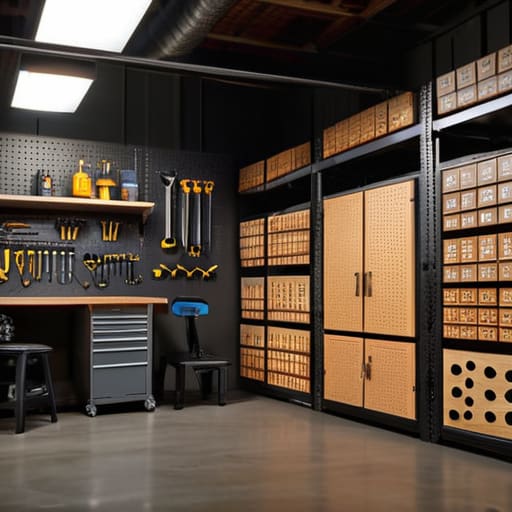
    Once the floor is clear, it’s time to think vertically. This is where you stop treating your garage like a dumping ground and start treating it like a workspace. I’m a huge advocate for wall mounted organizers because they keep your tools accessible without eating into your parking space. If you’re dealing with a tight footprint, look into overhead storage racks for those seasonal items you only need once a year. The goal is to get as much off the floor as possible so you can actually utilize the space you’re paying for.

    Maximizing Small Garage Space With High Yield Storage Layouts
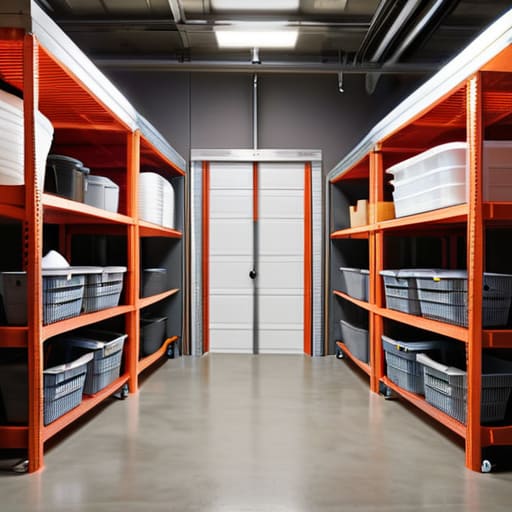
    Maximizing Small Garage Space With High Yield Storage Layouts

    If you’re working with a tight footprint, you have to stop thinking about the floor as your primary real estate. Every square inch of concrete covered by a plastic bin is wasted potential. To truly master maximizing small garage space, you need to look up. I always tell my clients that the ceiling is your best friend; installing overhead storage racks for seasonal items like holiday decor or camping gear clears the floor and instantly makes the room feel larger.

    When you can’t go up, you go vertical. I’m a huge advocate for wall mounted organizers because they keep your high-frequency tools within arm’s reach without creating a tripping hazard. Don’t settle for flimsy plastic shelving that bows under pressure, either. If you’re storing power tools or heavy bins, invest in heavy duty garage storage systems. It might cost a bit more upfront, but it’s a strategic move that prevents the constant cycle of replacing cheap gear and keeps your workflow streamlined. Treat your garage like a high-yield asset, not a junk drawer.

    Stop Wasting Equity: 5 High-Impact Moves to Optimize Your Garage

    • Go Vertical or Go Home: If your floor is covered in stuff, you’re losing money. Invest in heavy-duty slatwalls or industrial shelving units to get everything off the ground and up the walls.
    • Zone Your Chaos: Stop treating the garage like a catch-all junk drawer. Create dedicated zones—one for garden tools, one for automotive gear, and one for seasonal storage—so you aren’t hunting for a screwdriver for twenty minutes.
    • The “One-Year” Purge Rule: I see this on every job site; if you haven’t touched a piece of equipment or a box of “maybe” items in twelve months, it’s not an asset, it’s clutter. Sell it, donate it, or toss it to make room for things that actually matter.
    • Clear Bin Strategy: Stop using opaque cardboard boxes that hide your inventory. Use heavy-duty, clear plastic bins so you can actually see what’s inside without having to dig through a mountain of plastic every time you need a specific tool.
    • Lighting is Everything: You can’t organize what you can’t see. Swap out that single, dim bulb for bright, LED shop lights; it changes the entire vibe from a dark cave to a functional workspace that actually adds perceived value to the property.

    The Bottom Line: Turning Your Garage from a Junk Drawer into an Asset

    Stop viewing your garage as a graveyard for old junk; treat it like a high-value square footage opportunity where every organized inch contributes to your property’s overall market appeal.

    Invest in vertical storage and smart layouts rather than just buying more bins—you want to reclaim your floor space, not just hide the mess under more clutter.

    Focus on high-impact, functional organization that actually works for your lifestyle, because a garage that’s easy to maintain is a garage that stays valuable.

    ## Stop Seeing a Junk Room, Start Seeing Square Footage

    “Most people look at a cluttered garage and see a headache; I look at it and see wasted equity. If you aren’t organizing that space, you’re literally leaving money on the table by letting functional square footage rot under a pile of old cardboard boxes.”

    Gareth Trelawny

    Stop Treating Your Garage Like a Junk Drawer
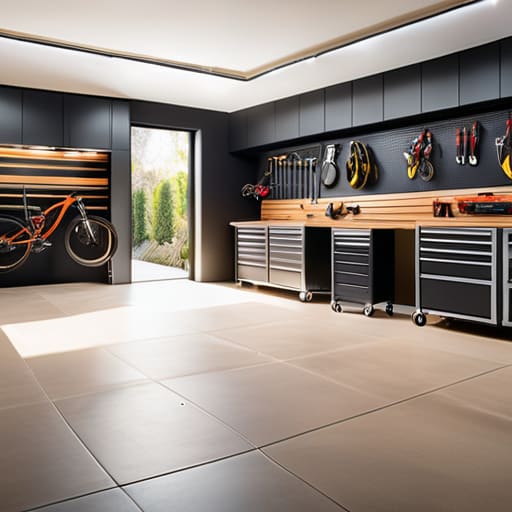
    Stop Treating Your Garage Like a Junk Drawer.

    At the end of the day, organizing your garage isn’t just about finding a place for the lawnmower or making sure your tools aren’t buried under a mountain of cardboard boxes. It’s about strategic spatial management. We’ve covered how to aggressively declutter the dead weight, how to implement high-yield layouts that actually work for your lifestyle, and how to make every single square inch count. If you follow these steps, you aren’t just tidying up; you are reclaiming lost square footage that adds tangible value to your property. Stop looking at that mess as an inevitable part of homeownership and start seeing it as an inefficient use of your most valuable asset.

    I know it feels overwhelming when you first pull that garage door up and see the chaos, but remember that every major renovation starts with a single, messy step. You don’t need a massive budget or a professional crew to transform this space; you just need the discipline to execute a plan. Don’t let another season pass while your potential equity sits buried under clutter. Grab your measuring tape, pick a corner, and start building something better. You have the vision to see what this space could be—now go out there and make it a reality.

    Frequently Asked Questions

    How do I decide which items are worth keeping and which are just taking up valuable square footage?

    Look, I’ve seen it all during a gut rehab: garages filled with “maybe one day” junk that actually eats your equity. Here’s my rule of thumb: if you haven’t touched it in a year and it doesn’t have a specific, high-value utility, it’s gone. Don’t get sentimental over broken tools or old hobby gear. If it isn’t functional or worth more than the space it’s occupying, it’s just dead weight. Toss it or sell it.

    Are there specific storage systems that actually hold up during a heavy renovation, or is it all just aesthetic fluff?

    Look, if you’re planning a renovation, don’t waste a dime on those flimsy plastic bin systems you see at big-box stores. They’re aesthetic fluff and they’ll crack the moment you toss a heavy power tool in them. I swear by heavy-duty, wall-mounted steel slatwall systems or industrial metal shelving. You want gear that can handle the dust, the impact, and the chaos of a job site without buckling. Build for utility, not just for the ‘gram.

    What’s the most cost-effective way to add vertical storage without blowing my entire renovation budget?

    If you’re looking to maximize your ROI without draining your rehab budget, skip the high-end custom cabinetry. That’s a money pit. Instead, go for heavy-duty industrial metal shelving or a wall-mounted slatwall system. You can grab sturdy steel racks at a hardware store for a fraction of the cost of built-ins. It’s all about utilizing that vertical real estate to clear the floor, making the space feel larger and significantly increasing the property’s perceived value.
  • Maximizing Your Renovation Roi

    Maximizing Your Renovation Roi

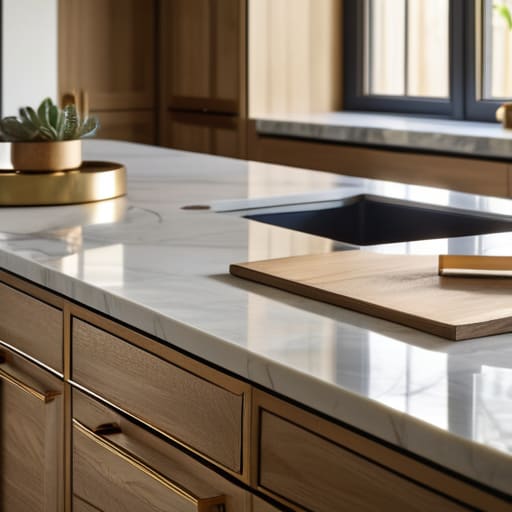
    I was standing in a gutted mid-century bungalow last Tuesday, knee-deep in sawdust and smelling nothing but stale drywall dust, when I realized something: most people are absolutely throwing money away on their flips. I see it all the time on HGTV—people ripping out perfectly good bones to install $20,000 marble countertops that won’t actually move the needle on the appraisal. They’re chasing aesthetics when they should be chasing renovation roi. If you’re spending your capital on vanity projects instead of high-impact structural or functional upgrades, you aren’t investing; you’re just decorating a very expensive mistake.

    I’m not here to give you a polished, theoretical lecture on interior design trends. I’m here to show you how to look at a dilapidated kitchen and see exactly where the profit margins are hiding. Over the next few sections, I’m going to strip away the fluff and give you the hard truth about which upgrades actually build equity and which ones are just expensive distractions. We’re going to focus on strategic, high-yield rehabs that turn crumbling walls into real, tangible wealth.

    Table of Contents

    Highest Return on Investment Home Improvements for Beginners

    Highest Return on Investment Home Improvements for Beginners

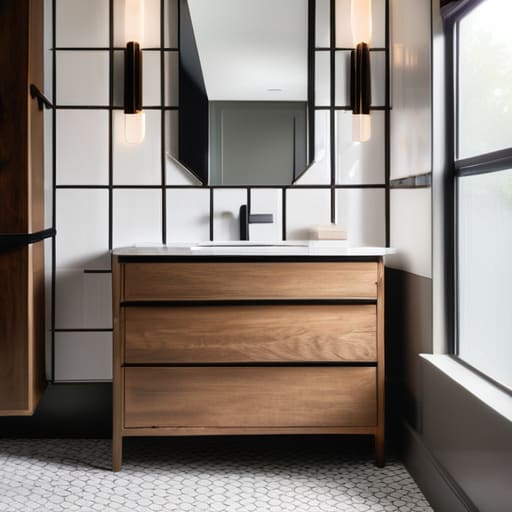
    If you’re just starting out, don’t go chasing a total gut renovation on day one. You’ll bleed cash before you even see a dime of profit. Instead, focus on the heavy hitters. For most beginners, the highest return on investment home improvements fall into two categories: the kitchen and the master bath. I always tell my clients to look at the bones. You don’t need custom Italian marble to see a massive bathroom renovation impact on resale; sometimes, it’s just about swapping out dated vanities, updating the hardware, and installing a modern, neutral tile.

    The kitchen is where the real magic happens, but you have to be smart about the math. I spend a lot of time analyzing kitchen remodeling cost vs value before I ever sign a contract. If you’re overspending on high-end appliances that the local market won’t pay a premium for, you’re just burning your margin. My rule of thumb? Aim for cost-effective home upgrades like painting cabinets, upgrading light fixtures, and installing quartz countertops. These changes give that “wow” factor without the soul-crushing price tag of a full structural overhaul.

    Cost Effective Home Upgrades That Actually Move the Needle

    Cost Effective Home Upgrades That Actually Move the Needle

    If you aren’t ready to gut a whole kitchen, don’t panic. You don’t always need a massive budget to see a real shift in property value. Sometimes, the smartest move is focusing on the “facelift” approach. I’m talking about swapping out dated, brass hardware for matte black fixtures or replacing those chunky, old-school laminate countertops with something sleeker like quartz. These are cost-effective home upgrades that change the entire vibe of a room without the massive headache of a full demolition. When I’m walking a site, I’m looking for those small, high-impact visual wins that make a buyer feel like they’re walking into a modern home rather than a time capsule.

    Don’t overlook the power of lighting and paint, either. A fresh, neutral color palette can instantly make a cramped space feel airy and expensive. It’s one of the most underrated property value enhancement strategies in my toolkit. By upgrading to recessed lighting or adding statement pendants, you’re not just brightening a room; you’re directing the eye to the features you want to sell. It’s about working smarter, not harder, to ensure every dollar you spend is actively building your equity.

    My Golden Rules for Protecting Your Profit Margins

    • Stop chasing “luxury” and start chasing “necessity.” I’ve seen too many rookie investors blow their budget on high-end marble countertops when the real issue is a leaky roof or outdated electrical. Buyers will forgive a lack of gold fixtures, but they won’t forgive a house that feels unsafe or broken.
    • The “Neutral Base” strategy is your best friend. I love my bold mid-century pieces as much as the next person, but when I’m flipping, I keep the bones neutral. You want the potential buyer to see their own life in the space, not feel like they’re walking into one of my personal design mood boards.
    • Never underestimate the power of a fresh coat of paint and decent lighting. It’s the cheapest way to mask a mediocre floor plan. If a room feels dark and cramped, don’t tear down a load-bearing wall immediately—swap out the old yellowing fixtures for something clean and bright. It changes the entire vibe for a fraction of the cost.
    • Focus on the “First Impression” zones. The entryway and the kitchen are where the emotional sale happens. If the front door looks tired or the kitchen feels cluttered and dated, the buyer’s brain starts calculating the cost of repairs before they’ve even seen the master suite. Win them over in the first thirty seconds.
    • Always, always budget for the “Oh Sh*t” factor. I keep my laser measurer in my bag, but I keep a contingency fund in my bank account for a reason. Once you peel back those old layers of wallpaper or rip up a floor, you’re going to find something you didn’t expect. If you don’t have a 10-15% buffer, you aren’t investing; you’re gambling.

    The Bottom Line: Don't Overbuild, Just Optimize

    Focus on the “bones” and the basics—investing in high-impact areas like kitchens and bathrooms will always beat a high-end custom build that pushes your property past its neighborhood ceiling.

    Stop chasing perfection and start chasing profit; sometimes a fresh coat of paint and some smart mid-century styling can do more for your equity than an expensive, unnecessary structural overhaul.

    Always keep your laser measurer and your budget close—knowing exactly what you’re working with prevents the “scope creep” that turns a profitable flip into a money pit.

    The Golden Rule of the Flip

    Stop chasing vanity upgrades that look pretty in a catalog; if a renovation doesn’t solve a structural headache or fix a functional flaw, you’re just spending money to decorate your losses. Real equity is built in the guts of the house, not the gold plating on the faucets.

    Gareth Trelawny

    The Bottom Line on Building Equity

    The Bottom Line on Building Equity.

    At the end of the day, maximizing your renovation ROI isn’t about throwing money at every shiny new fixture you see on Pinterest. It’s about being strategic. We’ve talked about how high-impact updates like fresh paint, updated lighting, and smart kitchen refreshes can do the heavy lifting without draining your entire contingency fund. Remember, the goal is to focus on the functional and aesthetic essentials that buyers actually care about. If an upgrade doesn’t clearly add value to the property or solve a glaring problem, leave it alone. Keep your eye on the budget, stay disciplined with your contractor, and always, always measure twice and cut once.

    I know that looking at a gutted kitchen or a cracked floor can feel overwhelming, but don’t let the chaos shake your confidence. Every fixer-upper I’ve ever flipped started out looking like a disaster zone, but that’s exactly where the profit lives. You aren’t just buying a house; you are buying the opportunity to create value where others only see decay. If you have the grit to manage the mess and the vision to see past the peeling wallpaper, you will find that wealth is built one renovation at a time. Now, grab your laser measurer and get to work.

    Frequently Asked Questions

    How do I know if I'm over-improving for the neighborhood and killing my potential profit margin?

    Look at the comps—and I mean really look at them. If every house on the block is selling with butcher block counters and you’re installing Calacatta marble, you’re bleeding money. You aren’t “adding value”; you’re just subsidizing your own hobby. Before you swing a hammer, find the neighborhood ceiling. Your goal is to be the best house on the street, not a mansion in a bungalow zone. Don’t overbuild; just outshine.

    Is it actually worth spending the extra cash on high-end finishes, or should I stick to the basics to keep my margins safe?

    Look, I’ve seen too many investors blow their margins trying to turn a flip into a luxury showroom. Here’s the truth: don’t chase high-end finishes just for the sake of vanity. Stick to high-quality basics that feel durable and clean. If you’re going to splurge, do it on “touchpoints”—the things buyers actually feel, like solid hardware or a sleek faucet. Keep the rest standard; your profit margin will thank you.

    When a renovation goes sideways and the budget starts creeping up, how do I decide which upgrades to cut without tanking the resale value?

    When the budget starts bleeding, you have to play defense. My rule is simple: never cut the “bones” or the “function.” If you compromise on the HVAC, the roof, or the electrical, you’re just building a ticking time bomb that will kill your resale value. Instead, trim the fat on the aesthetics. Swap the custom marble for a high-end quartz, or ditch the designer lighting for something more standard. Save the equity, not the ego.

  • How to Stage a House for Sale

    How to Stage a House for Sale

    I remember standing in the middle of a dusty, gutted living room in East London, clutching my laser measurer and staring at a pile of discarded drywall. A client had just spent five figures on a high-end staging company, thinking they could mask the structural bones of the property with expensive velvet sofas and overpriced art. It was a total waste of capital. They were treating staging a house like a luxury fashion show rather than a strategic financial move. If you’re trying to build real equity, you don’t need a showroom; you need a way to show buyers how they’re going to actually live in the space without breaking your budget.

    I’m not here to sell you on the idea that you need a designer’s full catalog to get a deal done. My goal is to give you the straight talk on how to maximize your ROI through smart, intentional placement. I’ll show you how to strip away the clutter and use design to highlight the potential that’s hiding behind those dated walls. We’re going to focus on the high-impact, low-cost tactics that turn a “fixer-upper” into a must-have asset.

    Table of Contents

    Decluttering for Home Sales Clearing the Path to Profit

    Decluttering for Home Sales Clearing the Path to Profit

    Before you even think about picking up a paintbrush or calling in professional home staging services, you need to get ruthless with your belongings. I’ve seen too many investors blow their margins because they tried to stage a house that was still overflowing with the previous owner’s junk. You aren’t just cleaning; you are decluttering for home sales to create a sense of scale. When every surface is covered in knick-knacks, rooms feel smaller and cramped. I want potential buyers to walk into a space and feel like they can breathe, not feel like they’re intruding on someone else’s cluttered life.

    My rule of thumb? If it doesn’t serve a functional purpose or contribute to a clean, intentional aesthetic, it goes into a storage unit or the donation bin. By stripping the rooms down to their essentials, you’re actually enhancing natural lighting by removing the visual obstacles that block the sun. This creates that open, airy vibe that makes people start mentally moving their own furniture in. You have to clear the physical noise so the true potential of the layout can finally shine through.

    Enhancing Natural Lighting to Reveal Hidden Potential

    Enhancing Natural Lighting to Reveal Hidden Potential

    Once you’ve cleared the junk out of the way, the next thing I look at is how light moves through a room. Shadows are the enemy of a good flip; they make spaces feel cramped and, frankly, depressing. When I’m walking through a potential acquisition, I’m looking for ways of enhancing natural lighting to make those small, dark rooms feel expansive. If a room feels like a cave, don’t just reach for a lamp—think about the windows. I always recommend stripping away heavy, dated drapes and replacing them with sheer fabrics that let the sun actually do its job.

    Lighting isn’t just about brightness, though; it’s about creating an emotional connection with buyers. You want them to walk into a room and feel an immediate sense of warmth and openness. If you’re dealing with a particularly dim space, consider swapping out old, amber-tinted bulbs for something that mimics daylight. It’s a small, low-cost tweak that can make a massive difference in how the square footage is perceived. When the light hits the right angles, the buyer isn’t just seeing a room; they’re seeing their future home.

    Beyond the Surface: 5 Strategic Staging Moves to Maximize Your ROI

    • Neutralize the palette to let the bones shine. I’ve seen too many sellers cling to their “personality” colors, but if you want a buyer to see themselves living there, you need to swap those bold accent walls for soft, sophisticated neutrals that act as a blank canvas.
    • Focus on the “flow” rather than just the furniture. It’s not about how much stuff you can fit in a room; it’s about how the space moves. Arrange your pieces to create clear walkways and functional zones so buyers can intuitively sense the layout’s potential.
    • Invest in high-impact, low-cost sensory details. A house shouldn’t just look good; it should feel intentional. Fresh, high-quality towels in the bathroom or a subtle, clean scent can make a renovated space feel premium without breaking your rehab budget.
    • Highlight the architectural “wins” with strategic placement. If you’ve spent weeks fixing up original crown molding or a beautiful fireplace, don’t bury them behind a massive bookshelf. Position your furniture to frame these features, not hide them.
    • Use “lifestyle staging” to tell a story, not just fill a room. Instead of a cluttered dining table, set a single, elegant place setting. You aren’t just selling a house; you’re selling the idea of a life lived in a beautiful, well-organized space.

    The Bottom Line: Turning Presentation into Profit

    Stop treating staging like a decoration project; treat it like an investment strategy designed to maximize your exit price.

    Focus on the high-impact, low-cost wins—like light and space—to make sure buyers see the potential rather than the flaws.

    Remember that every piece of clutter you remove is a way to let the property’s actual square footage and value breathe.

    The Real Goal of Staging

    Staging isn’t about making a house look pretty for a magazine spread; it’s about stripping away the visual noise so a buyer can actually see the equity hiding behind those dated walls.

    Gareth Trelawny

    The Bottom Line on Staging for Profit

    The Bottom Line on Staging for Profit.

    At the end of the day, staging isn’t about making a house look “pretty” for a magazine spread; it’s about strategic asset management. We’ve talked about how clearing out the clutter removes the visual noise that distracts buyers, and how maximizing natural light can make a cramped room feel like a premium space. When you combine these elements, you aren’t just decorating—you are removing the friction between a potential buyer and their decision to make an offer. Every intentional choice you make, from the way the light hits the floorboards to the amount of breathing room in the hallway, is designed to protect your margins and ensure that the equity you’ve worked so hard to build doesn’t walk out the door with a low-ball offer.

    I know that when you’re staring at a renovation budget that’s bleeding red, spending extra on staging can feel like a luxury you can’t afford. But trust me, I’ve seen more deals fall through because of poor presentation than because of structural issues. Don’t view this as an extra expense; view it as your final tool for extraction. You’ve done the hard work of fixing the bones and the guts of the property. Now, it’s time to show the world why this house is worth every single cent of your asking price. Get in there, clear the path, and go get your profit.

    Frequently Asked Questions

    Is it actually worth spending money on professional staging if I'm on a tight budget for the renovation?

    Look, if your budget is razor-thin, don’t go dropping thousands on a full-service staging firm. That’s a quick way to drain your contingency fund. Instead, think like an investor: focus on “micro-staging.” Grab a few key pieces from your thrift finds—a mid-century credenza here, a sculptural lamp there—to anchor the rooms. You aren’t buying luxury; you’re buying visual cues that help buyers see the lifestyle, not just the empty, echoing floorboards.

    How do I figure out which pieces of my own furniture to keep and which ones are just cluttering up the sale?

    Look at your furniture through the lens of square footage, not sentiment. If a piece is oversized, heavily patterned, or screams “my personality,” it’s working against you. I always tell my clients: if it doesn’t help a buyer visualize themselves living in the space, it’s just noise. Keep the clean, neutral staples that define a room’s function, and move the rest to storage. Don’t let your favorite velvet armchair shrink a living room.

    At what point in the rehab process should I actually start the staging process to maximize my ROI?

    Don’t even think about staging until the dust has settled and the heavy lifting is done. You want your painters, floor refinishers, and contractors out of the house before a single mid-century chair arrives. Staging is your final, high-impact move to bridge the gap between a “renovation” and a “home.” If you bring in furniture while there’s still drywall dust in the air, you’re just risking damage and wasting precious time.

  • How to Perform Real Estate Market Analysis

    How to Perform Real Estate Market Analysis

    I was standing in a damp, half-finished basement last Tuesday, the smell of mildew heavy in the air, when I realized most people are looking at real estate all wrong. They’re staring at shiny spreadsheets and paying consultants thousands of dollars for a “professional” real estate market analysis that’s nothing more than recycled data and wishful thinking. Honestly? You can’t find the soul of a neighborhood—or its true profit potential—by staring at a glowing screen in a climate-controlled office. You find it by walking the streets, noticing the new coffee shop popping up on a corner, and seeing which houses are being gutted for renovations while others sit stagnant.

    I’m not here to feed you the polished, sanitized version of investing that you see on HGTV. My goal is to give you the unfiltered truth about how to actually read a market using grit and intuition rather than just expensive software. I’m going to show you how to spot the subtle shifts in a neighborhood before the big players do, so you can stop guessing and start building real equity from the ground up.

    Table of Contents

    Decoding the Real Estate Cyclicality of Distressed Assets

    Decoding the Real Estate Cyclicality of Distressed Assets.

    When you’re looking at a distressed property, you aren’t just looking at a house; you’re looking at a snapshot of a much larger economic engine. Understanding real estate cyclicality is what separates the professionals from the hobbyists who get wiped out during a downturn. Most people panic when they see headlines about rising costs, but I see those shifts as signals. When the market swings, the distressed assets—the ones with the peeling paint and the outdated layouts—often become the most resilient because they offer a built-in margin of safety that turnkey homes simply don’t have.

    You can’t just rely on gut feeling, though. I always dive into a deep comparable sales analysis to see how similar fixer-uppers in the area have performed over the last few cycles. I’m looking for patterns in how quickly properties move and how much value is being recovered post-renovation. If you can time your rehab to hit just as the market begins its next upswing, you aren’t just flipping a house; you are strategically capturing equity that others are too afraid to touch.

    Reading Between the Lines of Housing Inventory Levels

    Reading Between the Lines of Housing Inventory Levels

    When I’m walking through a neighborhood that’s clearly due for a facelift, I’m not just looking at the houses; I’m looking at the empty signs. Most people see low housing inventory levels and panic, thinking the market is too tight to move. But for a flipper, that scarcity is a signal. It means that when I finally finish a high-quality rehab, I won’t be sitting on the sidelines waiting for a buyer to wander by. I’ll have a captive audience.

    However, you can’t just rely on gut feeling. I always dive into a comparable sales analysis to see how long those few available homes are actually sitting on the market. If the houses are moving fast, even with the current mortgage interest rate impact weighing on buyers’ minds, it tells me the demand is resilient. You want to find those pockets where supply is thin but the local demand is hungry. That’s where the real equity is hiding—in the gap between what’s available and what people actually need.

    My Cheat Sheet for Reading the Market Before You Sign the Contract

    • Stop obsessing over national headlines and start looking at your specific zip code; a booming national market means nothing if your local inventory is stagnant and overpriced.
    • Watch the “Days on Market” metric like a hawk to gauge buyer urgency—if houses are sitting for sixty days instead of ten, you’ve lost your leverage to negotiate a deep discount.
    • Don’t just look at what houses are selling for, look at what they aren’t selling for; the properties with stale listings are often where the real equity is hiding if you’re willing to do the work.
    • Keep a close eye on local zoning changes and upcoming infrastructure projects, because a new transit line or a commercial rezoning can turn a mediocre fixer-upper into a goldmine overnight.
    • Always factor in the “renovation premium” by comparing distressed sale prices to the ceiling of renovated homes in the area; if the math doesn’t leave room for a profit margin after my contractor’s bill, I walk away.

    The Bottom Line: Turning Data into Equity

    Stop obsessing over the national headlines and start looking at local inventory; a low supply in a specific zip code is a much better indicator of your next flip than some vague federal report.

    Don’t let market volatility freeze you up; distressed assets often hit their stride during cyclical shifts, meaning the “messy” periods are actually your best opportunities to grab undervalued property.

    Success in this game isn’t about timing the market perfectly, it’s about having the vision to see the equity hiding behind the high interest rates and the outdated layouts that scare everyone else away.

    ## Data vs. Dirt

    “Most people get paralyzed by spreadsheets and macro-economic forecasts, but real market analysis isn’t just about studying graphs; it’s about looking at a distressed property and seeing the equity that everyone else is too intimidated to touch.”

    Gareth Trelawny

    The Bottom Line on Market Strategy

    The Bottom Line on Market Strategy analysis.

    At the end of the day, analyzing the market isn’t about staring at spreadsheets until your eyes bleed; it’s about connecting the dots between high-level cycles and the actual grit of the street. We’ve looked at how distressed assets move through economic cycles and how inventory levels dictate your negotiating power, but remember that data is just a tool. You have to combine those macro trends with a boots-on-the-ground perspective to see where the real opportunity lies. If you can understand the rhythm of the market and the supply constraints currently shaping it, you won’t just be reacting to changes—you’ll be anticipating the next move before the rest of the crowd even realizes the tide has turned.

    Don’t let the complexity of market analysis paralyze you. It’s easy to get lost in the noise of interest rates and inflation reports, but the most successful investors I know are the ones who stay focused on the fundamentals of value. Real estate is messy, unpredictable, and occasionally frustrating, but that is exactly where the profit lives. Stop waiting for the “perfect” market conditions to arrive, because they rarely do. Instead, sharpen your eye, trust your research, and start looking for that hidden equity waiting behind the next crumbling wall. Build your future one renovation at a time.

    Frequently Asked Questions

    How do I tell the difference between a temporary market dip and a long-term crash before I sink my capital into a renovation?

    Look at the fundamentals, not the headlines. A temporary dip is a correction—prices wobble, but demand stays steady and people are still moving for jobs. A crash is different; that’s when inventory explodes and unemployment spikes. If I’m looking at a fixer-upper, I check the absorption rate. If houses are still moving, even if slower, I’m buying. I don’t fear a dip; I hunt for the equity it creates.

    When looking at low inventory numbers, how do I know if it's a genuine opportunity for me or just a sign that the market is too overpriced to enter?

    Look, low inventory is a double-edged sword. If you’re just looking at the sticker price, you’ll get spooked. But here’s my rule: stop looking at the “sold” prices and start looking at the “days on market” versus the “list price.” If houses are sitting but still fetching high prices, the market is overheated. But if inventory is low and things are moving fast, look for the outliers—the neglected properties that need sweat equity to bridge that price gap.

    What specific red flags should I look for in local market data that suggest a neighborhood is actually declining rather than just needing a little TLC?

    Watch the turnover rate and the “days on market” closely. If houses are sitting for months and selling significantly below list price, that’s a warning sign. But the real kicker? Look at the permits. If you see a sudden drop in building permits or a surge in code violations rather than renovation filings, the neighborhood isn’t just aging—it’s stagnating. Don’t mistake a lack of investment for a bargain; sometimes, the rot goes deeper than the drywall.

  • Managing Major Structural Repairs in Investment Properties

    Managing Major Structural Repairs in Investment Properties

    I still remember the smell of damp earth and old sawdust from my first solo flip—a tiny bungalow that looked like it was held together by nothing but prayer and peeling wallpaper. I was standing in the basement, my laser measurer gripped tight in my hand, staring at a foundation crack that looked wide enough to swallow my entire career. Most “experts” would have looked at those structural repairs and told me to run for the hills, quoting astronomical quotes just to scare a novice. But I didn’t see a disaster; I saw a math problem waiting to be solved.

    I’m not here to give you the polished, sanitized version of real estate you see on HGTV. I’m here to tell you that while structural repairs can feel like a punch to the gut, they are actually the most direct path to building real, tangible equity. I’m going to walk you through the grit of identifying what’s truly broken versus what’s just cosmetic, so you can stop fearing the heavy lifting and start mastering the mechanics of a profitable renovation.

    Table of Contents

    Spotting the Signs of Foundation Settling Early

    Spotting the Signs of Foundation Settling Early.

    When I’m walking through a potential flip, I’m not just looking at the backsplash or the crown molding; I’m looking at the bones. One of the biggest red flags I watch for is the subtle, creeping evidence of signs of foundation settling. You might notice it first in the way a door sticks in its frame or if you spot tiny, diagonal cracks snaking up from the corners of window casings. It’s easy to dismiss these as “old house quirks,” but if you aren’t careful, those little cracks can turn into a massive capital drain that eats your entire profit margin.

    Another thing that always sets off my internal alarm is a floor that feels just a bit off underfoot. If you’re walking through a room and feel a slight dip, you might be looking at the early stages of remedying sagging floors later on. I always tell my clients: don’t ignore a slope. If the floor isn’t level, the house is trying to tell you something. Catching these shifts early—before they compromise the actual stability of the build—is the difference between a profitable rehab and a total money pit.

    The Vital Home Structural Integrity Assessment

    The Vital Home Structural Integrity Assessment.

    Once you’ve identified those initial red flags, you need to stop guessing and start investigating. I’ve learned the hard way that trying to “eye-ball” a load-bearing issue is a fast track to a money pit. This is where a formal home structural integrity assessment becomes your best friend. You aren’t just looking for cosmetic cracks; you’re looking for the skeletal truth of the house. I always tell my clients that skipping this step is like trying to perform surgery without an X-ray—you might think you’re fixing a minor issue, but you’re actually just masking a disaster.

    If the assessment uncovers something serious, don’t panic, but do get professional. At this stage, I never DIY a fix. I immediately call in for a structural engineer consultation to get a definitive scope of work. Whether we are looking at remedying sagging floors in a Victorian or reinforcing a basement wall, you need a blueprint that guarantees safety and long-term value. My goal isn’t just to make the house look pretty for a quick flip; it’s about ensuring every dollar I sink into the foundation is backed by rigorous engineering standards.

    My Non-Negotiable Rules for Tackling Structural Repairs

    • Never, and I mean never, DIY a structural fix just to save a few bucks; call in a licensed structural engineer before you even think about picking up a sledgehammer.
    • Budget for the “unknown unknowns” by setting aside a 15% contingency fund specifically for structural surprises that inevitably hide behind drywall.
    • Prioritize the bones over the aesthetics; a gorgeous marble backsplash won’t mean a thing if your floor is sloping toward the kitchen sink.
    • Document every single repair with photos and professional reports, because that paper trail is what turns a “fixer-upper” into a high-value asset during a resale.
    • Watch your moisture levels like a hawk, because most structural nightmares start with a simple, neglected leak that’s been rotting your joists for years.

    The Bottom Line on Structural Stability

    Don’t panic when you see a crack; learn to distinguish between cosmetic settling and a structural red flag that will actually eat your profit margins.

    Always budget for a professional inspection early in the due diligence phase—it’s much cheaper to walk away from a money pit than to try and fix a sinking foundation mid-renovation.

    Treat structural repairs as an investment in equity, not just a cost, because a rock-solid boneset is what ultimately secures your ROI and protects your buyer’s long-term value.

    The Real Cost of Ignoring the Bones

    “A fresh coat of paint can hide a multitude of sins, but it’ll never fix a failing foundation. I’d rather spend my budget on reinforcing the bones of a house today than watching my equity sink into a cracked basement tomorrow.”

    Gareth Trelawny

    Turning Structural Setbacks into Strategic Wins

    Turning Structural Setbacks into Strategic Wins.

    At the end of the day, mastering structural repairs isn’t about being a master carpenter; it’s about being a master of observation. We’ve covered how to spot those subtle foundation shifts before they become catastrophic, and why you should never, ever skip a professional integrity assessment. Remember, those cracks in the plaster or the uneven door frames are just data points telling you the story of the house. If you can learn to read those signals and approach them with a calculated, pragmatic plan rather than panic, you’re already ahead of most amateur flippers. Don’t let a messy basement or a sloping floor derail your vision; instead, treat these issues as the necessary groundwork for the equity you’re about to build.

    I know it can feel overwhelming when you’re standing in a room that looks like it’s slowly folding in on itself, but that’s exactly where the profit lives. The most lucrative opportunities aren’t found in pristine, move-in-ready estates; they are hidden behind the peeling paint and the sagging joists of properties that others were too intimidated to touch. Stay disciplined, keep your laser measurer handy, and trust your eye for potential. Building a real estate portfolio is a marathon, not a sprint, and every structural hurdle you clear is just another brick in your path toward generational wealth. Now, get out there and go find your next project.

    Frequently Asked Questions

    How do I tell the difference between a cosmetic crack in the drywall and a serious foundation issue that’s going to eat my entire renovation budget?

    Look, I’ve been there—staring at a crack in a fixer-upper and wondering if I’m looking at a cheap patch job or a financial nightmare. Here’s the rule of thumb: if it’s a hairline crack in the drywall, it’s usually just the house settling and nothing to sweat. But if that crack is diagonal, wider than a nickel, or if you see it traveling through the masonry or door frames, stop everything. That’s not cosmetic; that’s a budget-killer.

    At what point does a structural repair stop being a "fixer-upper opportunity" and start becoming a money pit that kills my ROI?

    It stops being an opportunity the second the math stops working. I look at it through a cold, hard lens: if the cost of the structural stabilization—plus the necessary cosmetic repairs—eats up more than 30% of your projected profit margin, walk away. When you’re fighting a sinking foundation and a failing roof and outdated electrical, you aren’t flipping a house anymore; you’re just subsidizing a contractor’s lifestyle. Protect your equity.

    When I'm walking through a potential property, should I be looking for a structural engineer immediately, or can I trust my own eye for the initial assessment?

    Trust your eyes for the initial walk-through, but don’t mistake a gut feeling for a professional diagnosis. Use your eyes to spot the red flags—stair-step cracks in brickwork, doors that won’t latch, or sloping floors. That’s your triage phase. However, the moment you see something that looks like more than just “character,” call in a structural engineer. I’ve seen too many investors lose their shirts because they tried to eyeball a foundation issue they should have outsourced.

  • An Introduction to Residential Real Estate Investing

    An Introduction to Residential Real Estate Investing

    I still remember the smell of damp drywall and old sawdust from my first solo project—a tiny, gutted bungalow that most people wouldn’t have looked at twice. While the “gurus” on social media were busy preaching about passive income and effortless wealth, I was on my hands and knees, scraping layers of outdated wallpaper and wondering if I’d made a massive mistake. That’s the dirty secret nobody tells you: successful residential real estate investing isn’t about clicking a button on an app; it’s about having the grit to handle the mess when things inevitably go sideways on a job site.

    I’m not here to sell you a dream of overnight riches or some complicated mathematical formula that only works in a perfect market. Instead, I’m going to give you the unvarnished truth about how I turn neglected fixer-uppers into profitable assets. We are going to talk about finding the bones, managing the chaos of a renovation, and building genuine equity through sweat equity and smart design. If you’re ready to stop chasing hype and start building a real portfolio, let’s get to work.

    Table of Contents

    Cracking the Code Cash Flow Analysis for Beginners

    Cracking the Code Cash Flow Analysis for Beginners

    Look, I’ve seen plenty of people fall in love with a gorgeous mid-century layout only to realize they’ve actually bought themselves a second job that pays zero dollars. Before you even think about picking up a sledgehammer, you have to get comfortable with the math. Performing a proper cash flow analysis for beginners isn’t about being a math whiz; it’s about being brutally honest with your spreadsheet. You need to subtract every single line item—mortgage, taxes, insurance, and that inevitable leaky faucet—from your monthly rent. If the number left over doesn’t make you smile, walk away.

    One mistake I see all the time is getting caught up in the hype of property appreciation vs cash flow. While I love the idea of a house gaining value over a decade, you can’t pay your contractors with “potential” gains. You need liquid cash hitting your account every month to keep the engine running. Whether you’re weighing the pros of a single family home vs multi-family unit, the goal remains the same: ensure the property pays for itself and then some.

    Single Family Home vs Multi Family Finding Your Entry Point

    Single Family Home vs Multi Family Finding Your Entry Point

    When you’re staring at a listing, the first big fork in the road is usually the single family home vs multi-family debate. Personally, I love a single-family fixer-upper because the renovation scope is contained; you aren’t dealing with shared walls or a neighbor complaining about your sledgehammer at 7:00 AM. These properties are fantastic for long-term property appreciation vs cash flow plays, especially in neighborhoods where families are desperate for space. If your goal is to flip a house and move on to the next project, a single-family home is often your cleanest bet.

    On the flip side, if you’re looking to stabilize your monthly income, multi-family units are where the magic happens. You’re essentially running a small business with multiple revenue streams, which can significantly buffer you against a single vacancy. However, don’t let the higher gross income fool you; you have to be much more rigorous with your real estate ROI calculation to account for the increased wear and tear. While the upfront cost might sting, the ability to scale your portfolio using multiple doors is how you truly start building that generational wealth.

    Five Rules for Not Losing Your Shirt in a Renovation

    • Look past the ugly wallpaper and focus on the bones; a dated kitchen is an easy fix, but a cracked foundation or a sloping roof will bleed your budget dry before you even get to the aesthetic stuff.
    • Always build a “chaos buffer” into your renovation budget—I’m talking at least 15% more than you think you need—because once you tear down a wall, you never know what kind of nightmare is waiting behind it.
    • Don’t fall in love with your design choices; you’re building an asset, not a personal showroom, so choose finishes that appeal to the widest possible buyer demographic rather than your own niche taste.
    • Vet your contractors like they’re your business partners, because a flaky crew doesn’t just delay your timeline—they eat your profit margins every single day they aren’t on-site.
    • Master the art of the “micro-upgrade,” focusing on high-impact, low-cost changes like modern hardware, fresh lighting, and clean paint to maximize your ROI without over-improving the property.

    The Bottom Line: What You Need to Take Away

    Don’t get blinded by a pretty kitchen; run the numbers on cash flow first to ensure the property actually pays you to own it.

    Choose your entry point based on your risk tolerance—single-family homes are easier to manage, but multi-family units offer much better scale.

    Real estate isn’t a get-rich-quick scheme; it’s about finding undervalued assets and having the grit to see the renovation through to the finish line.

    The Real Value in the Mess

    Stop looking for turnkey properties and start looking for potential; the real wealth isn’t found in a pristine living room, it’s hidden behind the outdated wallpaper and the structural issues that scare everyone else away.

    Gareth Trelawny

    The Blueprint for Your Future

    The Blueprint for Your Future in investing.

    At the end of the day, residential real estate investing isn’t about having a magic formula; it’s about understanding the math and knowing where you fit in the market. We’ve walked through the necessity of rigorous cash flow analysis and weighed the pros and cons of single-family versus multi-family units. Whether you are looking to manage a single duplex or scale up to a portfolio of rental homes, the foundation remains the same: you have to know your numbers before you ever pick up a hammer or sign a contract. Don’t let the complexity of a renovation or the intimidation of a mortgage stop you from making your first move.

    Real estate is a marathon, not a sprint, and it’s rarely a clean, pretty process. There will be days when a plumbing leak ruins your weekend or a market shift makes you question your strategy, but that is where the real equity is built. I didn’t build my business by waiting for the perfect, turnkey opportunity; I built it by seeing value where others only saw a mess. Stop waiting for the “right time” or a massive windfall to get started. Grab your tools, trust your eye for potential, and start turning those crumbling walls into your financial freedom.

    Frequently Asked Questions

    How do I figure out if a renovation budget is realistic before I actually pull the trigger on a property?

    Stop guessing and start measuring. I never pull the trigger without a line-item spreadsheet that accounts for the “invisible” costs—the stuff that isn’t just paint and flooring. I call it the 20% rule: once you’ve tallied up your contractor quotes, add a 20% contingency buffer for the surprises waiting behind those old walls. If the math doesn’t work with that buffer included, the deal isn’t a goldmine; it’s a money pit.

    What are the red flags I should look for during a walkthrough that signal a "money pit" rather than a diamond in the rough?

    Look, there’s a massive difference between a house that needs cosmetic love and one that’s going to bleed you dry. If I see water stains on the ceiling or a funky smell in the basement, I’m looking closer at the foundation and the roof. If the electrical panel looks like a bird’s nest or the plumbing is outdated galvanized steel, walk away. Those aren’t “projects”—they’re structural nightmares that will eat your entire profit margin.

    How much of my own cash do I really need to have liquid to start flipping or buying my first rental?

    Look, I’m going to give it to you straight: there is no magic number, but there is a reality check. If you’re looking to flip, you need a much larger cushion for those “oh no” moments—like finding out the electrical is shot mid-demo. For a rental, you might get by with a smaller down payment, but don’t drain your accounts to zero. Always keep a liquid reserve for repairs; nothing kills momentum like being house-rich and cash-poor.

  • Updating Your Home Staircase

    Updating Your Home Staircase

    I still remember standing in the middle of my first fixer-upper, staring up at a mahogany-stained, carpet-covered eyesore that looked like it belonged in a 1980s dentist’s office. My contractor wanted to charge me five figures to rip the whole thing out and start from scratch, claiming a full replacement was the only way to go. I knew better. Most people see a crumbling or dated stairwell and think they need to blow their entire budget on a complete overhaul, but that’s a massive mistake if you’re trying to maximize your ROI. A smart staircase renovation isn’t about tearing down the bones; it’s about identifying which parts are actually worth saving and which parts are just draining your bank account.

    I’m not here to sell you on some overpriced, high-end designer fantasy that won’t actually move the needle on your property value. Instead, I’m going to show you how to approach a staircase renovation with a strategic, investor’s mindset. We’re going to talk about what actually works—from swapping out dated spindles to refinishing treads—so you can stop wasting money and start building real equity.

    Table of Contents

    Replacing Carpet With Wood Stairs for Instant Equity

    Replacing Carpet With Wood Stairs for Instant Equity

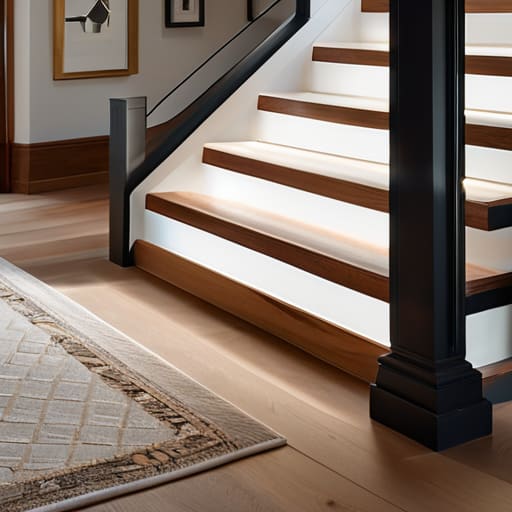
    If you walk into a fixer-upper and see that chunky, beige, wall-to-wall carpet hugging the steps, don’t panic. That’s not a structural failure; it’s a goldmine. Replacing carpet with wood stairs is one of the highest-impact moves you can make when you’re hunting for value. Carpet is a magnet for pet hair, dust, and general grime, and it makes any entryway look dated and claustrophobic. By ripping that old padding up and exposing the bones underneath, you immediately shift the energy of the entire house from “lived-in rental” to “high-end residence.”

    When I’m calculating my margins, I always look closely at staircase material costs versus the projected bump in appraisal. You don’t necessarily need to drop five figures on exotic hardwoods to see a return. Sometimes, a solid engineered oak or even a high-quality laminate can do the trick if you pair it with some sleek, minimalist trim. The goal isn’t just to make it look pretty; it’s about creating a sense of durability and permanence that buyers can actually feel under their feet. It’s about turning a visual eyesore into a centerpiece that screams equity.

    Smart Staircase Safety Upgrades That Dont Sacrifice Style

    Smart Staircase Safety Upgrades That Dont Sacrifice Style

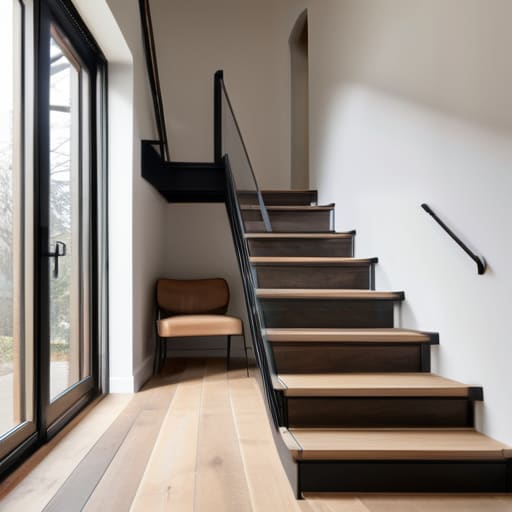
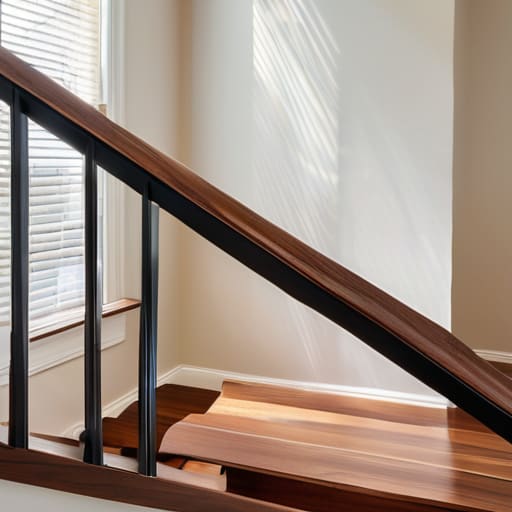
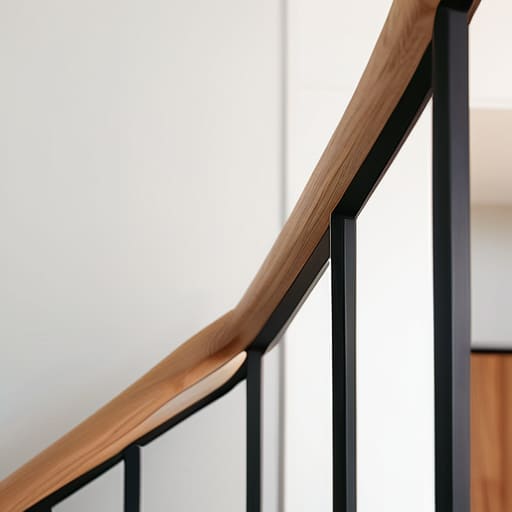
    Safety shouldn’t be an afterthought, but it also shouldn’t look like a high school gymnasium. When I’m walking a job site, I often see homeowners trying to patch up old, wobbly handrails with cheap, hardware-store fixes. That’s a mistake. Instead, look into custom stair railing options like slim black iron spindles or even frameless glass. These aren’t just aesthetic choices; they provide the structural integrity needed to pass inspection while leaning into those modern staircase design ideas that buyers are currently obsessed with.

    If you’re working with a tighter budget, you don’t always need a total overhaul to make a difference. Sometimes, the smartest move is simply refinishing wooden stairs that are structurally sound but look tired and worn. A fresh coat of a high-quality, slip-resistant matte sealer can transform a dingy flight into a focal point. Just remember: never prioritize the “look” over the grip. I’ve seen too many beautiful, high-gloss installs turn into slip-and-fall hazards, and nothing kills your ROI faster than a liability issue during a walkthrough.

    5 High-Impact Moves to Maximize Your Staircase ROI

    • Swap out those generic, builder-grade spindles for something with actual character, like matte black iron or slim oak balusters, to instantly elevate the entire floor plan.
    • Don’t overlook the lighting; ditch the dim, single-bulb overhead and install low-profile LED step lights or a statement pendant to turn a dark transit zone into a focal point.
    • If your handrails feel flimsy or dated, reinforce them with a solid wood rail—it’s a small structural tweak that makes the space feel premium and much more expensive.
    • Use the “dead space” underneath your stairs to create functional value, whether that’s a custom built-in nook or extra storage, rather than letting it become a dusty graveyard for old boxes.
    • Pay attention to the transition points; ensure your new stair treads meet your flooring seamlessly, because nothing kills a high-end renovation vibe faster than a sloppy, uneven gap.

    The Bottom Line on Your Staircase ROI

    Stop viewing a dated staircase as a structural headache; view it as a high-visibility opportunity to swap cheap, worn-out materials for finishes that command a higher asking price.

    Never sacrifice safety for the sake of a “look,” because a beautiful staircase that feels unstable is a liability that will kill your deal during a home inspection.

    Focus your budget on high-impact, tactile upgrades like handrails and treads, because these are the exact details that make a potential buyer feel the quality of the home the moment they walk up.

    ## The ROI of the Stairwell

    “Stop looking at a staircase as just a way to get from point A to point B; start seeing it as a vertical piece of real estate that can either drain your budget or drive your appraisal through the roof.”

    Gareth Trelawny

    Making the Move from Dated to Profitable

    Making the Move from Dated to Profitable.

    At the end of the day, a staircase renovation isn’t just about picking out a prettier handrail or finally ripping up that crusty, stained carpet. It’s about recognizing that these central architectural bones are often the most overlooked value-add opportunities in a house. Whether you’re opting for the high-end look of hardwood treads to boost your resale value or implementing smart, sleek safety upgrades that keep the home functional without looking like a hospital hallway, every choice you make should serve your bottom line. Don’t get bogged down in the minor details; focus on the strategic upgrades that actually move the needle on your appraisal.

    I know that staring at a demo site can feel overwhelming, especially when you’re knee-deep in sawdust and wondering if you’ve bitten off more than you can chew. But remember, I didn’t build my portfolio by avoiding the messy stuff—I built it by leaning into it. Every crumbling spindle or outdated landing is just a chance to manufacture equity where others only see a headache. Grab your laser measurer, stay focused on the math, and get to work. The profit is waiting on the other side of that renovation.

    Frequently Asked Questions

    How much should I actually budget for a full staircase overhaul versus just a cosmetic refresh?

    Look, don’t let a contractor’s quote blindside you. For a cosmetic refresh—think new paint, updated handrails, or swapping out old treads—budget roughly $500 to $2,000 per flight. But if you’re talking a full structural overhaul, like ripping out a dated winding staircase to install something modern, you’re looking at $5,000 to $15,000+. Always keep a 15% contingency fund tucked away; once you pull up those old treads, you never know what’s hiding underneath.

    If I'm working with a tight timeline, can I refinish my existing treads instead of ripping them all out?

    Absolutely. If you’re racing against a closing date or just trying to keep your rehab budget from spiraling, refinishing is your best friend. Ripping out stairs is a massive, time-consuming headache that can throw your whole schedule off. If the underlying structure is solid, just sand them down, patch the gouges, and apply a high-quality stain. It’s faster, cheaper, and still gives you that high-end look that drives up your ROI.

    Are there specific materials or styles that are currently driving the highest ROI in the resale market?

    Right now, it’s all about the “clean” look. If you want the highest ROI, skip the ornate spindles and go for slim, matte black metal balusters paired with wide oak treads. That minimalist, industrial edge is what buyers are hunting for. I also see massive returns on glass railings in modern builds, but for most flips, a simple, high-quality hardwood finish is your safest bet for turning a quick profit.

  • How Property Appreciation Affects Your Investment

    How Property Appreciation Affects Your Investment

    I was standing in a damp, windowless basement last Tuesday, staring at a patch of black mold that looked like it was planning a takeover, when I heard a “guru” on a podcast claim that property appreciation is purely a matter of timing the market. Honestly? It made me want to throw my laser measurer at the wall. People love to talk about market cycles like they’re some mystical force of nature, but they completely ignore the sweat equity that actually drives value. Waiting for the market to do the heavy lifting is a gamble; I’ve always believed that if you want real gains, you have to go out and manufacture your own appreciation through smart, strategic rehabs.

    I’m not here to sell you on some get-rich-quick scheme or feed you polished, corporate jargon about capital improvements. I’m going to show you how to look past the peeling wallpaper and the outdated layouts to see the hidden equity that most buyers are too intimidated to touch. We’re going to talk about the gritty, unglamorous reality of turning a neglected fixer-upper into a high-value asset. If you’re ready to stop waiting for luck and start building real wealth through tangible assets, let’s get to work.

    Table of Contents

    Reading Real Estate Market Trends Like a Pro

    You can’t just walk into a house, fall in love with the crown molding, and hope for the best. That’s how you end up overleveraged and stressed. To actually make money, you have to look past the aesthetics and start analyzing real estate market trends before you even pick up your laser measurer. I spend a lot of my time looking at more than just the house itself; I’m looking at the trajectory of the entire zip code. Is a new coffee shop moving in? Is the local school district improving? These aren’t just lifestyle perks; they are massive drivers of value.

    I always keep a close eye on neighborhood development impact because that’s where the real money is made. If you see a city council approving a new light rail station or a major tech hub relocating nearby, you’ve found your goldmine. You want to buy in the path of progress, not where the party has already ended. It’s about spotting the shift before the rest of the market catches on, ensuring that your renovation efforts are backed by a landscape that is primed for growth.

    Spotting Neighborhood Development Impact Before the Crowd

    Spotting Neighborhood Development Impact Before the Crowd

    If you want to beat the crowd, you have to stop looking at where the coffee shops are now and start looking at where the city planning permits are being filed. I’ve learned that the real money isn’t made in the neighborhoods that are already polished and pristine; it’s made in the ones on the cusp of a transformation. I keep a close eye on municipal announcements regarding new transit lines, public parks, or even just a massive rezoning project. This kind of neighborhood development impact is the ultimate early warning sign. When the city decides to invest in a new light rail station or a walkable downtown corridor, they are essentially handing you a roadmap to future value.

    Don’t just walk the streets; look for the “scars” of progress. I look for boarded-up storefronts that are suddenly being renovated by boutique owners or large-scale commercial developers moving into the area. These are the telltale signs of shifting momentum. Understanding these subtle shifts allows you to calculate a much higher potential investment property ROI because you’re buying in before the hype drives the entry price through the roof. You aren’t just buying a house; you’re buying a stake in the neighborhood’s inevitable evolution.

    My Playbook for Finding Hidden Value

    • Don’t just look at the house; look at the street. I always check if the neighbors are investing in their curb appeal or letting their lawns go to seed. If the surrounding houses are getting fresh paint and new roofs, your property value is riding that wave whether you’re ready or not.
    • Master the art of the “cosmetic win.” You don’t need a six-figure budget to see appreciation. I’ve seen more equity created by swapping out dated 90s oak cabinets for something sleek and minimalist than by doing a full structural overhaul. Focus on the high-impact, low-cost zones like kitchens and bathrooms.
    • Look for “forced appreciation” opportunities that others overlook. Most people run from a property with outdated electrical or funky floor plans, but that’s where I live. If you can knock down a non-load-bearing wall to create an open concept, you aren’t just changing a room—you’re fundamentally changing the home’s value proposition.
    • Keep a close eye on local zoning shifts. I always dig into what the city is planning for the area. If a vacant lot next door is slated to become a high-end coffee shop or a boutique grocery store, you’ve just found a massive appreciation catalyst that isn’t reflected in the current comps.
    • Prioritize “invisible” upgrades that build long-term trust. While a trendy light fixture looks great in photos, upgrading an old HVAC system or fixing a leaky roof builds the kind of structural integrity that keeps resale values high. You want to sell a dream, but you also need to sell a house that won’t fall apart in five years.

    My Cheat Sheet for Finding Value

    Stop chasing the hype; look for the “path of progress” where new infrastructure or retail is actually being built, not just talked about.

    Don’t just look at the house—look at the street. A solid neighborhood foundation can carry a mediocre renovation, but a bad one will sink even the best design.

    Real appreciation isn’t magic; it’s math. Always calculate how much value a specific upgrade (like a kitchen overhaul or adding a bedroom) adds versus what you’re actually spending.

    ## The Real Math of Value

    “Stop looking for the polished houses that are already at their ceiling; if you want real appreciation, you have to find the property that everyone else is walking past because the kitchen is dated and the layout is a mess.”

    Gareth Trelawny

    The Bottom Line on Building Equity

    The Bottom Line on Building Equity.

    At the end of the day, understanding property appreciation isn’t about memorizing complex economic formulas or waiting for a magic signal from Wall Street. It’s about the groundwork we’ve covered: learning to read the subtle shifts in market trends and having the foresight to see where a new coffee shop or a revitalized transit line is going to drive demand before the prices skyrocket. You have to be willing to look past the surface-level aesthetics and analyze the underlying drivers of value. Whether it’s a shift in local zoning or a sudden influx of young professionals into a zip code, the opportunities are there if you know where to point your lens.

    I know it can feel overwhelming when you’re staring at a spreadsheet or a dilapidated property that looks more like a liability than an asset. But remember, the most significant wealth isn’t usually handed out; it’s carved out of the dirt through strategic patience and grit. Don’t let the fear of a messy renovation or a fluctuating market keep you on the sidelines. Every seasoned investor started exactly where you are right now—searching for that first bit of potential. Grab your tools, trust your eye, and start turning those crumbling walls into the foundation of your future.

    Frequently Asked Questions

    How much of my renovation budget should actually go toward upgrades that drive appreciation versus just making the place look pretty?

    Look, I get the temptation to splurge on those designer faucets and custom backsplash tiles, but don’t let “pretty” eat your profit. I follow a strict rule: 70% of your budget goes toward high-ROI structural and functional upgrades—think kitchen layouts, updated electrical, or fixing that damp basement. The remaining 30% is for the cosmetic “wow” factor. If it doesn’t add tangible value to the appraisal, it’s just expensive window dressing.

    At what point does a neighborhood's "up-and-coming" status become too expensive for a first-time flipper to enter?

    The moment your projected profit margin shrinks to the size of a coffee table, you’ve gone too far. If the “up-and-coming” price tag leaves you with no breathing room for a renovation budget or a sudden plumbing disaster, walk away. For a first-time flipper, you need that safety net. Don’t chase the hype into a neighborhood where you’re just paying for someone else’s early entry; wait for the next wave.

    Can I actually manufacture appreciation through design, or am I always at the mercy of the broader market trends?

    You aren’t just at the mercy of the market; you can absolutely force appreciation through smart design. While market trends dictate the ceiling, your renovation sets the floor. I’ve seen properties sit stagnant for years because they felt dated and uninspired. By stripping away the beige carpet and opening up a cramped floor plan, you’re creating value that didn’t exist before. You can’t control the economy, but you can control the equity in your walls.

  • Basic Landscaping for Home Curb Appeal

    Basic Landscaping for Home Curb Appeal

    I remember standing in the mud of my first major flip, staring at a backyard that looked more like a landfill than a living space. The smell of damp earth and rotting cedar was overwhelming, and the local contractors were already quoting me figures that felt like a complete robbery. Most people look at a neglected yard and see a massive headache or a money pit, but when it comes to garden landscaping, I see something entirely different. I see a massive opportunity to manufacture value where others only see weeds and cracked concrete.

    I’m not here to sell you on some overpriced, Pinterest-perfect fantasy that requires a full-time crew to maintain. My goal is to show you how to approach garden landscaping with a strategic investor’s mindset. I’m going to walk you through the grit and the math of transforming an outdoor mess into a high-value asset, focusing on high-impact, low-maintenance upgrades that actually move the needle on your property’s appraisal. We’re going to stop wasting money on fluff and start building real equity through smart, intentional design.

    Table of Contents

    Mastering Landscape Design Principles for Maximum Equity

    Mastering Landscape Design Principles for Maximum Equity

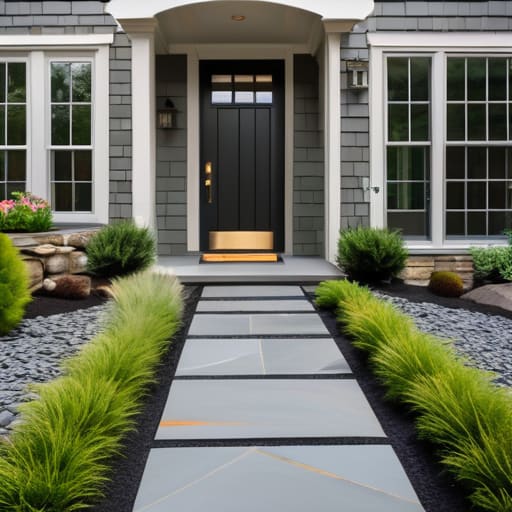
    When you’re looking at a property through an investor’s lens, you have to stop seeing “plants” and start seeing functional square footage. Most rookies make the mistake of focusing solely on the greenery, but if you want to see a real return on investment, you need to master the balance of hardscape vs softscape. I’m talking about creating defined outdoor living spaces—think leveled stone patios or built-in seating areas—that make a buyer feel like they’ve gained an extra room without the cost of a foundation pour.

    Once your bones are set, that’s when you layer in the aesthetics. However, don’t get caught up in high-maintenance floral displays that will just become a liability for the next owner. I always lean toward drought tolerant landscaping because it signals low-maintenance luxury. It’s about choosing hardy, architectural plants that look intentional and expensive, rather than a chaotic mess that requires a professional crew every weekend. If you nail the structural layout first, the greenery becomes the finishing touch that locks in your equity.

    Hardscape vs Softscape Building Foundations That Last

    Hardscape vs Softscape Building Foundations That Last

    When you’re walking a property, you have to stop seeing just “the yard” and start seeing it as a structural blueprint. The most common mistake I see rookie flippers make is diving headfirst into planting flowers before they’ve even considered the bones of the property. Understanding the balance of hardscape vs softscape is what separates a hobbyist from a professional investor. Hardscaping—think stone paths, retaining walls, or a sleek paver patio—is your foundation. It’s the structural element that defines your outdoor living spaces and provides the immediate, high-impact curb appeal that buyers crave.

    Once your hardscape is set, you layer in the softscape. This is where your greenery, shrubs, and trees come into play. But don’t just throw mulch at a problem and call it a day. If you want to avoid a maintenance nightmare that eats into your margins, you need to focus on drought tolerant landscaping and proper plant selection. I’ve seen too many investors sink money into thirsty, high-maintenance gardens that look great for a month but die during the first heatwave. Invest in the structure first, then use the greenery to soften those edges and add the final layer of value.

    Five Strategic Moves to Boost Your Curb Appeal and ROI

    • Prioritize “Low-Maintenance Luxury” by choosing hardy, native perennials; I’ve seen too many investors sink capital into high-maintenance flower beds that look like a graveyard of dead shrubs after one dry summer.
    • Invest in structural lighting to extend your property’s “showing hours”—a well-placed, warm uplight on a specimen tree can make a mediocre backyard feel like a high-end retreat during evening viewings.
    • Create distinct “outdoor rooms” using gravel paths or pavers to define functional zones, because a buyer needs to see exactly where the dining area ends and the relaxation zone begins.
    • Don’t overlook the “green screen” effect; using tall, architectural evergreens to block out a neighbor’s ugly siding or a noisy street can instantly increase the perceived privacy and value of the lot.
    • Focus on the entryway first to nail that immediate psychological impact—a clean, stone-lined path leading to a manicured front garden tells a buyer the rest of the house is likely well-maintained too.

    The Bottom Line: Landscaping for Profit

    Stop thinking about “pretty flowers” and start thinking about “curb appeal ROI”; every plant you put in the ground should serve to frame the house and drive up the perceived value.
    Prioritize high-quality hardscaping over expensive annuals; a well-laid stone path or a solid retaining wall creates permanent equity, whereas a garden bed of seasonal blooms is just a recurring expense.

    Don’t over-engineer the design; you want a landscape that looks intentional and high-end, but isn’t so high-maintenance that it scares away potential buyers who don’t want a full-time gardener.

    ## The Curb Appeal Multiplier

    “Stop looking at a backyard as just a patch of dirt and start seeing it as untapped equity; a well-executed landscape isn’t just about pretty flowers, it’s about structural design that forces a buyer to see the value before they even step through the front door.”

    Gareth Trelawny

    Turning Dirt Into Dollars

    Turning Dirt Into Dollars through landscaping.

    At the end of the day, landscaping isn’t just about picking out pretty flowers or making the neighbors jealous; it’s about strategic asset management. We’ve covered how to balance the structural permanence of hardscaping with the organic appeal of softscaping, and how to apply design principles that actually move the needle on an appraisal. Remember, every stone path you lay and every well-placed perennial you plant should serve a purpose. If a design element doesn’t contribute to the property’s curb appeal or functional flow, it’s just wasted capital. Focus on creating a cohesive, low-maintenance environment that screams high-value potential to anyone walking through that front gate.

    I know the idea of digging in the dirt and managing a yard project can feel overwhelming, especially when you’re already juggling contractor schedules and interior finishes. But don’t let a patch of dead grass or a muddy slope intimidate you. Real estate is about seeing what others miss, and a garden is just another room in the house that happens to be outdoors. If you approach your landscape with the same calculated precision you use for a kitchen remodel, you won’t just be growing plants—you’ll be growing your net worth. Now, grab your gear and get to work; those equity gains aren’t going to build themselves.

    Frequently Asked Questions

    How do I know when to stop spending money on landscaping before it starts eating into my actual renovation budget?

    Look, I’ve seen it happen: you get obsessed with the perfect flagstone pattern and suddenly you’re dipping into the kitchen remodel fund. Stop the moment your landscaping costs threaten your ROI. If a feature doesn’t directly boost curb appeal or increase the property’s perceived value, cut it. Aim for “clean and intentional,” not “botanical garden.” Once the yard looks manicured and the bones are solid, pivot that cash back to the interior where the real equity lives.

    Is it actually worth investing in expensive perennial plants, or should I stick to low-maintenance shrubs to keep my overhead low?

    Look, if you’re playing the long game, perennials are your best friend. Sure, low-maintenance shrubs are an easy win for keeping your immediate overhead low, but they don’t exactly scream “high-end curb appeal.” I like to mix them. Use the hardy shrubs to build your structural foundation, then layer in strategic perennials to add that premium, designer touch. It’s about creating layers of visual interest that justify a higher asking price.

    What are the biggest red flags I should look for in a property's existing yard that might signal massive, hidden drainage or grading issues?

    Watch out for standing water or “spongy” patches of grass; that’s a massive red flag for poor drainage. If the ground slopes toward the foundation instead of away from it, you’re looking at a potential nightmare of basement flooding and structural damage. Also, check for cracks in the retaining walls or sudden dips in the soil. These aren’t just aesthetic flaws—they’re expensive warnings that the grading is failing and your equity is at risk.

  • Decorating Interior Walls With Simple Additions

    Decorating Interior Walls With Simple Additions

    I was standing in the middle of a dusty, gutted living room last Tuesday, staring at a massive expanse of cracked plaster, when I realized how much money people waste on “designer” nonsense. Most people think they need to drop thousands on mass-produced, high-end gallery sets to make a space look finished, but that’s a total lie. In my experience, overpriced wall decor often does more harm than good by making a renovated space feel sterile and uninspired. If you’re just buying whatever is trending on Pinterest to fill a void, you aren’t designing; you’re just cluttering up your equity.

    I’m not here to give you a list of expensive boutiques or tell you to follow every passing fad. Instead, I’m going to show you how to use strategic, intentional pieces to signal to buyers that this house is a high-value asset. We’re going to talk about finding that perfect balance between character and cleanliness, ensuring every piece you hang actually serves a purpose. My goal is to help you use decor to bridge the gap between a construction zone and a curated home, without draining the profit margins you worked so hard to build.

    Table of Contents

    Modern Living Room Wall Art That Signals Sophistication

    Modern Living Room Wall Art That Signals Sophistication

    When I’m walking through a property I’ve just acquired, the living room is usually where I decide if the “bones” can actually support a premium asking price. If you want to move beyond the basic “builder grade” look, you have to stop thinking about art as an afterthought and start seeing it as a tool for value. For high-end flips, I lean heavily into modern living room wall art that feels intentional rather than cluttered. Think oversized, abstract canvases or large-scale photography that commands the room. You aren’t just filling a void; you are creating a focal point that makes a buyer feel like they’ve stepped into a curated space rather than a generic house.

    If a massive canvas isn’t in the budget for a specific rehab, don’t panic. You can still achieve a high-end feel by playing with texture and dimension in wall decor. I’ve found that incorporating sculptural elements—like metal wall hangings or even textured plaster panels—adds a layer of sophistication that flat prints simply can’t touch. It signals to potential buyers that every inch of the home was considered with an eye for quality.

    Creating Texture and Dimension in Wall Decor for Impact

    Creating Texture and Dimension in Wall Decor for Impact

    If you’ve been following my recent projects, you know I’m not a fan of “flat” rooms. A space that relies solely on paint and framed prints often feels clinical, almost like a showroom rather than a home. To really drive up the perceived value of a property, you need to master texture and dimension in wall decor. I’m talking about moving beyond the two-dimensional. Think about incorporating wood slat panels, woven tapestries, or even sculptural metal pieces that cast subtle shadows when the light hits them. These elements break up the monotony of a large, empty expanse and give the eye something to actually grip onto.

    When I’m walking through a house during a walkthrough, I’m constantly looking for ways to use interior design wall accents to mask architectural flaws or highlight a feature wall. Instead of just slapping a single large canvas on a plain surface, try layering. You might pair a heavy, textured piece with a slim floating shelf to create depth. This approach is one of my favorite minimalist wall styling ideas because it adds visual interest without the clutter that can make a small space feel cramped. It’s about being strategic, not just decorative.

    Five Rules for Decorating Walls That Actually Move the Needle

    • Scale is everything. I see so many investors make the mistake of hanging tiny, precious-looking frames in a massive living room. It makes the space feel disjointed and cheap. If you’re working with high ceilings, go big or go home; you need pieces that command the room to prove the square footage has value.

    • Stop treating walls like a gallery of your personal life. When I’m staging a flip, I’m not looking for sentimental family photos; I’m looking for aspirational art. Choose abstract prints or landscapes that allow a potential buyer to project their own life onto the walls without feeling like an intruder in your living room.
    • Use lighting to do the heavy lifting. A beautiful piece of wall decor is wasted if it’s sitting in a dark corner. I always budget for some directional picture lights or even strategically placed sconces. It’s a small expense that signals to a buyer that you’ve thought about the “mood” of the home, not just the layout.
    • Mind the eye level. It sounds basic, but you’d be surprised how many people hang art too high, right up against the ceiling line. Keep your focal points at eye level—roughly 57 to 60 inches from the floor. If the art is floating too high, the whole room feels unbalanced and ungrounded.
    • Mix your mediums to avoid the “showroom” look. If everything on your walls is a flat canvas, the room feels sterile. I like to mix in some sculptural elements—maybe a wooden slat feature or a metal wall installation. Adding that physical depth makes the renovation feel custom rather than something pulled straight from a big-box catalog.

    The Bottom Line: Decorating for ROI

    Stop thinking about wall decor as just “pretty pictures” and start seeing it as a tool to define the room’s value; the right piece tells a buyer exactly what kind of lifestyle they’re purchasing.

    Avoid the trap of over-accessorizing; in a renovation, less is almost always more, especially when you’re trying to maintain that clean, high-end industrial aesthetic that maximizes perceived space.

    Focus on scale and impact—one large, intentional statement piece will do more to drive up your perceived equity than a cluttered gallery wall of cheap, mismatched frames.

    The Equity in the Details

    “Wall decor isn’t just about filling empty space; it’s about directing a buyer’s eye to the value you’ve built. If you leave the walls blank, you’re leaving money on the table by failing to sell the vision of the finished home.”

    Gareth Trelawny

    The Bottom Line on Wall Decor

    The Bottom Line on Wall Decor.

    At the end of the day, wall decor isn’t just about filling empty space or making a room look “pretty” for a weekend open house. It is a strategic tool in your renovation arsenal. Whether you are using high-end art to signal sophistication in a living room or layering textures to add depth to a narrow hallway, every piece you hang should serve a purpose. Remember, you aren’t just decorating; you are curating an experience that justifies your asking price. When you choose pieces that add dimension and character, you move the needle from a basic house to a high-value asset that buyers can actually see themselves living in.

    I know that staring at a room full of bare, freshly painted drywall can feel overwhelming, especially when you’re deep in the middle of a messy rehab. But don’t let the scale of the project intimidate you. Start small, trust your eye for potential, and remember that the goal is to build equity, one room at a time. Every smart design choice you make today is a brick in the foundation of your generational wealth. Stop looking at those empty walls as a chore and start seeing them as unrealized profit waiting to be unlocked. Now, grab your laser measurer and get to work.

    Frequently Asked Questions

    How do I decide between high-end statement pieces and budget-friendly decor when I'm trying to maximize my ROI on a flip?

    Here’s my rule of thumb: spend your money where eyes naturally land. In the living room or primary suite, go for one high-end statement piece—like a large-scale abstract or a sculptural element. It anchors the room and signals quality. For everything else, don’t break the bank. Use budget-friendly frames or minimalist pieces to fill the gaps. You want the house to feel curated, not expensive, without bleeding your margins dry.

    Are there specific types of wall decor that tend to date a property too quickly in a competitive market?

    If you’re looking to flip, avoid anything too “niche” or hyper-trendy. I see it all the time: heavy, ornate Victorian-style frames or those overly whimsical, “live-laugh-love” style decals. They scream a specific personality that might not resonate with a buyer. Similarly, stay away from overly bright, neon-colored geometric prints. They’re a flash in the pan. Stick to neutral tones and timeless silhouettes; you want the decor to enhance the space, not distract from the equity you’re building.

    When am I dealing with uneven or damaged walls, is it better to cover them with large-scale art or invest in fixing the drywall first?

    Look, I’ve been on enough job sites to know the temptation of a “quick fix,” but don’t try to mask structural flaws with a massive canvas. If the wall is bowed or the drywall is crumbling, large-scale art will actually highlight the unevenness, making the room look amateurish. Fix the substrate first. Invest the time in patching and sanding; you can’t build high-end equity on a shaky foundation, even if that foundation is just a wall.