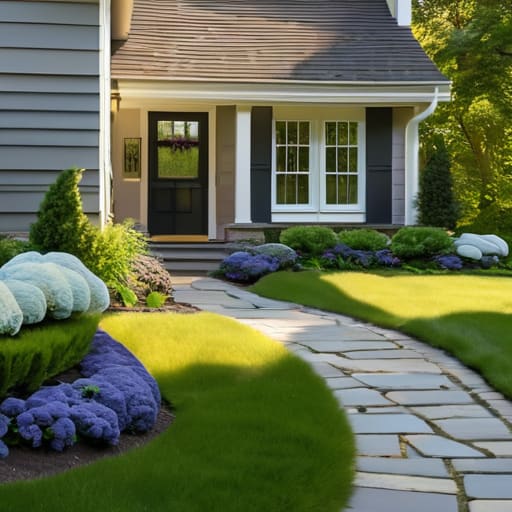
I remember standing in the mud of my first major flip, staring at a backyard that looked more like a landfill than a living space. The smell of damp earth and rotting cedar was overwhelming, and the local contractors were already quoting me figures that felt like a complete robbery. Most people look at a neglected yard and see a massive headache or a money pit, but when it comes to garden landscaping, I see something entirely different. I see a massive opportunity to manufacture value where others only see weeds and cracked concrete.
I’m not here to sell you on some overpriced, Pinterest-perfect fantasy that requires a full-time crew to maintain. My goal is to show you how to approach garden landscaping with a strategic investor’s mindset. I’m going to walk you through the grit and the math of transforming an outdoor mess into a high-value asset, focusing on high-impact, low-maintenance upgrades that actually move the needle on your property’s appraisal. We’re going to stop wasting money on fluff and start building real equity through smart, intentional design.
Table of Contents
Mastering Landscape Design Principles for Maximum Equity
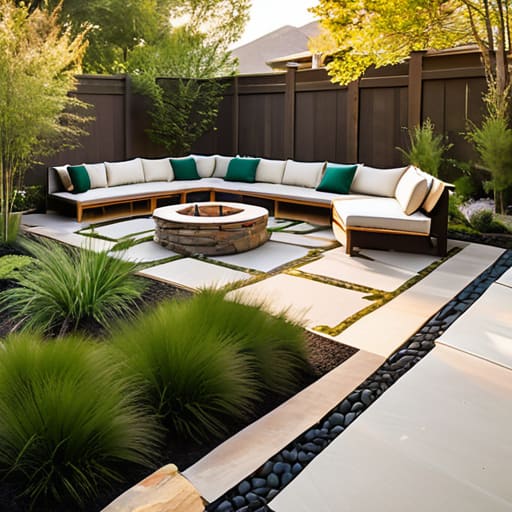
When you’re looking at a property through an investor’s lens, you have to stop seeing “plants” and start seeing functional square footage. Most rookies make the mistake of focusing solely on the greenery, but if you want to see a real return on investment, you need to master the balance of hardscape vs softscape. I’m talking about creating defined outdoor living spaces—think leveled stone patios or built-in seating areas—that make a buyer feel like they’ve gained an extra room without the cost of a foundation pour.
Once your bones are set, that’s when you layer in the aesthetics. However, don’t get caught up in high-maintenance floral displays that will just become a liability for the next owner. I always lean toward drought tolerant landscaping because it signals low-maintenance luxury. It’s about choosing hardy, architectural plants that look intentional and expensive, rather than a chaotic mess that requires a professional crew every weekend. If you nail the structural layout first, the greenery becomes the finishing touch that locks in your equity.
Hardscape vs Softscape Building Foundations That Last
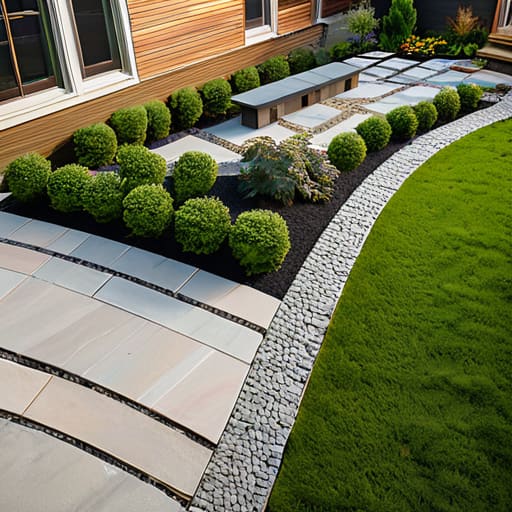
When you’re walking a property, you have to stop seeing just “the yard” and start seeing it as a structural blueprint. The most common mistake I see rookie flippers make is diving headfirst into planting flowers before they’ve even considered the bones of the property. Understanding the balance of hardscape vs softscape is what separates a hobbyist from a professional investor. Hardscaping—think stone paths, retaining walls, or a sleek paver patio—is your foundation. It’s the structural element that defines your outdoor living spaces and provides the immediate, high-impact curb appeal that buyers crave.
Once your hardscape is set, you layer in the softscape. This is where your greenery, shrubs, and trees come into play. But don’t just throw mulch at a problem and call it a day. If you want to avoid a maintenance nightmare that eats into your margins, you need to focus on drought tolerant landscaping and proper plant selection. I’ve seen too many investors sink money into thirsty, high-maintenance gardens that look great for a month but die during the first heatwave. Invest in the structure first, then use the greenery to soften those edges and add the final layer of value.
Five Strategic Moves to Boost Your Curb Appeal and ROI
- Prioritize “Low-Maintenance Luxury” by choosing hardy, native perennials; I’ve seen too many investors sink capital into high-maintenance flower beds that look like a graveyard of dead shrubs after one dry summer.
- Invest in structural lighting to extend your property’s “showing hours”—a well-placed, warm uplight on a specimen tree can make a mediocre backyard feel like a high-end retreat during evening viewings.
- Create distinct “outdoor rooms” using gravel paths or pavers to define functional zones, because a buyer needs to see exactly where the dining area ends and the relaxation zone begins.
- Don’t overlook the “green screen” effect; using tall, architectural evergreens to block out a neighbor’s ugly siding or a noisy street can instantly increase the perceived privacy and value of the lot.
- Focus on the entryway first to nail that immediate psychological impact—a clean, stone-lined path leading to a manicured front garden tells a buyer the rest of the house is likely well-maintained too.
The Bottom Line: Landscaping for Profit
Stop thinking about “pretty flowers” and start thinking about “curb appeal ROI”; every plant you put in the ground should serve to frame the house and drive up the perceived value.
Prioritize high-quality hardscaping over expensive annuals; a well-laid stone path or a solid retaining wall creates permanent equity, whereas a garden bed of seasonal blooms is just a recurring expense.
Don’t over-engineer the design; you want a landscape that looks intentional and high-end, but isn’t so high-maintenance that it scares away potential buyers who don’t want a full-time gardener.
## The Curb Appeal Multiplier
“Stop looking at a backyard as just a patch of dirt and start seeing it as untapped equity; a well-executed landscape isn’t just about pretty flowers, it’s about structural design that forces a buyer to see the value before they even step through the front door.”
Gareth Trelawny
Turning Dirt Into Dollars
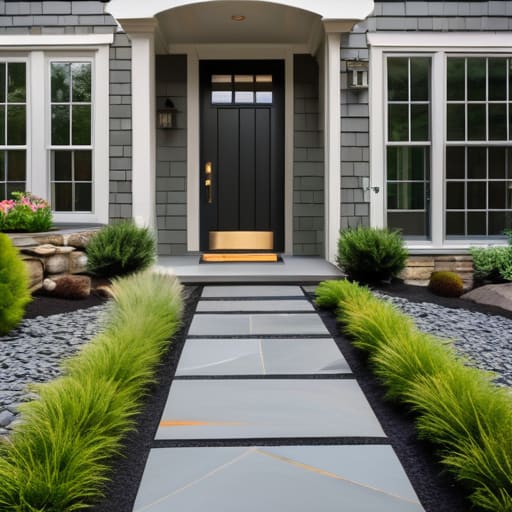
At the end of the day, landscaping isn’t just about picking out pretty flowers or making the neighbors jealous; it’s about strategic asset management. We’ve covered how to balance the structural permanence of hardscaping with the organic appeal of softscaping, and how to apply design principles that actually move the needle on an appraisal. Remember, every stone path you lay and every well-placed perennial you plant should serve a purpose. If a design element doesn’t contribute to the property’s curb appeal or functional flow, it’s just wasted capital. Focus on creating a cohesive, low-maintenance environment that screams high-value potential to anyone walking through that front gate.
I know the idea of digging in the dirt and managing a yard project can feel overwhelming, especially when you’re already juggling contractor schedules and interior finishes. But don’t let a patch of dead grass or a muddy slope intimidate you. Real estate is about seeing what others miss, and a garden is just another room in the house that happens to be outdoors. If you approach your landscape with the same calculated precision you use for a kitchen remodel, you won’t just be growing plants—you’ll be growing your net worth. Now, grab your gear and get to work; those equity gains aren’t going to build themselves.
Frequently Asked Questions
How do I know when to stop spending money on landscaping before it starts eating into my actual renovation budget?
Look, I’ve seen it happen: you get obsessed with the perfect flagstone pattern and suddenly you’re dipping into the kitchen remodel fund. Stop the moment your landscaping costs threaten your ROI. If a feature doesn’t directly boost curb appeal or increase the property’s perceived value, cut it. Aim for “clean and intentional,” not “botanical garden.” Once the yard looks manicured and the bones are solid, pivot that cash back to the interior where the real equity lives.
Is it actually worth investing in expensive perennial plants, or should I stick to low-maintenance shrubs to keep my overhead low?
Look, if you’re playing the long game, perennials are your best friend. Sure, low-maintenance shrubs are an easy win for keeping your immediate overhead low, but they don’t exactly scream “high-end curb appeal.” I like to mix them. Use the hardy shrubs to build your structural foundation, then layer in strategic perennials to add that premium, designer touch. It’s about creating layers of visual interest that justify a higher asking price.
What are the biggest red flags I should look for in a property's existing yard that might signal massive, hidden drainage or grading issues?
Watch out for standing water or “spongy” patches of grass; that’s a massive red flag for poor drainage. If the ground slopes toward the foundation instead of away from it, you’re looking at a potential nightmare of basement flooding and structural damage. Also, check for cracks in the retaining walls or sudden dips in the soil. These aren’t just aesthetic flaws—they’re expensive warnings that the grading is failing and your equity is at risk.
