Author: Gareth Trelawny

  • Improving Home Value Through Landscaping

    Improving Home Value Through Landscaping

    I was standing in the mud of a foreclosure in East Austin last Tuesday, staring at a yard that looked more like a graveyard for rusted lawnmowers than a residential lot. Most “experts” would tell you that you need a five-figure budget and a team of architects to fix a mess like that, but honestly? That’s just a way to drain your margins before you even step inside the house. I’ve seen too many investors get paralyzed by a patch of weeds, missing out on massive ROI because they were looking for high-end landscaping ideas instead of looking for strategic value.

    I’m not here to sell you on expensive fountain installations or manicured topiary that requires a full-time gardener to maintain. My goal is to show you how to use smart, low-maintenance greenery and hardscaping to juice your property’s equity without breaking the bank. I’m going to walk you through the exact types of landscaping ideas I use to transform a neglected, dirt-filled lot into a high-value asset that makes buyers fall in love the second they pull into the driveway.

    Table of Contents

    Mastering Low Maintenance Backyard Landscaping for Maximum Roi

    Mastering Low Maintenance Backyard Landscaping for Maximum Roi

    When I’m walking a property, I’m not looking for a garden that requires a full-time groundskeeper; I’m looking for something that looks high-end but runs itself. Buyers want the vibe of an oasis without the weekend-long commitment of weeding and pruning. This is where low maintenance backyard landscaping becomes your best friend for increasing resale value. I always steer my clients toward hardscaping—think clean slate pavers or decomposed granite—paired with hardy, drought-tolerant perennials. It creates a polished, intentional look that says “luxury” rather than “I forgot to mow the lawn.”

    If you’re working with a tight footprint, don’t panic. I’ve seen some of my most profitable flips rely on clever small garden layout solutions to make a cramped yard feel expansive. Instead of sprawling flower beds that invite pests and rot, I lean into structural elements like built-in planters or tiered stone edges. By focusing on clean lines and a limited plant palette, you create an outdoor living space design that feels architectural and expensive. It’s about working smarter, not harder, to ensure that every dollar you sink into the dirt translates directly into equity.

    Small Garden Layout Solutions to Boost Curb Appeal

    Small Garden Layout Solutions to Boost Curb Appeal

    When you’re dealing with a tight lot, you can’t afford to waste a single square inch on dead space. I’ve seen too many investors blow their budget on sprawling lawns that just end up being a chore for the next owner. Instead, focus on small garden layout solutions that prioritize verticality and clean lines. Think built-in planters or tiered stone retaining walls; these don’t just add structure, they create a sense of depth that makes a cramped yard feel intentional rather than accidental.

    If you want to play into current modern landscape architecture trends, stop thinking about “filling holes” with random shrubs. You need to treat the exterior like an extension of the floor plan. I always suggest defining specific zones—a small gravel patio for a bistro set here, a narrow perennial border there. By creating these distinct pockets, you’re essentially designing an outdoor living space design that feels high-end and curated. It’s about maximizing the perceived footprint, which is exactly how you squeeze that extra bit of equity out of a modest property.

    My Top 5 High-Impact Landscaping Plays for Every Flip

    • Focus on hardscaping over softscaping. A clean, stone paver patio or a well-defined gravel path adds much more perceived value than a bunch of expensive perennials that will just die in six months. Hardscape is permanent, looks high-end, and tells a buyer the space is ready for entertaining.
    • Invest in smart, automated irrigation. Nothing kills a sale faster than a buyer seeing withered shrubs or realizing they’ll have to spend every weekend watering the yard. A simple, programmable system is a low-cost install that screams “low maintenance” to a potential buyer.
    • Use native plants to slash the upkeep. I always look for local species that thrive in our specific climate. Not only does this make the garden look intentional and “at home,” but it also means the next owner won’t be fighting a losing battle against the local soil and weather.
    • Layer your lighting for that “magic hour” effect. Don’t just slap a few solar stakes in the ground; install some strategic uplighting on key trees or architectural features. It makes the property look expensive during evening walkthroughs and adds a massive sense of security and depth.
    • Don’t neglect the edges. A crisp, clean line between your mulch beds and the lawn is the cheapest way to make a yard look professionally designed. It’s the difference between a “neglected lot” and a “manicured estate,” and it costs you nothing but a little bit of time and a sharp spade.

    The Bottom Line on Landscaping for Profit

    Stop chasing high-maintenance perfection; focus on hardscaping and hardy plants that look intentional without requiring a full-time gardener to keep them alive.

    Curb appeal is your first handshake with a buyer, so prioritize the entryway and front sightlines to ensure the property’s value is felt the second they pull up.

    Treat every landscaping decision as a math problem—if the cost of the mulch and shrubs doesn’t translate into a measurable bump in equity, it’s just an expensive hobby, not an investment.

    ## Stop Thinking About Flowers, Start Thinking About Margins

    “When I’m walking a property, I’m not looking for a pretty flower bed; I’m looking for a way to use strategic greenery to mask a structural flaw or boost the perceived value of a cramped lot. Landscaping isn’t a hobby—it’s a high-leverage tool to turn a neglected yard into instant equity.”

    Gareth Trelawny

    Turning Dirt into Equity: The Final Blueprint

    Turning Dirt into Equity: The Final Blueprint

    At the end of the day, landscaping isn’t just about making a house look pretty for a weekend photoshoot; it’s about strategic asset management. Whether you’re tackling small-scale curb appeal to win over neighbors or implementing low-maintenance backyard solutions to appeal to the busy modern buyer, every plant and stone you place should serve a purpose. I’ve seen too many investors blow their margins on high-maintenance floral displays that die within a season. Instead, focus on those high-impact, low-effort upgrades we discussed. When you prioritize structural greenery and smart layouts, you aren’t just gardening—you are actively engineering a higher appraisal value for your property.

    Don’t let the prospect of a muddy yard or a neglected lot intimidate you. I know exactly how it feels to stand in front of a property that looks like a disaster zone, but that’s exactly where the profit lives. Every patch of weeds is just an opportunity to build more equity if you have the vision to see past the mess. Grab your tools, keep your eye on the ROI, and remember that the most profitable transformations often start from the ground up. You have the eye for potential; now, it’s time to go out there and build your empire, one garden bed at a time.

    Frequently Asked Questions

    How do I figure out if a massive, overgrown yard is a money pit or a genuine landscaping opportunity?

    Look, don’t let a jungle of weeds spook you. To tell if it’s a money pit or a goldmine, look at the bones. Check the grade of the land and the quality of the soil. If the foundation is solid and the lot has good drainage, that overgrowth is just a temporary setback. I see a massive, neglected yard as a blank canvas—it’s much cheaper to clear out weeds than it is to fix a sloping yard or poor soil.

    At what point does spending more on high-end hardscaping actually stop yielding a positive return on investment?

    Look, I love a high-end bluestone patio as much as the next designer, but you have to watch the math. The moment your hardscaping costs start approaching the total value of the property’s “curb appeal premium,” you’ve overshot the mark. If you’re spending fifty grand on custom masonry for a house that only gains thirty grand in market value, you aren’t investing—you’re just decorating your own loss. Keep it functional, keep it durable, and always prioritize equity over ego.

    Are there specific types of plants or landscaping features that help me flip a property faster in certain markets?

    In high-turnover suburban markets, stick to “safe” perennials like lavender or hydrangeas; they look established and lush without requiring a degree in botany. If you’re flipping in a desert climate, go heavy on drought-tolerant succulents and gravel mulch—buyers love the “low-water” lifestyle pitch. Most importantly, avoid anything too niche or high-maintenance. You want a buyer to see a finished product, not a weekend chore that’s going to eat their Saturday mornings.


  • Calculating Return on Investment for Renovations

    Calculating Return on Investment for Renovations

    I was standing in a gutted Victorian kitchen last Tuesday, the smell of damp drywall and old grease thick enough to taste, when I realized something: most people are absolutely terrified of the mess. They see a cracked foundation or a dated backsplash and immediately think the project is a money pit. But here’s the truth that the glossy HGTV shows won’t tell you: if you’re chasing every high-end trend, you’re going to kill your roi on renovation before you even hire a contractor. I’ve seen too many investors blow their margins on marble countertops that nobody actually cares about, while ignoring the structural bones that actually drive value.

    I’m not here to sell you on a dream of effortless flipping or magic sledgehammer moments. What I am going to do is show you how to look past the peeling paint to find the actual equity hiding underneath. I’ll be sharing the gritty, unvarnished math behind which upgrades actually move the needle and which ones are just expensive distractions. We’re going to focus on strategic, high-impact changes that turn a neglected fixer-upper into a high-performing asset.

    Table of Contents

    High Roi Kitchen Upgrades That Command Top Dollar

    High ROI Kitchen Upgrades That Command Top Dollar

    If you want to see real movement in your bottom line, you have to stop thinking about aesthetics and start thinking about impact. In my experience, the kitchen is the undisputed heavyweight champion of high ROI kitchen upgrades. I’m not talking about gutting the entire space and moving plumbing lines—that’s a quick way to bleed your budget dry. Instead, I focus on the high-impact, visual wins: quartz countertops, updated hardware, and a fresh backsplash. These are the details that make a buyer feel like they’re walking into a luxury lifestyle rather than a dated relic.

    When I’m calculating property resale value during a walkthrough, I always look at the cabinetry first. If the bones are solid, don’t replace them; just refinish them or swap out the doors. It’s a fraction of the cost but yields massive home value appreciation after remodeling. You want to create a space that feels modern and functional without over-improving for the neighborhood. If you overspend on high-end appliances in a mid-tier market, you aren’t building equity—you’re just subsidizing the next owner’s kitchen.

    Bathroom Renovation Cost vs Value Avoiding Money Pits

    Bathroom Renovation Cost vs Value Avoiding Money Pits

    Bathrooms are tricky. I’ve seen too many investors sink fifty grand into a master ensuite with heated marble floors and custom brass fixtures, only to realize they’ve completely overshot the neighborhood ceiling. When you’re analyzing bathroom renovation cost vs value, you have to stop thinking like a homeowner and start thinking like a strategist. It’s not about what you want; it’s about what the next buyer is willing to pay for. If you’re working in a mid-range suburb, a luxury spa setup is just a drain on your capital.

    To avoid these money pits, focus on the “refresh” rather than the “rebuild” whenever possible. Swapping out a dated vanity, updating the hardware, and installing a modern, clean tile pattern can do wonders for your margins. You want to aim for that sweet spot where the work looks high-end but stays within a realistic budget. My rule of thumb? Always keep an eye on home value appreciation after remodeling to ensure your spend actually translates into liquid equity. If the math doesn’t scream “profit,” put the sledgehammer down.

    Stop Guessing and Start Calculating: 5 Rules for Protecting Your Margins

    • Focus on curb appeal before you touch the interior. I’ve seen people sink fifty grand into a designer kitchen only to lose the sale because the front walkway was cracked and the siding looked like it was rotting off. A fresh coat of paint, some modern hardware, and decent landscaping are your cheapest ways to drive up perceived value.
    • Don’t over-improve for the neighborhood. This is the biggest mistake I see rookies make. If you’re flipping a house in a modest suburb, don’t install Italian marble countertops. You’ll never recoup that cost. You need to hit the “sweet spot” of quality that matches the local comps, otherwise, you’re just gifting your profit to the next owner.
    • Prioritize the “invisible” systems. It’s not sexy, and it certainly doesn’t look good on an Instagram reel, but updating old electrical panels or fixing a leaky roof is what actually builds equity. Buyers will forgive a dated backsplash, but they will run for the hills if they smell mold or see outdated wiring.
    • Stick to a neutral palette for high-traffic areas. I love my mid-century modern statement pieces as much as the next person, but when you’re renovating for ROI, let the buyer bring their own personality. Keep the walls and floors neutral. You want them to envision their life there, not feel like they’re living in your personal art gallery.
    • Always, always, always get three quotes. Never trust a single contractor’s “gut feeling” on a price. I keep my laser measurer in my bag for a reason—I verify everything. If you don’t vet your labor costs aggressively, your renovation budget will bleed out before you even get to the finishing touches.

    The Bottom Line: Don't Chase Aesthetics, Chase Equity

    Stop over-improving for your neighborhood; your goal isn’t to build your dream home, it’s to hit the sweet spot where your renovation costs stay below the value they add to the property.

    Focus your budget on the “wet rooms”—kitchens and baths—because that’s where the most aggressive buyers look first, but always vet your contractors to ensure you aren’t throwing good money after bad in a money pit.

    Always keep a “messy renovation” buffer in your math; if you aren’t accounting for the unexpected structural surprises behind those old walls, you aren’t investing, you’re gambling.

    The Golden Rule of the Rehab

    “Stop looking at a renovation as a cost to be managed and start seeing it as equity to be unlocked; if your sledgehammer isn’t creating value, it’s just making a mess.”

    Gareth Trelawny

    Don't Leave Money on the Table

    Don't Leave Money on the Table.

    At the end of the day, maximizing your ROI isn’t about throwing money at every shiny new fixture you see on Pinterest. It’s about being surgical with your spending. We’ve looked at how strategic kitchen updates can drive massive interest and how to navigate the treacherous waters of bathroom renovations without falling into a bottomless money pit. Remember, every dollar you spend needs to have a clear purpose: either increasing the property’s functional value or enhancing its visual appeal to the next buyer. If a renovation doesn’t directly contribute to your bottom line or solve a structural headache, leave it alone. Smart investing is as much about what you don’t do as what you do.

    I know that looking at a gutted room or a stack of contractor quotes can feel overwhelming, but don’t let the chaos shake your resolve. This business is messy, loud, and occasionally exhausting, but that’s exactly why the rewards are so significant. While everyone else is waiting for a “perfect” house to hit the market, you’ll be the one creating value where others only see decay. Keep your eyes on the long game, trust your gut, and keep swinging that sledgehammer. You aren’t just fixing up houses; you are building the foundation of your own generational wealth.

    Frequently Asked Questions

    How do I know when a renovation is officially "over-improving" for the neighborhood?

    Look at the comps, not your Pinterest board. If you’re installing $15,000 Calacatta marble countertops in a neighborhood where the ceiling for a renovated home is $400k, you’re just burning cash. You’ll hit a “value ceiling” where every extra dollar you spend on high-end finishes fails to return a single cent in equity. My rule of thumb? Aim for the top 10% of the neighborhood’s quality, but never exceed its price ceiling.

    Should I prioritize cosmetic updates like paint and hardware, or am I better off tackling structural issues first to protect my equity?

    Look, I get the temptation to grab a paintbrush and start making things look pretty, but let’s get real: you can’t paint over a foundation crack and call it a profit. If you have structural issues, fix them first. Period. Cosmetic updates are the “cherry on top” that sell the house, but structural integrity is what protects your equity. Fix the bones so your investment doesn’t turn into a literal sinkhole.

    How do I accurately estimate my total renovation budget without getting blindsided by hidden costs once the walls are actually open?

    The golden rule? Always bake a 15-20% contingency buffer into your initial math. I never step onto a job site without assuming something is lurking behind those drywall layers—be it outdated wiring or a surprise plumbing leak. To get a real number, don’t just eyeball it; get three detailed quotes from contractors and add your “oh crap” fund on top. If you don’t budget for the unknown, the unknown will eat your profit.

  • Basics of Constructing a Backyard Deck

    Basics of Constructing a Backyard Deck

    I was standing in the mud of a fixer-upper in Portland last October, staring at a backyard that was basically a graveyard of splintered, grey timber and rusted hardware. Most contractors I’ve met would have looked at that mess and immediately quoted me a figure that would make my eyes water, insisting that high-end, custom-engineered solutions were the only way to go. But that’s the industry lie: they want you to believe that deck building has to be a luxury expense that eats your entire renovation budget. I know better. I’ve spent enough time on job sites to know that a deck shouldn’t just be a place to host a BBQ; it should be a strategic addition that boosts your property value without draining your bank account.

    I’m not here to sell you on some Pinterest-perfect fantasy that requires a massive inheritance to pull off. Instead, I’m going to give you the straight-talk guide to doing it right—from selecting structural materials that actually last to the smart design choices that maximize your square footage. We’re going to focus on the grit and the math of deck building so you can turn a neglected patch of dirt into a high-value asset.

    Table of Contents

    Mastering the Deck Material Selection Guide

    Mastering the Deck Material Selection Guide.

    When I’m scouting a property, I’m not just looking at the kitchen backsplash or the floor plan; I’m looking at the outdoor living potential. A botched choice in materials can absolutely tank your ROI, so you have to be clinical about it. My personal deck material selection guide always starts with a brutal honesty check: how much time do you actually want to spend on upkeep? If you’re like me and prefer spending your weekends at thrift stores rather than sanding floorboards, you’ll want to look closely at composite vs wood decking. Wood offers that classic, organic aesthetic that buyers love, but composite is a powerhouse for long-term value because it survives the elements without constant resurfacing.

    However, don’t let the pretty finishes distract you from the math. You need to weigh the initial cost of deck construction against the projected appreciation of the home. A high-end composite deck might sting your budget upfront, but it pays dividends in resale speed. I always tell my clients: don’t just build for today’s look; build for the next owner’s convenience.

    Why Composite vs Wood Decking Matters for Your Bottom Line

    Why Composite vs Wood Decking Matters for Your Bottom Line

    When you’re looking at a renovation through an investor’s lens, every dollar spent on the exterior needs to pull its weight in future resale value. This is where the debate of composite vs wood decking stops being about aesthetics and starts being about math. If you go with pressure-treated wood, your upfront cost of deck construction is lower, which looks great on your initial budget sheet. However, you have to account for the long-term “hidden” costs—the staining, the sanding, and the inevitable rot that eats away at your margins if you aren’t diligent.

    On the flip side, composite materials are a different beast entirely. You’ll pay a premium at the start, but you’re essentially buying predictable maintenance. For my clients who want to flip a property quickly, I often steer them toward composite because it looks pristine for years without a single drop of sealer. You aren’t just building a platform for a grill; you’re choosing between a high-maintenance asset and a low-effort value add that stays looking sharp for the next buyer.

    Stop Guessing and Start Building: 5 Pro Tips for Maximum ROI

    • Don’t skimp on the substructure; I’ve seen too many “quick flips” fail because someone used undersized joists to save a few bucks, and trust me, fixing structural rot is a nightmare you don’t want on your balance sheet.
    • Plan for drainage from day one, because if you trap water against your house foundation during the build, you aren’t building an asset—you’re building a future lawsuit.
    • Think about the flow of the space rather than just the square footage; a deck that feels like a cramped afterthought won’t add value, but one that seamlessly extends your living room will command a premium.
    • Invest in high-quality fasteners and hardware, because cheap screws will rust and pop within two seasons, leaving your beautiful new boards looking like a DIY disaster.
    • Always factor in a “contingency buffer” for your budget, because once you start pulling up old boards, you’re almost guaranteed to find something unexpected that needs addressing.

    The Bottom Line on Decking ROI

    Don’t get blinded by the low upfront cost of pressure-treated wood; if you’re looking to build equity, you have to factor in the long-term maintenance costs that eat away at your margins.

    Composite decking is your best friend for a “set it and forget it” renovation, offering a high-end aesthetic that appeals to buyers without the headache of annual staining.

    Always prioritize structural integrity over surface beauty—a gorgeous deck sitting on a rotting frame is just a liability, not an asset.

    ## The ROI of the Backyard

    “Stop looking at a deck as just a place to grill; look at it as a strategic extension of your square footage. A well-executed deck isn’t an expense—it’s a high-yield asset that turns a neglected backyard into a major selling point.”

    Gareth Trelawny

    From Blueprints to Backyard Reality

    From Blueprints to Backyard Reality deck building.

    At the end of the day, building a deck isn’t just about nailing boards together; it’s a calculated decision that impacts your property’s long-term value. We’ve walked through the heavy lifting of material selection and weighed the real-world cost differences between the longevity of composite and the classic aesthetic of natural wood. Whether you choose a high-maintenance cedar or a low-maintenance polymer, the goal remains the same: making a choice that protects your investment rather than draining your bank account through constant repairs. Don’t let the technical details paralyze you, but don’t ignore them either. Smart selection is the difference between a beautiful outdoor space and a recurring line item in your maintenance budget.

    I’ve seen too many people treat outdoor renovations as an afterthought, only to realize later that they’ve built an asset that actually depreciates. Don’t make that mistake. Treat your deck like I treat my flips—with a sharp eye for durability and a clear understanding of the ROI. It might feel overwhelming when you’re staring at a pile of lumber and a stack of permits, but I promise you, there is nothing quite like the feeling of seeing a vision turn into a solid, physical asset. Grab your tools, trust your gut, and start building that equity one plank at a time.

    Frequently Asked Questions

    How do I figure out if my existing deck structure is actually safe to build on, or if I need to tear it down to the footings?

    Before you even think about buying expensive new boards, you need to inspect the skeleton. Grab a screwdriver and poke at the joists and posts. If it sinks in like wet cardboard, you’ve got rot, and that’s a non-negotiable tear-down. Check for wobbling or any signs of structural shifting at the footings. If the frame is compromised, don’t try to “save” it. It’s cheaper to rebuild from the dirt up than to fix a collapsing deck later.

    When I'm looking at the ROI for a flip, is it worth investing in high-end composite, or should I stick to pressure-treated wood to keep my margins high?

    Look, if you’re flipping for a quick margin, stick to pressure-treated wood. It keeps your upfront costs low, and most buyers won’t walk away over a wooden deck if the kitchen is stunning. However, if you’re targeting a luxury buyer where “turn-key” is the mantra, high-end composite is worth the hit to your margins. It screams low maintenance, and in a competitive market, that’s the kind of perceived value that closes deals.

    What are the biggest "hidden" costs that usually blow a deck renovation budget once the work actually starts?

    The biggest budget killers aren’t the boards you see; they’re the rot you don’t. Once I pull up old decking, I almost always find crumbling joists or structural posts that were never properly flashed. Then there’s the electrical headache—realizing your existing wiring won’t support new lighting or outlets. If you aren’t accounting for sub-structure repairs and code-compliant electrical upgrades, your “simple” renovation is going to bleed cash faster than a leaky faucet.

  • Strategies for Successful Buy to Let Investing

    Strategies for Successful Buy to Let Investing

    I still remember standing in the middle of a gutted Victorian terrace last October, the smell of damp plaster and old dust thick enough to taste, clutching my laser measurer like a lifeline. Everyone in the industry was telling me that a successful buy to let strategy required a massive down payment and a team of twenty specialists. They make it sound like this polished, corporate game played only by people with trust funds. But as I stared at those cracked floorboards, I didn’t see a financial nightmare; I saw raw potential waiting to be unlocked by someone willing to get their hands dirty.

    I’m not here to sell you on some magical, passive-income fantasy that requires zero effort. Instead, I’m going to give you the unvarnished truth about how to actually build a portfolio from the ground up. I’ll show you how to spot the undervalued gems, navigate the messy reality of renovations, and turn a neglected property into a reliable asset. If you’re ready to stop listening to the hype and start building real equity, then let’s get to work.

    Table of Contents

    Mastering Rental Yield Calculation Without the Fluff

    Mastering Rental Yield Calculation Without the Fluff

    Look, I’ve seen too many people jump into a deal because the house looks pretty, only to realize six months later that the math doesn’t work. If you want to survive in this game, you have to stop looking at aesthetics and start looking at the numbers. A basic rental yield calculation is your first line of defense. You take your annual rental income and divide it by the total purchase price (including those inevitable renovation costs), and that percentage tells you if you’re looking at a goldmine or a money pit.

    But don’t get cocky if that number looks high. You need to account for the invisible drains on your cash flow. I always tell my clients to factor in current buy to let mortgage rates and the reality of maintenance reserves before they sign anything. If you aren’t calculating your actual net returns after taxes and insurance, you aren’t investing—you’re just gambling with a hammer. Real estate is about precision, not guesswork.

    Buy to Let vs Buy to Sell Picking Your Battle

    Buy to Let vs Buy to Sell Picking Your Battle

    Deciding between a quick flip and a long-term hold is the fork in the road that defines your entire strategy. When I’m looking at a property, I have to ask myself: am I looking for a sprint or a marathon? With a “buy to sell” approach, you’re hunting for that immediate dopamine hit—the massive capital gain realized the moment the hammer drops and the sale closes. It’s high-octane and requires a sharp eye for undervalued assets, but it’s also high-stress. One unexpected structural issue can eat your entire profit margin before you even list the place.

    On the flip side, choosing a long-term rental strategy is about playing the long game. Instead of one big payday, you’re building a steady stream of cash flow. However, this path requires you to get comfortable with the granular details, like navigating buy to let tax implications and managing the day-to-day realities of being a property owner. You aren’t just looking for a renovation project; you’re looking for sustainable property investment returns. It’s less about the thrill of the sale and more about the discipline of building a portfolio that works for you while you sleep.

    5 Hard-Earned Rules for Building a Rental Portfolio That Actually Scales

    • Don’t get blinded by the “pretty” factor; look for the bones. I’ve seen plenty of staged homes that look like a Pinterest board but have structural issues that will eat your margins alive. Focus on the layout and the foundation—you can always swap out cheap hardware for mid-century accents later, but you can’t fix a bad footprint without breaking the bank.
    • Build a “buffer fund” before you even sign the deed. Renovations are never as clean as the contractor’s quote suggests, and in a buy-to-let scenario, your cash flow is your lifeline. If a boiler dies or a tenant leaves mid-lease, you need to be able to absorb that hit without it derailing your entire investment strategy.
    • Location is about more than just a zip code; it’s about the “lifestyle draw.” I look for proximity to transit and decent grocery stores. A tenant isn’t just renting four walls; they’re renting a commute and a lifestyle. If the area is stagnant, your capital appreciation is going to stall along with it.
    • Treat your tenant screening like a high-stakes audit. A bad tenant is more expensive than a bad renovation. I don’t care how much they love the aesthetic of the place—if their credit history or employment stability doesn’t hold up, they aren’t the right fit for a long-term asset.
    • Think like a designer, but budget like a skeptic. Small, high-impact upgrades—like durable flooring or updated lighting—can significantly increase your rental appeal and justify a higher monthly rent. Just don’t go overboard with custom finishes that won’t offer a return on investment; keep it functional, clean, and easy to maintain.

    The Bottom Line: What You Need to Carry Forward

    Stop chasing prestige and start chasing numbers; a property is only an asset if the rental yield actually covers your costs and leaves you with a profit margin.

    Decide on your exit strategy before you even pick up the keys—know whether you’re playing the long game with steady rental income or the quick game with a high-margin flip.

    Equity is built in the margins, so don’t be afraid of a messy renovation if it means turning a neglected eyesore into a high-performing, cash-flowing machine.

    The Real Value of a Rental Property

    “Stop looking for turnkey properties that offer nothing but instant gratification; the real wealth is hidden in the properties that look like a disaster to everyone else, but look like a steady monthly paycheck to you.”

    Gareth Trelawny

    The Bottom Line on Building Your Portfolio

    The Bottom Line on Building Your Portfolio

    At the end of the day, transitioning into the buy-to-let market isn’t about chasing every shiny new development on the market; it’s about the math and the strategy. We’ve looked at how to crunch your rental yields without getting lost in the weeds and how to decide whether you’re playing the long game with rentals or the quick game with flips. Whether you choose to hold a property for decades or renovate and move on, the core principle remains the same: you have to understand your numbers before you ever pick up a hammer or sign a contract. Success in this industry is built on calculated risks, not blind luck.

    I know it can feel overwhelming when you’re staring at a spreadsheet or a property with outdated wiring and peeling wallpaper, but don’t let the mess intimidate you. Every massive real estate empire I’ve seen started with a single, imperfect property and a person who refused to walk away when things got gritty. You don’t need a silver spoon to get started; you just need the discipline to learn the craft and the vision to see value where others only see decay. Stop waiting for the “perfect” market and start building your generational wealth one brick at a time.

    Frequently Asked Questions

    How much of a cash buffer should I actually keep aside for those inevitable "midnight plumbing emergency" moments?

    Look, if you’re playing with thin margins, a burst pipe can wipe out your entire year’s profit in one night. I always tell my clients to keep at least 3-6 months of operating expenses in a dedicated liquid reserve. Don’t just account for the plumber’s call-out fee; account for the potential water damage and the tenant’s frustration. Think of it as your “sleep better at night” fund. It’s not just math; it’s survival.

    Is it better to hunt for high-yield properties in rougher neighborhoods or play it safe with lower yields in gentrified areas?

    Look, there’s no magic answer, only different risk profiles. If you’re hunting for high yields in rougher pockets, you’re playing a volume game; the cash flow is juicy, but you’ll deal with more tenant turnover and maintenance headaches. If you go the gentrified route, you’re betting on long-term capital appreciation and stability. Personally? I prefer the high-yield grit if the bones are solid. I’d rather sweat the renovation now for better monthly cash flow.

    At what point does a renovation stop being a smart investment and start becoming a money pit that eats my entire margin?

    It stops being an investment the second you start chasing “perfection” instead of “profit.” I see it all the time: investors getting sucked into high-end finishes that the local rental market won’t actually pay a premium for. If you’re debating between a designer faucet and a standard one, and that extra cost eats 5% of your margin, walk away. Stick to the math. If the renovation isn’t driving a specific increase in rental yield or resale value, it’s just a hobby.

  • How to Manage a Fix and Flip Project

    How to Manage a Fix and Flip Project

    I still remember the smell of damp drywall and old sawdust from my first project—a cramped, single-story bungalow that most people wouldn’t even walk past, let alone buy. While the “gurus” on social media were busy showing off their pristine, white-marble kitchens and talking about overnight millions, I was on my hands and knees with a laser measurer, trying to figure out if the floor joists were even worth saving. That’s the reality of a fix and flip that nobody shows you on Instagram: it’s loud, it’s dusty, and it’s incredibly unfiltered.

    I’m not here to sell you on a lifestyle of effortless luxury or some magical shortcut to wealth. What I am going to do is give you the actual, grit-under-your-fingernails blueprint for identifying houses with real bones and turning them into profitable assets. We’re going to talk about strategic rehabs, managing messy contractors, and how to spot the potential in a wreck before anyone else does. If you’re ready to stop chasing the hype and start building real equity, then let’s get to work.

    Table of Contents

    Sharp Eyes and Real Estate Market Analysis

    Sharp Eyes and Real Estate Market Analysis.

    Before you even pick up a sledgehammer, you need to stop looking at a house as a home and start seeing it as a math problem. Most people walk into an open house and fall in love with the crown molding or the natural light, but that’s a rookie mistake. I’ve learned that a successful deal lives or dies in the data. You have to perform a deep real estate market analysis to understand exactly what the buyers in that specific zip code are craving. Are they looking for modern farmhouse vibes, or is there a gap in the market for mid-century updates? If you don’t know the ceiling price for the neighborhood, you’re just guessing with your own money.

    Once you’ve identified the demand, you have to look past the peeling wallpaper to find the structural bones. I spend a lot of time checking for the “invisible” money pits—foundation issues, outdated electrical, or funky plumbing—because these are the things that eat your margins alive. It’s about maximizing ROI on house flips by focusing your capital on high-impact upgrades rather than chasing every aesthetic trend. If a renovation doesn’t directly contribute to the final sale price, it’s just an expensive hobby, not a smart investment.

    Residential Property Rehabilitation Without the Inheritance

    Residential Property Rehabilitation Without the Inheritance

    Let’s be real: most people think you need a massive trust fund to get into this game, but that’s a total myth. The secret isn’t having a mountain of cash sitting in a high-yield savings account; it’s about mastering residential property rehabilitation on a budget that actually makes sense. I’ve seen plenty of beginners blow their entire capital on high-end finishes that don’t actually add value. If you want to build wealth from scratch, you have to learn how to differentiate between a “nice-to-have” feature and a strategic upgrade that drives the sale price upward.

    Success in this field comes down to how you handle your renovation budget management. You need to be disciplined. Every dollar you sink into a cracked foundation or a dated kitchen has to work twice as hard to justify its place in your ledger. I always tell my clients that the goal isn’t to build your dream home—it’s about maximizing ROI on house flips by focusing on the bones and the high-impact areas. It’s gritty, it’s often unglamorous, but it’s exactly how you turn a modest starting point into a serious portfolio.

    Five Rules for Keeping Your Flip from Becoming a Money Pit

    • Budget for the “invisible” disasters. I’ve learned the hard way that a fresh coat of paint won’t hide outdated wiring or a cracked foundation. Always set aside a 15% contingency fund for the stuff you can’t see until you start tearing down drywall.
    • Focus on high-ROI finishes. Don’t go overboard with custom marble if the neighborhood only supports quartz. Stick to clean, minimalist industrial vibes—think matte black hardware and neutral tones—that appeal to the widest possible pool of buyers.
    • Master your timeline or get eaten alive. Every extra month you spend on a job site is another month of interest payments and holding costs eating your profit. If a contractor tells you a week, assume it’ll be three, and plan accordingly.
    • Don’t neglect the “bones” of the kitchen and bath. You can thrift a gorgeous mid-century sideboard to add character, but if the plumbing in the master bath is shot, the whole deal goes sideways. Prioritize the functional spaces that drive appraisal value.
    • Know your exit strategy before you swing the first hammer. Are you flipping this for a quick profit, or is the plan to stabilize it and hold it as a rental? Your design choices and renovation depth depend entirely on whether you’re selling or keeping.

    The Bottom Line on Building Your Portfolio

    Stop looking for perfection and start looking for potential; the real money is made in the gap between a property’s current mess and its future design.

    You don’t need a trust fund to get started, but you do need a disciplined budget and the grit to manage a renovation when things inevitably get ugly.

    Success in flipping isn’t just about picking pretty paint colors—it’s about strategic rehabs that prioritize structural integrity and high-ROI upgrades to maximize your equity.

    ## The Real Value of a Messy Job Site

    “Stop looking for the perfect turnkey property; those are priced for people who don’t want to work. If you want to build actual wealth, you have to learn to see the equity hiding behind the peeling wallpaper and the outdated floor plans.”

    Gareth Trelawny

    Turning Potential into Profit

    Turning Potential into Profit through house flipping.

    At the end of the day, a successful fix and flip isn’t about luck or having a deep pocket of inheritance to fall back on. It’s about the discipline to do your market research before you ever pick up a sledgehammer and the vision to see past the outdated wallpaper and cracked foundations. We’ve covered how to spot those undervalued gems and how to manage a renovation without losing your shirt in the process. Remember, the goal isn’t just to make a house look pretty; it’s about strategic rehabilitation that maximizes your ROI. If you can master the balance between smart design and strict budget management, you aren’t just flipping houses—you are building a foundation for long-term wealth.

    I know it sounds intimidating. I know there are days on the job site when everything feels like it’s falling apart and you’re staring at a plumbing disaster wondering why you didn’t just stay in a cubicle. But that’s where the equity is made. The mess is where the opportunity lives. Don’t let the dust and the chaos deter you from the bigger picture. If you have the grit to stay the course and a sharp eye for potential, you can turn even the most neglected property into a massive win. Now, stop overthinking it, grab your laser measurer, and go find your first project.

    Frequently Asked Questions

    How do I figure out if a property's structural issues are worth the cost of the rehab, or if I'm just throwing good money after bad?

    Look, this is where most rookies lose their shirts. Before you even pick up a sledgehammer, you need a structural engineer—not just a general contractor—to give you an honest assessment. I always run the numbers against my projected After Repair Value (ARV). If the cost to fix the foundation or the load-bearing walls eats up more than 15-20% of your anticipated profit margin, walk away. Don’t let a “deal” turn into a money pit.

    What’s the best way to manage contractors when I’m working with a tight budget and a strict timeline?

    When you’re working with thin margins and a ticking clock, you can’t afford to be a passive observer. You have to be on-site. I manage my crews by breaking the project into small, digestible milestones rather than one giant goal. Be crystal clear about expectations upfront, and always have a backup plan for delays. Communication is your best tool—if you aren’t checking the progress daily, you’re essentially handing your budget over to chance.

    How much of a "safety net" should I actually keep in my bank account for those inevitable, expensive surprises that pop up mid-renovation?

    Look, if you’re coming at this with zero cushion, you’re playing a dangerous game. I always tell my clients to set aside at least 15% to 20% of the total renovation budget specifically for the “oh crap” fund. Whether it’s unexpected mold behind a bathroom wall or a structural issue that wasn’t in the inspection, these surprises will happen. Don’t touch that money for aesthetic upgrades; keep it strictly for the things that keep the house standing.

  • Choosing the Right Flooring for Your Home

    Choosing the Right Flooring for Your Home

    I still remember standing in the middle of a gutted ranch-style fixer-upper last October, my lungs burning from drywall dust and my knees aching from kneeling on a subfloor that felt like it was made of nothing but hope and old glue. I was staring at a sea of stained, 1970s shag carpet that looked like it hadn’t seen a vacuum since the Nixon administration, realizing that my entire renovation timeline was about to tank. Most people see a messy, uneven subfloor and think they need to hire a specialized crew and blow their entire budget on high-end hardwoods, but that’s a massive waste of capital. In my experience, the real magic of flooring installation isn’t about how much you spend, but about how smart you are with the prep work.

    I’m not here to sell you on some overpriced, boutique flooring brand that’s going to crack the moment the temperature shifts. Instead, I’m going to give you the unfiltered reality of how to handle flooring installation without draining your investment margins. I’ll show you how to identify which materials actually hold their value and how to spot the prep errors that turn a quick weekend job into a long-term nightmare. Let’s get to work.

    Table of Contents

    Navigating Professional Flooring Installation Costs Without Breaking the Ba

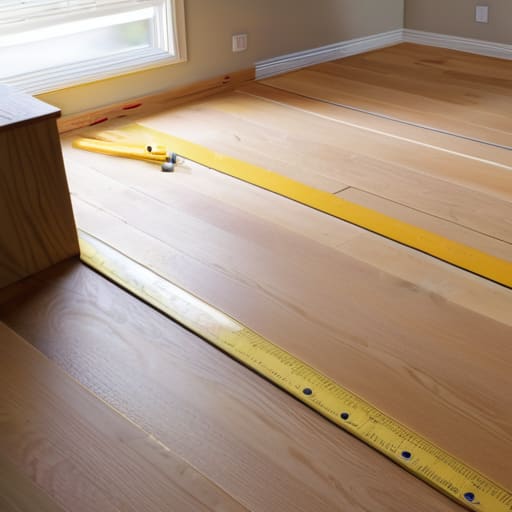
    When you’re staring at a quote from a contractor, it’s easy to feel like you’re being taken for a ride. But here’s the reality: the sticker shock usually comes from what you can’t see. I’ve learned the hard way that cutting corners on subfloor preparation techniques is the fastest way to turn a profitable flip into a money pit. If the foundation isn’t level or clean, that expensive hardwood you just bought is going to buckle within six months. Instead of slashing the labor budget, I focus my negotiation efforts on the materials themselves.

    To keep your margins healthy, I always run a quick flooring material durability comparison before signing any contracts. Don’t just go for the cheapest option; look for the sweet spot where longevity meets price point. If you’re working on a rental or a high-turnover property, investing a little extra in a quality underlayment for floor installation can save you thousands in future repairs. My rule of thumb is simple: spend your money where it prevents a callback, and save it on the decorative trim that anyone can swap out later.

    Smart Underlayment for Floor Installation to Protect Your Investment

    Smart Underlayment for Floor Installation to Protect Your Investment

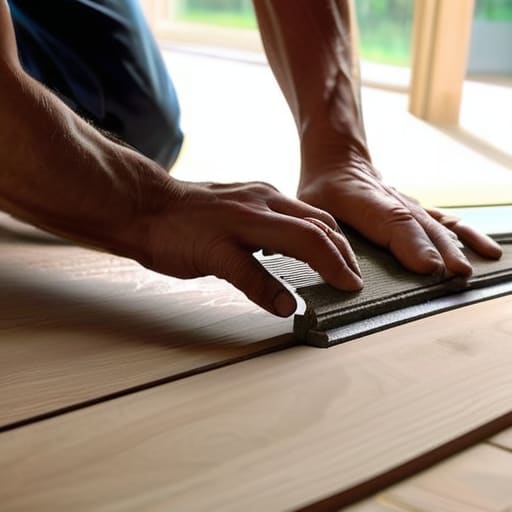
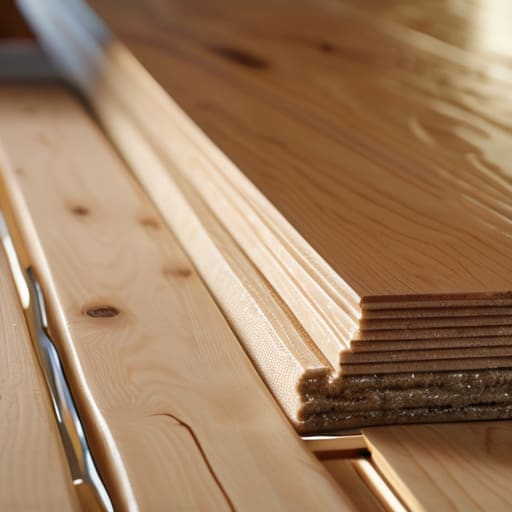
    If you want to avoid the nightmare of seeing your expensive new planks buckle or warp six months after a flip, you cannot afford to skimp on what lies beneath. Most amateur renovators focus entirely on the visible surface, but the real secret to longevity is the underlayment for floor installation. Think of it as the foundation of your aesthetic; if the base is uneven or damp, even the most expensive hardwood is going to fail. I always tell my clients that skipping a quality buffer is just a fast track to a costly callback.

    Before you even think about laying down a single plank, you need to address your subfloor preparation techniques. If you’re dealing with an old fixer-upper, you’re likely going to encounter uneven joists or slight moisture issues. This is where checking your flooring moisture barrier requirements becomes non-negotiable. Whether you’re using a thick foam pad for sound dampening or a specialized vapor barrier for concrete slabs, getting this layer right is what separates a professional-grade rehab from a DIY disaster. It’s about protecting that equity you worked so hard to build.

    Don't Get Burned: 5 Pro Moves for a Flawless Floor

    • Stop obsessing over the prettiest sample in the showroom; instead, grab a sample of the actual material and try to scratch it with a key or spill some coffee on it. If it doesn’t hold up in your own kitchen, it definitely won’t survive a rental or a high-traffic flip.
    • Never, and I mean never, skip the subfloor prep. I’ve seen so many investors try to save a few hundred bucks by laying expensive hardwood over a wonky, uneven subfloor, only to have the boards squeak or buckle six months later. Level it out now, or pay for it later.
    • Always order 10% to 15% more material than your square footage suggests. Between corner cuts, mistakes, and the occasional damaged plank in the box, you do not want to be halfway through a room only to realize you’re short and have to pay more for shipping on a tiny supplemental order.
    • Check your acclimation time religiously. If you’re installing real wood or high-end laminate, let those boxes sit in the actual room where they’ll be installed for at least 48 to 72 hours. If you rush the install, the temperature and humidity shifts will warp your profit margin right out of the house.
    • Focus your budget where it shows. If you’re on a tight margin, go for a high-quality LVP (Luxury Vinyl Plank) in the high-traffic living areas, but don’t skimp on the transitions and baseboards. It’s the little trim details that make a cheap floor look like a custom installation.

    The Bottom Line on Flooring

    Don’t get blinded by high-end material costs; focus your budget on quality underlayment and a level subfloor, because a cheap finish on a bad foundation will fail every single time.

    When you’re quoting contractors, don’t just look for the lowest number—look for the person who understands that a precise installation is what actually protects your profit margins.

    Treat flooring as a strategic equity play rather than just a cosmetic fix; choose durable, timeless materials that won’t need replacing the moment you try to flip the property.

    ## The Real ROI of Your Floors

    “Stop looking at flooring as just another line item in your renovation budget; if you treat it as a strategic asset rather than an expense, you’re not just covering a subfloor—you’re laying the foundation for your profit margin.”

    Gareth Trelawny

    The Bottom Line on Your Floors

    The Bottom Line on Your Floors.

    At the end of the day, flooring isn’t just about picking a color that looks good in a showroom; it’s a strategic move for your property’s value. We’ve talked about how to keep your installation costs from spiraling out of control and why skimping on high-quality underlayment is a mistake you’ll regret when your subfloor starts acting up. If you manage your budget wisely and don’t cut corners on the unseen layers that provide stability, you aren’t just covering up old wood or concrete. You are effectively layering on equity that will show up in your final appraisal.

    I know that looking at a gutted room with bare subfloors can feel overwhelming, especially when you’re staring down a massive project timeline. But remember, every great renovation is just a series of small, calculated decisions. Don’t let the dust and the chaos intimidate you. When you finally walk across those new planks and see the light hitting a clean, finished surface, you’ll realize that the sweat equity was worth every second. Stop looking at the mess and start seeing the potential profit hiding underneath. Now, grab your laser measurer and get to work.

    Frequently Asked Questions

    How do I know if my subfloor is actually level enough for luxury vinyl plank, or if I'm just setting myself up for a nightmare later?

    Grab your laser measurer—or a decent 4-foot level if you’re just starting—and check for dips or humps. For LVP, you really want your subfloor to be within 3/16 of an inch over a 10-foot span. If you see significant waves, don’t just click those planks together and hope for the best; the locking mechanisms will snap underfoot. Level it out with self-leveling compound now, or you’ll be paying for a full replacement later.

    Is it actually worth paying the premium for engineered hardwood in a rental property, or should I just stick to something more durable and budget-friendly?

    Look, if you’re playing the long game, engineered hardwood is a solid move because it looks high-end and holds its value during a resale. But if this is a high-turnover rental? Honestly, don’t overextend yourself. I’d pivot to a high-quality Luxury Vinyl Plank (LVP) instead. It mimics the wood look perfectly, handles spills and heavy foot traffic like a champ, and won’t leave you crying over a scratched-up floor when a tenant moves out.

    What are the biggest red flags I should look for when I'm vetting a flooring contractor to make sure they aren't cutting corners on the prep work?

    If a contractor walks into a room and doesn’t immediately pull out a moisture meter or a straightedge, run. The biggest red flag is someone who wants to lay material directly over uneven subfloors or old, unlevel concrete. They’ll tell you “it’ll flatten out,” but they’re lying. If they aren’t talking about grinding, leveling, or cleaning the substrate before the first plank touches the floor, they aren’t installing a floor—they’re just hiding problems.

  • How to Successfully Flip Houses for Profit

    How to Successfully Flip Houses for Profit

    I still remember the smell of damp drywall and old sawdust from my first solo project—a cramped, single-story bungalow that most people wouldn’t look at twice without gagging. While the “gurus” on social media were busy posting polished photos of luxury mansions and talking about effortless millions, I was on my hands and knees in a dusty basement, wondering if I’d just made the biggest mistake of my life. That’s the reality they don’t show you: property flipping isn’t about the glamorous reveal; it’s about the grit you show when the plumbing fails at 2:00 AM.

    I’m not here to sell you a dream or a get-rich-quick scheme that requires a massive inheritance to start. Instead, I’m going to pull back the curtain on how I actually build equity by spotting the hidden potential in the mess. I’ll share the practical, hard-won lessons I’ve learned from years of managing job sites and navigating renovation disasters. If you’re ready to stop chasing the hype and start learning how to turn crumbling walls into solid financial assets, then you’re in the right place.

    Table of Contents

    Finding Gold in Fix and Flip Real Estate

    Finding Gold in Fix and Flip Real Estate

    When I’m out scouting for my next project, I’m not looking for the “pretty” houses. Those are already priced to perfection, and there’s zero margin left for me to make a profit. Instead, I’m hunting for the houses that make most people cringe—the ones with the overgrown landscaping, the outdated shag carpet, or that suspicious water stain on the ceiling. To find the real wins in fix and flip real estate, you have to look past the cosmetic decay and evaluate the skeleton of the building. I always say that you can replace a kitchen or rip out old flooring, but you can’t fix a bad floor plan or a foundation that’s shifting.

    The secret is staying ahead of the curve by monitoring local real estate market trends before you even step foot on a property. I don’t just bid on a whim; I need to know exactly what the neighborhood can support once the dust settles. Before I ever sign a contract, I’m obsessing over the numbers to ensure the math actually works. If the potential upside doesn’t significantly outweigh the risk of a surprise plumbing disaster, I walk away. You have to be willing to let a deal go to ensure your next one is a winner.

    Winning Property Acquisition Strategies for the Bold

    Winning Property Acquisition Strategies for the Bold.

    If you’re waiting for a perfect turnkey listing to hit the MLS, you’ve already lost the race. Winning in this game requires a shift in mindset; you have to stop looking at what a house is and start seeing what it could be. I’ve found that the best property acquisition strategies usually involve looking where others are afraid to tread—think wholesalers, pre-foreclosures, or even those overgrown properties in quiet neighborhoods that everyone assumes are money pits. You aren’t just buying four walls; you are buying the spread between the purchase price and the potential.

    However, being bold doesn’t mean being reckless. Before I even sign a contract, I am obsessively running my numbers. You cannot rely on gut feelings alone; you need a brutal, realistic after repair value calculation to ensure there’s actually meat on the bone. I spend hours walking through dusty basements, mentally mapping out every plumbing upgrade and structural fix. If the math doesn’t hold up against the current real estate market trends, I walk away. I’d rather miss out on a mediocre deal than sink my capital into a renovation that won’t yield the equity I need.

    The Dirty Work: 5 Rules for Not Losing Your Shirt on a Flip

    • Don’t fall in love with the aesthetics; fall in love with the numbers. I’ve seen plenty of designers get blinded by a gorgeous original fireplace and ignore the fact that the foundation is cracked. If the math doesn’t work after you factor in the “surprise” repairs, walk away.
    • Always, and I mean always, build a 15% contingency buffer into your renovation budget. Between unexpected mold behind a wall or a sudden spike in lumber prices, something is going to go sideways. If you don’t budget for the mess, the mess will eat your entire profit margin.
    • Focus your renovation budget on the “high-impact” zones. In my experience, buyers will forgive a dated bedroom, but they will absolutely crucify you for a mediocre kitchen or a bathroom that feels cramped and cheap. Spend your money where it creates the most perceived value.
    • Get a professional inspection before you sign anything. I know, it feels like an extra hurdle when you’re trying to move fast, but I’d rather spend a few hundred bucks now than find out I’ve inherited a house with a failing sewer line after I’ve already closed.
    • Build your “A-Team” of contractors before you actually need them. You can’t just hire a random guy from a flyer when you’re on a tight timeline. You need reliable subs who actually show up and understand that a renovation schedule is a living, breathing thing.

    The Bottom Line: Turning Sweat Equity into Real Wealth

    Don’t get blinded by shiny finishes; your profit lives in the structural integrity and the “bones” of the house before the first coat of paint ever touches a wall.

    Success in flipping isn’t about luck—it’s about having a disciplined acquisition strategy and the grit to stay the course when a renovation inevitably gets messy.

    Real estate is a game of margins, so master the art of spotting undervalued potential and managing your rehab costs without sacrificing the design elements that drive resale value.

    ## The Reality of the Build

    “Most people see a cracked foundation or outdated wallpaper as a headache, but I see them as the discount you need to build real equity. In this game, your profit isn’t just found in the sale; it’s earned in the grit it takes to see past the mess and uncover the bones.”

    Gareth Trelawny

    Turning Vision into Value

    Turning Vision into Value through property flipping.

    At the end of the day, successful property flipping isn’t about luck or having a bottomless bank account; it’s about the intersection of a sharp eye and a calculated strategy. We’ve walked through how to identify those diamond-in-the-rough properties and the aggressive acquisition tactics needed to secure them before the competition even realizes what they’re looking at. Remember, the profit is baked into the buy, not just the renovation. If you don’t get the numbers right during the acquisition phase, even the most stunning mid-century modern remodel won’t save your margins. You have to be willing to do the math, trust your gut on the structural integrity, and stay disciplined when the renovation gets messy.

    Real estate investing is rarely a clean, polished process. It’s dusty, it’s exhausting, and there will be days when you’re staring at a plumbing disaster wondering why you didn’t just stay in a corporate office. But that’s exactly where the equity is built. Every crumbling wall you fix and every outdated layout you transform is a step toward building something permanent and tangible. Don’t let the fear of a little chaos keep you on the sidelines. Grab your tools, trust your training, and start looking for that next opportunity to turn a neglected house into a wealth-generating asset.

    Frequently Asked Questions

    How do I figure out if a renovation budget is actually realistic before I pull the trigger on a purchase?

    Don’t guess. If you’re guessing, you’re losing money. Before I sign anything, I get a contractor on-site for a walkthrough, but I don’t just take their word for it. I pull my laser measurer out, verify the square footage myself, and build a 15% “chaos buffer” into every estimate. You have to account for the rot behind the drywall that nobody sees until the hammer swings. If the math doesn’t hold with a buffer, walk away.

    What are the red flags I should look for during a walkthrough that signal a house is a money pit rather than a diamond in the rough?

    Don’t let a fresh coat of paint fool you. When I’m walking a site, I’m looking past the staging. If I see fresh drywall in only one corner or a suspicious lack of water stains on a ceiling, my alarm bells go off. Watch out for sagging floorboards or that unmistakable musty smell—it usually means foundation issues or mold hiding behind the studs. If the electrical panel looks like a bird’s nest, walk away. That’s not a renovation; that’s a sinkhole.

    How much of my own cash do I really need to have on hand to manage unexpected contractor delays or material price hikes?

    Look, if you’re banking on your budget being perfect, you’ve already lost. I never step onto a job site without a 15-20% contingency fund sitting in a liquid account. Between supply chain nonsense and contractors disappearing mid-demo, things will go sideways. Don’t mistake a “tight budget” for a “risky one.” That extra cash isn’t just a safety net; it’s the difference between a successful flip and a total financial meltdown.

  • Increasing Home Value Through Kitchen Remodeling

    Increasing Home Value Through Kitchen Remodeling

    I was standing in a gutted Victorian bungalow last Tuesday, dust coating my boots and the smell of old grease hanging heavy in the air, staring at a kitchen that looked like it hadn’t been touched since the Nixon administration. Most people would see a disaster area and walk away, but as I pulled my laser measurer from my bag, I didn’t see a mess—I saw a goldmine. A poorly executed kitchen remodel is one of the fastest ways to bleed a budget dry, but a strategic one? That’s how you build real wealth.

    I’m not here to sell you on marble countertops that cost more than your car or trendy backsplash tiles that will be outdated by next season. My goal is to show you how to navigate the chaos of a renovation without losing your mind or your profit margins. I’m going to give you the straight-up truth on where to splurge for maximum ROI and where to cut corners so you can stop dreaming about equity and start actually building it.

    Table of Contents

    Mastering Modern Kitchen Layout Ideas for Maximum Roi

    Mastering Modern Kitchen Layout Ideas for Maximum Roi

    When I’m walking into a potential flip, I’m not just looking at the color of the cabinets; I’m looking at the flow. You can have the most expensive marble in the world, but if the “work triangle” is broken, you’ve wasted your money. To see a real return, you need to focus on modern kitchen layout ideas that prioritize movement. I always push for an open concept that connects the prep area to the living space. Even in tighter properties, small kitchen space optimization—like using deep drawers instead of lower cabinets or installing a slim peninsula—can make a cramped room feel like a high-end chef’s suite.

    Don’t get distracted by every passing fad, either. While I love keeping an eye on kitchen design trends 2024, my goal is longevity, not just a quick trend cycle. I tend to stick to clean lines and functional zones. If you’re working with a tighter budget, don’t sweat the heavy demolition; sometimes, simply reconfiguring the island placement or improving the lighting can do more for your appraisal than a total gut job. Focus on the bones of the layout, and the equity will follow.

    Navigating the Real Cost of Kitchen Remodeling Without Breaking

    Look, I’ve seen too many investors go into a project with a “dream budget” only to end up staring at a half-finished floor because they underestimated the plumbing. The actual cost of kitchen remodeling isn’t just about the pretty things you see on Pinterest; it’s about what’s hiding behind the drywall. If you want to protect your margins, you have to prioritize function over fluff. I always tell my clients to allocate a contingency fund of at least 15%—because in this business, something always goes sideways once you pull up the old flooring.

    To keep your ROI high without draining your bank account, you need to be strategic about where you spend. Don’t blow your entire budget on high-end kitchen design trends 2024 that might look dated in three years. Instead, focus on the heavy hitters. Investing in high-quality cabinetry and solid countertops will do more for your resale value than a trendy, expensive faucet ever could. It’s about making smart, tactical choices that turn a messy renovation into a high-margin win.

    The High-ROI Checklist: Where to Put Your Money and Where to Hold It

    • Prioritize the “Work Triangle” over aesthetics; if the distance between the sink, stove, and fridge feels clunky, no amount of marble countertops will save the resale value.
    • Don’t go overboard with high-end appliances if you’re flipping; aim for reliable, mid-tier brands that look sleek in photos but won’t eat your entire profit margin.
    • Lighting is your secret weapon for making a small renovation feel expensive—swap out those dated recessed cans for layered task lighting and a statement pendant that actually has some character.
    • Avoid the “trend trap” by keeping your cabinetry neutral; I’ve seen too many investors lose money on navy blue or forest green cabinets that look dated within eighteen months.
    • Never underestimate the power of hardware; replacing cheap, builder-grade pulls with heavy, matte black or brushed brass handles is the fastest way to make a budget remodel look custom.

    The Bottom Line: Turning Kitchen Renos into Real Equity

    Stop chasing every single trend; focus on high-impact layouts and functional zones that actually make sense to a buyer, because a kitchen that works is a kitchen that sells.

    Always keep a “renovation buffer” in your budget for the inevitable surprises behind the drywall—if you don’t account for the hidden mess, you’re bleeding profit before you even install the backsplash.

    Prioritize quality over quantity by investing in durable, mid-range materials that look high-end but won’t eat your entire margin, ensuring your ROI stays in the green.

    The Heart of the Flip

    A kitchen remodel isn’t just about picking out pretty backsplash tiles; it’s about strategic demolition. You aren’t just fixing a room; you’re re-engineering the house’s ability to command a premium price.

    Gareth Trelawny

    The Bottom Line on Your Kitchen Strategy

    The Bottom Line on Your Kitchen Strategy.

    At the end of the day, a successful kitchen remodel isn’t about picking the flashiest backsplash or the most expensive marble slab; it’s about strategic execution. We’ve talked about how a smart layout can dictate the flow of a home and how keeping a tight grip on your budget prevents a renovation from turning into a financial sinkhole. Remember, every dollar you spend needs to be an investment in future equity, not just a personal preference. If you prioritize functional design and manage your costs with a disciplined eye, you aren’t just fixing a room—you are actively building a more valuable asset.

    I know it can feel overwhelming when you’re staring at outdated cabinetry and a floor plan that makes no sense, but don’t let the mess intimidate you. Every gutted kitchen I’ve walked into started as a headache, but they all ended as the primary driver of a property’s appreciation. Real estate isn’t about finding perfection; it’s about finding potential where others see chaos. Grab your laser measurer, stay focused on your ROI, and start turning those crumbling walls into the foundation of your wealth. You’ve got this.

    Frequently Asked Questions

    How do I decide between a full gut renovation and just updating the surfaces to keep my margins high?

    Look, I’ve been on both sides of this, and the answer always comes down to the bones. If the layout is functional and the plumbing is sound, don’t touch the studs—just swap the hardware, paint the cabinets, and slap in new quartz. That’s how you protect your margins. But if you’re staring at a cramped, 1970s galley that kills the flow, you have to gut it. You can’t build equity on a bad floor plan.

    Which specific high-end finishes are actually worth the investment, and which ones are just wasted money in a flip?

    Look, I’ve seen too many investors blow their margins on things buyers only look at for five seconds. Skip the gold-plated faucets and custom-carved cabinetry; they’re vanity projects that won’t move the needle. Instead, sink your capital into high-quality quartz countertops and solid hardware. People touch handles and lean on counters every single day. If it feels substantial and looks clean, it builds value. If it’s just “flashy,” it’s just wasted equity.

    How can I spot potential plumbing or electrical nightmares behind the cabinets before I commit to a layout change?

    Before you tear those cabinets off the wall, do a little detective work. First, check the age of your electrical panel; if it’s a rusted-out relic, a layout change means a massive rewire. Next, look for signs of moisture or “mystery” stains on the subfloor. If you can, use a thermal camera or a simple moisture meter to peek behind the backsplash. Don’t guess—if the plumbing stack is buried deep in a load-bearing wall, your “simple” relocation just became a budget killer.

  • Tips for Painting Interior Walls

    Tips for Painting Interior Walls

    I was standing in the middle of a gutted Victorian fixer-upper last Tuesday, staring at walls that looked more like sandpaper than living space, when I realized something: most people treat interior painting like a weekend hobby rather than a strategic investment. I’ve seen too many novice flippers waste hundreds of dollars on high-end designer pigments only to realize they didn’t bother to prep the drywall properly, leaving them with a streaky, amateur finish that actually kills their resale value. In this business, a brush isn’t just a tool; it’s how you mask a property’s scars and start building that solid equity we’re all after.

    Forget the fluff and the overly complicated color theory you’ll find in glossy magazines. I’m going to show you the gritty, practical reality of how to execute a professional-grade job without hiring a crew. We’re going to dive into the essential prep work that prevents future headaches, how to select finishes that actually withstand the test of time, and the exact workflow I use on my own job sites to maximize impact while minimizing cost. Let’s get to work.

    Table of Contents

    Guide Overview

    Total Time: 1-2 days
    Estimated Cost: $100-250
    Difficulty: Beginner

    Tools & Supplies

    • Paint brushes for cutting in edges
    • Paint rollers for large surfaces
    • Paint tray for holding paint
    • Painter's tape for protecting trim
    • Drop cloths to protect flooring
    • Interior paint (1-2 gallons per room)
    • Painter's tape (1-2 rolls)
    • Sandpaper (medium grit for smoothing)
    • Spackle (small tub for patching holes)
    • Primer (1 gallon if changing colors significantly)

    Step-by-Step Instructions

    • 1. First, you have to clear the deck. I’ve learned the hard way that trying to paint around a heavy oak sideboard is a recipe for a massive headache. Move as much furniture as possible to the center of the room and cover it with heavy-duty drop cloths—not those thin plastic sheets that tear if you even look at them wrong. Clear the walls of every single nail, screw, and stray piece of art. If you leave even one small imperfection, it’ll catch the light once you finish and make the whole job look amateurish.
    • 2. Next, get your hands dirty with some prep work. This is the part most flippers try to skip to save time, but if you want that equity to stick, you can’t skip it. Grab a sanding sponge and smooth out any rough patches or old, peeling paint. Once the surface is level, use a damp cloth to wipe away the dust. If you paint directly over dust, your finish will look gritty and unprofessional, and I promise you, buyers will notice.
    • 3. Now, it’s time to tackle the “cutting in” phase. Before you even think about touching a roller to a wall, you need to use a high-quality angled brush to paint the edges, corners, and around trim where a roller can’t reach. I always keep my laser measurer handy just to double-check room dimensions, but for this step, you just need a steady hand. Work in small sections so the “wet edge” stays consistent; you don’t want visible lines where the brushwork meets the rolled paint.
    • 4. Once your edges are set, grab your roller and start working the main surface area. I prefer using a medium-nap roller for most standard drywall—it gives you the best balance of coverage and texture. Work in a “W” or “M” pattern to distribute the paint evenly, then fill in the gaps. Don’t try to do it all in one thick, gloopy layer. It’s much better to do two thin, even coats than one heavy layer that ends up dripping and looking uneven.
    • 5. Don’t forget the trim and baseboards. This is where a house starts to feel “high-end” versus “cheaply flipped.” Use a dedicated trim paint—usually a semi-gloss or satin—to provide a nice contrast against your wall color. This adds a layer of visual depth that makes the room feel intentional. Just like with the walls, make sure your prep work here is flawless; any drips on the floor or uneven edges on the molding will kill the professional vibe you’re aiming for.
    • 6. Finally, the hardest part: the waiting game. I know you want to move the furniture back in and get the next contractor on-site, but you have to let the paint fully cure. If you rush this and start slamming doors or dragging heavy items against the walls too soon, you’re going to scuff the finish and end up right back where you started. Give it at least 24 to 48 hours depending on the humidity before you start treating the room like a lived-in space.

    Mastering Surface Preparation Techniques for Lasting Value

    Mastering Surface Preparation Techniques for Lasting Value

    Look, I’ve seen it a hundred times: a rookie investor rushes straight to the color swatch, only to realize two weeks later that the finish is peeling because they skipped the prep work. If you want your flip to look high-end rather than “cheaply renovated,” you cannot cut corners here. Mastering proper surface preparation techniques is the difference between a professional-grade finish and a DIY disaster that loses you money. I always tell my clients to spend 70% of their time on the prep—sanding down imperfections, patching those inevitable drywall cracks, and ensuring the surface is bone-dry and dust-free.

    Once the walls are actually ready, don’t just grab the first brush you see at the hardware store. Your interior paint tools dictate the final texture of the room. If you’re working on a large, open-concept living area, your paint roller selection is vital; a high-quality microfiber nap will prevent those annoying stipple patterns that scream “budget job.” Also, keep a close eye on your lighting. I always check my work with a high-lumen work light to ensure there are no streaks or uneven patches before the sheen dries.

    Choosing Wall Paint Finishes That Command Higher Rents

    Choosing Wall Paint Finishes That Command Higher Rents

    When you’re prepping a rental or a flip, you have to stop thinking about what looks pretty in a showroom and start thinking about durability. If you choose a flat finish in a high-traffic hallway, you’re going to be back there with a touch-up brush in six months because every scuff mark will scream for attention. I always lean toward eggshell or satin finishes for living areas and bedrooms. They offer enough of a subtle sheen to feel high-end, but they’re scrubbable enough to handle the inevitable wear and tear of daily life without looking like a disaster.

    Don’t forget that room lighting and color play a massive role in how these finishes actually perform once the job is done. A deep navy in a matte finish can look sophisticated in a sun-drenched study, but in a dark basement, it’ll just make the space feel like a cave. I’ve seen too many investors blow their margins by picking colors that look great on a swatch but turn muddy under LED bulbs. Aim for neutral, versatile tones that make the rooms feel larger and more inviting; that’s how you maximize your ROI and attract the right tenants.

    Five Pro Moves to Protect Your ROI While You Paint

    • Stick to a neutral, sophisticated palette; I’ve seen too many rookies try to get “creative” with bold accent walls that actually shrink the buyer’s imagination and kill the vibe.
    • Don’t skimp on the primer, especially when you’re working over dark colors or patched drywall, because a cheap base job will make your expensive topcoat look patchy and amateur.
    • Focus your budget on high-traffic areas like hallways and kitchens by using durable, washable paints, while you can get away with more matte finishes in the bedrooms.
    • Always test your color swatches under both natural daylight and your evening artificial lighting; a shade that looks like a perfect greige in the store might look like a depressing hospital ward once it’s on all four walls.
    • Invest in high-quality brushes and rollers instead of the bargain bin stuff, because nothing ruins a professional finish faster than shedding bristles and uneven texture left behind by cheap tools.

    The Bottom Line: Painting for Profit

    Never cut corners on prep work; a cheap paint job that peels in six months is a liability, not an asset, and it’ll kill your margins faster than you can fix it.

    Stick to high-durability, mid-sheen finishes like eggshell or satin to ensure the space looks polished while standing up to the wear and tear of future tenants.

    Treat paint as a strategic tool for equity, not just a cosmetic fix—use it to brighten dark corners and mask imperfections that would otherwise tank your appraisal.

    ## The High-ROI Secret

    “Stop looking at paint as just a color choice; in this business, it’s a strategic tool. A well-executed paint job isn’t just about aesthetics—it’s about masking the years of neglect and signaling to a buyer that this property is a clean slate ready for equity.”

    Gareth Trelawny

    The Bottom Line on Paint and Profit

    The Bottom Line on Paint and Profit.

    At the end of the day, interior painting isn’t just about picking a color that looks nice in a showroom; it’s a strategic tool for your renovation toolkit. We’ve covered how meticulous surface preparation prevents costly peeling later on, and how selecting the right finishes can actually protect your investment from the wear and tear of high-traffic rental units. If you skip the prep work or choose a cheap, flat finish in a kitchen, you’re essentially leaving money on the table. Remember, the goal is to create a space that looks high-end but is actually built for durability and long-term value.

    I know that staring at a stack of unprimed drywall can feel overwhelming, especially when you’re trying to balance a tight renovation budget. But don’t let the mess intimidate you. Every gallon of paint you apply is a step toward transforming a neglected property into a high-performing asset. It’s about seeing past the grime and the outdated beige to the true potential hiding underneath. Stop looking at these walls as a chore and start seeing them as the foundation of your equity. Get the rollers ready, stay disciplined with your prep, and let’s get to work.

    Frequently Asked Questions

    How do I decide between painting the trim and baseboards the same color as the walls versus using a contrasting white to maximize resale value?

    If you’re aiming for maximum resale, go with the classic contrasting white. It creates a crisp, clean frame that makes the whole room look polished and intentional. It’s the safe bet for broad appeal. However, if you’re working with a smaller, tighter space, painting the trim the same color as the walls—just in a different sheen—can actually trick the eye into seeing more height and continuity. It’s all about the vibe you’re selling.

    Is it actually worth the extra time and money to use premium paint brands, or can I get away with contractor-grade stuff for a quick flip?

    Look, if you’re doing a quick rental refresh, contractor-grade is fine. But if you’re flipping for a high-end sale? Go premium. Cheap paint is thin, requires three coats to hide imperfections, and looks “flat” under bright lights. I’ve seen too many investors try to save fifty bucks only to realize they’re spending double on labor because the paint won’t cover. Invest in the quality upfront; it saves time and makes the finish look expensive.

    How can I tell if a wall needs a full skim coat versus just a simple patch job to avoid seeing imperfections under the new color?

    Here’s the litmus test: grab your laser measurer—or just a flashlight—and shine it across the wall at an angle. If you see “shadowing” or undulations that span more than a few inches, a patch won’t cut it. A simple patch only fixes a hole; it won’t fix a wavy wall. If the surface feels like a topographical map, you need a full skim coat. Don’t cheap out here; nothing kills a high-end finish faster than uneven light hitting a bumpy wall.