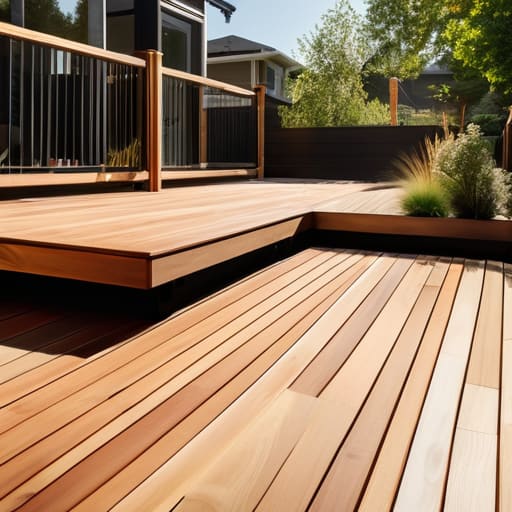
I was standing in the mud of a mid-sized fixer-upper last Tuesday, staring at a backyard that was basically a graveyard of splintering, grey wood and rusted fasteners. Most contractors would have looked at that mess and immediately quoted me a figure that would make my eyes water, claiming that a total overhaul was the only way to go. But I’ve learned the hard way that most people overcomplicate deck construction just to pad their margins. They want you to believe you need a custom-engineered masterpiece just to add a few hundred square feet of livable space, but that’s just a fast track to burning through your renovation budget without seeing a dime of ROI.
I’m not here to sell you on expensive architectural fantasies or unnecessary luxury upgrades that won’t actually move the needle on your property value. Instead, I’m going to show you how to approach deck construction with a strategic, investor’s mindset. We are going to talk about structural integrity, smart material choices, and how to execute a build that looks high-end but stays firmly within a profitable margin. I’ll give you the straight truth on what actually adds solid equity and what is just a waste of your hard-earned capital.
Table of Contents
Mastering Deck Foundation and Framing for Longevity
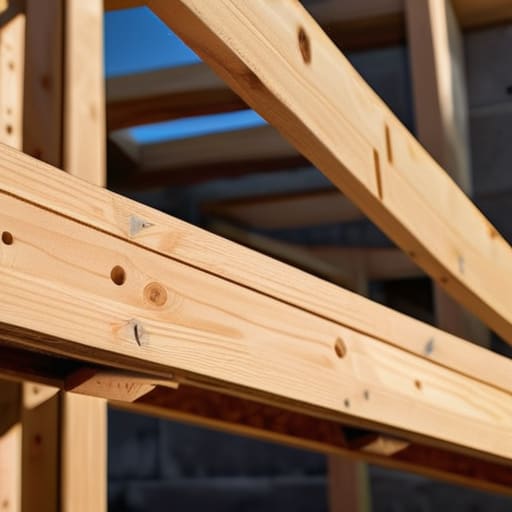
If you’re looking to build real equity, you can’t afford to cut corners on the bones of the structure. I’ve seen too many amateur flips fail because the owner focused on the pretty surface boards while ignoring the deck foundation and framing underneath. A beautiful cedar finish won’t save you if your footings are settling or your joists are rotting due to poor ventilation. You need to treat the substructure like the foundation of a house; it has to be rock solid and perfectly level before you even think about the aesthetics.
When I’m scouting a property, I’m looking at how the existing structures were built. If you’re planning your own build, always prioritize deck safety and building codes from day one. It’s much cheaper to install proper flashing and heavy-duty hardware now than it is to deal with a structural failure and a lawsuit three years down the line. Don’t just aim for a space that looks good in photos; aim for a build that survives the elements and keeps your investment value high.
Outdoor Deck Design Ideas That Boost Property Value

When I’m walking a property, I’m not just looking at the current layout; I’m looking for “lifestyle potential.” A deck shouldn’t just be a platform for a grill; it needs to feel like a seamless extension of the home’s interior. To maximize your ROI, I always suggest incorporating defined zones—think a built-in dining nook on one end and a lounge area on the other. This creates the illusion of more square footage, which is a massive selling point for buyers.
If you’re looking to minimize future headaches while keeping the aesthetic high-end, I highly recommend looking into low maintenance decking options like composite materials. While the initial cost might be slightly higher, the long-term value is unbeatable because you won’t be spending your weekends sanding and staining. I also love seeing multi-level designs that follow the natural slope of a lot. It adds architectural depth and makes a standard backyard feel like a custom-designed retreat. Just remember, the goal isn’t just to build something pretty; it’s to create functional luxury that justifies a higher asking price.
Pro Tips for Building Decks That Actually Pay Off
- Don’t cut corners on the hardware; use high-quality, corrosion-resistant fasteners and joist hangers to ensure the structure lasts longer than your next renovation cycle.
- Prioritize drainage in your design to prevent water from pooling near the house foundation, because a deck that causes structural rot is a liability, not an asset.
- Match your decking material to the home’s overall aesthetic—I usually lean toward composite for low-maintenance flips, but real wood can add more character if you’re targeting a premium buyer.
- Always check your local building codes and permit requirements before you even touch a piece of lumber; nothing kills your ROI faster than a stop-work order from the city.
- Plan for integrated lighting and built-in features during the framing stage, as it’s much cheaper to wire a deck for ambiance now than to tear it apart later to add value.
The Bottom Line: Turning Decks into Dollars
Don’t skimp on the bones; a deck is only as valuable as its foundation, so invest heavily in structural integrity to avoid costly repairs that eat your margins later.
Design for lifestyle, not just aesthetics—buyers want functional zones for entertaining, so prioritize layouts that make the outdoor space feel like a seamless extension of the home.
Focus on high-impact finishes that scream quality, because the right material choice can be the difference between a cheap-looking add-on and a premium feature that drives up your asking price.
The ROI of a Solid Build
“I’ve seen too many investors try to cut corners on a deck to save a few hundred bucks, only to watch that ‘savings’ rot away into a massive liability within three years. If you aren’t building with structural integrity from the first post hole, you aren’t building equity—you’re just building a future headache.”
Gareth Trelawny
Turning Wood and Nails into Real Returns
At the end of the day, a successful deck project isn’t just about picking out a pretty stain or a trendy railing style. It’s about the marriage of structural integrity and strategic design. If you’ve followed the steps we’ve discussed—from ensuring your foundation is rock-solid to selecting layouts that actually expand your living footprint—you aren’t just building a place to host summer BBQs. You are actively constructing a high-value asset. Don’t cut corners on the framing just to save a few bucks on materials; a deck that sags in three years is a liability, not an investment. When you get the technical details right, you create a space that feels intentional and, more importantly, maximizes your resale value.
I know that staring at a pile of lumber and a blueprint can feel overwhelming, especially when you’re managing a tight budget. But remember, every major renovation is just a series of small, manageable decisions. Don’t let the dust and the complexity scare you off. Whether you are doing the work yourself or managing a crew, keep your eyes on the prize: that solid equity waiting on the other side of the project. You have the vision to see past the raw wood and the grit to see the job through. Now, grab your tools and go turn that backyard into a profit center.
Frequently Asked Questions
How do I decide between pressure-treated wood and composite decking if I’m trying to balance upfront costs with long-term ROI?
Look, if you’re playing the long game for equity, you have to weigh the immediate hit to your budget against the “nuisance factor” of maintenance. Pressure-treated wood is your best friend for keeping upfront costs low, which is great for tight margins. But if you’re aiming for a high-end flip, composite is a powerhouse. It’s pricier now, but the “zero-maintenance” selling point is a massive magnet for buyers looking for turnkey luxury.
What are the biggest red flags I should look for when inspecting an existing deck for structural integrity before I decide to flip it?
When I’m walking a job site, I’m looking for the stuff that’ll bleed my budget dry. First, check the ledger board; if it’s pulling away from the house, walk away. Look for “soft” spots in the wood—that’s rot, and it’s a nightmare to fix. Most importantly, check the footings. If they aren’t deep enough or the posts are shifting, you’re looking at a massive structural headache, not a quick flip.
At what point does a deck project stop being a simple upgrade and start becoming a money pit that eats into my renovation budget?
You’ve hit the red flag moment when you start seeing structural rot or outdated grading issues that require more than just new boards. If you’re stripping back the old deck and find the ledger board is soft or the footings are sinking, stop. That’s no longer an upgrade; it’s a structural overhaul. Once you’re digging deep foundations or re-engineering the slope of your yard, you’re no longer adding value—you’re just subsidizing a repair.
