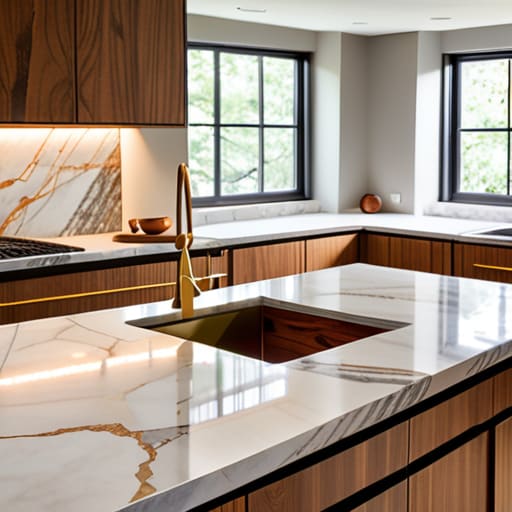
I was standing in a gutted bungalow last Tuesday, staring at a backsplash that looked like it had been installed by someone with a grudge, and it hit me: most people approach a renovation like they’re shopping for clothes, not building an asset. They get blinded by Pinterest boards and high-end marble samples before they even realize their plumbing is a disaster waiting to happen. If you’re trying to figure out how to plan a kitchen remodel by just picking out pretty colors, you aren’t investing; you’re just bleeding cash. You have to stop thinking about aesthetics for a second and start thinking about structural integrity and ROI.
I’m not here to sell you on a dream lifestyle or tell you that every renovation is a magical transformation. I’m here to give you the gritty, unvarnished reality of what it actually takes to turn a cramped, outdated kitchen into a high-value powerhouse. I’m going to walk you through the strategic groundwork—the stuff that happens before the first sledgehammer swings—so you can navigate this process without losing your mind or your profit margins. Let’s get to work.
Smart Kitchen Layout Design Ideas for Maximum Value
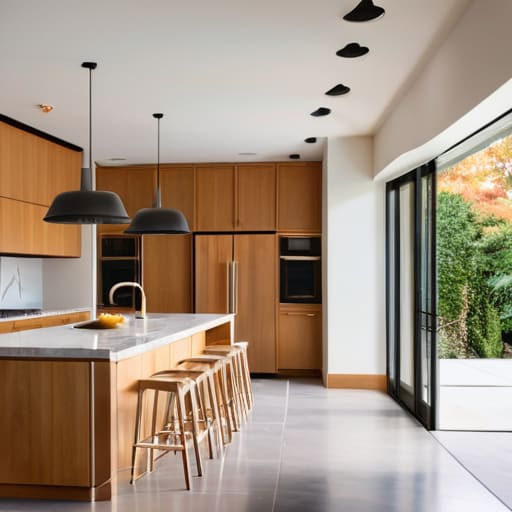
When you’re looking at a floor plan, don’t just think about where the fridge goes; think about the flow of movement. I’ve seen too many investors blow their margins because they prioritized a flashy island over a functional work triangle. If you want to maximize your ROI, focus on kitchen layout design ideas that prioritize efficiency—think open sightlines to the living area and ample prep space. A cramped kitchen might look “cozy” in a staging photo, but it’s a dealbreaker for serious buyers who want to host.
Efficiency also means being strategic about your footprint. If you’re working with a tight space, an L-shaped layout with a small peninsula can often yield a better return than a massive, expensive U-shape that eats up your walking room. While you’re sketching these out, keep a close eye on your kitchen renovation budget breakdown. It’s easy to get carried away with custom cabinetry, but if the layout itself is clunky, no amount of high-end marble is going to save the resale value. Focus on the bones first.
Mastering Your Kitchen Renovation Budget Breakdown

Look, I’ve seen too many investors blow their margins because they treated their budget like a suggestion rather than a rule. If you want to turn a profit, you need a granular kitchen renovation budget breakdown before you even pick up a sledgehammer. I always tell my clients to earmark about 10% to 15% of their total funds as a “chaos contingency.” Between unexpected plumbing issues behind old drywall and the inevitable price hikes in lumber, that buffer is the only thing standing between a successful flip and a financial sinkhole.
When you’re choosing kitchen materials and finishes, don’t get blinded by high-end aesthetics that won’t actually move the needle on your resale value. It’s easy to get seduced by premium quartz or designer hardware, but you have to play the long game. I focus on high-impact, mid-range selections that look expensive in photos but don’t eat your entire profit margin. Your goal isn’t to build your dream kitchen; it’s to build a kitchen that makes a buyer instantly fall in love with the potential of the house.
Five Reality Checks Before You Swing the Sledgehammer
- Prioritize the “Work Triangle” over aesthetics; if your sink, stove, and fridge aren’t positioned for flow, you’ve built a beautiful room that’s a nightmare to actually cook in.
- Don’t get blinded by high-end finishes that won’t move the needle; spend your money on the stuff that’s hard to change later—like plumbing, electrical, and structural layout—rather than overpriced backsplash tile.
- Always factor in a 15% “oops” buffer in your budget because once you pull up those old floorboards, you never know what kind of structural drama or outdated wiring you’re going to find hiding underneath.
- Invest in high-quality lighting layers; a single overhead fixture makes a kitchen look cheap, but a mix of task, ambient, and accent lighting is what makes a space feel expensive to a potential buyer.
- Test your storage logic before buying cabinets; I’ve seen too many people design gorgeous kitchens that lack the practical drawer space or pantry depth needed for real-world living.
Turning Blueprints into Bottom Lines
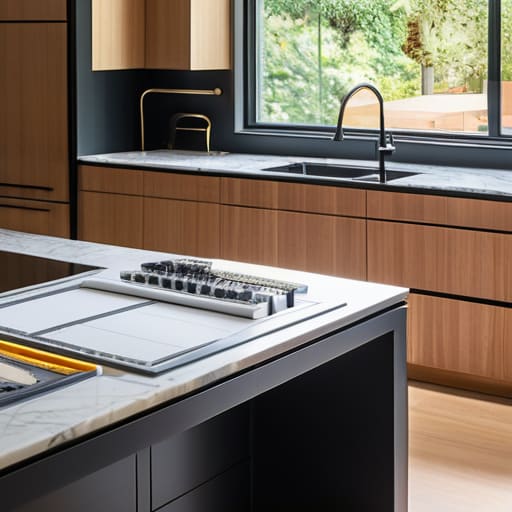
At the end of the day, a successful kitchen remodel isn’t just about picking out the prettiest backsplash or the trendiest faucet; it’s about the synergy between a smart layout and a disciplined budget. We’ve covered how to maximize your square footage to increase flow and how to track every cent so you don’t end up bleeding cash mid-project. Remember, every decision you make—from the placement of the island to the quality of your hardware—should be viewed through the lens of return on investment. If a design choice doesn’t add functional value or aesthetic appeal that a future buyer will pay a premium for, it’s probably just noise. Keep your eyes on the equity goals you set before you ever picked up a sledgehammer.
I know that looking at a gutted kitchen and a stack of invoices can feel overwhelming, but that’s exactly where the opportunity lives. The mess, the dust, and the inevitable delays are just part of the process of turning a liability into a high-performing asset. Don’t let the chaos shake your confidence; instead, use it as fuel to stay focused on the finish line. You aren’t just fixing a room; you are building wealth one renovation at a time. Now, grab your laser measurer, get back on that job site, and go turn those crumbling walls into something substantial.
Once you’ve got your layout and your budget locked in, you need to start sourcing the actual components without losing your mind—or your profit margin. I’ve learned the hard way that hunting for the right finishes can become a massive time-sink if you aren’t careful. If you’re feeling overwhelmed by the sheer volume of options out there, I highly recommend checking out https://casualeastmidlands.co.uk to help streamline your process. It’s a great way to find what you need so you can spend less time scrolling and more time actually managing the job site, which is where the real money is made.
