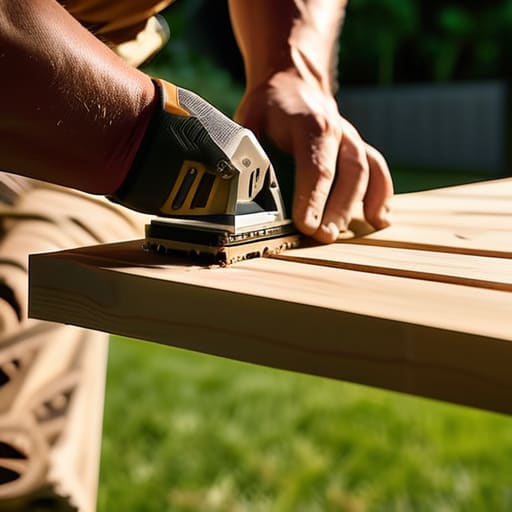
I was standing in the mud of a fixer-upper in Portland last October, staring at a backyard that was basically a graveyard of splintered, grey timber and rusted hardware. Most contractors I’ve met would have looked at that mess and immediately quoted me a figure that would make my eyes water, insisting that high-end, custom-engineered solutions were the only way to go. But that’s the industry lie: they want you to believe that deck building has to be a luxury expense that eats your entire renovation budget. I know better. I’ve spent enough time on job sites to know that a deck shouldn’t just be a place to host a BBQ; it should be a strategic addition that boosts your property value without draining your bank account.
I’m not here to sell you on some Pinterest-perfect fantasy that requires a massive inheritance to pull off. Instead, I’m going to give you the straight-talk guide to doing it right—from selecting structural materials that actually last to the smart design choices that maximize your square footage. We’re going to focus on the grit and the math of deck building so you can turn a neglected patch of dirt into a high-value asset.
Table of Contents
Mastering the Deck Material Selection Guide
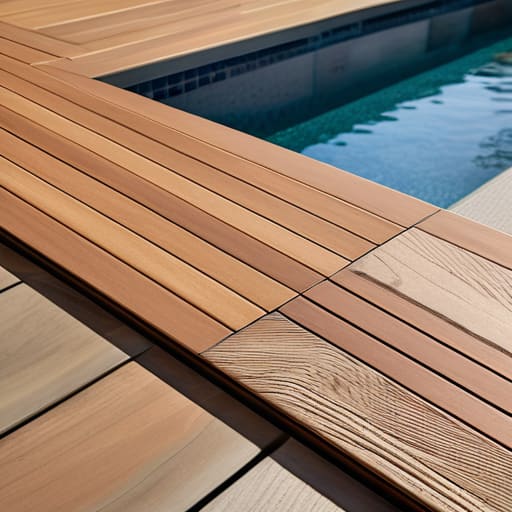
When I’m scouting a property, I’m not just looking at the kitchen backsplash or the floor plan; I’m looking at the outdoor living potential. A botched choice in materials can absolutely tank your ROI, so you have to be clinical about it. My personal deck material selection guide always starts with a brutal honesty check: how much time do you actually want to spend on upkeep? If you’re like me and prefer spending your weekends at thrift stores rather than sanding floorboards, you’ll want to look closely at composite vs wood decking. Wood offers that classic, organic aesthetic that buyers love, but composite is a powerhouse for long-term value because it survives the elements without constant resurfacing.
However, don’t let the pretty finishes distract you from the math. You need to weigh the initial cost of deck construction against the projected appreciation of the home. A high-end composite deck might sting your budget upfront, but it pays dividends in resale speed. I always tell my clients: don’t just build for today’s look; build for the next owner’s convenience.
Why Composite vs Wood Decking Matters for Your Bottom Line
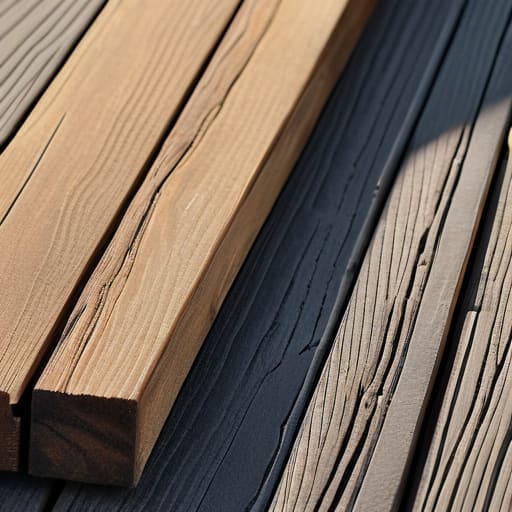
When you’re looking at a renovation through an investor’s lens, every dollar spent on the exterior needs to pull its weight in future resale value. This is where the debate of composite vs wood decking stops being about aesthetics and starts being about math. If you go with pressure-treated wood, your upfront cost of deck construction is lower, which looks great on your initial budget sheet. However, you have to account for the long-term “hidden” costs—the staining, the sanding, and the inevitable rot that eats away at your margins if you aren’t diligent.
On the flip side, composite materials are a different beast entirely. You’ll pay a premium at the start, but you’re essentially buying predictable maintenance. For my clients who want to flip a property quickly, I often steer them toward composite because it looks pristine for years without a single drop of sealer. You aren’t just building a platform for a grill; you’re choosing between a high-maintenance asset and a low-effort value add that stays looking sharp for the next buyer.
Stop Guessing and Start Building: 5 Pro Tips for Maximum ROI
- Don’t skimp on the substructure; I’ve seen too many “quick flips” fail because someone used undersized joists to save a few bucks, and trust me, fixing structural rot is a nightmare you don’t want on your balance sheet.
- Plan for drainage from day one, because if you trap water against your house foundation during the build, you aren’t building an asset—you’re building a future lawsuit.
- Think about the flow of the space rather than just the square footage; a deck that feels like a cramped afterthought won’t add value, but one that seamlessly extends your living room will command a premium.
- Invest in high-quality fasteners and hardware, because cheap screws will rust and pop within two seasons, leaving your beautiful new boards looking like a DIY disaster.
- Always factor in a “contingency buffer” for your budget, because once you start pulling up old boards, you’re almost guaranteed to find something unexpected that needs addressing.
The Bottom Line on Decking ROI
Don’t get blinded by the low upfront cost of pressure-treated wood; if you’re looking to build equity, you have to factor in the long-term maintenance costs that eat away at your margins.
Composite decking is your best friend for a “set it and forget it” renovation, offering a high-end aesthetic that appeals to buyers without the headache of annual staining.
Always prioritize structural integrity over surface beauty—a gorgeous deck sitting on a rotting frame is just a liability, not an asset.
## The ROI of the Backyard
“Stop looking at a deck as just a place to grill; look at it as a strategic extension of your square footage. A well-executed deck isn’t an expense—it’s a high-yield asset that turns a neglected backyard into a major selling point.”
Gareth Trelawny
From Blueprints to Backyard Reality
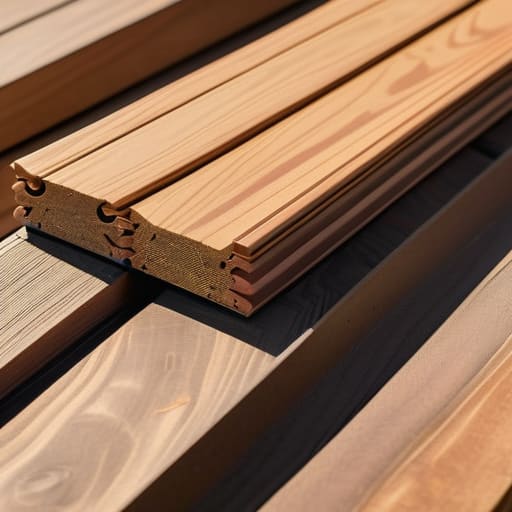
At the end of the day, building a deck isn’t just about nailing boards together; it’s a calculated decision that impacts your property’s long-term value. We’ve walked through the heavy lifting of material selection and weighed the real-world cost differences between the longevity of composite and the classic aesthetic of natural wood. Whether you choose a high-maintenance cedar or a low-maintenance polymer, the goal remains the same: making a choice that protects your investment rather than draining your bank account through constant repairs. Don’t let the technical details paralyze you, but don’t ignore them either. Smart selection is the difference between a beautiful outdoor space and a recurring line item in your maintenance budget.
I’ve seen too many people treat outdoor renovations as an afterthought, only to realize later that they’ve built an asset that actually depreciates. Don’t make that mistake. Treat your deck like I treat my flips—with a sharp eye for durability and a clear understanding of the ROI. It might feel overwhelming when you’re staring at a pile of lumber and a stack of permits, but I promise you, there is nothing quite like the feeling of seeing a vision turn into a solid, physical asset. Grab your tools, trust your gut, and start building that equity one plank at a time.
Frequently Asked Questions
How do I figure out if my existing deck structure is actually safe to build on, or if I need to tear it down to the footings?
Before you even think about buying expensive new boards, you need to inspect the skeleton. Grab a screwdriver and poke at the joists and posts. If it sinks in like wet cardboard, you’ve got rot, and that’s a non-negotiable tear-down. Check for wobbling or any signs of structural shifting at the footings. If the frame is compromised, don’t try to “save” it. It’s cheaper to rebuild from the dirt up than to fix a collapsing deck later.
When I'm looking at the ROI for a flip, is it worth investing in high-end composite, or should I stick to pressure-treated wood to keep my margins high?
Look, if you’re flipping for a quick margin, stick to pressure-treated wood. It keeps your upfront costs low, and most buyers won’t walk away over a wooden deck if the kitchen is stunning. However, if you’re targeting a luxury buyer where “turn-key” is the mantra, high-end composite is worth the hit to your margins. It screams low maintenance, and in a competitive market, that’s the kind of perceived value that closes deals.
What are the biggest "hidden" costs that usually blow a deck renovation budget once the work actually starts?
The biggest budget killers aren’t the boards you see; they’re the rot you don’t. Once I pull up old decking, I almost always find crumbling joists or structural posts that were never properly flashed. Then there’s the electrical headache—realizing your existing wiring won’t support new lighting or outlets. If you aren’t accounting for sub-structure repairs and code-compliant electrical upgrades, your “simple” renovation is going to bleed cash faster than a leaky faucet.
