
I was standing in a gutted kitchen last Tuesday, covered in drywall dust and nursing a lukewarm coffee, when I saw another “influencer” post about how easy it is to win a house flipping competition. They make it look like a glamorous sprint fueled by high-end finishes and dramatic music, but let’s be real: the reality is a lot more gritty and unglamorous than a thirty-minute television episode suggests. If you think you can just walk onto a job site, throw some subway tile around, and magically walk away with a massive profit, you’re going to get burned by your first unexpected plumbing leak.
I’m not here to sell you on a fantasy or a get-rich-quick scheme. My goal is to give you the actual, unvarnished blueprint for how to navigate a house flipping competition without losing your shirt—or your mind. I’m going to share the hard-won lessons I’ve learned from years of managing messy rehabs and tight margins, focusing on the strategic decisions that actually build equity. We’re going to talk about spotting real potential in a wreck and managing the chaos of a renovation so you can turn those crumbling walls into solid, long-term wealth.
Table of Contents
- Mastering Real Estate Arbitrage to Beat the Crowd
- Navigating Property Flipping Market Trends for Success
- How to Outmaneuver the Competition Without Losing Your Mind
- The Real Bottom Line: What Actually Wins the Game
- ## Beyond the Glitz and Glamour
- The Bottom Line on Beating the Competition
- Frequently Asked Questions
Mastering Real Estate Arbitrage to Beat the Crowd

If you want to stay ahead of the pack, you have to stop looking at properties the same way everyone else does. Most people are fighting over the same polished listings, but I’ve found that the real money is made in the gaps. This is where real estate arbitrage comes into play. Instead of just chasing the highest bid on a turnkey home, I look for the massive spread between a property’s current, neglected state and its potential value after a strategic overhaul. It’s about finding that specific disconnect in the market where a house is undervalued simply because it looks like a disaster.
To pull this off, you can’t just wing it with a sledgehammer and a dream. You need to master your renovation ROI analysis before you even sign a contract. I spend a lot of time crunching numbers to ensure that every dollar I pour into a kitchen or a structural fix is actually driving equity, not just burning cash. In this level of residential redevelopment competition, the winner isn’t the person who works the fastest; it’s the person who understands exactly how much value they can squeeze out of every square foot.
Navigating Property Flipping Market Trends for Success

You can’t just walk into a neighborhood, pick a house that looks “okay,” and expect to walk away with a massive check. To win in this space, you have to stay ahead of property flipping market trends before they become common knowledge. I’ve learned the hard way that what worked in a trendy downtown loft district three years ago won’t necessarily move the needle in a suburban cul-de-sac today. You need to be looking at migration patterns, interest rate shifts, and even the local school board’s decisions. If you aren’t watching where the buyers are moving, you’re just gambling with your capital.
Success comes down to a disciplined renovation ROI analysis. I don’t spend a dime on custom cabinetry or high-end finishes unless I can see exactly how that specific upgrade translates to a higher appraisal. It’s easy to get swept up in the “fun” part of the job—the picking out of tiles and paint swatches—but if those choices don’t drive fix and flip profitability, they are just expensive hobbies. You have to treat every renovation like a math problem, ensuring your design choices are serving the bottom line, not just your personal aesthetic.
How to Outmaneuver the Competition Without Losing Your Mind
- Stop chasing the same “perfect” houses everyone else is bidding on. If you’re fighting fifty other investors for a turnkey bungalow, you’ve already lost the margin. I look for the properties that make people flinch—the ones with outdated electrical or questionable floor plans—because that’s where the real equity is hiding.
- Build a “war room” of reliable contractors before the bidding war even starts. In a high-stakes competition, your speed is your greatest weapon. If it takes you three weeks just to get a quote for a roof replacement, you’re going to get outpaced by someone who can run numbers on the spot.
- Learn to read a renovation budget like a map, not a suggestion. Most people fail in competitions because they underestimate the “messy” costs—the plumbing surprises or the subfloor rot. I always bake a 15% contingency into my math; if you don’t, one bad inspection will bleed your profit dry.
- Focus on “high-impact” aesthetics rather than total gut renovations. You don’t need to move every wall to win. I look for ways to maximize ROI through strategic design—think updated lighting, fresh neutral palettes, and hardware upgrades—that make a house feel expensive without the massive labor overhead.
- Master the art of the quick exit strategy. Don’t just plan to flip; have a Plan B for a long-term rental if the market shifts while you’re mid-rehab. Competition isn’t just about winning the buy; it’s about having the financial stamina to hold the asset if the timing isn’t perfect.
The Real Bottom Line: What Actually Wins the Game
Stop looking for perfection; start looking for margins. You won’t win a competition by finding a turnkey house, you win by finding the property where the structural issues are manageable but the aesthetic potential is massive.
Data beats intuition every single time. Before you get emotionally attached to a mid-century layout or a specific tile, run the comps and ensure the renovation costs won’t swallow your projected equity whole.
Resilience is your most valuable tool in the kit. When the plumbing goes sideways or a contractor ghosts you mid-rehab, the winners aren’t the ones with the most money—they’re the ones who can stomach the dust and keep pushing toward the finish line.
## Beyond the Glitz and Glamour
“Stop watching those polished TV competitions and looking for a shortcut; real winning isn’t about a dramatic reveal at the end of a thirty-minute episode, it’s about having the grit to outwork the competition in the dust and the discipline to see the equity where everyone else just sees a mess.”
Gareth Trelawny
The Bottom Line on Beating the Competition
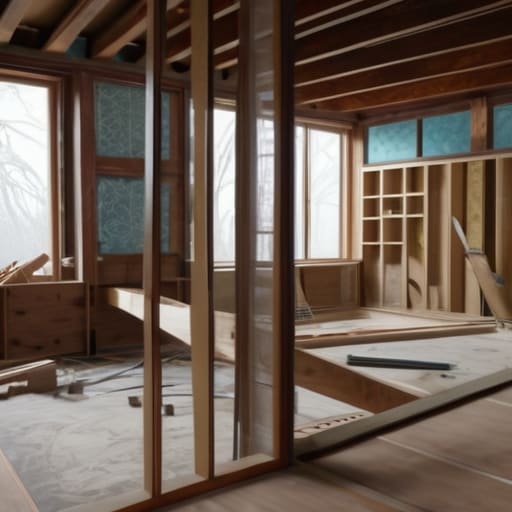
At the end of the day, winning a house flipping competition isn’t about having the flashiest crew or the biggest marketing budget. It’s about the math and the grit. We’ve talked about leveraging real estate arbitrage to find those overlooked margins and staying ahead of the curve by reading market trends before they become common knowledge. If you can master the art of spotting value where others see only a disaster, and if you have the discipline to stick to your renovation budget, you’ve already outpaced the amateur crowd. Success in this game comes down to how well you can bridge the gap between a property’s current state and its maximum potential equity.
Don’t let the intimidation factor of a crowded market keep you on the sidelines. Every seasoned investor I know started with a single, messy project and a lot of uncertainty. The competition is fierce, sure, but most people lack the stomach for the actual work—the dust, the delays, and the unexpected structural surprises. If you are willing to pick up the tools and do the heavy lifting, the rewards are more than worth it. Stop waiting for the “perfect” opportunity to fall into your lap and go out there to build your own legacy, one renovation at a time.
Frequently Asked Questions
How do I know if a property's "potential" is actually a money pit once I get past the initial walkthrough?
Look, the walkthrough is just the honeymoon phase. To avoid a money pit, you need to go deeper than the surface level. I always pull the electrical panel and check for signs of moisture in the basement—mold and outdated wiring are the silent killers of your margins. If the bones are rotten or the foundation is shifting, walk away. Don’t let a “charming” layout blind you to structural nightmares that will bleed your budget dry.
Is it better to compete in high-stakes televised flips or focus on building a private portfolio through local auctions?
Look, if you want fame, go for the televised high-stakes flips. But if you actually want to build wealth, stick to local auctions. TV competitions are high-stress, high-visibility spectacles that often prioritize drama over margins. I’d much rather hunt for a neglected gem at a quiet courthouse auction where I can control my budget and my timeline. One builds a brand; the other builds a portfolio. I know which one I’m choosing.
How much of a buffer should I realistically build into my renovation budget to avoid getting wiped out by unexpected structural issues?
Look, if you aren’t budgeting for the “unknown unknowns,” you aren’t investing; you’re gambling. I never step onto a job site without a 15% to 20% contingency buffer baked into my numbers. If the house is a total wreck—think outdated electrical or foundation cracks—I push that closer to 25%. It feels painful to set that cash aside when you want to maximize ROI, but it’s the only thing standing between a profitable flip and a total financial wipeout.
