I still remember the smell of damp drywall and old sawdust clinging to my hair after my first solo project—a cramped bungalow that most people would have called a teardown. I was standing there, covered in dust and clutching my laser measurer like a lifeline, staring at a kitchen that looked like it hadn’t seen a renovation since the seventies. Most people look at a house like that and see a money pit, but I saw something else entirely. They want you to believe that a successful diy renovation requires a massive crew of contractors and a bottomless bank account, but that’s just a marketing myth designed to keep you from building your own wealth.
I’m not here to sell you on some polished, Pinterest-perfect fantasy where everything goes right on the first try. Real investing is messy, loud, and occasionally frustrating, but that’s exactly where the profit lives. In this guide, I’m going to strip away the fluff and give you the straightforward, tactical advice I use to turn neglected spaces into high-value assets. We’re going to focus on smart design choices and strategic labor so you can stop dreaming about equity and start actually building it.
Table of Contents
Smart Renovation Project Planning for the Bold

Before you even pick up a hammer, you need to sit down with a notebook and a realistic mindset. Most people dive into a project headfirst and end up drowning in unexpected costs, but successful renovation project planning is about anticipating the chaos before it hits. I never step onto a job site without a granular breakdown of my materials and labor. You aren’t just playing around with aesthetics; you are managing a business asset. If you can’t map out the timeline, you’re just burning cash.
For those of you looking at beginner diy home projects, my best advice is to start with the bones. Don’t get distracted by expensive finishes when the electrical or plumbing is questionable. I always prioritize structural integrity and functional upgrades because that’s what actually drives appraisal value. Focus on the high-impact areas—like a kitchen or a primary bath—where strategic changes yield the highest return. It’s about being surgical with your efforts rather than spreading yourself too thin across a house that isn’t ready for it.
Beginner Diy Home Projects That Actually Build Equity
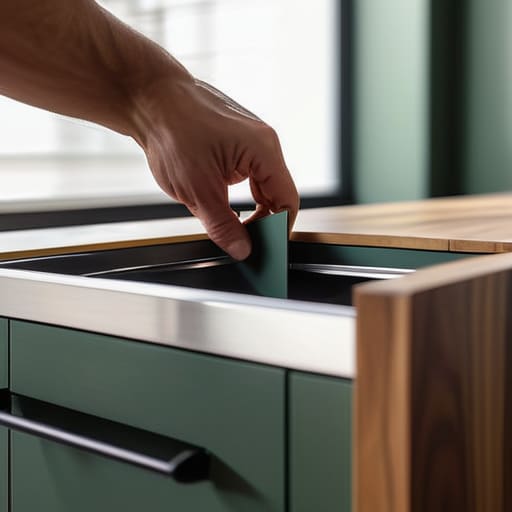
If you’re just starting out, don’t go out and try to gut a kitchen on day one. That’s a quick way to blow your budget and your confidence. Instead, focus on beginner DIY home projects that offer a high return on investment without requiring a structural engineering degree. I always tell my clients to start with cosmetic updates like refreshing cabinetry or swapping out dated hardware. It’s a relatively budget friendly home improvement that completely changes the vibe of a room. When you replace old, brassy handles with matte black or brushed nickel, you aren’t just decorating; you’re signaling to future buyers that the home has been well-maintained.
Another high-impact area is the entryway or a small powder room. These are perfect spots for some quick room makeover ideas, like a fresh coat of paint or a new vanity. If you’re feeling slightly more ambitious, grab some essential woodworking tools and try building custom floating shelves. It adds that high-end, custom-built feel that makes a property stand out in a crowded market, turning a plain wall into a focal point that screams value.
My Golden Rules for Not Wasting Money on a Fixer-Upper
- Prioritize the “bones” over the aesthetics. I’ve seen too many people spend thousands on designer backsplash tile while ignoring a leaking water heater. Fix the structural and mechanical issues first; a beautiful kitchen doesn’t mean a thing if the foundation is shifting.
- Know when to put down the hammer and call a pro. There is a fine line between a “smart DIY” and a “total disaster.” If you’re messing with load-bearing walls or complex electrical work without experience, you aren’t building equity—you’re building a liability.
- Shop the secondhand market for high-end finishes. My secret weapon is thrifting mid-century modern pieces and refinishing them myself. You can get a high-end, designer look for a fraction of the retail cost, which keeps your margins healthy.
- Don’t get “scope creep” during the process. It starts with painting a room and ends with you trying to remodel the entire house on a whim. Stick to your initial budget and plan, or you’ll find yourself deep in the red before you even hit the finish line.
- Always measure twice, even if you think you’ve got it. I never leave the house without my laser measurer for a reason. There is nothing more expensive or frustrating than buying a custom cabinet or a piece of furniture that ends up being two inches too wide for the space.
The Bottom Line on Building Equity
Focus your sweat equity on high-impact areas like kitchens and baths; don’t waste time on cosmetic updates in rooms that won’t move the needle on your appraisal.
Always budget for the “messy” factor—unexpected plumbing issues or structural surprises are just part of the game, so keep a contingency fund ready so a surprise doesn’t tank your ROI.
Prioritize function over fluff; a beautiful renovation is great, but if it doesn’t solve a structural problem or improve the flow of the house, you’re just spending money, not building wealth.
## The Real Value of a Messy Job Site
“Stop looking for the perfect, move-in-ready house; those are priced for convenience, not profit. I’d rather take on a project with peeling wallpaper and outdated fixtures any day, because every layer of grit you strip away is just another layer of equity you’re adding to your bank account.”
Gareth Trelawny
Turning Sweat Equity into Real Wealth
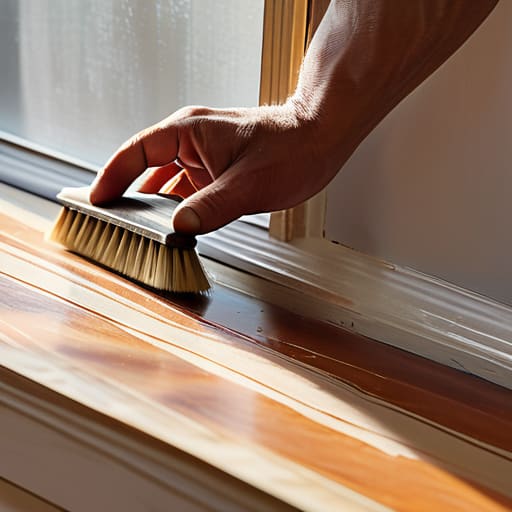
At the end of the day, successful DIY renovation isn’t about having a perfect, dust-free workspace; it’s about the strategic execution of your plan. We’ve covered how to move from high-level project planning to tackling those specific, high-impact beginner projects that actually move the needle on your property’s valuation. Remember, the goal isn’t just to make a room look pretty—it’s to ensure every hour you spend on your knees scrubbing grout or painting trim is a direct investment into your bottom line. If you focus on the projects that offer the highest return on effort, you aren’t just playing house; you are building a scalable real estate portfolio one room at a time.
I know the prospect of a messy, mid-renovation house can feel overwhelming, especially when you’re staring at a pile of debris and a mounting list of tasks. But don’t let the chaos intimidate you. Every cracked tile and outdated fixture is just a placeholder for the wealth you’re about to create. Real estate isn’t just for people who start with a silver spoon; it’s for the people willing to pick up a sander and get their hands dirty. Stop waiting for the “perfect” time to start and just grab your laser measurer. The equity is waiting for you to go out there and claim it.
Frequently Asked Questions
How do I know when a DIY project is actually worth the time, versus when I should just hire a professional to avoid a massive headache?
Here’s my rule of thumb: if it’s cosmetic, grab your tools. Painting, tiling, or swapping out hardware is where you squeeze out the most sweat equity. But the second you see wires, smell gas, or realize you’re touching load-bearing walls, stop. Don’t gamble your investment on a “learning experience” that ends in a structural nightmare. If a mistake costs more than a pro’s quote, walk away and hire the expert.
What are the red flags I should look for in a fixer-upper that signal a renovation will become a money pit rather than a profit maker?
Look, I love a messy job site, but there’s a difference between “character” and a financial catastrophe. If you see sagging floorboards, heavy water staining on the ceiling, or old knob-and-tube wiring, proceed with extreme caution. Those aren’t just quick fixes; they’re structural or systemic nightmares that can eat your entire margin. If the foundation looks like it’s shifting or the smell of mold is thick, walk away. Don’t let a “deal” turn into a money pit.
How do I balance my personal design aesthetic with what's actually going to drive the highest resale value in today's market?
Here’s the hard truth: your personal taste is for your own home, not your next flip. If you go too heavy on a niche aesthetic—even if it’s gorgeous—you’re shrinking your buyer pool. I follow the 80/20 rule. Keep 80% of the project neutral and high-end (think clean lines and timeless finishes) to ensure mass appeal. Save that remaining 20% for your “designer” flair in ways that don’t require a sledgehammer to undo.
