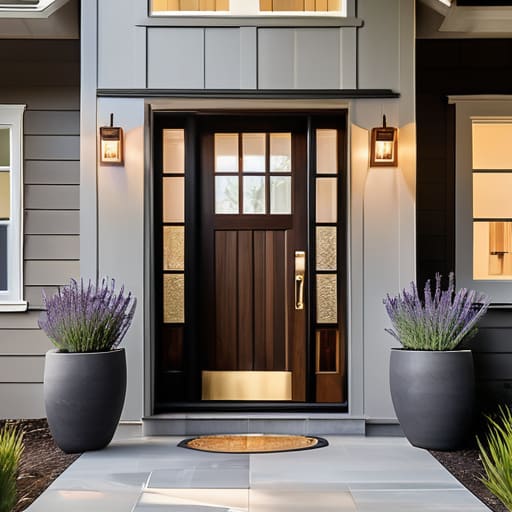
I was standing in the entryway of a mid-century fixer-up last November, the kind of place where you can practically smell the deferred maintenance, when I realized the entire vibe was being sabotaged by a single, hollow-core disaster. The door was warped, the finish was peeling like a bad sunburn, and it felt cheap the second you touched the handle. Most contractors will try to upsell you on a custom, hand-carved mahogany masterpiece that eats your entire renovation budget before you even get to the kitchen, but that’s a rookie mistake. Real estate isn’t about luxury for luxury’s sake; it’s about strategic door replacement that signals quality without bleeding your margins dry.
I’m not here to sell you on high-end showroom fluff or overpriced designer trends that won’t actually move the needle on your ROI. My goal is to give you the straight-up, boots-on-the-ground truth about which materials actually hold up and which ones are just expensive eye candy. We’re going to look at how to pick high-leverage options that boost curb appeal and security while keeping your flip profitable. If you want to stop wasting money on vanity projects and start building solid equity, you’re in the right place.
Table of Contents
- Maximizing Returns With Modern Door Styles
- Securing the Perimeter With Vital Security Door Features
- Don't Leave Money on the Table: 5 Pro Tips for Your Next Door Swap
- The Bottom Line on Door Upgrades
- ## The High-Leverage Truth About Entryways
- The Bottom Line on Your Entryway
- Frequently Asked Questions
Maximizing Returns With Modern Door Styles
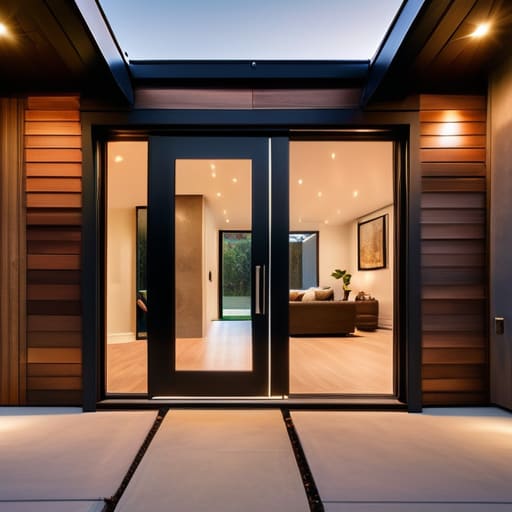
When I’m walking through a property, I’m looking for the “wow” factor that justifies a higher asking price. You can’t get that with a beige, hollow-core slab that looks like it belongs in 1994. To really drive up the perceived value, you need to lean into modern door styles that make a statement. I’m talking about clean lines, oversized glass inserts to pull in natural light, or even a bold, matte black finish. It’s about creating an immediate sense of luxury the moment a potential buyer steps onto the porch.
However, don’t just chase aesthetics; you have to back it up with substance. If I’m pitching a renovation to a client, I’m emphasizing that high-end design must meet functionality. Investing in energy efficient entry doors isn’t just a “nice to have”—it’s a massive selling point for buyers looking to slash their utility bills. When you combine a striking visual upgrade with improved thermal performance, you aren’t just spending money on a new entrance; you’re strategically building equity that sticks.
Securing the Perimeter With Vital Security Door Features
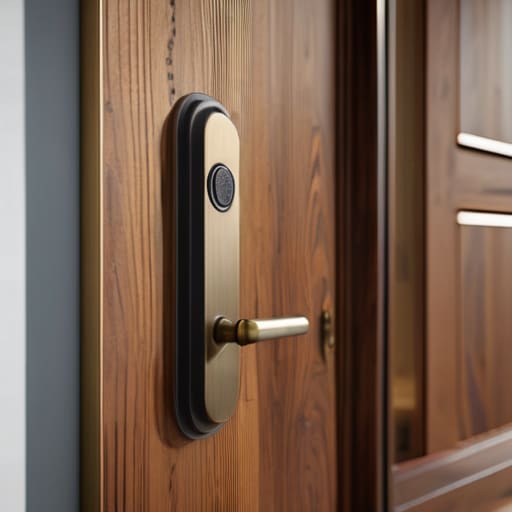
When I’m walking through a property I’ve just picked up, I’m not just looking at the paint colors; I’m looking for vulnerabilities. A flimsy, hollow-core front door is a massive red flag for any potential buyer. You need to prioritize security door features like reinforced strike plates and high-quality deadbolts that actually feel substantial when you turn them. If the door feels cheap, the buyer will assume the rest of the house is too.
It’s also about more than just preventing break-ins; it’s about the integrity of the entire entryway. I’ve seen too many investors overlook basic door frame repair, only to realize later that the whole unit is misaligned because the foundation of the opening is rotting. If the frame is compromised, even the most expensive hardware won’t save you. Take the time to ensure the structural bones are solid before you even think about picking out the finish. A secure, well-fitted entrance is one of those non-negotiable high-leverage fixes that builds buyer confidence and protects your bottom line.
Don't Leave Money on the Table: 5 Pro Tips for Your Next Door Swap
- Stop overspending on high-end custom builds when a quality, pre-hung steel door can give you the same visual impact for a fraction of the cost. In this game, it’s about the ROI, not your personal vanity.
- Check your threshold levels before you even order the hardware. There is nothing that kills a renovation’s vibe faster than a door that sticks or leaves a massive, ugly gap that lets the heat escape.
- Don’t overlook the frame. If you’re replacing the door but leaving a warped, rotting jamb, you’re just putting a designer band-aid on a structural wound. Replace the whole unit if the integrity is compromised.
- Use hardware as your secret weapon for a quick finish. You can take a standard, mid-range door and make it look like a custom piece just by swapping out cheap, flimsy handles for heavy, matte black or brushed brass hardware.
- Always prioritize the weatherstripping during the install. I’ve seen too many investors focus so much on the “look” that they forget a drafty entryway kills the property’s energy efficiency rating—and that’s a huge red flag during a home inspection.
The Bottom Line on Door Upgrades
Stop viewing doors as an afterthought; a high-quality, modern entry is one of the fastest ways to boost curb appeal and command a higher asking price.
Never compromise on security for style—invest in solid cores and reinforced hardware to protect your investment and your buyer’s peace of mind.
Focus on high-leverage swaps that fix visible rot and outdated aesthetics to ensure you aren’t leaving equity on the table during your next flip.
## The High-Leverage Truth About Entryways
“A sagging, weathered front door is more than just an eyesore; it’s a red flag to buyers that you’ve neglected the bones of the house. I don’t view door replacement as a cosmetic upgrade—I view it as a strategic play to protect my margins and instantly signal that the rest of the property is worth the premium.”
Gareth Trelawny
The Bottom Line on Your Entryway
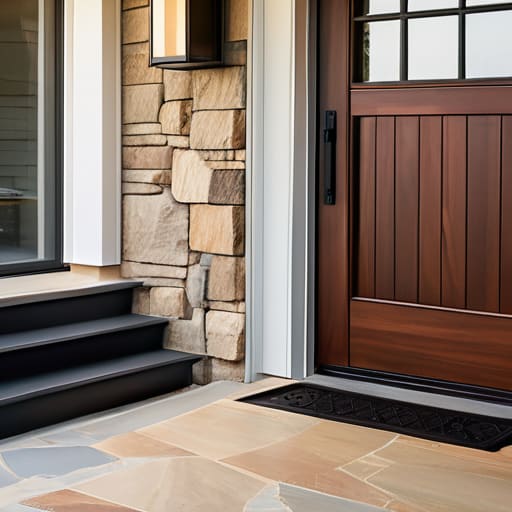
At the end of the day, door replacement isn’t just about aesthetics or picking a trendy color from a swatch book; it’s a calculated move to protect your investment. We’ve covered how the right style can instantly elevate a property’s perceived value and how prioritizing heavy-duty security features ensures that your newly minted equity isn’t left vulnerable to the first person with a crowbar. If you’re looking for a high-leverage fix that hits both the “wow factor” for buyers and the practical needs of a long-term hold, this is it. Don’t view a door as a mere utility—view it as a strategic asset that seals the deal on your renovation budget.
I know that staring at a list of contractor quotes and material options can feel overwhelming when you’re deep in the middle of a rehab. But remember why you started this journey in the first place. Every small, smart decision you make—like swapping out a sagging, hollow-core door for something substantial—is a brick in the foundation of your future wealth. It’s about seeing the potential in the details that everyone else overlooks. Stop settling for “good enough” and start making the moves that turn a house into a high-performing asset. You’ve got the eye for it; now go execute.
Frequently Asked Questions
How do I know if I can just swap the door itself or if I’m looking at a full frame replacement to avoid structural headaches?
Here’s the reality: grab that laser measurer in my bag and check the plumb. If your current frame is rotted, warped, or the casing is pulling away from the drywall, don’t even bother just swapping the slab. Trying to hang a high-end door in a wonky frame is a recipe for a nightmare that’ll eat your margins. If the opening isn’t square, bite the bullet and do a full frame replacement. It’s better to pay for the labor now than to fight a door that won’t latch for the next three years.
At what point does the cost of a high-end door stop being a smart investment and start eating into my actual profit margins?
Look, there’s a fine line between “premium feel” and “burning cash.” You stop being smart when you’re buying custom mahogany for a house that’s destined for a mid-range flip. If the door cost pushes your renovation budget past the projected After Repair Value (ARV), you’ve failed. Stick to high-quality, semi-custom options that look expensive but don’t carry a boutique price tag. Don’t over-improve; your goal is equity, not a showroom.
What are the biggest red flags to look for during a walkthrough that signal a door issue is more than just cosmetic?
If you see a door that’s sticking or won’t latch, don’t just assume it’s a simple adjustment. Look closer. If there are visible gaps around the frame or cracks in the drywall near the casing, you’re likely looking at structural settling or a compromised header. Also, check for rot at the base—especially on exterior doors. If the wood feels soft or looks swollen, that’s not a cosmetic fix; that’s a full replacement waiting to happen.
