Blog

  • How to Level a Concrete Floor

    How to Level a Concrete Floor

    I still remember standing in the middle of a gutted mid-century ranch in East Austin, clutching my laser measurer and feeling my stomach drop. I had just laid down a beautiful, expensive shipment of wide-plank oak, only to realize the subfloor was so warped it looked like a topographical map of the Andes. I watched in horror as the boards began to creak and gap under the slightest pressure. That was the moment I realized that skipping proper floor leveling isn’t just a minor oversight; it is a fast track to throwing your entire renovation budget straight into the trash.

    I’m not here to sell you on some overpriced, magical compound that promises a perfect finish in five minutes. I’ve spent enough time on dusty job sites to know that real results come from understanding your substrate and doing the prep work right the first time. In this guide, I’m going to walk you through the gritty, unglamorous reality of floor leveling so you can stop fighting your materials and start building real equity. We’re going to talk about the tools you actually need and the mistakes that will cost you your profit margins.

    Table of Contents

    Fixing Sloping Floors Turning Structural Floor Repair Into Profit
    Fixing Sloping Floors Turning Structural Floor Repair Into Profit

    When I walk into a fixer-upper and notice a noticeable dip in the hallway or a slant in the kitchen, my brain immediately goes to one of two places: a quick fix or a serious structural issue. If we’re talking about fixing sloping floors that are just slightly off, it’s often a matter of getting the right materials to bridge the gap. I’ve seen too many rookies try to mask a slope with thick padding or heavy rugs, but that’s just a band-aid that will eventually fail. If you want to build real equity, you have to address the underlying surface.

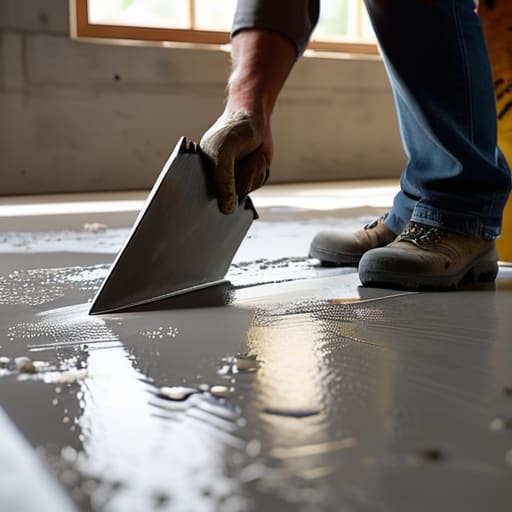
    For most of my mid-range flips, I lean heavily on a precise self-leveling underlayment application to get that surface dead-flat. It’s a game-changer for aesthetics, especially if you’re planning on installing high-end hardwoods or large-format porcelain. However, don’t confuse floor flatness vs levelness; a floor can be perfectly flat but still sit at a weird angle. If the slope is caused by a settling foundation, you’re looking at a much more intensive structural floor repair before you even think about the pretty finishes. Do the hard work now, or pay for it in callbacks later.

    The Hidden Truth of Floor Flatness vs Levelness
    The Hidden Truth of Floor Flatness vs Levelness

    Here is where most DIYers and even some rookie contractors trip up, and it’s a mistake that can cost you thousands in wasted materials. You need to understand the distinction between floor flatness vs levelness before you even touch a bag of compound. Think of it this way: a level floor is perfectly horizontal relative to the earth, but a flat floor is simply free of bumps, dips, or waves. In my experience, you don’t always need a perfectly level house to have a beautiful finish, but you absolutely need a flat surface.

    If you ignore flatness, you’re asking for trouble. I’ve seen investors try to rush into preparing subfloors for tile on a surface that was technically level but riddled with tiny dips. The result? The tile grout lines look like a zig-zag mess, and the whole room feels “off” the moment you walk in. Whether you’re using a heavy-duty self-leveling underlayment application or more manual concrete floor smoothing techniques, your goal is to eliminate the deviations that catch the light and trip up your feet. Focus on the plane, not just the tilt.

    Don't Let a Bad Subfloor Kill Your ROI: 5 Pro Tips for Leveling Success

    • Test your subfloor with a straightedge before you even think about buying materials; I’ve seen too many investors waste thousands on self-leveler only to realize they had a massive structural dip that required more than just a pour.
    • Always check your moisture levels first, because if you pour leveler over a damp subfloor, you’re basically asking for a delamination nightmare that will crack your expensive new tile in six months.
    • Stop trying to save a few bucks by skipping the primer; a high-quality primer is the only thing standing between a smooth finish and a layer of leveling compound that peels off like old wallpaper.
    • Don’t get greedy with the pour depth—if you’re trying to fill a hole deeper than an inch, skip the liquid leveler and use a cementitious patch or a crushed stone base first to avoid massive material costs and long drying times.
    • Mix your compound like your profit depends on it, because nothing ruins a renovation faster than “clumpy” leveler that leaves ridges, making it impossible to lay down that high-end LVP or hardwood you planned for.

    The Bottom Line on Floor Leveling

    Don’t confuse “flat” with “level”—a floor can be perfectly flat but still sit at a slope that makes your high-end cabinetry look like a disaster.

    Always diagnose the root cause before you pour self-leveler; if you’re just masking a structural sag with compound, you’re literally pouring your profit down the drain.

    Prioritize floor flatness early in the rehab process to avoid the nightmare of expensive, corrective repairs once your finish materials are already installed.

    The Cost of Cutting Corners

    “If you try to hide a sloping floor with a thick rug or a heavy piece of furniture, you aren’t saving money—you’re just burying a liability that will tank your resale value the moment a buyer walks through the door.”

    Gareth Trelawny

    Don't Leave Your Equity to Chance
    Don't Leave Your Equity to Chance.

    At the end of the day, floor leveling isn’t just about making sure a dining table doesn’t wobble; it’s about protecting your investment from the ground up. We’ve covered why you can’t ignore structural slopes and why understanding the nuance between flatness and levelness is the difference between a professional finish and a costly DIY disaster. If you ignore these subfloor issues now, you’re just setting yourself up to pay for them twice—once during the demo and again when a buyer’s inspector calls you out on it. Fix it right the first time so your high-end finishes actually sit the way they were intended to.

    I know that staring down a cracked, uneven subfloor can feel overwhelming when you’re staring at your renovation budget, but don’t let it intimidate you. Every messy, dusty job site is just a stepping stone toward a more profitable asset. Real estate isn’t about finding perfect houses; it’s about having the grit to fix the imperfections that others are too lazy to tackle. Grab your laser measurer, get your boots on, and start turning those uneven surfaces into solid, predictable equity. You’ve got this.

    Frequently Asked Questions

    Is it actually worth the extra cost to self-level a floor, or should I just let the contractor handle it?

    Look, if you’re looking to squeeze every cent of profit out of a flip, DIY self-leveling is a tempting way to save a few hundred bucks, but I wouldn’t risk it. It’s a messy, high-stakes game of timing and physics. One bad pour and you’ve got a wavy floor that ruins your expensive LVP or tile. Pay the contractor. It’s better to spend the cash now than to eat the cost of replacing botched flooring later.

    How do I know if my sloping floor is just a minor cosmetic issue or a sign of a serious foundation failure?

    Here’s the deal: if it’s just a slight dip in one room, you’re likely looking at settling or old subfloor issues—manageable. But if you see cracks snaking up the drywall, doors that won’t latch, or windows that are suddenly stuck, stop everything. That’s not a cosmetic fix; that’s a structural red flag. Don’t pour money into self-leveling compound until you’ve ruled out a foundation failure, or you’re just masking a massive money pit.

    What’s the best way to prep a subfloor so the leveling compound doesn't crack or peel after I lay my new flooring?

    Listen, if your leveling compound cracks or peels, you’ve just thrown your profit straight into the trash. The secret is all in the prep. First, you have to scrub that subfloor until it’s spotless—dust is the enemy of adhesion. Once it’s clean, apply a high-quality primer specifically designed for your substrate. It seals the pores and creates a bond so strong that your new floor won’t budge when the house settles.


  • Strategies for Scaling Property Investments

    Strategies for Scaling Property Investments

    I still remember the smell of damp drywall and stale cigarette smoke from my first solo flip—a cramped, neglected bungalow that everyone else in the neighborhood had written off. While the “gurus” on Instagram were busy preaching about high-leverage magic and complex mathematical models, I was standing in a literal puddle of rainwater, realizing that property investment scaling isn’t some mystical formula you unlock with a secret spreadsheet. It’s much grittier than that. It’s about the sweat equity you pour into a foundation and the sheer nerve it takes to see value where others only see a disaster zone.

    I’m not here to sell you on a get-rich-quick scheme or some over-complicated corporate strategy that requires a massive inheritance to pull off. Instead, I’m going to show you how I actually do it: by finding undervalued gems, executing smart renovations, and turning those crumbling walls into solid equity. I’ll be sharing the unvarnished truth about how to grow your portfolio through strategic, hands-on rehabs and disciplined reinvestment. We’re going to focus on building real, tangible wealth, one renovation at a time.

    Table of Contents

    Smart Real Estate Acquisition Strategies for the Scrappy Investor

    Smart Real Estate Acquisition Strategies for the Scrappy Investor.

    If you’re waiting for a windfall to start, you’re going to be waiting forever. The real secret to growth lies in your real estate acquisition strategies. Instead of competing for the pristine, move-in-ready homes that everyone else is bidding on, I look for the properties that make most people cringe. I’m talking about the ones with dated electrical, funky layouts, or those “character” stains on the ceiling. While other investors see a headache, I see an opportunity to buy low and manufacture value through a strategic rehab.

    Once you’ve nailed that first flip or rental, the next step is leveraging equity for growth. This is where the magic happens. You don’t just sit on your wins; you use the value you’ve built in your first property to fund the down payment on the next one. It’s a cycle of reinvestment that keeps your momentum high. It can feel intimidating to move from one house to three, but as long as you keep your eye on the math and your hands on the tools, you’re building something that actually lasts.

    Leveraging Equity for Growth Turning Dust Into Dollars

    Leveraging Equity for Growth Turning Dust Into Dollars

    Once you’ve successfully renovated your first few properties, you’re sitting on a goldmine—literally. Most people see a finished kitchen and a fresh coat of paint as a job well done, but I see them as fuel for my next move. This is where leveraging equity for growth becomes your most powerful tool. Instead of letting that built-up value sit idle in a single house, you use a refinance or a HELOC to pull that cash back out. That capital becomes the seed money for your next acquisition, allowing you to snowball your way upward without needing to save every penny from scratch.

    However, don’t get reckless. As you start scaling your rental property business, you can’t just keep throwing money at more houses and hoping for the best. You have to transition from a “fixer-upper enthusiast” to a disciplined business owner. This means moving beyond just the physical rehab and starting to look at the math of real estate portfolio diversification. You aren’t just collecting keys anymore; you’re managing a complex machine of assets that need to work in harmony to build that generational wealth we’re all after.

    5 Ways to Scale Without Losing Your Mind (or Your Shirt)

    • Stop hunting for turnkey properties. If the house is already pretty, the profit margin is already gone. I look for the “ugly ducklings”—the ones with outdated kitchens and cracked foundations—because that’s where the real equity is hiding.
    • Build your “A-Team” before you need them. You can’t scale if you’re the one swinging the hammer every single time. You need a reliable contractor, a sharp inspector, and a property manager you actually trust, so you can focus on finding the next deal instead of fixing a leaky faucet.
    • Master the art of the BRRRR method. Buy, Rehab, Rent, Refinance, Repeat. It’s the closest thing to a cheat code I’ve found for building a portfolio when you aren’t sitting on a mountain of cash. You use the forced appreciation from your renovation to pull your initial capital back out.
    • Watch your margins like a hawk. It’s easy to get seduced by a beautiful mid-century sideboard or a high-end marble countertop, but if those design choices don’t drive the appraisal up, they’re just expensive hobbies. Every dollar spent on a renovation needs to have a clear ROI.
    • Don’t get emotionally attached to the dirt. I love a good fixer-upper as much as the next person, but once the numbers make sense to sell or refinance, you have to move on. Scaling is a volume game; if you get too attached to one house, you’ll miss the next three opportunities.

    The Bottom Line: Turning Sweat Equity into Scalable Assets

    Stop waiting for the “perfect” turnkey property; the real margins are hidden in the houses that everyone else is too afraid to touch.

    Don’t let your capital sit idle in a finished project—use the equity you’ve built through smart renovations to fund your next acquisition.

    Scaling is a marathon of discipline, not a sprint of luck, so focus on building a repeatable system of sourcing, fixing, and refinancing.

    The Reality of Scaling

    Scaling isn’t about chasing the shiny, turnkey mansions; it’s about having the grit to find the properties everyone else is running away from and seeing the equity hidden behind the peeling wallpaper.

    Gareth Trelawny

    The Blueprint for Your Future

    The Blueprint for Your Future: scaling portfolios.

    Scaling a portfolio isn’t some magic trick reserved for the elite; it’s a calculated game of finding undervalued assets and having the discipline to execute. We’ve covered how to hunt for those diamond-in-the-rough properties, how to navigate the acquisition phase without overleveraging yourself, and most importantly, how to effectively recycle your equity to fund the next project. It’s about moving from one single win to a repeatable, systematic process. Remember, you aren’t just buying houses; you are building a machine that turns renovation sweat into long-term financial freedom.

    Look, the road from your first fixer-upper to a massive portfolio is going to be messy. There will be plumbing disasters, budget overruns, and days when you wonder why you didn’t just stick to a desk job. But that’s where the real equity is built—in the grit it takes to see a project through to the end. Don’t wait for the “perfect” market or a massive windfall to get started. Grab your tools, trust your eye for potential, and start turning those crumbling walls into the foundation of your legacy. You have the blueprint; now it’s time to go out and build it.

    Frequently Asked Questions

    How do I know when I’ve hit my limit and actually need to hire a property manager instead of doing everything myself?

    You’ve hit your limit when you’re spending more time chasing late rent and fixing leaky faucets than you are hunting for your next deal. If the “business” of managing your current portfolio is cannibalizing the time you need for strategic growth, you’re actually losing money. When the mental load of being a landlord starts clouding your ability to spot a good renovation opportunity, it’s time to hand over the keys and scale.

    What’s the best way to protect my personal assets when I start moving from single-family flips to larger, multi-unit portfolios?

    Once you move past single-family flips, you can’t just rely on luck and a good contractor. You need to stop holding everything in your own name. I’m a big believer in setting up separate LLCs for each property or group of units. It creates a firewall between your personal savings and a potential lawsuit on a job site. It’s a bit more paperwork upfront, but protecting your equity is non-negotiable.

    At what point does it make more sense to stop reinvesting every cent into my current renovations and start saving for a down payment on a new property?

    Stop pouring every single cent into a single project once you’ve secured your profit margin and established a solid contingency fund. If you’re constantly running on empty, one unexpected plumbing disaster will tank your liquidity. You need to pivot once your current rehab is stable enough to yield a predictable exit. Start carving out that down payment fund early; you can’t scale your empire if you’re one broken water heater away from bankruptcy.

  • Techniques for Finishing Drywall Joints

    Techniques for Finishing Drywall Joints

    I was standing in the middle of a gutted bungalow in East Nashville, staring at a wall that looked more like a topographical map of the Andes than a flat surface. My contractor had just walked off the job, leaving me with a pile of mud, a handful of sanding blocks, and a mounting sense of dread. Most people think drywall finishing is some magical skill reserved for seasoned pros with decades of experience, but that’s a lie that keeps amateur investors from actually building equity. The truth? It isn’t about having steady hands; it’s about understanding the patience required to layer that mud correctly so you don’t end up with a wavy, amateur mess once the light hits it.

    I’m not here to sell you a dream of effortless perfection; I’m here to give you the grit. In this guide, I’m breaking down the actual, unvarnished process of drywall finishing so you can stop outsourcing the small stuff and start controlling your margins. We’re going to cover everything from the right way to tape your seams to the precise sanding techniques that make a wall look seamless under any lighting. If you’re ready to get your hands a little messy to turn a crumbling room into a high-value asset, let’s get to work.

    Table of Contents

    Guide Overview

    Total Time: 2-4 days (including drying time)
    Estimated Cost: $50-150
    Difficulty: Intermediate

    Tools & Supplies

    • Drywall knives (6-inch and 10-inch for taping and smoothing)
    • Mud pan (to hold joint compound)
    • Sanding sponge (medium and fine grit)
    • Corner tool or taping knife (for inside corners)
    • Joint compound (1 bucket of all-purpose or lightweight)
    • Drywall tape (1 roll of paper or mesh tape)
    • Sandpaper (various grits for smoothing)

    Step-by-Step Instructions

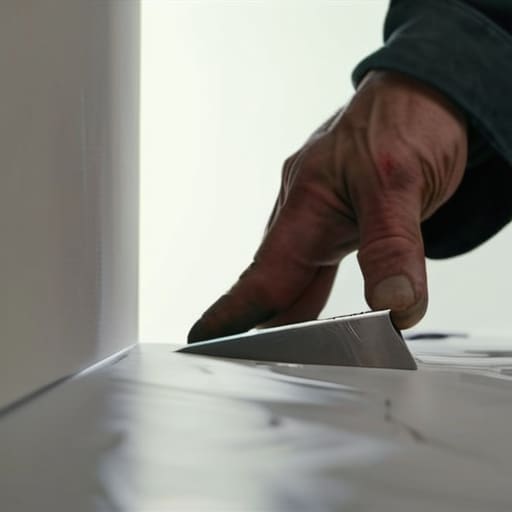
    • 1. First, you need to prep the surface, and I mean really prep it. Grab your utility knife and trim away any frayed paper edges or loose bits of mud that are hanging on for dear life. If you leave those imperfections now, they’ll show up like a sore thumb once you hit them with the lights. Take a sanding sponge to the joints to ensure everything is flush, because a clean start is the difference between a professional finish and a DIY disaster.
    • 2. Once the surface is smooth, it’s time to tape your seams. I always reach for paper tape over the mesh stuff for my bigger flips because it’s way more stable and less likely to crack later on. Apply a thin layer of all-purpose joint compound to the seam, press your tape into it, and then use your knife to squeeze out the excess. You want the tape embedded, not floating in a thick, messy glob.
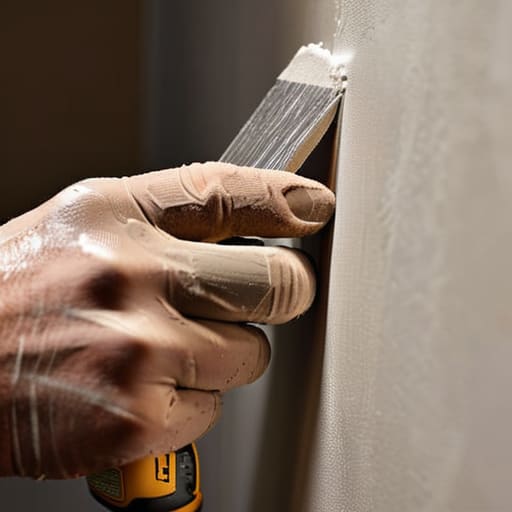
    • 3. Now we move into the first coat, often called the “bedding” coat. Use a wide taping knife to spread the compound over the tape, feathering the edges outward so the transition from the mud to the drywall is as seamless as possible. Don’t worry if it looks a little rough at this stage; the goal here is structural integrity, not perfection. You’re building the foundation of your finish.
    • 4. After that first coat has dried completely—and I mean bone dry—you’ll need to do some light sanding to knock down any ridges or bumps. Once the dust is cleared, apply your second coat. This time, use a wider knife to cover a larger area. You’re essentially trying to camouflage the seam by spreading the compound further and further out from the center. This is where the magic of “feathering” actually happens.
    • 5. For the third and final coat, we’re talking about the “skim coat.” Use your thinnest layer of compound to fill in any tiny pinholes or scratches that surfaced during your previous sanding sessions. I like to keep this layer incredibly thin to avoid heavy sanding later. This is your last chance to catch those pesky imperfections before the paint goes on.
    • 6. The final step is the most grueling but the most rewarding: the final sand. Use a fine-grit sanding sponge and a bright work light held at an angle against the wall to reveal every single shadow or dip. If you see a bump, sand it; if you see a dip, add a tiny bit more mud and repeat. When you can run your hand across the wall and not feel a single transition, you’ve officially turned a crumbling wall into solid equity.

    Mastering Taping Drywall Seams to Prevent Costly Cracks

    Mastering Taping Drywall Seams to Prevent Costly Cracks

    If you want to avoid the nightmare of a client calling you six months later because a hairline fracture appeared in the living room, you have to get serious about taping drywall seams. I’ve seen too many amateur flippers rush this stage just to get to the paint, only to watch their hard-earned equity literally split apart. The secret isn’t just about slapping the tape on; it’s about ensuring the bond is absolute. I always recommend using a high-quality paper tape rather than mesh if you’re looking for maximum durability in high-traffic areas.

    When you’re applying the first coat of joint compound over that tape, remember that less is often more. You aren’t trying to build a mountain of mud; you’re trying to embed the tape so it becomes one with the board. Use a wide taping knife to press the compound into the seam, squeezing out any excess air bubbles that could cause a bulge later. If you don’t get that initial layer perfectly flat, no amount of sanding is going to save you from a visible bump under the lights.

    Selecting Professional Drywall Finishing Tools for Maximum Equity

    Selecting Professional Drywall Finishing Tools for Maximum Equity

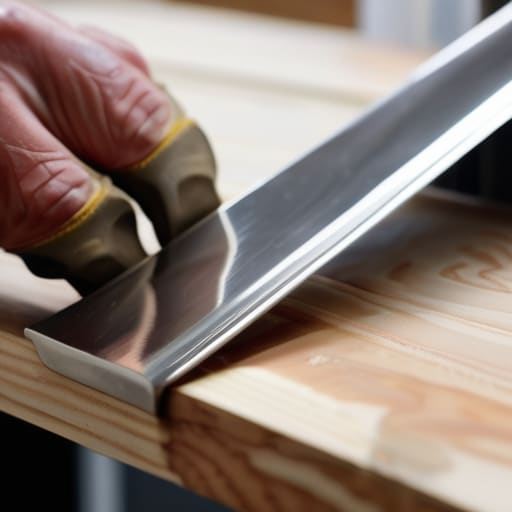
    Look, I’ve seen too many rookie investors blow their margins because they tried to save a few bucks on cheap, flimsy knives. If you’re serious about turning a profit, you can’t treat your tool kit like an afterthought. You need a set of high-quality drywall finishing tools—specifically stainless steel taping knives and a reliable mud pan—that won’t flex or bend when you’re under pressure. When you’re applying the first coat of joint compound, a stiff, well-made knife is the difference between a professional-grade surface and a wavy mess that requires hours of extra sanding.

    I always tell my clients that the right gear is an investment in your time, and in this business, time is literally money. Don’t just grab whatever is on sale at the big-box store; look for ergonomic handles and blades that hold a crisp edge. Having a quality hawk and a variety of corner trowels will make mastering different smooth wall texture methods significantly easier. If your tools are up to the task, you’ll spend less time fighting the material and more time building real equity through a flawless finish.

    Pro Moves to Save Your Margin and Your Sanity

    • Stop chasing perfection on the first pass; your goal is to build up thin, even layers rather than trying to hide a massive gap with one thick, heavy coat that’s guaranteed to crack.
    • Invest in a high-quality lighting setup, like a handheld LED work light, to catch those shadows and bumps that your eyes will inevitably miss once the overheads are on.
    • Don’t skip the sanding prep; if you don’t wipe away every speck of dust before your final coat, you’re just sealing imperfections under a layer of expensive mud.
    • Watch your moisture levels like a hawk, because applying fresh compound over a damp patch is a fast track to a failed inspection and wasted time.
    • Keep your mud consistency consistent—if it feels like peanut butter one minute and water the next, your finish is going to be a nightmare to sand down later.

    The Bottom Line on Drywall Success

    Don’t cut corners on your tape job; a sloppy seam is a crack waiting to happen, and fixing it later eats directly into your profit margins.

    Invest in quality tools upfront because cheap knives and bad pans will turn a simple finish into a multi-day nightmare that stalls your entire renovation timeline.

    Treat the finishing process as a way to build equity, not just a chore—smooth, professional walls are often what separate a mediocre flip from a high-value asset.

    ## The Real Cost of a Sloppy Finish

    “In this business, you can’t hide a bad drywall job behind a coat of expensive paint; if your seams aren’t seamless, you aren’t building equity, you’re just building a liability that’ll haunt your inspection report.”

    Gareth Trelawny

    Turning Dust into Dollars

    Turning Dust into Dollars with drywall finishing.

    At the end of the day, a flawless drywall finish isn’t just about making a room look pretty; it’s about the structural integrity and the long-term value of the property. We’ve covered everything from selecting the right professional-grade tools to the precision required for taping those seams so they don’t crack the moment a tenant moves in. If you skip the prep work or try to cut corners on your finishing technique, you’re essentially throwing money down the drain. Remember, the goal is to create a surface so seamless that it becomes a silent asset rather than a maintenance headache. When you master these steps, you aren’t just smoothing out walls; you are protecting your investment margins from the very start.

    I know that standing in a room covered in white dust, staring at a pile of mud and tape, can feel overwhelming. It’s messy, it’s exhausting, and it’s definitely not glamorous. But that’s exactly where the profit lives. The difference between a amateur flip and a professional-grade renovation is found in these granular, often tedious details. Don’t let the grit discourage you. Every smooth coat and every perfectly sanded corner is a step closer to building that generational wealth we all work so hard for. Keep your laser measurer handy, stay patient with the drying times, and keep pushing forward. You’re turning crumbling walls into solid equity, one pass at a time.

    Frequently Asked Questions

    How do I know when I've applied enough mud to hide the seams without making the sanding process a total nightmare?

    The secret is to stop thinking about “hiding” the seam and start thinking about “feathering” it. If you pile on thick layers to bury the tape, you’re just creating a mountain of dust and a sanding nightmare later. Aim for a thin, consistent coat that gradually widens as you move outward. You want the transition to feel seamless to your trowel, not a heavy ridge. If it looks slightly uneven now, don’t sweat it—it’s easier to skim a thin layer than to grind down a hump.

    Is it actually worth investing in high-quality joint compound, or can I save my margins by using the cheaper stuff from the big-box stores?

    Look, I get the urge to squeeze every cent out of a rehab, but don’t cheap out on your joint compound. I’ve seen too many rookies try to save fifty bucks on a bucket only to spend five hundred in labor trying to sand down the grit and bubbles from the cheap stuff. High-quality compound spreads smoother and dries more predictably. If you want to protect your margins, buy the good stuff; it saves you time, and in this business, time is equity.

    How can I tell if a crack in my finished drywall is just a minor settling issue or a sign of a much more expensive structural problem?

    Look, I’ve seen both. If it’s a hairline crack following a seam, it’s likely just minor settling—patch it, tape it, and move on. But if that crack is diagonal, wider than a nickel, or traveling through a corner where walls meet the ceiling, stop everything. That’s a red flag for structural movement. Don’t just slap mud over it; you need to find the source before you waste a dime on aesthetics.

  • Exploring Various Property Financing Options

    Exploring Various Property Financing Options

    I still remember standing in the middle of a gutted Victorian in East London, the smell of damp plaster thick in the air and my boots sinking into a literal pile of debris. I had the vision—I could see the mid-century modern accents and the clean, industrial lines—but I was staring at a bank statement that felt laughably small for the scale of the project. Most gurus will tell you that you need a mountain of liquid cash to get started, but that’s a total myth designed to keep people like us on the sidelines. The truth is, mastering property financing isn’t about how much you have in your savings account right now; it’s about knowing how to leverage the right tools to turn a crumbling shell into a high-yield asset.

    I’m not here to sell you a dream or some complicated, high-interest scheme that will leave you underwater. Instead, I’m going to pull back the curtain on the real-world strategies I use to fund my rehabs, from hard money loans to creative private lending. I’ll show you how to navigate the messy, unglamorous side of securing capital so you can stop dreaming about renovations and actually start building your portfolio.

    Table of Contents

    Navigating Debt Financing vs Equity in Your First Deal

    When you’re standing in front of a gutted bungalow, the math starts to get heavy. You have to decide whether you’re playing with your own cash or leveraging someone else’s. This is the classic debate of debt financing vs equity, and getting the balance wrong can kill your margins before you even pick up a sledgehammer. Using your own savings—equity—means you aren’t beholden to a bank, but it also means you’re tying up all your liquidity. If you dump every cent into one renovation, you won’t have the capital left to jump on the next deal when it hits the market.

    That’s where most of my successful flips rely on bridge financing for real estate. These are short-term loans designed to cover the gap between buying a distressed property and getting it stabilized enough to refinance. It’s a bit more aggressive than a standard mortgage, but it gives you the breathing room to actually execute a high-end design without worrying about your personal bank account hitting zero mid-project. Just remember: leverage is a tool, not a safety net. Use it to scale, but don’t let the interest eat your profit.

    Smart Property Acquisition Funding Strategies for Hidden Gems

    Smart Property Acquisition Funding Strategies for Hidden Gems

    When you’re hunting for those neglected gems—the ones with great bones but terrible layouts—speed is your best friend. You can’t afford to sit on the sidelines while a wholesaler calls around to five other people. This is where bridge financing for real estate becomes your secret weapon. It’s a short-term solution designed to get you through the acquisition phase and the initial mess of a renovation, allowing you to secure the property before the traditional banks even finish their paperwork.

    I’ve learned the hard way that playing it too safe can cost you a deal. If you’re looking at larger, multi-unit projects rather than single-family flips, you might need to pivot toward commercial real estate lending to scale effectively. The goal isn’t just to find money; it’s to find the right kind of capital that matches the project’s lifecycle. You want to ensure your funding structure doesn’t choke your cash flow mid-renovation, leaving you stuck with a half-finished kitchen and a mounting pile of bills.

    My Rules for Not Getting Buried in Bad Debt

    • Don’t treat your renovation budget like a suggestion; always bake a 15% contingency fund into your financing plan to cover the “surprise” issues that inevitably hide behind old drywall.
    • Prioritize hard money lenders for quick acquisitions if you’re competing in a fast-paced market, but make sure you have a clear exit strategy to refinance into long-term debt before the interest eats your margins.
    • Get your personal credit in order long before you find the perfect property, because your debt-to-income ratio is the difference between a green light and a rejected loan application.
    • Stop looking for the lowest interest rate and start looking for the best terms; sometimes a slightly higher rate with more flexible repayment windows is the lifeline you need during a messy rehab.
    • Keep your personal finances and your investment capital in strictly separate accounts from day one, or you’ll lose track of your actual ROI and find yourself bleeding cash where you shouldn’t.

    The Bottom Line on Funding Your Vision

    Don’t let a lack of liquid cash stall your momentum; leverage the right mix of debt and equity to bridge the gap between a neglected property and a high-value asset.

    Always prioritize funding strategies that protect your margins, ensuring that unexpected renovation hiccups don’t eat your entire profit spread.

    Focus on securing capital that aligns with your specific project timeline, whether that’s a quick flip or a long-term hold for building equity.

    The Real Cost of Hesitation

    Financing isn’t just about how much you can borrow; it’s about how much leverage you can strategically apply to turn a gut-job into a goldmine without bleeding your personal savings dry.

    Gareth Trelawny

    Turning Strategy Into Equity

    Turning Strategy Into Equity for profitability.

    At the end of the day, securing the right financing isn’t just about finding the largest loan; it’s about finding the smartest structure for your specific project. We’ve walked through the tension between debt and equity, and we’ve looked at how to hunt for those hidden gems using creative acquisition strategies. Whether you are leveraging hard money to move fast on a distressed property or using your own skin in the game to secure better terms, remember that every dollar you commit must serve a purpose. Don’t let the complexity of the numbers paralyze you—instead, use them as the blueprint for your profitability.

    Real estate investing is rarely a clean, polished process. It’s dusty, it’s stressful, and sometimes the financing feels like it’s working against you. But if you can master the math before you ever pick up a sledgehammer, you’re already ahead of most people. I didn’t build my portfolio by waiting for the “perfect” market or a massive windfall; I built it by making calculated moves on properties that others were too afraid to touch. Stop waiting for permission to start building your legacy. Grab your tools, trust your eye for potential, and go turn those crumbling walls into the solid equity you deserve.

    Frequently Asked Questions

    How much of my own cash should I actually be setting aside for those inevitable renovation cost overruns?

    Look, if you aren’t budgeting for things to go sideways, you aren’t investing; you’re gambling. I always tell my clients to set aside a minimum of 15% to 20% of the total renovation budget specifically for overruns. Between discovering rot behind a “clean” wall or a contractor suddenly hiking a quote, those surprises add up fast. Treat that contingency fund as non-negotiable. It’s the difference between a profitable flip and a personal financial crisis.

    Is it better to go with a hard money lender to move fast, or should I wait until I can secure a traditional bank loan?

    Look, it’s a trade-off between speed and cost. If you’ve found a diamond in the rough that’s going to be snatched up by another investor by Monday, go with a hard money lender. You pay a premium for that speed, but it lets you win the bid. However, if you aren’t in a bidding war, hold out for the bank. The interest rates are lower, and that extra margin is what builds your equity.

    How do I balance using my own equity from current assets without leaving myself too vulnerable if the market dips?

    Look, I get the anxiety. I’ve been there, staring at my own equity and wondering if I’m being smart or just reckless. My rule of thumb? Never pull the entire lever. I treat my personal equity like a safety net, not a blank check. I aim to use just enough to sweeten the deal or cover the renovation gap, but I always keep a cash reserve. If the market dips, you need liquidity to breathe.

  • Key Factors That Increase House Prices

    Key Factors That Increase House Prices

    I was standing in a kitchen last Tuesday, staring at a cracked subfloor and a dated, mustard-yellow backsplash, when a client asked me if we should spend thirty grand on a high-end marble countertop to “increase the appeal.” I almost laughed. People get so caught up in the flashy, expensive nonsense that they completely ignore the actual property value drivers that move the needle. They think a luxury appliance package is a magic wand, but they’re missing the forest for the trees. In this business, if you chase every shiny trend without understanding the underlying mechanics, you aren’t investing; you’re just expensive hobbyist.

    I’m not here to sell you on the latest Pinterest aesthetic or some overpriced renovation myth. My goal is to strip away the fluff and show you how to identify the structural and functional upgrades that actually build real equity. I’m going to walk you through the gritty, unglamorous reality of what makes a house worth more, from the bones of the building to the strategic layout of a room. If you’re ready to stop guessing and start building wealth through smart, calculated rehabs, let’s get to work.

    Table of Contents

    Maximizing Your Home Renovation Roi With a Sharp Eye

    Maximizing Your Home Renovation Roi With a Sharp Eye

    When I’m walking through a potential fixer-upper, I’m not looking at the outdated wallpaper or the cracked tiles; I’m looking at the layout. To truly maximize your home renovation ROI, you have to prioritize the bones over the fluff. A kitchen remodel is a classic move, but if the floor plan is cramped and dark, a shiny new backsplash won’t save you. I always look for ways to open up sightlines and improve flow. That’s where the real money is made—in the spaces that make a house feel expansive and intentional rather than cluttered.

    I also tend to lean heavily into functional upgrades that buyers actually care about in today’s climate. While everyone wants a spa-like bathroom, I’ve found that energy efficient home upgrades—like updated insulation or high-end HVAC systems—offer a much more pragmatic way to increase residential property worth. It’s about playing the long game. You aren’t just decorating for a quick flip; you are strategically adding value that stands up to scrutiny during a home inspection. Focus on the stuff that works, and the aesthetics will follow.

    Decoding Neighborhood Desirability Factors for Long Term Gains

    Decoding Neighborhood Desirability Factors for Long Term Gains

    When I’m scouting a new fixer-upper, I’m not just looking at the floor plan; I’m looking at the street. You can put a stunning mid-century modern kitchen into a house, but if the neighborhood is stagnant, you’re just spinning your wheels. To see true real estate market appreciation, you have to look at the macro level. Is there a new coffee shop popping up two blocks away? Is the local school district seeing an influx of investment? These are the subtle neighborhood desirability factors that dictate whether your equity grows or stays flat.

    I always tell my clients: don’t get blinded by a pretty backsplash if the location is a dead end. I look for areas with “path of progress” energy—places where the infrastructure is catching up to the potential. Sometimes, that means betting on a slightly gritty area that is on the verge of a revitalization. It’s about finding that sweet spot where your efforts in increasing residential property worth are amplified by the natural momentum of the community around you. If the neighborhood is moving up, your investment is riding that wave.

    5 High-Impact Moves to Drive Your Equity Up

    • Focus on the “Unsexy” Essentials First. Before you go picking out expensive backsplash tile, make sure the roof, HVAC, and electrical are solid. Buyers will forgive a dated kitchen, but they won’t forgive a foundation that’s shifting or a furnace that dies in mid-January.
    • Master the Art of the Layout. Sometimes the best way to add value isn’t by adding square footage, but by reclaiming it. Knocking down a non-load-bearing wall to create an open-concept flow can make a cramped 1,200-square-foot house feel like a much more valuable asset.
    • Curb Appeal is Your First Impression. You only get one shot at that first walkthrough. A fresh coat of paint on the front door, manicured landscaping, and decent lighting can trick a buyer’s brain into seeing a “home” rather than just another listing.
    • Don’t Over-Improve for the Neighborhood. I’ve seen too many investors go overboard with high-end marble in a mid-range zip code. You need to know your ceiling; if the houses on the block are modest, your renovation should be smart and modern, but not so luxury that you can’t recoup the costs.
    • Prioritize the Kitchen and Primary Bath. If you have a limited budget, dump it here. These are the two rooms that drive emotional decisions and, more importantly, the rooms that justify the highest price jumps during a resale.

    The Bottom Line: Turning Potential into Profit

    Stop chasing vanity upgrades; focus your budget on the high-impact structural and functional improvements that actually move the needle on appraisal values.

    Real wealth is built by looking past the ugly wallpaper and spotting the “bones” of a property that allow for strategic, equity-building renovations.

    Location isn’t just a zip code—it’s about identifying the specific neighborhood micro-trends that turn a risky flip into a long-term, appreciating asset.

    ## The Real Math of Equity

    “Stop obsessing over trendy backsplash tiles and start looking at the bones; real value isn’t found in what’s pretty, it’s found in the structural potential that most people are too intimidated to touch.”

    Gareth Trelawny

    The Bottom Line on Building Equity

    The Bottom Line on Building Equity.

    At the end of the day, driving up property value isn’t about chasing every fleeting design trend or slapping a fresh coat of paint on a sinking ship. It’s about the intersection of strategic renovation and location intelligence. We’ve looked at how high-impact upgrades can maximize your ROI, and how understanding the nuances of neighborhood desirability ensures your investment actually holds its ground. If you can master the balance between fixing what’s broken and investing in what the market actually wants, you aren’t just fixing a house—you are engineering a profitable asset.

    I know it can feel overwhelming when you’re staring at a stack of contractor quotes or a neighborhood that looks a little rough around the edges. But remember, the biggest gains aren’t found in the pristine, move-in-ready suburbs; they are hidden behind the cracked drywall and the outdated layouts of properties others are too afraid to touch. You don’t need luck to build a real estate portfolio; you just need the grit to see the potential where everyone else sees a mess. Stop waiting for the perfect market and start looking for the perfect bones.

    Frequently Asked Questions

    How do I know if I'm over-improving for the neighborhood and killing my potential profit margins?

    Look, this is where most rookies bleed cash. You have to stop treating every flip like your personal dream home. Before you drop five figures on custom marble or designer lighting, look at the comps. If the highest-selling house on the block has laminate counters, your quartz waterfall island isn’t an asset—it’s a liability. You aren’t building a palace; you’re building a product. Match the quality to the neighborhood’s ceiling, or you’ll just be subsidizing your buyer’s lifestyle with your own profit.

    At what point does a renovation stop being an investment and start becoming a money pit?

    You know you’ve crossed the line when you’re chasing perfection instead of profit. It’s easy to get seduced by high-end finishes, but if your renovation costs start outstripping the projected After Repair Value (ARV), you’re no longer investing—you’re just subsidizing a hobby. Stop once you’ve addressed the “bones” and the high-impact aesthetic wins. If you’re debating between marble vs. quartz just to satisfy your own taste, you’re officially in the money pit.

    Which specific structural upgrades actually move the needle on equity versus just being cosmetic fixes?

    Look, I love a fresh coat of paint as much as the next designer, but if you want to see real equity movement, you have to look past the surface. Cosmetic fixes are for staging; structural upgrades are for building wealth. Focus on the “bones”—roof integrity, updated electrical, and HVAC systems. These aren’t “sexy” for Instagram, but they eliminate the big-ticket fears for buyers. Fix the foundation and the systems, and you’re securing actual value.

  • Replacing Old Siding to Improve Aesthetics

    Replacing Old Siding to Improve Aesthetics

    I was standing on a muddy job site last October, staring at a Victorian fixer-upper that looked like it was held together by nothing but sheer willpower and old paint. The contractor was trying to sell me on a premium, high-end cedar shake install that would have absolutely gutted my margins before I even got to the kitchen remodel. It’s the same old song I hear in this industry: people treat siding replacement like it’s a luxury lifestyle choice rather than what it actually is—a fundamental structural necessity and a high-leverage equity play. If you’re listening to every salesperson tell you that you need the most expensive materials on the market to “protect your investment,” you’re likely just throwing money down the drain.

    I’m not here to sell you on aesthetics that don’t move the needle; I’m here to help you build wealth. In this guide, I’m stripping away the fluff to give you the raw, unvarnished truth about when to splurge, when to save, and how to execute a siding replacement that actually boosts your ROI. We’re going to talk about material durability and labor costs from a renovator’s perspective, ensuring you turn that crumbling exterior into a massive win for your portfolio.

    Table of Contents

    Mastering the Siding Replacement Process for Maximum Return

    Mastering the Siding Replacement Process for Maximum Return

    When you’re standing on a job site looking at a house that’s clearly seen better days, you have to decide if you’re just slapping on a cosmetic fix or actually investing in the structure. If you want to maximize your ROI, you can’t just pick the cheapest option available. I always tell my clients that the siding replacement process is about more than just a new look; it’s about protecting the bones of the building. I tend to lean toward fiber cement vs vinyl siding depending on the budget and the neighborhood’s vibe, but my priority is always finding the best siding for durability so I’m not back on that same ladder in three years.

    Don’t get tunnel vision on the initial siding installation costs, either. If you skimp on the materials now, you’ll pay for it tenfold in future home exterior maintenance. I look for energy efficient siding options because, in a competitive market, being able to tell a buyer that their utility bills will be lower is a massive selling point. You aren’t just fixing a wall; you’re engineering a more valuable asset.

    Choosing the Best Siding for Durability and Long Term Gains

    Choosing the Best Siding for Durability and Long Term Gains.

    When I’m walking a job site, I’m not just looking at what looks pretty in a staging photo; I’m looking at what’s going to survive the next decade of weather without draining my cash reserves. You have to weigh your upfront siding installation costs against the long-term headache of constant repairs. If you go too cheap, you’ll be back on a ladder in three years, and that’s money straight out of your profit margin.

    The big debate I always run into is fiber cement vs vinyl siding. Vinyl is the budget-friendly route, and it certainly helps with improving curb appeal with siding on a tight timeline, but it can look a bit “plastic” if you aren’t careful. On the flip side, fiber cement is the heavy hitter for anyone serious about building equity. It’s incredibly resilient and offers some of the best siding for durability on the market. I usually push my clients toward fiber cement or high-end composite because, while the initial hit is harder on the wallet, the reduction in home exterior maintenance makes it a much smarter play for a long-term hold.

    5 Pro Moves to Protect Your Margins During Siding Rehab

    • Don’t just slap new boards over old rot; you have to strip it down to the sheathing to make sure you aren’t just masking a structural nightmare that’ll kill your ROI later.
    • Inspect your flashing like your profit depends on it—because it does—and make sure every window and door junction is sealed tight to prevent moisture from eating your equity.
    • Prioritize high-quality house wrap over the cheap stuff; spending an extra few hundred bucks now on a decent moisture barrier saves you a massive headache (and a massive lawsuit) down the road.
    • Keep an eye on your color palette and stick to timeless, high-demand neutrals; I’ve seen too many investors go “creative” with bold siding colors only to realize they just shrunk their buyer pool.
    • Vet your contractors by looking at their previous job sites, not just their polished Instagram feeds; I want to see how their seams look and how they handle the cleanup, not just a pretty finished photo.

    The Bottom Line: Don't Overbuild, Just Outsmart

    Stop treating siding as a cosmetic afterthought; it’s your first line of defense against structural rot that can absolutely tank your ROI if you ignore it.

    Prioritize high-durability materials like fiber cement over cheap vinyl to ensure your renovation holds its value long after you’ve handed over the keys.

    Always inspect the sheathing once the old boards are off—it’s better to fix a small moisture issue now than to face a massive, margin-killing repair later.

    ## The Real Cost of Neglect

    “Stop looking at siding as just a cosmetic fix; if you’re letting old, cracked boards rot, you aren’t just hurting your curb appeal—you’re letting your profit margins leak right out of the structure.”

    Gareth Trelawny

    Turning Curb Appeal into Real Equity

    Turning Curb Appeal into Real Equity.

    At the end of the day, replacing your siding isn’t just about making a house look pretty for a weekend open house; it’s a calculated move to protect your investment from the elements. We’ve covered how to manage the replacement process without letting contractors bleed your budget dry, and we’ve looked at which materials actually hold their value over a decade versus what just looks good in a listing photo. Remember, the goal is to stop the rot before it becomes a structural nightmare that eats your entire profit margin. If you choose the right materials and execute the installation with precision, you aren’t just fixing a house—you are fortifying your asset.

    I know that staring at a peeling, weathered exterior can feel overwhelming, especially when you’re trying to balance a tight renovation budget. But don’t let the mess intimidate you. Every crumbling board and faded panel is just an opportunity to step in, add value, and build that equity we’re all chasing. Real estate isn’t about finding perfection; it’s about having the vision to see past the decay and the grit to make the necessary changes. Grab your laser measurer, get your plan in place, and let’s start turning these liabilities into profitable wins.

    Frequently Asked Questions

    How do I know if I can get away with a simple repair, or if I'm looking at a full-scale replacement to protect my margins?

    Look, I’ve been there—staring at a patch of damaged siding, praying it’s just a quick fix to save my budget. Here’s the reality: if the damage is localized and the substrate underneath is bone-dry, you can patch it. But the second you see soft spots, mold, or widespread warping, stop. Trying to “save” a failing system is a rookie mistake. Replace the whole thing now, or you’ll be paying for structural repairs later.

    Is it worth spending the extra cash on high-end materials like fiber cement, or should I stick to vinyl to keep my ROI high?

    Look, if you’re flipping a quick rental, vinyl gets the job done and keeps your margins fat. But if you’re playing the long game or aiming for a premium resale, go with fiber cement. It looks high-end, handles weather like a champ, and screams “quality” to potential buyers. Don’t cheap out on the curb appeal if you want to command a higher sale price; sometimes, spending more upfront is exactly how you secure that extra equity.

    What are the red flags I should look for during a walkthrough that indicate the underlying structure is rotting beneath the siding?

    When you’re walking a site, don’t just look at the surface. Grab your screwdriver and poke the areas near the foundation or around window casings. If it feels soft or spongy, that’s a massive red flag—you’re looking at rot. Also, keep an eye out for bulging siding or weird gaps; that usually means the sheathing underneath is warping or failing. If you see moisture staining or mold peeking through, stop everything. That’s not just a cosmetic fix; that’s a structural nightmare eating your profit.

  • Upgrading Kitchen Appliances for Better Appeal

    Upgrading Kitchen Appliances for Better Appeal

    I was standing in a gutted mid-century bungalow last Tuesday, staring at a refrigerator that looked like it belonged in a museum of failed technology. The owner was convinced she needed a $15,000 custom chef’s suite to make the space feel “modern,” but I could see the truth through the dust. Most people treat a kitchen appliance upgrade like a high-stakes fashion show, throwing money at shiny, oversized gadgets that look great in a showroom but absolutely tank your ROI in a real-world flip. You don’t need a professional-grade sous-vide station to build equity; you need a strategy that respects your budget and your bottom line.

    I’m not here to sell you on the latest luxury trends or help you blow your renovation budget on things that won’t move the needle. Instead, I’m going to show you how to pick the specific pieces that actually maximize your resale value without draining your bank account. We’re going to talk about the sweet spot between durability and design, ensuring every dollar you spend on a kitchen appliance upgrade is a direct investment into your future wealth.

    Table of Contents

    Maximizing Kitchen Remodel Roi Through Strategic Selection

    Maximizing Kitchen Remodel Roi Through Strategic Selection

    When I’m walking through a potential flip, I’m not just looking at the backsplash; I’m looking at the guts of the room. To truly maximize your kitchen remodel ROI, you have to stop thinking like a homeowner and start thinking like an investor. It’s easy to get seduced by a shiny new fridge, but if it doesn’t serve a strategic purpose, you’re just burning cash. I always tell my clients to look for the “sweet spot” where functionality meets perceived luxury. You want buyers to walk in and immediately feel like they’re stepping into a high-functioning workspace, not a showroom of expensive junk they can’t afford to maintain.

    One of the most effective ways to do this is by leaning into integrated kitchen design trends. Instead of scattering mismatched units across the floor, aim for a cohesive look that suggests a smart kitchen ecosystem. This might mean selecting a suite of appliances that share a consistent finish and interface. When the tech feels unified, it signals to a buyer that the home is modern and well-maintained, which is one of the fastest ways to drive up that final sale price.

    Why Energy Efficient Appliance Replacement Pays Off Fast

    Why Energy Efficient Appliance Replacement Pays Off Fast

    When I’m walking through a potential flip, I’m not just looking at the aesthetic; I’m looking at the utility bills. Buyers today are hyper-aware of overhead costs, and nothing screams “money pit” quite like an old, power-hungry refrigerator or a dishwasher that sounds like a jet engine. An energy efficient appliance replacement isn’t just a green move—it’s a strategic play for your bottom line. By swapping out outdated units for modern, low-consumption models, you’re checking a massive box for the eco-conscious buyer while simultaneously increasing home resale value with kitchen upgrades that feel substantial.

    It’s also about the psychological win during a walkthrough. Modern, efficient appliances signal to a buyer that the home has been meticulously maintained and isn’t hiding systemic neglect. If you can integrate these into a smart kitchen ecosystem, where everything talks to each other and saves power, you aren’t just selling a room; you’re selling a lifestyle of convenience and low maintenance. That’s how you turn a standard renovation into a high-equity win that justifies a premium asking price.

    Five Ways to Stop Wasting Money on Kitchen Upgrades

    • Stop chasing every shiny gadget on the market; focus on the “Big Three”—the fridge, stove, and dishwasher—because these are the heavy hitters that buyers actually inspect during a walkthrough.
    • Match your appliance finish to your design aesthetic, but don’t get weird with it; stainless steel is the gold standard for a reason, and it’s the safest bet for ensuring a quick resale.
    • Look for integrated or “built-in” looks where possible, as hiding the bulk of a dishwasher or fridge makes a small kitchen feel custom-designed rather than just slapped together.
    • Don’t buy the cheapest entry-level models just to check a box; a loud, flimsy dishwasher is a red flag that tells a potential buyer you cut corners on the entire renovation.
    • Prioritize smart functionality that actually adds value, like induction cooktops, which are massive for modern buyers and offer a premium feel without the headache of gas lines.

    The Bottom Line on Kitchen Appliance ROI

    Don’t overspend on high-end luxury brands that won’t recoup their cost; focus on reliable, mid-range stainless steel sets that offer that clean, high-equity look without draining your rehab budget.

    Prioritize energy efficiency because modern buyers aren’t just looking for aesthetics—they want lower utility bills, and that’s a massive selling point when you’re trying to close a deal fast.

    Treat your appliances as a strategic investment rather than a decoration; every dollar you sink into a mismatched or outdated stove is a dollar you’re losing in potential equity.

    The ROI of the Modern Kitchen

    Stop looking at appliances as just another line item in your renovation budget; look at them as the finishing touches that turn a house into a high-equity asset. A dated, clunky range tells a buyer the house hasn’t been cared for, but a sleek, modern setup tells them the value is already built in.

    Gareth Trelawny

    Turning Appliances into Assets

    Turning Appliances into Assets for home equity.

    At the end of the day, upgrading your kitchen appliances isn’t about buying the flashiest gadget on the showroom floor; it’s about strategic capital allocation. We’ve covered how choosing high-ROI models and prioritizing energy efficiency can turn a standard kitchen into a major selling point. Remember, every decision you make—from selecting a suite that matches your design aesthetic to picking models that slash utility costs—should be viewed through the lens of building equity. Don’t just spend money to make a room look pretty; spend it to make the property more valuable and easier to move when the time comes.

    I know that staring at a list of quotes and spec sheets can feel overwhelming, especially when you’re already managing a renovation headache. But don’t let the complexity stop you from pulling the trigger. Real estate isn’t built on perfect conditions; it’s built on calculated moves made in the middle of the mess. Every smart upgrade you implement today is a brick in the foundation of your future portfolio. Stop viewing these costs as mere expenses and start seeing them as the investments they truly are. Get in there, make the right calls, and start turning those kitchen upgrades into real, tangible wealth.

    Frequently Asked Questions

    Should I prioritize high-end luxury brands to impress buyers, or stick to mid-range reliable models to protect my margins?

    Look, I get the temptation to drop a fortune on a Sub-Zero just to wow a buyer, but don’t let ego eat your profit. In my experience, chasing luxury brands for the sake of a “status” kitchen is a fast way to tank your margins. Stick to reliable, mid-range models that look sleek and function perfectly. Buyers want a kitchen that works without a massive repair bill, not a trophy they can’t afford to maintain.

    Is it actually worth the headache of replacing built-in appliances, or should I just look for ways to facelift the ones that are already there?

    Look, I get the temptation to just slap some new cabinet fronts on a dated dishwasher and call it a day. But if those built-ins are ancient, a facelift is just a band-aid on a broken bone. If the mechanics are failing, you’re leaving money on the table. Replace them. A buyer wants the peace of mind that comes with modern reliability, not a polished version of a headache waiting to happen.

    How do I know if my current electrical setup can even handle a modern, high-performance appliance upgrade without a massive rewiring bill?

    Before you drop thousands on a professional-grade induction range, check your breaker box. If you see old, faded labels or a panel that feels cramped, you’re in trouble. Do a quick audit: look at the amperage on your current circuits. Most modern high-performance appliances demand dedicated lines. If you’re running everything off a single 15-amp circuit, you’re looking at a massive rewiring bill that’ll eat your entire renovation budget alive.

  • Strategies for Property Liquidation

    Strategies for Property Liquidation

    I was standing in the middle of a damp, gutted colonial last October, clutching my laser measurer and staring at a pile of debris that someone had the audacity to call “potential.” The air smelled like mold and broken promises, but more than that, it felt like a massive waste of time. Most people hear the term property liquidation and think of some sterile, high-level corporate maneuver used by hedge funds to shuffle assets around. They make it sound like a math problem solved in a boardroom. But in the real world—the one where you’re actually getting your hands dirty—liquidation is often just a fancy word for a messy, high-stakes exit strategy that can either sink your capital or set you free.

    I’m not here to give you a lecture on theoretical market fluctuations or academic jargon. My goal is to show you how to navigate the gritty reality of property liquidation so you can stop bleeding cash on dead-end assets and start reinvesting in projects that actually move the needle. I’m going to pull back the curtain on how to identify when a property has become a liability and how to exit quickly enough to grab your next big win. No fluff, no hype—just the straight talk you need to turn those crumbling walls into solid equity.

    Table of Contents

    Spotting Value Through Distressed Property Liquidation Methods

    Spotting Value Through Distressed Property Liquidation Methods

    When you’re walking through a property that’s clearly been neglected, you have to look past the peeling wallpaper and the outdated layout. I’ve learned that the best opportunities often hide behind a messy estate settlement property disposal. These situations are frequently driven by necessity rather than choice, meaning the owners are often more interested in a clean break than squeezing every last cent out of a polished finish. This is where you step in. By understanding different distressed property liquidation methods, you can identify sellers who are ready to move quickly, allowing you to bypass the usual bidding wars and get straight to the bones of the deal.

    I always tell my clients to keep an eye out for commercial shifts, too. Sometimes, liquidating commercial property assets happens because a business model failed or a tenant left a void that’s too expensive to fill. For an investor like me, that’s not a red flag—it’s a signal. If you can spot a building that’s structurally sound but functionally obsolete, you’ve found your goldmine. You aren’t just buying bricks and mortar; you’re buying time and potential before the rest of the market catches on.

    Maximizing Returns on Property Liquidation for Real Equity

    Maximizing Returns on Property Liquidation for Real Equity.

    Once you’ve identified a property with serious bones, the goal shifts from simple acquisition to surgical execution. To really see a jump in your margins, you can’t just slap on some fresh paint and hope for the best. You need to master the real estate asset liquidation process by knowing exactly when to hold and when to move. If you’re dealing with an estate settlement property disposal, for instance, don’t get bogged down trying to fix every minor cosmetic flaw. Instead, focus your capital on the high-impact structural or aesthetic upgrades that actually move the needle on the appraisal.

    Speed is often your best friend when you’re trying to keep your capital fluid. I’ve seen too many investors get stuck in “analysis paralysis” while their cash sits rotting in a non-performing asset. Implementing fast property sale strategies—like targeting specific buyer demographics or prepping the home for a quick-turnaround auction—can be the difference between a mediocre flip and a massive win. It’s about being decisive. If the math says it’s time to exit, exit. That’s how you keep your momentum and keep building that equity.

    Don't Leave Money on the Table: My Rules for Smart Liquidation

    • Know when to cut your losses. If a property is turning into a money pit with structural issues that eat your entire margin, liquidate it fast. I’d rather take a smaller win today than watch my capital vanish into a foundation repair that never ends.
    • Don’t just dump everything at once. If you’re liquidating a distressed estate, separate the high-value fixtures from the junk. I’ve seen too many investors toss mid-century pieces or high-end hardware into a dumpster just to clear the site, and that’s literally throwing equity in the trash.
    • Get your paperwork airtight before you hit the market. Nothing kills a quick liquidation sale like a messy title or unrecorded liens. I always make sure my legal ducks are in a row so the transition from “problem property” to “sold” is as seamless as possible.
    • Target the right buyer for the specific mess you’re selling. If the house is a wreck, don’t waste time pitching to retail buyers looking for turnkey perfection. Pitch to other flippers or developers who see the potential in the chaos—they’re the ones who will move fast and pay cash.
    • Use the liquidation as a bridge, not a destination. I never liquidate just for the sake of having cash in the bank; I do it to free up liquidity for the next project. The goal is to cycle that capital into a better asset that actually builds the generational wealth we’re after.

    The Bottom Line: Turning Liquidation into Leverage

    Stop viewing liquidation as a loss; view it as a strategic exit that frees up your capital to hunt for your next high-yield renovation project.

    Success in this game requires a sharp eye for undervalued assets—you have to be able to see the structural potential long before the rest of the market catches on.

    Don’t get emotionally attached to a property that’s draining your resources; liquidate the headache, protect your cash flow, and stay focused on building long-term equity.

    ## The Real Value in the Chaos

    “Liquidation isn’t just about offloading a headache or walking away from a mess; it’s about recognizing when a property has reached its limit so you can free up your capital to hunt for the next diamond in the rough.”

    Gareth Trelawny

    The Bottom Line on Liquidation

    The Bottom Line on Liquidation strategy.

    At the end of the day, property liquidation isn’t just about offloading a headache or rushing to close a deal; it’s about knowing when to pull the trigger so you can keep your capital moving. We’ve talked about spotting value in distressed assets and how to strategically maximize your returns to ensure that every sale actually feeds into your long-term equity goals. If you aren’t careful, you’ll find yourself stuck with a stagnant asset that’s bleeding cash instead of a liquid powerhouse that funds your next big renovation. Don’t let the fear of a messy sale keep you from the strategic reallocation your portfolio actually needs to grow.

    Real estate investing is rarely a clean, polished process. It’s dusty, it’s unpredictable, and sometimes it involves walking away from a property that just isn’t performing. But that’s where the real wealth is built—in the transitions. Whether you are liquidating to pivot toward a better fixer-upper or simply clearing the deck for a new project, remember that momentum is everything. Stop staring at the crumbling walls and start looking at the potential for what comes next. You have the eye for value; now go out there and turn that liquid capital into something tangible.

    Frequently Asked Questions

    How do I figure out if a liquidation sale is actually a goldmine or just a way to offload a total money pit?

    Look, you have to look past the “must sell now” urgency. I always pull the permit history and check the foundation before I even get excited. If the liquidation is due to a simple estate settlement, it’s likely a goldmine. But if they’re dumping it because of structural rot or a nightmare neighborhood, you’re just buying someone else’s headache. Run the numbers on a full rehab—if the math doesn’t scream equity, walk away.

    At what point does the cost of a messy renovation outweigh the potential equity I'd gain from a liquidated property?

    It’s all about the math, not the emotion. You hit the red zone when your projected renovation costs—including that inevitable 15% “oops” buffer—eat up more than 70% of your expected forced equity. If you’re spending $50k to unlock $60k in value, you’re just working for your contractors. If the numbers don’t leave room for a decent profit margin after closing costs, walk away. Don’t let a “good deal” become a money pit.

    What are the biggest red flags I should look for during a walkthrough to ensure I'm not buying into a structural nightmare?

    Listen, I’ve seen enough “deals” turn into money pits to know that a fresh coat of paint can hide a lot of sins. During your walkthrough, ignore the staging and look at the bones. Check for fresh patches on ceilings—that’s usually a sign of a hidden leak. Look for cracks in the foundation that aren’t just hairline, and if the floors feel spongy, walk away. If the structural issues aren’t in your budget, the equity won’t be either.

  • How to Perform Real Estate Deal Analysis

    How to Perform Real Estate Deal Analysis

    I was standing in a damp, windowless basement last Tuesday, the smell of mildew thick enough to taste, staring at a crack in the foundation that looked more like a canyon. Most people would have turned around and walked straight back to their air-conditioned SUVs, but I just pulled my laser measurer out of my bag and started calculating. That’s the reality of the game: everyone wants to talk about high-level spreadsheets and fancy software, but true real estate deal analysis happens when you’re elbow-deep in the grit of a property that everyone else has written off. If you’re waiting for a polished, turnkey opportunity to fall into your lap, you’re going to be waiting a very long time.

    I’m not here to feed you the polished, “get rich quick” nonsense you see on social media. Instead, I’m going to show you how to strip a deal down to its bare bones so you can see exactly where the profit is hiding. We’re going to cut through the fluff and focus on the hard numbers and the physical realities that actually determine your ROI. By the end of this, you’ll know how to look at a crumbling fixer-upper and see nothing but solid equity waiting to be unlocked.

    Table of Contents

    The Real Estate Underwriting Process Sifting Through the Grit

    The Real Estate Underwriting Process Sifting Through the Grit.

    The real estate underwriting process isn’t about staring at pretty pictures on Zillow; it’s about getting into the guts of the numbers before you ever sign a contract. When I’m walking through a gutted colonial or a neglected bungalow, my brain is already running a mental simulation of the math. You have to strip away the emotional attachment to a “charming” layout and look at the raw data. This means digging into the due diligence for real estate investors that most people skip because it’s tedious. If you aren’t scrutinizing the actual cost of materials versus the projected market value, you aren’t investing—you’re just gambling with your savings.

    Once you have the hard numbers, you need to move past the surface-level guesswork. I don’t care how much a house “feels” like it could appreciate; I want to see the actual math behind the potential. You need to run a rigorous cash-on-cash return formula to see if the capital you’re locking up is actually working as hard as it should be. If the numbers don’t scream profit after you account for the inevitable “oops” moments during a renovation, walk away. The goal is to ensure every dollar spent on a new subfloor or updated electrical panel is directly contributing to your bottom line.

    Calculating Rental Property Profitability in a Messy Market

    Calculating Rental Property Profitability in a Messy Market

    Once you’ve moved past the initial inspection, you have to stop looking at the property as a home and start seeing it as a math problem. In a volatile market, guessing your margins is the fastest way to go broke. You need to get granular with your rental property profitability assessments. This means looking far beyond the monthly rent check; you have to account for the “hidden” killers like vacancy rates, property management fees, and the inevitable repair creep that happens when you’re dealing with an older structure. If your numbers don’t account for a leaky roof or a broken HVAC system, your projections are just fantasy.

    To keep your head above water, you need to master a few specific property investment metrics. I don’t just look at raw cash flow; I live by the cash-on-cash return formula. This tells me exactly how much actual juice I’m getting for every dollar I’ve pulled out of my savings and shoved into that renovation. If the return doesn’t significantly outperform a boring index fund, I’m walking away. I’m not here to play house; I’m here to build equity.

    Five Rules for Not Getting Burned by a Bad Deal

    • Stop falling in love with the “potential” and start looking at the math; if the numbers don’t work on a spreadsheet, they won’t work when you’re staring at a collapsed ceiling.
    • Always factor in a “nightmare buffer” of at least 15% for your renovation budget, because the moment you rip up a floorboard, you’re going to find something you didn’t plan for.
    • Don’t just look at the asking price—look at the comps within a half-mile radius that actually sold in the last 90 days, not just the ones that are currently sitting on the market.
    • Learn to differentiate between cosmetic fixes and structural liabilities; a dated kitchen is an opportunity, but a cracked foundation is a potential money pit that can kill your ROI.
    • Run your exit strategies multiple times; you need to know exactly what happens to your cash flow if the rental market dips or if you’re forced to sell the property faster than you intended.

    The Bottom Line: What Actually Matters When the Dust Settles

    Stop chasing “potential” without a spreadsheet; if your math doesn’t account for the inevitable $5,000 plumbing surprise, you aren’t investing, you’re gambling.

    Real equity isn’t found in the pretty finishes, but in the gap between your renovation costs and the forced appreciation you create through smart, strategic design.

    Learn to prioritize cash flow over ego—a property that looks like a magazine spread but bleeds money every month is a liability, not an asset.

    The Math Behind the Mess

    Stop falling in love with the crown molding and start falling in love with the numbers; a beautiful kitchen won’t save a deal if your analysis is built on wishful thinking instead of hard data.

    Gareth Trelawny

    Turning Data Into Decisions

    Turning Data Into Decisions through analysis.

    At the end of the day, deal analysis isn’t about finding a magical formula that guarantees a win; it’s about building a buffer against the unexpected. We’ve walked through the grit of underwriting, the reality of renovation math, and the hard numbers behind rental yields. If you skip the deep dive into the numbers or ignore the potential red flags in a property’s bones, you aren’t investing—you’re gambling. You have to be willing to scrutinize every line item and account for the “what-ifs,” because in this business, the profit is made in the details you uncover before the first hammer swings.

    Don’t let the complexity of the spreadsheets intimidate you. Every seasoned investor I know started exactly where you are, staring at a pile of numbers and wondering if they were making a mistake. The difference between those who build wealth and those who just watch from the sidelines is the willingness to embrace the mess and do the work. Real estate is a marathon of patience and precision. So, grab your laser measurer, trust your analysis, and stop waiting for the perfect market. Go out there, find the cracks, and start turning that rubble into your future.

    Frequently Asked Questions

    How much of a "buffer" should I actually build into my renovation budget to account for the inevitable surprises behind the drywall?

    Look, if you aren’t budgeting for the “unknown,” you aren’t budgeting at all. I never touch a project without a 15% to 20% contingency fund baked into my numbers. That extra cushion isn’t just a suggestion; it’s what keeps you from drowning when you pull down a wall and find outdated knob-and-tube wiring or a plumbing nightmare. Don’t get cute with your math—expect the mess, price it in, and protect your equity.

    When I'm looking at the numbers, how do I distinguish between a property that's just a little bit dated and one that's a total money pit?

    Look, there’s a massive difference between cosmetic updates and structural nightmares. If it’s just dated—think funky wallpaper, old carpet, or 90s cabinetry—that’s your opportunity to build equity. But if you see signs of foundation shifts, outdated knob-and-tube wiring, or a roof that’s seen better decades, walk away. I always check the “bones” first. Don’t let a pretty kitchen distract you from a cracked slab; that’s how a flip becomes a sinkhole.

    At what point does a deal stop being a profitable flip and start becoming a liability that's bleeding my cash flow dry?

    The moment your “contingency fund” becomes a permanent line item in your budget, you’re in trouble. A deal turns into a liability when the unexpected repairs—the rot behind the drywall or the outdated wiring—eat your entire profit margin and start eating into your principal. If you’re pulling money from your personal savings just to keep the lights on at a job site, stop. You aren’t investing anymore; you’re just subsidizing a mistake.

  • How to Spot Developing Neighborhoods

    How to Spot Developing Neighborhoods

    I was standing in a dusty, unrenovated kitchen last Tuesday, the smell of damp drywall and old floor wax thick in the air, when I realized something. Most people see a boarded-up storefront or a cracked sidewalk and think “stay away,” but that’s exactly where the money is hiding. There is this massive misconception that you need to wait until a polished, artisan coffee shop opens on every corner to understand neighborhood gentrification. By then, you’ve already missed the boat. If you’re waiting for the neighborhood to look “safe” or “trendy” on Instagram, you aren’t investing; you’re just paying for someone else’s profit.

    I’m not here to feed you some sanitized, academic lecture about urban shifts or socioeconomic theories. I’m going to show you how to actually spot the early indicators of value before the big developers move in and price everyone out. I’ll teach you how to look past the peeling paint and the rough edges to see the equity waiting underneath. This is about finding the undervalued gems and having the guts to turn crumbling walls into solid wealth.

    Table of Contents

    Decoding Community Displacement Patterns in Raw Markets

    Decoding Community Displacement Patterns in Raw Markets

    When I’m scouting a new zip code, I don’t just look at the fresh coats of paint; I look at who is being pushed out. To make real money, you have to understand community displacement patterns before they become obvious to the general public. It usually starts with a sudden influx of “lifestyle” businesses—boutique coffee shops and high-end gyms—moving into blocks that haven’t seen a new sidewalk in decades. This is the early warning sign that the urban revitalization impact is about to hit a fever pitch, shifting the neighborhood’s DNA almost overnight.

    The real danger for long-term residents—and a signal for us investors—is the sudden spike in property tax increases. As the land value climbs, the people who built the neighborhood’s soul often find themselves priced out of their own homes. I always try to keep an eye on how much cultural heritage preservation is actually happening in an area. If a neighborhood is losing its local landmarks and mom-and-pop shops at a rapid rate, you aren’t just looking at a renovation opportunity; you’re looking at a market that is rapidly reaching its peak.

    The Urban Revitalization Impact Finding Hidden Equity

    The Urban Revitalization Impact Finding Hidden Equity

    When I’m scouting a new zip code, I’m not looking at the shiny new coffee shops that have already moved in; I’m looking for the cracks in the pavement where the real money is hiding. The urban revitalization impact is a double-edged sword, but for an investor with a plan, it’s a roadmap to value. You want to find those pockets where the infrastructure is finally getting a facelift—new transit lines, improved lighting, or a renovated park—but the housing stock hasn’t caught up yet. That’s your window.

    However, you have to play it smart. It isn’t just about slapping on some subway tile and calling it a day. If you ignore the broader socioeconomic displacement effects, you’re missing the bigger picture of how a neighborhood actually breathes. I always look for areas where there is a balance between fresh capital coming in and cultural heritage preservation staying intact. If you can revitalize a property in a way that respects the existing soul of the block, you aren’t just flipping a house; you’re building sustainable equity that stands the test of time.

    My Playbook for Spotting the Next Up-and-Coming Pocket

    • Look for the “Coffee Shop Indicator.” When you see a high-end, independent cafe or a boutique grocery store moving into a block that’s mostly boarded-up storefronts, the tide is already turning. That’s not just caffeine; it’s a signal that the demographic shift is officially underway.
    • Follow the transit lines, not just the trends. Gentrification often follows predictable patterns of accessibility. If a neighborhood is getting a new light rail stop or a major bus route upgrade, the property values are going to catch up to that convenience faster than you think.
    • Watch the “Permit Trail.” I don’t just look at the houses; I look at the city planning office. A sudden spike in residential renovation permits in a specific zip code tells me that investors—people like me—are already betting on the area. Get in before the permits turn into finished luxury condos.
    • Don’t fear the “Rough Edges.” Most rookies run away from streets with cracked sidewalks or peeling paint. I do the opposite. I look for the houses that have good bones but terrible curb appeal. If the neighborhood feels a little gritty, that’s usually where the highest margin for equity growth is hiding.
    • Check the school district boundaries. Even in gentrifying areas, the way school zones are drawn can dictate how quickly families move in. A neighborhood might be “cool,” but if the local schools are seeing a sudden influx of funding or new programs, you’ve found a long-term value play.

    The Bottom Line: How to Play the Long Game

    Don’t get distracted by the shiny new developments; the real money is made by identifying the “transition zones” where infrastructure is improving but property values haven’t yet hit their peak.

    Look for more than just new coffee shops—track municipal investments like improved transit lines and public parks, as these are the physical anchors that guarantee long-term neighborhood stability.

    Success in these markets requires a thick skin and a long-term lens; you aren’t just buying a house, you’re betting on the evolution of a community, so make sure your renovation strategy aligns with the neighborhood’s inevitable trajectory.

    The Real Math of Gentrification

    “Don’t get caught up in the sociology textbooks; look at the street level. When you see a new coffee shop moving into a block of boarded-up storefronts, or a single-family home getting a fresh coat of paint and a modern porch, that’s not just aesthetic change—that’s the sound of equity being built in real-time.”

    Gareth Trelawny

    The Bottom Line on Gentrification

    The Bottom Line on Gentrification analysis.

    At the end of the day, spotting gentrification isn’t about chasing hype; it’s about reading the subtle shifts in a neighborhood’s DNA. We’ve looked at how displacement patterns signal a changing demographic and how revitalization projects act as the ultimate catalyst for hidden equity. You have to be able to distinguish between a fleeting trend and a structural shift in the urban landscape. If you can decode the movement of new amenities and the influx of capital before the mainstream media catches on, you aren’t just guessing—you are investing with precision.

    Real estate isn’t just about the math on a spreadsheet; it’s about having the grit to see value where others only see decay. Yes, the process of navigating changing neighborhoods can be messy and complicated, but that is exactly where the profit lives. Don’t let the fear of a shifting market keep you on the sidelines. Grab your tools, trust your eye for potential, and start looking for those undervalued gems. If you have the patience to handle the renovation and the vision to see the future of a street, you can build the kind of generational wealth that changes everything.

    Frequently Asked Questions

    How do I distinguish between a neighborhood that's actually on the rise and one that’s just seeing a temporary spike in trendy coffee shops?

    Look, a new oat milk latte shop isn’t a sign of long-term growth; it’s often just a symptom of a trend. To find real equity, look past the aesthetics. Check the permit filings—are people actually investing in structural renovations, or just painting over mold? Look for infrastructure improvements and school district shifts. If the “cool” factor is driven by temporary pop-ups, run. If it’s driven by permanent capital and grit, buy in.

    At what point does a renovation project cross the line from adding value to driving out the very community that makes the area desirable?

    That’s the million-dollar question, and it’s one I grapple with every time I pull up to a new job site. For me, the line is crossed when we stop improving the existing fabric and start erasing it. If a renovation is just a cookie-cutter “luxury” box that ignores the neighborhood’s soul, you aren’t building equity; you’re just pricing people out. My goal is to breathe life into old structures, not replace the people who live there.

    What are the specific red flags I should look for to ensure I'm not buying into a gentrification bubble that's about to burst?

    Watch out for “aesthetic-only” growth. If you see a sudden explosion of high-end coffee shops and boutique fitness studios, but the local infrastructure—like schools and public transit—is still crumbling, you’re looking at a bubble. Also, keep an eye on hyper-inflated property taxes. If the value spikes way faster than the actual neighborhood improvements, the math won’t hold up. Real equity is built on stability, not just a fresh coat of trendy paint.