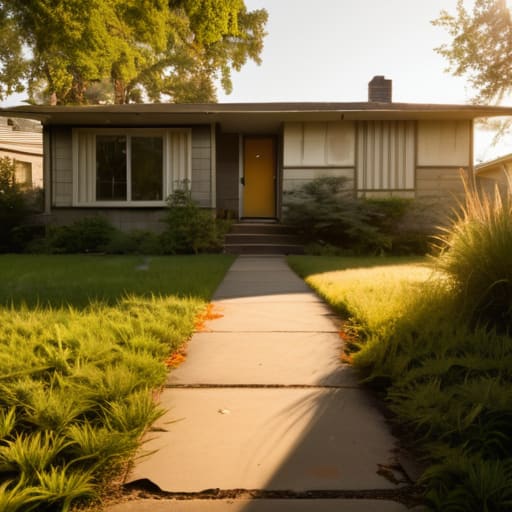
I still remember the smell of damp drywall and old sawdust from my first solo project—a tiny bungalow that most people wouldn’t even walk past, let alone buy. While my former corporate colleagues were busy chasing shiny, turnkey condos with massive price tags, I was standing in a kitchen with peeling linoleum, staring at a cracked foundation and feeling completely alive. Most people see a disaster zone, but when you understand the mechanics of distressed property investing, you stop seeing ruins and start seeing math. You see the gap between what a house is worth now and what it could be worth once you’ve scrubbed away the neglect.
I’m not here to sell you a fantasy about getting rich overnight with zero effort. This isn’t a get-rich-quick scheme; it’s a blueprint for building actual, tangible wealth through sweat equity and smart design. Over the next few sections, I’m going to pull back the curtain on how I identify real potential amidst the chaos. I’ll show you how to spot the structural red flags you can’t fix, and more importantly, how to find the high-margin opportunities that most investors are too intimidated to touch.
Table of Contents
- Unlocking Value Through Short Sale Property Acquisition
- Spotting Real Property Turnaround Potential in Every Crack
- My Non-Negotiables for Navigating the Messy Side of the Flip
- The Bottom Line: Turning Chaos into Capital
- The Real Value of a Messy Project
- The Bottom Line on Distressed Assets
- Frequently Asked Questions
Unlocking Value Through Short Sale Property Acquisition

When people hear “short sale,” they often think of a legal headache, but I see them as one of my favorite ways to find a diamond in the rough. A short sale property acquisition allows you to step into a deal where the homeowner is underwater, meaning you aren’t necessarily competing in a frantic bidding war against twenty other cash buyers at a public auction. It requires a bit more patience to navigate the bank’s bureaucracy, but that delay is often your greatest advantage. It gives you the breathing room to run your numbers and ensure the property turnaround potential actually justifies the sweat equity you’re about to pour in.
However, don’t go flying blindly into a short sale without a reality check. You have to be incredibly disciplined about your rehabilitation costs for investors before you sign anything. I’ve seen too many newcomers get blinded by a low purchase price, only to realize later that the foundation is shot or the electrical is a total nightmare. My rule is simple: always assume the house is hiding something. If the math doesn’t work after accounting for the “surprises,” walk away. Success in this game isn’t just about buying cheap; it’s about buying smart.
Spotting Real Property Turnaround Potential in Every Crack

When I walk into a property that looks like a total disaster, I’m not looking at the peeling wallpaper or the outdated linoleum; I’m looking at the bones. Most people see a mess, but I’m busy running a mental checklist of the structural integrity. You have to learn to differentiate between cosmetic nightmares and actual structural failures. A cracked foundation or a leaking roof can skyrocket your rehabilitation costs for investors, eating your margins before you even swing a hammer. But if the layout is solid and the bones are straight, you’re looking at pure gold.
The secret is finding that sweet spot where the cosmetic damage is high but the structural risk is low. I always keep my laser measurer handy to verify that the square footage isn’t compromised by weird, non-functional additions. You want to identify houses where a little bit of strategic sweat equity can bridge the gap between the current “eyesore” price and the neighborhood’s ceiling. That’s where the real property turnaround potential lives—in the gap between what a house is and what it could be with a bit of grit and a smart design plan.
My Non-Negotiables for Navigating the Messy Side of the Flip
- Get comfortable with the “ugly” math. Before you even step foot in a property, I need to see the numbers work on paper—not just the potential profit, but the realistic cost of the unexpected plumbing disaster or the electrical overhaul you didn’t see coming.
- Build a crew of specialists, not just generalists. You can’t DIY your way through a structural issue or a complex foundation repair; I’ve learned the hard way that having a reliable, specialized contractor is the difference between a smooth rehab and a money pit.
- Look past the cosmetic junk. When I walk into a distressed house, I’m ignoring the hideous 70s wallpaper and the stained carpets; I’m looking at the bones, the layout, and the integrity of the load-bearing walls.
- Master the art of the patience game. Distressed properties rarely follow a perfect timeline, and if you’re looking for a quick weekend flip, you’re in the wrong business. You have to be ready to sit through the delays and the dust.
- Always have a contingency fund that’s bigger than you think it needs to be. In this game, “surprises” are just part of the job description, so I never start a project without a significant buffer to cover the stuff that inevitably goes wrong behind the drywall.
The Bottom Line: Turning Chaos into Capital
Don’t get blinded by the mess; look past the peeling wallpaper and outdated fixtures to see if the bones of the house can actually support the equity you’re hunting for.
Success in distressed investing isn’t about luck—it’s about having the stomach for a short sale negotiation and the tactical patience to see a renovation through to the finish line.
Real wealth in this game is built in the margins, so always prioritize strategic upgrades that drive massive value rather than just spending money to make things look “pretty.”
The Real Value of a Messy Project
“Most people see a cracked foundation or peeling wallpaper and see a disaster; I see a roadmap to equity. In this game, the profit isn’t in the polished turnkey homes—it’s hidden behind the grime and the structural headaches that everyone else is too afraid to touch.”
Gareth Trelawny
The Bottom Line on Distressed Assets

At the end of the day, successful distressed property investing isn’t about luck; it’s about the ability to see past the immediate chaos. We’ve covered how to navigate the complexities of short sales and, more importantly, how to look at a cracked foundation or outdated layout and see a lucrative opportunity rather than a disaster. You have to be willing to do the legwork, run the numbers on those short sales, and develop an eye for the structural integrity beneath the surface. If you can master the art of spotting the potential in the mess, you’ve already done the hardest part of the job.
Look, I know it can feel overwhelming when you’re standing in a dusty, gutted living room wondering if you’ve made a massive mistake. But remember, every high-end renovation I’ve ever finished started with a property that everyone else wanted to run away from. Building wealth through real estate isn’t a sprint; it’s a game of strategic patience and grit. Don’t let the dust and the debris intimidate you. Grab your laser measurer, trust your training, and start turning those crumbling walls into the solid equity your future self will thank you for.
Frequently Asked Questions
How do I figure out if a property's structural issues are just cosmetic headaches or massive money pits that will eat my entire profit margin?
This is the million-dollar question. To avoid a money pit, you have to look past the peeling paint. If a crack in the drywall is just a settling hairline, it’s a cosmetic fix. But if it’s a diagonal stair-step crack in the foundation? That’s a red flag. Grab your laser measurer and check for uneven floors or sticking doors. If the bones are shifting, walk away. I’d rather miss a deal than sink my entire margin into a foundation repair.
What kind of cash reserves should I actually have set aside for those "hidden" renovation costs that always seem to pop up once you tear down the first wall?
Look, I’ve been there—tearing down a kitchen backsplash only to find a plumbing nightmare staring back at me. Never, ever budget to the penny. I always tell my clients to set aside a minimum of 15% to 20% of the total renovation budget as a dedicated “oh crap” fund. If you’re dealing with an older home, lean closer to 25%. You aren’t just paying for materials; you’re paying for the surprises hiding behind the drywall.
How do I stay competitive when bidding on distressed properties against big-money institutional investors who can move much faster than I can?
Look, you aren’t going to outrun a hedge fund with a legal team and a mountain of cash. Stop trying to play their game. Instead, play yours: the local advantage. While they’re crunching spreadsheets in a boardroom, you’re on the ground. Use that local knowledge to find the off-market gems they haven’t even heard of yet. Be faster on the personal connection, build rapport with the sellers, and offer terms that a faceless corporation never could.