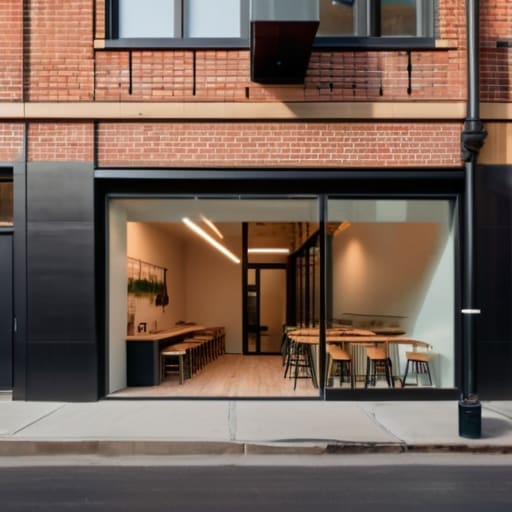
I was standing in a dusty, unrenovated kitchen last Tuesday, the smell of damp drywall and old floor wax thick in the air, when I realized something. Most people see a boarded-up storefront or a cracked sidewalk and think “stay away,” but that’s exactly where the money is hiding. There is this massive misconception that you need to wait until a polished, artisan coffee shop opens on every corner to understand neighborhood gentrification. By then, you’ve already missed the boat. If you’re waiting for the neighborhood to look “safe” or “trendy” on Instagram, you aren’t investing; you’re just paying for someone else’s profit.
I’m not here to feed you some sanitized, academic lecture about urban shifts or socioeconomic theories. I’m going to show you how to actually spot the early indicators of value before the big developers move in and price everyone out. I’ll teach you how to look past the peeling paint and the rough edges to see the equity waiting underneath. This is about finding the undervalued gems and having the guts to turn crumbling walls into solid wealth.
Table of Contents
- Decoding Community Displacement Patterns in Raw Markets
- The Urban Revitalization Impact Finding Hidden Equity
- My Playbook for Spotting the Next Up-and-Coming Pocket
- The Bottom Line: How to Play the Long Game
- The Real Math of Gentrification
- The Bottom Line on Gentrification
- Frequently Asked Questions
Decoding Community Displacement Patterns in Raw Markets
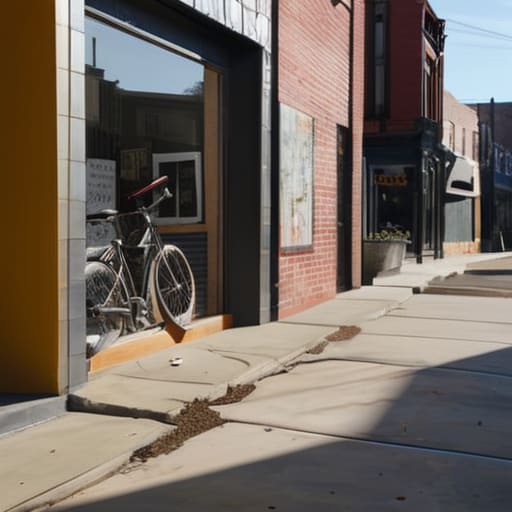
When I’m scouting a new zip code, I don’t just look at the fresh coats of paint; I look at who is being pushed out. To make real money, you have to understand community displacement patterns before they become obvious to the general public. It usually starts with a sudden influx of “lifestyle” businesses—boutique coffee shops and high-end gyms—moving into blocks that haven’t seen a new sidewalk in decades. This is the early warning sign that the urban revitalization impact is about to hit a fever pitch, shifting the neighborhood’s DNA almost overnight.
The real danger for long-term residents—and a signal for us investors—is the sudden spike in property tax increases. As the land value climbs, the people who built the neighborhood’s soul often find themselves priced out of their own homes. I always try to keep an eye on how much cultural heritage preservation is actually happening in an area. If a neighborhood is losing its local landmarks and mom-and-pop shops at a rapid rate, you aren’t just looking at a renovation opportunity; you’re looking at a market that is rapidly reaching its peak.
The Urban Revitalization Impact Finding Hidden Equity
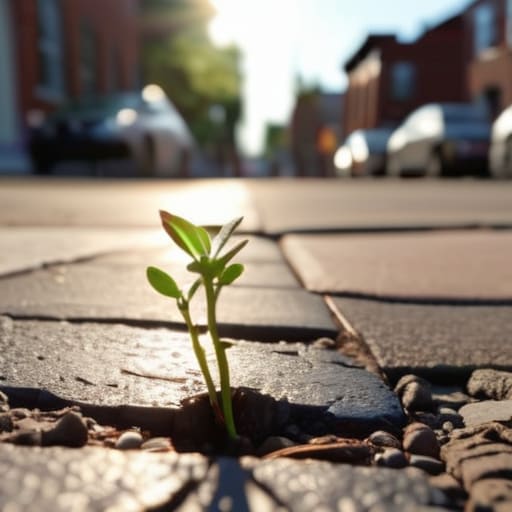
When I’m scouting a new zip code, I’m not looking at the shiny new coffee shops that have already moved in; I’m looking for the cracks in the pavement where the real money is hiding. The urban revitalization impact is a double-edged sword, but for an investor with a plan, it’s a roadmap to value. You want to find those pockets where the infrastructure is finally getting a facelift—new transit lines, improved lighting, or a renovated park—but the housing stock hasn’t caught up yet. That’s your window.
However, you have to play it smart. It isn’t just about slapping on some subway tile and calling it a day. If you ignore the broader socioeconomic displacement effects, you’re missing the bigger picture of how a neighborhood actually breathes. I always look for areas where there is a balance between fresh capital coming in and cultural heritage preservation staying intact. If you can revitalize a property in a way that respects the existing soul of the block, you aren’t just flipping a house; you’re building sustainable equity that stands the test of time.
My Playbook for Spotting the Next Up-and-Coming Pocket
- Look for the “Coffee Shop Indicator.” When you see a high-end, independent cafe or a boutique grocery store moving into a block that’s mostly boarded-up storefronts, the tide is already turning. That’s not just caffeine; it’s a signal that the demographic shift is officially underway.
- Follow the transit lines, not just the trends. Gentrification often follows predictable patterns of accessibility. If a neighborhood is getting a new light rail stop or a major bus route upgrade, the property values are going to catch up to that convenience faster than you think.
- Watch the “Permit Trail.” I don’t just look at the houses; I look at the city planning office. A sudden spike in residential renovation permits in a specific zip code tells me that investors—people like me—are already betting on the area. Get in before the permits turn into finished luxury condos.
- Don’t fear the “Rough Edges.” Most rookies run away from streets with cracked sidewalks or peeling paint. I do the opposite. I look for the houses that have good bones but terrible curb appeal. If the neighborhood feels a little gritty, that’s usually where the highest margin for equity growth is hiding.
- Check the school district boundaries. Even in gentrifying areas, the way school zones are drawn can dictate how quickly families move in. A neighborhood might be “cool,” but if the local schools are seeing a sudden influx of funding or new programs, you’ve found a long-term value play.
The Bottom Line: How to Play the Long Game
Don’t get distracted by the shiny new developments; the real money is made by identifying the “transition zones” where infrastructure is improving but property values haven’t yet hit their peak.
Look for more than just new coffee shops—track municipal investments like improved transit lines and public parks, as these are the physical anchors that guarantee long-term neighborhood stability.
Success in these markets requires a thick skin and a long-term lens; you aren’t just buying a house, you’re betting on the evolution of a community, so make sure your renovation strategy aligns with the neighborhood’s inevitable trajectory.
The Real Math of Gentrification
“Don’t get caught up in the sociology textbooks; look at the street level. When you see a new coffee shop moving into a block of boarded-up storefronts, or a single-family home getting a fresh coat of paint and a modern porch, that’s not just aesthetic change—that’s the sound of equity being built in real-time.”
Gareth Trelawny
The Bottom Line on Gentrification
At the end of the day, spotting gentrification isn’t about chasing hype; it’s about reading the subtle shifts in a neighborhood’s DNA. We’ve looked at how displacement patterns signal a changing demographic and how revitalization projects act as the ultimate catalyst for hidden equity. You have to be able to distinguish between a fleeting trend and a structural shift in the urban landscape. If you can decode the movement of new amenities and the influx of capital before the mainstream media catches on, you aren’t just guessing—you are investing with precision.
Real estate isn’t just about the math on a spreadsheet; it’s about having the grit to see value where others only see decay. Yes, the process of navigating changing neighborhoods can be messy and complicated, but that is exactly where the profit lives. Don’t let the fear of a shifting market keep you on the sidelines. Grab your tools, trust your eye for potential, and start looking for those undervalued gems. If you have the patience to handle the renovation and the vision to see the future of a street, you can build the kind of generational wealth that changes everything.
Frequently Asked Questions
How do I distinguish between a neighborhood that's actually on the rise and one that’s just seeing a temporary spike in trendy coffee shops?
Look, a new oat milk latte shop isn’t a sign of long-term growth; it’s often just a symptom of a trend. To find real equity, look past the aesthetics. Check the permit filings—are people actually investing in structural renovations, or just painting over mold? Look for infrastructure improvements and school district shifts. If the “cool” factor is driven by temporary pop-ups, run. If it’s driven by permanent capital and grit, buy in.
At what point does a renovation project cross the line from adding value to driving out the very community that makes the area desirable?
That’s the million-dollar question, and it’s one I grapple with every time I pull up to a new job site. For me, the line is crossed when we stop improving the existing fabric and start erasing it. If a renovation is just a cookie-cutter “luxury” box that ignores the neighborhood’s soul, you aren’t building equity; you’re just pricing people out. My goal is to breathe life into old structures, not replace the people who live there.
What are the specific red flags I should look for to ensure I'm not buying into a gentrification bubble that's about to burst?
Watch out for “aesthetic-only” growth. If you see a sudden explosion of high-end coffee shops and boutique fitness studios, but the local infrastructure—like schools and public transit—is still crumbling, you’re looking at a bubble. Also, keep an eye on hyper-inflated property taxes. If the value spikes way faster than the actual neighborhood improvements, the math won’t hold up. Real equity is built on stability, not just a fresh coat of trendy paint.
