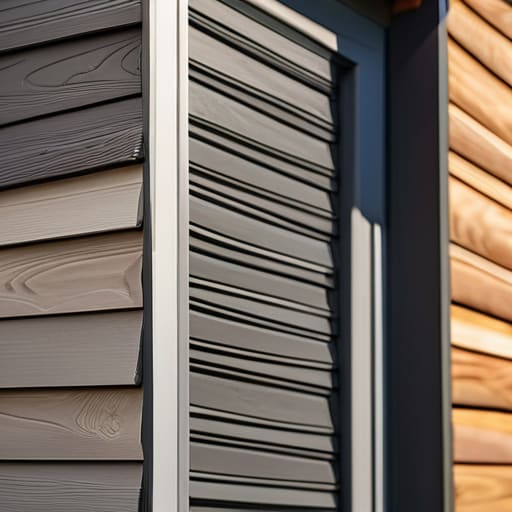
I was standing on a muddy job site last October, staring at a Victorian fixer-upper that looked like it was held together by nothing but sheer willpower and old paint. The contractor was trying to sell me on a premium, high-end cedar shake install that would have absolutely gutted my margins before I even got to the kitchen remodel. It’s the same old song I hear in this industry: people treat siding replacement like it’s a luxury lifestyle choice rather than what it actually is—a fundamental structural necessity and a high-leverage equity play. If you’re listening to every salesperson tell you that you need the most expensive materials on the market to “protect your investment,” you’re likely just throwing money down the drain.
I’m not here to sell you on aesthetics that don’t move the needle; I’m here to help you build wealth. In this guide, I’m stripping away the fluff to give you the raw, unvarnished truth about when to splurge, when to save, and how to execute a siding replacement that actually boosts your ROI. We’re going to talk about material durability and labor costs from a renovator’s perspective, ensuring you turn that crumbling exterior into a massive win for your portfolio.
Table of Contents
- Mastering the Siding Replacement Process for Maximum Return
- Choosing the Best Siding for Durability and Long Term Gains
- 5 Pro Moves to Protect Your Margins During Siding Rehab
- The Bottom Line: Don't Overbuild, Just Outsmart
- ## The Real Cost of Neglect
- Turning Curb Appeal into Real Equity
- Frequently Asked Questions
Mastering the Siding Replacement Process for Maximum Return
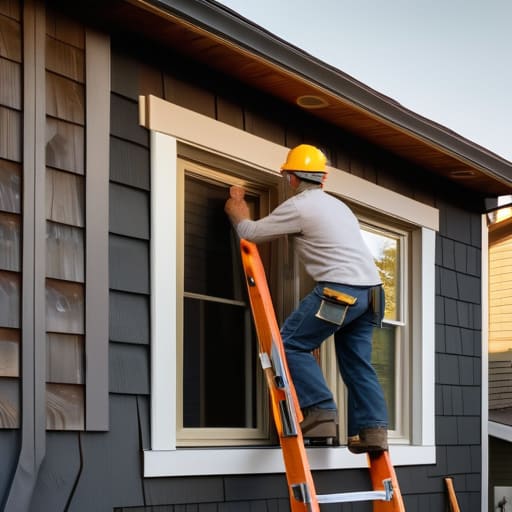
When you’re standing on a job site looking at a house that’s clearly seen better days, you have to decide if you’re just slapping on a cosmetic fix or actually investing in the structure. If you want to maximize your ROI, you can’t just pick the cheapest option available. I always tell my clients that the siding replacement process is about more than just a new look; it’s about protecting the bones of the building. I tend to lean toward fiber cement vs vinyl siding depending on the budget and the neighborhood’s vibe, but my priority is always finding the best siding for durability so I’m not back on that same ladder in three years.
Don’t get tunnel vision on the initial siding installation costs, either. If you skimp on the materials now, you’ll pay for it tenfold in future home exterior maintenance. I look for energy efficient siding options because, in a competitive market, being able to tell a buyer that their utility bills will be lower is a massive selling point. You aren’t just fixing a wall; you’re engineering a more valuable asset.
Choosing the Best Siding for Durability and Long Term Gains
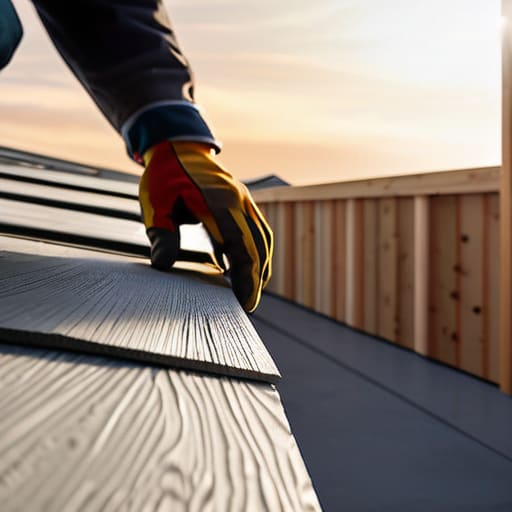
When I’m walking a job site, I’m not just looking at what looks pretty in a staging photo; I’m looking at what’s going to survive the next decade of weather without draining my cash reserves. You have to weigh your upfront siding installation costs against the long-term headache of constant repairs. If you go too cheap, you’ll be back on a ladder in three years, and that’s money straight out of your profit margin.
The big debate I always run into is fiber cement vs vinyl siding. Vinyl is the budget-friendly route, and it certainly helps with improving curb appeal with siding on a tight timeline, but it can look a bit “plastic” if you aren’t careful. On the flip side, fiber cement is the heavy hitter for anyone serious about building equity. It’s incredibly resilient and offers some of the best siding for durability on the market. I usually push my clients toward fiber cement or high-end composite because, while the initial hit is harder on the wallet, the reduction in home exterior maintenance makes it a much smarter play for a long-term hold.
5 Pro Moves to Protect Your Margins During Siding Rehab
- Don’t just slap new boards over old rot; you have to strip it down to the sheathing to make sure you aren’t just masking a structural nightmare that’ll kill your ROI later.
- Inspect your flashing like your profit depends on it—because it does—and make sure every window and door junction is sealed tight to prevent moisture from eating your equity.
- Prioritize high-quality house wrap over the cheap stuff; spending an extra few hundred bucks now on a decent moisture barrier saves you a massive headache (and a massive lawsuit) down the road.
- Keep an eye on your color palette and stick to timeless, high-demand neutrals; I’ve seen too many investors go “creative” with bold siding colors only to realize they just shrunk their buyer pool.
- Vet your contractors by looking at their previous job sites, not just their polished Instagram feeds; I want to see how their seams look and how they handle the cleanup, not just a pretty finished photo.
The Bottom Line: Don't Overbuild, Just Outsmart
Stop treating siding as a cosmetic afterthought; it’s your first line of defense against structural rot that can absolutely tank your ROI if you ignore it.
Prioritize high-durability materials like fiber cement over cheap vinyl to ensure your renovation holds its value long after you’ve handed over the keys.
Always inspect the sheathing once the old boards are off—it’s better to fix a small moisture issue now than to face a massive, margin-killing repair later.
## The Real Cost of Neglect
“Stop looking at siding as just a cosmetic fix; if you’re letting old, cracked boards rot, you aren’t just hurting your curb appeal—you’re letting your profit margins leak right out of the structure.”
Gareth Trelawny
Turning Curb Appeal into Real Equity
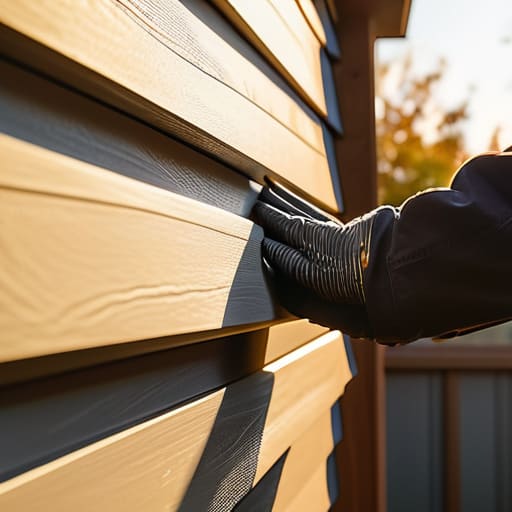
At the end of the day, replacing your siding isn’t just about making a house look pretty for a weekend open house; it’s a calculated move to protect your investment from the elements. We’ve covered how to manage the replacement process without letting contractors bleed your budget dry, and we’ve looked at which materials actually hold their value over a decade versus what just looks good in a listing photo. Remember, the goal is to stop the rot before it becomes a structural nightmare that eats your entire profit margin. If you choose the right materials and execute the installation with precision, you aren’t just fixing a house—you are fortifying your asset.
I know that staring at a peeling, weathered exterior can feel overwhelming, especially when you’re trying to balance a tight renovation budget. But don’t let the mess intimidate you. Every crumbling board and faded panel is just an opportunity to step in, add value, and build that equity we’re all chasing. Real estate isn’t about finding perfection; it’s about having the vision to see past the decay and the grit to make the necessary changes. Grab your laser measurer, get your plan in place, and let’s start turning these liabilities into profitable wins.
Frequently Asked Questions
How do I know if I can get away with a simple repair, or if I'm looking at a full-scale replacement to protect my margins?
Look, I’ve been there—staring at a patch of damaged siding, praying it’s just a quick fix to save my budget. Here’s the reality: if the damage is localized and the substrate underneath is bone-dry, you can patch it. But the second you see soft spots, mold, or widespread warping, stop. Trying to “save” a failing system is a rookie mistake. Replace the whole thing now, or you’ll be paying for structural repairs later.
Is it worth spending the extra cash on high-end materials like fiber cement, or should I stick to vinyl to keep my ROI high?
Look, if you’re flipping a quick rental, vinyl gets the job done and keeps your margins fat. But if you’re playing the long game or aiming for a premium resale, go with fiber cement. It looks high-end, handles weather like a champ, and screams “quality” to potential buyers. Don’t cheap out on the curb appeal if you want to command a higher sale price; sometimes, spending more upfront is exactly how you secure that extra equity.
What are the red flags I should look for during a walkthrough that indicate the underlying structure is rotting beneath the siding?
When you’re walking a site, don’t just look at the surface. Grab your screwdriver and poke the areas near the foundation or around window casings. If it feels soft or spongy, that’s a massive red flag—you’re looking at rot. Also, keep an eye out for bulging siding or weird gaps; that usually means the sheathing underneath is warping or failing. If you see moisture staining or mold peeking through, stop everything. That’s not just a cosmetic fix; that’s a structural nightmare eating your profit.
