Author: Gareth Trelawny

  • How to Build a Diverse Real Estate Portfolio

    How to Build a Diverse Real Estate Portfolio

    I was standing in a kitchen that smelled of damp drywall and decades of stale grease, staring at a subfloor that was more rot than wood, when it hit me: most people think building a real estate portfolio requires a silver spoon and a mountain of liquid cash. They see the polished, high-end luxury flips on Instagram and assume they’re locked out of the game unless they’ve already made their first million. That’s a lie. I didn’t start with a trust fund; I started with a laser measurer, a heavy-duty flashlight, and a willingness to get my hands dirty in houses that everyone else had written off as lost causes.

    I’m not here to sell you on some “get rich quick” scheme or teach you how to play with imaginary numbers on a spreadsheet. My goal is to show you the grit required to turn neglected properties into tangible, high-yield assets. I’m going to walk you through the actual mechanics of scaling a real estate portfolio by finding value where others see only chaos. We aren’t chasing hype here; we are chasing solid equity through smart design and strategic, sweat-equity rehabs.

    Table of Contents

    Mastering Property Equity Growth Through Messy Renovations

    Mastering Property Equity Growth Through Messy Renovations

    Let’s get one thing straight: you aren’t going to see significant property equity growth by just buying turnkey properties and waiting for the market to lift. That’s a passive game, and frankly, it’s a slow way to build wealth. If you want to move the needle, you have to be willing to step into the dust. I’m talking about the kind of renovations that make you want to quit halfway through—the outdated electrical, the structural surprises, and the flooring that’s more mold than wood. But that’s exactly where the margin lives. When you take a distressed property and apply strategic design, you aren’t just fixing a house; you are manufacturing value that didn’t exist before you walked through the door.

    This approach is a core part of my personal real estate risk mitigation strategy. While others are terrified of a renovation going over budget, I view that volatility as the price of admission for higher margins. By focusing on high-impact, aesthetic upgrades that appeal to modern buyers, you ensure that every dollar spent is working toward a massive equity jump. It’s about being surgical with your rehab budget to ensure you’re maximizing your return on every single nail driven.

    Smart Real Estate Asset Allocation for the Self Made Investor

    Smart Real Estate Asset Allocation for the Self Made Investor

    When you’re starting from scratch, it’s tempting to dump every cent into your first flip, but that’s a fast track to burnout. Real real estate asset allocation isn’t just for the big players with hedge funds; it’s about how you distribute your capital to ensure you aren’t one bad contractor away from bankruptcy. I always tell my clients to balance high-intensity flips with steady, long-term holds. While the quick wins from a renovation provide the cash flow you need to scale, having a few stable rentals acts as your safety net.

    You also need to decide early on if you’re playing in the commercial vs residential portfolio arena. For most of us building from the ground up, residential is the entry point because it’s more intuitive, but don’t ignore the potential for small multi-family units. The goal is portfolio ROI optimization—you want a mix of assets that provide both immediate liquidity and long-term appreciation. It’s about being strategic with your footprint so that every dollar you sink into a foundation is actually working to build your net worth.

    My Non-Negotiable Rules for Scaling a Portfolio

    • Stop chasing “turnkey” properties. If a house is already perfect, the profit margin has already been eaten by the previous owner. I look for the ones with dated kitchens and questionable layouts because that’s where the real equity is hiding.
    • Always keep a “renovation buffer” in your cash reserves. I’ve learned the hard way that once you strip back the drywall, you’re going to find something that wasn’t in the inspection report. If you don’t have a contingency fund, one bad plumbing issue can tank your entire portfolio strategy.
    • Prioritize high-impact, low-cost upgrades. You don’t need a full structural overhaul to increase value. Sometimes, a strategic floor plan adjustment or upgrading the lighting can do more for your ROI than an expensive, high-end marble countertop ever could.
    • Don’t just buy houses; buy neighborhoods with momentum. I use my laser measurer to check dimensions, but I use my gut to check the street. Look for the areas where the coffee shops are moving in and the old warehouses are being converted—that’s where your appreciation will live.
    • Diversify your asset types, not just your locations. A solid portfolio isn’t just five single-family homes in the same zip code. I try to balance my holdings between quick-flip residential projects and long-term rental assets to keep my cash flow steady while I hunt for the next big renovation.

    The Bottom Line: Turning Grit into Equity

    Stop waiting for the perfect market or a massive windfall; start looking for the properties others are too intimidated to touch, because that’s where the real margin lives.

    Don’t just renovate for aesthetics—renovate for ROI by focusing on structural integrity and high-impact design choices that actually drive appraisal value.

    Diversification isn’t just about different zip codes; it’s about balancing your portfolio between quick-turn flips for cash flow and long-term holds for steady equity growth.

    Equity is Built, Not Inherited

    A real estate portfolio isn’t just a collection of deeds and addresses; it’s a series of calculated risks and grit, where every layer of old wallpaper you strip away is actually just another way of uncovering your own financial freedom.

    Gareth Trelawny

    Turning Vision Into Value

    Turning Vision Into Value through real estate.

    At the end of the day, building a real estate portfolio isn’t about luck or having a massive safety net; it’s about the math and the grit. We’ve talked about how strategic asset allocation keeps you from overextending and how mastering the art of the messy renovation is your fastest lane to rapid equity growth. You have to view every crack in the drywall and every outdated floor plan not as a headache, but as a calculated opportunity to increase your net worth. It’s about seeing the potential that everyone else walks right past.

    Don’t let the fear of a dusty job site or a complicated budget keep you on the sidelines. The most successful investors I know didn’t start with a skyscraper; they started with a single, slightly broken-down property and the stubbornness to finish the job. Real wealth is built one brick, one stud, and one smart renovation at a time. So, grab your measuring tape, find your first fixer-upper, and start turning those crumbling walls into solid equity. The market won’t wait for you to feel ready, so get out there and start building.

    Frequently Asked Questions

    How do I know when a renovation is actually adding equity versus just throwing money down a sinkhole?

    Look, I’ve seen it happen: someone spends $20k on high-end marble just to chase a feeling, not a return. To avoid the sinkhole, you have to run the math before you swing a hammer. Compare your projected After Repair Value (ARV) against your total investment—purchase price, holding costs, and rehab. If the spread doesn’t give you a healthy margin for error, you aren’t building equity; you’re just decorating an expensive hobby.

    Should I focus on single-family fixer-uppers first, or is it smarter to jump straight into multi-family units to build my portfolio?

    Look, if you’re just starting out, stick to single-family fixer-uppers. Multi-family units are great for cash flow, but they come with a massive learning curve and much higher stakes. I’ve seen too many new investors drown in the complexity of managing multiple tenants before they even understand how to swing a hammer or manage a contractor. Master the art of turning one house into equity first. Once you’ve got the rhythm, then scale up.

    How much of my liquid cash should I be keeping in reserve for those inevitable "hidden" structural issues that pop up mid-rehab?

    Look, if you aren’t budgeting for the nightmare scenario, you aren’t investing—you’re gambling. I always tell my clients to set aside at least 15% to 20% of their total renovation budget specifically for a “chaos fund.” Whether it’s unexpected termite damage or a plumbing disaster behind a load-bearing wall, these things will happen. Don’t touch that cash for aesthetic upgrades; keep it strictly for the structural surprises that threaten your equity.

  • Improving Your Home Entrance

    Improving Your Home Entrance

    I still remember the smell of damp drywall and old floor wax from my first solo flip—a tiny, neglected bungalow that looked like it hadn’t seen a paintbrush since the nineties. I stood in that cramped, dark foyer, clutching my laser measurer, and realized that most people treat entryway design as an afterthought, something you just slap a coat of beige paint on and call a day. They think you need a massive budget for custom millwork or a grand foyer to make an impression, but that’s just expensive nonsense that eats your margins alive.

    I’m not here to sell you on Pinterest-perfect fantasies that cost a fortune and offer zero ROI. Instead, I’m going to show you how to use strategic, high-impact updates to turn a cluttered, dark entrance into a polished statement piece. We’re going to focus on smart, scalable moves—from lighting to functional storage—that actually build equity. If you’re ready to stop wasting money on fluff and start focusing on tangible value, let’s get to work.

    Table of Contents

    Mastering First Impression Home Decor for Maximum Impact

    Mastering First Impression Home Decor for Maximum Impact

    When I’m walking into a property for a walkthrough, my eyes immediately go to the foyer. It’s not just about aesthetics; it’s about how the space functions the moment a person steps through the door. If a buyer walks into a pile of shoes and tangled coats, they’ve already mentally checked out of the house. To prevent that, I focus heavily on entryway console table styling that balances form and function. You want a slim, high-impact piece that provides a landing strip for keys and mail without choking the flow of the room.

    Don’t let a cramped layout stop you from making a statement, either. I’ve seen some of my most profitable flips rely on clever small entryway organization tips to make a tight space feel intentional rather than cluttered. Think about adding a sleek wall-mounted hook system or a slim bench to keep the floor clear. My rule of thumb is simple: if the decor doesn’t serve a purpose or elevate the vibe, it’s just dead weight. You want to create a sense of immediate order that tells a buyer this home is well-managed and ready for them.

    Elevating Space With Modern Foyer Furniture Ideas

    Elevating Space With Modern Foyer Furniture Ideas

    When you’re looking at a cramped or awkward foyer, the temptation is to just shove a bench against the wall and call it a day. But if you’re serious about maximizing your ROI, you need to look at modern foyer furniture ideas that balance aesthetics with actual utility. I’m a huge proponent of the slim-profile console table. It’s a lifesaver in tighter spaces because it provides a landing zone for keys and mail without choking the flow of the room. Pair a sleek, black metal frame with a warm wood top to hit that industrial chic note I love, and you’ve instantly elevated the entire vibe of the house.

    Don’t let the scale of the furniture overwhelm the room, though. If you’re dealing with a narrow hallway, focus on verticality and slim silhouettes. Instead of a bulky chest, try a lightweight pedestal or a narrow floating shelf. This keeps the floor visible, which trickily makes the area feel much larger. It’s all about that strategic balance: you want pieces that feel intentional and high-end, not like you just grabbed whatever was on sale at a big-box retailer.

    Five High-ROI Moves to Level Up Your Entryway

    • Stop neglecting your lighting; swapping out a builder-grade flush mount for a statement pendant can make a cramped foyer feel intentional and high-end without a full electrical overhaul.
    • Invest in a high-quality runner rug to define the zone, but make sure it’s durable—I’ve seen too many investors blow their budget on silk rugs that get shredded by muddy boots in a week.
    • Use mirrors to cheat the square footage, especially in those narrow hallways that feel like tunnels; a large, strategically placed mirror bounces light and makes a small entry feel twice as wide.
    • Create a “drop zone” that actually functions, like a slim console table or a built-in bench, so clutter doesn’t migrate from the door to the living room—clutter is the ultimate equity killer.
    • Don’t underestimate the power of hardware; replacing dated door handles or adding matte black hooks can provide that “designer touch” that makes a renovation feel finished rather than rushed.

    The Bottom Line: Turning Your Entryway into ROI

    Stop treating the foyer as an afterthought; it’s your property’s handshake, and a strategic, high-impact refresh is one of the fastest ways to justify a higher asking price.

    Focus on “smart” furniture—pieces that offer functional storage to hide the daily chaos while maintaining that clean, minimalist aesthetic buyers crave.

    Always prioritize durability and scale; if your entryway pieces look cheap or feel cramped, it signals to a potential buyer that the rest of the house might be poorly maintained.

    The Equity in the Entryway

    “Stop looking at your foyer as just a place to drop your keys; start seeing it as the highest-leverage zone in the house. A strategic entryway refresh isn’t just about decor—it’s about setting the narrative for the entire property before a buyer even reaches the living room.”

    Gareth Trelawny

    From First Impressions to Final Equity

    From First Impressions to Final Equity.

    At the end of the day, an entryway isn’t just a hallway or a place to drop your keys; it’s a strategic tool in your renovation arsenal. We’ve talked about everything from selecting the right statement furniture to ensuring your decor creates that immediate “wow” factor for potential buyers. Remember, you don’t need to gut the entire house to see a return. By focusing on smart, intentional upgrades—like a well-placed console table or a cohesive lighting plan—you are effectively bridging the gap between a cluttered entrance and a high-value asset. It’s about making sure that every dollar you spend on that foyer is a calculated move toward increasing your property’s bottom line.

    I know that staring at a cramped, outdated entryway can feel overwhelming, especially when you’re staring down a long list of renovations. But don’t let the mess intimidate you. Every crumbling wall and dated floorboard is just an opportunity in disguise. If you approach these spaces with a disciplined eye and a clear plan, you’ll find that the most neglected corners often yield the highest rewards. Stop looking at what the space is, and start seeing what it could become. Grab your laser measurer, get to work, and let’s start building that equity.

    Frequently Asked Questions

    How do I balance high-end aesthetic upgrades with a tight renovation budget when I'm flipping a property?

    You have to play the “high-low” game. Don’t blow your budget on designer faucets or custom cabinetry; that’s where the profit dies. Instead, pour your capital into the things buyers touch every day—solid hardware, a statement light fixture, or a high-quality rug. For everything else, thrift a vintage mid-century console or use high-end paint to elevate basic materials. Focus on the visual impact, not the brand name. It’s about perceived value, not luxury labels.

    Are there specific lighting fixtures that provide the best ROI for a small, dark entryway?

    If you’re dealing with a dark, cramped foyer, skip the heavy, ornate chandeliers—they just eat up visual space. For the best ROI, go with a sleek, matte black or brushed brass semi-flush mount. It keeps the ceiling feeling high while adding that designer touch. I also swear by adding a slim wall sconce or even a motion-activated LED strip under a console table. It creates layers of light that make a tiny space feel intentional, not claustrophobic.

    What are the best durable flooring options that look designer but can actually withstand heavy foot traffic during a showing?

    If you’re looking to balance high-end aesthetics with the reality of a busy renovation, go with Luxury Vinyl Plank (LVP). It’s my go-to because it’s waterproof and nearly indestructible, but modern versions mimic wide-plank white oak so well that buyers can’t tell the difference. If your budget allows, engineered hardwood is a solid runner-up for that premium feel, but for high-traffic flips, LVP gives you that designer look without the maintenance headache.

  • Why Property Inspection Is Critical

    Why Property Inspection Is Critical

    I still remember the smell of damp drywall and old rot from my first solo flip—a house that looked like a mid-century dream on the surface but felt like a sinking ship the moment I stepped into the basement. I had relied on a generic, checklist-style property inspection that missed a massive foundation crack because the inspector was too busy looking at the electrical panel to actually look at the bones of the building. That mistake cost me three weeks and five figures in unexpected repairs, and it taught me a lesson I’ll never forget: a piece of paper from a professional doesn’t mean you’re safe if you haven’t learned how to read the house yourself.

    I’m not here to give you a lecture on building codes or academic theories that don’t apply when you’re staring at a crumbling joist. Instead, I’m going to show you how to perform a boots-on-the-ground assessment that actually protects your capital. We are going to dive into the red flags that turn a “fixer-upper” into a financial nightmare, and I’ll teach you exactly what to hunt for so you can walk into any renovation with total confidence.

    Table of Contents

    The Pre Purchase Home Assessment Hunting for Hidden Gold

    The Pre Purchase Home Assessment Hunting for Hidden Gold

    Before you even get close to the closing table, you need to treat that walkthrough like a tactical reconnaissance mission. A standard pre-purchase home assessment isn’t just about checking if the kitchen looks “vibey” enough for a flip; it’s about finding the deal-breakers that could swallow your entire profit margin. I always start by looking at the bones. I’m talking about identifying foundation cracks that look like mere hair-line fractures but are actually signs of a settling nightmare. If the walls are bowing, your budget for mid-century modern light fixtures won’t matter because you’ll be spending it all on structural piers.

    Next, I move my focus to the systems that most amateur flippers ignore until it’s too late. I never skip a thorough electrical and plumbing safety check, because replacing outdated knob-and-tube wiring or corroded pipes is a massive, unglamorous drain on your capital. You have to be ruthless here. If the bones are rotten, you walk away. My goal isn’t just to buy a house; it’s to secure a predictable renovation timeline that keeps my equity growing instead of bleeding out.

    A Professional Inspector Checklist for the Savvy Investor

    A Professional Inspector Checklist for the Savvy Investor

    Once you’ve identified a potential winner, you need to move beyond the surface-level charm and get surgical. I never walk into a deal without a rigorous professional inspector checklist in hand, because my profit margins live or die in the details. You aren’t just looking for cosmetic flaws; you are hunting for the “deal-breakers” that could eat your entire renovation budget before you even swing a hammer.

    First, prioritize a deep-dive roof and drainage inspection. A leaking roof is a headache, but poor drainage that directs water toward your foundation is a financial catastrophe. While you’re at it, don’t skip the electrical and plumbing safety check. In these older fixer-uppers I hunt, outdated wiring isn’t just a code violation—it’s a massive liability that can derail your timeline.

    Lastly, use this data to navigate your real estate contingency period with total confidence. If the inspector finds something significant, you need that information ready to use during negotiations. Whether you’re asking for a credit or walking away entirely, knowledge is your strongest leverage when turning a crumbling house into a high-yield asset.

    Red Flags and Real Returns: 5 Inspection Hacks I Never Skip

    • Don’t get distracted by the staging; I’ve seen too many “designer” living rooms hide massive foundation cracks behind a trendy velvet sofa. Look past the aesthetics and get on your hands and knees to check the basement for moisture.
    • The electrical panel is where the real math happens. If you open it up and see a mess of outdated wiring or a brand that looks like it belongs in a museum, you aren’t just looking at a repair—you’re looking at a massive budget killer.
    • Test every single faucet and flush every toilet simultaneously. I need to know if the water pressure tanks immediately when the load increases; if it does, you’re likely staring down a costly plumbing overhaul.
    • Check the roof from the ground if you can, but don’t trust a “good looking” roof blindly. Look for signs of sagging in the ridgeline or uneven shingles, because a roof that’s nearing its end-of-life is the fastest way to bleed your renovation budget dry.
    • Always sniff for the invisible. A heavy scent of air freshener or excessive ventilation in a small room is a massive red flag for mold or dampness hidden behind the drywall, and that’s the kind of “hidden” cost that eats your equity alive.

    The Bottom Line: Don't Let the Dust Blind You

    Never fall in love with a floor plan before you’ve checked the bones; a beautiful layout won’t save you from a foundation that’s shifting.

    Treat your inspection as a negotiation tool, not just a checklist, because every structural flaw you find is leverage to drive the purchase price down.

    Always budget a “chaos buffer” into your renovation math to cover the expensive surprises that even the best professional inspector might miss.

    ## The Difference Between a Deal and a Disaster

    “A property inspection isn’t just a box to tick on your due diligence list; it’s your only defense against a renovation that turns into a bottomless money pit. I’d rather find a cracked foundation during a walkthrough than find out my equity is leaking through the floorboards six months after closing.”

    Gareth Trelawny

    Don't Let the Dust Blind You

    Don't Let the Dust Blind You.

    At the end of the day, a property inspection isn’t just about checking boxes on a clipboard; it’s about protecting your capital. We’ve covered how to spot those structural red flags before they drain your bank account and how to use a professional checklist to separate the genuine opportunities from the total disasters. Remember, the goal isn’t to find a perfect house—because those don’t exist in this business—it’s to find a house where the flaws are fixable and predictable. If you can quantify the cost of the repairs during the inspection phase, you’ve already won half the battle.

    Real estate investing is a gritty, hands-on game, and it requires a certain level of grit to look past the ugly wallpaper and see the structural integrity underneath. Don’t let the fear of a messy inspection report keep you on the sidelines. Every crumbling wall and outdated electrical panel is just another way to build your equity if you have the right data in hand. Stop looking for perfection and start looking for potential. Grab your laser measurer, get on that job site, and go find your next win.

    Frequently Asked Questions

    How do I tell the difference between a cosmetic issue and a structural dealbreaker when I'm walking through a property?

    Look, I’ve seen it all: a cracked tile is just a quick fix, but a crack in the foundation? That’s a nightmare. Here’s my rule of thumb: if it’s surface-level—peeling wallpaper, dated cabinetry, or scuffed floors—it’s cosmetic. That’s where we find our margin. But if the issue affects the “bones”—sagging rooflines, uneven floors, or water stains on the ceiling—you’re looking at a structural dealbreaker. Don’t let a pretty kitchen distract you from a sinking slab.

    Is it actually worth paying for a specialized inspector for things like electrical or plumbing, or can I rely on a general home inspection?

    Look, a general inspector is your first line of defense, but they aren’t surgeons. If you’re staring at a house with knob-and-tube wiring or ancient galvanized pipes, don’t be cheap. A generalist might tell you the panel looks “old,” but a master electrician will tell you if it’s a fire hazard waiting to happen. I’d rather spend an extra few hundred on a specialist now than lose fifty grand to a catastrophic flood or electrical failure later.

    At what point during the negotiation should I use the inspection report to push for price reductions or repair credits?

    Timing is everything. Don’t wave that report around the second you get it; wait until you’ve reviewed the findings against your actual renovation budget. Once you’ve categorized what’s a “deal-breaker” (structural/mechanical) versus a “cosmetic fix,” use it during the post-inspection negotiation phase. This is your leverage. Present the report not as a list of complaints, but as a roadmap of necessary capital expenditures that directly justify your request for credits or a lower price.

  • Improving a Laundry Room Layout

    Improving a Laundry Room Layout

    I was standing in a cramped, windowless utility closet of a fixer-upper last Tuesday, the smell of damp drywall and old detergent hanging heavy in the air, when I realized something: most people treat the laundry area like an afterthought. They think you need a $20,000 custom cabinetry overhaul to make a difference, but that’s just expensive fluff designed to drain your renovation budget. I’ve seen too many investors blow their margins on high-end marble backsplashes in a room that barely has enough space to turn around, completely ignoring the high-impact laundry room upgrades that actually move the needle for a buyer.

    I’m not here to sell you on a Pinterest-perfect fantasy that won’t survive a single heavy load of towels. Instead, I’m going to show you how to use strategic, low-cost interventions to transform a cluttered mess into a functional, high-value asset. We’re talking about smart sweat equity—the kind of tactical design choices that maximize your ROI without requiring a second mortgage. Let’s get to work on turning that neglected corner into a serious equity builder.

    Table of Contents

    Small Laundry Room Layout Optimization for Maximum Value

    Small Laundry Room Layout Optimization for Maximum Value

    When you’re staring at a cramped utility closet that barely fits a stackable unit, don’t panic. Most people see a dead end, but I see an opportunity for small laundry room layout optimization. The secret isn’t just about fitting the machines in; it’s about creating an efficient laundry room workflow that doesn’t feel like a chore. I always tell my clients to think vertically. If you have zero floor space, stop trying to use it. Instead, look up. Installing high-mounted shelving or custom cabinetry above the machines can reclaim a massive amount of usable territory without making the room feel claustrophobic.

    I’ve seen too many flips lose value because the laundry area was an afterthought. If you’re working with a tight footprint, prioritize laundry room storage solutions that double as workspace. A simple, butcher-block countertop installed over a front-loading washer and dryer provides a much-needed folding station while keeping the room looking intentional. It’s these small, strategic moves that turn a messy nook into a high-functioning zone that buyers will actually fight over.

    Modern Laundry Room Aesthetics That Command Premium Rents

    Modern laundry room aesthetics that command premium rents.

    When you’re pitching a rental or prepping a flip, you have to stop thinking of the laundry area as a hidden utility zone and start treating it like a design feature. Tenants today want spaces that feel intentional, not tucked away in a dark corner. To achieve modern laundry room aesthetics, I lean heavily into a minimalist industrial vibe—think matte black hardware against crisp, white cabinetry. It’s a high-contrast look that feels expensive but doesn’t actually break the bank if you source your fixtures strategically.

    The goal isn’t just to make it look pretty, though; it’s about perceived value. If a potential renter walks in and sees integrated laundry room storage solutions—like built-in shelving or a sleek countertop over a front-loading set—they immediately see a home that is well-maintained and thoughtfully planned. I always tell my clients: don’t just slap on some cheap laminate. Invest in a few high-quality, tactile elements. When a space looks organized and aesthetically cohesive, you aren’t just renting out a room; you’re selling a lifestyle that justifies that higher monthly premium.

    High-ROI Upgrades: Where to Put Your Money for Maximum Equity

    • Stop ignoring the lighting; swap out those dim, flickering overheads for bright, recessed LED lighting or even some sleek industrial pendants to make the space feel intentional rather than an afterthought.
    • Invest in durable, high-end surfaces like quartz or even a polished concrete if you’re going for that industrial chic look, because nothing kills a renovation’s value faster than cheap, peeling laminate.
    • Upgrade your hardware with heavy-duty, matte black or brushed brass pulls on your cabinetry; it’s a small, low-cost touch that makes the entire room feel custom and expensive to a potential buyer.
    • Don’t skimp on smart organization; installing built-in cabinetry or even simple floating shelves creates a sense of order that makes even the smallest utility room look like a high-end designer space.
    • Prioritize the plumbing and electrical layout—ensure your outlets are positioned perfectly for modern machines to avoid a mess of cords that makes a clean renovation look amateur.

    The Bottom Line: Maximizing Your ROI in the Utility Space

    Stop treating the laundry room as an afterthought; it’s a high-impact zone where smart, functional design directly translates into higher appraisal values.

    Focus on “sweat equity” upgrades—like custom shelving or updated hardware—that offer a massive visual punch without the massive contractor bill.

    Always prioritize durability and flow; a beautiful laundry room that’s a nightmare to actually use won’t help you flip the property or keep high-quality tenants.

    The Hidden Equity in the Utility Room

    “Stop treating the laundry room like an afterthought; when you stop viewing it as a cramped utility closet and start treating it as a functional design asset, you’re not just installing new cabinetry—you’re manufacturing equity.”

    Gareth Trelawny

    The Bottom Line on Laundry Room ROI

    The Bottom Line on Laundry Room ROI

    At the end of the day, a laundry room upgrade isn’t just about picking out a pretty backsplash or a trendy tile pattern. It’s about the strategic intersection of utility and aesthetics. We’ve talked about how optimizing your layout can reclaim wasted square footage and how a modern, cohesive design language can significantly increase your property’s marketability. Whether you are prepping a rental for a high-end tenant or getting a fixer-upper ready for a quick flip, remember that every square inch must serve a purpose. Don’t let a cluttered, poorly planned utility space become a detractor during a walkthrough; instead, make it a functional asset that proves you know how to manage a property with precision.

    I know that looking at a cramped, outdated laundry nook can feel overwhelming, especially when you’re staring down a renovation budget. But that’s exactly where the opportunity lies. While other investors are busy obsessing over kitchen islands, you can find your edge in these smaller, high-impact zones. It takes a bit of grit and a sharp eye to see the potential in a messy utility room, but that is how you build real, tangible equity. Stop viewing these rooms as mere afterthoughts and start seeing them as engines for profit. Grab your laser measurer, get to work, and let’s start turning those small spaces into big wins.

    Frequently Asked Questions

    How much should I actually budget for a laundry room refresh if I'm trying to keep my ROI as high as possible?

    Look, if you’re chasing ROI, don’t throw money at high-end appliances just because they look pretty in a showroom. I aim for the “sweet spot”: spend on what people touch and see—think new hardware, a fresh coat of durable paint, and maybe a decent quartz countertop if you’re adding a folding station. Budget around $500 to $1,500 for a cosmetic refresh. Keep it lean; every dollar spent must directly increase the perceived value.

    Is it worth it to upgrade to stacked units in a tiny space, or will that mess with my resale appeal?

    In a tiny footprint, stacked units are a total game-changer for your ROI. When you’re working with limited square footage, floor space is your most valuable commodity. Don’t fear the loss of side-by-side convenience; modern buyers—especially renters—prioritize efficient layouts over everything else. By going vertical, you free up room for built-in cabinetry or a folding station, turning a cramped closet into a high-functioning utility zone that actually adds to the property’s perceived value.

    When I'm gutting a laundry nook, how do I know if I'm looking at a simple cosmetic fix or a massive plumbing nightmare?

    Before you swing that sledgehammer, check the basics. If you see water stains on the drywall or a musty smell, you’re likely looking at a leak or slow drainage issues. Check the floor for unevenness or soft spots—that’s a red flag for subfloor rot. If the existing drains are far from your new layout, you’re staring down a major plumbing overhaul. Always assume the worst; it’s better to budget for a nightmare than to get blindsided mid-reno.

  • Creating a Functional Mudroom Area

    Creating a Functional Mudroom Area

    I was standing in the entryway of a fixer-upper last Tuesday, staring at a pile of damp boots and tangled leashes that had effectively claimed the hallway as their own territory. Most interior design magazines will try to sell you on a “luxury mudroom” that looks like a museum piece—all white lacquer and delicate velvet benches that would be ruined by a single muddy shovel. But let’s be real: if your mudroom design doesn’t prioritize durability and actual flow, it isn’t a functional space; it’s just an expensive way to hide your mess for ten minutes.

    I’m not here to give you a Pinterest board of pretty, impractical ideas that will fall apart the moment a real family moves in. Instead, I’m going to show you how to build a high-utility zone that survives the daily grind while actually increasing your property’s resale value. We’re going to talk about smart storage, rugged materials, and strategic layouts that turn a chaotic entryway into a seamless transition. I want you to stop treating your entryways like an afterthought and start viewing them as a strategic asset for your home.

    Table of Contents

    Custom Built in Cabinetry Investing in High Yield Organization

    Custom Built in Cabinetry Investing in High Yield Organization

    If you’re looking to maximize your ROI, stop thinking about standalone furniture and start thinking about architecture. When I’m evaluating a fixer-upper, I look for how much “dead space” is wasted in the entryway. Installing custom built-in cabinetry isn’t just a luxury; it’s a strategic move to reclaim square footage that would otherwise be lost to clutter. By integrating storage directly into the walls, you create a seamless look that appeals to high-end buyers who value efficiency over bulkiness.

    Don’t just build a row of cubbies and call it a day. To truly turn this area into a family command center, you need to design for the actual chaos of daily life. I always recommend incorporating dedicated zones for mail, charging stations, and even a small nook for school schedules. If you’re working with a tight footprint, a smart small mudroom layout that utilizes vertical height will do more for your property value than any expensive piece of freestanding furniture ever could. It’s about making the space work harder for the homeowner.

    Waterproof Entryway Materials to Protect Your Hard Earned Assets

    Waterproof Entryway Materials to Protect Your Hard Earned Assets

    If you’re serious about building equity, you have to stop thinking about aesthetics alone and start thinking about durability. A beautiful entryway means nothing if a single rainy afternoon turns your flooring into a warped, rotting mess. When I’m scouting a fixer-upper, I look straight at the transition zones. You need to prioritize waterproof entryway materials like luxury vinyl plank (LVP) or high-grade porcelain tile. These aren’t just about looks; they are about preventing moisture from seeping into the subfloor and devaluing the entire property.

    Don’t make the mistake of installing expensive hardwood in a high-traffic zone where wet boots and dog paws are a daily reality. I always tell my clients that a smart material choice is a defensive play for your investment. If you’re working with a cramped, small mudroom layout, stick to large-format tiles to minimize grout lines where dirt and water tend to settle. By choosing materials that can withstand heavy-duty use, you’re ensuring that your renovation efforts actually last long enough to see a return on your investment.

    Five Strategic Moves to Maximize Your Mudroom’s ROI

    • Stop overthinking the aesthetics and focus on the “drop zone.” You need a designated spot for keys, mail, and phones that doesn’t end up as a pile of junk on your kitchen island. If the flow is broken here, the whole house feels cluttered.
    • Don’t skimp on lighting. A dark, dingy entryway makes a house feel small and uninviting. Install bright, layered lighting—think recessed cans for utility and maybe a sleek industrial sconce—to make that first impression pop during showings.
    • Think about the “boots and mud” reality. If you’re installing bench seating, make sure there is actual clearance underneath for heavy-duty boot trays. A beautiful bench is useless if it’s just a place for wet shoes to rot your flooring.
    • Scale your storage to the actual occupants. I’ve seen too many flips with massive, adult-sized cubbies that look ridiculous in a family home. Design for versatility—adjustable shelving is your best friend when you’re trying to appeal to the widest range of buyers.
    • Invest in high-traffic hardware. This is a high-use zone; cheap handles and flimsy hooks will strip or loosen within six months. Buy heavy-duty, tactile hardware that feels substantial—it’s a small detail that signals quality to a potential buyer.

    The Bottom Line: Making Every Square Inch Count

    Stop viewing the mudroom as an afterthought; treat it as a strategic zone that protects your flooring and boosts your resale value.

    Prioritize durability over cheap aesthetics by selecting materials that can actually handle heavy foot traffic and moisture without looking trashed in six months.

    Focus your budget on high-impact, functional built-ins that solve real storage problems rather than wasting money on purely decorative, non-functional trim.

    ## The ROI of a Functional Entryway

    “Stop looking at a mudroom as just a place to drop your boots; look at it as the first line of defense for your flooring and the highest-leverage way to prove to a buyer that this house is actually managed with intention.”

    Gareth Trelawny

    Turning Entryways into Equity

    Turning Entryways into Equity with mudrooms.

    At the end of the day, a mudroom shouldn’t just be a place to dump your boots; it needs to be a strategic component of your property’s overall value. We’ve talked about why custom built-ins are worth the upfront investment and why choosing the right waterproof materials is non-negotiable if you want to avoid a maintenance nightmare down the road. When you stop viewing the entryway as an afterthought and start treating it as a functional asset, you’re no longer just decorating—you’re protecting your margins and ensuring the home stands up to the daily grind of real life.

    Don’t let the mess of a renovation or the complexity of a floor plan intimidate you. Every high-performing property I’ve flipped started with a series of small, smart decisions like these. It’s about seeing the potential in a cluttered corner and having the discipline to execute a design that works as hard as you do. Remember, building wealth isn’t always about the flashy kitchen remodel; sometimes, it’s about mastering the details that turn a standard house into a high-value home. Now, grab your laser measurer and get to work.

    Frequently Asked Questions

    How much should I actually budget for custom built-ins versus just buying some heavy-duty shelving from a big-box store?

    Look, if you’re just trying to survive a weekend, go to the big-box store. You’ll spend a few hundred on heavy-duty shelving, but it looks cheap and won’t survive a real renovation. For custom built-ins, expect to shell out anywhere from $2,000 to $5,000+ depending on the finish. It’s a bigger upfront hit, but that’s where the equity lives. Custom work signals quality to buyers; plastic bins and metal racks just signal “temporary.”

    If I'm flipping this house, is a high-end mudroom renovation actually going to see a return on investment, or is it just a vanity project?

    Look, if you’re just picking out expensive marble tiles to satisfy your own aesthetic, it’s a vanity project. Period. But if you’re designing a functional, durable mudroom that solves a buyer’s daily chaos, it’s an investment. In a flip, you aren’t selling a dream; you’re selling a solution. A smart, organized entryway signals to a buyer that the rest of the house is just as well-maintained. That’s how you build equity, not just decor.

    What are the best flooring options that look high-end but won't be ruined by wet boots and salt during the winter months?

    If you’re looking for that high-end aesthetic without the anxiety of salt damage, skip the natural hardwood. It’s a beautiful trap in a high-traffic entryway. Instead, go with luxury vinyl plank (LVP) or high-quality porcelain tile. A large-format porcelain tile can mimic stone perfectly and is virtually indestructible against slush and grit. If you want the warmth of wood, a high-grade LVP gives you that designer look while standing up to the winter chaos.

  • Installing Built in Bookshelves

    Installing Built in Bookshelves

    I was standing in the middle of a dusty, gutted living room in a Victorian fixer-upper last Tuesday, staring at a massive, awkward alcove that looked more like a mistake than a feature. Most “design gurus” would tell you that installing custom built in shelving requires a massive budget and a team of high-end carpenters to be worth the investment. They want you to believe that if you aren’t spending five figures on bespoke cabinetry, you’re just wasting your time. Honestly? That’s a complete load of nonsense designed to keep people from seeing the actual profit potential hiding in plain sight.

    I’m not here to sell you on expensive, superficial trends that won’t move the needle on your ROI. Instead, I’m going to show you how to use built in shelving as a strategic tool to maximize square footage and create that “intentional” feel that buyers crave. I’ll walk you through the high-impact, low-cost ways to execute this properly, focusing on smart design and strategic rehabs rather than mindless spending. Let’s stop looking at empty nooks as wasted space and start seeing them as pure, unadulterated equity.

    Table of Contents

    Floor to Ceiling Shelving Ideas for Maximum Impact

    Floor to Ceiling Shelving Ideas for Maximum Impact

    If you really want to change the energy of a room, stop thinking about furniture that sits on the floor and start thinking about structures that reach the ceiling. When I’m walking through a fixer-upper with high ceilings, my first instinct is to utilize that vertical real estate. Floor to ceiling shelving ideas aren’t just about extra storage; they are about creating a sense of permanence. A massive, floor-to-ceiling unit draws the eye upward, making even a modest living room feel grander and more architecturally significant.

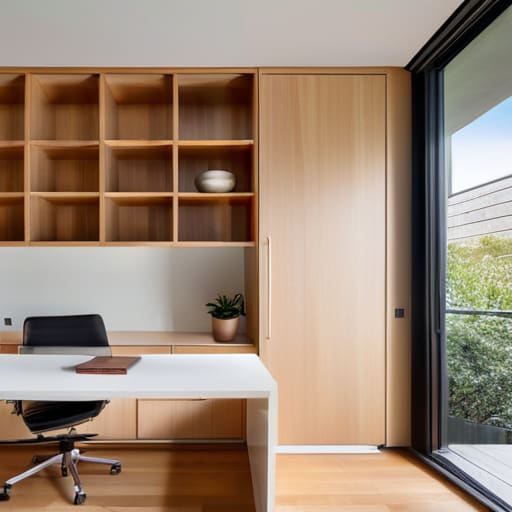
    For those of you working with tighter budgets, the material choice is where you win or lose your margins. I usually weigh wood vs MDF for shelving depending on the client’s end goal. If I’m aiming for a high-end, custom look that screams luxury, I’ll push for real wood. However, if we are flipping a property and need to maximize the ROI without breaking the bank, a high-quality MDF with a professional paint finish can look absolutely seamless. It’s all about creating that intentional, high-end look that makes a buyer feel like the home was custom-designed just for them.

    Modern Built in Unit Styles to Elevate Property Value

    Modern Built in Unit Styles to Elevate Property Value

    When you’re looking at modern built-in unit styles, you want to move away from that heavy, dated look and lean into something that feels intentional. I’m a huge fan of the “floating” look—think thick, chunky shelves mounted directly to the wall without the bulky base cabinets. It creates an airy, high-end feel that works perfectly when you’re maximizing small space storage in a tight living area. If you want to go more premium, consider integrating subtle LED strip lighting into the recesses. It’s a small detail, but it makes the entire unit look like a high-end architectural feature rather than just some extra storage.

    Another direction that’s killing it in the current market is the home library aesthetic. We’re seeing a huge demand for moody, sophisticated spaces where floor-to-ceiling units act as a focal point. When you’re deciding on materials, you’ll likely face the wood vs MDF for shelving debate. While real hardwood is stunning, I often recommend high-quality MDF with a professional paint finish for my flips. It’s more cost-effective, resists warping, and gives you that perfectly smooth, minimalist industrial finish that buyers are currently obsessed with.

    Pro Tips for Maximizing ROI with Custom Shelving

    • Don’t go overboard with the decor; when you’re prepping a house for sale, use the shelves to showcase lifestyle, not clutter. A few high-end books and a single ceramic piece are better than a crowded shelf that makes a room feel small.
    • Always account for outlet placement before you start building. There is nothing more amateur than a beautiful custom unit that completely hides a wall outlet, forcing buyers to hunt for a plug or deal with ugly extension cords.
    • Use lighting to your advantage. Adding even a simple, battery-operated LED strip or a discreet puck light to a built-in unit makes the whole room feel more expensive and intentional, which is exactly what you want when driving up an appraisal.
    • Focus on the “visual weight.” If you’re working with a tiny studio or a cramped hallway, opt for thinner, floating-style built-ins. Heavy, chunky cabinetry can swallow a small room and actually make the square footage feel even more limited.
    • Always measure twice—or better yet, use my laser measurer. If your built-ins are off by even half an inch, they’ll look like a DIY mistake rather than a professional installation, and nothing kills a buyer’s confidence faster than sloppy craftsmanship.

    The Bottom Line: Making Built-Ins Work for Your ROI

    Don’t just build for looks; build for utility. A shelf that looks pretty but can’t hold a heavy stack of coffee table books is a wasted investment in a flip.

    Focus on scale to create the illusion of luxury. Floor-to-ceiling units make even a modest room feel custom-designed, which is exactly what buyers are looking for when they want that “high-end” feel.

    Keep your design language consistent with the rest of the renovation. If you’re going for a minimalist industrial vibe, don’t clutter your built-ins with ornate molding that clashes with the property’s new identity.

    The ROI of Intentional Design

    “When I’m walking through a fixer-upper, I’m not just looking at the floor plan; I’m looking for those awkward, dead spaces that most buyers will ignore. A well-placed set of built-in shelves turns a useless corner into a high-value feature, making a home feel custom-built rather than just thrown together.”

    Gareth Trelawny

    Final Thoughts on Maximizing Your ROI

    Final Thoughts on Maximizing Your ROI.

    At the end of the day, built-in shelving isn’t just about finding a place to stash your books or decor; it’s a strategic move to make a property feel custom and high-end. Whether you’re going for that floor-to-ceiling statement piece to draw the eye upward or installing sleek, modern units that scream sophistication, you are essentially selling a lifestyle. By choosing styles that align with current market trends and focusing on clean, functional lines, you’re ensuring that every dollar spent on carpentry translates directly into increased equity and buyer interest. Don’t just fill a void in a room—use these nooks to prove the house was designed with intention.

    I know that staring at a bare, awkward alcove can feel like just another headache on a long renovation checklist, but I promise you, the payoff is worth the dust. Real estate investing is about seeing what others miss, and a well-placed built-in is often the missing piece of the puzzle that turns a house into a home. Stop looking at empty spaces as wasted square footage and start seeing them as opportunities to build wealth. Grab your measuring tape, get a plan in place, and let’s turn those empty walls into your next big win.

    Frequently Asked Questions

    How do I decide between custom cabinetry and cheaper, modular built-ins when I'm trying to protect my margins on a flip?

    Look, if you’re protecting your margins, don’t get fancy for the sake of it. Custom cabinetry is a luxury play; use it only if you’re targeting a high-end buyer who expects bespoke finishes. For most flips, I lean on high-quality modular units. If you choose the right modular pieces and add some custom trim or a solid stone top, you can trick the eye into seeing high-end custom work without the custom price tag.

    Are there specific materials I should avoid to ensure the shelving doesn't look dated or "cheap" in a few years?

    Steer clear of anything that looks like “instant gratification” renovation. Avoid those flimsy, particle-board kits or anything with a high-gloss, fake-wood laminate finish; they peel and look dated within a year. Also, skip the overly ornate, chunky crown molding if you’re aiming for a modern flip. If it feels lightweight or looks like it was glued together in a weekend, don’t use it. Stick to solid wood or high-quality MDF that can take a real finish.

    How much actual ROI can I realistically expect to see from adding built-in shelving versus just leaving the walls bare?

    Look, I’ll give it to you straight: you aren’t going to see a massive jump in the appraisal just because you added some wood and screws. However, the real ROI isn’t just in the math; it’s in the perceived value. Built-ins make a space feel “finished” and intentional. In a competitive market, a buyer seeing a custom library or a sleek media unit will often choose your house over the bare-walled one next door.

  • Essential Property Maintenance for Landlords

    Essential Property Maintenance for Landlords

    I still remember the smell of damp drywall and old sawdust from my first solo flip—a tiny, neglected bungalow that looked more like a disaster zone than an investment. I was standing in the middle of a flooded basement, clutching my laser measurer like a lifeline, realizing that most people treat property maintenance as an afterthought or a massive, scary expense they can’t afford. They think you need a bottomless pit of cash to keep a building standing, but that’s just a lie sold by people who want to charge you premium contractor rates for things you could have handled yourself.

    I’m not here to give you some sanitized, textbook lecture on home upkeep. My goal is to show you how to protect your margins by staying ahead of the decay before it eats your profit. I’m going to pull back the curtain on the high-yield, low-cost habits that keep a structure sound and your equity growing. We’re going to talk about the gritty, unglamorous side of keeping a portfolio healthy, focusing on strategic repairs that actually move the needle.

    Table of Contents

    Mastering Real Estate Asset Preservation Through Grit

    Mastering Real Estate Asset Preservation Through Grit

    Let’s get one thing straight: real estate isn’t a passive income machine that runs on autopilot. If you think you can just buy a distressed property, slap on some fresh paint, and walk away while the value climbs, you’re dreaming. True real estate asset preservation happens in the trenches, not in a spreadsheet. It’s about the unglamorous, gritty work of staying ahead of the decay before it turns into a catastrophic expense that eats your entire profit margin.

    I’ve seen too many novice investors lose their shirts because they ignored a small hairline crack in a foundation or a slow drip under a sink. To avoid that, you need a rigid routine building maintenance schedule that you actually stick to. I don’t care if it’s a rainy Tuesday or a freezing January morning; you need to be out there checking the seals and the drainage. Developing a strict seasonal property inspection checklist isn’t just “good practice”—it’s the only way to ensure you aren’t spending your renovation budget on fixing avoidable disasters instead of adding value.

    Minimizing Property Depreciation With a Sharp Eye

    Minimizing Property Depreciation With a Sharp Eye

    When you’re hunting for your next flip, it’s easy to get tunnel vision on the aesthetic potential—the bones of the house, the layout, the light. But if you aren’t looking for the subtle signs of decay, you’re just buying a future headache. Minimizing property depreciation isn’t just about slapping on a fresh coat of paint; it’s about catching the small stuff before it turns into a structural nightmare. I always tell my clients to look past the staging and check the “vitals”: the water heater, the electrical panel, and the foundation.

    To stay ahead of the curve, I never rely on guesswork. I keep a strict routine building maintenance schedule for every asset in my portfolio. This means I’m not just reacting to disasters; I’m anticipating them. Whether it’s checking the gutters before the rainy season hits or testing the HVAC in the dead of summer, having a proactive approach is what separates the amateur flippers from the serious investors. You have to treat your properties like the high-yield assets they are, or they’ll quickly start draining your bank account instead of filling it.

    The High-Yield Maintenance Checklist: Protecting Your ROI

    • Stop treating inspections like a chore and start seeing them as an audit; catching a slow leak in a crawlspace today saves you a $10k mold remediation bill next year.
    • Build a “strike team” of reliable tradespeople—plumbers, electricians, and HVAC techs—because when a pipe bursts at 2 AM, you need a pro you trust, not a random Yelp search.
    • Don’t ignore the “ugly” systems just because they’re hidden behind drywall; a well-maintained electrical panel and water heater are the invisible backbone of your property’s value.
    • Create a seasonal battle plan for your exteriors, from clearing gutters to checking window seals, because the elements are constantly trying to eat away at your equity.
    • Keep a digital paper trail of every single repair and upgrade; when it comes time to sell or refinance, that stack of receipts is proof of a well-managed asset.

    The Bottom Line: Turning Maintenance into Margin

    Stop viewing upkeep as a drain on your cash flow and start seeing it as defensive investing; every dollar spent on preventative care is a dollar you aren’t losing to emergency repairs later.

    Develop a “structural intuition” by learning to spot the small, quiet red flags—like a hairline crack or a slight damp smell—before they turn into the kind of catastrophic failures that eat your entire profit margin.

    Prioritize high-impact maintenance that preserves the property’s “bones” and curb appeal, ensuring your asset remains a high-yield vehicle rather than a money pit.

    The Real Cost of Neglect

    “Maintenance isn’t just a line item on your budget; it’s your frontline defense against losing the equity you’ve fought so hard to build. I’d rather spend a few thousand on a proactive fix today than watch a preventable leak eat my entire profit margin tomorrow.”

    Gareth Trelawny

    The Bottom Line on Protecting Your Hustle

    The Bottom Line on Protecting Your Hustle

    At the end of the day, property maintenance isn’t just about checking boxes on a seasonal to-do list; it’s about protecting the capital you’ve worked so hard to deploy. We’ve talked about the grit required to manage a site and the necessity of spotting depreciation before it eats your margins, but the core truth remains: you cannot build a lasting portfolio on a foundation of neglect. Whether you are dealing with a minor plumbing hiccup or a major structural overhaul, every decision you make should be viewed through the lens of long-term equity preservation. If you aren’t staying ahead of the wear and tear, you aren’t investing—you’re just waiting for a crisis to drain your bank account.

    I know that looking at a list of repairs can feel overwhelming, especially when you’re trying to balance a million other things. But remember, the most successful investors I know aren’t the ones who never face a disaster; they are the ones who stay proactive instead of reactive. Don’t let the mess scare you away from the massive potential sitting right under those peeling layers of wallpaper. Keep your eyes sharp, keep your tools ready, and keep focusing on the big picture. You aren’t just fixing houses; you are building a legacy, one solid, well-maintained square foot at a time.

    Frequently Asked Questions

    How do I distinguish between a cosmetic fix that boosts curb appeal and a structural issue that's going to eat my entire profit margin?

    Look, here’s the line in the sand: if the problem is skin-deep—think outdated trim, peeling paint, or a tired entryway—that’s your profit margin working for you. That’s curb appeal. But if you see cracks in the foundation, sagging floorboards, or a funky smell in the basement, stop. Those aren’t “cosmetic.” Those are structural red flags that will swallow your equity whole. Always prioritize the bones before you ever touch the aesthetics.

    At what point does a "quick DIY fix" become a liability that actually devalues the property during a sale?

    Look, I love a good weekend project as much as the next person, but there’s a fine line between a smart upgrade and a ticking time bomb. The moment you start “patching” something that requires professional certification—think electrical, structural, or complex plumbing—you’ve crossed into liability territory. A botched DIY job doesn’t just look amateur; it triggers red flags during inspections that can kill a deal or force massive price credits. If you can’t do it to code, don’t touch it.

    When I'm looking at an old fixer-upper, what are the non-negotiable maintenance red flags that tell me to walk away from the deal?

    Look, I love a project, but I’m not a charity for structural failures. If I see foundation cracks wider than a dime or signs of active, heavy moisture in the basement, I’m out. Foundation issues can swallow your entire margin before you even pick up a hammer. Same goes for outdated knob-and-tube wiring or a crumbling main sewer line. If the bones are rotting, it’s not a renovation—it’s a money pit. Walk away.

  • Differences Between Residential and Commercial Real Estate

    Differences Between Residential and Commercial Real Estate

    I remember standing in the middle of a gutted, drafty warehouse three years ago, the smell of damp concrete and old diesel thick in the air, clutching my laser measurer like a lifeline. Everyone in the room was talking about “macroeconomic shifts” and “portfolio diversification,” using all those high-level terms to make commercial real estate sound like a closed club for people with Ivy League degrees and massive trust funds. But as I looked at those cracked walls and the outdated electrical panel, I didn’t see a complex financial instrument; I saw a massive opportunity to create value where others only saw a mess.

    I’m not here to feed you the polished, boardroom-ready nonsense you’ll find in a textbook. Instead, I’m going to show you how to look past the grime and the intimidating jargon to find the actual profit hiding in plain sight. We’re going to talk about the grit, the math, and the strategic renovations required to turn a neglected storefront or a dusty office space into a high-performing asset. If you’re ready to stop watching from the sidelines and start building real equity, let’s get to work.

    Table of Contents

    Navigating Commercial Property Types With a Sharp Eye

    When you’re scouting for your first big play, you can’t treat every building like it’s a single-family fixer-upper. You have to understand the specific DNA of different commercial property types before you even pick up your laser measurer. I’ve seen too many rookies dive into retail spaces only to realize they’re stuck with a tenant who can’t pay the rent, or they jump into office buildings just as the market shifts. You need to look past the facade and ask: what is the actual utility here?

    If you’re looking for stability, I often find myself eyeing the industrial real estate market. There is something incredibly satisfying about a warehouse with high ceilings and a solid concrete slab; these assets are often more resilient to economic swings than high-end retail. However, if you want to scale faster, you might look toward multifamily real estate investing. While the management can be a headache, the sheer volume of cash flow can turn a modest renovation into a massive equity win. It’s all about matching the asset’s bones to your long-term wealth goals.

    Decoding Cap Rate Calculation to Find Hidden Equity

    Decoding Cap Rate Calculation to Find Hidden Equity

    Now, let’s talk numbers. If you want to move past the “gut feeling” stage and actually build wealth, you have to master the cap rate calculation. I know, math isn’t as fun as picking out backsplash tile, but this is where the real profit is hidden. A cap rate tells you the expected rate of return on a property if you were to buy it in cash. When I’m walking through a distressed warehouse or a run-down retail strip, I’m not just looking at the cracks in the foundation; I’m looking at the Net Operating Income (NOI) versus the purchase price.

    The trick to finding those “diamonds in the rough” is spotting a property with a low cap rate that you can force appreciation on. If a building has outdated commercial lease agreements or inefficient layouts, the current cap rate might look unappealing. However, if you can renovate the space and secure better tenants, you’re essentially compressing that cap rate and skyrocketing the asset’s value. Don’t get distracted by the shiny, high-performing assets in a REIT; look for the undervalued gems where a little sweat equity can turn a mediocre return into a massive equity gain.

    5 Ways to Spot Value When You Aren't Playing with Millions

    • Don’t get blinded by the shiny stuff; I always look at the bones first. A commercial building with outdated aesthetics but solid structural integrity is a goldmine because you can fix the “ugly” with a smart renovation to drive up the value.
    • Watch the tenant mix like a hawk. You want a stable foundation of long-term leases, but I actually look for opportunities where a single, struggling tenant is holding a property back—sometimes, a strategic vacancy is the best way to re-tenant and hike the rent.
    • Learn to read the zoning laws better than your contractor reads a blueprint. You might find a distressed retail spot that’s actually perfectly positioned to be converted into something much more profitable, like creative office space or even boutique residential.
    • Stop obsessing over the purchase price and start looking at the Net Operating Income (NOI). I don’t care how cheap a building looks if the expenses are bleeding it dry; I want to see where I can trim the fat and boost the income to create immediate equity.
    • Always, always factor in the “hidden” costs of a commercial rehab. Between ADA compliance and commercial-grade HVAC systems, the surprises can kill your margins if you aren’t prepared. I keep my laser measurer and my contingency fund close for a reason.

    The Bottom Line for Your Next Acquisition

    Stop getting paralyzed by the scale of commercial deals; focus on learning the specific nuances of different property types so you can spot where the real value is hiding.

    Master your math—specifically cap rates—because if you can’t accurately calculate the return, you’re just gambling, not investing.

    Look past the peeling paint and outdated layouts to find the “bones” that allow for strategic renovations, as that’s where your quickest equity gains will live.

    The Real Value is in the Bones

    “Commercial real estate isn’t about buying a finished product; it’s about spotting the structural potential in a space that everyone else has written off as a lost cause.”

    Gareth Trelawny

    From Blueprints to Bottom Lines

    From Blueprints to Bottom Lines real estate.

    At the end of the day, commercial real estate isn’t some mystical, untouchable realm reserved for the ultra-wealthy; it’s a game of numbers, grit, and vision. We’ve covered how to distinguish between property types and why mastering the cap rate is your best defense against a bad deal. If you can look past the cracked pavement and the outdated facades to see the underlying cash flow potential, you’re already ahead of most people. Remember, every successful acquisition starts with recognizing that the math has to work before the sledgehammer swings. Don’t get distracted by the shiny new builds; the real money is often hiding in the properties that everyone else has overlooked.

    Transitioning from residential flips to commercial assets is a massive leap, and I won’t lie to you—it’s going to be messy at times. There will be unexpected structural issues and lease negotiations that feel like they’ll never end. But that’s exactly where the equity is built. If you have the patience to navigate the chaos and the discipline to stick to your renovation strategy, you aren’t just buying buildings; you are constructing a legacy. Stop waiting for the perfect market or a massive windfall to fall into your lap. Grab your measuring tape, trust your eye, and start turning those crumbling walls into solid equity.

    Frequently Asked Questions

    How much of a cash cushion do I actually need to set aside for those unexpected structural issues that always pop up in older commercial buildings?

    Look, if you’re buying older commercial assets, a standard 10% contingency isn’t going to cut it. I’ve seen “minor” foundation issues turn into six-figure nightmares overnight. I always tell my clients to set aside at least 20% of the renovation budget specifically for structural surprises. It’s better to have that cash sitting idle in a high-yield account than to be staring at a crumbling load-bearing wall with zero liquidity to fix it.

    Is it better to focus on single-tenant retail spaces or try my hand at multi-tenant industrial properties when I'm first starting out?

    If you’re just starting, I’d lean toward single-tenant retail. It’s a bit more straightforward to manage when you’re still learning the ropes. You’ve got one lease, one tenant, and less headache regarding shared spaces. Multi-tenant industrial sounds lucrative, but the complexity of splitting CAM charges and managing multiple personalities can bury a beginner. Get your feet wet with a single, solid tenant first—master the fundamentals before you try to juggle a whole warehouse of occupants.

    How do I figure out if a property's value is actually driven by the current tenants or if the building itself is the real long-term asset?

    Look at the lease terms and the physical condition. If the value relies on a single tenant with a short-term lease or a niche business that won’t fit a new layout, you’re buying a paycheck, not an asset. I look for “sticky” value: high-quality bones, versatile floor plans, and long-term leases. If I can strip the building back and re-tenant it to a completely different industry without a massive structural overhaul, that’s where the real equity lives.

  • Landscaping Strategies to Increase Property Value

    Landscaping Strategies to Increase Property Value

    I remember standing in the mud of my first major flip, staring at a backyard that looked more like a graveyard for rusted lawn equipment than a potential asset. My contractor wanted to charge me five figures for a “designer garden” with imported stone and custom lighting, but my gut told me that was just a way to burn my margins. Most people think you need a massive budget to nail landscaping for profit, but they’re wrong. You don’t need a landscape architect; you need a strategic eye for what actually moves the needle during a sale.

    In this guide, I’m cutting through the fluff and the expensive nonsense. I’m going to show you how to identify the high-impact, low-cost moves that turn a neglected patch of dirt into a massive equity win. We aren’t talking about planting pretty flowers; we are talking about intentional curb appeal and smart spatial design that makes a buyer fall in love before they even step through the front door. Let’s get to work.

    Table of Contents

    Spotting High Roi Landscaping Features in Neglected Yards

    Spotting High Roi Landscaping Features in Neglected Yards

    When I first walk onto a new job site, I’m not just looking at the foundation or the roofline; I’m staring at the dirt. A neglected yard is often just a goldmine in disguise. Most amateur flippers ignore the perimeter, but I’ve learned that a massive, overgrown thicket of invasive shrubs is actually an opportunity. If you can clear out the junk and replace it with structured, low-maintenance greenery, you’re looking at a massive curb appeal enhancement for a fraction of the cost of a kitchen remodel.

    I always look for “bones”—things like existing hardscaping or mature trees that just need a little pruning and a fresh layer of mulch. It’s about finding high ROI landscaping features that don’t require a full-scale construction crew. Instead of blowing your budget on a custom stone patio, I look for ways to define spaces using simple, clean lines. My goal isn’t to create a botanical garden; it’s to create a sense of order that tells a buyer, “This house has been cared for.” That mental shift is where the real money is made.

    Maximizing Residential Landscaping Investment Through Curb Appeal Enhanceme

    Maximizing Residential Landscaping Investment Through Curb Appeal Enhanceme

    When I’m walking up to a property for a walkthrough, I’m not just looking at the siding or the roof; I’m looking at the “first impression” factor. You can have a stunning kitchen inside, but if the entrance looks like a jungle from a horror movie, buyers will mentally check out before they even hit the front door. This is where curb appeal enhancement becomes your most powerful tool. I focus on high-impact, low-cost fixes: defining the walkway with clean stone edges, adding fresh mulch to create instant contrast, and ensuring the entryway is framed by something intentional rather than something accidental.

    Don’t get bogged down in expensive, complex garden layouts that require a full-time gardener to maintain. My goal is a strategic residential landscaping investment that looks expensive but stays manageable. I look for structural greenery—think hardy shrubs or a well-placed specimen tree—that provides year-round interest without a massive price tag. By prioritizing these foundational elements, you aren’t just planting flowers; you are engineering a visual hook that drives up the perceived value of the entire asset.

    My Five Non-Negotiables for Landscaping That Actually Moves the Needle

    • Stop overspending on exotic plants; instead, focus on hardy, low-maintenance perennials that look established from day one. Buyers want a lush look without wanting to become amateur gardeners on their weekends.
    • Prioritize the “entry experience” by investing in clean, hardscaped pathways. If a buyer has to trek through mud or navigate uneven dirt to reach the front door, they’ve already mentally checked out of the showing.
    • Don’t ignore the bones of the yard. I always look for a solid foundation of mulch and trimmed shrubs; it’s a low-cost way to hide poor soil quality and make the entire property look intentional rather than accidental.
    • Use strategic lighting to sell the lifestyle. A few well-placed solar or low-voltage uplights on existing trees can make a tiny, neglected lot feel like a high-end private retreat during evening viewings.
    • Focus on “instant gratification” greenery. If you’re flipping, don’t wait for seeds to sprout; buy mid-sized shrubs that fill gaps immediately. You’re selling the vision of a finished home, not a construction project.

    The Bottom Line: Turning Greenery into Gains

    Don’t sink your budget into high-maintenance floral displays; focus on structural hardscaping and hardy, low-maintenance plants that keep your holding costs down and your curb appeal high.

    Always view landscaping through the lens of “perceived value”—a clean, defined edge on a garden bed costs almost nothing but makes a property feel significantly more expensive to a potential buyer.

    Use your landscaping to fix the house’s flaws, not hide them; use strategic planting to draw the eye toward the renovated entryway rather than letting a messy yard distract from your interior wins.

    The Equity in the Earth

    Stop looking at a yard full of weeds as a headache; look at it as uncaptured equity waiting for a little strategic sweat and a lot of vision.

    Gareth Trelawny

    The Bottom Line on Curb Appeal

    The Bottom Line on Curb Appeal.

    At the end of the day, landscaping isn’t just about making a yard look pretty for a weekend photoshoot; it’s a calculated move to protect your margins. We’ve talked about spotting those high-ROI features like clean hardscaping and strategic greenery, and how much weight a little bit of curb appeal carries when a buyer first pulls up to the driveway. If you focus your budget on high-impact, low-maintenance upgrades rather than getting lost in expensive, niche botanical projects, you’re going to see a much better return on your spent capital. Remember, every dollar you sink into the soil should be working toward increasing your final sale price, not just filling up a flower bed.

    Real estate investing is rarely a clean, polished process, and sometimes that means getting your hands dirty to see the real value. Don’t let a patch of dead grass or a cracked walkway intimidate you—those are just opportunities in disguise. If you can train your eye to see the equity hidden beneath the weeds, you’ll find yourself winning in a market that others are too afraid to touch. Stop looking at what a property is right now and start seeing what it could become with a little bit of sweat equity and a sharp design eye. Now, go grab your tools and get to work.

    Frequently Asked Questions

    How do I know when I've crossed the line from "smart investment" into "throwing good money after bad" on a yard?

    Listen, I’ve been there—staring at a retaining wall that needs more work than the house itself. You’ve crossed the line when your landscaping budget starts eating into your structural contingency fund. If you’re spending five figures on mature privacy hedges just to mask a drainage nightmare, stop. You aren’t investing; you’re decorating a sinking ship. If the fix doesn’t directly boost the appraisal or solve a fundamental site issue, walk away.

    Are there specific low-maintenance plant species that give me that high-end look without requiring a full-time gardener?

    Look, I don’t have time to babysit a garden when I’m managing contractors, and neither does your future buyer. If you want that high-end, curated look without the maintenance headache, go for structural plants. Think Boxwoods for clean lines, ornamental grasses for movement, or Agave if you’re in a warmer climate. They look expensive and intentional, but they’re tough as nails. Stick to perennials that thrive on neglect; it’s all about maximizing impact while minimizing upkeep.

    How much of my renovation budget should I actually be carving out for landscaping versus the interior guts of the house?

    Look, I get the urge to dump every cent into the kitchen remodel, but don’t let the “guts” blind you to the perimeter. I typically aim for 5% to 10% of my total renovation budget for landscaping. If the interior is a disaster, lean toward the lower end, but never let the yard look like a graveyard. You want buyers falling in love with the silhouette of the house before they even step inside.

  • Updating Electrical Systems in Old Homes

    Updating Electrical Systems in Old Homes

    I’ll never forget the smell of scorched plastic and ozone that hit me when I opened the panel on my first real fixer-upper. I was standing in a kitchen that looked beautiful on the surface, but the moment I tried to plug in a high-end espresso machine, the lights flickered and the whole circuit groaned like it was about to die. That’s when I realized that all the mid-century modern charm in the world won’t save a property if the electrical rewiring is a ticking time bomb. Most people try to paper over these issues with fancy new outlets, but if you aren’t addressing the bones, you’re just masking a disaster that will tank your resale value.

    I’m not here to give you a textbook lecture or some overpriced contractor’s sales pitch. My goal is to show you how to navigate the chaos of a full rewire without letting it bleed your renovation budget dry. I’m going to walk you through how to spot the red flags early, when to bite the bullet on a total overhaul, and how to ensure your investment is built on a solid, safe foundation. Let’s stop guessing and start building real equity.

    Table of Contents

    Using a Home Electrical Inspection Checklist to Find Value

    Using a Home Electrical Inspection Checklist to Find Value

    When I’m walking through a potential flip, I don’t just look at the crown molding or the layout; I’m hunting for the stuff hidden behind the drywall. I always keep a home electrical inspection checklist tucked in my bag because you can’t eyeball the integrity of a circuit. You need to be looking for the telltale signs of outdated electrical systems, like flickering lights, warm outlet covers, or those ancient two-prong plugs that scream “pre-1970s.” If you miss these red flags during your initial walkthrough, you aren’t just looking at a minor headache—you’re looking at a massive budget killer that will eat your projected profit margins alive.

    I treat an inspection like a diagnostic tool for my ROI. If I see a rusted-out fuse box or a panel that’s clearly maxed out, I immediately start factoring in electrical panel replacement costs before I even make an offer. It’s about being proactive rather than reactive. By identifying these issues early, I can negotiate a lower purchase price or budget correctly for the overhaul, ensuring that once I flip the house, the new owners aren’t inheriting a ticking time bomb.

    Preventing Electrical Fires Before They Burn Your Equity

    Preventing Electrical Fires Before They Burn Your Equity

    Look, I’ve walked into plenty of “dream fixer-uppers” only to find that the previous owner treated the electrical system like an afterthought. If you see flickering lights or outlets that feel warm to the touch, don’t just shrug it off as “character.” Those are classic signs of outdated electrical systems that could turn your investment into a total loss overnight. I’ve seen more equity go up in smoke from a faulty junction box than from a bad kitchen layout, and I am not about to let that happen on my watch.

    When you’re evaluating a new property, you have to look past the fresh coat of paint and check the bones. If the house is still running on old-school two-prong outlets, you’re likely looking at a massive job to meet modern grounding and bonding requirements. It’s a headache, sure, but preventing electrical fires is non-negotiable if you want to protect your capital and your reputation. You aren’t just fixing wires; you’re securing the literal foundation of your profit margin.

    Five Ways to Stop Electrical Gremlins From Eating Your Profits

    • Stop playing guessing games with old breaker boxes; if you see a rusted-out panel or one that’s completely maxed out, budget for a full upgrade immediately so you aren’t hit with a massive surprise bill mid-reno.
    • Don’t just patch up old outlets to look pretty; if the house has original two-prong outlets, you need to pull new wire through to get grounded, otherwise, your “modern” kitchen won’t even be able to run a high-end espresso machine without tripping a breaker.
    • Map out your kitchen and bathroom circuits before you even touch a sledgehammer, because nothing kills a renovation timeline like realizing your new high-voltage appliances are fighting for the same overworked circuit.
    • Treat your lighting plan like a strategic asset rather than an afterthought; while you’re ripping out the old junk, run lines for recessed lighting and smart switches now so you can command a premium price tag at resale.
    • Always prioritize a licensed electrician for the heavy lifting, even if it feels like a hit to your initial margins, because one bad DIY connection can turn your entire investment into a smoking pile of ash and a legal nightmare.

    The Bottom Line: Protect Your Margins and Your Assets

    Never eyeball an electrical panel; use a professional inspection checklist early in your due diligence to ensure you aren’t inheriting a massive, unbudgeted rewiring project.

    Treat electrical upgrades as a value-add, not just a cost; modernizing the system is one of the most effective ways to build long-term equity and pass a rigorous home inspection.

    Prioritize safety over aesthetics; you can pick the trendiest mid-century light fixtures you want, but they won’t mean a thing if the underlying wiring is a fire hazard.

    ## The Hidden Margin Killer

    “You can slap a fresh coat of paint and some mid-century hardware on a house all day long, but if you’re ignoring the outdated knob-and-tube wiring behind the drywall, you aren’t building equity—you’re just gambling with your investment.”

    Gareth Trelawny

    Bottom Line: Don't Skimp on the Skeleton

    Bottom Line: Don't Skimp on the Skeleton.

    At the end of the day, electrical rewiring isn’t just another line item on your renovation budget—it’s the literal nervous system of the house. We’ve talked about using inspections to sniff out hidden issues and why you can’t afford to ignore fire hazards that could turn your entire investment into a pile of ash. If you try to hide outdated knob-and-tube or faulty panels behind a fresh coat of paint and some trendy light fixtures, you aren’t just being cheap; you’re being reckless with your capital. You have to ensure the foundation of the home is sound before you start obsessing over the aesthetic finishes, because true value is built on safety and compliance, not just pretty surfaces.

    I know it’s tempting to cut corners when the quotes from electricians start rolling in, but trust me, the math always catches up to you. I’ve seen too many investors lose their shirts because they prioritized a designer kitchen over a functional electrical system. Real estate investing is a marathon of calculated risks, and choosing to do things right the first time is how you protect your margins and build lasting wealth. Stop looking for the easy way out and start looking for the way that actually builds solid, long-term equity. Get the wiring done, do it right, and then go build that empire.

    Frequently Asked Questions

    How do I figure out if I can just swap out old outlets and switches, or if I'm looking at a full-blown, budget-breaking rewire?

    Look, I’ve been there—staring at a wall wondering if it’s a quick cosmetic fix or a total gut job. If you’ve got modern Romex wiring behind the walls and the panel is up to code, swapping out dated outlets and switches is an easy win for aesthetics. But if you see knob-and-tube, aluminum wiring, or a fuse box that looks like a relic, stop. That’s not a facelift; that’s a full-blown rewire.

    At what point in the renovation timeline should I pull the trigger on electrical work so I'm not paying contractors to work around my other crews?

    Timing is everything if you want to protect your margins. You need to pull the trigger on electrical work during the “demolition and rough-in” phase. Do not wait until the walls are up or the new floors are laid. You want your electricians in there right after the guts are exposed but before the drywall goes up. If you delay, you’re just paying premium rates for crews to move around each other in a cramped, inefficient mess.

    How much of a dent is a complete electrical overhaul actually going to take out of my projected ROI on a flip?

    Look, I’ll give it to you straight: a full overhaul is a heavy lift, and it’ll definitely bite into your initial margins. You might see a 3% to 5% dip in your projected ROI depending on the square footage. But here’s the thing—I’d rather take a hit on the upfront cost than have a buyer’s inspector flag a death trap during due diligence. Replacing the guts now builds the kind of equity that actually sticks.