Author: Gareth Trelawny

  • Upgrading Outdated Plumbing Systems

    Upgrading Outdated Plumbing Systems

    I’ll never forget the smell of stagnant water and old copper that hit me when I first opened the crawlspace of my first fixer-upper. I had spent weeks obsessing over the perfect mid-century modern light fixtures, only to realize the entire house was essentially a ticking time bomb of rusted pipes and failing drains. Most people think they can just slap on a new faucet and call it a day, but if you aren’t serious about strategic plumbing upgrades, you’re just painting over rot. You can have the most beautiful marble countertops in the world, but they won’t mean a thing if your water pressure is pathetic or your pipes are leaching contaminants into the system.

    I’m not here to sell you on some overpriced, aesthetic-only renovation that does nothing for your bottom line. My goal is to show you how to identify the specific, high-ROI plumbing upgrades that actually protect your investment and prevent catastrophic failures down the road. I’m going to cut through the contractor jargon and give you the straight truth on what’s worth your capital and what’s just a waste of time. Let’s stop playing house and start building real equity.

    Table of Contents

    Modernizing Residential Plumbing Systems for Maximum Resale Value
    Modernizing Residential Plumbing Systems for Maximum Resale Value

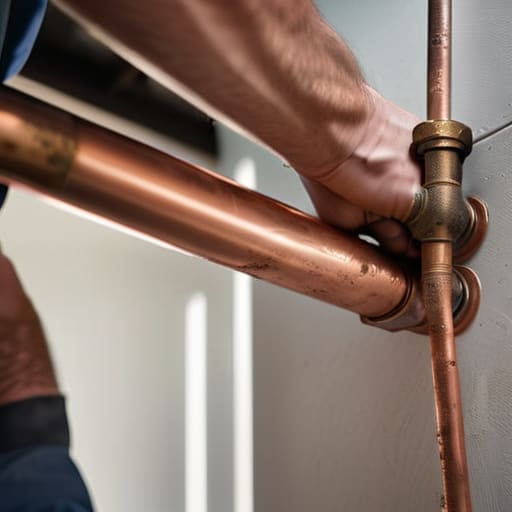
    When I’m walking through a potential flip, I’m not just looking at the backsplash or the flooring; I’m listening. If I hear a faint hiss behind the drywall or see a yellowish tint in the guest bathroom, my internal alarm goes off. Modernizing residential plumbing systems isn’t just about aesthetics; it’s about erasing the “hidden” red flags that scare off serious buyers during an inspection. If you’re looking at an older property, don’t just patch the leaks. I always advocate for upgrading old copper pipes or replacing outdated galvanized steel if the signs of corrosion are there. It’s a heavy lift upfront, but it’s the difference between a smooth closing and a buyer demanding a massive credit.

    Beyond the heavy-duty structural work, I look for ways to integrate water efficiency upgrades that appeal to the modern, eco-conscious buyer. Installing low-flow, high-performance fixtures is a low-cost way to add value without a massive overhaul. I’ve also seen a huge uptick in interest when I mention smart plumbing technology, like leak detection sensors that connect to a smartphone. It’s about selling peace of mind. You aren’t just selling a house; you’re selling a home that won’t flood the kitchen the moment someone forgets to turn off a faucet.

    Upgrading Old Copper Pipes to Build Solid Equity
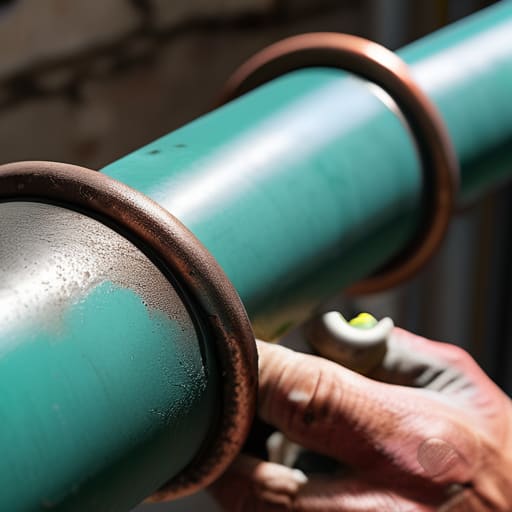
    Upgrading Old Copper Pipes to Build Solid Equity

    Look, I’ve walked into enough houses to know that seeing shiny, new faucets doesn’t mean a thing if the guts of the house are rotting. If you’re staring at a property with aging copper lines, don’t just think about the aesthetic; think about the liability. While copper is technically durable, decades of corrosion and pinhole leaks can turn a profitable flip into a financial sinkhole overnight. Upgrading old copper pipes isn’t just about fixing what’s broken; it’s about replacing outdated, brittle systems with high-quality PEX or newer copper configurations that give buyers peace of mind.

    When I’m calculating my margins on a new project, I treat these deep-wall fixes as non-negotiable. You can’t build long-term wealth on a foundation of leaky infrastructure. Investing in these structural changes during your initial phase of home renovation plumbing improvements saves you from the nightmare of a post-closing emergency call. It’s about shifting the narrative from “this house might have issues” to “this house is turnkey and reliable.” That distinction is exactly where your equity lives.

    Stop Ignoring the Pipes: 5 Strategic Plumbing Moves to Protect Your Margins

    • Stop playing whack-a-mole with tiny leaks. If you see signs of corrosion or slow drains during your walkthrough, budget for a full system overhaul. It’s much cheaper to replace the lines now than to face a catastrophic burst mid-renovation that eats your entire profit margin.
    • Don’t skimp on the fixtures just to save a few bucks at the big-box store. I always swap out dated, crusty faucets for something with a clean, minimalist aesthetic. It’s a low-cost way to make a bathroom feel high-end and “move-in ready” during a showing.
    • Check the water heater’s age immediately. If that tank is sitting there looking rusty or is over a decade old, swap it out for a modern, high-efficiency unit. It’s one of those “invisible” upgrades that buyers actually check, and it gives them peace of mind that they won’t be dealing with a flood in their first month.
    • Upgrade the shut-off valves while the walls are already open. There is nothing more unprofessional than a contractor or a new homeowner struggling with a seized-up valve during an emergency. Installing modern, easy-to-turn quarter-turn ball valves is a tiny investment that screams quality craftsmanship.
    • Pay attention to the drainage slope. If you’re dealing with an older property where the floor drains or toilets feel “off,” don’t just mask it with a new toilet. Ensure the pitch is correct. A slow drain is a massive red flag during a home inspection that can kill a deal instantly.

    The Bottom Line on Plumbing ROI

    Don’t get cute with aesthetics when it comes to what’s behind the walls; prioritize replacing outdated, corroded piping over fancy fixtures if you want to protect your margins and avoid a post-sale nightmare.

    Treat plumbing as an equity builder, not just a maintenance cost—upgrading to modern, high-efficiency systems is one of the most effective ways to turn a “fixer-upper” into a premium listing.

    Always inspect the bones before you pick out the faucets; a beautiful vanity won’t save your profit if you’re fighting constant leaks and low water pressure during the inspection period.

    The Hidden Cost of Cutting Corners

    “New buyers don’t care how pretty your backsplash is if they’re staring at a puddle under the kitchen sink a month after closing. Stop treating plumbing as an afterthought; if you want to protect your margins, you fix the bones of the house before you start picking out the paint colors.”

    Gareth Trelawny

    Don't Let Your Margins Go Down the Drain

    Don't Let Your Margins Go Down the Drain.

    At the end of the day, plumbing isn’t the “sexy” part of a renovation that shows up in glossy magazine spreads, but it is the backbone of a profitable flip. We’ve covered why you can’t afford to ignore outdated copper, why modernizing your residential systems is non-negotiable for resale, and how these behind-the-wall upgrades directly protect your bottom line. If you skip these steps to save a few bucks upfront, you aren’t saving money—you’re just handing a massive liability to your next buyer. A house with beautiful quartz countertops but failing pipes is a house that won’t pass inspection, and an inspection failure is the fastest way to kill your ROI.

    Building a real estate portfolio is about more than just aesthetics; it’s about structural integrity and smart, strategic decision-making. It’s easy to get distracted by paint colors and light fixtures, but the real wealth is built in the guts of the home. When you invest in high-quality plumbing, you aren’t just fixing a leak; you are securing your equity and building a reputation as a serious investor. So, grab your laser measurer, get into the crawlspace, and do the work. It might be messy, but turning those crumbling systems into reliable, modern assets is exactly how you build lasting wealth.

    Frequently Asked Questions

    How do I decide if it's worth replacing the entire stack or if I can just patch up specific leaks to save my margins?

    Look, I get it—every dollar spent on a stack is a dollar taken away from your finishings. But here’s the reality: if you’re just patching leaks in an aging, corroded stack, you’re essentially putting a designer band-aid on a broken limb. If the pipe shows systemic degradation or multiple leak points, rip it out. Don’t gamble your margins on a callback or a catastrophic failure three months after closing. Replace the stack; protect your equity.

    Are there specific high-end fixtures that actually move the needle on resale value, or is it all just about what's behind the walls?

    Look, what’s behind the walls is your foundation, but the fixtures are your closing argument. You can’t hide a mediocre bathroom behind high-end pipes. I always tell my clients: invest in “touchpoints.” Think matte black widespread faucets, rainfall showerheads, or a sleek, high-efficiency dual-flush toilet. They’re tactile. When a buyer turns that heavy, quality handle, they feel the value. Don’t go overboard on gold leaf, but high-quality, modern hardware signals a premium renovation.

    At what point does a plumbing issue stop being a minor fix and start becoming a massive "red flag" that will scare off potential buyers?

    Look, if you’re just swapping out a leaky faucet or a loose handle, don’t sweat it. But the moment you see water staining on a ceiling, smell sewage, or find yourself replacing sections of pipe every single month, you’ve hit a red flag. If the issue is systemic—like a cracked main sewer line or widespread galvanized corrosion—it’s no longer a “quick fix.” It’s a deal-killer that will send buyers running.


  • An Overview of Real Estate Syndication

    An Overview of Real Estate Syndication

    I was standing in the middle of a gutted Victorian last summer, dust coating my boots and the smell of damp drywall heavy in the air, when a client asked me if I was “too small” to play in the big leagues. It’s that same gatekeeping energy that poisons the conversation around real estate syndication. Most people talk about it like it’s some exclusive, velvet-rope club reserved only for the ultra-wealthy or those with a private jet on standby. They make it sound so clinical and untouchable that you start to believe you need a massive inheritance just to get a seat at the table. But let me tell you something: that’s just noise designed to keep you on the sidelines.

    I’m not here to feed you any of that polished, high-gloss corporate nonsense. Instead, I’m going to pull back the curtain on how you can actually leverage real estate syndication to scale your way into serious wealth without having to swing a sledgehammer yourself every single day. I’ll show you how to spot the real opportunities hidden behind the jargon and how to vet deals like a seasoned pro. We’re going to focus on the mechanics of building equity, stripped of the hype and focused entirely on the bottom line.

    Table of Contents

    The Syndicator vs Passive Investor Choosing Your Battleground

    The Syndicator vs Passive Investor Choosing Your Battleground

    When you’re looking at these deals, you have to decide how much skin you actually want in the game. Think of it like this: do you want to be the one swinging the hammer, or the one signing the checks? If you’re looking at the syndicator vs passive investor debate, you’re essentially choosing between being the architect of the deal or the financier of the vision. As a syndicator, you’re the one hunting down the distressed multifamily assets, managing the contractors, and dealing with the headaches of a renovation. It’s high-octane and high-stress, but you have total control over how that equity is built.

    On the flip side, most people I talk to are looking for a way to grow their wealth without having to spend their weekends at a job site. That’s where the passive route comes in. By joining a limited partnership real estate structure, you’re essentially providing the fuel for someone else’s engine. You provide the capital, they provide the sweat equity and the expertise. You won’t be the one deciding which backsplash to install, but you’ll still be sitting at the table when it’s time to collect the distributions.

    Multifamily Real Estate Syndication Spotting Potential in the Chaos

    Multifamily Real Estate Syndication Spotting Potential in the Chaos

    When I’m walking through a neglected apartment complex, I’m not just seeing peeling paint or outdated kitchens; I’m looking for the math behind the mess. In multifamily real estate syndication, the “chaos” is actually where your profit lives. You’re looking for properties that are under-managed or physically tired—places where a strategic renovation can bridge the gap between current rents and market potential. It’s about finding that sweet spot where the operational improvements you implement can significantly drive up the asset’s value.

    However, you have to understand how you fit into the financial structure of these deals. Most people entering this space are looking at a limited partnership real estate structure, where they provide the capital while the lead sponsor handles the heavy lifting of construction and management. You aren’t the one swinging the sledgehammer, but you are the one providing the fuel for the engine. If you can learn to spot a building that just needs a little bit of smart design and a lot of operational discipline, you’re looking at a massive opportunity to build serious, scalable equity.

    5 Ways to Avoid Getting Burned in a Syndication Deal

    • Vet the track record, not just the pitch. I’ve seen plenty of slick presentations that fall apart when you look at the actual cap rates from their previous exits. Don’t just listen to how much money they might make; ask to see the audited financials from their last three projects.
    • Understand the waterfall structure before you sign anything. You need to know exactly how the profits get split between the sponsors and the passive investors. If the “promote” structure is too aggressive in favor of the syndicator, you might find yourself doing all the heavy lifting while they take all the upside.
    • Look for skin in the game. I never trust a deal where the sponsor isn’t putting their own hard-earned cash into the project alongside us. If they aren’t willing to risk their own capital, why should I risk mine?
    • Don’t ignore the “exit strategy” red flags. A good syndicator should have a clear plan for whether they are holding the asset for long-term cash flow or flipping it for a quick capital gain. If their plan sounds like “we’ll figure it out when the market changes,” walk away.
    • Get comfortable with the liquidity reality. Unlike selling a piece of mid-century furniture on Marketplace, your money in a syndication is often locked up for years. Make sure you aren’t playing with your emergency fund; this is capital meant for long-term equity building, not a quick cash grab.

    The Bottom Line: How to Play the Syndication Game

    Decide if you want to be the one holding the hammer or the one holding the check; syndication allows you to choose between managing the chaos or simply funding the vision.

    Don’t let the scale of multifamily deals intimidate you; syndication is your gateway to high-level assets that would otherwise be out of reach for a solo investor.

    Success in this space isn’t about luck—it’s about finding the right partners who have the grit to turn a messy property into a high-performing, equity-building machine.

    The Equity in the Group Effort

    “Syndication isn’t about sitting on the sidelines; it’s about pooling your resources to tackle the kind of massive, high-yield projects that a single investor just can’t muscle through alone. You’re trading the hammer for a seat at the table, but the goal remains the same: turning scale into serious equity.”

    Gareth Trelawny

    The Bottom Line on Scaling Your Equity

    The Bottom Line on Scaling Your Equity

    At the end of the day, real estate syndication isn’t some magic trick; it’s just a different way to play the game. Whether you decide to step into the trenches as a syndicator managing the heavy lifting or you prefer to sit back as a passive investor letting someone else handle the contractors, you are still leveraging collective capital to win. We’ve looked at how to choose your role and how to spot the real gold in multifamily deals, but the most important takeaway is that you don’t have to do it all alone. You just need to decide how much skin you want in the game and which side of the deal fits your current lifestyle and risk tolerance.

    Building a portfolio isn’t about waiting for the perfect, turnkey opportunity to fall into your lap; it’s about finding the cracks in the foundation and knowing how to bridge them. Real estate is messy, and syndication is simply a way to harness that mess into something structured and profitable. Don’t let the complexity of the legalities or the scale of the deals intimidate you. If you have the vision to see past the peeling paint and the strategic mindset to partner with the right people, you are already ahead of most. Now, stop overthinking the math and start looking for your first deal.

    Frequently Asked Questions

    How much actual skin in the game do I need to put up as a passive investor compared to a syndicator?

    Here’s the reality: as a syndicator, you’re the one in the trenches. You’re putting up significant capital, but more importantly, you’re risking your reputation and countless hours of sweat equity to manage the chaos. As a passive investor, your “skin in the game” is purely financial. You’re providing the fuel—the cash—to make the deal move, but you aren’t the one getting calls at 2 AM about a burst pipe.

    What are the red flags I should look for when vetting a syndicator's track record before handing over my capital?

    Don’t let a polished pitch deck blind you. I always dig into the actual math. If their past projects show “projected” returns but the realized distributions were consistently lower, run. Look for “ghost” assets—projects they claim were successes but can’t provide audited financials for. Most importantly, check their skin in the game. If they aren’t investing their own capital alongside yours, they don’t have the same incentive to protect your equity.

    If I'm looking to build real equity, is it better to go in on a single large multifamily deal or spread my money across several smaller syndications?

    Look, there’s no one-size-fits-all answer, but it comes down to your appetite for risk versus your desire for simplicity. If you go all-in on one massive multifamily deal, you’re betting big on a single asset; if that property hits a snag, your whole portfolio feels it. Spreading your capital across several smaller syndications is more like building a safety net. It diversifies your risk, so one bad renovation doesn’t wreck your entire equity build.

  • Building a Stone Patio for Outdoor Use

    Building a Stone Patio for Outdoor Use

    I was standing in the mud of a teardown in East Austin last July, staring at a backyard that was essentially just a graveyard for rusted lawn chairs and cracked, uneven pavers. Most contractors I spoke to were already quoting me figures that looked more like a small mortgage than a renovation budget, trying to sell me on high-end, custom-carved stone that would never actually see a return on investment. They want to treat patio construction like a luxury landscaping spree, but if you’re looking to build real equity, you need to stop thinking about aesthetic fluff and start thinking about structural value.

    I’m not here to give you a Pinterest board of unattainable dreams; I’m here to give you the blueprint for a high-impact outdoor space that actually moves the needle on your property value. I’ve spent years learning which materials survive a heavy rainstorm and which ones just look good in a brochure before they crumble. In this guide, I’m breaking down the no-nonsense essentials of smart patio construction, focusing on how to maximize your square footage and your ROI without draining your renovation fund on things that don’t matter.

    Table of Contents

    Smart Outdoor Living Space Planning for Maximum Value

    Smart Outdoor Living Space Planning for Maximum Value

    When I’m walking a property, I’m not just looking at the grass; I’m looking at how the house flows into the yard. Most rookies make the mistake of slapping down a generic slab of concrete and calling it a day. If you want to actually move the needle on your ROI, you need to treat outdoor living space planning with the same rigor you’d apply to a kitchen remodel. Think about “zones”—a dedicated spot for dining, a separate area for lounging, and perhaps a fire pit zone. This creates the illusion of more square footage, which is a huge selling point for buyers.

    Don’t get so caught up in the aesthetic that you ignore the bones of the site. I’ve seen too many beautiful projects ruined because the owner ignored patio drainage solutions during the initial build. If water pools near your foundation, your “value-add” just became a massive liability. I always advocate for integrating subtle hardscape design ideas, like built-in stone seating or low-profile retaining walls, to manage slopes. It’s about making the transition from indoor to outdoor feel intentional, not accidental.

    Hardscape Design Ideas That Outperform the Competition

    Hardscape Design Ideas That Outperform the Competition

    When you’re looking at a property through an investor’s lens, you have to look past the weeds and see the structural bones. I’ve seen too many flips lose money because the backyard was just a patch of uneven grass. To really stand out in a competitive market, you need cohesive hardscape design ideas that feel intentional rather than slapped together. I’m a huge fan of using natural stone or high-quality pavers to create defined zones—think a dedicated dining area versus a lounge nook. It’s about creating a sense of “outdoor rooms” that make the square footage feel much larger than it actually is.

    However, don’t get so caught up in the aesthetics that you ignore the technicalities. Nothing kills your ROI faster than a beautiful new terrace that turns into a swimming pool every time it rains. I always prioritize effective patio drainage solutions during the initial phase to prevent soil erosion or foundation issues down the line. If you’re dealing with a slope, don’t fight it; instead, look into retaining wall integration to create level, usable tiers. It adds a layer of sophisticated architectural interest while solving a functional problem, which is exactly how you turn a “fixer-upper” into a premium asset.

    Five Pro Moves to Protect Your ROI During Patio Construction

    • Prioritize drainage before you even think about aesthetics; if you don’t slope your patio away from the foundation, you’re just building an expensive swimming pool for rainwater.
    • Invest in high-quality sub-base materials because a cheap gravel layer is the fastest way to end up with a sunken, uneven mess that kills your property’s curb appeal.
    • Stick to a cohesive material palette that pulls from the house’s existing architecture to ensure the new outdoor space feels like a seamless extension rather than a weird afterthought.
    • Don’t skimp on the lighting layout, as integrated low-voltage lighting adds massive perceived value and makes the space functional for evening entertaining.
    • Plan for “zones” instead of just a slab of concrete—delineating a dining area from a lounge area makes the footprint feel much larger and more intentional to potential buyers.

    The Bottom Line on Patio ROI

    Focus on durability over trendy aesthetics; I’ve seen too many investors waste money on cheap pavers that crack within two seasons, killing their margins.

    Treat your outdoor space like an extension of the floor plan, not an afterthought, to ensure the flow actually adds usable square footage to the property.

    Don’t over-improve for the neighborhood, but do invest in high-impact hardscaping that makes a buyer immediately visualize themselves hosting a summer dinner party.

    The Equity in the Dirt

    Stop looking at a patch of uneven grass as a landscaping headache; look at it as an untapped square footage that, with the right hardscape, can significantly bump your property’s appraisal.

    Gareth Trelawny

    Turning Concrete into Capital

    Turning Concrete into Capital with patios.

    At the end of the day, a successful patio project isn’t just about laying down some pavers or pouring a slab; it’s about intentionality. We’ve covered how to bridge the gap between a messy backyard and a high-value outdoor living space by focusing on smart layouts, durable hardscaping, and designs that actually appeal to modern buyers. If you focus on functional aesthetics—meaning spaces that people can actually live in, not just look at—you’re going to see a much higher return on your investment. Remember, every dollar you spend on a well-planned patio should be viewed as a strategic deposit into your property’s equity, rather than just another renovation expense.

    I know that looking at a patch of dirt or a cracked, uneven yard can feel overwhelming, especially when you’re trying to balance a budget. But don’t let the initial mess intimidate you. I’ve spent plenty of afternoons on job sites covered in dust, realizing that the most profitable transformations always start with a little bit of grit and a lot of vision. You don’t need a million-dollar budget to make a massive impact; you just need to see the potential where others only see a headache. Stop viewing your outdoor space as an afterthought and start treating it like the wealth-building asset it truly is.

    Frequently Asked Questions

    How do I decide between expensive natural stone and more budget-friendly pavers without making the project look cheap?

    Look, I’ve seen both sides of this on countless job sites. If you’re on a tighter budget, don’t panic—you don’t need premium flagstone to add value. The secret is in the scale and the pattern. Avoid those tiny, uniform pavers that look like a driveway from the 90s. Instead, opt for larger, multi-sized modular pavers with tight joints. It mimics the organic flow of natural stone without the massive price tag or the headache.

    Is it worth investing in built-in outdoor kitchen infrastructure now, or should I stick to a simple seating area to keep my ROI higher?

    Look, if you’re chasing the highest immediate ROI, a simple, high-end seating area is the safer bet. It’s low risk and broad appeal. But if you’ve found a property with a massive backyard that’s currently just a dead zone, built-in kitchen infrastructure is how you win the “lifestyle” sale. Don’t overbuild, though—stick to the essentials like a grill station and prep space. Turn that empty dirt into a destination, not just a patio.

    What are the biggest red flags I should look for in a backyard before I commit to a heavy hardscape renovation?

    Before you even pick up a shovel, check the grade. If the yard slopes aggressively toward the foundation, you’re looking at a drainage nightmare that’ll eat your profits alive. Also, watch out for massive, ancient trees with shallow root systems; digging around them for a patio is a recipe for structural disaster. Lastly, if the soil feels like pure clay or looks unstable, your hardscape will crack before you even sell. Don’t ignore the dirt.

  • Comparing House Flipping and Long Term Renting

    Comparing House Flipping and Long Term Renting

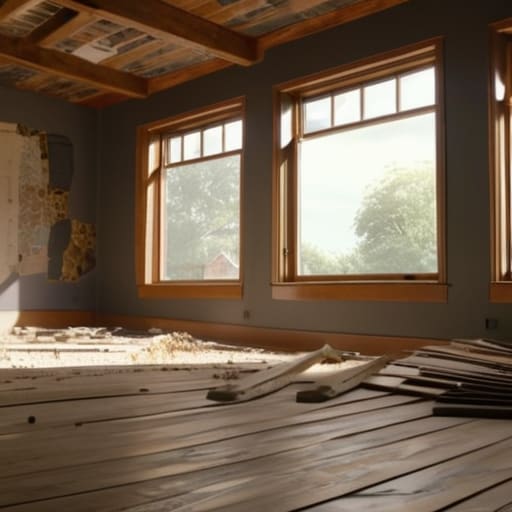
    I remember standing in the middle of a gutted Victorian in East London, covered in drywall dust and clutching my laser measurer like a lifeline, staring at a pile of debris and wondering if I’d made a massive mistake. That’s the moment the reality of real estate hits you: you aren’t just looking at floor plans, you’re looking at a choice between two completely different lifestyles. The debate of flipping vs renting isn’t just some academic exercise found in a textbook; it’s the fundamental crossroads that dictates whether you’re chasing a high-octane adrenaline rush or building a slow, steady engine of wealth. One path demands you master the chaos of a job site, while the other requires the patience of a saint to manage tenants and long-term maintenance.

    I’m not here to sell you a polished, “get rich quick” fantasy filled with stock photos of smiling families. I’ve spent enough time on muddy construction sites to know that the truth is usually a lot messier. In this guide, I’m going to strip away the hype and give you the unfiltered reality of both strategies based on my years in the trenches. We’re going to look at the actual math, the hidden headaches, and how to decide which path will actually help you build the generational wealth you’re after.

    Table of Contents

    The Quick Win: Flipping

    The Quick Win: Flipping real estate properties.

    Flipping is the process of purchasing a distressed property, executing a strategic renovation to increase its market value, and selling it for a profit in a short timeframe. The core mechanism relies on the spread between your total acquisition and renovation costs and the final sale price, making it a high-velocity way to grow your capital through flipping vs renting strategies.

    I love the rush of a flip because it’s all about that tangible transformation. There is nothing quite like walking into a house that smells like mold and old carpet, seeing the potential through the grime, and then watching that sudden burst of equity materialize once the new flooring is down and the paint is fresh. It’s intense and it’s messy, but for someone who wants to see their hard work turn into a lump sum of cash, it’s the ultimate game.

    The Slow Burn: Renting

    The Slow Burn: Renting for long-term wealth.

    Renting involves acquiring a property to hold long-term, utilizing monthly lease payments to cover mortgage obligations and operating expenses while building wealth through appreciation. This strategy focuses on generating consistent, predictable cash flow, providing a stable foundation for your portfolio through the long-term lens of flipping vs renting.

    For me, renting is the foundation of true generational wealth. While the flip gives you that quick hit of adrenaline, a rental is a quiet powerhouse that works for you while you sleep. I think about it in terms of stability; once you get that tenant settled and the systems running smoothly, you aren’t just managing a building, you’re managing a predictable stream of income that allows you to eventually hunt for your next big project without the constant pressure of a ticking clock.

    Real Estate Investment Strategy Comparison

    Feature Flipping Renting
    Primary Goal Rapid Capital Gains Long-term Cash Flow
    Time Horizon Short-term (Months) Long-term (Years)
    Risk Profile High (Market Volatility) Low to Moderate (Stable Income)
    Effort Level High (Renovation/Sales) Moderate (Management/Maintenance)
    Cash Flow Type Lump Sum Monthly Recurring
    Best For Active Investors Passive Investors
    Market Sensitivity High (Exit Timing) Low (Demand Stability)

    Chasing Active Income Through High Stakes Property Flips

    Chasing Active Income Through High Stakes Property Flips

    If you’re looking to build wealth, you have to understand the difference between making a lump sum and building a paycheck. This is the core of the debate: are you hunting for a high-octane adrenaline rush, or are you playing the long game for steady, predictable cash?

    When you’re flipping, you are essentially creating a high-stakes job for yourself. It’s pure active income. You’re on-site, managing contractors, and sweating over every square foot of tile to ensure that when you close, you walk away with a massive check. It’s exhilarating, but let’s be real—if the renovation stalls or the market shifts, that profit margin can evaporate before you even see a dime.

    Renting is the complete opposite. Once the dust settles and the tenant moves in, the heavy lifting is done. You aren’t trading your daily sweat for a single payday; you’re building a stream of passive income that works while you sleep. While a flip gives you a sudden surge of capital, a rental provides the predictable cash flow that actually funds a lifestyle.

    For those chasing high-stakes active income, the winner is clearly the flip.

    Building Passive Income With Steady Rental Assets

    If you’re looking to build long-term wealth, you have to look past the immediate dopamine hit of a big closing check and start thinking about mailbox money. While flipping is about the sprint, renting is the marathon, and deciding which one fuels your lifestyle is the most fundamental choice you’ll make in this game.

    When we talk about passive income, flipping doesn’t even crack the door open; it’s a series of high-stress, one-off transactions that require you to be back on the job site immediately to find the next deal. Renting, however, is where you actually start to see the compounding effect of your hard work. Once the renovation is done and the tenant is in, that property starts paying you every single month, regardless of whether you’re holding a laser measurer or sipping coffee.

    Of course, it isn’t “set it and forget it” magic—you still have to deal with leaky faucets and midnight calls—but the stability of a monthly check provides a safety net that a flip simply cannot match.

    The Verdict: For anyone prioritizing steady, predictable cash flow, renting wins by a landslide.

    The Bottom Line: Finding Your Lane

    Choose your path based on your current appetite for risk and your daily schedule; flipping is a high-octane sprint that requires constant oversight, while renting is a marathon that rewards patience.

    Don’t mistake “passive income” for “zero effort”—even the best rental assets require a maintenance strategy, just like a flip requires a strict renovation timeline.

    Your ultimate goal is equity, so whether you’re banking a quick lump sum from a sale or building long-term wealth through monthly cash flow, make sure every hammer swing is moving you toward your financial independence.

    ## The Bottom Line

    “Flipping is a sprint where you’re fighting the clock and the contractor to squeeze out every cent of profit, while renting is a marathon where you’re building a foundation that lasts. One gives you a quick injection of cash, the other gives you a life of freedom, but both require you to see the value in the mess before anyone else does.”

    Gareth Trelawny

    Making Your Move

    At the end of the day, there is no single “correct” path, only the path that aligns with your current bank account and your tolerance for chaos. Flipping is a high-octane sprint that requires you to be on-site, managing contractors and making split-second decisions to protect your margins. It’s about the quick win and the massive infusion of capital. Renting, on the other hand, is a marathon. It’s less about the adrenaline of the renovation and more about the disciplined pursuit of long-term cash flow and steady equity growth. One builds your pile of cash, while the other builds your foundation of wealth.

    Don’t let analysis paralysis keep you sitting on the sidelines while the market moves without you. Whether you decide to dive headfirst into a gut renovation or start small with a single turnkey rental, the most important step is simply to get started. Real estate isn’t about finding the perfect, risk-free deal; it’s about having the grit to see a project through when things get messy. Stop waiting for the perfect moment and start looking for the hidden potential in the properties around you. Your future portfolio is waiting behind a few crumbling walls.

    Frequently Asked Questions

    How much of a cash cushion do I actually need to start if I'm leaning towards flipping instead of renting?

    If you’re leaning toward flipping, you can’t skim by on a shoestring budget. You need a significant cushion—ideally 15-20% more than your projected renovation costs. Between unexpected plumbing nightmares and those “oops” moments behind the drywall, costs always creep up. I never step onto a job site without a dedicated reserve for contingencies. If you’re cutting it too close to your renovation budget, you aren’t investing; you’re just gambling with your equity.

    Can I actually do both at the same time, or will a messy renovation tank my ability to manage tenants?

    Look, I’ll be real with you: trying to juggle a heavy rehab while managing a tenant roster is a recipe for burnout. If you’re mid-demo on a flip, you don’t have the mental bandwidth to handle a midnight plumbing emergency at your rental. My advice? Don’t scale too fast. Build your rental foundation first, then use that stability to fuel your high-stakes flips. Don’t let one messy job sink your entire portfolio.

    How do I calculate if a property's potential appreciation is worth the headache of a long-term rental versus a quick flip?

    To figure this out, stop looking at just the monthly rent and start looking at the “exit gap.” Calculate your projected appreciation over five years, then subtract the costs of long-term maintenance and vacancy. If that number—your net equity gain—is significantly higher than the immediate profit from a flip, the headache is worth it. But if the math is tight, don’t get sentimental. Sometimes the quick win is the smarter play for your capital.

  • Common Risks in Property Flipping

    Common Risks in Property Flipping

    I still remember the smell of damp drywall and old cigarette smoke from my first “dream” fixer-upper—the one where I realized my spreadsheet was a work of fiction. I stood in that gutted living room, staring at a massive, unexpected mold colony behind a freshly stripped wall, and felt my stomach drop. That was the moment I stopped looking at renovation through rose-colored glasses and started respecting the actual property flipping risks that can turn a profitable project into a financial sinkhole. Most gurus will tell you that success is just about picking the right paint color, but they aren’t the ones standing in a flooded basement at 2:00 AM on a Tuesday.

    I’m not here to sell you a fantasy of effortless wealth or a “get rich quick” scheme. My goal is to give you the unfiltered reality of what happens when things go sideways on a job site. I’m going to walk you through the structural, financial, and logistical landmines that I’ve personally stepped on, so you don’t have to. We’re going to talk about how to spot the red flags before you sign the closing papers and how to build a margin for error that actually protects your equity.

    Table of Contents

    Avoiding the Trap of Hidden Renovation Costs

    Avoiding the Trap of Hidden Renovation Costs

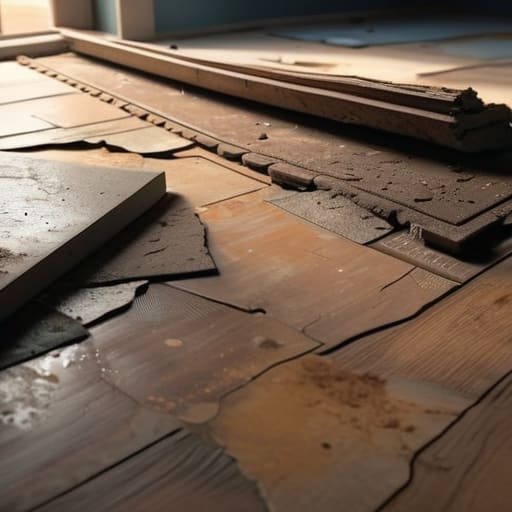
    There is nothing quite like the sinking feeling of pulling back a piece of old linoleum only to find a subfloor that’s more rot than wood. I’ve been there, standing in a dusty kitchen with my laser measurer in hand, realizing my initial budget was a total fantasy. This is where most beginners lose their shirts: they treat their renovation estimates like a suggestion rather than a strict limit. To survive this, you have to prioritize contingency fund importance above everything else. I never step onto a job site without a buffer of at least 15-20% set aside specifically for the “unknown unknowns.”

    If you don’t account for these hidden renovation costs early on, you aren’t just renovating a house; you’re gambling with your own liquidity. It isn’t just about the price of new quartz countertops; it’s about the electrical panel that needs an immediate upgrade because the previous owner bypassed code. If your margins are razor-thin, a single plumbing catastrophe can turn a profitable flip into a massive liability. Always assume the worst-case scenario is lurking behind the drywall.

    Why Your Exit Strategy Planning Must Be Bulletproof

    Why Your Exit Strategy Planning Must Be Bulletproof

    You can have the most stunning mid-century modern kitchen in the zip code, but if you don’t have a clear way out, you’re just playing house with your life savings. Most rookies focus entirely on the “in” part of the deal—the acquisition and the demo—but they completely neglect their exit strategy planning. You need to know exactly what you’re going to do if the house doesn’t sell in thirty days. Are you pivoting to a long-term rental to cover your debt service, or do you have the liquid cash to ride out a slow market?

    The reality is that a sudden property market downturn can turn a quick flip into a heavy financial anchor overnight. If your only plan is “sell for a profit,” you are gambling, not investing. I always tell my clients to prepare for the worst-case scenario by calculating their real estate capital requirements for at least six months of holding costs. If you can’t afford to sit on the property while the market recalibrates, you shouldn’t be in the deal. Build a safety net before you ever pick up a sledgehammer.

    Five Ways to Protect Your Skin (and Your Wallet) from a Bad Flip

    • Vet your contractors like you’re hiring a business partner, not a temp. I’ve seen too many rookies take the cheapest bid only to realize three weeks in that the crew is ghosting them or doing subpar work that requires a total redo.
    • Build a “disaster buffer” into your budget that isn’t just a polite suggestion. If you think you need 10% for contingencies, bump it to 20%—because when you open up a wall and find outdated wiring or rot, you’re going to need that extra cushion to keep the project moving.
    • Don’t get blinded by “pretty” and ignore the bones. A gorgeous mid-century sideboard won’t distract a buyer from a sloping floor or a failing roof, so make sure your inspections are deep enough to catch the structural issues that kill your profit margins.
    • Watch the market cycle like a hawk, not just the house. It doesn’t matter how perfect your renovation is if interest rates spike or local inventory surges right as you’re hitting the market; you need to know if you’re selling into a breeze or a gale.
    • Master the art of the “micro-renovation” to avoid over-improving. I’ve seen investors dump high-end marble into a neighborhood that only supports quartz, and that’s just leaving money on the table—know exactly what the local ceiling is before you start picking finishes.

    The Bottom Line: Protecting Your Profit Margin

    Never trust a “quick glance” estimate; always buffer your renovation budget with a 15% contingency fund to catch the surprises lurking behind those old drywall sheets.

    Your exit strategy isn’t just a backup plan—it’s your lifeline, so know exactly when to pivot from a flip to a rental if the market shifts mid-rehab.

    Focus your capital on high-ROI structural and aesthetic upgrades rather than chasing expensive, niche trends that won’t actually move the needle on your final sale price.

    ## The Real Cost of Optimism

    “In this game, optimism is a tool, but blind hope is a liability; if you aren’t accounting for the worst-case scenario in your budget, you aren’t investing, you’re just gambling with your own equity.”

    Gareth Trelawny

    Don't Let the Dust Settle Without a Plan

    Don't Let the Dust Settle Without a Plan.

    At the end of the day, flipping isn’t about gambling; it’s about calculated moves. We’ve talked about how easily a project can spiral when you ignore the unseen costs lurking behind a fresh coat of paint, and why having a rock-solid exit strategy is the only thing standing between a successful flip and a total financial sinkhole. You have to respect the math and respect the mess. If you aren’t accounting for the structural surprises or the shifting market trends, you aren’t investing—you’re just hoping for the best, and in this business, hope is not a strategy.

    Look, I know the idea of staring down a gutted kitchen or a failing HVAC system can feel overwhelming, but that’s exactly where the profit lives. Every cracked tile and outdated electrical panel is just an opportunity to build more equity if you have the grit to face it. Don’t let the fear of a messy renovation keep you on the sidelines while others are building their portfolios. Grab your tape measure, do your due diligence, and start turning those crumbling walls into the foundation of your future. The equity is out there waiting for someone with the eyes to see it.

    Frequently Asked Questions

    How much of a contingency fund should I actually set aside for those "surprise" issues that pop up once the walls are actually opened?

    Look, if you’re banking on a 5% contingency, you’re playing a dangerous game. In my experience, especially with those older fixer-uppers I love, you need at least 15% to 20% set aside. Once you tear down that drywall and find outdated wiring or unexpected rot, that 5% will vanish in a single afternoon. Treat that fund as non-negotiable; it’s the only thing standing between a profitable flip and a total financial sinkhole.

    At what point does a renovation stop being a "fixer-upper" and start becoming a money pit that's no longer worth the flip?

    You know you’ve crossed the line when the math stops making sense. It’s not just about a few extra trips to the hardware store; it’s when the structural issues—think foundation shifts or outdated wiring—start eating into your projected profit margin. If the cost to bring a house up to code exceeds the value that those repairs actually add to the final sale price, walk away. Don’t let ego turn a smart flip into a sunk cost.

    How do I balance high-end design upgrades with the reality of staying within a budget that protects my eventual profit margin?

    Look, I get the temptation to go all-out on those custom marble countertops, but you have to stop designing for your own dream home and start designing for the buyer. I follow a “high-impact, low-cost” rule. Spend your money where it’s visible—like updated lighting or sleek hardware—but don’t blow your margin on luxury finishes that won’t actually raise the appraisal. Design for the neighborhood’s ceiling, not beyond it.

  • Maintaining and Cleaning Tile Grout

    Maintaining and Cleaning Tile Grout

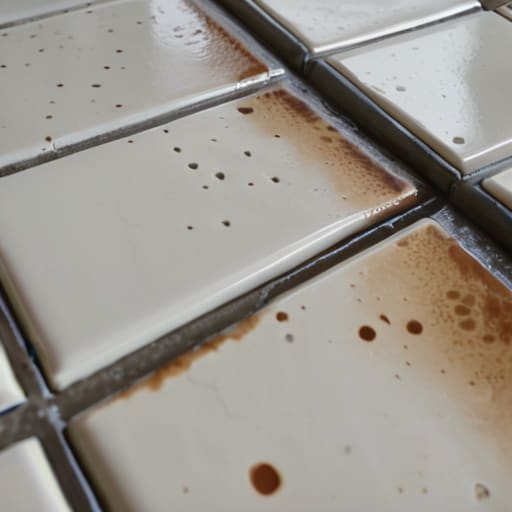
    I was standing in the middle of a kitchen in my latest fixer-upper, staring at what I thought was a beautiful subway tile backsplash, only to realize the lines between the tiles looked like they’d been drawn with charcoal. It was a gut punch. You can spend thousands on high-end porcelain, but if your tile grout cleaning is non-existent, that entire room looks like a dilapidated rental instead of a luxury asset. Most people think they need to rip everything out and start from scratch when the lines turn black, but that is a massive waste of your renovation budget.

    In this guide, I’m stripping away the fluff and giving you the exact, gritty methods I use on my own job sites to restore those lines to a crisp, clean finish. We aren’t talking about expensive, scented chemical sprays that do nothing; I’m showing you how to tackle deep-seated grime using strategic, heavy-duty techniques that actually work. By the time you’re done reading, you’ll know how to turn those dingy, gray crevices back into a polished feature that adds real, tangible value to your property.

    Table of Contents

    Guide Overview

    Total Time: 1-2 hours
    Estimated Cost: $15-30
    Difficulty: Beginner

    Tools & Supplies

    • Scrub brush or stiff nylon brush for agitation
    • Microfiber cloths or sponges for wiping away residue
    • Baking soda (1-2 cups)
    • White vinegar (1 cup)
    • Warm water (as needed)

    Step-by-Step Instructions

    • 1. First, clear the decks. I can’t stand working around clutter, and neither should you. Move any rugs, floor plants, or furniture out of the way so you have a clear field of vision. If you’re working in a bathroom, clear out the shower mats and bottles. You need to see exactly where the grime is hiding before you even think about touching a sponge.
    • 2. Grab your gear—and I mean the real stuff, not just a flimsy kitchen sponge. You’ll need a stiff-bristled grout brush (or an old toothbrush if you’re on a tight budget), a bucket, some warm water, and a heavy-duty degreaser or a specialized grout cleaner. I usually opt for a pH-neutral cleaner because I’ve seen too many rookies accidentally etch the finish off expensive marble tiles by using something too acidic.
    • 3. Mix your solution and prep the area. Fill your bucket with warm water and add your cleaner according to the bottle’s instructions. Don’t just dump it in; follow the ratio so you don’t end up with a sticky residue that actually attracts more dirt later. Once it’s mixed, test a small, inconspicuous patch of tile first just to make sure you aren’t causing any unexpected discoloration.
    • 4. It’s time to get dirty. Apply your cleaning solution to the grout lines and let it sit for about five to ten minutes. This isn’t just wasted time; you’re letting the chemicals do the heavy lifting by breaking down the oils and buildup. If you try to scrub immediately, you’ll just be exhausting yourself for no reason.
    • 5. Now, get in there with the brush. Scrub the grout lines using firm, circular motions. I know it’s tedious, but if you want that “just renovated” look, you can’t skip the corners. If you hit a particularly stubborn patch of dark grime, don’t panic—just apply a little more pressure and stay consistent. This is where the actual value is being restored.
    • 6. Once you’ve scrubbed the lines, soak up the dirty slurry. Use a large, absorbent sponge or a microfiber cloth to wipe away the grime. I recommend using multiple clean rinses of plain water. If you leave any cleaning solution behind, it’ll dry into a cloudy film that makes your beautiful new tiles look dull and neglected.
    • 7. Let it dry completely before you even think about walking on it or sealing it. If you’re looking to protect your investment, this is the perfect time to apply a high-quality grout sealer. Sealing is the difference between a floor that looks great for a month and one that holds its value for years. It keeps the stains from penetrating the porous grout, turning your hard work into long-term equity.

    Mastering Deep Cleaning Tile Grout to Restore Value

    Mastering Deep Cleaning Tile Grout to Restore Value

    If you’re looking at a bathroom floor that looks more like a petri dish than a high-end rental, you need to move past the surface-level scrubbing. When I’m evaluating a property, I look at the grout lines first; they tell me exactly how much neglect I’m dealing with. Deep cleaning tile grout isn’t just about aesthetics; it’s about stopping the rot before it becomes a structural headache. If you’ve got stubborn, dark lines, you’re likely dealing with deep-seated organic matter or mineral buildup that a simple mop won’t touch.

    To really make an impact, I recommend using a stiff-bristled brush and a dedicated alkaline cleaner to tackle those heavy-duty deposits. When you’re removing grout stains, don’t just scrub blindly—let the solution sit for ten minutes to do the heavy lifting for you. Once you’ve restored that bright, crisp line between the tiles, seal it immediately. Applying a high-quality sealer is the single best way of preventing grout discoloration down the road, ensuring your hard work actually translates into long-term property value rather than a recurring weekend chore.

    Removing Grout Stains Before They Ruin Your Roi

    Removing grout stains before they ruin your ROI.

    Look, if you see dark, stubborn patches creeping into your floor lines, don’t just brush it off as “character.” Those spots are often deep-seated organic matter or mineral deposits that can permanently etch the surface. When I’m walking through a potential flip, I look at those stains as a red flag; they signal neglect, and neglect is expensive. Removing grout stains early is much cheaper than a full regrout or a tile replacement. If you’re dealing with something heavy like grease in a kitchen or mildew in a shower, you need to move beyond basic soap and water. I usually reach for an oxygen-based cleaner or a specialized enzymatic solution to break down the bond without stripping the sealer.

    The real secret to protecting your margins, though, is preventing grout discoloration before it even starts. Once you’ve finished your deep clean, you have to seal that grout. Think of sealer as an insurance policy for your ROI. Without it, your hard work is just a temporary fix. Apply a high-quality penetrative sealer to ensure that moisture and grime stay on the surface where they can be wiped away, rather than soaking into the pores and becoming a permanent liability.

    Five Pro Moves to Keep Your Grout from Eating Your Profits

    • Stop treating grout like an afterthought; if you’re seeing discoloration, it’s a sign the sealant has failed, so re-apply a high-quality sealer immediately after cleaning to lock out future grime.
    • Ditch the harsh, caustic chemicals that eat away at your mortar; stick to pH-neutral cleaners or a simple baking soda paste to avoid damaging the very surfaces you’re trying to restore.
    • Invest in a stiff-bristled nylon brush rather than a wire one; wire brushes can scratch the tile surface and leave micro-scratches that actually trap more dirt over time.
    • Don’t just clean the surface—get into the pores. Use a steam cleaner if you can afford the rental; the heat penetrates deep into the grout lines where a mop will never reach.
    • Watch your moisture levels like a hawk. After a deep clean, make sure the area is bone-dry before you even think about resealing, or you’ll just be trapping moisture inside the walls.

    The Bottom Line: Protecting Your Investment One Joint at a Time

    Don’t mistake a quick surface scrub for actual maintenance; if you aren’t getting deep into those pores, you’re just masking grime that eventually eats away at your tile’s integrity and your property’s value.

    Treat grout cleaning as a preventative ROI strategy rather than a chore, because it’s significantly cheaper to scrub out a stain now than it is to pay a contractor to regrout an entire bathroom later.

    Consistency is your best friend when it comes to equity—keep a regular cleaning schedule so that “neglected fixer-upper” vibes never settle into your high-value assets.

    The High Cost of Neglect

    “I’ve seen plenty of investors overlook a few dingy lines between tiles, but don’t make that mistake. Dirty grout makes a high-end renovation look cheap, and in this business, looking cheap is the fastest way to bleed your margins dry.”

    Gareth Trelawny

    The Bottom Line on Grout and Equity

    The Bottom Line on Grout and Equity.

    At the end of the day, cleaning your grout isn’t just about making a bathroom look “pretty” for a weekend guest; it’s about protecting the integrity of your investment. We’ve covered how to tackle deep-seated grime, how to strip away those stubborn stains that threaten your ROI, and the importance of consistent maintenance to prevent permanent damage. Whether you are using a heavy-duty cleaner or a simple manual scrub, the goal remains the same: stop letting small, neglected details erode your property value. Don’t let a few lines of dirty cement be the reason a potential buyer walks away from a deal.

    I know that getting down on your hands and knees to scrub tile lines feels tedious, especially when you have a dozen other things on your renovation checklist. But remember, real estate wealth isn’t built through grand, sweeping gestures alone; it is built through the relentless attention to detail that most people are too lazy to execute. Every bit of grime you remove is a step toward turning a neglected space into a high-value asset. So, grab your tools, get to work, and start turning those crumbling details into solid equity.

    Frequently Asked Questions

    Is it worth spending the money on professional steam cleaning, or can I actually get decent results with a handheld scrubber and some decent chemicals?

    Look, I’ve been on enough job sites to know that ROI isn’t just about the big stuff like kitchens. If your grout is just looking a bit dull, save your cash—a handheld scrubber, a stiff brush, and some high-quality alkaline cleaner will do the trick. But if you’re dealing with years of deep-set, oily grime in a rental, professional steam cleaning is worth the investment to ensure that value actually sticks.

    How do I know if my grout is just dirty or if it's actually structurally failing and needs a full regrout?

    Look, there’s a massive difference between a stain and a structural disaster. If you can scrub it and the color returns, it’s just grime—don’t overthink it. But if you see cracks running through the lines, or if the grout is crumbling away and leaving gaps between the tiles, that’s a red flag. Loose tiles mean moisture is getting underneath, and that’s how you end up with rot and massive repair bills instead of profit.

    Once I finally get the grout looking pristine, what’s the best way to seal it so I'm not fighting this same battle again in six months?

    Look, cleaning is only half the battle; if you don’t seal that grout, you’re just pouring time and money down the drain. Grab a high-quality, penetrating sealer—not some cheap spray that just sits on top. Apply it evenly to those freshly scrubbed lines and let it soak in. It creates a barrier against moisture and grime, turning your hard work into a long-term asset instead of a recurring headache. Protect your ROI.

  • The Importance of Property Inspections

    The Importance of Property Inspections

    I still remember the smell of damp drywall and old rot from a “dream fixer-upper” I bid on three years ago. I thought I’d found the ultimate equity play, but as soon as I pulled back the carpet in the master bedroom, I realized I hadn’t just bought a house; I’d bought a massive, sinking liability. Most people treat property inspections like a boring, bureaucratic box to check on a closing checklist, but that mindset is exactly how you end up bleeding cash through your fingertips. If you’re just looking for a clean bill of health from a guy with a clipboard, you’re missing the entire point of the game.

    I’m not here to give you a textbook lecture or a list of regulatory jargon that won’t help you when a pipe bursts at 2:00 AM. Instead, I’m going to show you how to look past the fresh staging and the trendy paint jobs to find the real deal-breakers. We’re going to talk about how to conduct strategic walkthroughs that actually protect your margins and turn potential disasters into calculated risks. I’ll teach you how to hunt for the structural truths that separate a profitable flip from a total money pit.

    Table of Contents

    Your Pre Purchase Home Inspection Checklist for Hidden Gems

    Your Pre Purchase Home Inspection Checklist for Hidden Gems.

    Before you sign anything or get swept up in the excitement of a potential deal, you need to treat your walkthrough like a forensic investigation. I never walk into a house without a mental—and physical—list of red flags. Your pre-purchase home inspection checklist shouldn’t just focus on the aesthetic; you need to look past the staging and hunt for the expensive stuff. I always start with a heavy focus on the bones. If the foundation and roof inspection reveals major structural shifts or failing shingles, that’s not just a “fixer-upper” problem—that’s a profit killer that can sink your entire budget before you even pick up a hammer.

    Next, I dive into the invisible killers. I’ve seen too many investors get blinded by gorgeous hardwood floors, only to find out later that the basement has a massive moisture issue. You have to be relentless about moisture and mold detection in crawlspaces and near window frames. If you aren’t checking for those damp, musty smells or spotting water stains on the ceiling, you aren’t doing proper real estate due diligence. You’re just gambling.

    Real Estate Due Diligence Spotting Gold Beneath the Grime

    Real Estate Due Diligence Spotting Gold Beneath the Grime

    Real estate due diligence isn’t just about checking boxes to satisfy a lender; it’s about protecting your capital from the stuff you can’t see. When I’m walking through a potential flip, I’m not looking at the trendy backsplash or the open-concept layout. I’m looking for the red flags that turn a profitable rehab into a financial sinkhole. You need to move beyond the surface level and perform a deep property maintenance assessment that looks at the bones of the house.

    This is where most amateur investors lose their shirts. You might find a house with gorgeous hardwood floors, but if you ignore a comprehensive foundation and roof inspection, those floors won’t matter much when the ceiling starts sagging. I always tell my clients that a quick glance isn’t enough. You need to be hunting for signs of structural instability or old plumbing leaks that have been masked by a fresh coat of paint. If you aren’t actively looking for moisture and mold detection in the crawlspaces or basement, you aren’t truly doing your due diligence—you’re just gambling with your investment.

    Don't Get Blindside: 5 Inspection Red Flags That Kill Your Margins

    • Stop looking at the staging and start looking at the slope. If you see a slight slant in the flooring or cracks in the drywall that look like they’re migrating toward the ceiling, you aren’t looking at “character”—you’re looking at a foundation issue that could swallow your entire renovation budget whole.
    • Get your nose in the attic and the crawlspace. I don’t care how much “fresh scent” the previous owner sprayed in the living room; if there’s a musty, earthy smell lurking in the corners, you’re likely dealing with moisture intrusion or mold. Finding it now is a fix; finding it after you’ve closed is a catastrophe.
    • Treat the electrical panel like a ticking time bomb. If you open that panel and see a bird’s nest of mismatched wires or outdated Federal Pacific breakers, budget immediately for a full rewire. It’s not an optional upgrade when you’re trying to pass code and ensure the house is actually safe for resale.
    • The roof isn’t just an aesthetic choice; it’s your primary shield. Don’t just take the seller’s word that it’s “in good shape.” Look for curling shingles, granule loss in the gutters, or signs of previous patchwork. A roof replacement is one of the fastest ways to turn a projected profit into a net loss.
    • Test the water pressure and the drainage like your equity depends on it. Turn on every tap, flush every toilet, and watch how the water leaves the site during a heavy rain. You want to know if you’re dealing with a simple plumbing clog or a systemic drainage nightmare that’s going to turn your basement into a swimming pool.

    The Bottom Line on Protecting Your Profit

    Don’t fall in love with the aesthetic; fall in love with the bones. A beautiful kitchen is easy to fix, but a cracked foundation or outdated electrical system can turn your dream flip into a financial nightmare overnight.

    View every inspection as a negotiation tool, not just a checklist. Every red flag you find is leverage to either renegotiate the purchase price or build a contingency fund that keeps your margins from evaporating mid-renovation.

    Knowledge is your best insurance policy. You don’t need to be a master plumber, but you do need to know enough to ask the right questions so you aren’t blindsided by “surprises” once you’ve already closed the deal.

    ## The Real Cost of Skipping the Details

    “A pretty kitchen won’t save a house with a failing foundation, and no amount of designer lighting can mask a bad inspection. In this game, your profit isn’t made in the showroom; it’s found in the crawlspace and behind the drywall before you ever pick up a sledgehammer.”

    Gareth Trelawny

    Don't Leave Your Equity to Chance

    Don't Leave Your Equity to Chance.

    At the end of the day, a thorough inspection isn’t just a box to check on your due diligence list; it is your most powerful tool for protecting your capital. We’ve walked through the necessity of checking the bones—from the foundation to the electrical—and how to distinguish between a cosmetic headache and a structural nightmare. Remember, the goal isn’t to find a perfect house, because if it were perfect, there wouldn’t be any profit left for you. Your job is to find the flaws that others are too intimidated to touch, but only after you’ve vetted the true cost of fixing them.

    Building a real estate portfolio is a marathon, not a sprint, and it’s built on the foundation of smart, calculated risks. There will be days when a renovation feels like it’s swallowing your sanity, but when you learn to see past the peeling wallpaper and the cracked floorboards, you start seeing the wealth that’s waiting underneath. Don’t let the fear of a messy inspection stop you from pulling the trigger on a great deal. Stay sharp, keep your laser measurer handy, and trust your eyes over the polished sales pitch. The equity is out there—you just have to be brave enough to go find it.

    Frequently Asked Questions

    How do I differentiate between a "cosmetic fix" that adds value and a "structural nightmare" that will blow my entire renovation budget?

    Here’s the rule of thumb I live by: if it’s on the surface, it’s a cosmetic fix; if it’s behind the drywall or under the floorboards, it’s a potential nightmare. I’m talking about paint, hardware, and flooring versus foundation cracks, outdated wiring, or rotting joists. Before you fall in love with a mid-century vanity, check the plumbing pressure. If the bones are shaky, no amount of chic styling will save your profit margins.

    At what point in the bidding process should I bring in specialized inspectors, like structural engineers or foundation experts, to avoid getting blindsided?

    Don’t wait until you’re under contract to call in the heavy hitters. If your initial walkthrough or general inspection flags even a hint of a sloping floor or a hairline crack in the foundation, bring in a structural engineer immediately—before you submit your offer. I’d rather lose a bidding war on a “maybe” than sink my entire renovation budget into a foundation repair I didn’t see coming. Know your deal-breakers before you sign.

    If the inspection report comes back with a laundry list of issues, how do I decide which ones to demand the seller fix versus which ones I should tackle myself to maximize my equity?

    Don’t let a long inspection report paralyze you. My rule of thumb: demand the seller fix the “invisible” deal-breakers—foundation cracks, outdated electrical, or major plumbing leaks. Those are structural liabilities that kill your margins. However, if it’s cosmetic or “easy” fixes like dated fixtures or worn flooring, I leave those to me. I’d rather negotiate a price reduction and tackle those repairs myself, controlling the quality and maximizing my equity through my own design vision.

  • A Guide for the First Time Property Investor

    A Guide for the First Time Property Investor

    I still remember the smell of damp drywall and old sawdust from my first solo project—a tiny, neglected studio that most people wouldn’t have looked at twice. While the “gurus” on social media were busy preaching about passive income and effortless wealth, I was on my hands and knees with a scraper, realizing that being a first time investor isn’t about clicking a button on an app; it’s about getting your hands dirty. Most people think you need a massive inheritance or a perfectly polished turnkey property to break into this game, but that’s just a lie designed to keep you on the sidelines.

    I’m not here to sell you on some get-rich-quick fantasy or a polished slideshow of luxury condos. Instead, I’m going to show you how to look past the peeling wallpaper and cracked foundations to find the hidden equity waiting underneath. I’ll be sharing the gritty, unvarnished truth about what it actually takes to scout, rehab, and flip your way toward real stability. If you’re ready to trade the hype for tangible results, let’s get to work.

    Table of Contents

    Finding Beauty in the Mess Spotting Real Potential

    Finding Beauty in the Mess Spotting Real Potential

    When I walk into a house that looks like a disaster zone, I’m not looking at the peeling wallpaper or the cracked floorboards. I’m looking at the bones. Most people see a mess; I see unrealized equity. To find these gems, you have to train your eyes to look past the surface level grime and focus on the structural integrity and the layout. Is the floor plan open? Is the electrical updated? If the “bones” are solid, the cosmetic stuff is just a weekend project and a trip to the hardware store.

    This is where you have to be honest about your own risk tolerance for beginners. You aren’t just buying a building; you’re buying a problem that needs solving. While some people prefer the hands-off nature of passive income strategies like REITs, there is a specific kind of thrill—and profit—in the sweat equity of a renovation. You have to be willing to embrace the chaos of a job site to find the value that others are too intimidated to touch. If you can see the vision through the dust, you’re already ahead of the game.

    Building Passive Income Strategies Through Sweat Equity

    Building Passive Income Strategies Through Sweat Equity

    Here’s the reality: most people think passive income is something you just stumble into by clicking buttons on a trading app. While I respect the math behind the stock market, I’ve always preferred assets I can actually touch. For me, the real magic happens when you leverage sweat equity to bypass the massive entry costs of turnkey properties. By taking on the renovation work yourself—or at least managing the heavy lifting—you aren’t just fixing a kitchen; you are manufacturing instant equity. This is one of the most effective passive income strategies because you’re building value through labor rather than just waiting for market appreciation.

    Once that renovation is complete and you place a tenant, that “messy” project transforms into a predictable monthly check. This is how you start diversifying your investment portfolio without needing a million dollars in the bank. You aren’t just playing the game; you’re tilting the scales in your favor by adding value where others only see a headache. It’s about turning your time and grit into a reliable, tangible cash flow machine.

    Five Rules for Not Losing Your Shirt on Your First Flip

    • Don’t fall in love with the bones. I know, I’m an interior designer, but you have to be cold-blooded here. If the layout is a nightmare or the foundation is cracked, it doesn’t matter how cute the original crown molding is—walk away.
    • Learn to read a contractor’s quote like a pro. If a bid looks suspiciously low, they’re cutting corners that will haunt your profit margins later. I’d rather pay a premium for someone who actually shows up than lose my shirt on a “cheap” job that turns into a disaster.
    • Budget for the “Oh Sh*t” factor. Every renovation has a ghost in the walls. Whether it’s outdated wiring or unexpected rot, always set aside at least 15% of your capital for the surprises that are guaranteed to pop up once you start tearing things down.
    • Master your local numbers before you buy. Don’t guess what a house will sell for; look at the actual comps in the immediate area. Real estate isn’t about what you think it’s worth; it’s about what the market is actually willing to pay when you’re finished.
    • Focus on the high-ROI upgrades. You don’t need a chef’s kitchen to make a profit. Focus on clean lines, updated lighting, and fresh paint. I’ve seen more money made in smart, minimalist finishes than in over-the-top luxury that just confuses the average buyer.

    The Bottom Line: Turning Grit into Equity

    Stop looking for perfection and start looking for structural bones; the best deals are hidden behind outdated wallpaper and bad flooring, not polished marble.

    Your greatest asset isn’t your bank account, it’s your willingness to trade sweat equity for immediate value—learn the basics of a rehab so you don’t overpay for labor.

    Focus on high-impact, strategic renovations that drive appraisal value rather than getting lost in expensive, unnecessary design trends.

    The Myth of the Perfect Portfolio

    Stop waiting for a pristine property to fall into your lap; the real money isn’t made in the polished showrooms, it’s made in the dust, the demo, and the courage to see the equity hidden behind those peeling walls.

    Gareth Trelawny

    The Blueprint for Your First Move

    The Blueprint for Your First Move.

    Look, I’m not going to sugarcoat it: real estate investing isn’t a magic wand for instant riches. It requires a disciplined eye to see past the peeling wallpaper and a willingness to trade your weekends for sweat equity. We’ve talked about how to spot a diamond in the rough and how to leverage your own labor to build passive income streams. If you can master the art of seeing potential where others only see a headache, and if you’re willing to do the heavy lifting to protect your margins, you are already ahead of ninety percent of the people sitting on the sidelines. It’s about turning calculated risks into tangible assets.

    Don’t wait for the “perfect” market or a massive down payment to fall into your lap. That perfect moment is a myth designed to keep you stagnant. Instead, grab your tools, trust your research, and prepare to get a little dust on your clothes. Real wealth isn’t built in a vacuum; it’s built one renovation, one contract, and one hard-won lesson at a time. You have the capacity to build something lasting, so stop overthinking the math and start building your legacy one brick at a time.

    Frequently Asked Questions

    How much liquid cash do I actually need to have on hand before I even look at my first fixer-upper?

    Look, don’t let anyone tell you that you need a mountain of cash, but don’t walk into a renovation blind either. You need enough for your down payment, sure, but the real killer is the “unexpected” budget. I always tell my clients to have at least 15-20% of their total project cost sitting in a liquid reserve. If you find a structural issue or a plumbing nightmare behind a wall, you can’t be scrambling for a credit card.

    How do I figure out if a renovation's cost is going to eat my entire profit margin?

    You have to stop guessing and start measuring. I never step foot in a fixer-upper without my laser measurer and a rigorous spreadsheet. To protect your margin, you need a “contingency buffer”—I always pad my estimates by at least 15% for those inevitable “oh crap” moments behind the drywall. If the math doesn’t work with a heavy buffer, the deal is dead. Don’t let a beautiful kitchen layout blind you to a sinking foundation.

    Do I need to be a licensed contractor to do the work myself, or can I just manage the subs?

    Look, you don’t need a contractor’s license to be an investor, but you do need a backbone. I’m not out there swinging a sledgehammer every day; I’m managing the pros. Think of yourself as the conductor, not the violinist. You need to know enough to spot a subpar job, but your real value lies in sourcing reliable subs and keeping the project on schedule. Manage the talent, and let them handle the heavy lifting.

  • Addressing Common Foundation Problems

    Addressing Common Foundation Problems

    I remember standing in the mud of my first major flip, staring at a hairline crack in a basement wall that looked like it was about to swallow my entire profit margin. My contractor wanted to quote me a figure that felt more like a down payment on a Tesla, claiming that any sign of movement meant a total, catastrophic overhaul. Honestly, the industry loves to blow these things out of proportion because fear sells. But here’s the truth: not every crack is a death sentence, and most people get intimidated by foundation repair costs before they even understand what they’re actually looking at.

    I’m not here to sugarcoat the mess or sell you on some magical, quick fix that won’t last. My goal is to strip away the jargon and show you how to distinguish a minor settlement from a structural nightmare. I’m going to give you the straight-up reality of what it costs, what actually matters, and how to manage these repairs without letting them sink your entire investment. Let’s stop sweating the small stuff and start focusing on building real equity.

    Table of Contents

    Spotting the Subtle Signs of Foundation Failure

    Spotting the Subtle Signs of Foundation Failure.

    When I’m walking through a new fixer-upper, I’m not just looking at the crown molding or the backsplash; I’m looking for the stories the house is trying to tell me. You won’t always find a massive, gaping fissure right in the middle of the living room. Often, the real red flags are much more subtle. Keep your eyes peeled for settlement cracks in walls, specifically those diagonal lines that start at the corners of door frames or windows. If those gaps are widening, the house is telling you the ground beneath it is shifting.

    I also pay close attention to how the floors feel under my boots. If you notice a slight slope or doors that suddenly refuse to latch properly, you’re likely dealing with uneven movement. This is frequently caused by soil expansion and contraction, especially in areas with heavy clay. It’s easy to dismiss a sticking door as “just an old house quirk,” but in this business, those little annoyances are often the first symptoms of a much deeper structural headache that could eat your margins alive.

    Settlement Cracks in Walls a Warning Sign

    Settlement cracks in walls a warning sign.

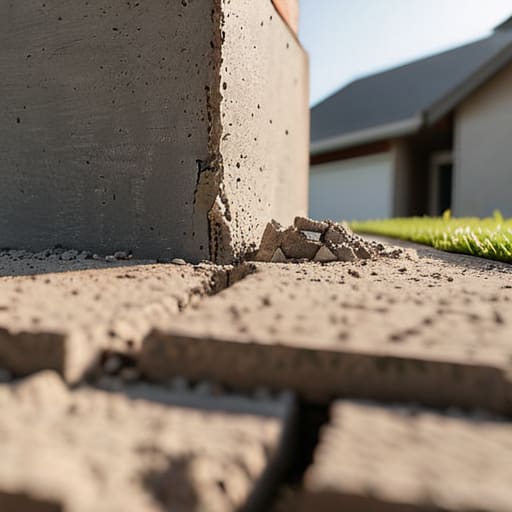
    When you’re walking through a potential flip, don’t just look at the paint colors or the updated kitchen; look at the corners of the rooms. If you see diagonal cracks creeping up from the baseboards or near door frames, pay attention. These settlement cracks in walls aren’t just cosmetic annoyances that a quick patch of spackle can fix. They are often the first physical evidence that the house is literally shifting beneath your feet.

    I’ve seen plenty of rookies try to ignore these lines, thinking they can just “drywall it away” and move on. That’s a massive mistake. Usually, these cracks are a direct result of soil expansion and contraction, where the ground moves too much due to moisture changes, leaving the structure unsupported. If the cracks are widening or if you can actually see daylight through them, you aren’t just looking at a minor fix; you’re looking at a structural red flag that could eat your entire profit margin if you aren’t careful.

    My Hard-Won Rules for Navigating Foundation Repairs Without Losing Your Shirt

    • Hire a structural engineer, not just a contractor. I’ve seen too many flippers let a general contractor tell them a crack is “just cosmetic” when it’s actually a structural nightmare. Pay for a real engineer’s report; it’s the only way to know exactly what you’re walking into before you sign the closing papers.
    • Check your drainage before you touch the concrete. Half the time, a foundation issue is just a glorified plumbing or landscaping problem. If your gutters are dumping water right against the footing, you’re just throwing money at a symptom instead of fixing the cause. Fix the water, and you might save yourself a massive piering bill.
    • Get multiple quotes, but watch for the “lowball trap.” If one contractor quotes you $5k and another quotes $15k, don’t immediately jump at the cheaper option. In this business, the cheap guy is often the one who’s going to disappear halfway through the job or leave you with a patch job that fails in six months.
    • Budget for the “unknown unknowns.” When I’m looking at a fixer-upper, I always bake an extra 15% into my renovation contingency specifically for the stuff behind the walls. If you’re digging up a foundation, you might find more than just dirt—you might find old pipes or unexpected soil shifts that weren’t in the initial inspection.
    • Don’t let a “scary” foundation stop a smart buy. I’ve walked away from plenty of beautiful mid-century gems because of foundation fears, but sometimes a little piering and some strategic grading are all that stand between you and a massive equity jump. Learn to distinguish between a deal-breaker and a manageable headache.

    The Bottom Line on Foundation Red Flags

    Don’t panic at every hairline fracture; learn to distinguish between minor cosmetic settling and the structural cracks that actually eat your profit margins.

    Always prioritize a professional structural engineer’s assessment over a contractor’s quick quote to ensure you aren’t throwing good money after bad.

    View foundation issues as a negotiation tool, not a dealbreaker, because a well-planned repair is just a stepping stone to building massive equity.

    The Real Cost of Ignoring the Basics

    “I’ve seen too many rookie investors get blinded by a gorgeous kitchen or a trendy open floor plan, only to realize they’ve bought a beautiful house sitting on a sinking ship. You can slap on all the designer paint you want, but if the bones are broken, you aren’t building equity—you’re just subsidizing a disaster.”

    Gareth Trelawny

    The Bottom Line on Foundation Integrity

    The Bottom Line on Foundation Integrity.

    At the end of the day, don’t let a few cracks in the drywall or a slightly uneven floorboard send you running for the hills. We’ve covered how to distinguish between harmless cosmetic settling and the serious structural red flags that can actually tank your ROI. Whether it’s those diagonal cracks in the plaster or doors that suddenly refuse to latch, the goal isn’t to avoid every single imperfection—it’s to identify which ones are manageable repairs and which ones are deal-breakers for your budget. Knowledge is your best tool here; once you can read a house like a blueprint, you won’t be guessing anymore.

    Look, I know the idea of digging up a crawlspace or dealing with piering can feel overwhelming, but that’s exactly where the opportunity lies. While other investors are scared off by a little bit of structural drama, you’ll be the one with the strategic plan to fix it and move on to the profit. Every crumbling wall is just a hurdle between you and the equity you’re working so hard to build. Stay pragmatic, keep your laser measurer handy, and remember: the best deals are often hidden behind the messiest repairs.

    Frequently Asked Questions

    How do I tell the difference between a cosmetic crack in my drywall and a structural issue that's actually going to drain my bank account?

    Here’s the rule of thumb I use: look at the direction and the width. If it’s a hairline, vertical crack in your drywall, it’s usually just the house breathing—purely cosmetic. But if you see diagonal cracks, or anything wider than a nickel that seems to be traveling from the ceiling down to the floor, stop right there. That’s not just an aesthetic nuisance; that’s your equity leaking out of the foundation.

    Is it worth sinking money into a foundation repair if I'm planning to flip the house in under a year?

    Look, I’ll give it to you straight: if the foundation is compromised, you don’t have a choice. You can’t hide structural failure with a fresh coat of paint and some mid-century modern accents. If you try to flip a house with active movement, the inspector will flag it, and your buyer’s financing will fall through. Fix it now. It’s a heavy upfront cost, but it’s the difference between a profitable exit and a total money pit.

    At what point do I stop DIY-ing the minor fixes and call in a professional engineer before the whole thing becomes a money pit?

    Look, I love a good DIY project as much as the next person, but foundation work isn’t the place to play hero. If you see cracks that are wider than a nickel, or if your doors and windows are suddenly sticking like they’re glued shut, stop touching it. That’s when you call a structural engineer. It’s better to pay for a professional assessment now than to pour thousands into a “fix” that doesn’t actually stabilize the house.

  • Signs You Need a New Roof

    Signs You Need a New Roof

    I still remember standing in the middle of a muddy driveway last October, staring up at a sagging roofline while a contractor tried to sell me a “premium architectural system” that cost more than my entire kitchen budget. He was talking about aesthetics and prestige, but all I could see was the leaking dark spots on the ceiling of the master bedroom and the way my profit margins were evaporating with every raindrop. Most people treat a roofing replacement like a luxury upgrade or some complex engineering mystery, but let’s get one thing straight: it’s a structural necessity and a high-stakes math problem. If you let a bad roof dictate your renovation budget, you aren’t investing; you’re just subsidizing a contractor’s new boat.

    I’m not here to sell you on fancy shingles or give you a lecture on architectural history. My goal is to show you how to approach a roofing replacement as a strategic asset move that protects your downside and maximizes your equity. I’m going to walk you through how to spot the real red flags, how to vet a crew without getting played, and how to ensure you’re spending your money on longevity rather than just marketing fluff.

    Table of Contents

    Spotting the Signs You Need a New Roof Before Disaster Strikes

    Spotting the Signs You Need a New Roof Before Disaster Strikes

    When I’m walking a new property, I’m not just looking at the crown molding or the layout; I’m looking up. You can have the most stunning mid-century modern interior, but if the structure above you is failing, your investment is a ticking time bomb. One of the first signs you need a new roof is curling or missing shingles. If you see granules—those little sandy bits—clogging your gutters, your shingles are losing their protective layer and are likely nearing the end of their functional life.

    Don’t wait for a ceiling stain to tell you there’s a problem; by then, you’re already paying for water damage remediation on top of the actual fix. I always tell my clients to keep a close eye on the roof lifespan by material when they are calculating their initial rehab budget. An asphalt roof won’t last as long as metal, and knowing that upfront prevents a massive hit to your margins three years down the line. If you see sagging ridge lines or light peeking through the attic, stop stalling and get a pro out there.

    Using a Roof Replacement Cost Estimator to Protect Your Capital

    Using a Roof Replacement Cost Estimator to Protect Your Capital

    When you’re hunting for your next flip, your margins are your lifeline. The last thing I want to see is a surprise $15,000 bill popping up halfway through a rehab because I didn’t account for a failing roof. This is exactly why I never step onto a job site without first running the numbers through a roof replacement cost estimator. It isn’t about being cheap; it’s about precision. You need to know if you’re looking at a simple patch job or if you need to budget for a complete overhaul before you even make an offer on the property.

    Don’t just take a contractor’s word for it, either. I always compare their quotes against my own estimates, specifically looking at the trade-offs between asphalt shingles vs metal roofing. While metal might offer a longer lifespan, the upfront cost can eat into your immediate cash flow. Use these tools to build a realistic contingency fund so that when the unexpected happens, it’s just a line item in your budget rather than a catastrophic hit to your ROI.

    Five Strategic Moves to Protect Your Margins During a Roof Replacement

    • Don’t just hire the cheapest contractor you find on a flyer; vet them like you’re hiring a business partner because a botched install will cost you triple in repairs and lost equity down the line.
    • Always get at least three detailed quotes that break down labor versus materials so you can see exactly where your capital is going and spot any “fluff” added to the estimate.
    • Prioritize high-quality underlayment and flashing over flashy shingles; the stuff you can’t see is what actually protects your structural integrity and keeps the moisture out of your investment.
    • Factor in the “hidden” costs like debris removal and potential deck repairs when you’re budgeting, otherwise, your renovation math is going to be a disaster by the time the crew leaves.
    • Use the replacement as an opportunity to upgrade your ventilation; a well-ventilated attic prevents heat buildup and extends the lifespan of your new roof, making your asset much more durable for the long haul.

    The Bottom Line: Protecting Your Margins and Your Asset

    Don’t play guessing games with a failing roof; identify the red flags early so you aren’t hit with a massive, unplanned capital expenditure that kills your ROI.

    Use a cost estimator as a shield for your bank account, ensuring you have a realistic budget for materials and labor before you ever sign a contract.

    View a roof replacement not as a drain on your cash flow, but as a strategic investment that secures the structural integrity and resale value of your property.

    The Hidden Margin Killer

    “A bad roof is a silent equity killer; you can put all the mid-century modern charm and designer lighting you want into a house, but if the ceiling is bowing from water damage, you aren’t building wealth—you’re just subsidizing your neighbor’s renovation.”

    Gareth Trelawny

    Protecting Your Investment from the Top Down

    Protecting Your Investment from the Top Down

    At the end of the day, a roof isn’t just some boring architectural necessity; it is the primary shield for your entire investment. We’ve talked about how to spot the red flags before they turn into a structural nightmare and why you absolutely cannot afford to guess on your budget without using a reliable cost estimator. If you ignore the curling shingles or the slow leaks, you aren’t just saving money in the short term—you are actively eroding your profit margins and inviting expensive mold remediation down the line. Treat your roofing replacement as a strategic capital expenditure rather than an annoying chore, and you’ll keep your equity safe from the elements.

    I know that staring down a massive renovation bill can feel overwhelming, especially when you’re trying to build something from the ground up. But remember, the most successful investors aren’t the ones who avoid the mess; they are the ones who tackle the critical repairs head-on so the foundation of their wealth remains unshakable. Don’t let a neglected roof stand between you and your next big flip. Get in there, do the work right the first time, and turn that unprotected liability into a solid, high-value asset that will serve you for decades.

    Frequently Asked Questions

    How do I know if I should just patch a few shingles or if I'm looking at a full, expensive replacement?

    Look, I’ve been in enough crawlspaces to know the difference. If it’s just a handful of shingles blown off by a storm, grab some sealant and patch it—don’t overspend. But if you’re seeing widespread granule loss, curling edges, or water stains on your ceiling, stop playing games. A patch is just a band-aid on a hemorrhage. At that point, you aren’t saving money; you’re just delaying an expensive disaster that’ll eat your margins.

    Which roofing materials actually hold their value best when I'm trying to flip the property?

    If you’re flipping, don’t get distracted by flashy, high-end luxury materials that won’t see a return. You want the sweet spot between durability and curb appeal. For most of my projects, I stick with architectural asphalt shingles. They look premium enough to wow buyers but won’t blow your margins. If you’re in a high-end market, metal roofing is a solid play for that modern aesthetic, but for pure ROI? Stick to high-quality shingles.

    How much of a buffer should I bake into my renovation budget to account for unexpected structural damage once the old roof comes off?

    Look, if you’re playing it safe, you need to bake at least a 15% to 20% contingency buffer into your roofing budget. When those old shingles come off, you never truly know what’s lurking underneath—rotted decking, compromised rafters, or even mold. I’ve seen too many flips stall because a “simple” roof job turned into a structural nightmare. Don’t let a lack of cash flow turn your equity into a money pit.