
I still remember the smell of damp drywall and old sawdust from my first solo project—a tiny, neglected studio that most people wouldn’t have looked at twice. While the “gurus” on social media were busy preaching about passive income and effortless wealth, I was on my hands and knees with a scraper, realizing that being a first time investor isn’t about clicking a button on an app; it’s about getting your hands dirty. Most people think you need a massive inheritance or a perfectly polished turnkey property to break into this game, but that’s just a lie designed to keep you on the sidelines.
I’m not here to sell you on some get-rich-quick fantasy or a polished slideshow of luxury condos. Instead, I’m going to show you how to look past the peeling wallpaper and cracked foundations to find the hidden equity waiting underneath. I’ll be sharing the gritty, unvarnished truth about what it actually takes to scout, rehab, and flip your way toward real stability. If you’re ready to trade the hype for tangible results, let’s get to work.
Table of Contents
Finding Beauty in the Mess Spotting Real Potential
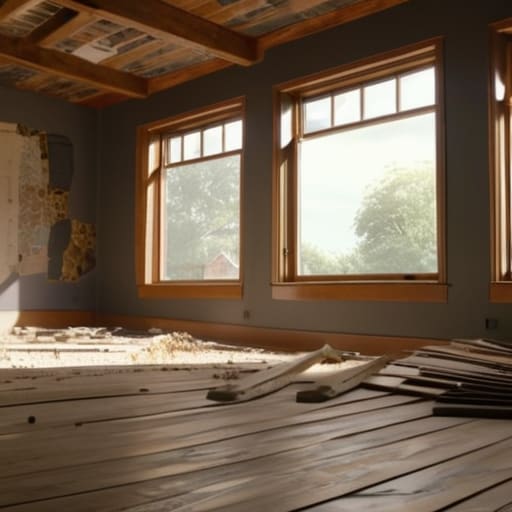
When I walk into a house that looks like a disaster zone, I’m not looking at the peeling wallpaper or the cracked floorboards. I’m looking at the bones. Most people see a mess; I see unrealized equity. To find these gems, you have to train your eyes to look past the surface level grime and focus on the structural integrity and the layout. Is the floor plan open? Is the electrical updated? If the “bones” are solid, the cosmetic stuff is just a weekend project and a trip to the hardware store.
This is where you have to be honest about your own risk tolerance for beginners. You aren’t just buying a building; you’re buying a problem that needs solving. While some people prefer the hands-off nature of passive income strategies like REITs, there is a specific kind of thrill—and profit—in the sweat equity of a renovation. You have to be willing to embrace the chaos of a job site to find the value that others are too intimidated to touch. If you can see the vision through the dust, you’re already ahead of the game.
Building Passive Income Strategies Through Sweat Equity
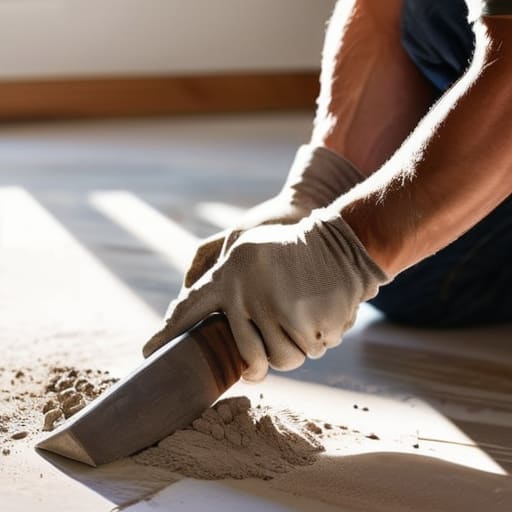
Here’s the reality: most people think passive income is something you just stumble into by clicking buttons on a trading app. While I respect the math behind the stock market, I’ve always preferred assets I can actually touch. For me, the real magic happens when you leverage sweat equity to bypass the massive entry costs of turnkey properties. By taking on the renovation work yourself—or at least managing the heavy lifting—you aren’t just fixing a kitchen; you are manufacturing instant equity. This is one of the most effective passive income strategies because you’re building value through labor rather than just waiting for market appreciation.
Once that renovation is complete and you place a tenant, that “messy” project transforms into a predictable monthly check. This is how you start diversifying your investment portfolio without needing a million dollars in the bank. You aren’t just playing the game; you’re tilting the scales in your favor by adding value where others only see a headache. It’s about turning your time and grit into a reliable, tangible cash flow machine.
Five Rules for Not Losing Your Shirt on Your First Flip
- Don’t fall in love with the bones. I know, I’m an interior designer, but you have to be cold-blooded here. If the layout is a nightmare or the foundation is cracked, it doesn’t matter how cute the original crown molding is—walk away.
- Learn to read a contractor’s quote like a pro. If a bid looks suspiciously low, they’re cutting corners that will haunt your profit margins later. I’d rather pay a premium for someone who actually shows up than lose my shirt on a “cheap” job that turns into a disaster.
- Budget for the “Oh Sh*t” factor. Every renovation has a ghost in the walls. Whether it’s outdated wiring or unexpected rot, always set aside at least 15% of your capital for the surprises that are guaranteed to pop up once you start tearing things down.
- Master your local numbers before you buy. Don’t guess what a house will sell for; look at the actual comps in the immediate area. Real estate isn’t about what you think it’s worth; it’s about what the market is actually willing to pay when you’re finished.
- Focus on the high-ROI upgrades. You don’t need a chef’s kitchen to make a profit. Focus on clean lines, updated lighting, and fresh paint. I’ve seen more money made in smart, minimalist finishes than in over-the-top luxury that just confuses the average buyer.
The Bottom Line: Turning Grit into Equity
Stop looking for perfection and start looking for structural bones; the best deals are hidden behind outdated wallpaper and bad flooring, not polished marble.
Your greatest asset isn’t your bank account, it’s your willingness to trade sweat equity for immediate value—learn the basics of a rehab so you don’t overpay for labor.
Focus on high-impact, strategic renovations that drive appraisal value rather than getting lost in expensive, unnecessary design trends.
The Myth of the Perfect Portfolio
Stop waiting for a pristine property to fall into your lap; the real money isn’t made in the polished showrooms, it’s made in the dust, the demo, and the courage to see the equity hidden behind those peeling walls.
Gareth Trelawny
The Blueprint for Your First Move
Look, I’m not going to sugarcoat it: real estate investing isn’t a magic wand for instant riches. It requires a disciplined eye to see past the peeling wallpaper and a willingness to trade your weekends for sweat equity. We’ve talked about how to spot a diamond in the rough and how to leverage your own labor to build passive income streams. If you can master the art of seeing potential where others only see a headache, and if you’re willing to do the heavy lifting to protect your margins, you are already ahead of ninety percent of the people sitting on the sidelines. It’s about turning calculated risks into tangible assets.
Don’t wait for the “perfect” market or a massive down payment to fall into your lap. That perfect moment is a myth designed to keep you stagnant. Instead, grab your tools, trust your research, and prepare to get a little dust on your clothes. Real wealth isn’t built in a vacuum; it’s built one renovation, one contract, and one hard-won lesson at a time. You have the capacity to build something lasting, so stop overthinking the math and start building your legacy one brick at a time.
Frequently Asked Questions
How much liquid cash do I actually need to have on hand before I even look at my first fixer-upper?
Look, don’t let anyone tell you that you need a mountain of cash, but don’t walk into a renovation blind either. You need enough for your down payment, sure, but the real killer is the “unexpected” budget. I always tell my clients to have at least 15-20% of their total project cost sitting in a liquid reserve. If you find a structural issue or a plumbing nightmare behind a wall, you can’t be scrambling for a credit card.
How do I figure out if a renovation's cost is going to eat my entire profit margin?
You have to stop guessing and start measuring. I never step foot in a fixer-upper without my laser measurer and a rigorous spreadsheet. To protect your margin, you need a “contingency buffer”—I always pad my estimates by at least 15% for those inevitable “oh crap” moments behind the drywall. If the math doesn’t work with a heavy buffer, the deal is dead. Don’t let a beautiful kitchen layout blind you to a sinking foundation.
Do I need to be a licensed contractor to do the work myself, or can I just manage the subs?
Look, you don’t need a contractor’s license to be an investor, but you do need a backbone. I’m not out there swinging a sledgehammer every day; I’m managing the pros. Think of yourself as the conductor, not the violinist. You need to know enough to spot a subpar job, but your real value lies in sourcing reliable subs and keeping the project on schedule. Manage the talent, and let them handle the heavy lifting.
