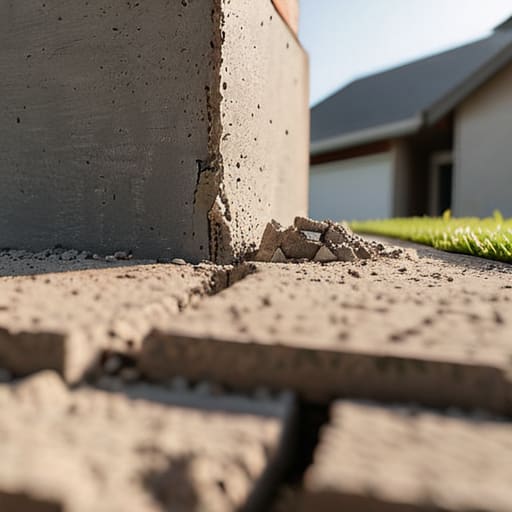
I remember standing in the mud of my first major flip, staring at a hairline crack in a basement wall that looked like it was about to swallow my entire profit margin. My contractor wanted to quote me a figure that felt more like a down payment on a Tesla, claiming that any sign of movement meant a total, catastrophic overhaul. Honestly, the industry loves to blow these things out of proportion because fear sells. But here’s the truth: not every crack is a death sentence, and most people get intimidated by foundation repair costs before they even understand what they’re actually looking at.
I’m not here to sugarcoat the mess or sell you on some magical, quick fix that won’t last. My goal is to strip away the jargon and show you how to distinguish a minor settlement from a structural nightmare. I’m going to give you the straight-up reality of what it costs, what actually matters, and how to manage these repairs without letting them sink your entire investment. Let’s stop sweating the small stuff and start focusing on building real equity.
Table of Contents
- Spotting the Subtle Signs of Foundation Failure
- Settlement Cracks in Walls a Warning Sign
- My Hard-Won Rules for Navigating Foundation Repairs Without Losing Your Shirt
- The Bottom Line on Foundation Red Flags
- The Real Cost of Ignoring the Basics
- The Bottom Line on Foundation Integrity
- Frequently Asked Questions
Spotting the Subtle Signs of Foundation Failure
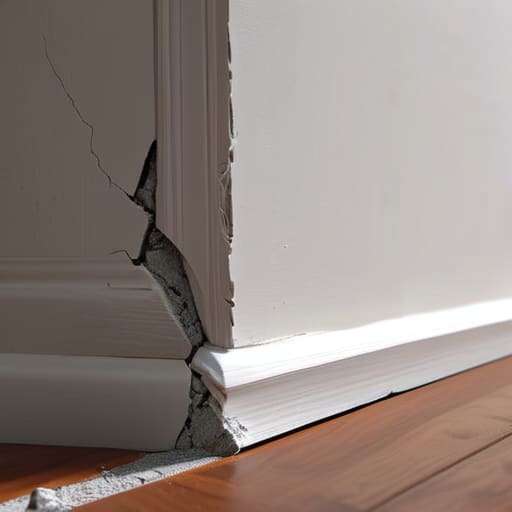
When I’m walking through a new fixer-upper, I’m not just looking at the crown molding or the backsplash; I’m looking for the stories the house is trying to tell me. You won’t always find a massive, gaping fissure right in the middle of the living room. Often, the real red flags are much more subtle. Keep your eyes peeled for settlement cracks in walls, specifically those diagonal lines that start at the corners of door frames or windows. If those gaps are widening, the house is telling you the ground beneath it is shifting.
I also pay close attention to how the floors feel under my boots. If you notice a slight slope or doors that suddenly refuse to latch properly, you’re likely dealing with uneven movement. This is frequently caused by soil expansion and contraction, especially in areas with heavy clay. It’s easy to dismiss a sticking door as “just an old house quirk,” but in this business, those little annoyances are often the first symptoms of a much deeper structural headache that could eat your margins alive.
Settlement Cracks in Walls a Warning Sign
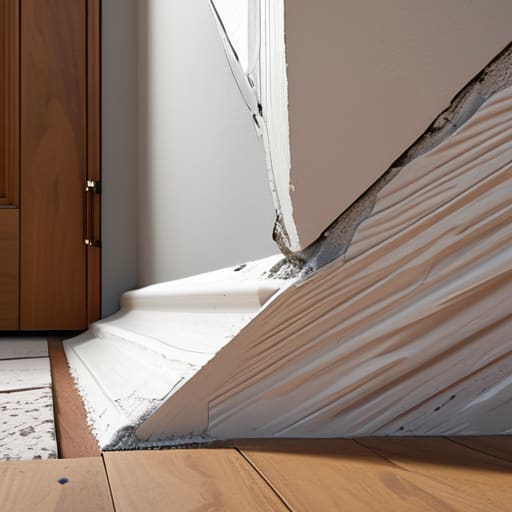
When you’re walking through a potential flip, don’t just look at the paint colors or the updated kitchen; look at the corners of the rooms. If you see diagonal cracks creeping up from the baseboards or near door frames, pay attention. These settlement cracks in walls aren’t just cosmetic annoyances that a quick patch of spackle can fix. They are often the first physical evidence that the house is literally shifting beneath your feet.
I’ve seen plenty of rookies try to ignore these lines, thinking they can just “drywall it away” and move on. That’s a massive mistake. Usually, these cracks are a direct result of soil expansion and contraction, where the ground moves too much due to moisture changes, leaving the structure unsupported. If the cracks are widening or if you can actually see daylight through them, you aren’t just looking at a minor fix; you’re looking at a structural red flag that could eat your entire profit margin if you aren’t careful.
My Hard-Won Rules for Navigating Foundation Repairs Without Losing Your Shirt
- Hire a structural engineer, not just a contractor. I’ve seen too many flippers let a general contractor tell them a crack is “just cosmetic” when it’s actually a structural nightmare. Pay for a real engineer’s report; it’s the only way to know exactly what you’re walking into before you sign the closing papers.
- Check your drainage before you touch the concrete. Half the time, a foundation issue is just a glorified plumbing or landscaping problem. If your gutters are dumping water right against the footing, you’re just throwing money at a symptom instead of fixing the cause. Fix the water, and you might save yourself a massive piering bill.
- Get multiple quotes, but watch for the “lowball trap.” If one contractor quotes you $5k and another quotes $15k, don’t immediately jump at the cheaper option. In this business, the cheap guy is often the one who’s going to disappear halfway through the job or leave you with a patch job that fails in six months.
- Budget for the “unknown unknowns.” When I’m looking at a fixer-upper, I always bake an extra 15% into my renovation contingency specifically for the stuff behind the walls. If you’re digging up a foundation, you might find more than just dirt—you might find old pipes or unexpected soil shifts that weren’t in the initial inspection.
- Don’t let a “scary” foundation stop a smart buy. I’ve walked away from plenty of beautiful mid-century gems because of foundation fears, but sometimes a little piering and some strategic grading are all that stand between you and a massive equity jump. Learn to distinguish between a deal-breaker and a manageable headache.
The Bottom Line on Foundation Red Flags
Don’t panic at every hairline fracture; learn to distinguish between minor cosmetic settling and the structural cracks that actually eat your profit margins.
Always prioritize a professional structural engineer’s assessment over a contractor’s quick quote to ensure you aren’t throwing good money after bad.
View foundation issues as a negotiation tool, not a dealbreaker, because a well-planned repair is just a stepping stone to building massive equity.
The Real Cost of Ignoring the Basics
“I’ve seen too many rookie investors get blinded by a gorgeous kitchen or a trendy open floor plan, only to realize they’ve bought a beautiful house sitting on a sinking ship. You can slap on all the designer paint you want, but if the bones are broken, you aren’t building equity—you’re just subsidizing a disaster.”
Gareth Trelawny
The Bottom Line on Foundation Integrity
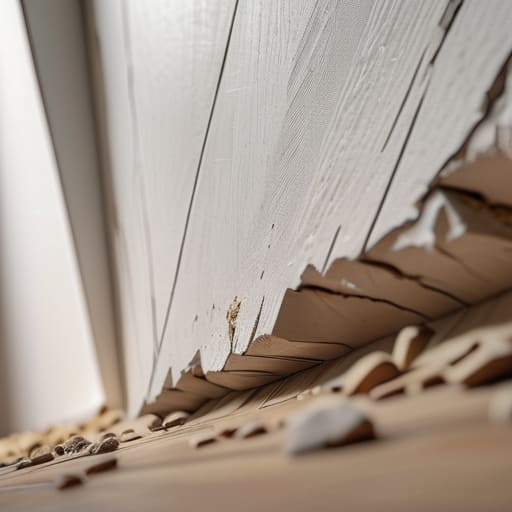
At the end of the day, don’t let a few cracks in the drywall or a slightly uneven floorboard send you running for the hills. We’ve covered how to distinguish between harmless cosmetic settling and the serious structural red flags that can actually tank your ROI. Whether it’s those diagonal cracks in the plaster or doors that suddenly refuse to latch, the goal isn’t to avoid every single imperfection—it’s to identify which ones are manageable repairs and which ones are deal-breakers for your budget. Knowledge is your best tool here; once you can read a house like a blueprint, you won’t be guessing anymore.
Look, I know the idea of digging up a crawlspace or dealing with piering can feel overwhelming, but that’s exactly where the opportunity lies. While other investors are scared off by a little bit of structural drama, you’ll be the one with the strategic plan to fix it and move on to the profit. Every crumbling wall is just a hurdle between you and the equity you’re working so hard to build. Stay pragmatic, keep your laser measurer handy, and remember: the best deals are often hidden behind the messiest repairs.
Frequently Asked Questions
How do I tell the difference between a cosmetic crack in my drywall and a structural issue that's actually going to drain my bank account?
Here’s the rule of thumb I use: look at the direction and the width. If it’s a hairline, vertical crack in your drywall, it’s usually just the house breathing—purely cosmetic. But if you see diagonal cracks, or anything wider than a nickel that seems to be traveling from the ceiling down to the floor, stop right there. That’s not just an aesthetic nuisance; that’s your equity leaking out of the foundation.
Is it worth sinking money into a foundation repair if I'm planning to flip the house in under a year?
Look, I’ll give it to you straight: if the foundation is compromised, you don’t have a choice. You can’t hide structural failure with a fresh coat of paint and some mid-century modern accents. If you try to flip a house with active movement, the inspector will flag it, and your buyer’s financing will fall through. Fix it now. It’s a heavy upfront cost, but it’s the difference between a profitable exit and a total money pit.
At what point do I stop DIY-ing the minor fixes and call in a professional engineer before the whole thing becomes a money pit?
Look, I love a good DIY project as much as the next person, but foundation work isn’t the place to play hero. If you see cracks that are wider than a nickel, or if your doors and windows are suddenly sticking like they’re glued shut, stop touching it. That’s when you call a structural engineer. It’s better to pay for a professional assessment now than to pour thousands into a “fix” that doesn’t actually stabilize the house.
