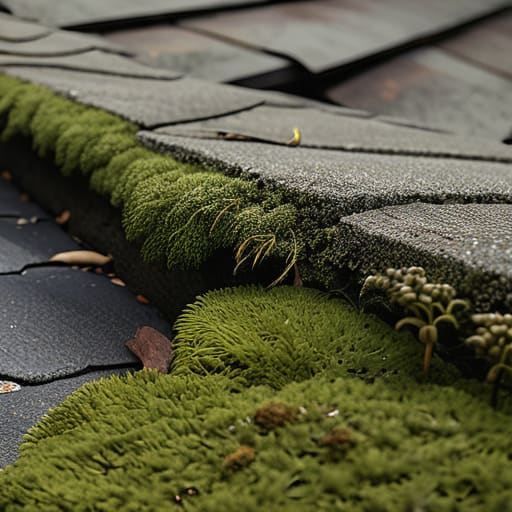
I still remember standing in the middle of a muddy driveway last October, staring up at a sagging roofline while a contractor tried to sell me a “premium architectural system” that cost more than my entire kitchen budget. He was talking about aesthetics and prestige, but all I could see was the leaking dark spots on the ceiling of the master bedroom and the way my profit margins were evaporating with every raindrop. Most people treat a roofing replacement like a luxury upgrade or some complex engineering mystery, but let’s get one thing straight: it’s a structural necessity and a high-stakes math problem. If you let a bad roof dictate your renovation budget, you aren’t investing; you’re just subsidizing a contractor’s new boat.
I’m not here to sell you on fancy shingles or give you a lecture on architectural history. My goal is to show you how to approach a roofing replacement as a strategic asset move that protects your downside and maximizes your equity. I’m going to walk you through how to spot the real red flags, how to vet a crew without getting played, and how to ensure you’re spending your money on longevity rather than just marketing fluff.
Table of Contents
- Spotting the Signs You Need a New Roof Before Disaster Strikes
- Using a Roof Replacement Cost Estimator to Protect Your Capital
- Five Strategic Moves to Protect Your Margins During a Roof Replacement
- The Bottom Line: Protecting Your Margins and Your Asset
- The Hidden Margin Killer
- Protecting Your Investment from the Top Down
- Frequently Asked Questions
Spotting the Signs You Need a New Roof Before Disaster Strikes
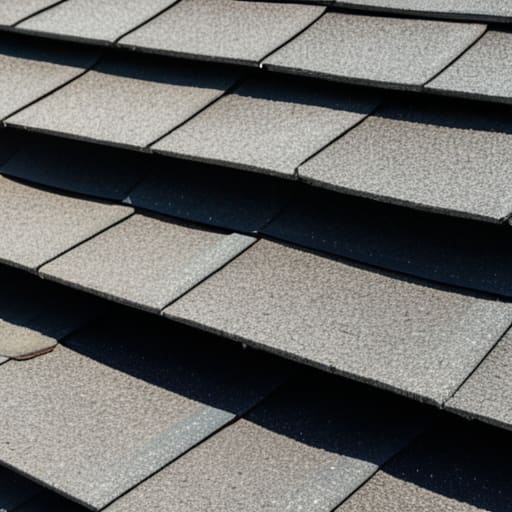
When I’m walking a new property, I’m not just looking at the crown molding or the layout; I’m looking up. You can have the most stunning mid-century modern interior, but if the structure above you is failing, your investment is a ticking time bomb. One of the first signs you need a new roof is curling or missing shingles. If you see granules—those little sandy bits—clogging your gutters, your shingles are losing their protective layer and are likely nearing the end of their functional life.
Don’t wait for a ceiling stain to tell you there’s a problem; by then, you’re already paying for water damage remediation on top of the actual fix. I always tell my clients to keep a close eye on the roof lifespan by material when they are calculating their initial rehab budget. An asphalt roof won’t last as long as metal, and knowing that upfront prevents a massive hit to your margins three years down the line. If you see sagging ridge lines or light peeking through the attic, stop stalling and get a pro out there.
Using a Roof Replacement Cost Estimator to Protect Your Capital

When you’re hunting for your next flip, your margins are your lifeline. The last thing I want to see is a surprise $15,000 bill popping up halfway through a rehab because I didn’t account for a failing roof. This is exactly why I never step onto a job site without first running the numbers through a roof replacement cost estimator. It isn’t about being cheap; it’s about precision. You need to know if you’re looking at a simple patch job or if you need to budget for a complete overhaul before you even make an offer on the property.
Don’t just take a contractor’s word for it, either. I always compare their quotes against my own estimates, specifically looking at the trade-offs between asphalt shingles vs metal roofing. While metal might offer a longer lifespan, the upfront cost can eat into your immediate cash flow. Use these tools to build a realistic contingency fund so that when the unexpected happens, it’s just a line item in your budget rather than a catastrophic hit to your ROI.
Five Strategic Moves to Protect Your Margins During a Roof Replacement
- Don’t just hire the cheapest contractor you find on a flyer; vet them like you’re hiring a business partner because a botched install will cost you triple in repairs and lost equity down the line.
- Always get at least three detailed quotes that break down labor versus materials so you can see exactly where your capital is going and spot any “fluff” added to the estimate.
- Prioritize high-quality underlayment and flashing over flashy shingles; the stuff you can’t see is what actually protects your structural integrity and keeps the moisture out of your investment.
- Factor in the “hidden” costs like debris removal and potential deck repairs when you’re budgeting, otherwise, your renovation math is going to be a disaster by the time the crew leaves.
- Use the replacement as an opportunity to upgrade your ventilation; a well-ventilated attic prevents heat buildup and extends the lifespan of your new roof, making your asset much more durable for the long haul.
The Bottom Line: Protecting Your Margins and Your Asset
Don’t play guessing games with a failing roof; identify the red flags early so you aren’t hit with a massive, unplanned capital expenditure that kills your ROI.
Use a cost estimator as a shield for your bank account, ensuring you have a realistic budget for materials and labor before you ever sign a contract.
View a roof replacement not as a drain on your cash flow, but as a strategic investment that secures the structural integrity and resale value of your property.
The Hidden Margin Killer
“A bad roof is a silent equity killer; you can put all the mid-century modern charm and designer lighting you want into a house, but if the ceiling is bowing from water damage, you aren’t building wealth—you’re just subsidizing your neighbor’s renovation.”
Gareth Trelawny
Protecting Your Investment from the Top Down
At the end of the day, a roof isn’t just some boring architectural necessity; it is the primary shield for your entire investment. We’ve talked about how to spot the red flags before they turn into a structural nightmare and why you absolutely cannot afford to guess on your budget without using a reliable cost estimator. If you ignore the curling shingles or the slow leaks, you aren’t just saving money in the short term—you are actively eroding your profit margins and inviting expensive mold remediation down the line. Treat your roofing replacement as a strategic capital expenditure rather than an annoying chore, and you’ll keep your equity safe from the elements.
I know that staring down a massive renovation bill can feel overwhelming, especially when you’re trying to build something from the ground up. But remember, the most successful investors aren’t the ones who avoid the mess; they are the ones who tackle the critical repairs head-on so the foundation of their wealth remains unshakable. Don’t let a neglected roof stand between you and your next big flip. Get in there, do the work right the first time, and turn that unprotected liability into a solid, high-value asset that will serve you for decades.
Frequently Asked Questions
How do I know if I should just patch a few shingles or if I'm looking at a full, expensive replacement?
Look, I’ve been in enough crawlspaces to know the difference. If it’s just a handful of shingles blown off by a storm, grab some sealant and patch it—don’t overspend. But if you’re seeing widespread granule loss, curling edges, or water stains on your ceiling, stop playing games. A patch is just a band-aid on a hemorrhage. At that point, you aren’t saving money; you’re just delaying an expensive disaster that’ll eat your margins.
Which roofing materials actually hold their value best when I'm trying to flip the property?
If you’re flipping, don’t get distracted by flashy, high-end luxury materials that won’t see a return. You want the sweet spot between durability and curb appeal. For most of my projects, I stick with architectural asphalt shingles. They look premium enough to wow buyers but won’t blow your margins. If you’re in a high-end market, metal roofing is a solid play for that modern aesthetic, but for pure ROI? Stick to high-quality shingles.
How much of a buffer should I bake into my renovation budget to account for unexpected structural damage once the old roof comes off?
Look, if you’re playing it safe, you need to bake at least a 15% to 20% contingency buffer into your roofing budget. When those old shingles come off, you never truly know what’s lurking underneath—rotted decking, compromised rafters, or even mold. I’ve seen too many flips stall because a “simple” roof job turned into a structural nightmare. Don’t let a lack of cash flow turn your equity into a money pit.
