Author: Gareth Trelawny

  • Strategies for Refinancing Investment Properties

    Strategies for Refinancing Investment Properties

    I still remember standing in the middle of a gutted mid-century ranch last summer, the smell of sawdust and damp drywall thick in the air, staring at a bank statement that felt like a weight in my chest. I had just poured every cent of my liquid cash into a new HVAC system and custom cabinetry, leaving me completely cash-strapped just as the market started to heat up. Most “experts” will tell you to just sit tight and wait for appreciation, but sitting on your hands is a terrible way to grow a portfolio. If you aren’t actively looking at refinancing investment properties to unlock the value you’ve worked so hard to build, you aren’t investing—you’re just hoarding bricks and mortar.

    I’m not here to give you a lecture on complex derivatives or bank-speak that sounds good in a boardroom but fails on a job site. My goal is to show you how to actually use your equity to fuel your next move. I’m going to walk you through the gritty, practical reality of refinancing investment properties so you can pull your capital out of one project and dump it straight into the next one. We’re going to focus on smart, strategic moves that turn your hard-earned renovations into the liquid fuel you need to build real, generational wealth.

    Table of Contents

    Leveraging Real Estate Equity to Fund Your Next Project

    Leveraging Real Estate Equity to Fund Your Next Project

    Once you’ve finished that kitchen remodel and the property value has spiked, don’t just sit on that newfound wealth. I’ve seen too many investors let their capital rot in the walls of a single house. Instead, you should be looking at an investment property cash-out refinance to pull that dormant value back into your pocket. This isn’t just about getting cash; it’s about liquidity. I use this strategy to fund my next acquisition, turning one successful flip into a rolling cycle of growth.

    Before you sign anything, though, you need to do your homework. I always check my original contract for mortgage prepayment penalties so I don’t get blindsided by fees that eat my margins. If your goal is purely scaling, I’d also suggest looking into DSCR loan options. These are a game-changer because they focus on the property’s ability to generate income rather than just your personal tax returns. It’s a much more pragmatic way to keep your momentum high and your portfolio expanding without getting bogged down in traditional red tape.

    The Art of the Investment Property Cash Out Refinance

    The Art of the Investment Property Cash Out Refinance

    When you’ve put in the sweat equity to turn a gutted shell into a polished gem, you shouldn’t just sit on that newfound value. An investment property cash-out refinance is one of the most powerful tools in my arsenal for scaling a portfolio. Instead of letting your profit get trapped behind a closed mortgage, you pull that capital out to fund the down payment on your next distressed asset. It’s about moving money from a stabilized property into a high-growth opportunity.

    However, you have to play this smart. Before you sign anything, grab your calculator and check for mortgage prepayment penalties that might eat into your margins. I always run the numbers twice to ensure the new monthly payment doesn’t choke my cash flow. If the traditional banks are being too rigid with their debt-to-income requirements, I often look into DSCR loan options. These are a lifesaver because they focus on the property’s ability to generate income rather than just your personal tax returns, making it much easier to keep the momentum going.

    5 Reality Checks Before You Sign Those Refinance Papers

    • Run the numbers twice, then run them a third time. It’s easy to get blinded by the prospect of fresh capital, but if your new interest rate eats up your entire monthly cash flow, you aren’t building wealth—you’re just subsidizing the bank.
    • Don’t mistake a “good market” for a “good deal.” Just because your property value spiked doesn’t mean a cash-out refinance makes sense for your specific strategy. Always weigh the cost of the new debt against the projected ROI of the project you’re funding.
    • Keep a massive buffer for the “unexpected.” I’ve seen too many investors pull equity out to fund a new acquisition, only to realize halfway through a renovation that they hit a massive plumbing issue and have zero liquidity left to fix it.
    • Watch your Loan-to-Value (LTV) ratio like a hawk. You want to pull enough cash to make your next move impactful, but don’t over-leverage yourself to the point where a minor market dip puts you in a deficit. Leave yourself some breathing room.
    • Factor in the closing costs, not just the interest rate. Those fees can quietly bleed your project’s budget dry before you’ve even picked out a single tile for the backsplash. Treat those costs as a real expense in your renovation pro forma.

    The Bottom Line: Don't Leave Your Money Trapped in the Drywall

    Stop treating your equity like a trophy; if your current property has significant appreciation, use a cash-out refinance to pull that capital back out so you can fund your next acquisition.

    Timing is everything when you’re scaling—refinance when the market is strong and your equity is high, but always run the numbers to ensure your new debt service won’t choke your cash flow.

    Think of refinancing as a tool for momentum, not just a way to lower a monthly payment; the goal is to turn one stabilized asset into the down payment for two more.

    Stop Sitting on Dead Equity

    Don’t let your hard-earned equity just sit there gathering dust in a finished renovation; treat your portfolio like a living engine. Refinancing isn’t just about debt—it’s about unlocking the cash trapped in your walls so you can go out and hunt for your next project.

    Gareth Trelawny

    Turning Equity into Your Next Big Win

    Turning Equity into Your Next Big Win

    Look, refinancing isn’t just a banking maneuver; it’s a strategic tool that separates the hobbyists from the serious players. We’ve talked about how a well-timed cash-out refinance can unlock the dormant value sitting in your walls, and how leveraging that equity is the fastest way to scale without needing a massive pile of new savings. Whether you are pulling capital to fund a heavy rehab or restructuring your debt to improve monthly cash flow, the goal is always the same: maximizing the efficiency of every dollar you own. Don’t let your hard-earned equity just sit there gathering dust while you wait for the “perfect” market.

    At the end of the day, real estate investing is about seeing what others miss and having the guts to act on it. Building a portfolio is messy, and the math can get complicated, but that is exactly why the rewards are so significant. You aren’t just moving numbers around a spreadsheet; you are building tangible, generational wealth one project at a time. So, grab your laser measurer, look at your current holdings with a fresh eye, and start figuring out how to make your existing assets work harder for you. The next big flip is already waiting in your current portfolio—you just have to go get it.

    Frequently Asked Questions

    How do I know if my current property has enough equity to make a cash-out refinance worth the closing costs?

    Don’t get blinded by a high paper value; you have to look at the math. I always run a quick “equity vs. cost” sanity check. Subtract your current mortgage and the estimated closing costs from your property’s market value. If that leftover chunk isn’t large enough to significantly move the needle on your next rehab, the fees will eat your lunch. You need enough meat on the bone to justify the friction.

    Will refinancing my rental property affect my ability to secure financing for my next fixer-upper?

    It absolutely can, so don’t go flying blind. Lenders look at your Debt-to-Income (DTI) ratio, and if you’re pulling too much cash out of your rental, your monthly debt obligations spike. That can make you look “risky” on paper for your next acquisition. My rule of thumb? Always keep a buffer. Don’t max out your equity; leave enough breathing room so you still look like a rockstar when you’re hunting your next fixer-upper.

    What's the best way to handle the math between a lower interest rate and the new monthly debt service when I'm trying to scale?

    Look, don’t get blinded by a shiny low interest rate. A lower rate is great, but if your new monthly debt service eats your entire cash flow, you’re just working for the bank, not yourself. I always run the numbers on the Net Cash Flow after the new mortgage payment. If the monthly spread doesn’t give you enough breathing room to cover unexpected repairs or a vacancy, that “deal” isn’t actually helping you scale.


  • Managing Your Renovation Project Effectively

    Managing Your Renovation Project Effectively

    I still remember the smell of damp drywall and stale coffee from a 6:00 AM site visit three years ago, standing in the middle of a kitchen that looked more like a war zone than a high-end flip. My contractor was staring at a load-bearing wall that wasn’t on the blueprints, and my budget was bleeding out in real-time. Most people think renovation project management is about picking out the perfect shade of sage green for the backsplash, but they couldn’t be more wrong. It’s actually about managing the chaos when the unexpected starts tearing through your profit margins.

    I’m not here to sell you on some polished, Pinterest-perfect fantasy that ignores the grit of a real job site. Instead, I’m going to give you the unvarnished truth about how I handle the madness. I’ll show you the systems I use to keep timelines tight and costs from spiraling, so you can stop reacting to fires and start building real equity. This isn’t about theory; it’s about the hard-won lessons I’ve learned from every cracked foundation and delayed shipment I’ve ever faced.

    Table of Contents

    Mastering Residential Construction Workflows Without Losing Your Mind

    Mastering Residential Construction Workflows Without Losing Your Mind

    When you’re staring at a gutted kitchen and three different subcontractors all calling you at once, it’s easy to feel like you’re losing control. The secret to staying sane isn’t working harder; it’s mastering your residential construction workflows before the first sledgehammer even hits a wall. I’ve learned the hard way that if you don’t map out the sequence—plumbing before drywall, electrical before paint—you’re essentially inviting chaos to eat your profit margins.

    I used to try and run everything through my brain and a messy notepad, but that’s a recipe for disaster. Now, I lean heavily on specific project management software for remodeling to keep my timelines and task lists in one place. It’s not about being a tech geek; it’s about having a single source of truth so you aren’t chasing down a tile installer at 9:00 PM on a Sunday. If you can visualize the dependencies between trades, you stop reacting to fires and start actually driving the project toward the finish line.

    Using Project Management Software for Remodeling to Protect Profits

    Using Project Management Software for Remodeling to Protect Profits

    Look, I’ve been in enough dusty job sites to know that a “gut feeling” isn’t a substitute for a real system. When you’re flipping a property, your profit margin is essentially a moving target, and if you aren’t tracking every nail and labor hour, that target will vanish. I stopped relying on crumpled receipts and mental checklists years ago. Now, I lean heavily on project management software for remodeling to keep my sanity—and my equity—intact. It’s not about being a tech geek; it’s about having a single source of truth so you aren’t guessing whether a subcontractor actually showed up or if a material delivery is stuck in transit.

    The real magic happens when you integrate your renovation budget tracking directly into your daily workflow. When a sudden plumbing issue turns up behind a kitchen wall—and it always does—you need to see immediately how that cost eats into your projected ROI. Using a digital platform allows me to pivot without the panic. Instead of drowning in spreadsheets, I can focus on the high-level strategy of the build, knowing the granular details are locked down.

    Five Hard-Won Rules for Keeping Your Renovation on Track

    • Build a “buffer fund” that actually works. I don’t just mean a little extra for paint; I mean a 15-20% contingency for the inevitable surprises, like finding outdated wiring behind a kitchen wall or discovering rot under the subfloor. If you don’t budget for the chaos, the chaos will budget for you.
    • Vet your subs like you’re hiring a business partner. A cheap contractor who doesn’t show up is the fastest way to bleed equity. I always ask for three references and, more importantly, I check their current job sites to see if they actually leave a workspace that’s organized or a total disaster.
    • Get everything in writing, even the small stuff. Verbal agreements are where profit margins go to die. Whether it’s a change in tile selection or a shift in the plumbing layout, send a quick follow-up email confirming the new scope and the cost. If it isn’t documented, it didn’t happen.
    • Order your long-lead items months in advance. There is nothing more soul-crushing than having a crew standing around on my payroll, waiting for a specific mid-century inspired vanity or custom light fixture that’s stuck in a shipping container. If you can’t touch it, it shouldn’t be on your critical path.
    • Walk the site daily, but don’t micromanage the craft. I use my laser measurer every single day to ensure the framing is hitting the marks I specified, but I leave the actual installation to the pros. Your job is to manage the timeline and the budget, not to hold the hammer for them.

    The Bottom Line: Turning Chaos into Capital

    Treat your timeline as a living document, not a suggestion; if you don’t adjust for the inevitable delays in material shipping or sub-contractor no-shows, your profit margins will vanish before the paint even dries.

    Stop treating your renovation like a hobby and start treating it like a business by documenting every single change order and receipt, because unrecorded expenses are the fastest way to bleed equity.

    Focus on the structural and functional wins first; fancy finishes are great for staging, but your real ROI comes from mastering the workflow of the core systems that make a house actually work.

    The Reality of the Job Site

    “People think the profit is in the design, but the real money is made in the management; if you can’t control the chaos of a construction schedule, you’re just paying someone else to burn through your equity.”

    Gareth Trelawny

    Turning Chaos into Capital

    Turning Chaos into Capital through management.

    At the end of the day, successful renovation project management isn’t about having a perfect, sterile job site; it’s about having the systems in place to handle the inevitable chaos. We’ve talked about why you need to master your construction workflows and why leaning on digital tools is non-negotiable if you want to protect your margins. If you aren’t tracking your timelines and software-driven budgets, you aren’t investing—you’re just gambling with your capital. Remember, every delay or unexpected pipe burst is just a variable you need to account for in your strategic rehab plan.

    I know how overwhelming it feels when you’re standing in a gutted kitchen surrounded by dust and contractor invoices, but don’t let the mess cloud your vision. This is exactly where the magic happens. That feeling of uncertainty is just the growing pains of building something real. If you stay disciplined, keep your eye on the numbers, and refuse to let the chaos dictate your pace, you will see those crumbling walls transform into massive equity. Stop looking at the debris and start looking at the wealth you’re building, one square foot at a time.

    Frequently Asked Questions

    How do I handle it when a contractor goes MIA or a sub-contractor misses a deadline mid-reno?

    Look, I’ve been there. It’s gut-wrenching when a sub disappears mid-reno, especially when your margins are on the line. First, don’t panic—panic is expensive. Check your contract for a “notice to cure” clause. Send a formal, written follow-up immediately; paper trails are your best friend when things get messy. If they don’t respond within 48 hours, start sourcing a replacement. You can’t afford to let a ghost stall your equity growth.

    What’s the best way to build a contingency fund so a single plumbing disaster doesn't wipe out my entire profit margin?

    Look, I’ve seen a burst pipe turn a “dream flip” into a financial nightmare overnight. My rule of thumb? Never budget for perfection; budget for reality. I always bake a minimum 15% contingency buffer directly into my initial acquisition math. If the math doesn’t work with that extra cushion, the deal isn’t worth the headache. Treat that fund as non-negotiable—it’s not “extra” money, it’s the insurance policy for your profit margin.

    How do I know if I'm actually overpaying for materials versus just paying the "convenience tax" of a local supplier?

    Look, I’ve been there. I once paid a 20% markup on subway tile just because I wanted it delivered by Tuesday. To tell if you’re getting fleeced, you need a baseline. Get three quotes: one from a big-box retailer, one from a specialized wholesaler, and one from your local pro supplier. If the local guy is within 10% of the big-box price, pay the “convenience tax.” That proximity saves you time and headache, and in flipping, time is equity.

  • Updating a Fireplace for Better Aesthetics

    Updating a Fireplace for Better Aesthetics

    I was standing in the middle of a dusty living room last October, staring at a massive, soot-stained brick hearth that looked like it belonged in a 1970s basement, and I realized something: most people see a demolition nightmare, but I saw instant equity. It’s a common mistake to think you need to tear out the entire chimney stack to modernize a room, but that’s just a fast way to blow your budget and kill your margins. A strategic fireplace makeover isn’t about starting from scratch; it’s about identifying the structural bones and layering on the right finishes to command a higher asking price.

    I’m not here to sell you on some expensive, superficial trend that will look dated in two years. Instead, I’m going to walk you through the gritty, practical reality of upgrading your hearth without draining your bank account. We’re going to cover everything from selecting materials that actually hold their value to the specific DIY tweaks that turn a visual eyesore into a high-end focal point. Let’s stop staring at that crumbling masonry and start turning it into a profitable asset.

    Table of Contents

    Guide Overview

    Total Time: 1-2 days
    Estimated Cost: $50-200
    Difficulty: Beginner

    Tools & Supplies

    • Paintbrush or roller for applying finish
    • Sandpaper for smoothing surfaces
    • Drop cloth to protect flooring
    • Painter's tape for clean edges
    • Heat-resistant masonry paint (1 quart)
    • Chalk paint or specialized stone paint (1 quart)
    • Sandpaper assortment (medium and fine grit)
    • Painter's tape (1 roll)

    Step-by-Step Instructions

    • 1. Before you even touch a scraper, you need to assess the structural integrity of the existing unit. I’ve walked into plenty of “fixer-uppers” where a homeowner thought they had a vintage charm, but they actually had a crumbling chimney breast that was a massive liability. Check for cracks in the masonry and make sure the hearth is stable; if the bones are rotten, no amount of tile will save your ROI.
    • 2. Once you’ve confirmed it’s safe to proceed, clear the area and strip away the junk. I’m talking about those dated, brass-tacked wooden mantels or the thick, peeling layers of popcorn paint that scream “1980s basement.” You want a clean slate before you start applying any new materials, so don’t skip the tedious part of sanding down the old surfaces.
    • 3. Now, let’s talk about the heavy lifting: choosing your focal point. If you’re aiming for that minimalist industrial chic look I love, I’d suggest a large-format slate tile or even a sleek, dark concrete finish. Whatever you pick, ensure the scale is right for the room; a tiny mosaic on a massive wall looks cheap and cluttered, which is the exact opposite of what we want when we’re trying to build equity.
    • 4. When you start laying your tile or stone, don’t skimp on the prep work. Use a high-quality thin-set and a level—and yes, I’ll be pulling my laser measurer out for this part—to ensure every single piece is perfectly aligned. If your lines are crooked, every potential buyer who walks through that door will feel it instinctively, and a wonky fireplace is a massive red flag.
    • 5. Grout is where most DIYers lose their edge, so pay close attention here. Choose a color that complements your tile rather than fighting it; I usually go for something neutral that allows the texture of the stone to do the talking. Once the grout is set, wipe it down immediately with a damp sponge to avoid that cloudy, hazy mess that’s a nightmare to scrub off later.
    • 6. The final touch is the mantel, and this is your chance to inject some personality. Instead of buying a pre-fabricated, hollow-core piece from a big-box store, hunt for a solid piece of reclaimed wood at a local salvage yard. A heavy, authentic timber mantel adds a sense of permanence and value that a piece of particle board just can’t replicate.
    • 7. Clean everything up and stage the space with intention. A simple, sculptural vase or a few well-placed books on the mantel is all you need; remember, we aren’t decorating a home to live in, we’re curating an asset. You want the fireplace to look like the heartbeat of the room, drawing the eye exactly where you want it to go.

    Modern Fireplace Design Ideas for Maximum Roi

    Modern Fireplace Design Ideas for Maximum Roi

    When you’re looking at the bottom line, you have to distinguish between “pretty” and “profitable.” If you’re hunting for high-impact modern fireplace design ideas, think about clean lines and texture rather than cluttered ornamentation. I always tell my clients that a monochromatic palette—think slate, matte black, or even a smooth micro-cement finish—creates that high-end, minimalist look that buyers crave. If you’re on a tight budget, don’t underestimate the power of a faux stone fireplace installation; with the right application technique, you can mimic expensive limestone or marble for a fraction of the actual material cost.

    Beyond the structure itself, don’t neglect the finishing touches that pull the room together. Effective fireplace mantel styling tips usually involve a “less is more” approach: a single sculptural piece or a stack of curated art books rather than a collection of knick-knacks. I’ve seen too many investors blow their budget on heavy masonry when a simple, sleek floating mantel would have achieved the same aesthetic lift. Remember, your goal isn’t just to decorate; it’s to create a focal point that makes a potential buyer instantly envision themselves hosting a dinner party in that space.

    Diy Fireplace Renovation Steps for the Patient Investor

    Diy Fireplace Renovation Steps for the Patient Investor

    If you’re looking to squeeze every bit of value out of a fixer-upper without draining your capital, you have to be strategic about your DIY fireplace renovation steps. I’ve learned the hard way that you shouldn’t just jump in with a sledgehammer. Start by assessing the structural integrity of the existing hearth; if the bones are solid, don’t waste money on a full tear-out. Instead, focus on a high-impact surface upgrade. For instance, a faux stone fireplace installation can give you that high-end, textured look that buyers crave, but only if you take the time to prep the surface properly. If you rush the prep work, that expensive veneer is going to peel, and you’ll be staring at a massive loss instead of equity.

    Budgeting is where most amateur flippers trip up. When calculating the cost of fireplace remodeling, always factor in a 15% buffer for unexpected masonry issues or venting repairs. Once the heavy lifting is done, the real magic happens in the finishing touches. I always tell my clients that fireplace mantel styling tips are just as vital as the masonry itself. A well-curated selection of modern decor can bridge the gap between a “renovated house” and a “dream home.”

    Pro-Tips for Avoiding the "Money Pit" Fireplace Trap

    • Check the structural integrity before you buy the tile; I’ve seen too many investors spend thousands on high-end marble only to realize the chimney breast was crumbling underneath.
    • Don’t overlook the mantel; swapping out a heavy, dated oak beam for a sleek, minimalist floating shelf is the fastest way to modernize the entire living room without touching the masonry.
    • Always prioritize the hearth’s functionality; if you’re aiming for a high-end flip, ensure the surround is easy to clean, because buyers will pass on a beautiful fireplace if it’s a maintenance nightmare.
    • Scale your materials to the room size; a massive, dark stone surround can swallow a small living area whole, so use lighter tones or smaller tiles to keep the space feeling open and airy.
    • Invest in a high-quality surround light; adding subtle, recessed lighting or even a well-placed sconce near the hearth can make a mediocre fireplace look like a designer centerpiece during a walkthrough.

    The Bottom Line on Fireplace ROI

    Stop viewing a dated hearth as a structural problem and start seeing it as a high-margin opportunity; a strategic facelift is one of the cheapest ways to boost a property’s perceived value.

    Don’t over-engineer the solution—focus on clean lines and high-impact materials like stone or tile that appeal to the widest range of buyers without blowing your renovation budget.

    Patience pays off during the messy phases, but don’t let perfectionism stall your progress; the goal is a polished, functional focal point that drives equity, not a museum piece.

    The ROI of the Hearth

    “A dated fireplace is just a hole in the wall that’s eating your profit margin; fix it right, and you aren’t just adding decor, you’re adding hard equity.”

    Gareth Trelawny

    From Dust to Dollars

    Fireplace renovation: From Dust to Dollars.

    At the end of the day, a fireplace makeover isn’t just about picking out a trendy new tile or a sleek mantel; it’s about recognizing a high-impact opportunity. We’ve covered everything from selecting modern designs that actually drive up your valuation to the gritty, hands-on DIY steps required to get the job done right. Whether you’re opting for a minimalist industrial look or a classic stone veneer, the goal remains the same: transform that outdated, soot-stained focal point into a strategic asset that commands attention during a walkthrough. Remember, every dollar you spend on a smart, well-executed renovation should be viewed as an investment in your property’s long-term equity.

    I know that staring at a half-demolished hearth can feel overwhelming, especially when the dust is settling and the real work begins. But don’t let the mess intimidate you. Every successful flip I’ve ever completed started with a vision that most people would have walked right past. Real estate investing is rarely about the easy wins; it’s about having the grit to see the potential beneath the grime. Grab your tools, trust your eye for design, and get to work. You aren’t just fixing a fireplace; you are building your future one renovation at a time.

    Frequently Asked Questions

    How do I know if my existing chimney structure can handle a heavy stone veneer without needing structural reinforcement?

    This is where most DIYers blow their budget. Before you order a single pallet of heavy stone, you need to check your math. Realistically, you should consult a structural engineer to verify the load-bearing capacity of your existing masonry. If you’re looking for a quick field test, check for existing cracks in the foundation or bowing in the chimney stack. If the structure looks even slightly compromised, don’t risk it; stick to lightweight, thin-set veneers instead.

    At what point does a DIY fireplace renovation stop being cost-effective and start becoming a liability for my resale value?

    Look, there’s a fine line between “charming character” and “structural nightmare.” You cross into liability territory the moment you touch the venting, the chimney masonry, or anything involving gas lines without a permit. If you’re DIYing a cosmetic tile overlay, go for it. But if you’re messing with the hearth’s structural integrity or the flue, stop. A botched fireplace inspection is the fastest way to kill a closing and tank your ROI.

    Should I prioritize a cosmetic face-lift for a quick flip, or is it worth investing in a full hearth reconstruction to attract higher-end buyers?

    If you’re on a tight timeline for a quick flip, go with the cosmetic facelift. A fresh coat of lime wash or some sleek tile veneer can mask a lot of sins without eating your margins. But, if you’re hunting for that premium buyer, don’t skimp. A full hearth reconstruction—think custom masonry or a floating stone mantel—is what separates a “renovated house” from a “luxury home.” Invest in the bones if you want the big check.

  • Tax Advantages of Real Estate Investing

    Tax Advantages of Real Estate Investing

    I was standing in a gutted mid-century bungalow last November, covered in drywall dust and nursing a lukewarm coffee, when I realized most people are looking at renovation costs all wrong. They see a massive invoice for new plumbing or structural repairs and think they’re just losing money. But if you aren’t aggressively hunting for real estate tax benefits to offset those expenses, you’re essentially leaving your hard-earned equity on the table for the government to claim. I’ve seen too many smart investors get paralyzed by the sheer complexity of the tax code, thinking they need a high-priced firm just to understand the basics of a deduction.

    I’m not here to give you a lecture on theoretical accounting or stuffy academic jargon. My goal is to show you how to use these incentives as strategic tools to fund your next project and scale your portfolio. I’ll be breaking down exactly how to navigate the messiest parts of the tax code so you can turn those crumbling walls into solid, long-term wealth. No fluff, no hype—just the practical, boots-on-the-ground tactics I use to keep my own projects profitable.

    Table of Contents

    Smart Tax Write Offs for Landlords to Fund Your Next Fixer Upper

    Smart Tax Write Offs for Landlords to Fund Your Next Fixer Upper

    When you’re staring at a stack of receipts for new subflooring or a high-end kitchen remodel, it’s easy to feel the sting of those costs. But here’s the reality: those aren’t just expenses; they are essential tax write-offs for landlords that can significantly lower your taxable income. I always tell my clients to keep every single invoice from the job site. From the plumber who fixed a burst pipe to the contractor installing that mid-century modern lighting, these operational costs help offset your real estate rental income tax. If you aren’t tracking these small details, you’re essentially leaving money on the table that could have funded your next project.

    Beyond the immediate repairs, you need to look at the bigger picture of how these deductions impact your long-term cash flow. For instance, the mortgage interest deduction is a massive lever you can pull to keep more of your profit. By strategically managing these deductions, you aren’t just saving a few bucks at tax time; you are actively building the capital needed to jump from a single-family fixer-upper to a multi-unit powerhouse. It’s about being ruthless with your documentation so you can be aggressive with your growth.

    Mastering Mortgage Interest Deduction to Build Your Portfolio Faster

    Mastering Mortgage Interest Deduction to Build Your Portfolio Faster

    When you’re out there hunting for your next distressed property, the mortgage is likely your biggest monthly expense. But here’s the thing: that interest isn’t just a cost; it’s a tool. By leveraging the mortgage interest deduction, you’re essentially lowering the taxable amount of your real estate rental income. Instead of seeing all that rent as pure profit that the IRS can grab, you use the interest to shield your cash flow. It’s one of the most straightforward ways to keep more money in your pocket for the next down payment.

    I’ve seen too many new investors get discouraged by the sheer scale of their debt, but you have to shift your mindset. Think of that interest as a way to subsidize your growth. When you combine this with other smart passive income tax strategies, you stop working for the bank and start making the bank work for your portfolio. Every dollar you save on taxes through these deductions is a dollar you can reinvest into high-quality materials or better contractors, helping you turn those crumbling walls into solid equity much faster than you thought possible.

    5 Ways to Keep More Cash in Your Pocket for Your Next Project

    • Don’t let depreciation slip through your fingers; it’s one of the most powerful non-cash expenses that lets you write off the wear and tear of your property against your income.
    • Use Section 179 to deduct the full cost of heavy equipment or major improvements in a single year, rather than dragging those deductions out over a decade.
    • Track every single repair versus improvement carefully, because while a new roof is a capital expense, fixing a leaky faucet is a direct write-off that lowers your immediate tax bill.
    • Look into the 1031 Exchange if you’re ready to level up; it allows you to swap one investment property for another without getting hit by capital gains taxes right when you’re trying to scale.

    • Keep a meticulous log of your travel and mileage to job sites, because those small trips to pick up materials or meet contractors add up to significant deductible business expenses.

    The Bottom Line: Turning Paperwork into Property

    Stop viewing taxes as a loss and start seeing them as a tool to offset the heavy costs of your next renovation.

    Use mortgage interest deductions strategically to keep more cash in your pocket for the next down payment.

    Success in this game isn’t just about finding the right house; it’s about keeping more of the equity you work so hard to build.

    Stop Leaving Money on the Table

    “Stop looking at tax benefits as just paperwork to file once a year; start seeing them as the hidden capital that funds your next renovation. Every smart deduction you claim is basically free money you’re pulling out of a crumbling wall and putting straight back into your equity.”

    Gareth Trelawny

    Turning Strategy into Equity

    Turning Strategy into Equity through tax optimization.

    At the end of the day, navigating real estate tax benefits isn’t about finding a magic loophole; it’s about being disciplined with your numbers. Whether you are leveraging mortgage interest deductions to keep your cash flow healthy or utilizing smart write-offs to offset those inevitable, messy renovation costs, every dollar you save is a dollar you can reinvest. I’ve seen too many investors leave money on the table simply because they didn’t understand how their tax strategy directly impacts their renovation budget. Remember, the goal isn’t just to own property—it’s to optimize every single cent to ensure your portfolio actually grows.

    Building a real estate empire is a marathon, not a sprint, and it’s often a dirty, exhausting one. There will be days when you’re staring at a cracked foundation or a blown budget, wondering if it’s worth the headache. But when you pair a sharp eye for design with a rigorous understanding of your tax advantages, you aren’t just fixing houses; you are building a foundation for generational wealth. Don’t let the complexity of the tax code intimidate you. Grab your laser measurer, get your books in order, and start turning those crumbling walls into solid equity.

    Frequently Asked Questions

    How do I distinguish between a repair that I can write off immediately and a capital improvement that has to be depreciated over time?

    Think of it this way: if you’re fixing something that’s broken to keep it in its current state—like patching a hole in the drywall or fixing a leaky faucet—that’s a repair. You can write that off immediately. But if you’re making the property better, bigger, or longer-lasting—like swapping old carpet for hardwood or replacing the entire roof—that’s a capital improvement. Those costs get depreciated over time, helping you build equity while managing the tax hit.

    If I'm flipping a house rather than holding it as a rental, do I still get to use these same tax strategies?

    Not exactly. When you’re flipping, the IRS views you more like a business owner selling inventory rather than a landlord collecting rent. You won’t be looking at mortgage interest deductions for long-term holds; instead, you’ll focus on deducting every single cent of those renovation costs—materials, contractor fees, even that laser measurer in my bag—directly against your sale price. It’s about lowering your taxable profit so you keep more of that hard-earned equity.

    At what point does my renovation budget get too large for me to reasonably claim everything as a business expense?

    Look, there isn’t a magic number where the IRS suddenly decides you’re a hobbyist, but there is a line where things get messy. If your renovation costs consistently dwarf your rental income, you’re moving out of “investor” territory and into “hobbyist” territory in the eyes of the tax man. You need to prove a profit motive. If you’re sinking massive capital into a single property without a clear path to cash flow, keep your receipts tight and your strategy documented.

  • Understanding Property Tax Assessments

    Understanding Property Tax Assessments

    I was standing in the middle of a gutted mid-century ranch last October, dust coating my boots and a laser measurer in hand, when I opened the latest mailer from the county. My heart actually sank. They had slapped a massive, inflated property tax assessment on the place, completely ignoring the fact that the foundation was cracked and the electrical was a literal fire hazard. It’s the same old story: the city looks at a zip code and sees a finished masterpiece, while I’m standing in a construction zone looking at a mountain of deferred maintenance.

    I’m not here to give you a lecture on municipal bureaucracy or some high-level academic theory. I’m here to show you how to fight back when the numbers don’t match the reality of your dirt. I’ll be sharing the exact, no-nonsense tactics I use to challenge unfair valuations so you don’t let unnecessary taxes bleed your renovation budget dry. If you want to protect your margins and turn those crumbling walls into real equity, you need to learn how to play this game by your own rules.

    Table of Contents

    Assessed Value vs Market Value Spotting the Discrepancies

    Assessed Value vs Market Value Spotting the Discrepancies

    Here is the core of the problem: the county isn’t looking at your house the same way a buyer is. When I’m scouting a new fixer-upper, I’m looking at the “market value”—the actual cash I expect to walk away with after a strategic rehab. The assessor, however, is following a rigid, often outdated formula. Understanding the gap between assessed value vs market value is where you find your hidden margin. If the county thinks your bungalow is a pristine mid-century gem, but you know the foundation is cracked and the electrical is shot, their number is wrong.

    Don’t assume their math is gospel. The property tax assessment process often relies on mass appraisal methods that lack the nuance of a professional real estate appraisal. They see a square footage footprint; I see a house that needs $40k in structural work. If their valuation ignores the “deferred maintenance” that I specifically hunt for, you aren’t just losing money on the renovation—you’re overpaying for the privilege of owning it. You have to spot these discrepancies early, or they’ll quietly eat your projected ROI.

    Decoding the Property Tax Assessment Process Before They Overcharge You

    Decoding the Property Tax Assessment Process Before They Overcharge You

    Before you start swinging a sledgehammer, you need to understand exactly how the local assessor’s office arrives at their numbers. The property tax assessment process isn’t some mystical ritual; it’s a bureaucratic calculation based on specific data points, but it’s far from infallible. Most counties use mass appraisal techniques, which means they aren’t sending an expert to walk through your specific floor plan every single year. They’re using algorithms and neighborhood averages that often fail to account for the actual condition of your property.

    If you’re staring at a fixer-upper with a cracked foundation or outdated electrical, but the county is valuing it like a turnkey luxury build, you’re being overcharged. This is where you need to get granular. You have to learn how to challenge property tax valuations by providing evidence of the property’s true state. I always keep a folder of “deficiency documentation”—photos of structural issues, mold, or outdated systems—to prove that the assessed value doesn’t reflect the reality on the ground. Don’t just accept their math; make them justify it.

    5 Ways to Stop Overpaying the Tax Man

    • Document every single “unseen” flaw. If your fixer-upper has a cracked foundation, outdated electrical, or a roof that’s seen better days, take photos. The assessor doesn’t see the mold behind the drywall, so you have to make sure they know it exists to justify a lower valuation.
    • Scour the neighborhood for “comparables” that actually matter. Don’t just look at the shiny new builds down the street; find the properties that are in similar disrepair to yours. If your neighbor’s neglected bungalow is assessed lower than your mid-reno project, use that as leverage.
    • Audit your property records for basic errors. It sounds tedious, but I’ve seen people getting taxed for an extra bedroom or a finished basement that doesn’t actually exist. If the county’s data is wrong, your bill is wrong. Fix the data to fix the tax.
    • Don’t miss the appeal window. Every municipality has a strict, non-negotiable deadline for contesting an assessment. I’ve seen investors lose thousands in equity simply because they missed a filing date by twenty-four hours. Mark your calendar the day you close.
    • Hire a professional if the math doesn’t add up. If you’re dealing with a massive discrepancy on a high-value asset, sometimes it’s worth paying a specialist to fight the battle for you. If the potential savings outweigh their fee, it’s just smart business.

    The Bottom Line: Protect Your Margins

    Don’t assume the county’s number is gospel; if their assessment doesn’t reflect the actual condition of your renovation, you’re essentially handing them your profit.

    Treat your tax assessment like a line item in your rehab budget—it requires constant auditing and aggressive oversight to ensure it doesn’t eat your equity.

    Knowledge is your best tool for a successful appeal; gather your receipts, your contractor’s reports, and your comparable sales to prove the value is lower than they claim.

    ## Protect Your Margins

    “In this business, your profit isn’t just what you make when you sell; it’s what you save when you refuse to pay for mistakes on a tax assessment. If the county overvalues your fixer-upper before you’ve even finished the demo, they aren’t just taking your cash—they’re eating your equity.”

    Gareth Trelawny

    Protecting Your Bottom Line

    Protecting Your Bottom Line through tax appeals.

    At the end of the day, fighting a property tax assessment isn’t just about paperwork; it’s about protecting your margins. We’ve walked through how to spot the gap between what the county says your house is worth and what the market actually dictates, and we’ve deconstructed the assessment process so you aren’t flying blind. Remember, the burden of proof is on you. If you don’t step up to challenge an overvaluation or point out the structural flaws that the assessor missed, you are essentially handing your hard-earned equity back to the government. Don’t leave your profit to chance.

    Real estate investing is a game of inches, and those inches are often found in the details most people ignore. Whether you are flipping a single-family home or building a multi-unit portfolio, you have to be your own most aggressive advocate. It might feel tedious to dig through tax records or fight city bureaucrats, but that is exactly where the real wealth is built. Stay sharp, keep your laser measurer handy, and never let a bad assessment derail your vision. You’re here to turn crumbling walls into solid assets, and that starts with defending every single dollar of your equity.

    Frequently Asked Questions

    If I find a massive discrepancy between my assessment and the actual market value, what specific evidence do I need to gather to win an appeal?

    Don’t walk into an appeal meeting empty-handed. You need hard data to win. Start by pulling recent sales data for “comps”—properties in your immediate area that are similar in square footage and condition. If your fixer-upper has structural issues or outdated systems that the assessor ignored, document them with photos. I always keep a folder of repair estimates; showing that a house needs $40k in work proves its market value isn’t what the city thinks it is.

    How much of a renovation's value actually impacts my property tax bill once the work is finished?

    Here’s the reality: the tax man doesn’t care about your aesthetic vision; he cares about perceived value. When you finish a renovation, you’re essentially handing the county a roadmap to increase your assessment. If you add a master suite or a high-end kitchen, your property value jumps, and your tax bill follows suit. You need to time your improvements and document your costs carefully so you aren’t paying taxes on “potential” that hasn’t fully materialized.

    Is it better to fight a high assessment immediately, or should I wait until I'm ready to flip the property to avoid triggering a reassessment?

    Look, I get the hesitation. You don’t want to poke the bear right before you list, but don’t let a high assessment bleed your cash flow dry while you’re mid-renovation. If you’re holding the property for a year or more, fight it now. Every dollar you shave off that tax bill is pure profit added to your bottom line. If you’re flipping in three months? It might not be worth the headache. Fight for your margins early.

  • How to Build a Diverse Real Estate Portfolio

    How to Build a Diverse Real Estate Portfolio

    I was standing in a kitchen that smelled of damp drywall and decades of stale grease, staring at a subfloor that was more rot than wood, when it hit me: most people think building a real estate portfolio requires a silver spoon and a mountain of liquid cash. They see the polished, high-end luxury flips on Instagram and assume they’re locked out of the game unless they’ve already made their first million. That’s a lie. I didn’t start with a trust fund; I started with a laser measurer, a heavy-duty flashlight, and a willingness to get my hands dirty in houses that everyone else had written off as lost causes.

    I’m not here to sell you on some “get rich quick” scheme or teach you how to play with imaginary numbers on a spreadsheet. My goal is to show you the grit required to turn neglected properties into tangible, high-yield assets. I’m going to walk you through the actual mechanics of scaling a real estate portfolio by finding value where others see only chaos. We aren’t chasing hype here; we are chasing solid equity through smart design and strategic, sweat-equity rehabs.

    Table of Contents

    Mastering Property Equity Growth Through Messy Renovations

    Mastering Property Equity Growth Through Messy Renovations

    Let’s get one thing straight: you aren’t going to see significant property equity growth by just buying turnkey properties and waiting for the market to lift. That’s a passive game, and frankly, it’s a slow way to build wealth. If you want to move the needle, you have to be willing to step into the dust. I’m talking about the kind of renovations that make you want to quit halfway through—the outdated electrical, the structural surprises, and the flooring that’s more mold than wood. But that’s exactly where the margin lives. When you take a distressed property and apply strategic design, you aren’t just fixing a house; you are manufacturing value that didn’t exist before you walked through the door.

    This approach is a core part of my personal real estate risk mitigation strategy. While others are terrified of a renovation going over budget, I view that volatility as the price of admission for higher margins. By focusing on high-impact, aesthetic upgrades that appeal to modern buyers, you ensure that every dollar spent is working toward a massive equity jump. It’s about being surgical with your rehab budget to ensure you’re maximizing your return on every single nail driven.

    Smart Real Estate Asset Allocation for the Self Made Investor

    Smart Real Estate Asset Allocation for the Self Made Investor

    When you’re starting from scratch, it’s tempting to dump every cent into your first flip, but that’s a fast track to burnout. Real real estate asset allocation isn’t just for the big players with hedge funds; it’s about how you distribute your capital to ensure you aren’t one bad contractor away from bankruptcy. I always tell my clients to balance high-intensity flips with steady, long-term holds. While the quick wins from a renovation provide the cash flow you need to scale, having a few stable rentals acts as your safety net.

    You also need to decide early on if you’re playing in the commercial vs residential portfolio arena. For most of us building from the ground up, residential is the entry point because it’s more intuitive, but don’t ignore the potential for small multi-family units. The goal is portfolio ROI optimization—you want a mix of assets that provide both immediate liquidity and long-term appreciation. It’s about being strategic with your footprint so that every dollar you sink into a foundation is actually working to build your net worth.

    My Non-Negotiable Rules for Scaling a Portfolio

    • Stop chasing “turnkey” properties. If a house is already perfect, the profit margin has already been eaten by the previous owner. I look for the ones with dated kitchens and questionable layouts because that’s where the real equity is hiding.
    • Always keep a “renovation buffer” in your cash reserves. I’ve learned the hard way that once you strip back the drywall, you’re going to find something that wasn’t in the inspection report. If you don’t have a contingency fund, one bad plumbing issue can tank your entire portfolio strategy.
    • Prioritize high-impact, low-cost upgrades. You don’t need a full structural overhaul to increase value. Sometimes, a strategic floor plan adjustment or upgrading the lighting can do more for your ROI than an expensive, high-end marble countertop ever could.
    • Don’t just buy houses; buy neighborhoods with momentum. I use my laser measurer to check dimensions, but I use my gut to check the street. Look for the areas where the coffee shops are moving in and the old warehouses are being converted—that’s where your appreciation will live.
    • Diversify your asset types, not just your locations. A solid portfolio isn’t just five single-family homes in the same zip code. I try to balance my holdings between quick-flip residential projects and long-term rental assets to keep my cash flow steady while I hunt for the next big renovation.

    The Bottom Line: Turning Grit into Equity

    Stop waiting for the perfect market or a massive windfall; start looking for the properties others are too intimidated to touch, because that’s where the real margin lives.

    Don’t just renovate for aesthetics—renovate for ROI by focusing on structural integrity and high-impact design choices that actually drive appraisal value.

    Diversification isn’t just about different zip codes; it’s about balancing your portfolio between quick-turn flips for cash flow and long-term holds for steady equity growth.

    Equity is Built, Not Inherited

    A real estate portfolio isn’t just a collection of deeds and addresses; it’s a series of calculated risks and grit, where every layer of old wallpaper you strip away is actually just another way of uncovering your own financial freedom.

    Gareth Trelawny

    Turning Vision Into Value

    Turning Vision Into Value through real estate.

    At the end of the day, building a real estate portfolio isn’t about luck or having a massive safety net; it’s about the math and the grit. We’ve talked about how strategic asset allocation keeps you from overextending and how mastering the art of the messy renovation is your fastest lane to rapid equity growth. You have to view every crack in the drywall and every outdated floor plan not as a headache, but as a calculated opportunity to increase your net worth. It’s about seeing the potential that everyone else walks right past.

    Don’t let the fear of a dusty job site or a complicated budget keep you on the sidelines. The most successful investors I know didn’t start with a skyscraper; they started with a single, slightly broken-down property and the stubbornness to finish the job. Real wealth is built one brick, one stud, and one smart renovation at a time. So, grab your measuring tape, find your first fixer-upper, and start turning those crumbling walls into solid equity. The market won’t wait for you to feel ready, so get out there and start building.

    Frequently Asked Questions

    How do I know when a renovation is actually adding equity versus just throwing money down a sinkhole?

    Look, I’ve seen it happen: someone spends $20k on high-end marble just to chase a feeling, not a return. To avoid the sinkhole, you have to run the math before you swing a hammer. Compare your projected After Repair Value (ARV) against your total investment—purchase price, holding costs, and rehab. If the spread doesn’t give you a healthy margin for error, you aren’t building equity; you’re just decorating an expensive hobby.

    Should I focus on single-family fixer-uppers first, or is it smarter to jump straight into multi-family units to build my portfolio?

    Look, if you’re just starting out, stick to single-family fixer-uppers. Multi-family units are great for cash flow, but they come with a massive learning curve and much higher stakes. I’ve seen too many new investors drown in the complexity of managing multiple tenants before they even understand how to swing a hammer or manage a contractor. Master the art of turning one house into equity first. Once you’ve got the rhythm, then scale up.

    How much of my liquid cash should I be keeping in reserve for those inevitable "hidden" structural issues that pop up mid-rehab?

    Look, if you aren’t budgeting for the nightmare scenario, you aren’t investing—you’re gambling. I always tell my clients to set aside at least 15% to 20% of their total renovation budget specifically for a “chaos fund.” Whether it’s unexpected termite damage or a plumbing disaster behind a load-bearing wall, these things will happen. Don’t touch that cash for aesthetic upgrades; keep it strictly for the structural surprises that threaten your equity.

  • Improving Your Home Entrance

    Improving Your Home Entrance

    I still remember the smell of damp drywall and old floor wax from my first solo flip—a tiny, neglected bungalow that looked like it hadn’t seen a paintbrush since the nineties. I stood in that cramped, dark foyer, clutching my laser measurer, and realized that most people treat entryway design as an afterthought, something you just slap a coat of beige paint on and call a day. They think you need a massive budget for custom millwork or a grand foyer to make an impression, but that’s just expensive nonsense that eats your margins alive.

    I’m not here to sell you on Pinterest-perfect fantasies that cost a fortune and offer zero ROI. Instead, I’m going to show you how to use strategic, high-impact updates to turn a cluttered, dark entrance into a polished statement piece. We’re going to focus on smart, scalable moves—from lighting to functional storage—that actually build equity. If you’re ready to stop wasting money on fluff and start focusing on tangible value, let’s get to work.

    Table of Contents

    Mastering First Impression Home Decor for Maximum Impact

    Mastering First Impression Home Decor for Maximum Impact

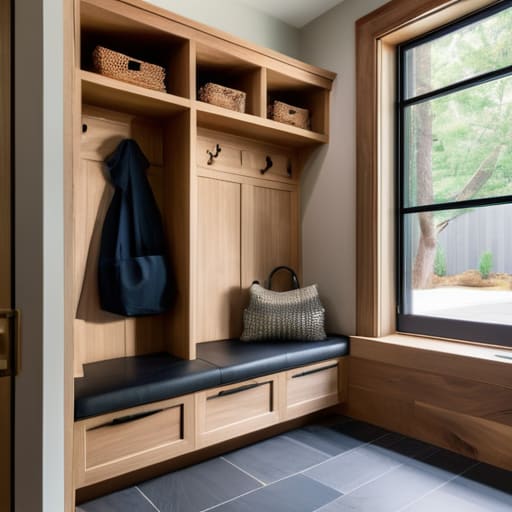
    When I’m walking into a property for a walkthrough, my eyes immediately go to the foyer. It’s not just about aesthetics; it’s about how the space functions the moment a person steps through the door. If a buyer walks into a pile of shoes and tangled coats, they’ve already mentally checked out of the house. To prevent that, I focus heavily on entryway console table styling that balances form and function. You want a slim, high-impact piece that provides a landing strip for keys and mail without choking the flow of the room.

    Don’t let a cramped layout stop you from making a statement, either. I’ve seen some of my most profitable flips rely on clever small entryway organization tips to make a tight space feel intentional rather than cluttered. Think about adding a sleek wall-mounted hook system or a slim bench to keep the floor clear. My rule of thumb is simple: if the decor doesn’t serve a purpose or elevate the vibe, it’s just dead weight. You want to create a sense of immediate order that tells a buyer this home is well-managed and ready for them.

    Elevating Space With Modern Foyer Furniture Ideas

    Elevating Space With Modern Foyer Furniture Ideas

    When you’re looking at a cramped or awkward foyer, the temptation is to just shove a bench against the wall and call it a day. But if you’re serious about maximizing your ROI, you need to look at modern foyer furniture ideas that balance aesthetics with actual utility. I’m a huge proponent of the slim-profile console table. It’s a lifesaver in tighter spaces because it provides a landing zone for keys and mail without choking the flow of the room. Pair a sleek, black metal frame with a warm wood top to hit that industrial chic note I love, and you’ve instantly elevated the entire vibe of the house.

    Don’t let the scale of the furniture overwhelm the room, though. If you’re dealing with a narrow hallway, focus on verticality and slim silhouettes. Instead of a bulky chest, try a lightweight pedestal or a narrow floating shelf. This keeps the floor visible, which trickily makes the area feel much larger. It’s all about that strategic balance: you want pieces that feel intentional and high-end, not like you just grabbed whatever was on sale at a big-box retailer.

    Five High-ROI Moves to Level Up Your Entryway

    • Stop neglecting your lighting; swapping out a builder-grade flush mount for a statement pendant can make a cramped foyer feel intentional and high-end without a full electrical overhaul.
    • Invest in a high-quality runner rug to define the zone, but make sure it’s durable—I’ve seen too many investors blow their budget on silk rugs that get shredded by muddy boots in a week.
    • Use mirrors to cheat the square footage, especially in those narrow hallways that feel like tunnels; a large, strategically placed mirror bounces light and makes a small entry feel twice as wide.
    • Create a “drop zone” that actually functions, like a slim console table or a built-in bench, so clutter doesn’t migrate from the door to the living room—clutter is the ultimate equity killer.
    • Don’t underestimate the power of hardware; replacing dated door handles or adding matte black hooks can provide that “designer touch” that makes a renovation feel finished rather than rushed.

    The Bottom Line: Turning Your Entryway into ROI

    Stop treating the foyer as an afterthought; it’s your property’s handshake, and a strategic, high-impact refresh is one of the fastest ways to justify a higher asking price.

    Focus on “smart” furniture—pieces that offer functional storage to hide the daily chaos while maintaining that clean, minimalist aesthetic buyers crave.

    Always prioritize durability and scale; if your entryway pieces look cheap or feel cramped, it signals to a potential buyer that the rest of the house might be poorly maintained.

    The Equity in the Entryway

    “Stop looking at your foyer as just a place to drop your keys; start seeing it as the highest-leverage zone in the house. A strategic entryway refresh isn’t just about decor—it’s about setting the narrative for the entire property before a buyer even reaches the living room.”

    Gareth Trelawny

    From First Impressions to Final Equity

    From First Impressions to Final Equity.

    At the end of the day, an entryway isn’t just a hallway or a place to drop your keys; it’s a strategic tool in your renovation arsenal. We’ve talked about everything from selecting the right statement furniture to ensuring your decor creates that immediate “wow” factor for potential buyers. Remember, you don’t need to gut the entire house to see a return. By focusing on smart, intentional upgrades—like a well-placed console table or a cohesive lighting plan—you are effectively bridging the gap between a cluttered entrance and a high-value asset. It’s about making sure that every dollar you spend on that foyer is a calculated move toward increasing your property’s bottom line.

    I know that staring at a cramped, outdated entryway can feel overwhelming, especially when you’re staring down a long list of renovations. But don’t let the mess intimidate you. Every crumbling wall and dated floorboard is just an opportunity in disguise. If you approach these spaces with a disciplined eye and a clear plan, you’ll find that the most neglected corners often yield the highest rewards. Stop looking at what the space is, and start seeing what it could become. Grab your laser measurer, get to work, and let’s start building that equity.

    Frequently Asked Questions

    How do I balance high-end aesthetic upgrades with a tight renovation budget when I'm flipping a property?

    You have to play the “high-low” game. Don’t blow your budget on designer faucets or custom cabinetry; that’s where the profit dies. Instead, pour your capital into the things buyers touch every day—solid hardware, a statement light fixture, or a high-quality rug. For everything else, thrift a vintage mid-century console or use high-end paint to elevate basic materials. Focus on the visual impact, not the brand name. It’s about perceived value, not luxury labels.

    Are there specific lighting fixtures that provide the best ROI for a small, dark entryway?

    If you’re dealing with a dark, cramped foyer, skip the heavy, ornate chandeliers—they just eat up visual space. For the best ROI, go with a sleek, matte black or brushed brass semi-flush mount. It keeps the ceiling feeling high while adding that designer touch. I also swear by adding a slim wall sconce or even a motion-activated LED strip under a console table. It creates layers of light that make a tiny space feel intentional, not claustrophobic.

    What are the best durable flooring options that look designer but can actually withstand heavy foot traffic during a showing?

    If you’re looking to balance high-end aesthetics with the reality of a busy renovation, go with Luxury Vinyl Plank (LVP). It’s my go-to because it’s waterproof and nearly indestructible, but modern versions mimic wide-plank white oak so well that buyers can’t tell the difference. If your budget allows, engineered hardwood is a solid runner-up for that premium feel, but for high-traffic flips, LVP gives you that designer look without the maintenance headache.

  • Why Property Inspection Is Critical

    Why Property Inspection Is Critical

    I still remember the smell of damp drywall and old rot from my first solo flip—a house that looked like a mid-century dream on the surface but felt like a sinking ship the moment I stepped into the basement. I had relied on a generic, checklist-style property inspection that missed a massive foundation crack because the inspector was too busy looking at the electrical panel to actually look at the bones of the building. That mistake cost me three weeks and five figures in unexpected repairs, and it taught me a lesson I’ll never forget: a piece of paper from a professional doesn’t mean you’re safe if you haven’t learned how to read the house yourself.

    I’m not here to give you a lecture on building codes or academic theories that don’t apply when you’re staring at a crumbling joist. Instead, I’m going to show you how to perform a boots-on-the-ground assessment that actually protects your capital. We are going to dive into the red flags that turn a “fixer-upper” into a financial nightmare, and I’ll teach you exactly what to hunt for so you can walk into any renovation with total confidence.

    Table of Contents

    The Pre Purchase Home Assessment Hunting for Hidden Gold

    The Pre Purchase Home Assessment Hunting for Hidden Gold

    Before you even get close to the closing table, you need to treat that walkthrough like a tactical reconnaissance mission. A standard pre-purchase home assessment isn’t just about checking if the kitchen looks “vibey” enough for a flip; it’s about finding the deal-breakers that could swallow your entire profit margin. I always start by looking at the bones. I’m talking about identifying foundation cracks that look like mere hair-line fractures but are actually signs of a settling nightmare. If the walls are bowing, your budget for mid-century modern light fixtures won’t matter because you’ll be spending it all on structural piers.

    Next, I move my focus to the systems that most amateur flippers ignore until it’s too late. I never skip a thorough electrical and plumbing safety check, because replacing outdated knob-and-tube wiring or corroded pipes is a massive, unglamorous drain on your capital. You have to be ruthless here. If the bones are rotten, you walk away. My goal isn’t just to buy a house; it’s to secure a predictable renovation timeline that keeps my equity growing instead of bleeding out.

    A Professional Inspector Checklist for the Savvy Investor

    A Professional Inspector Checklist for the Savvy Investor

    Once you’ve identified a potential winner, you need to move beyond the surface-level charm and get surgical. I never walk into a deal without a rigorous professional inspector checklist in hand, because my profit margins live or die in the details. You aren’t just looking for cosmetic flaws; you are hunting for the “deal-breakers” that could eat your entire renovation budget before you even swing a hammer.

    First, prioritize a deep-dive roof and drainage inspection. A leaking roof is a headache, but poor drainage that directs water toward your foundation is a financial catastrophe. While you’re at it, don’t skip the electrical and plumbing safety check. In these older fixer-uppers I hunt, outdated wiring isn’t just a code violation—it’s a massive liability that can derail your timeline.

    Lastly, use this data to navigate your real estate contingency period with total confidence. If the inspector finds something significant, you need that information ready to use during negotiations. Whether you’re asking for a credit or walking away entirely, knowledge is your strongest leverage when turning a crumbling house into a high-yield asset.

    Red Flags and Real Returns: 5 Inspection Hacks I Never Skip

    • Don’t get distracted by the staging; I’ve seen too many “designer” living rooms hide massive foundation cracks behind a trendy velvet sofa. Look past the aesthetics and get on your hands and knees to check the basement for moisture.
    • The electrical panel is where the real math happens. If you open it up and see a mess of outdated wiring or a brand that looks like it belongs in a museum, you aren’t just looking at a repair—you’re looking at a massive budget killer.
    • Test every single faucet and flush every toilet simultaneously. I need to know if the water pressure tanks immediately when the load increases; if it does, you’re likely staring down a costly plumbing overhaul.
    • Check the roof from the ground if you can, but don’t trust a “good looking” roof blindly. Look for signs of sagging in the ridgeline or uneven shingles, because a roof that’s nearing its end-of-life is the fastest way to bleed your renovation budget dry.
    • Always sniff for the invisible. A heavy scent of air freshener or excessive ventilation in a small room is a massive red flag for mold or dampness hidden behind the drywall, and that’s the kind of “hidden” cost that eats your equity alive.

    The Bottom Line: Don't Let the Dust Blind You

    Never fall in love with a floor plan before you’ve checked the bones; a beautiful layout won’t save you from a foundation that’s shifting.

    Treat your inspection as a negotiation tool, not just a checklist, because every structural flaw you find is leverage to drive the purchase price down.

    Always budget a “chaos buffer” into your renovation math to cover the expensive surprises that even the best professional inspector might miss.

    ## The Difference Between a Deal and a Disaster

    “A property inspection isn’t just a box to tick on your due diligence list; it’s your only defense against a renovation that turns into a bottomless money pit. I’d rather find a cracked foundation during a walkthrough than find out my equity is leaking through the floorboards six months after closing.”

    Gareth Trelawny

    Don't Let the Dust Blind You

    Don't Let the Dust Blind You.

    At the end of the day, a property inspection isn’t just about checking boxes on a clipboard; it’s about protecting your capital. We’ve covered how to spot those structural red flags before they drain your bank account and how to use a professional checklist to separate the genuine opportunities from the total disasters. Remember, the goal isn’t to find a perfect house—because those don’t exist in this business—it’s to find a house where the flaws are fixable and predictable. If you can quantify the cost of the repairs during the inspection phase, you’ve already won half the battle.

    Real estate investing is a gritty, hands-on game, and it requires a certain level of grit to look past the ugly wallpaper and see the structural integrity underneath. Don’t let the fear of a messy inspection report keep you on the sidelines. Every crumbling wall and outdated electrical panel is just another way to build your equity if you have the right data in hand. Stop looking for perfection and start looking for potential. Grab your laser measurer, get on that job site, and go find your next win.

    Frequently Asked Questions

    How do I tell the difference between a cosmetic issue and a structural dealbreaker when I'm walking through a property?

    Look, I’ve seen it all: a cracked tile is just a quick fix, but a crack in the foundation? That’s a nightmare. Here’s my rule of thumb: if it’s surface-level—peeling wallpaper, dated cabinetry, or scuffed floors—it’s cosmetic. That’s where we find our margin. But if the issue affects the “bones”—sagging rooflines, uneven floors, or water stains on the ceiling—you’re looking at a structural dealbreaker. Don’t let a pretty kitchen distract you from a sinking slab.

    Is it actually worth paying for a specialized inspector for things like electrical or plumbing, or can I rely on a general home inspection?

    Look, a general inspector is your first line of defense, but they aren’t surgeons. If you’re staring at a house with knob-and-tube wiring or ancient galvanized pipes, don’t be cheap. A generalist might tell you the panel looks “old,” but a master electrician will tell you if it’s a fire hazard waiting to happen. I’d rather spend an extra few hundred on a specialist now than lose fifty grand to a catastrophic flood or electrical failure later.

    At what point during the negotiation should I use the inspection report to push for price reductions or repair credits?

    Timing is everything. Don’t wave that report around the second you get it; wait until you’ve reviewed the findings against your actual renovation budget. Once you’ve categorized what’s a “deal-breaker” (structural/mechanical) versus a “cosmetic fix,” use it during the post-inspection negotiation phase. This is your leverage. Present the report not as a list of complaints, but as a roadmap of necessary capital expenditures that directly justify your request for credits or a lower price.

  • Improving a Laundry Room Layout

    Improving a Laundry Room Layout

    I was standing in a cramped, windowless utility closet of a fixer-upper last Tuesday, the smell of damp drywall and old detergent hanging heavy in the air, when I realized something: most people treat the laundry area like an afterthought. They think you need a $20,000 custom cabinetry overhaul to make a difference, but that’s just expensive fluff designed to drain your renovation budget. I’ve seen too many investors blow their margins on high-end marble backsplashes in a room that barely has enough space to turn around, completely ignoring the high-impact laundry room upgrades that actually move the needle for a buyer.

    I’m not here to sell you on a Pinterest-perfect fantasy that won’t survive a single heavy load of towels. Instead, I’m going to show you how to use strategic, low-cost interventions to transform a cluttered mess into a functional, high-value asset. We’re talking about smart sweat equity—the kind of tactical design choices that maximize your ROI without requiring a second mortgage. Let’s get to work on turning that neglected corner into a serious equity builder.

    Table of Contents

    Small Laundry Room Layout Optimization for Maximum Value

    Small Laundry Room Layout Optimization for Maximum Value

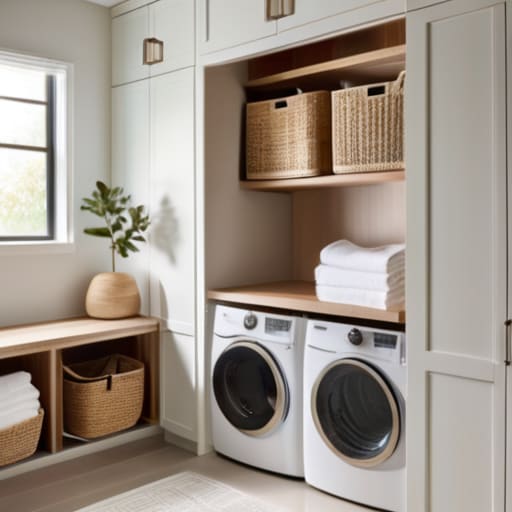
    When you’re staring at a cramped utility closet that barely fits a stackable unit, don’t panic. Most people see a dead end, but I see an opportunity for small laundry room layout optimization. The secret isn’t just about fitting the machines in; it’s about creating an efficient laundry room workflow that doesn’t feel like a chore. I always tell my clients to think vertically. If you have zero floor space, stop trying to use it. Instead, look up. Installing high-mounted shelving or custom cabinetry above the machines can reclaim a massive amount of usable territory without making the room feel claustrophobic.

    I’ve seen too many flips lose value because the laundry area was an afterthought. If you’re working with a tight footprint, prioritize laundry room storage solutions that double as workspace. A simple, butcher-block countertop installed over a front-loading washer and dryer provides a much-needed folding station while keeping the room looking intentional. It’s these small, strategic moves that turn a messy nook into a high-functioning zone that buyers will actually fight over.

    Modern Laundry Room Aesthetics That Command Premium Rents

    Modern laundry room aesthetics that command premium rents.

    When you’re pitching a rental or prepping a flip, you have to stop thinking of the laundry area as a hidden utility zone and start treating it like a design feature. Tenants today want spaces that feel intentional, not tucked away in a dark corner. To achieve modern laundry room aesthetics, I lean heavily into a minimalist industrial vibe—think matte black hardware against crisp, white cabinetry. It’s a high-contrast look that feels expensive but doesn’t actually break the bank if you source your fixtures strategically.

    The goal isn’t just to make it look pretty, though; it’s about perceived value. If a potential renter walks in and sees integrated laundry room storage solutions—like built-in shelving or a sleek countertop over a front-loading set—they immediately see a home that is well-maintained and thoughtfully planned. I always tell my clients: don’t just slap on some cheap laminate. Invest in a few high-quality, tactile elements. When a space looks organized and aesthetically cohesive, you aren’t just renting out a room; you’re selling a lifestyle that justifies that higher monthly premium.

    High-ROI Upgrades: Where to Put Your Money for Maximum Equity

    • Stop ignoring the lighting; swap out those dim, flickering overheads for bright, recessed LED lighting or even some sleek industrial pendants to make the space feel intentional rather than an afterthought.
    • Invest in durable, high-end surfaces like quartz or even a polished concrete if you’re going for that industrial chic look, because nothing kills a renovation’s value faster than cheap, peeling laminate.
    • Upgrade your hardware with heavy-duty, matte black or brushed brass pulls on your cabinetry; it’s a small, low-cost touch that makes the entire room feel custom and expensive to a potential buyer.
    • Don’t skimp on smart organization; installing built-in cabinetry or even simple floating shelves creates a sense of order that makes even the smallest utility room look like a high-end designer space.
    • Prioritize the plumbing and electrical layout—ensure your outlets are positioned perfectly for modern machines to avoid a mess of cords that makes a clean renovation look amateur.

    The Bottom Line: Maximizing Your ROI in the Utility Space

    Stop treating the laundry room as an afterthought; it’s a high-impact zone where smart, functional design directly translates into higher appraisal values.

    Focus on “sweat equity” upgrades—like custom shelving or updated hardware—that offer a massive visual punch without the massive contractor bill.

    Always prioritize durability and flow; a beautiful laundry room that’s a nightmare to actually use won’t help you flip the property or keep high-quality tenants.

    The Hidden Equity in the Utility Room

    “Stop treating the laundry room like an afterthought; when you stop viewing it as a cramped utility closet and start treating it as a functional design asset, you’re not just installing new cabinetry—you’re manufacturing equity.”

    Gareth Trelawny

    The Bottom Line on Laundry Room ROI

    The Bottom Line on Laundry Room ROI

    At the end of the day, a laundry room upgrade isn’t just about picking out a pretty backsplash or a trendy tile pattern. It’s about the strategic intersection of utility and aesthetics. We’ve talked about how optimizing your layout can reclaim wasted square footage and how a modern, cohesive design language can significantly increase your property’s marketability. Whether you are prepping a rental for a high-end tenant or getting a fixer-upper ready for a quick flip, remember that every square inch must serve a purpose. Don’t let a cluttered, poorly planned utility space become a detractor during a walkthrough; instead, make it a functional asset that proves you know how to manage a property with precision.

    I know that looking at a cramped, outdated laundry nook can feel overwhelming, especially when you’re staring down a renovation budget. But that’s exactly where the opportunity lies. While other investors are busy obsessing over kitchen islands, you can find your edge in these smaller, high-impact zones. It takes a bit of grit and a sharp eye to see the potential in a messy utility room, but that is how you build real, tangible equity. Stop viewing these rooms as mere afterthoughts and start seeing them as engines for profit. Grab your laser measurer, get to work, and let’s start turning those small spaces into big wins.

    Frequently Asked Questions

    How much should I actually budget for a laundry room refresh if I'm trying to keep my ROI as high as possible?

    Look, if you’re chasing ROI, don’t throw money at high-end appliances just because they look pretty in a showroom. I aim for the “sweet spot”: spend on what people touch and see—think new hardware, a fresh coat of durable paint, and maybe a decent quartz countertop if you’re adding a folding station. Budget around $500 to $1,500 for a cosmetic refresh. Keep it lean; every dollar spent must directly increase the perceived value.

    Is it worth it to upgrade to stacked units in a tiny space, or will that mess with my resale appeal?

    In a tiny footprint, stacked units are a total game-changer for your ROI. When you’re working with limited square footage, floor space is your most valuable commodity. Don’t fear the loss of side-by-side convenience; modern buyers—especially renters—prioritize efficient layouts over everything else. By going vertical, you free up room for built-in cabinetry or a folding station, turning a cramped closet into a high-functioning utility zone that actually adds to the property’s perceived value.

    When I'm gutting a laundry nook, how do I know if I'm looking at a simple cosmetic fix or a massive plumbing nightmare?

    Before you swing that sledgehammer, check the basics. If you see water stains on the drywall or a musty smell, you’re likely looking at a leak or slow drainage issues. Check the floor for unevenness or soft spots—that’s a red flag for subfloor rot. If the existing drains are far from your new layout, you’re staring down a major plumbing overhaul. Always assume the worst; it’s better to budget for a nightmare than to get blindsided mid-reno.

  • Creating a Functional Mudroom Area

    Creating a Functional Mudroom Area

    I was standing in the entryway of a fixer-upper last Tuesday, staring at a pile of damp boots and tangled leashes that had effectively claimed the hallway as their own territory. Most interior design magazines will try to sell you on a “luxury mudroom” that looks like a museum piece—all white lacquer and delicate velvet benches that would be ruined by a single muddy shovel. But let’s be real: if your mudroom design doesn’t prioritize durability and actual flow, it isn’t a functional space; it’s just an expensive way to hide your mess for ten minutes.

    I’m not here to give you a Pinterest board of pretty, impractical ideas that will fall apart the moment a real family moves in. Instead, I’m going to show you how to build a high-utility zone that survives the daily grind while actually increasing your property’s resale value. We’re going to talk about smart storage, rugged materials, and strategic layouts that turn a chaotic entryway into a seamless transition. I want you to stop treating your entryways like an afterthought and start viewing them as a strategic asset for your home.

    Table of Contents

    Custom Built in Cabinetry Investing in High Yield Organization

    Custom Built in Cabinetry Investing in High Yield Organization

    If you’re looking to maximize your ROI, stop thinking about standalone furniture and start thinking about architecture. When I’m evaluating a fixer-upper, I look for how much “dead space” is wasted in the entryway. Installing custom built-in cabinetry isn’t just a luxury; it’s a strategic move to reclaim square footage that would otherwise be lost to clutter. By integrating storage directly into the walls, you create a seamless look that appeals to high-end buyers who value efficiency over bulkiness.

    Don’t just build a row of cubbies and call it a day. To truly turn this area into a family command center, you need to design for the actual chaos of daily life. I always recommend incorporating dedicated zones for mail, charging stations, and even a small nook for school schedules. If you’re working with a tight footprint, a smart small mudroom layout that utilizes vertical height will do more for your property value than any expensive piece of freestanding furniture ever could. It’s about making the space work harder for the homeowner.

    Waterproof Entryway Materials to Protect Your Hard Earned Assets

    Waterproof Entryway Materials to Protect Your Hard Earned Assets

    If you’re serious about building equity, you have to stop thinking about aesthetics alone and start thinking about durability. A beautiful entryway means nothing if a single rainy afternoon turns your flooring into a warped, rotting mess. When I’m scouting a fixer-upper, I look straight at the transition zones. You need to prioritize waterproof entryway materials like luxury vinyl plank (LVP) or high-grade porcelain tile. These aren’t just about looks; they are about preventing moisture from seeping into the subfloor and devaluing the entire property.

    Don’t make the mistake of installing expensive hardwood in a high-traffic zone where wet boots and dog paws are a daily reality. I always tell my clients that a smart material choice is a defensive play for your investment. If you’re working with a cramped, small mudroom layout, stick to large-format tiles to minimize grout lines where dirt and water tend to settle. By choosing materials that can withstand heavy-duty use, you’re ensuring that your renovation efforts actually last long enough to see a return on your investment.

    Five Strategic Moves to Maximize Your Mudroom’s ROI

    • Stop overthinking the aesthetics and focus on the “drop zone.” You need a designated spot for keys, mail, and phones that doesn’t end up as a pile of junk on your kitchen island. If the flow is broken here, the whole house feels cluttered.
    • Don’t skimp on lighting. A dark, dingy entryway makes a house feel small and uninviting. Install bright, layered lighting—think recessed cans for utility and maybe a sleek industrial sconce—to make that first impression pop during showings.
    • Think about the “boots and mud” reality. If you’re installing bench seating, make sure there is actual clearance underneath for heavy-duty boot trays. A beautiful bench is useless if it’s just a place for wet shoes to rot your flooring.
    • Scale your storage to the actual occupants. I’ve seen too many flips with massive, adult-sized cubbies that look ridiculous in a family home. Design for versatility—adjustable shelving is your best friend when you’re trying to appeal to the widest range of buyers.
    • Invest in high-traffic hardware. This is a high-use zone; cheap handles and flimsy hooks will strip or loosen within six months. Buy heavy-duty, tactile hardware that feels substantial—it’s a small detail that signals quality to a potential buyer.

    The Bottom Line: Making Every Square Inch Count

    Stop viewing the mudroom as an afterthought; treat it as a strategic zone that protects your flooring and boosts your resale value.

    Prioritize durability over cheap aesthetics by selecting materials that can actually handle heavy foot traffic and moisture without looking trashed in six months.

    Focus your budget on high-impact, functional built-ins that solve real storage problems rather than wasting money on purely decorative, non-functional trim.

    ## The ROI of a Functional Entryway

    “Stop looking at a mudroom as just a place to drop your boots; look at it as the first line of defense for your flooring and the highest-leverage way to prove to a buyer that this house is actually managed with intention.”

    Gareth Trelawny

    Turning Entryways into Equity

    Turning Entryways into Equity with mudrooms.

    At the end of the day, a mudroom shouldn’t just be a place to dump your boots; it needs to be a strategic component of your property’s overall value. We’ve talked about why custom built-ins are worth the upfront investment and why choosing the right waterproof materials is non-negotiable if you want to avoid a maintenance nightmare down the road. When you stop viewing the entryway as an afterthought and start treating it as a functional asset, you’re no longer just decorating—you’re protecting your margins and ensuring the home stands up to the daily grind of real life.

    Don’t let the mess of a renovation or the complexity of a floor plan intimidate you. Every high-performing property I’ve flipped started with a series of small, smart decisions like these. It’s about seeing the potential in a cluttered corner and having the discipline to execute a design that works as hard as you do. Remember, building wealth isn’t always about the flashy kitchen remodel; sometimes, it’s about mastering the details that turn a standard house into a high-value home. Now, grab your laser measurer and get to work.

    Frequently Asked Questions

    How much should I actually budget for custom built-ins versus just buying some heavy-duty shelving from a big-box store?

    Look, if you’re just trying to survive a weekend, go to the big-box store. You’ll spend a few hundred on heavy-duty shelving, but it looks cheap and won’t survive a real renovation. For custom built-ins, expect to shell out anywhere from $2,000 to $5,000+ depending on the finish. It’s a bigger upfront hit, but that’s where the equity lives. Custom work signals quality to buyers; plastic bins and metal racks just signal “temporary.”

    If I'm flipping this house, is a high-end mudroom renovation actually going to see a return on investment, or is it just a vanity project?

    Look, if you’re just picking out expensive marble tiles to satisfy your own aesthetic, it’s a vanity project. Period. But if you’re designing a functional, durable mudroom that solves a buyer’s daily chaos, it’s an investment. In a flip, you aren’t selling a dream; you’re selling a solution. A smart, organized entryway signals to a buyer that the rest of the house is just as well-maintained. That’s how you build equity, not just decor.

    What are the best flooring options that look high-end but won't be ruined by wet boots and salt during the winter months?

    If you’re looking for that high-end aesthetic without the anxiety of salt damage, skip the natural hardwood. It’s a beautiful trap in a high-traffic entryway. Instead, go with luxury vinyl plank (LVP) or high-quality porcelain tile. A large-format porcelain tile can mimic stone perfectly and is virtually indestructible against slush and grit. If you want the warmth of wood, a high-grade LVP gives you that designer look while standing up to the winter chaos.