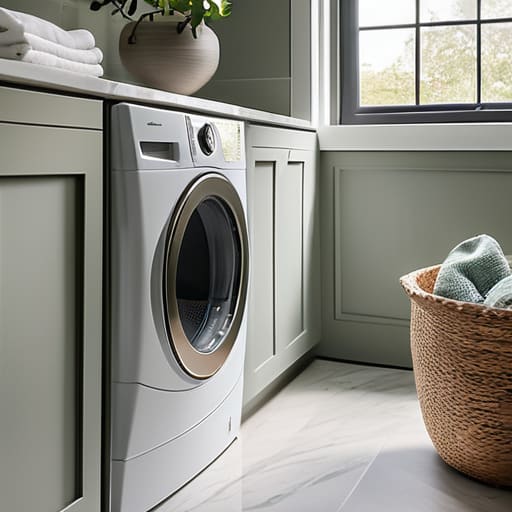
I was standing in a cramped, windowless utility closet of a fixer-upper last Tuesday, the smell of damp drywall and old detergent hanging heavy in the air, when I realized something: most people treat the laundry area like an afterthought. They think you need a $20,000 custom cabinetry overhaul to make a difference, but that’s just expensive fluff designed to drain your renovation budget. I’ve seen too many investors blow their margins on high-end marble backsplashes in a room that barely has enough space to turn around, completely ignoring the high-impact laundry room upgrades that actually move the needle for a buyer.
I’m not here to sell you on a Pinterest-perfect fantasy that won’t survive a single heavy load of towels. Instead, I’m going to show you how to use strategic, low-cost interventions to transform a cluttered mess into a functional, high-value asset. We’re talking about smart sweat equity—the kind of tactical design choices that maximize your ROI without requiring a second mortgage. Let’s get to work on turning that neglected corner into a serious equity builder.
Table of Contents
- Small Laundry Room Layout Optimization for Maximum Value
- Modern Laundry Room Aesthetics That Command Premium Rents
- High-ROI Upgrades: Where to Put Your Money for Maximum Equity
- The Bottom Line: Maximizing Your ROI in the Utility Space
- The Hidden Equity in the Utility Room
- The Bottom Line on Laundry Room ROI
- Frequently Asked Questions
Small Laundry Room Layout Optimization for Maximum Value
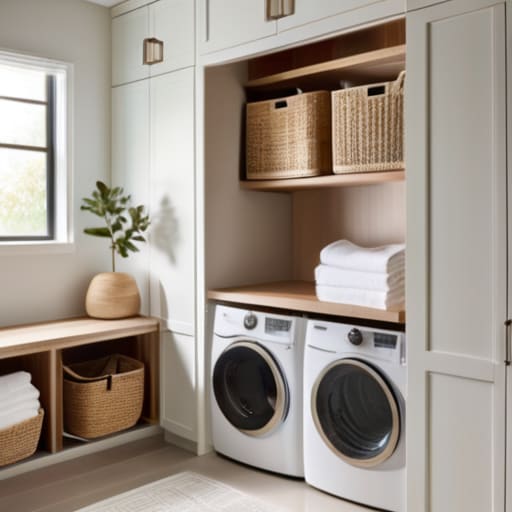
When you’re staring at a cramped utility closet that barely fits a stackable unit, don’t panic. Most people see a dead end, but I see an opportunity for small laundry room layout optimization. The secret isn’t just about fitting the machines in; it’s about creating an efficient laundry room workflow that doesn’t feel like a chore. I always tell my clients to think vertically. If you have zero floor space, stop trying to use it. Instead, look up. Installing high-mounted shelving or custom cabinetry above the machines can reclaim a massive amount of usable territory without making the room feel claustrophobic.
I’ve seen too many flips lose value because the laundry area was an afterthought. If you’re working with a tight footprint, prioritize laundry room storage solutions that double as workspace. A simple, butcher-block countertop installed over a front-loading washer and dryer provides a much-needed folding station while keeping the room looking intentional. It’s these small, strategic moves that turn a messy nook into a high-functioning zone that buyers will actually fight over.
Modern Laundry Room Aesthetics That Command Premium Rents
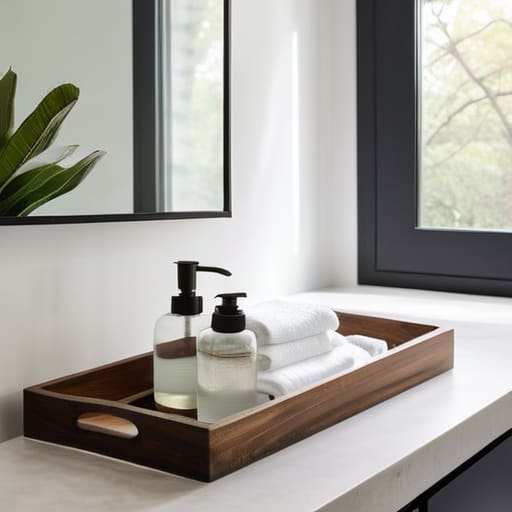
When you’re pitching a rental or prepping a flip, you have to stop thinking of the laundry area as a hidden utility zone and start treating it like a design feature. Tenants today want spaces that feel intentional, not tucked away in a dark corner. To achieve modern laundry room aesthetics, I lean heavily into a minimalist industrial vibe—think matte black hardware against crisp, white cabinetry. It’s a high-contrast look that feels expensive but doesn’t actually break the bank if you source your fixtures strategically.
The goal isn’t just to make it look pretty, though; it’s about perceived value. If a potential renter walks in and sees integrated laundry room storage solutions—like built-in shelving or a sleek countertop over a front-loading set—they immediately see a home that is well-maintained and thoughtfully planned. I always tell my clients: don’t just slap on some cheap laminate. Invest in a few high-quality, tactile elements. When a space looks organized and aesthetically cohesive, you aren’t just renting out a room; you’re selling a lifestyle that justifies that higher monthly premium.
High-ROI Upgrades: Where to Put Your Money for Maximum Equity
- Stop ignoring the lighting; swap out those dim, flickering overheads for bright, recessed LED lighting or even some sleek industrial pendants to make the space feel intentional rather than an afterthought.
- Invest in durable, high-end surfaces like quartz or even a polished concrete if you’re going for that industrial chic look, because nothing kills a renovation’s value faster than cheap, peeling laminate.
- Upgrade your hardware with heavy-duty, matte black or brushed brass pulls on your cabinetry; it’s a small, low-cost touch that makes the entire room feel custom and expensive to a potential buyer.
- Don’t skimp on smart organization; installing built-in cabinetry or even simple floating shelves creates a sense of order that makes even the smallest utility room look like a high-end designer space.
- Prioritize the plumbing and electrical layout—ensure your outlets are positioned perfectly for modern machines to avoid a mess of cords that makes a clean renovation look amateur.
The Bottom Line: Maximizing Your ROI in the Utility Space
Stop treating the laundry room as an afterthought; it’s a high-impact zone where smart, functional design directly translates into higher appraisal values.
Focus on “sweat equity” upgrades—like custom shelving or updated hardware—that offer a massive visual punch without the massive contractor bill.
Always prioritize durability and flow; a beautiful laundry room that’s a nightmare to actually use won’t help you flip the property or keep high-quality tenants.
The Hidden Equity in the Utility Room
“Stop treating the laundry room like an afterthought; when you stop viewing it as a cramped utility closet and start treating it as a functional design asset, you’re not just installing new cabinetry—you’re manufacturing equity.”
Gareth Trelawny
The Bottom Line on Laundry Room ROI
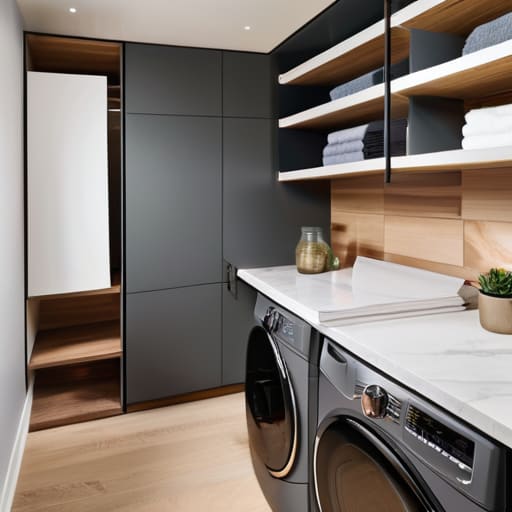
At the end of the day, a laundry room upgrade isn’t just about picking out a pretty backsplash or a trendy tile pattern. It’s about the strategic intersection of utility and aesthetics. We’ve talked about how optimizing your layout can reclaim wasted square footage and how a modern, cohesive design language can significantly increase your property’s marketability. Whether you are prepping a rental for a high-end tenant or getting a fixer-upper ready for a quick flip, remember that every square inch must serve a purpose. Don’t let a cluttered, poorly planned utility space become a detractor during a walkthrough; instead, make it a functional asset that proves you know how to manage a property with precision.
I know that looking at a cramped, outdated laundry nook can feel overwhelming, especially when you’re staring down a renovation budget. But that’s exactly where the opportunity lies. While other investors are busy obsessing over kitchen islands, you can find your edge in these smaller, high-impact zones. It takes a bit of grit and a sharp eye to see the potential in a messy utility room, but that is how you build real, tangible equity. Stop viewing these rooms as mere afterthoughts and start seeing them as engines for profit. Grab your laser measurer, get to work, and let’s start turning those small spaces into big wins.
Frequently Asked Questions
How much should I actually budget for a laundry room refresh if I'm trying to keep my ROI as high as possible?
Look, if you’re chasing ROI, don’t throw money at high-end appliances just because they look pretty in a showroom. I aim for the “sweet spot”: spend on what people touch and see—think new hardware, a fresh coat of durable paint, and maybe a decent quartz countertop if you’re adding a folding station. Budget around $500 to $1,500 for a cosmetic refresh. Keep it lean; every dollar spent must directly increase the perceived value.
Is it worth it to upgrade to stacked units in a tiny space, or will that mess with my resale appeal?
In a tiny footprint, stacked units are a total game-changer for your ROI. When you’re working with limited square footage, floor space is your most valuable commodity. Don’t fear the loss of side-by-side convenience; modern buyers—especially renters—prioritize efficient layouts over everything else. By going vertical, you free up room for built-in cabinetry or a folding station, turning a cramped closet into a high-functioning utility zone that actually adds to the property’s perceived value.
When I'm gutting a laundry nook, how do I know if I'm looking at a simple cosmetic fix or a massive plumbing nightmare?
Before you swing that sledgehammer, check the basics. If you see water stains on the drywall or a musty smell, you’re likely looking at a leak or slow drainage issues. Check the floor for unevenness or soft spots—that’s a red flag for subfloor rot. If the existing drains are far from your new layout, you’re staring down a major plumbing overhaul. Always assume the worst; it’s better to budget for a nightmare than to get blindsided mid-reno.
