Author: Gareth Trelawny

  • Ways to Optimize Rental Income

    Ways to Optimize Rental Income

    I was standing in a kitchen last Tuesday, staring at a water-stained ceiling in a property I’d just picked up, when I realized how much the industry lies to you. Most “experts” will try to sell you on expensive software suites or complex algorithmic models to handle your rental income optimization, acting like you need a PhD in data science just to collect a check. It’s absolute nonsense. They want you to believe that maximizing your margins requires a massive overhead, but they’re ignoring the real work: the sweat equity, the smart design choices, and the ability to spot a diamond in the rough before the tech bros even see the listing.

    I’m not here to give you a lecture on theoretical spreadsheets or high-priced consulting fluff. My goal is to show you how to use strategic, hands-on renovations to drive your numbers up without draining your bank account. I’m going to walk you through the exact methods I use to squeeze every bit of value out of a property, from tactical upgrades to smarter tenant retention. We aren’t just chasing numbers; we are building real equity through grit and common sense.

    Table of Contents

    Maximizing Rental Yield Strategies Through Smart Renovation
    Maximizing Rental Yield Strategies Through Smart Renovation

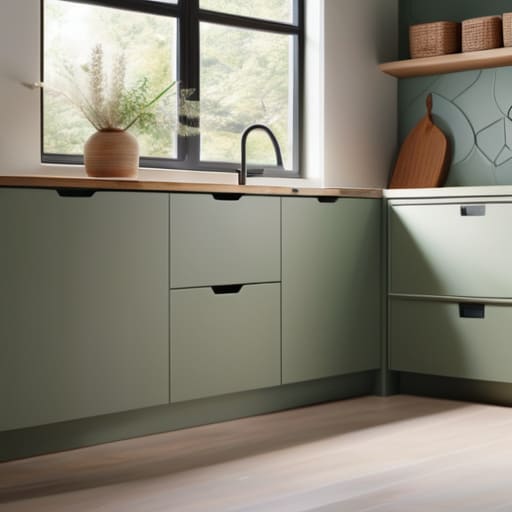
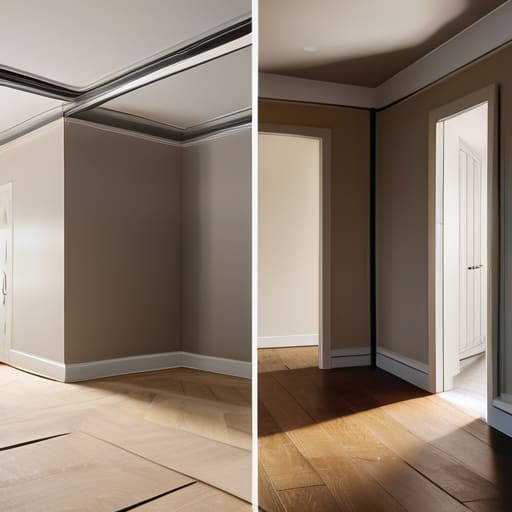
    When I walk into a property that’s been neglected for a decade, I don’t just see peeling wallpaper and dated linoleum; I see a roadmap for maximizing rental yield strategies. The secret isn’t in the expensive, high-end finishes that’ll just get trashed in six months. It’s about targeting the high-impact, functional upgrades that actually move the needle. I’m talking about updated lighting, fresh neutral paint, and modernizing those tired kitchens. These aren’t just cosmetic fixes; they are calculated moves designed for property value appreciation and attracting tenants who actually respect the space.

    You also have to think about the long game—specifically, how your renovation choices affect your bottom line after the lease is signed. If I’m installing new flooring, I’m choosing luxury vinyl plank every single time because it’s nearly indestructible. Investing in quality materials upfront is the most effective way to handle maintenance cost reduction down the road. If you spend your entire budget on “pretty” things that break easily, you’re just trading one headache for another. Focus on durability and utility; that’s how you turn a renovation into a true profit engine.

    Using Market Rent Analysis to Find Hidden Gold

    Using Market Rent Analysis to Find Hidden Gold

    You can’t just pull a number out of thin air and hope for the best; that’s a fast track to a vacant unit and a bruised ego. Before I even pick up a sledgehammer, I’m deep in the data. I perform a thorough market rent analysis to see exactly what tenants in a specific zip code are willing to pay for certain amenities. It’s not just about the bedroom count; it’s about whether the local market is craving a sleek, industrial kitchen or a dedicated home office space. If you miss this step, you might spend thousands on a high-end renovation only to realize you’ve overshot the ceiling of what the neighborhood can actually support.

    The real magic happens when you find that sweet spot where your upgrades meet actual demand. I look for those “hidden gold” opportunities where a modest investment—like updating old fixtures or improving curb appeal—can bridge the gap between a low-tier rental and a premium one. This isn’t just about chasing higher monthly checks; it’s a core part of maximizing rental yield strategies by ensuring every dollar I sink into the property is actually working to drive property value appreciation in the long run.

    Stop Guessing and Start Scaling: 5 Ways to Boost Your Monthly Take

    • Stop obsessing over tiny cosmetic fixes and focus on the high-ROI upgrades—like modernizing kitchens or upgrading flooring—that actually justify a higher rent bracket.
    • Don’t let your units sit empty while you hunt for the “perfect” tenant; implement a streamlined, digital application process to cut down vacancy time and keep that cash flowing.
    • Look at your utility costs; switching to smart thermostats or LED lighting isn’t just eco-friendly, it makes the property more attractive to tenants looking to keep their own monthly overhead low.
    • Stop leaving money on the table by offering “add-on” services like reserved parking spots or storage unit rentals that cost you nothing but add real value to the tenant’s lifestyle.
    • Treat your property like a business, not a hobby; review your rent rolls every single quarter to ensure you aren’t lagging behind the current market rates in your neighborhood.

    The Bottom Line: Turning Dust into Dollars

    Stop guessing what tenants will pay; use hard market data to ensure your renovation budget is actually driving a rent increase that outpaces your costs.

    Focus your capital on high-impact, “visible” upgrades like kitchen and bath refreshes that justify premium rents rather than wasting money on invisible structural fixes that don’t move the needle.

    View every renovation not as a design project, but as a strategic equity play—if the work doesn’t directly increase your monthly cash flow or long-term asset value, don’t do it.

    ## Stop Chasing Percentage and Start Building Equity

    “Rental income optimization isn’t about squeezing an extra fifty bucks out of a tenant every month; it’s about identifying the structural and aesthetic gaps in a property that are preventing you from commanding the true market rate.”

    Gareth Trelawny

    The Bottom Line on Boosting Your Yield

    The Bottom Line on Boosting Your Yield

    Look, optimizing your rental income isn’t about some magic trick or waiting for the market to do the heavy lifting for you. It comes down to the fundamentals we’ve covered: knowing exactly what the competition is charging through rigorous market analysis and being brave enough to pull the trigger on strategic renovations that actually move the needle. You can’t just slap a coat of paint on a unit and expect a premium; you have to identify the specific upgrades—whether it’s a kitchen refresh or a smarter floor plan—that justify a higher rent bracket. Stop guessing and start investing with intention so every dollar you spend on a rehab translates directly into a higher monthly check.

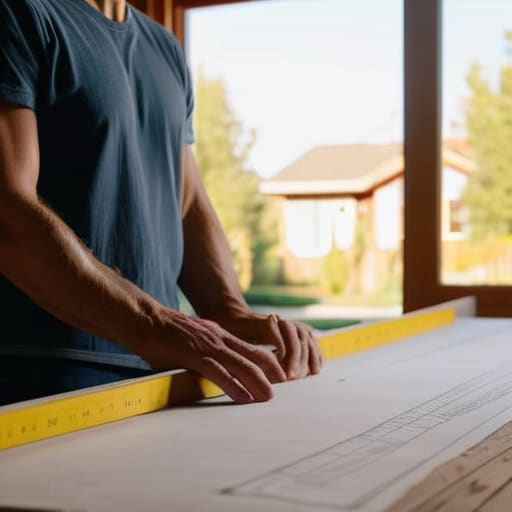
    At the end of the day, real estate is a game of patience and grit. There will be days when a renovation goes sideways or a tenant dispute eats into your margins, but don’t let the mess distract you from the bigger picture. You aren’t just fixing houses; you are engineering your own freedom and building a foundation that lasts. Every crumbling wall you fix and every undervalued property you turn around is a brick in the wall of your long-term wealth. Keep your eyes on the data, keep your laser measurer handy, and never settle for mediocre returns when there is equity waiting to be unlocked.

    Frequently Asked Questions

    How do I decide if a renovation is actually going to pay for itself in higher rent, or if I'm just throwing good money after bad?

    You have to run the math before you pick up a sledgehammer. I always look at the “rent delta”—the difference between current rent and the projected rent after the upgrades. If a $10,000 kitchen refresh only bumps your monthly rent by $50, you’re just burning cash. You want a high ROI on every dollar spent. If the math doesn’t show a clear path to recouping that capital through increased cash flow, walk away.

    At what point does the cost of constant repairs start eating too much into my monthly cash flow?

    You’ve hit the red line when your “maintenance” budget stops being a line item and starts becoming a lifestyle. If you’re spending more on emergency plumber calls and patchwork repairs than you are on actual capital improvements, you aren’t investing—you’re just subsidizing a decaying building. Once your repair costs consistently eat more than 15-20% of your gross rent, it’s time to stop patching the leaks and start planning a full-scale rehab.

    How can I find the sweet spot between high-end upgrades and keeping my budget tight enough to maintain a solid ROI?

    You have to stop thinking like a homeowner and start thinking like an investor. I call this the “Value-Add Filter.” Before you buy that expensive quartz countertop, ask yourself: will this specific upgrade actually bump the rent, or am I just satisfying my own aesthetic? Stick to high-impact, durable basics—think neutral palettes and solid hardware. Focus your budget on the “money rooms”—kitchens and baths—and skip the boutique finishes that don’t move the needle on ROI.


  • How to Conduct Real Estate Market Research

    How to Conduct Real Estate Market Research

    I still remember standing in the middle of a damp, gutted kitchen in a mid-century ranch last October, my laser measurer in hand and my boots caked in dried drywall mud. I had spent three weeks obsessing over spreadsheets, convinced I had mastered the art of real estate market research, only to realize I’d completely overlooked a massive shift in local school zoning that would tank my projected resale value. It was a gut punch, a $15,000 mistake that taught me more than any expensive seminar ever could: data on a screen is nothing compared to the reality on the ground.

    I’m not here to sell you on some magic algorithm or a bloated subscription to a proprietary data tool that promises the world. Instead, I’m going to show you how to do the actual legwork required to find the gems hidden beneath the surface. We’re going to strip away the fluff and focus on the gritty, practical ways to conduct real estate market research that actually protects your capital. I promise to give you the no-nonsense truth about what to look for so you can stop guessing and start building actual equity.

    Table of Contents

    Spotting Neighborhood Growth Trends Before the Paint Peels

    You can’t just look at a house in a vacuum; you have to look at the block, the street, and the zip code. I always tell my clients that the real money isn’t made in the kitchen remodel, it’s made in the location scouting. To get ahead, you need to track neighborhood growth trends like a hawk. I’m talking about watching where the new coffee shops are popping up, noticing when a boutique grocery store moves in, or seeing a sudden influx of renovated bungalows in a previously neglected area. These are the breadcrumbs that signal a neighborhood is on the verge of a breakout.

    Don’t get distracted by the shiny new builds on the edge of town, either. I prefer looking at the market absorption rate in established pockets that are just starting to see some love. If houses are selling faster than new ones are hitting the market, you’ve found your sweet spot. It’s about identifying that specific moment when the area is still “rough around the edges” but the momentum is undeniable. That is how you secure high-equity potential before the rest of the market catches on and prices skyrocket.

    Decoding Housing Inventory Levels to Find Hidden Gems

    Decoding Housing Inventory Levels to Find Hidden Gems

    Most people look at a “For Sale” sign and see a house; I see a math problem. To find the real money, you have to look past the curb appeal and dive into the housing inventory levels of a specific zip code. When inventory is tight, you’re fighting for scraps in a bidding war, which eats your margins alive. But when you find a pocket where supply is slightly bloated or stagnant, that’s your opening. That’s where you find the motivated sellers—the ones who are tired of holding onto a property that isn’t performing—and where you can actually negotiate some breathing room.

    Don’t just count the number of houses on the market, though. You need to pay attention to the market absorption rate to see how fast those homes are actually moving. If houses are sitting for sixty days instead of thirty, the leverage shifts from the seller to you. This is a crucial part of my real estate investment analysis because it tells me exactly how much room I have to play with during the offer stage. Understanding this balance is the difference between a profitable flip and a money pit that drains your cash reserves.

    My Dirty Work Checklist: 5 Ways to Vet a Deal Before You Swing the Sledgehammer

    • Stop looking at the house and start looking at the permit history; if a neighborhood is suddenly flooded with plumbing and electrical permits, you’ve found a pocket of serious reinvestment.
    • Don’t just trust the “vibes” of a zip code—run the numbers on school district ratings and local infrastructure projects, because a new transit line or a renovated park is a massive equity driver.
    • Get on the ground and talk to the people who actually live there, because the local coffee shop owner will tell you more about the neighborhood’s trajectory than any glossy real estate brochure ever could.
    • Track the “days on market” for renovated versus unrenovated homes in your target area to ensure there’s actually an appetite for the specific style of flip you’re planning.
    • Watch the absorption rate like a hawk; you want to find areas where homes are moving fast enough to ensure your exit strategy doesn’t turn into a long-term liability.

    The Bottom Line: Don't Buy the Hype, Buy the Data

    Stop chasing the “hot” neighborhoods everyone is already posting about on Instagram; by the time the coffee shops and boutiques move in, the equity gains have already been swallowed by the price tag.

    Treat inventory levels like a weather report—low supply isn’t just a statistic, it’s your leverage to negotiate harder on those properties that need a little TLC.

    Real research means looking past the curb appeal to see if the local infrastructure and school zones can actually support long-term value once your renovation is complete.

    The Cost of Guesswork

    If you’re buying a property based on a gut feeling rather than hard data, you aren’t investing—you’re gambling. Real wealth isn’t built on luck; it’s built on the grit to dig through the numbers until you find the one house that’s actually worth the sweat.

    Gareth Trelawny

    Turning Data into Dollars

    Turning Data into Dollars through market research.

    At the end of the day, market research isn’t about memorizing spreadsheets or staring at endless colorful graphs until your eyes bleed. It’s about connecting the dots between neighborhood momentum and the actual, physical inventory sitting on the market. We’ve looked at how to track growth trends before they become mainstream and how to read inventory levels to find those undervalued gems that everyone else is overlooking. If you can master the ability to see the potential beneath the surface of a stagnant market, you’ve already done the heavy lifting. Remember, the goal isn’t just to buy property; it’s to buy equity that is waiting to be unlocked through smart, strategic movement.

    I know it feels overwhelming when you’re staring at a mountain of data and a pile of potential renovation headaches, but don’t let the complexity paralyze you. Real estate isn’t a game of luck; it’s a game of preparation. Every hour you spend digging into the numbers now is an hour you won’t spend regretting a bad investment later. Stop waiting for the “perfect” market to fall into your lap and start building your own. Get out there, do the work, and start turning those crumbling walls into the foundation of your future. The equity is out there—you just have to go find it.

    Frequently Asked Questions

    How do I tell the difference between a neighborhood that's actually growing and one that's just seeing a temporary spike in prices?

    Look for the “anchor” investments. A temporary spike is just hype—flashing lights and overpriced coffee shops that disappear in two years. Real growth is structural. I look for major infrastructure projects, new school zoning, or big-box employers moving in. If you see long-term capital pouring into the bones of the neighborhood—think utility upgrades or permanent transit links—you’re looking at real equity, not just a passing trend. Don’t chase the hype; chase the foundation.

    What specific data points should I be looking at if I'm working with a tight budget and can't afford to make a mistake on a fixer-upper?

    When your budget is tight, you can’t afford a single “surprise” structural issue. Stop looking at the pretty staging and start hunting for the hard numbers. Check the age of the big-ticket items: the roof, the HVAC, and the electrical panel. I also dive into the local permit history; if a house has a trail of unpermitted work, run. You need to know exactly how much equity is buried under those crumbling walls before you sign.

    Is it better to focus my research on macro trends like city-wide development, or should I be getting hyper-local with specific street-by-street analysis?

    Look, if you only focus on the macro, you’re playing a guessing game with city-wide statistics that don’t tell the whole story. But if you go purely hyper-local without knowing the city’s trajectory, you might end up stuck in a dead zone. You need both. Use the macro trends to find the right zip code, but then get on the ground. I won’t touch a property until I’ve walked the specific block to see the actual potential.

  • The Importance of a Professional Home Inspection

    The Importance of a Professional Home Inspection

    I still remember the smell of damp drywall and old rot from that first fixer-upper I picked up in my early twenties. I thought I was being clever, spotting a “diamond in the rough” with gorgeous bones and a killer mid-century layout, but I’d completely ignored the warning signs in the crawlspace. I skipped a thorough home inspection because I was so blinded by the potential profit margins that I convinced myself the foundation issues were “just character.” That mistake cost me three months of renovation time and a chunk of my initial investment that I’ll never get back.

    I’m not here to give you a textbook lecture on why checklists matter; I’m here to teach you how to read between the lines of a report. I want to show you how to distinguish between a cosmetic headache and a structural nightmare that will drain your bank account before you even pick up a sledgehammer. My goal is to give you the straight talk you need to spot the real red flags, ensuring that every dollar you pour into a property is building actual equity rather than just burying you in unexpected repairs.

    Table of Contents

    Mastering Your Pre Purchase Inspection Checklist

    Mastering Your Pre Purchase Inspection Checklist.

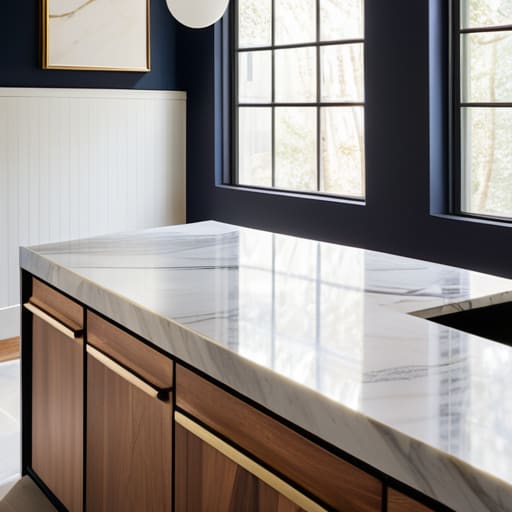
    When you’re standing in a gutted living room, it’s easy to get swept up in the vision of where the marble island will go. But before you start picking out backsplash tiles, you need a solid pre-purchase inspection checklist that goes deeper than aesthetics. I don’t just look for cosmetic flaws; I’m hunting for the stuff that actually moves the needle on my ROI. You need to be looking at the electrical panel, the age of the HVAC, and most importantly, any signs of moisture in the basement that suggest a foundation nightmare is brewing.

    Don’t just take the seller’s word for it—get a pro in there to perform a thorough structural integrity assessment. I’ve seen too many rookies walk into a “deal of a lifetime” only to realize the house is slowly sinking into the earth. Using professional inspector services isn’t an extra expense; it’s your primary defense against a money pit. You aren’t just buying a house; you’re acquiring a liability that needs to be vetted. If the bones aren’t right, no amount of mid-century modern charm will save your margins.

    Seeking Professional Inspector Services for Real Value

    Seeking Professional Inspector Services for Real Value

    Look, I’ve seen too many rookies try to save a few hundred bucks by DIY-ing their way through a walkthrough, only to realize they’ve just bought a very expensive pile of rubble. You aren’t just paying for a person to walk around with a flashlight; you are paying for a structural integrity assessment that tells you if the bones of the house can actually support your vision. If you’re planning a high-end kitchen remodel or adding a second story, you need to know if that foundation is solid before you start swinging a sledgehammer.

    Don’t settle for a generalist if you’re eyeing an older fixer-upper. I always recommend hiring specialized professional inspector services that dive deep into the guts of the property—think electrical, plumbing, and HVAC. You want someone who isn’t afraid to crawl into a damp crawlspace to find those hidden home defects that could turn your dream flip into a financial nightmare. In this game, the goal isn’t just to find problems; it’s to quantify the risk so you can negotiate a price that protects your future equity.

    5 Red Flags That Should Make You Walk Away (Or Negotiate Hard)

    • Look past the staging and check the foundation. If you see stair-step cracks in the brickwork or doors that won’t quite latch, you aren’t looking at a “charming quirk”—you’re looking at a structural nightmare that will drain your renovation budget before you even pick out tile.
    • Don’t ignore the smell of dampness. If a basement or crawlspace has that heavy, musty odor, there’s a high chance you’re fighting moisture or mold issues. I’ve seen too many investors get blinded by a fresh coat of paint only to realize they’re inheriting a massive remediation bill.
    • Test the electrical panel like your equity depends on it. If you see outdated knob-and-tube wiring or a panel that looks like it hasn’t been touched since the Nixon administration, factor in a full rewire. It’s a non-negotiable expense if you want to flip a property safely and legally.
    • Check the age and condition of the big-ticket items—the HVAC, the water heater, and the roof. I don’t care how beautiful the mid-century modern built-ins are if the furnace is on its last legs. You need to know exactly how much capital you’ll need to inject just to make the house functional.
    • Inspect the plumbing for signs of slow leaks or corrosion. Look under every sink and check the water pressure. A small leak today is a massive mold problem tomorrow, and in this business, we hunt for profit, not expensive plumbing disasters.

    The Bottom Line: Protecting Your Investment

    Never fall in love with a house before you’ve seen the bones; an inspection isn’t a hurdle, it’s your best tool for separating a diamond in the rough from a total money pit.

    Use the inspection report as a negotiation weapon to drive down the purchase price or demand repairs that keep your renovation budget from spiraling out of control.

    Focus your energy on the structural and mechanical “big ticket” items—if the foundation is shot or the electrical is a nightmare, no amount of mid-century modern charm will save your ROI.

    The Inspection is Your Real Due Diligence

    Look, I don’t care how much I love the mid-century layout or the natural light; if the inspection report shows a foundation issue or outdated wiring, I’m walking. You aren’t buying a home; you’re buying a set of future problems, and the inspection is the only tool you have to decide if those problems are manageable renovations or total equity killers.

    Gareth Trelawny

    The Bottom Line: Knowledge is Your Best Asset

    The Bottom Line: Knowledge is Your Best Asset.

    At the end of the day, a home inspection isn’t just a box you check to close a deal; it is your most powerful tool for protecting your capital. We’ve covered how to build a killer checklist and why hiring a seasoned pro is non-negotiable if you want to avoid a total nightmare. Remember, you aren’t looking for a flawless house—I certainly never do—you are looking for transparency. You need to know exactly what kind of structural or mechanical battles you’re signing up for so you can price your renovation budget with precision rather than guesswork.

    Building wealth through real estate is a marathon, not a sprint, and it requires a level of grit that most people simply don’t possess. There will be moments when you’re staring at a foundation crack or a dated electrical panel and feeling like you’ve made a massive mistake. But if you do the work upfront and vet your assets thoroughly, those challenges become nothing more than line items in a successful rehab plan. Stop looking for perfection and start looking for opportunity hidden beneath the surface. Go get that equity.

    Frequently Asked Questions

    How do I tell the difference between a "character flaw" in an old house and a structural issue that's actually going to tank my ROI?

    Here’s the rule of thumb: character is about what you can fix with a sledgehammer or a sander; structural issues are about what requires a structural engineer and a second mortgage. If it’s a crooked floorboard or an uneven door frame, that’s just old-house charm you can level out. But if you see stair-step cracks in the foundation or sagging rooflines, run. Those aren’t “quirks”—they’re equity killers that’ll bleed your budget dry.

    If the inspector finds a massive problem, should I walk away immediately or try to negotiate the repair costs into the deal?

    Look, there’s no one-size-fits-all answer, but here’s my rule of thumb: it depends on the math. If the inspector finds a cracked foundation or ancient knob-and-tube wiring, don’t panic—just run the numbers. If the repair costs eat your entire projected profit margin, walk away. But if it’s a fixable headache that you can leverage to knock $15k off the asking price, stay in the game. Negotiate hard or move on.

    Are there specific red flags I should be looking for during my own walkthrough before I even bother paying for a professional inspection?

    Look, I’m not saying skip the pro, but don’t waste your time on a money pit. During your walkthrough, keep your eyes peeled for water stains on ceilings or that funky, musty smell in the basement—that’s a massive red flag for mold or foundation issues. Check the electrical panel for messy, DIY-looking wiring and look for cracks in the exterior masonry. If you see these, walk away or prepare to negotiate hard.

  • Advantages of Built in Furniture

    Advantages of Built in Furniture

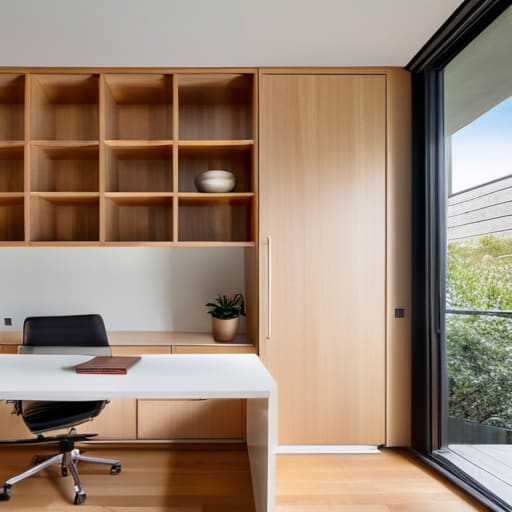
    I was standing in the middle of a dusty, gutted living room in a drafty Victorian last Tuesday, staring at a massive, awkward alcove that was doing absolutely nothing for the floor plan. Most “design gurus” would tell you that you need a massive budget and a custom carpenter to fix a space like that, but honestly? That’s a load of crap. You don’t need to drop ten grand on bespoke pieces to make a room feel intentional. In my experience, the right built in furniture isn’t about luxury; it’s about strategic spatial management that makes a house feel like a high-end home rather than a collection of mismatched, heavy boxes.

    I’m not here to sell you on some Pinterest-perfect fantasy that’s impossible to execute on a real-world budget. I’m going to show you how to use built-ins to reclaim wasted square footage and, more importantly, how to do it in a way that actually adds value to your property. We’re going to talk about the practical, gritty side of construction—from selecting materials that won’t rot to the DIY hacks that look like a professional job. Let’s get to work on turning that dead space into solid equity.

    Table of Contents

    Custom Millwork Design Crafting Value From Empty Walls

    Custom Millwork Design Crafting Value From Empty Walls

    When I’m walking through a property that feels “small” or awkward, I don’t see a lack of square footage; I see a lack of intention. This is where custom millwork design becomes my secret weapon. Instead of letting a client clutter a room with mismatched, bulky cabinets that eat up floor space, I look for those dead zones—the alcoves under stairs or the awkward gaps between windows. By installing seamless, floor-to-ceiling woodwork, you aren’t just adding storage; you are fundamentally changing the architecture of the room. It makes the entire space feel intentional and high-end, which is exactly what buyers look for when they’re deciding if a house is worth the premium.

    I always tell my renovation clients that bespoke home organization is a massive equity driver. A well-executed built-in bookshelf or a sleek, integrated media unit can turn a cramped living area into a sophisticated lounge. It’s about creating integrated living room storage that disappears into the walls, rather than standing in the way of the flow. When you stop fighting the room and start working with its bones, you stop selling a house and start selling a lifestyle.

    Maximizing Small Room Space for Maximum Returns

    Maximizing small room space for maximum returns.

    When I’m walking through a cramped studio or a tiny guest room during a walkthrough, I’m not looking at the lack of square footage; I’m looking for wasted verticality. In these tight quarters, standard bulky furniture is the enemy of a good ROI. Instead, I lean heavily into bespoke home organization to reclaim that lost territory. By installing floor-to-ceiling units, you draw the eye upward, making a claustrophobic room feel much more intentional and airy.

    If you’re flipping a property with a layout that feels “off,” don’t just suggest more storage—suggest smarter storage. I love using integrated living room storage to eliminate the need for cluttered coffee tables or sideboards that eat up floor space. When you can hide the tech, the books, and the clutter behind seamless cabinetry, the entire room feels larger and more high-end. It’s a strategic move that transforms a “small, awkward room” into a “cozy, efficient sanctuary,” and that distinction is exactly what helps a property command a higher asking price.

    My Golden Rules for Built-ins: Adding Value Without Blowing the Budget

    • Stick to neutral, high-quality finishes; if you’re flipping, you want the buyer to imagine their own life in that space, not fight against a bold, custom-painted cabinet.
    • Prioritize “hidden” storage in high-traffic areas like mudrooms or entryways to tackle the clutter problem that often makes small houses feel even smaller.
    • Don’t skimp on the hardware—swapping out cheap plastic pulls for heavy, solid brass or matte black handles makes even a basic DIY built-in feel like a custom luxury install.
    • Use built-in window seats to turn awkward, dead corners into functional reading nooks that add that “lifestyle” element buyers crave during a walkthrough.
    • Always plan your electrical outlets before the carpentry begins; there’s nothing more frustrating than a beautiful custom desk with no way to plug in a laptop.

    The Bottom Line: Turning Wood and Hardware into Real Equity

    Focus on “perceived value” rather than just cost; a well-placed built-in library or mudroom nook makes a house feel custom-built, which allows you to justify a higher asking price during the flip.

    Don’t over-engineer the design; stick to clean, minimalist lines that appeal to the widest possible buyer pool, rather than getting bogged down in niche, overly ornate styles that won’t recoup their investment.

    Always budget for the “hidden” costs of millwork, like electrical for integrated lighting or structural reinforcement, so your “low-cost” upgrade doesn’t turn into a budget-killing headache mid-renovation.

    The Investor's Edge

    “Stop looking at empty walls as just dead space; when you install custom built-ins, you aren’t just decorating—you’re engineering square footage that buyers will pay a premium for.”

    Gareth Trelawny

    The Bottom Line on Built-ins

    The Bottom Line on Built-ins.

    At the end of the day, investing in built-in furniture isn’t just about making a room look “pretty” for a listing photo; it’s about strategic spatial engineering. We’ve looked at how custom millwork can transform a blank, wasted wall into a high-value architectural feature, and how clever built-ins can make even the smallest, most awkward floor plans feel expansive and functional. When you’re flipping a property, every square inch needs to pull its weight. By choosing permanent, integrated solutions over bulky, freestanding pieces, you are effectively increasing the perceived square footage of the home, which is exactly what buyers are willing to pay a premium for in today’s market.

    I know that looking at a gutted room or a cramped layout can feel overwhelming, especially when you’re staring down a renovation budget. But remember: the most profitable flips aren’t the ones where you just slap on a fresh coat of paint and call it a day. They are the ones where you identify the hidden potential that others are too lazy to see. Don’t be afraid to get a little creative with some custom woodwork. It might take a bit more planning and a little more sweat equity upfront, but that is how you turn crumbling walls into solid equity and build a portfolio that actually lasts.

    Frequently Asked Questions

    How do I figure out if the cost of custom millwork will actually be offset by the increase in the home's resale value?

    You have to run the numbers like a business, not an interior designer. I always look at the “comparable sales” in the neighborhood first. If you’re flipping in a high-end area, custom millwork is a standard expectation that protects your margin. But if you’re in a budget-friendly suburb, don’t over-engineer it. Aim for high-impact, low-cost built-ins—like a sleek media unit or pantry—that solve a visible problem without eating your entire profit margin.

    Are there specific materials I should avoid to ensure these built-ins don't look cheap or dated when I go to flip the property?

    Steer clear of anything that screams “DIY kit.” Avoid those flimsy, particle-board bookshelves with thin laminate finishes; they peel and look cheap within months. Also, stay away from high-gloss, dated cherry woods or overly ornate, heavy crown molding—it feels stuck in the 90s. If you want to protect your margins, stick to solid wood or high-quality MDF with a matte or satin paint finish. It looks intentional, high-end, and much more expensive than it actually was.

    Should I stick to neutral, minimalist designs for built-ins, or is there room to add more character without scaring off potential buyers?

    Stick to the neutrals for the bulk of the work, but don’t be afraid to let a little personality peek through. I always aim for a “high-end canvas” approach. Think clean lines and muted tones for the actual cabinetry, but maybe use a textured wood grain or a sophisticated, moody paint color for a single accent nook. You want buyers to see a designer’s touch, not a personal obsession that they’ll feel forced to repaint.

  • How to Budget for a Kitchen Renovation

    How to Budget for a Kitchen Renovation

    I was standing in a gutted bungalow last Tuesday, dust coating my boots and the smell of old grease hanging heavy in the air, staring at a set of cabinets that looked like they belonged in a museum of bad decisions. Most “experts” will tell you that you need a six-figure windfall to make a real impact, but they’re selling you a fantasy. I’ve seen too many people get paralyzed by the sheer unpredictability of kitchen remodeling costs, thinking they have to choose between a cheap DIY disaster and a luxury overhaul that eats their entire margin. The truth is, you don’t need a bottomless bank account; you just need to know where to deploy your capital to get the highest return.

    I’m not here to give you a polished, theoretical lecture from a design textbook. I’m going to pull back the curtain on the actual numbers—the ones that include the hidden plumbing surprises and the inevitable “while we’re at it” expenses that blow most budgets. My goal is to give you a strategic roadmap for navigating these costs so you can stop guessing and start building equity. We’re going to focus on high-impact moves that turn a dated, cramped space into a profitable asset without bleeding you dry.

    Table of Contents

    A Sharp Kitchen Renovation Cost Breakdown

    A Sharp Kitchen Renovation Cost Breakdown infographic.

    When you’re staring at a gutted space, the numbers can start to feel overwhelming. To keep your margins healthy, you need a realistic kitchen renovation cost breakdown that separates the “must-haves” from the “nice-to-haves.” I always tell my clients to divide their budget into three buckets: structural/mechanical, cabinetry, and finishes. If you’re dealing with an old fixer-upper, expect a larger chunk of your capital to vanish into plumbing and electrical updates before you even pick out a backsplash. You can’t build equity on top of faulty wiring.

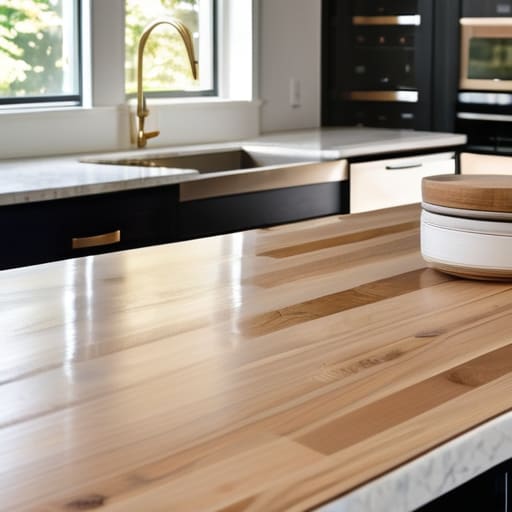
    Once the bones are solid, you’re looking at the more visible expenses. The average kitchen remodel price per square foot can swing wildly depending on whether you’re sourcing reclaimed wood or high-end quartz. I tend to lean toward mid-range, durable materials that look expensive but won’t tank my ROI. Don’t forget that labor costs for kitchen renovation often account for nearly 30-35% of the total spend. If you try to DIY the heavy lifting to save a buck, make sure you aren’t actually setting your profit margin on fire.

    Calculating Average Kitchen Remodel Price Per Square Foot

    Calculating Average Kitchen Remodel Price Per Square Foot.

    When I’m walking through a new property, my mind immediately starts doing the math. Most people see a cramped, outdated galley; I see a square footage calculation. If you want to get serious about your ROI, you have to understand the average kitchen remodel price per square foot. Generally, you’re looking at a wide range, but for a standard flip where we want to maximize appeal without bleeding cash, I aim for a sweet spot that balances quality with efficiency.

    Don’t get it twisted—this number isn’t a fixed law. You can spend $150 per square foot on a basic refresh, or you can easily skyrocket past $400 if you’re diving into custom cabinetry and professional-grade appliances. The real trick to budgeting for kitchen upgrades is knowing where to lean in and where to pull back. I tell my clients all the time: don’t overbuild for the neighborhood, but don’t skimp on the things people touch every single day, like countertops and hardware. That’s where the perceived value lives.

    Five Ways to Protect Your Profit Margin During a Kitchen Rehab

    • Don’t chase every trend; focus on “high-impact, low-cost” upgrades like hardware, lighting, and a fresh coat of paint on existing cabinets to save your budget for the heavy lifting.
    • Always build a 15% “oh crap” fund into your initial estimate because once you tear down those old backsplash tiles, you never know what kind of structural surprises are hiding behind the drywall.
    • Keep your layout mostly intact to avoid the massive expense of moving plumbing lines or gas connections, which can eat up your equity before you even pick out a countertop.
    • Source your mid-century modern accents or unique hardware from thrift stores and estate sales rather than big-box retailers; it adds character to the flip without the premium price tag.
    • Prioritize high-quality appliances over fancy decorative finishes, because a savvy buyer will forgive a simple backsplash, but they won’t forgive a cheap oven that dies six months after closing.

    The Bottom Line: Where Your Money Actually Goes

    Stop obsessing over the price of a single faucet; focus on the big-ticket items like cabinetry and layout changes, because those are the real drivers of your ROI.

    Always bake a 15-20% contingency buffer into your budget—if you haven’t encountered a surprise behind a wall or under a floorboard, you aren’t actually renovating.

    Don’t over-improve for the neighborhood; aim for high-impact, strategic upgrades that build equity rather than spending a fortune on luxury finishes that won’t see a return at resale.

    ## The Bottom Line on Kitchen Budgets

    “Stop looking at a kitchen renovation as a massive drain on your bank account; if you’re doing it right, you aren’t just spending money on new quartz countertops, you’re strategically injecting capital into an asset that’s going to pay you back in equity.”

    Gareth Trelawny

    Turning Numbers into Net Worth

    Turning Numbers into Net Worth: Kitchen Remodeling.

    At the end of the day, understanding your kitchen remodeling costs isn’t just about crunching numbers; it’s about knowing exactly where every dollar of your capital is working. We’ve looked at the square footage math, the breakdown of materials versus labor, and how to avoid those budget-killing surprises that tend to hide behind old drywall. Remember, a kitchen isn’t just a place to cook—it’s the engine room of your home’s value. If you can master the balance between high-impact aesthetic upgrades and sensible structural investments, you aren’t just spending money; you are strategically deploying capital to maximize your eventual return.

    I know it feels overwhelming when you’re staring at a spreadsheet full of contractor quotes and material costs, but don’t let the complexity paralyze you. Every seasoned investor I know started with a single, messy renovation and a lot of trial and error. The difference between someone who just owns a house and someone who builds a portfolio is the willingness to embrace the grit of the process. Stop looking at the renovation as a drain on your bank account and start seeing it for what it truly is: the foundation of your future equity. Grab your tape measure, trust your eye for potential, and let’s get to work.

    Frequently Asked Questions

    How much should I actually set aside for those "hidden" renovation surprises that always seem to pop up once the walls are open?

    Look, if you aren’t planning for the “unknown,” you aren’t planning at all. Once I tear into a wall and find outdated knob-and-tube wiring or a leaky pipe that’s been sweating for a decade, I don’t panic—I just lean on my contingency fund. You need to set aside at least 15% to 20% of your total budget specifically for these surprises. It’s not a “maybe”; it’s a mathematical certainty in real estate.

    Is it worth splurging on high-end appliances if my goal is to flip the property for a quick profit?

    Look, I get the temptation—nothing looks better in a staged photo than a professional-grade range. But if your goal is a quick flip, don’t blow your entire margin on high-end appliances. You want “aspirational but accessible.” Aim for reliable, mid-tier brands that look sleek and modern. Buyers want to see a clean, updated aesthetic, not a chef’s kitchen that eats up all your potential equity. Spend that extra cash on better countertops instead.

    Where can I cut costs on materials without making the entire kitchen look cheap and hurting my resale value?

    Focus on the “touchpoints”—the things people actually feel and see up close. Don’t skimp on hardware or faucets; cheap handles scream “budget renovation” to a buyer. Instead, save big by opting for high-quality laminate countertops that mimic stone, or refinishing your existing cabinet boxes rather than replacing them entirely. It’s about strategic placement. Spend where it adds perceived value and shave costs where the eye won’t immediately judge the quality.

  • How to Build Real Estate Equity

    How to Build Real Estate Equity

    I still remember the smell of damp drywall and old sawdust from my first solo project—a tiny, neglected bungalow that everyone else called a “money pit.” While the glossy magazines were busy preaching that you needed a massive windfall to enter the market, I was standing there with a laser measurer in my hand, realizing that real estate equity isn’t something you just wait for; it’s something you create. People love to overcomplicate the math, acting like you need a private banker and a silver spoon to build a portfolio, but that’s just noise designed to keep you on the sidelines.

    I’m not here to sell you on some get-rich-quick scheme or a magic formula. I’m going to show you how to look past the peeling wallpaper and the cracked foundations to see the actual value hidden underneath. We’re going to talk about the gritty, unglamorous reality of strategic renovations and how to turn sweat equity into long-term wealth. If you’re ready to stop dreaming about property and start building tangible assets, then let’s get to work.

    Table of Contents

    Calculating Net Worth Through Property and Smart Renovations

    Calculating Net Worth Through Property and Smart Renovations

    When you’re sitting at your kitchen table with a stack of closing statements, you have to look past the monthly payment and focus on the actual math. Calculating net worth through property isn’t just about the market value of your house; it’s about the gap between what you owe and what that asset is actually worth in today’s climate. I always tell my clients that a house is a liability until you start forcing appreciation through smart upgrades. Every time I swing a hammer to fix a dated kitchen or update the flooring, I’m not just making the place look pretty—I’m directly injecting value into my balance sheet.

    It’s also about managing your leverage. You need to keep a close eye on your debt-to-equity ratio in real estate to ensure you aren’t overextended. While it might be tempting to pull cash out via a home equity loan vs HELOC to fund your next project, you have to be surgical about it. If you use that capital to buy a distressed property that you can flip, you’re effectively turning stagnant paper wealth into a high-velocity engine for growth.

    The Market Appreciation Impact on Equity You Cant Ignore

    The Market Appreciation Impact on Equity You Cant Ignore

    While I love a good sweat equity project, you can’t ignore the sheer power of the market moving in your favor. Even if you aren’t swinging a sledgehammer every weekend, the market appreciation impact on equity can be a massive driver of your net worth. I’ve seen properties in up-and-coming neighborhoods jump in value by 15% in a single year just because a new coffee shop or transit line moved in nearby. That’s money you didn’t have to work for; it’s simply the tide lifting your boat.

    However, you have to play the long game. It’s easy to get caught up in the excitement of rising prices, but I always tell my clients to look at the debt-to-equity ratio in real estate before making any big moves. If you’re planning to pull cash out to fund your next flip, you need to understand the difference between a home equity loan vs HELOC so you don’t accidentally overleverage yourself. Appreciation is the engine, but your strategy is the steering wheel—don’t let the market’s momentum drive you off a cliff.

    My Playbook for Forcing Equity When the Market Won't Do It for You

    • Stop obsessing over “turnkey” properties. If you buy something that’s already perfect, you’re just paying for someone else’s profit margin. I look for the ugly stuff—the outdated kitchens and the carpet that smells like 1974—because that’s where the real equity is hiding.
    • Focus on “forced appreciation” rather than just waiting for the market to climb. You can’t control interest rates or local demand, but you can control whether you turn a cramped, dark living room into an open-concept masterpiece that commands a higher price.
    • Don’t blow your budget on high-end finishes that don’t move the needle. I’ve seen investors waste thousands on designer faucets when the real value was in fixing the structural issues or updating the electrical. Spend your money where it actually impacts the appraisal.
    • Master the art of the “cosmetic refresh” to bridge the gap. Sometimes, you don’t need a full gut job to see a massive jump in equity; a fresh coat of neutral paint, modern lighting, and some decent landscaping can do more heavy lifting for your ROI than you’d think.
    • Always keep a tight grip on your renovation math. It’s easy to get caught up in the excitement of a job site, but if your rehab costs start creeping toward your projected profit, you aren’t building equity—you’re just buying yourself a very expensive, very stressful hobby.

    The Bottom Line: Turning Sweat Equity into Real Wealth

    Don’t just wait for the market to do the heavy lifting; you can actively force appreciation by targeting properties with “ugly” layouts that a strategic renovation can fix.

    Stop viewing renovation costs as lost money and start seeing them as capital injections that directly boost your net worth through increased property value.

    Real equity is built in the details—focus on high-ROI upgrades like structural integrity and kitchen layouts rather than chasing superficial trends that won’t hold their value.

    The Real Value of Sweat Equity

    Equity isn’t just a number on a bank statement; it’s the gap between what a house is worth today and what it’s worth after you’ve had the guts to rip up the old carpet and fix the foundation. You aren’t just buying property—you’re buying the opportunity to manufacture value with your own two hands.

    Gareth Trelawny

    Turning Vision into Value

    Turning Vision into Value through asset management.

    At the end of the day, building real estate equity isn’t some magic trick or a stroke of luck. It’s a calculated game of math and sweat equity. We’ve looked at how your net worth shifts when you stop just owning property and start actively improving it, and we’ve discussed why you can’t afford to ignore the way market appreciation works in your favor. Whether you are calculating your margins on a kitchen remodel or watching your neighborhood trend upward, the goal remains the same: making sure every dollar you pour into a structure is working harder than it would in a savings account. It’s about moving from passive ownership to strategic asset management.

    I know it can feel overwhelming when you’re standing in a room with peeling wallpaper and outdated wiring, staring at a budget that feels too thin. But remember, every seasoned investor started with a single, messy project. You don’t need to see the entire staircase to take the first step; you just need to see the potential in the floorboards beneath your feet. Stop waiting for the “perfect” market or a massive windfall to get started. Grab your measuring tape, find a house with good bones, and start turning those crumbling walls into the solid equity your future self will thank you for.

    Frequently Asked Questions

    How do I know if I'm over-improving a property and killing my potential profit margin?

    Look at the comps, not your Pinterest board. If you’re putting marble countertops in a neighborhood where everyone else is rocking granite, you’re bleeding cash. I’ve seen too many investors kill their margins by chasing a “dream home” aesthetic instead of a “market-ready” one. Always calculate your After Repair Value (ARV) before you buy a single tile. If your renovation costs push you too close to that ceiling, stop. You’re building a home, not a museum.

    At what point does a renovation stop being an investment and start becoming a money pit?

    You cross that line when you stop renovating for market value and start renovating for your own ego. If you’re swapping out mid-range fixtures for custom Italian marble just because you like the look, you’re burning profit. I always run the numbers: if the cost of the upgrade exceeds the projected increase in the After Repair Value (ARV), walk away. Don’t let your personal taste turn a strategic flip into a personal vanity project.

    How much of my equity should I actually be pulling out through a HELOC versus leaving it untouched?

    Don’t treat your equity like a personal piggy bank. I see too many investors drain their HELOCs on lifestyle creep, and that’s a fast track to being house-poor. I view equity as fuel for my next project. If you’ve found a distressed property with high ROI potential, pull the cash to fund the rehab. But if you’re just looking to upgrade your kitchen? Leave it alone. Keep that capital ready for the next big flip.

  • Understanding Property Tax for Investors

    Understanding Property Tax for Investors

    I was standing in a dusty, half-gutted kitchen last October, clutching my laser measurer and staring at a stack of closing documents that felt heavier than the sledgehammer in my hand. I had just found the perfect mid-century bones, but the initial math was bleeding out because I hadn’t properly accounted for how the local property tax assessment would spike once my renovations were complete. It’s a gut punch that catches even the most seasoned flippers off guard; you spend months sweating over floor plans and material costs, only to realize you’ve accidentally negotiated away your entire profit margin to the county assessor.

    I’m not here to give you a lecture on municipal law or hide behind academic jargon. My goal is to pull back the curtain on how these assessments actually work in the real world of investing. I’m going to show you how to factor these costs into your initial buy, how to fight back when an assessment feels predatory, and how to ensure your hard-earned equity stays exactly where it belongs—in your pocket.

    Table of Contents

    Cracking the Code of Your Ad Valorem Tax Assessment

    Cracking the Code of Your Ad Valorem Tax Assessment

    When you’re staring at a dilapidated bungalow, you’re seeing potential; the county, however, is looking at something entirely different. This is where the ad valorem tax assessment comes into play. Essentially, the local government assigns an assessed property value to your investment based on what they think it’s worth, not necessarily what you’re actually paying for it. If you’re flipping a house that’s currently a wreck, you don’t want the city valuing it as if it were a turnkey masterpiece. If their math is off, you’re essentially overpaying for a renovation that hasn’t even happened yet.

    I’ve learned the hard way that you can’t just take these numbers at face value. If the assessment feels inflated compared to the actual condition of the structure, you need to look into the property tax appeals process. I always keep a folder of “before” photos and contractor estimates specifically for this reason. Proving that a house has significant deferred maintenance is your best leverage to keep those municipal tax levies from eating into your projected margins before you’ve even picked up a sledgehammer.

    Fighting Municipal Tax Levies to Protect Your Equity

    Fighting Municipal Tax Levies to Protect Your Equity

    Look, I’ve seen it happen too many times: you pour your heart, soul, and a massive chunk of your renovation budget into a property, only to have the city swoop in with a massive hike in municipal tax levies. It feels like you’re being penalized for actually doing the work. But here’s the thing—you don’t just have to sit there and take it. If the city’s valuation of your home doesn’t reflect the reality of the neighborhood or the current state of your project, you need to get aggressive.

    The most effective way to fight back is by mastering the property tax appeals process. I don’t mean just sending a polite email; I mean gathering hard data, like recent sales of comparable homes that haven’t been touched by a recent renovation, to prove your assessed property value is inflated. Also, don’t overlook potential property tax exemptions that might apply to your specific situation. Whether it’s a homestead exemption or something more niche, these small wins can keep your overhead low and ensure your hard-earned equity stays exactly where it belongs: in your pocket.

    5 Ways to Keep the Tax Man from Eating Your Renovation Profits

    • Audit your assessment every single year; don’t assume the city is being fair, because they aren’t looking at your property through a designer’s lens—they’re just looking at numbers.
    • Document every single “unsexy” repair you make, from foundation work to roof replacements, because these capital improvements can be vital leverage when you’re contesting an inflated valuation.
    • Watch your post-renovation math closely to ensure you aren’t blindsided by a massive tax spike the moment you finish that high-end kitchen remodel.
    • Research local exemptions for long-term owners or specific property types, because even a small reduction in your annual bill adds up to significant equity over a five-year hold.
    • Hire a professional tax consultant if the math starts getting messy; sometimes paying a pro a few hundred bucks is a smart investment to save you thousands in unnecessary levies.

    The Bottom Line on Protecting Your Margins

    Don’t take your assessment at face value; if the city’s math doesn’t match the actual condition of your fixer-upper, you need to show up at the appeal hearing with your data ready.

    Treat property taxes as a fixed renovation cost in your initial pro forma, because an unexpected spike in levies can quickly turn a profitable flip into a cash-flow nightmare.

    Stay aggressive with municipal appeals—fighting a tax levy isn’t just about saving a few bucks, it’s about defending the equity you’re working so hard to build through your renovations.

    ## The Real Cost of Doing Business

    “In this game, your profit margin isn’t just determined by the cost of lumber and labor; it’s determined by how much of your hard-earned equity you let slip away to a miscalculated tax assessment.”

    Gareth Trelawny

    Protecting Your Bottom Line

    Protecting Your Bottom Line via property taxes.

    At the end of the day, managing your property taxes isn’t just some boring administrative chore; it is a vital part of your profit margin protection. We’ve covered how to dissect your ad valorem assessments and how to aggressively fight back against unfair municipal levies that threaten to drain your renovation budget. Remember, if you don’t stay on top of these numbers, you’re essentially leaving money on the table for the city to collect. You have to be willing to audit the math and challenge the status quo if you want to ensure that every dollar you spend on new flooring or structural repairs actually translates into real, usable equity.

    Building a real estate portfolio is a marathon, not a sprint, and it requires a mindset that is as much about financial defense as it is about aesthetic transformation. Don’t let the complexity of tax codes intimidate you into playing small. Use the tools we’ve discussed to safeguard your assets, and keep your eyes fixed on the long-term goal. If you can master the grit of a messy renovation and the discipline of smart tax management, you won’t just be fixing houses—you’ll be building a legacy that lasts for generations. Now, grab your laser measurer and get back to work.

    Frequently Asked Questions

    If I'm planning a major renovation, when is the right time to expect my property tax assessment to jump?

    Here’s the reality: don’t expect a sudden spike the moment you swing a sledgehammer. Most assessors won’t knock on your door just because you installed quartz countertops. The jump usually happens during the next scheduled reassessment cycle or if you pull a major permit that fundamentally changes the property’s footprint—like adding a bedroom or finishing a basement. My advice? Plan your budget around that inevitable bump so it doesn’t eat your renovation margins.

    Can I actually deduct my renovation costs from my property tax bill, or is that a total myth?

    Here’s the reality: you can’t directly deduct renovation costs from your tax bill like a coupon. That’s a myth. However, there’s a silver lining. As you upgrade a property, your assessed value will eventually climb, which means your taxes will too. My strategy? Focus on high-ROI improvements that increase equity without triggering a massive assessment spike immediately. You aren’t lowering the bill; you’re building value that far outpaces the tax increase.

    How do I know if the city is overvaluing my fixer-upper compared to the actual market value of the neighborhood?

    You need to pull the comps yourself. Don’t just take the city’s word for it; they’re looking at data points, not the cracked foundation or the outdated electrical you’re currently staring at. Grab a spreadsheet and look at recent sales for renovated homes in your immediate radius. If the city is valuing your “as-is” wreck at a price close to a fully flipped neighbor, they’ve missed the mark. That’s your leverage for an appeal.

  • Choosing the Right Door Hardware

    Choosing the Right Door Hardware

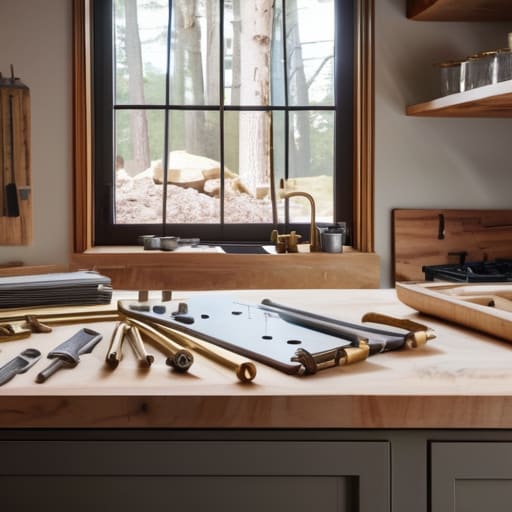
    I was standing in the hallway of a fixer-upper I picked up last spring, staring at a set of hollow-core doors that felt like they were made of cardboard. I reached out to turn the knob, and the whole thing gave a sickening, metallic clunk—the kind of sound that tells you exactly how much the previous owner cut corners. It’s a rookie mistake that kills my blood pressure every time: treating door hardware as an afterthought or, worse, a place to save a few bucks by buying the cheapest bulk packs at a big-box store. When a potential buyer reaches for a handle and it feels flimsy or cheap, they don’t just see a bad knob; they see a house that hasn’t been cared for, and that perception can tank your asking price faster than a cracked foundation.

    I’m not here to sell you on some overpriced, designer gold-plated nonsense that won’t last two seasons. Instead, I’m going to show you how to select strategic, high-impact hardware that adds tangible value without blowing your renovation budget. We’re going to talk about weight, finish, and why the tactile experience of a door is actually one of your most underrated tools for building equity.

    Table of Contents

    Modern Door Handle Finishes That Signal High End Value

    Modern Door Handle Finishes That Signal High End Value

    When you’re walking through a property during a showing, the first thing a buyer does isn’t looking at the crown molding—it’s reaching for a handle. If that handle feels flimsy or looks like it came from a big-box clearance aisle, they’ve already mentally devalued the entire house. To signal real luxury, you need to lean into current modern door handle finishes that feel intentional. Right now, I’m seeing a massive shift away from the dated, shiny chrome of the early 2010s. Instead, I’m opting for matte black or brushed champagne gold to add a layer of sophistication that makes a standard renovation feel custom-designed.

    If you want to stay ahead of the curve, keep an eye on architectural door hardware styles that favor clean, geometric lines. A heavy, solid brass lever in a satin finish does more for the perceived value of a room than a dozen expensive paint colors ever could. It’s about that tactile weight; when a door closes with a solid, expensive-sounding thud, the buyer knows they aren’t just looking at a flip—they’re looking at quality craftsmanship.

    Selecting Durable Door Hardware Materials for Long Term Gains

    Selecting Durable Door Hardware Materials for Long Term Gains

    When I’m walking through a job site, I’m not just looking at the aesthetics; I’m looking at the lifecycle of the asset. If you’re flipping a property, you might be tempted to go with the cheapest zinc alloy handles you can find just to cross the finish line, but that’s a rookie mistake. You want to invest in durable door hardware materials like solid brass or stainless steel. These aren’t just about looks; they provide a weight and a “click” that tells a potential buyer the house was built to last. Cheap hardware feels hollow and flimsy, and once that finish starts peeling after six months, your reputation for quality takes a massive hit.

    I also tell my clients to pay close attention to the entryway security hardware. The front door is the first point of contact for a buyer, and it needs to feel substantial. If the deadbolt feels loose or the handle wobbles, they’ll immediately start questioning what else was cut corners on behind the drywall. Investing a little extra upfront in high-quality components is one of the easiest ways to ensure your renovation stands the test of time without constant maintenance calls.

    5 Pro Tips to Keep Your Hardware from Tanking Your ROI

    • Match your hardware to the room’s “vibe” rather than just picking one finish for the whole house. A sleek, matte black lever works wonders in a minimalist kitchen, but don’t be afraid to lean into aged brass for a more traditional, high-end study.
    • Test the weight before you buy. If a handle feels hollow or light in your hand, it screams “builder grade” to a potential buyer. You want something with a bit of heft that makes the door feel substantial when it opens.
    • Don’t ignore the hinges. I’ve seen too many flippers spend a fortune on designer knobs only to leave up those flimsy, squeaky silver hinges. If you’re upgrading the handles, match the hinge finish to keep the look seamless and professional.
    • Prioritize privacy sets in the right places. It sounds basic, but nothing kills a showing faster than a bathroom door that doesn’t actually lock properly or feels flimsy. It’s a small detail that signals the house is well-maintained and functional.
    • Think about the “touch points” for long-term durability. In high-traffic areas like mudrooms or laundry rooms, steer clear of overly delicate finishes that show every single fingerprint. Stick to brushed or textured metals there to save yourself a headache during the final walkthrough.

    The Bottom Line on Hardware ROI

    Stop treating door hardware as an afterthought; it’s a high-touch tactile detail that buyers use to subconsciously judge the quality of the entire renovation.

    Prioritize solid brass or heavy-duty alloys over hollow, lightweight alternatives to ensure the hardware feels substantial and signals durability to potential buyers.

    Stick to timeless, high-end finishes like matte black or brushed brass to avoid the “dated flip” look and ensure your investment holds its value long after the sale.

    ## The Psychology of the Handshake

    “When a potential buyer walks through a door, the hardware is their first physical handshake with the house. If that handle feels flimsy or looks dated, they’ve already decided the renovation was cheap—and once they think you cut corners, you’ve lost the sale.”

    Gareth Trelawny

    The Final Polish

    High-quality door hardware, The Final Polish.

    At the end of the day, choosing the right door hardware isn’t just about picking something that looks pretty on a spec sheet. It’s about the intersection of durability and design. We’ve covered how the right finish can instantly elevate a room’s perceived value and why opting for solid, high-quality materials is non-negotiable if you want to avoid a callback from a frustrated buyer. If you’re flipping, you want hardware that feels substantial in the hand; if you’re holding for long-term equity, you want pieces that won’t tarnish or fail after two years of heavy use. Remember, small details are the silent ambassadors of your renovation quality.

    I know that when you’re staring at a mountain of drywall dust and a budget that’s constantly creeping upward, it’s easy to view door handles as an afterthought. But don’t fall into that trap. These are the tactile touchpoints that tell a story about how much care you put into the bones of the house. Investing in these “small” wins is exactly how you bridge the gap between a basic remodel and a professional-grade asset. Stop looking at hardware as an expense and start seeing it as a tool for maximizing your ROI. Now, grab your laser measurer and go get to work.

    Frequently Asked Questions

    How do I know if I should go with a single-lever design versus a traditional knob for a rental property versus a flip?

    If you’re flipping, go with levers. They feel premium, look modern, and that tactile “click” of quality helps justify your asking price. For rentals, levers are non-negotiable for accessibility and durability—they handle heavy use better and won’t frustrate tenants. Save the traditional knobs for a niche, historic restoration where character trumps convenience. In this business, you aren’t just picking hardware; you’re choosing between ease of maintenance and perceived luxury.

    At what point in the renovation timeline should I actually be installing the hardware so it doesn't get damaged by contractors?

    Wait until the very end. I’ve seen too many beautiful matte black levers get scratched by a contractor’s tool belt or covered in drywall dust. You want your hardware installed during the final “punch list” phase—after the painters have finished, the floors are down, and the heavy construction is dead and buried. Protect your ROI by making hardware one of the final, polished touches in the room.

    Is it worth paying the premium for designer brands, or can I find high-end looking options at a big-box retailer that won't break after six months?

    Look, I’ve been in enough dusty job sites to know that brand names don’t always equal ROI. You don’t need a designer label to make a house feel expensive, but you do need weight. Avoid those hollow, lightweight handles at the big-box stores; they feel cheap the second a tenant or buyer touches them. My rule of thumb? Shop the big-box pro aisles for solid brass or heavy steel, and spend your saved premium on the finish instead.

  • Organizing a Home Utility Space

    Organizing a Home Utility Space

    I was knee-deep in a damp, unfinished basement last Tuesday, staring at a mountain of mismatched detergent bottles and tangled cords, when it hit me: most people treat utility room organization like an afterthought, but that’s a massive mistake. I’ve seen too many investors—and homeowners—waste thousands on custom cabinetry and high-end built-ins before they’ve even addressed the basic flow of the space. You don’t need a designer’s budget to fix a chaotic laundry nook; you just need to stop treating your most functional room like a dumping ground for everything that doesn’t have a home.

    I’m not here to sell you on aesthetic bins that look pretty on Instagram but fall apart after three months of heavy use. Instead, I’m going to show you how to apply a strategic renovation mindset to your smallest spaces. We’re going to talk about maximizing vertical storage, prioritizing accessibility, and choosing durable solutions that actually hold up to daily wear and tear. My goal is to help you turn that cluttered corner into a high-functioning asset that adds real value to your property and your sanity.

    Table of Contents

    Small Laundry Room Storage Solutions That Multiply Your Square Footage

    Small Laundry Room Storage Solutions That Multiply Your Square Footage.

    When you’re working with a cramped footprint, you can’t afford to let floor space go to waste. I’ve seen too many investors overlook the tiny laundry nook, but that’s where the real margin is hidden. The secret to maximizing a tight area is leaning into vertical storage for cleaning tools and supplies. Instead of letting mops and vacuums lean awkwardly against a wall, install a wall-mounted track system. It clears the floor instantly, making the room feel larger and more intentional.

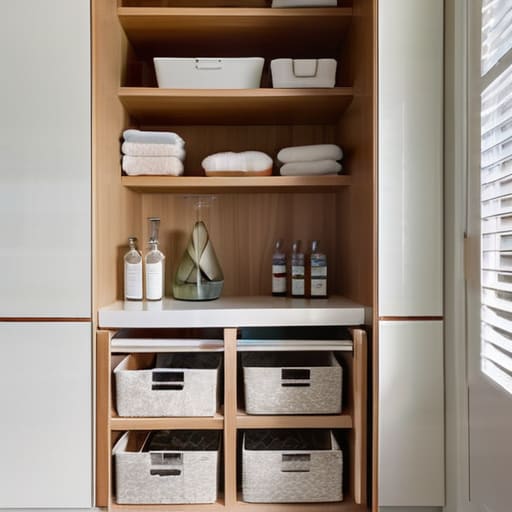
    If you’re dealing with a built-in unit, don’t just settle for a single shelf. I always look for ways to implement laundry room workflow optimization by creating tiered zones. Use stackable clear bins for organizing laundry detergents and pods so you can see exactly when you’re running low. If the budget allows, adding custom floating shelves above the washer and dryer can turn a dead zone into a high-functioning workspace. It’s about treating every inch like a piece of real estate—because in a small renovation, it is.

    Utility Closet Decluttering Tips to Reveal Hidden Potential

    Utility Closet Decluttering Tips to Reveal Hidden Potential

    Most people see a cramped utility closet and see a lost cause, but I see wasted square footage that’s dragging down the home’s perceived value. When I walk into a fixer-upper, the first thing I do is strip that closet down to the bare studs. You can’t build equity on top of a mess. My go-to utility closet decluttering tips always start with a brutal purge: if you haven’t touched that half-empty bottle of specialized floor cleaner in two years, toss it. You need to clear the visual noise before you can even think about adding value.

    Once the junk is gone, stop thinking horizontally. You need to leverage every inch of height available. I’m a huge advocate for vertical storage for cleaning tools; hanging your brooms and mops on a sleek rail system immediately frees up the floor and makes the space feel intentional rather than accidental. If you have the budget during a rehab, I’d suggest looking into custom utility room cabinetry ideas to house everything from vacuum attachments to bulk supplies. It’s about creating a system that actually works, transforming a chaotic hole in the wall into a high-functioning asset.

    Stop Wasting Square Footage: 5 Pro Strategies to Maximize Your Utility Room’s Value

    • Stop buying bulky bins and start thinking vertically; install heavy-duty floating shelves all the way to the ceiling to house seasonal supplies and bulk cleaning products without eating up your floor space.
    • Invest in a custom pegboard system for your tool and cleaning supplies because if you can’t see your gear, you aren’t using it, and a disorganized workspace is just wasted momentum.
    • Stop letting loose detergents and half-empty bottles create visual clutter; decant your essentials into uniform, airtight containers to turn a messy shelf into a streamlined, high-functioning zone.
    • Utilize the back of your door with a heavy-duty organizer for smaller items like lint rollers, spray bottles, and microfiber cloths so you aren’t constantly digging through drawers to find what you need.
    • Implement a “one-in, one-out” rule for your utility supplies to prevent the inevitable stockpile creep that turns a functional room into a cramped storage nightmare.

    The Bottom Line: Turning Utility Chaos into Equity

    Stop treating your utility room like a junk drawer; every square inch you reclaim through smart organization is an opportunity to increase the functional value of your property.

    Focus on verticality and built-ins to maximize tight footprints, because in a renovation, wasted floor space is just wasted potential.

    Prioritize high-quality, durable storage solutions that look intentional, ensuring your utility space feels like a planned asset rather than an afterthought.

    The Hidden ROI of Organization

    “Stop looking at your utility room as a junk drawer with a floor; if you can’t manage the chaos in your smallest spaces, you’ll never have the discipline to scale your bigger investments. A high-functioning utility area isn’t just about tidiness—it’s about maximizing every square inch of usable square footage to protect your property’s value.”

    Gareth Trelawny

    Turning Chaos into Capital

    Turning Chaos into Capital through strategic storage.

    At the end of the day, organizing your utility room isn’t just about finding a place for the detergent or hiding the vacuum cleaner; it’s about maximizing the utility of every single square inch you own. We’ve looked at how strategic storage can cheat the limits of a small laundry room and how decluttering a cramped closet can actually reveal the structural potential of your home. When you stop treating these service spaces as afterthoughts and start treating them as intentional assets, you stop losing time to chaos and start gaining control over your environment.

    I know it can feel overwhelming when you’re staring at a mountain of clutter or a cramped layout that feels impossible to fix, but remember that every major renovation starts with these small, tactical wins. You don’t need a massive budget to make a massive impact on your home’s flow and value. Take that laser measurer out of your bag, grab a few smart organizers, and start reclaiming your space. If you can master the mess in your utility room, you’ll have the discipline and the vision to tackle much bigger projects down the road. Now, get to work and build that equity.

    Frequently Asked Questions

    How do I decide which organizational upgrades are actually worth the investment versus just being aesthetic fluff?

    Look, I see people blow their budget on designer wicker baskets all the time, and frankly, it’s a waste of capital. If an upgrade doesn’t improve workflow or increase the home’s resale value, it’s just fluff. Focus your cash on high-impact, functional changes—like built-in shelving or heavy-duty drying racks. Ask yourself: “Does this solve a recurring headache or add tangible utility?” If the answer is no, keep your money in your pocket.

    What are the best ways to organize a utility room when I'm working with zero floor space and everything has to go vertical?

    When you’re fighting for every inch, stop looking at the floor and start looking at the walls. If you have zero floor space, you need to treat your walls like real estate. Install heavy-duty floating shelves or a track system to get everything off the ground. Use wall-mounted drying racks and pegboards for tools or cleaning supplies. It’s about maximizing vertical real estate to keep your footprint clear and your workflow efficient.

    How can I integrate smart storage solutions without making a small utility area feel cramped and claustrophobic?

    The trick is to stop thinking about floor space and start thinking about vertical real estate. When I’m working on a tight renovation, I lean heavily on floating shelves and wall-mounted tracks. If you can get your cleaning supplies and laundry essentials off the floor and up the walls, you’ll instantly breathe life back into the room. Keep the color palette light and the lines clean—don’t let bulky, mismatched bins swallow your visual space.

  • Understanding the Fix and Flip Business Model

    Understanding the Fix and Flip Business Model

    I was standing in a kitchen that smelled of damp drywall and decades of stale grease, clutching my laser measurer like a lifeline, when it finally clicked. Most people look at a gutted bungalow and see a disaster zone, but I saw the math. There is this massive misconception that you need a massive inheritance or a fleet of contractors to make the fix and flip business model work for you. People get so caught up in the “glamour” of HGTV-style transformations that they forget this is a numbers game played in the dirt. If you aren’t looking at the structural integrity and the exit strategy, you aren’t investing—you’re just playing house with your life savings.

    I’m not here to sell you a dream of effortless wealth or show you polished, filtered photos of finished marble countertops. I’m going to give you the grit. In this guide, I’m breaking down how to actually build a sustainable fix and flip business model by focusing on the unsexy realities of renovation: budgeting for the unexpected, spotting true equity, and managing the chaos of a job site. We are going to turn those crumbling walls into solid, tangible assets.

    Table of Contents

    Scouting for Potential Amidst Real Estate Market Volatility

    Scouting for Potential Amidst Real Estate Market Volatility

    When the market starts acting twitchy, most people freeze up. They see headlines about interest rates and economic shifts and decide to sit on the sidelines. But if you’re looking at real estate market volatility as a reason to stop, you’re missing the point. For me, volatility is just noise that masks opportunity. While the casual buyers are running for the hills, I’m looking for the motivated sellers—the ones who are tired of holding onto a property that’s bleeding them dry. These are the moments where you find the margins that actually make a project worth your time.

    Success in this climate isn’t about luck; it’s about tightening your property flipping ROI calculation before you even step foot on the driveway. You can’t afford to be optimistic; you have to be mathematical. I spend a lot of my time running the numbers against worst-case scenarios to ensure my exit strategies for house flippers remain viable even if the local comps take a slight dip. You aren’t just buying a house; you’re buying a math problem that needs to solve itself.

    Calculating Your Property Flipping Roi Before Breaking Ground

    Calculating Your Property Flipping Roi Before Breaking Ground

    Before you even pick up a sledgehammer, you need to sit down with your spreadsheets and get brutally honest about the numbers. I’ve seen too many rookies dive into a project because they fell in love with a mid-century layout, only to realize they’ve priced themselves right out of a profit. A proper property flipping ROI calculation isn’t just about subtracting your costs from the sale price; it’s about accounting for the “invisible” drains like holding costs, permit fees, and the inevitable surprises that hide behind old drywall. If your margins are razor-thin from day one, you aren’t investing—you’re gambling.

    You also have to play defense. If you’re leveraging capital, you need to be hyper-aware of your hard money lender requirements, as their interest rates can eat your equity faster than a botched plumbing job. I always build a 10-15% contingency buffer into my budget to handle the chaos of construction project management. My rule of thumb is simple: if the math doesn’t work on paper with a healthy cushion for error, the house doesn’t work for me. Always know your numbers before you commit your sweat and capital.

    My Non-Negotiable Rules for Keeping a Flip from Turning Into a Money Pit

    • Build a “Dream Team” of contractors you actually trust, not just the ones who bid the lowest. I’ve learned the hard way that a cheap plumber who doesn’t show up is a lot more expensive than a professional who gets it right the first time.
    • Always, always, always bake a 15% contingency buffer into your renovation budget. Between discovering outdated wiring behind a wall or a sudden spike in material costs, something is going to go sideways—plan for it so it doesn’t break your spirit.
    • Focus your design budget on the “High-Impact Zones.” I don’t waste money on high-end finishes in guest bedrooms; I pour my resources into the kitchen and primary bath because that’s where the buyers—and the equity—are.
    • Don’t get “renovator’s fever” and fall in love with your own design choices. You aren’t building your forever home; you’re building a product for a specific market. If a mid-century modern aesthetic won’t move the house in this neighborhood, leave it on the thrift store floor.
    • Master the art of the “Micro-Timeline.” A flip only works if it stays a flip; the moment it turns into a long-term rental because you can’t finish the work, your ROI evaporates. Track your milestones weekly to ensure you aren’t bleeding holding costs.

    The Bottom Line on Flipping Smart

    Stop looking for perfection and start looking for bones; the real profit lives in the gap between a property’s current wreck state and its design potential.

    Never fall in love with a house—fall in love with the numbers, because a beautiful renovation won’t save a deal that was mathematically broken from the start.

    Build a buffer into every budget and timeline, because in this game, the “unexpected” is the only thing you can actually count on.

    The Real Math of the Flip

    “Don’t get blinded by the pretty staging photos; the real money in a fix and flip isn’t made when you sell, it’s made when you buy—and it’s won in the grit of the renovation process where you turn a structural nightmare into a high-margin asset.”

    Gareth Trelawny

    Turning Vision into Value

    Turning Vision into Value through house flipping.

    At the end of the day, mastering the fix and flip model isn’t about luck; it’s about the discipline to navigate market volatility and the precision to run your numbers before you ever pick up a sledgehammer. We’ve covered how to scout for that hidden diamond in the rough and, more importantly, how to ensure your ROI isn’t swallowed whole by unexpected plumbing issues or rising material costs. You have to treat every renovation like a strategic chess match where calculated risks meet meticulous planning. If you can bridge the gap between seeing a wreck and understanding its true mathematical potential, you aren’t just flipping houses—you are building a scalable business.

    I know it sounds daunting when you’re staring at a gutted kitchen or a mountain of contractor invoices, but remember that every seasoned investor started exactly where you are. The difference between those who build wealth and those who just dream about it is the willingness to get their hands dirty and stay the course when things get messy. Don’t let the fear of a bad renovation stop you from seizing a great opportunity. Trust your eye, guard your margins, and keep pushing forward. Your first big win is waiting behind those crumbling walls, just waiting for someone with the grit to see it.

    Frequently Asked Questions

    How do I find reliable contractors who won't blow my budget halfway through a renovation?

    This is the question that keeps most new investors up at night, and honestly, it should. My rule is simple: never hire based on the lowest bid alone. I vet my contractors by checking their recent job sites—I want to see their work in progress, not just polished portfolio photos. Get three detailed, line-item quotes, check their references personally, and always, always have a signed contract that includes a clear timeline and a strict change-order process.

    What’s the best way to build a cash reserve for those "hidden" structural issues that always pop up once you peel back the drywall?

    The secret is a “contingency bucket” that stays separate from your renovation budget. I always set aside an extra 15% to 20% of the total project cost specifically for those “oh crap” moments—like finding rot behind a vanity or outdated wiring. Don’t treat this as extra profit; treat it as a non-negotiable line item. If you don’t use it, great, that’s extra equity. If you do, it keeps your project from hemorrhaging cash.

    How do I decide between a quick cosmetic refresh and a deep, structural overhaul to maximize my exit price?

    It comes down to the math and the margins. If the bones are solid, a cosmetic refresh—new paint, updated lighting, and mid-century accents—is your fastest route to a quick exit. But if the foundation is cracked or the layout is a nightmare, you have to bite the bullet on a structural overhaul. Don’t just chase aesthetics; invest in the heavy lifting that actually drives the appraisal higher than your renovation costs.