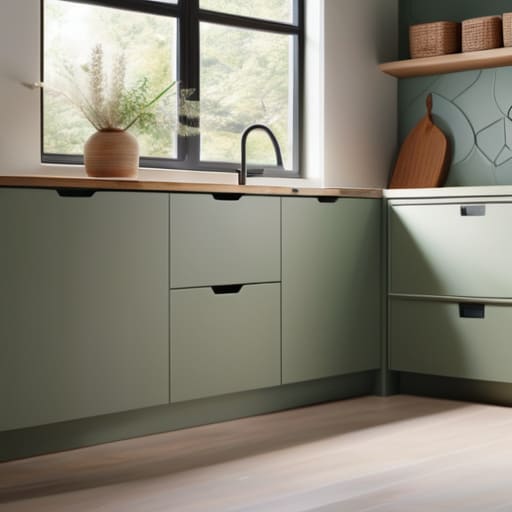
I was knee-deep in a damp, unfinished basement last Tuesday, staring at a mountain of mismatched detergent bottles and tangled cords, when it hit me: most people treat utility room organization like an afterthought, but that’s a massive mistake. I’ve seen too many investors—and homeowners—waste thousands on custom cabinetry and high-end built-ins before they’ve even addressed the basic flow of the space. You don’t need a designer’s budget to fix a chaotic laundry nook; you just need to stop treating your most functional room like a dumping ground for everything that doesn’t have a home.
I’m not here to sell you on aesthetic bins that look pretty on Instagram but fall apart after three months of heavy use. Instead, I’m going to show you how to apply a strategic renovation mindset to your smallest spaces. We’re going to talk about maximizing vertical storage, prioritizing accessibility, and choosing durable solutions that actually hold up to daily wear and tear. My goal is to help you turn that cluttered corner into a high-functioning asset that adds real value to your property and your sanity.
Table of Contents
- Small Laundry Room Storage Solutions That Multiply Your Square Footage
- Utility Closet Decluttering Tips to Reveal Hidden Potential
- Stop Wasting Square Footage: 5 Pro Strategies to Maximize Your Utility Room’s Value
- The Bottom Line: Turning Utility Chaos into Equity
- The Hidden ROI of Organization
- Turning Chaos into Capital
- Frequently Asked Questions
Small Laundry Room Storage Solutions That Multiply Your Square Footage

When you’re working with a cramped footprint, you can’t afford to let floor space go to waste. I’ve seen too many investors overlook the tiny laundry nook, but that’s where the real margin is hidden. The secret to maximizing a tight area is leaning into vertical storage for cleaning tools and supplies. Instead of letting mops and vacuums lean awkwardly against a wall, install a wall-mounted track system. It clears the floor instantly, making the room feel larger and more intentional.
If you’re dealing with a built-in unit, don’t just settle for a single shelf. I always look for ways to implement laundry room workflow optimization by creating tiered zones. Use stackable clear bins for organizing laundry detergents and pods so you can see exactly when you’re running low. If the budget allows, adding custom floating shelves above the washer and dryer can turn a dead zone into a high-functioning workspace. It’s about treating every inch like a piece of real estate—because in a small renovation, it is.
Utility Closet Decluttering Tips to Reveal Hidden Potential
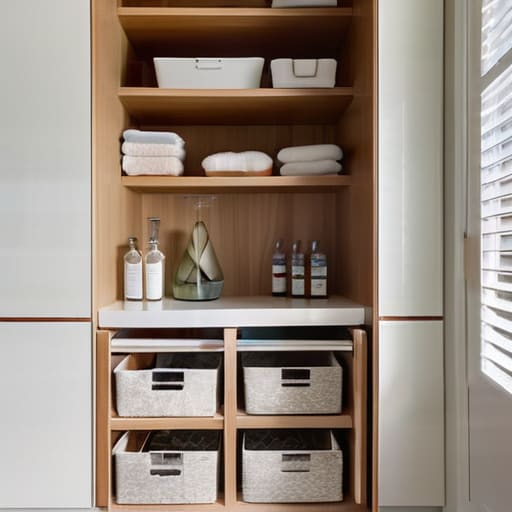
Most people see a cramped utility closet and see a lost cause, but I see wasted square footage that’s dragging down the home’s perceived value. When I walk into a fixer-upper, the first thing I do is strip that closet down to the bare studs. You can’t build equity on top of a mess. My go-to utility closet decluttering tips always start with a brutal purge: if you haven’t touched that half-empty bottle of specialized floor cleaner in two years, toss it. You need to clear the visual noise before you can even think about adding value.
Once the junk is gone, stop thinking horizontally. You need to leverage every inch of height available. I’m a huge advocate for vertical storage for cleaning tools; hanging your brooms and mops on a sleek rail system immediately frees up the floor and makes the space feel intentional rather than accidental. If you have the budget during a rehab, I’d suggest looking into custom utility room cabinetry ideas to house everything from vacuum attachments to bulk supplies. It’s about creating a system that actually works, transforming a chaotic hole in the wall into a high-functioning asset.
Stop Wasting Square Footage: 5 Pro Strategies to Maximize Your Utility Room’s Value
- Stop buying bulky bins and start thinking vertically; install heavy-duty floating shelves all the way to the ceiling to house seasonal supplies and bulk cleaning products without eating up your floor space.
- Invest in a custom pegboard system for your tool and cleaning supplies because if you can’t see your gear, you aren’t using it, and a disorganized workspace is just wasted momentum.
- Stop letting loose detergents and half-empty bottles create visual clutter; decant your essentials into uniform, airtight containers to turn a messy shelf into a streamlined, high-functioning zone.
- Utilize the back of your door with a heavy-duty organizer for smaller items like lint rollers, spray bottles, and microfiber cloths so you aren’t constantly digging through drawers to find what you need.
- Implement a “one-in, one-out” rule for your utility supplies to prevent the inevitable stockpile creep that turns a functional room into a cramped storage nightmare.
The Bottom Line: Turning Utility Chaos into Equity
Stop treating your utility room like a junk drawer; every square inch you reclaim through smart organization is an opportunity to increase the functional value of your property.
Focus on verticality and built-ins to maximize tight footprints, because in a renovation, wasted floor space is just wasted potential.
Prioritize high-quality, durable storage solutions that look intentional, ensuring your utility space feels like a planned asset rather than an afterthought.
The Hidden ROI of Organization
“Stop looking at your utility room as a junk drawer with a floor; if you can’t manage the chaos in your smallest spaces, you’ll never have the discipline to scale your bigger investments. A high-functioning utility area isn’t just about tidiness—it’s about maximizing every square inch of usable square footage to protect your property’s value.”
Gareth Trelawny
Turning Chaos into Capital

At the end of the day, organizing your utility room isn’t just about finding a place for the detergent or hiding the vacuum cleaner; it’s about maximizing the utility of every single square inch you own. We’ve looked at how strategic storage can cheat the limits of a small laundry room and how decluttering a cramped closet can actually reveal the structural potential of your home. When you stop treating these service spaces as afterthoughts and start treating them as intentional assets, you stop losing time to chaos and start gaining control over your environment.
I know it can feel overwhelming when you’re staring at a mountain of clutter or a cramped layout that feels impossible to fix, but remember that every major renovation starts with these small, tactical wins. You don’t need a massive budget to make a massive impact on your home’s flow and value. Take that laser measurer out of your bag, grab a few smart organizers, and start reclaiming your space. If you can master the mess in your utility room, you’ll have the discipline and the vision to tackle much bigger projects down the road. Now, get to work and build that equity.
Frequently Asked Questions
How do I decide which organizational upgrades are actually worth the investment versus just being aesthetic fluff?
Look, I see people blow their budget on designer wicker baskets all the time, and frankly, it’s a waste of capital. If an upgrade doesn’t improve workflow or increase the home’s resale value, it’s just fluff. Focus your cash on high-impact, functional changes—like built-in shelving or heavy-duty drying racks. Ask yourself: “Does this solve a recurring headache or add tangible utility?” If the answer is no, keep your money in your pocket.
What are the best ways to organize a utility room when I'm working with zero floor space and everything has to go vertical?
When you’re fighting for every inch, stop looking at the floor and start looking at the walls. If you have zero floor space, you need to treat your walls like real estate. Install heavy-duty floating shelves or a track system to get everything off the ground. Use wall-mounted drying racks and pegboards for tools or cleaning supplies. It’s about maximizing vertical real estate to keep your footprint clear and your workflow efficient.
How can I integrate smart storage solutions without making a small utility area feel cramped and claustrophobic?
The trick is to stop thinking about floor space and start thinking about vertical real estate. When I’m working on a tight renovation, I lean heavily on floating shelves and wall-mounted tracks. If you can get your cleaning supplies and laundry essentials off the floor and up the walls, you’ll instantly breathe life back into the room. Keep the color palette light and the lines clean—don’t let bulky, mismatched bins swallow your visual space.
