I still remember the smell of damp drywall and old sawdust from my first solo flip—a tiny, neglected bungalow that most people wouldn’t touch with a ten-foot pole. While the “experts” on TV were busy preaching about waiting for market trends to do the heavy lifting, I was on my hands and knees realizing that true property value appreciation isn’t some magical gift from the economy. It’s something you force into existence through grit and strategic design. If you’re just sitting around waiting for your neighborhood to get “trendy,” you’re essentially leaving money on the table for someone with a hammer and a better plan to grab.
I’m not here to sell you on some get-rich-quick scheme or a list of overpriced, superficial upgrades that won’t move the needle. My goal is to pull back the curtain on how I actually build equity by spotting the hidden potential in distressed assets. I’m going to show you exactly how to distinguish between a money pit and a goldmine, so you can stop guessing and start making calculated moves that turn crumbling walls into real, tangible wealth.
Table of Contents
- Maximizing Your Property Renovation Roi Through Smart Design
- Finding Hidden Gold in Residential Real Estate Market Cycles
- Stop Guessing and Start Growing: 5 Ways I Force Appreciation
- The Bottom Line: Turning Sweat Equity into Real Wealth
- ## The Real Math of Equity
- Turning Vision into Equity
- Frequently Asked Questions
Maximizing Your Property Renovation Roi Through Smart Design
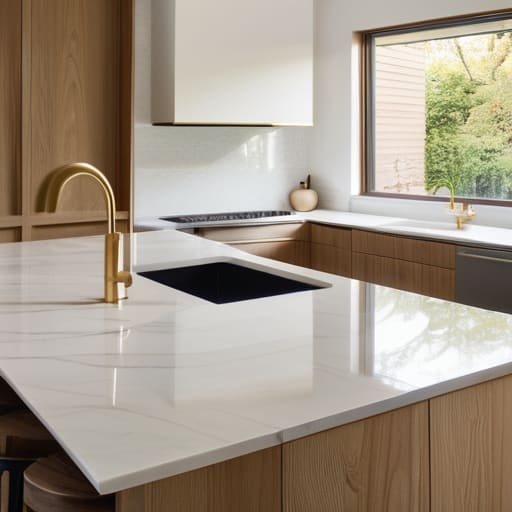
When I’m walking through a gutted kitchen, I’m not just looking at the backsplash; I’m calculating my property renovation ROI in my head. A lot of rookies blow their budget on high-end, niche finishes that look great in a magazine but do nothing for the bottom line. My rule is simple: focus on the high-impact zones—the kitchen and the primary bath. You want to aim for a look that feels timeless rather than trendy. If you go too heavy on the “designer” side, you risk alienating the next buyer. I focus on clean lines and durable materials that suggest quality without screaming “overpriced.”
It’s also about understanding the broader context of where you’re playing. I always keep an eye on neighborhood gentrification impact before I commit to a heavy renovation. If the area is seeing new coffee shops and improved transit, you can afford to push the design a bit more. But if the market is stagnant, you play it safe with neutral, mass-appeal upgrades. You aren’t just designing a home; you are engineering a financial asset.
Finding Hidden Gold in Residential Real Estate Market Cycles
Timing the market is a headache, but if you want to see real movement in your real estate investment returns, you have to stop looking at the headlines and start looking at the ground beneath your feet. Most people panic when they see a dip in interest rates or a cooling market, but that’s usually when the best opportunities surface. I’ve learned that the most profitable plays happen during the transition phases of residential real estate market cycles, specifically when everyone else is too scared to pick up a hammer.
You also need to keep a sharp eye on local shifts that most casual buyers completely overlook. I’m talking about things like infrastructure development and property prices—if a new light rail station or a major grocery hub is slated for a nearby block, you’ve found your goldmine. Watching for signs of neighborhood gentrification impact allows you to buy into a pocket before the mainstream hype drives the entry price through the roof. It’s about seeing the value before the rest of the world catches on.
Stop Guessing and Start Growing: 5 Ways I Force Appreciation
- Focus on the “bones” first. I’ve seen too many people blow their budget on high-end faucets before they’ve even addressed a sagging floor or a dated electrical panel. You can’t build equity on a shaky foundation, so fix the structural stuff that actually impacts a home’s long-term viability before you get fancy.
- Master the art of the “Kitchen Refresh” without a full gut job. If you’re looking for a quick win on ROI, don’t rip out perfectly good cabinets just because they’re oak. Paint them, swap the hardware for something minimalist, and upgrade the lighting. It’s about creating a high-end look without the high-end demolition costs.
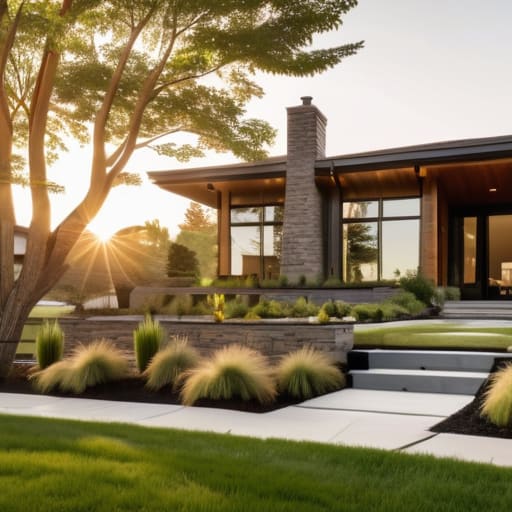
- Don’t overlook the curb appeal. It sounds cliché, but the first thirty seconds of a showing are everything. A clean entryway, some intentional landscaping, and a fresh coat of paint on the front door tell a buyer that the house has been loved—and that’s where the perceived value jumps.
- Optimize your floor plan for modern living. We aren’t living in the 1970s anymore; nobody wants a series of tiny, walled-off rooms. If you can knock down a non-load-bearing wall to create an open-concept flow, you aren’t just changing the layout—you’re fundamentally increasing the functional square footage.
- Invest in “smart” but simple upgrades. I’m not talking about a complex home automation system that breaks in two years. I mean things like energy-efficient windows or updated HVAC systems. These aren’t just “nice-to-haves”; they are massive selling points for buyers looking to avoid immediate maintenance headaches.
The Bottom Line: Turning Sweat Equity into Real Wealth
Stop looking for perfection and start looking for potential; the real money is made in the gap between a property’s current state and what it could be with a smart, strategic rehab.
Don’t just throw money at a renovation—focus your budget on high-impact design choices that drive value rather than just chasing personal aesthetic whims.
Timing the market is important, but your ability to spot undervalued assets during different cycles is what will actually build your long-term portfolio.
## The Real Math of Equity
“Stop looking for properties that are already perfect; you can’t manufacture appreciation on a house that’s already peaked. Real wealth is built in the gap between what a neglected property is worth today and what it becomes once you’ve had the guts to strip it down to the studs and rebuild it with intention.”
Gareth Trelawny
Turning Vision into Equity
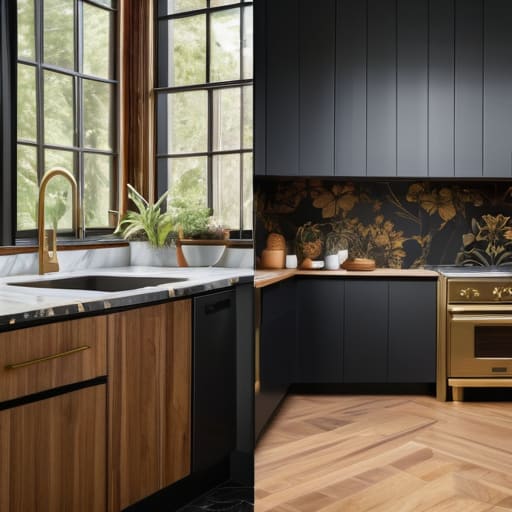
At the end of the day, driving property value appreciation isn’t about luck or catching a perfect market wave; it’s about the intersection of strategic renovation and timing. We’ve looked at how smart, design-led upgrades can maximize your ROI and how understanding market cycles allows you to buy when others are hesitant. Remember, every peeling layer of wallpaper or outdated kitchen layout is just a barrier between you and your next profit margin. If you focus on high-impact improvements and keep a sharp eye on the broader economic landscape, you aren’t just fixing houses—you are engineering wealth.
I know it can feel overwhelming when you’re standing in a gutted living room staring at a budget that’s creeping upward, but don’t let the mess intimidate you. The most successful investors I know aren’t the ones with the biggest bank accounts; they are the ones with the most grit and the ability to see the finished product through the dust. Real estate is a marathon of patience and pragmatism. Stop waiting for the “perfect” opportunity to fall into your lap and start looking for the potential in the properties everyone else is running away from. That is where the real equity is built.
Frequently Asked Questions
How do I know when I've hit the point of diminishing returns on a renovation?
You hit the ceiling when your next dollar spent doesn’t translate into a dollar of equity. I always watch the neighborhood comps like a hawk. If you’re installing $15,000 Calacatta marble in a zip code where buyers expect basic quartz, you’re just burning cash. Stop before the “luxury” becomes an outlier. If the math says the renovation cost exceeds the projected market value increase, walk away. Don’t let perfection kill your profit margin.
Is it better to focus on cosmetic updates for a quick flip or major structural changes for long-term equity?
It really depends on your exit strategy. If you’re looking for a quick flip, stick to high-impact cosmetic updates—think fresh neutral paint, updated lighting, and modern hardware. That’s where the fastest ROI lives. But if you’re playing the long game for equity, don’t shy away from structural changes like kitchen layouts or adding a bathroom. Those “messy” renovations are what truly bake value into the property for years to come.
How can I tell if a neighborhood's appreciation is actually sustainable or just a temporary market bubble?
Look past the flashy new coffee shops and trendy boutiques for a second. I always look for “sticky” fundamentals: school district ratings, proximity to major employment hubs, and—most importantly—the diversity of housing stock. If a neighborhood is just one type of luxury condo, it’s a bubble waiting to burst. I want to see a mix of homes that people actually need to live in, not just what’s currently trending on Instagram.
