
I still remember the smell of damp rot and old sawdust hitting me the moment I stepped into my first “fixer-upper” on Oak Street. I had my laser measurer in hand, feeling invincible, only to realize three days later that the subfloor was a complete disaster. Most gurus will tell you that real estate is a passive path to wealth, but they conveniently leave out the gritty reality of property investment risks that can turn a dream renovation into a financial sinkhole. I learned the hard way that if you aren’t looking for the structural nightmares hiding behind a fresh coat of paint, you aren’t just investing—you’re gambling.
I’m not here to sell you a fantasy or a polished slideshow of marble countertops. My goal is to pull back the curtain on the messy, unglamorous side of this business so you can build your portfolio on a foundation that actually holds. I’m going to walk you through how to identify the red flags that most amateurs miss, from hidden foundation issues to predatory market shifts. This is about smart, strategic equity, and I promise to give you the straight talk you need to protect your capital before you ever swing a hammer.
Table of Contents
- Dodging Interest Rate Fluctuations and Market Cycles
- Watching Out for Capital Depreciation Risks
- Don't Get Blindsided: 5 Ways to Protect Your Equity
- The Bottom Line: Don't Let the Risks Blind You to the Potential
- The Real Cost of Ignoring the Red Flags
- Turning Risk into Real Equity
- Frequently Asked Questions
Dodging Interest Rate Fluctuations and Market Cycles
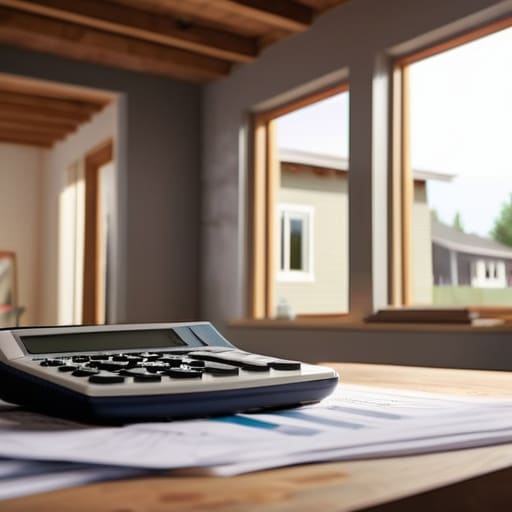
Look, I’ve seen enough market shifts to know that the economy doesn’t care about your renovation timeline. One week you’re celebrating a closed deal, and the next, interest rate fluctuations are eating your projected margins alive. When rates climb, your borrowing power shrinks, and suddenly that “dream fixer-upper” is costing you way more in monthly debt service than you initially modeled. I always tell my clients: never bank on a static interest rate. You have to build a buffer into your math so a sudden spike doesn’t turn your equity project into a cash-flow nightmare.
You also can’t ignore the broader real estate market cycles. I’ve been through the booms and the inevitable cooling periods. During a downturn, it’s not just about finding a deal; it’s about realizing that exit strategies might take longer than planned. You might find yourself holding a property through a slump, waiting for the right buyer to emerge. It’s not about panic; it’s about having the liquidity to weather the storm without being forced to sell at a loss just because the market hit a temporary dip.
Watching Out for Capital Depreciation Risks
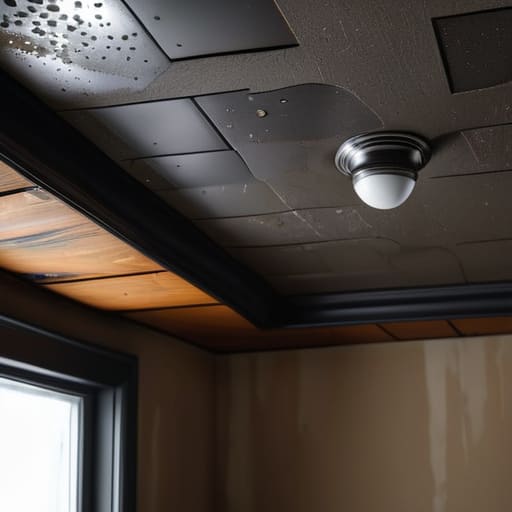
One thing I’ve learned from years of pulling permits and managing crews is that a building is a living, breathing thing—and it’s constantly trying to lose value. You can’t just walk away once the paint is dry. Capital depreciation risks are the silent killers of your ROI. If you aren’t proactive about maintenance, that “charming” mid-century layout you fell in love with will quickly turn into a money pit of deferred upkeep. I’ve seen investors get blindsided when a neglected roof or a failing HVAC system wipes out an entire year’s worth of equity in a single season.
It’s not just about the physical structure, either; it’s about the rate of decay versus your renovation budget. If you’re cutting corners on high-quality materials just to save a few bucks upfront, you’re essentially setting a timer on your profit margins. You have to treat every renovation as a defensive play against the inevitable wear and tear of time. If you aren’t budgeting for long-term structural integrity, you aren’t building wealth—you’re just managing a slow decline.
Don't Get Blindsided: 5 Ways to Protect Your Equity
- Get comfortable with a “worst-case” contingency fund. I never start a rehab without a 15-20% buffer on top of my material costs; if you don’t account for the inevitable plumbing disaster or the termite damage hiding behind that mid-century wallpaper, you’re not investing, you’re gambling.
- Learn to read the bones, not just the paint. A fresh coat of Benjamin Moore white can hide a lot of sins, but it won’t fix a structural issue or a failing foundation. Always bring a professional inspector in before you sign the dotted line—don’t let your ego get in the way of a bad deal.
- Stop chasing “aesthetic” and start chasing numbers. It’s easy to get swept up in the vision of a gorgeous open-concept kitchen, but if those high-end finishes don’t align with the neighborhood’s ceiling price, you’re just burning your profit margin for the sake of your portfolio’s Instagram feed.
- Vet your contractors like your bank account depends on it—because it does. I’ve seen too many rookie investors lose their shirts because they hired the cheapest guy in town. A low bid usually means they’ll cut corners or disappear halfway through the tiling, leaving you with a half-finished mess and a massive headache.
- Understand your exit strategy before you even pick up the hammer. Are you flipping this for a quick profit, or are you holding it as a long-term rental? If you don’t know exactly how you’re getting your money out, you’re likely to get stuck with a property that’s more of a liability than an asset.
The Bottom Line: Don't Let the Risks Blind You to the Potential
Stop obsessing over market volatility and start focusing on the numbers; if your margins can survive a rate hike, you’ve got a winner.
Never ignore the physical reality of a property—a cheap purchase price is a trap if you haven’t factored in the long-term cost of structural decay.
Build a buffer into every single renovation budget to account for the “unknown unknowns” that inevitably pop up once you tear down that first wall.
The Real Cost of Ignoring the Red Flags
“A beautiful kitchen backsplash won’t save your margins if you ignored a crumbling foundation or a shifting market. In this game, you aren’t just investing in square footage; you’re investing in your ability to see the disaster hiding behind the fresh coat of paint.”
Gareth Trelawny
Turning Risk into Real Equity

At the end of the day, navigating property investment isn’t about finding a “perfect” deal where nothing can go wrong; it’s about knowing exactly where the pitfalls are so they don’t catch you off guard. We’ve talked about everything from the headache of shifting interest rates to the slow drain of capital depreciation. If you aren’t accounting for these variables, you aren’t investing—you’re gambling. You have to look past the fresh coat of paint and the staged living room to see the actual structural and financial realities underneath. By keeping a sharp eye on market cycles and being realistic about your renovation budget, you turn those potential disasters into calculated, manageable risks.
I know that looking at a list of everything that can go wrong feels heavy, but don’t let it paralyze you. Every seasoned investor I know started with a healthy dose of skepticism and a few scars from their first projects. The goal isn’t to avoid the mess; it’s to develop the grit to work through it. If you do the homework, trust your gut, and keep your eyes on the long-term math, you won’t just survive the renovation process—you’ll thrive in it. Stop waiting for the “perfect” moment and start building your foundation for generational wealth one smart, calculated move at a time.
Frequently Asked Questions
How much of a cash buffer should I actually keep on hand to handle those unexpected "hidden" renovation costs?
Look, if you’re banking on every dollar being accounted for in your initial budget, you’re asking for a disaster. I never step onto a job site without a 15% to 20% contingency fund sitting in a liquid account. Between finding outdated wiring behind a drywall or discovering rot under a subfloor, those “hidden” costs are a guarantee, not a possibility. Treat that buffer as your lifeline, not an optional extra.
At what point does a property's structural damage stop being a "fixer-upper opportunity" and start being a financial sinkhole?
It’s the line between a cosmetic headache and a structural nightmare. If you’re looking at a cracked drywall, that’s an opportunity; if you’re looking at a sagging foundation or widespread subsidence, you’re staring at a sinkhole. I always tell my clients: if the cost to stabilize the bones of the house starts eating more than 30% of your projected profit margin, walk away. Don’t let a “project” turn into a money pit that kills your equity.
How do I distinguish between a temporary market dip and a genuine sign that I've bought into a declining neighborhood?
Look at the fundamentals, not the headlines. A temporary dip is a market-wide hiccup—think interest rate spikes or seasonal slumps. But a declining neighborhood? That’s systemic. I look for “broken windows” indicators: rising vacancy rates, neglected storefronts, or a sudden exodus of the “anchor” demographics. If the local school ratings are tanking and the neighbors are boarding up windows, walk away. A dip is an opportunity; a decline is a trap.
