Category: Renovation

  • Upgrading Kitchen Cabinets Without Replacement

    Upgrading Kitchen Cabinets Without Replacement

    I was standing in a kitchen last Tuesday—a fixer-upper I just picked up in the suburbs—staring at these heavy, honey-oak carcasses that looked like they belonged in a 1992 sitcom. The contractor I was talking to was already sketching out a quote for a full gut job, talking about tearing out every single stud and replacing the entire layout. Honestly? It made my blood boil. That kind of “all or nothing” mentality is exactly how investors lose their margins. You don’t always need to demolish the bones of a house to fix the aesthetic; sometimes, you just need to realize that cabinet refacing is the smartest way to salvage your budget while still delivering that high-end, modern look.

    I’m not here to sell you on some magic DIY miracle or a way to hide structural rot with a thin layer of veneer. I’m here to give you the unfiltered truth about when this strategy actually builds equity and when it’s just throwing good money after bad. I’ve spent years on job sites learning exactly where the line is drawn between a savvy renovation and a waste of capital. By the end of this, you’ll know how to spot a quality job and how to use this shortcut to maximize your ROI without the headache of a total kitchen demolition.

    Table of Contents

    A Smart Kitchen Remodel Cost Comparison
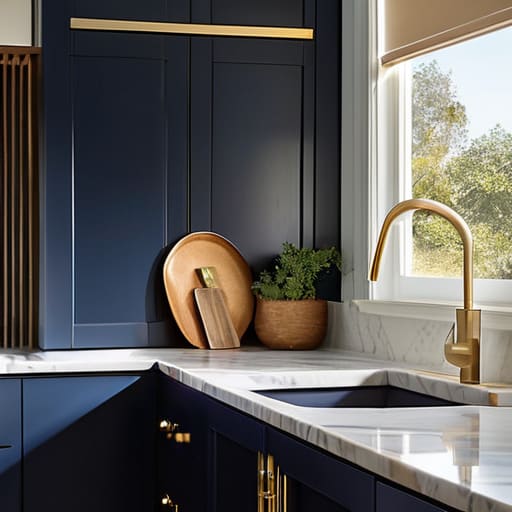
    A Smart Kitchen Remodel Cost Comparison chart.

    When I’m walking through a property and looking at the numbers, I always run a quick kitchen remodel cost comparison before I even talk to a contractor. If I’m looking at a quick flip, the math is pretty brutal: a full gut job—ripping out everything from the floor to the ceiling—can easily swallow 15-20% of my entire renovation budget. On the flip side, a kitchen cabinetry facelift lets me keep the structural bones that are still perfectly sound while completely changing the visual impact for a tiny fraction of that price.

    In a head-to-head battle of refacing vs replacing cabinets, the winner is almost always decided by your ROI goals. Replacing everything is a massive undertaking that involves demolition dust, plumbing shifts, and weeks of living in a construction zone. However, if you opt for professional cabinet resurfacing, you’re essentially getting that high-end, custom look without the high-end price tag. It’s about being strategic; I’d much rather spend that saved cash on high-quality quartz countertops or updated lighting that actually moves the needle on the final sale price.

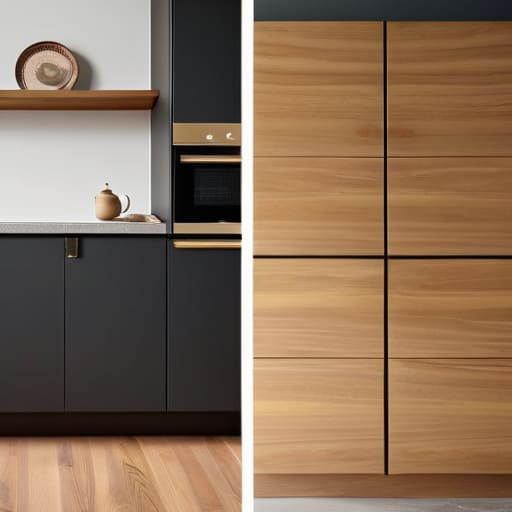
    Refacing vs Replacing Cabinets Choosing Equity Over Waste
    Refacing vs Replacing Cabinets Choosing Equity Over Waste

    When you’re staring at a set of dated, honey-oak carcasses, the instinct is often to rip everything out and start fresh. But as someone who looks at every project through the lens of ROI, I have to tell you: that’s often a massive mistake. The debate of refacing vs replacing cabinets usually comes down to one thing—how much of the actual structure is still sound? If the boxes are sturdy and level, tearing them out is just throwing money down the drain. A professional cabinet resurfacing can give you that high-end, custom look without the soul-crushing expense of a full demolition.

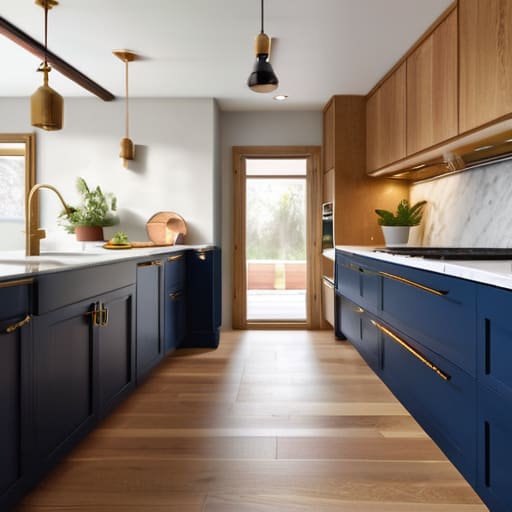
    Instead of chasing every fleeting modern kitchen aesthetic trend that requires a complete gut job, I prefer a more surgical approach. By keeping the existing frames and simply updating the doors and drawer fronts, you’re performing a strategic kitchen cabinetry facelift that keeps your budget focused on high-impact areas like quartz countertops or new lighting. It’s about being smart with your capital. You get the durable cabinet finishes and the clean lines you want, while keeping your renovation timeline—and your sanity—on track.

    5 Ways to Maximize Your ROI Without Tearing Out Every Cabinet

    • Check the bones before you buy the finish. I’ve seen people spend thousands refacing cabinets only to realize the boxes were rotting from a slow leak. Before you commit to new doors, open every single drawer and check for structural integrity; if the carcasses are soft, refacing is just putting expensive lipstick on a pig.
    • Don’t overlook the hardware upgrade. If you’re refacing, you have a golden opportunity to swap out those dated, clunky pulls for something more contemporary—think matte black or brushed brass. It’s a low-cost move that makes the entire kitchen feel intentional rather than just “patched up.”
    • Stick to timeless finishes to protect your resale value. When I’m flipping, I avoid the “trendy” trap. Skip the high-gloss navy or the overly distressed farmhouse look; instead, go for clean, neutral tones that appeal to the widest possible pool of buyers when it’s time to exit the investment.
    • Invest in high-quality door profiles. If you’re refacing, the door is the star of the show. Don’t skimp here by choosing cheap, thin MDF doors that warp after one season. Spend the extra bit on solid wood or high-grade materials that feel heavy and substantial when you close them.
    • Match your lighting to your new aesthetic. A kitchen refit can look cheap if you’re still using that one lonely, yellowing overhead light. Once the cabinets look fresh, swap in some under-cabinet LED strips or a modern pendant; it pulls the whole “new kitchen” illusion together and makes the space feel premium.

    The Bottom Line on Your Kitchen ROI

    Don’t let vanity projects kill your margins; if the cabinet boxes are structurally sound, refacing is the fastest way to modernize the space without the massive price tag of a full gut job.

    Focus your renovation budget where it actually moves the needle—use the money you save on cabinets to upgrade high-impact items like quartz countertops or new hardware.

    Think like an investor, not just a decorator; the goal isn’t just a “pretty” kitchen, it’s a strategic upgrade that maximizes your property’s resale value while keeping your renovation costs under control.

    ## Maximizing Your Margin

    “In this business, profit is found in the gap between what a house looks like and what it could look like. If the cabinet boxes are structurally sound, tearing them out is just throwing money away; refacing is how you manufacture that visual transformation without bleeding your renovation budget dry.”

    Gareth Trelawny

    Making the Call
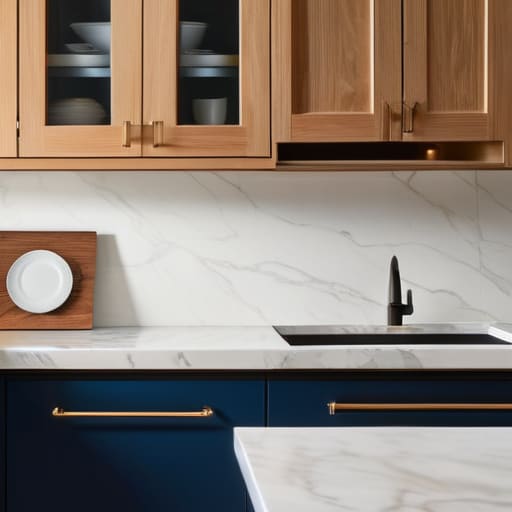
    Making the Call: Cabinet Refacing vs Replacement

    At the end of the day, choosing between a full gut job and refacing comes down to one thing: your bottom line. We’ve looked at how the numbers stack up, and the reality is that you don’t need to tear out perfectly good carcasses to get a high-end look. If the structural bones of your cabinets are solid, a full replacement is often just throwing money down the drain that could be better spent on higher-impact upgrades like quartz countertops or updated lighting. Refacing gives you that fresh, modern aesthetic and a massive boost to your home’s perceived value without the massive headache—and the massive bill—of a total kitchen overhaul.

    Look, I know the idea of a massive renovation can feel overwhelming, especially when you’re trying to play the long game with your finances. But remember, building a real estate portfolio isn’t about making the most expensive moves; it’s about making the smartest moves. Don’t let the fear of a “small” project stop you from seeing the big picture. Whether you’re prepping a house for market or just upgrading your own space, focus on the ROI. Stop chasing perfection and start chasing equity. Grab your measuring tape, look at what you’ve already got, and start building that wealth one smart decision at a time.

    Frequently Asked Questions

    How do I know if my current cabinet boxes are actually sturdy enough to be refaced, or if they're too far gone?

    Before you commit, grab that laser measurer and get hands-on. Open every door and drawer. If you see sagging hinges, crumbling particle board, or any sign of water damage—especially near the sink—run. If the boxes are structurally sound and level, refacing is a goldmine. But if the carcasses are soft or warped, you’re just putting expensive lipstick on a pig. In that case, a full replacement is the only way to protect your investment.

    Does refacing actually hold up against heavy daily use, or will the new doors start peeling after a year?

    Look, I get the skepticism. I’ve seen cheap DIY jobs fall apart in six months, but professional refacing isn’t a “band-aid” fix. When you use high-quality thermofoil or professional-grade wood veneers, they’re built to handle the chaos of a real kitchen. As long as you aren’t blasting the new doors with heavy steam or abrasive chemicals, they’ll hold up just fine. It’s about investing in quality materials upfront so your equity doesn’t peel away.

    If I'm looking for the best ROI, should I focus on changing the door style or just updating the finish and hardware?

    If you’re chasing maximum ROI, don’t overthink it: prioritize the finish and hardware first. Changing the door style is a bigger job that can sometimes backfire if the new aesthetic doesn’t vibe with the existing box construction. However, a high-quality spray finish paired with modern, heavy-duty hardware can make an old kitchen look brand new for a fraction of the cost. It’s about smart cosmetic upgrades that drive perceived value without the heavy lifting.
  • Selecting Durable Countertop Materials

    Selecting Durable Countertop Materials

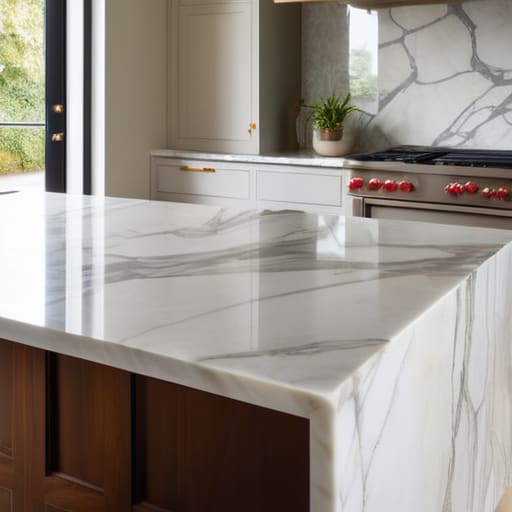
    I was standing in a dusty kitchen in a mid-century ranch last Tuesday, staring at a slab of Calacatta marble that cost more than my first car. The homeowner was convinced this was the “secret sauce” to a high-end flip, but all I saw was a massive drain on the ROI. People treat countertop selection like it’s a high-stakes fashion show, thinking they need the most expensive stone to impress a buyer. Honestly? That’s a rookie mistake. If you’re pouring your entire renovation budget into a surface that stains the second someone spills a drop of red wine, you aren’t investing; you’re just burning cash.

    I’m not here to sell you on a lifestyle brand or a luxury showroom fantasy. My goal is to show you how to pick surfaces that actually work for your bottom line. In this guide, I’m stripping away the marketing fluff to give you the real-world math behind durable, high-impact materials. We’re going to talk about finding that sweet spot where aesthetic appeal meets maximum equity, ensuring your next project looks expensive without actually costing you the profit you worked so hard to build.

    Table of Contents

    Natural Stone vs Engineered Stone Picking the Real Winners

    Natural Stone vs Engineered Stone Picking the Real Winners

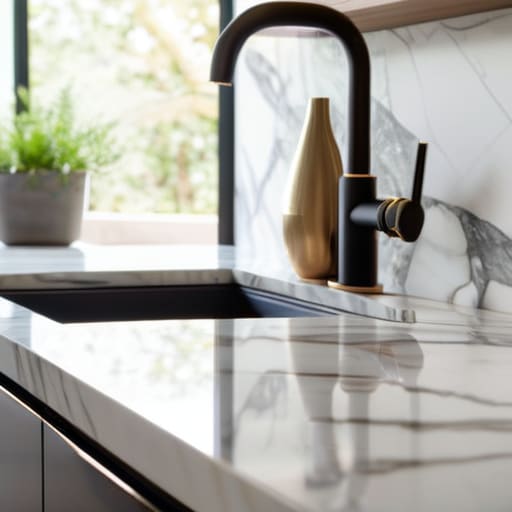
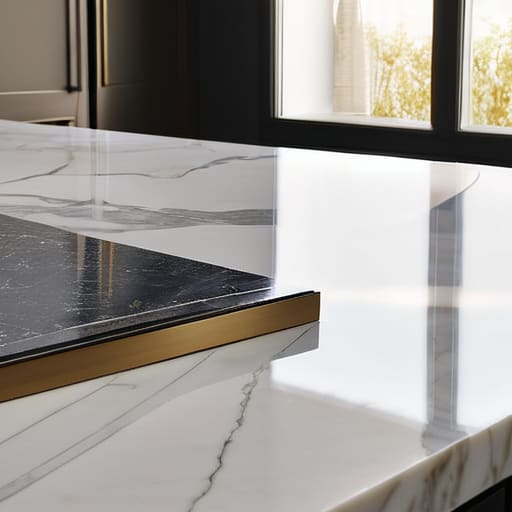
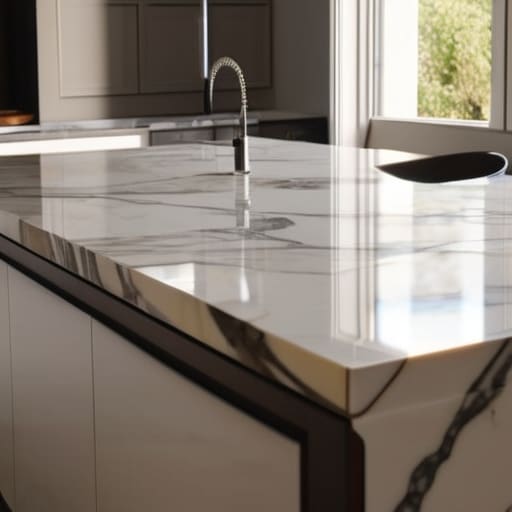
    When you’re staring down a kitchen countertop materials comparison, it’s easy to let the “pretty factor” cloud your judgment. Natural stone, like granite or marble, is the gold standard for high-end aesthetics. There is nothing quite like the unique veining of a real slab to give a property that “wow” factor during a walkthrough. However, if you’re looking for the best countertops for high traffic kitchens, you need to account for the reality of daily life. Natural stone is porous; it’s going to need regular sealing, or you’ll be dealing with permanent wine stains before the first closing date.

    On the flip side, engineered stone—specifically quartz—is the pragmatic investor’s best friend. It’s incredibly consistent and practically indestructible, which is exactly what you want when you’re aiming for a quick flip. While the initial cost of countertop installation might be slightly higher for premium quartz, the lack of intensive upkeep makes it a winner for resale. In my experience, if you want to minimize post-renovation headaches and maximize your ROI, engineered stone usually wins the battle of durability versus maintenance.

    The True Cost of Countertop Installation and Long Term Value

    The True Cost of Countertop Installation and Long Term Value

    When you’re running the numbers on a flip, you have to look past the initial sticker shock and focus on the long-term ROI. It’s easy to get caught up in the cost of countertop installation during the bidding phase, but if you cheap out on low-grade laminate just to save a few hundred bucks, you’re going to pay for it when the next buyer sees the water damage or the scratches. I’ve seen too many investors try to squeeze every penny out of a budget only to realize they’ve actually devalued the entire kitchen by choosing something that looks cheap under bright lighting.

    If you want to build real equity, you need to prioritize durable kitchen surfaces that can stand up to a family’s daily chaos. I always tell my clients to think about the resale buyer: they want something that looks high-end but doesn’t require a PhD in stone care to maintain. Investing a bit more upfront in a quality quartz or a well-sealed granite isn’t just a design choice; it’s a strategic move to ensure your renovation actually holds its value once the dust settles and the closing papers are signed.

    Five Rules for Picking Surfaces That Actually Make You Money

    • Stop chasing trends that will look dated in two years; stick to timeless neutrals like quartz or granite so your resale value doesn’t tank the moment a new design fad hits.
    • Always check the edge profile before you sign the contract, because a complex, custom edge might look high-end, but the extra labor costs will eat directly into your renovation margins.
    • Don’t get seduced by the “luxury” label on showroom floor samples; bring a sample piece to the actual site to see how it reacts to the kitchen’s lighting, or you’ll end up with a color you hate.
    • Prioritize durability over pure aesthetics if you’re flipping; if a buyer can scratch the surface with a kitchen knife during their first week, they’re going to regret the purchase and blame the house.
    • Factor in the sink cutout and faucet holes early in the selection process, because changing your mind on a deep farmhouse sink after the stone is templated is a fast way to blow your budget.

    The Bottom Line: Maximizing Your ROI

    Stop chasing high-end trends that don’t scale; focus on durable, mid-range materials like quartz that offer the best balance of “wow factor” and budget protection.

    Always factor in the installation labor and potential substrate repairs before you sign a contract, or you’ll watch your profit margins vanish into the subfloor.

    Invest in surfaces that appeal to the widest possible buyer pool rather than your personal aesthetic if your goal is a quick, profitable flip.

    The Investor's Rule for Surfaces

    “Stop treating your kitchen remodel like a personal design showcase; if you’re picking a countertop that looks incredible but eats 15% of your projected margin, you aren’t renovating, you’re just subsidizing your own taste at the expense of your equity.”

    Gareth Trelawny

    The Bottom Line on Your Surfaces

    The Bottom Line on Your Surfaces.

    At the end of the day, picking a countertop isn’t about chasing the latest trend on Pinterest; it’s about strategic decision-making. You’ve weighed the durability of engineered stone against the prestige of natural marble, and you’ve factored in the actual labor costs that can sink a budget if you aren’t careful. Remember, every dollar you spend on a slab needs to work twice as hard for you when it comes time to sell. If a high-end material doesn’t directly translate to a higher appraisal or a faster sale, it’s just an expensive mistake. Keep your eyes on the return on investment, not just the aesthetic.

    Renovation is messy, loud, and often incredibly frustrating, but that’s exactly where the opportunity lives. When you walk into a gutted kitchen and see the potential for a stunning, high-value workspace, you’re seeing the foundation of your future equity. Don’t let the overwhelming number of choices paralyze you. Trust your eye, stick to your budget, and choose surfaces that reflect a sense of quality without breaking your bank. You aren’t just installing counters; you are building wealth, one square foot at a time. Now, grab your laser measurer and get to work.

    Frequently Asked Questions

    Should I prioritize high-end aesthetics to attract buyers, or stick to durable, low-maintenance materials that won't require immediate replacement?

    Look, if you’re flipping, don’t get caught in the “luxury trap.” You aren’t building your forever home; you’re building an asset. If you go too high-end, you’re just subsidizing the next owner’s lifestyle with your profit margin. Aim for the sweet spot: high-durability engineered stone that looks expensive but can handle a heavy-handed tenant. You want the “wow” factor in photos, but you need materials that won’t crack before you close the deal.

    How much of my renovation budget should I realistically cap for countertops before I start eating into my projected profit margins?

    Look, if you’re flipping, your countertop budget shouldn’t exceed 5% to 8% of your total renovation spend. I’ve seen too many investors blow their margins chasing a slab of Calacatta marble that looks great in photos but offers zero ROI. You want high-impact, durable surfaces—think quality quartz—that scream “luxury” without the custom-carved price tag. Don’t let a pretty kitchen sink your entire profit margin before you even hit the closing table.

    Are there specific countertop styles or colors that are currently trending but might feel dated by the time I'm ready to flip the property?

    Avoid the “trend traps.” Right now, everyone is obsessed with dramatic, heavy veining in quartz, but that’s a gamble. If you go too bold, you’re designing for yourself, not the buyer. I stick to the neutrals: creamy whites, subtle greys, or classic salt-and-pepper patterns. You want a surface that acts as a canvas for the buyer’s decor, not a centerpiece that screams “2024” the moment they walk through the door.

  • Improving Home Value Through Landscaping

    Improving Home Value Through Landscaping

    I was standing in the mud of a foreclosure in East Austin last Tuesday, staring at a yard that looked more like a graveyard for rusted lawnmowers than a residential lot. Most “experts” would tell you that you need a five-figure budget and a team of architects to fix a mess like that, but honestly? That’s just a way to drain your margins before you even step inside the house. I’ve seen too many investors get paralyzed by a patch of weeds, missing out on massive ROI because they were looking for high-end landscaping ideas instead of looking for strategic value.

    I’m not here to sell you on expensive fountain installations or manicured topiary that requires a full-time gardener to maintain. My goal is to show you how to use smart, low-maintenance greenery and hardscaping to juice your property’s equity without breaking the bank. I’m going to walk you through the exact types of landscaping ideas I use to transform a neglected, dirt-filled lot into a high-value asset that makes buyers fall in love the second they pull into the driveway.

    Table of Contents

    Mastering Low Maintenance Backyard Landscaping for Maximum Roi

    Mastering Low Maintenance Backyard Landscaping for Maximum Roi

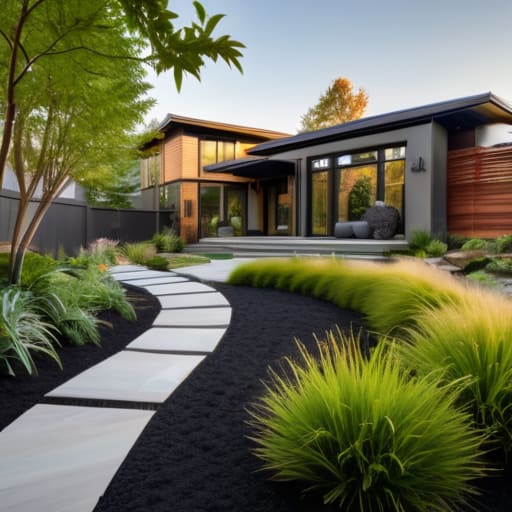
    When I’m walking a property, I’m not looking for a garden that requires a full-time groundskeeper; I’m looking for something that looks high-end but runs itself. Buyers want the vibe of an oasis without the weekend-long commitment of weeding and pruning. This is where low maintenance backyard landscaping becomes your best friend for increasing resale value. I always steer my clients toward hardscaping—think clean slate pavers or decomposed granite—paired with hardy, drought-tolerant perennials. It creates a polished, intentional look that says “luxury” rather than “I forgot to mow the lawn.”

    If you’re working with a tight footprint, don’t panic. I’ve seen some of my most profitable flips rely on clever small garden layout solutions to make a cramped yard feel expansive. Instead of sprawling flower beds that invite pests and rot, I lean into structural elements like built-in planters or tiered stone edges. By focusing on clean lines and a limited plant palette, you create an outdoor living space design that feels architectural and expensive. It’s about working smarter, not harder, to ensure that every dollar you sink into the dirt translates directly into equity.

    Small Garden Layout Solutions to Boost Curb Appeal

    Small Garden Layout Solutions to Boost Curb Appeal

    When you’re dealing with a tight lot, you can’t afford to waste a single square inch on dead space. I’ve seen too many investors blow their budget on sprawling lawns that just end up being a chore for the next owner. Instead, focus on small garden layout solutions that prioritize verticality and clean lines. Think built-in planters or tiered stone retaining walls; these don’t just add structure, they create a sense of depth that makes a cramped yard feel intentional rather than accidental.

    If you want to play into current modern landscape architecture trends, stop thinking about “filling holes” with random shrubs. You need to treat the exterior like an extension of the floor plan. I always suggest defining specific zones—a small gravel patio for a bistro set here, a narrow perennial border there. By creating these distinct pockets, you’re essentially designing an outdoor living space design that feels high-end and curated. It’s about maximizing the perceived footprint, which is exactly how you squeeze that extra bit of equity out of a modest property.

    My Top 5 High-Impact Landscaping Plays for Every Flip

    • Focus on hardscaping over softscaping. A clean, stone paver patio or a well-defined gravel path adds much more perceived value than a bunch of expensive perennials that will just die in six months. Hardscape is permanent, looks high-end, and tells a buyer the space is ready for entertaining.
    • Invest in smart, automated irrigation. Nothing kills a sale faster than a buyer seeing withered shrubs or realizing they’ll have to spend every weekend watering the yard. A simple, programmable system is a low-cost install that screams “low maintenance” to a potential buyer.
    • Use native plants to slash the upkeep. I always look for local species that thrive in our specific climate. Not only does this make the garden look intentional and “at home,” but it also means the next owner won’t be fighting a losing battle against the local soil and weather.
    • Layer your lighting for that “magic hour” effect. Don’t just slap a few solar stakes in the ground; install some strategic uplighting on key trees or architectural features. It makes the property look expensive during evening walkthroughs and adds a massive sense of security and depth.
    • Don’t neglect the edges. A crisp, clean line between your mulch beds and the lawn is the cheapest way to make a yard look professionally designed. It’s the difference between a “neglected lot” and a “manicured estate,” and it costs you nothing but a little bit of time and a sharp spade.

    The Bottom Line on Landscaping for Profit

    Stop chasing high-maintenance perfection; focus on hardscaping and hardy plants that look intentional without requiring a full-time gardener to keep them alive.

    Curb appeal is your first handshake with a buyer, so prioritize the entryway and front sightlines to ensure the property’s value is felt the second they pull up.

    Treat every landscaping decision as a math problem—if the cost of the mulch and shrubs doesn’t translate into a measurable bump in equity, it’s just an expensive hobby, not an investment.

    ## Stop Thinking About Flowers, Start Thinking About Margins

    “When I’m walking a property, I’m not looking for a pretty flower bed; I’m looking for a way to use strategic greenery to mask a structural flaw or boost the perceived value of a cramped lot. Landscaping isn’t a hobby—it’s a high-leverage tool to turn a neglected yard into instant equity.”

    Gareth Trelawny

    Turning Dirt into Equity: The Final Blueprint

    Turning Dirt into Equity: The Final Blueprint

    At the end of the day, landscaping isn’t just about making a house look pretty for a weekend photoshoot; it’s about strategic asset management. Whether you’re tackling small-scale curb appeal to win over neighbors or implementing low-maintenance backyard solutions to appeal to the busy modern buyer, every plant and stone you place should serve a purpose. I’ve seen too many investors blow their margins on high-maintenance floral displays that die within a season. Instead, focus on those high-impact, low-effort upgrades we discussed. When you prioritize structural greenery and smart layouts, you aren’t just gardening—you are actively engineering a higher appraisal value for your property.

    Don’t let the prospect of a muddy yard or a neglected lot intimidate you. I know exactly how it feels to stand in front of a property that looks like a disaster zone, but that’s exactly where the profit lives. Every patch of weeds is just an opportunity to build more equity if you have the vision to see past the mess. Grab your tools, keep your eye on the ROI, and remember that the most profitable transformations often start from the ground up. You have the eye for potential; now, it’s time to go out there and build your empire, one garden bed at a time.

    Frequently Asked Questions

    How do I figure out if a massive, overgrown yard is a money pit or a genuine landscaping opportunity?

    Look, don’t let a jungle of weeds spook you. To tell if it’s a money pit or a goldmine, look at the bones. Check the grade of the land and the quality of the soil. If the foundation is solid and the lot has good drainage, that overgrowth is just a temporary setback. I see a massive, neglected yard as a blank canvas—it’s much cheaper to clear out weeds than it is to fix a sloping yard or poor soil.

    At what point does spending more on high-end hardscaping actually stop yielding a positive return on investment?

    Look, I love a high-end bluestone patio as much as the next designer, but you have to watch the math. The moment your hardscaping costs start approaching the total value of the property’s “curb appeal premium,” you’ve overshot the mark. If you’re spending fifty grand on custom masonry for a house that only gains thirty grand in market value, you aren’t investing—you’re just decorating your own loss. Keep it functional, keep it durable, and always prioritize equity over ego.

    Are there specific types of plants or landscaping features that help me flip a property faster in certain markets?

    In high-turnover suburban markets, stick to “safe” perennials like lavender or hydrangeas; they look established and lush without requiring a degree in botany. If you’re flipping in a desert climate, go heavy on drought-tolerant succulents and gravel mulch—buyers love the “low-water” lifestyle pitch. Most importantly, avoid anything too niche or high-maintenance. You want a buyer to see a finished product, not a weekend chore that’s going to eat their Saturday mornings.

  • Choosing the Right Flooring for Your Home

    Choosing the Right Flooring for Your Home

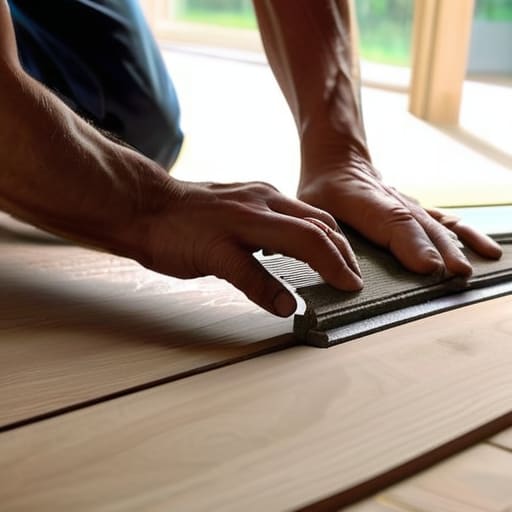
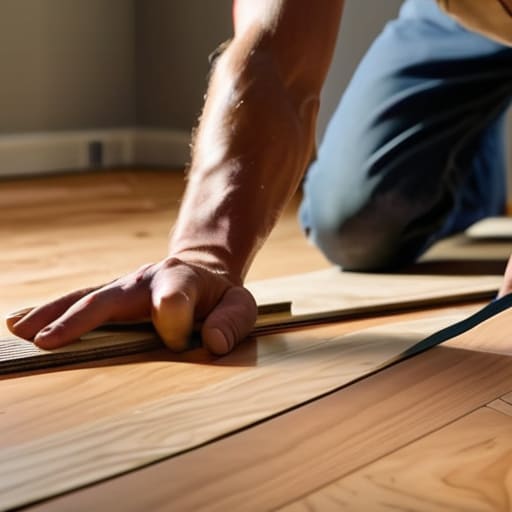
    I still remember standing in the middle of a gutted ranch-style fixer-upper last October, my lungs burning from drywall dust and my knees aching from kneeling on a subfloor that felt like it was made of nothing but hope and old glue. I was staring at a sea of stained, 1970s shag carpet that looked like it hadn’t seen a vacuum since the Nixon administration, realizing that my entire renovation timeline was about to tank. Most people see a messy, uneven subfloor and think they need to hire a specialized crew and blow their entire budget on high-end hardwoods, but that’s a massive waste of capital. In my experience, the real magic of flooring installation isn’t about how much you spend, but about how smart you are with the prep work.

    I’m not here to sell you on some overpriced, boutique flooring brand that’s going to crack the moment the temperature shifts. Instead, I’m going to give you the unfiltered reality of how to handle flooring installation without draining your investment margins. I’ll show you how to identify which materials actually hold their value and how to spot the prep errors that turn a quick weekend job into a long-term nightmare. Let’s get to work.

    Table of Contents

    Navigating Professional Flooring Installation Costs Without Breaking the Ba

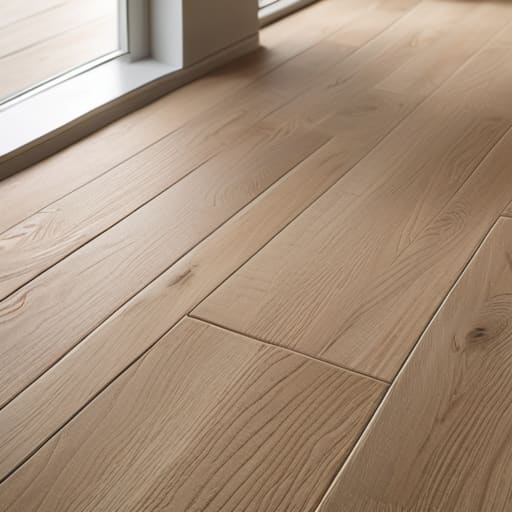
    When you’re staring at a quote from a contractor, it’s easy to feel like you’re being taken for a ride. But here’s the reality: the sticker shock usually comes from what you can’t see. I’ve learned the hard way that cutting corners on subfloor preparation techniques is the fastest way to turn a profitable flip into a money pit. If the foundation isn’t level or clean, that expensive hardwood you just bought is going to buckle within six months. Instead of slashing the labor budget, I focus my negotiation efforts on the materials themselves.

    To keep your margins healthy, I always run a quick flooring material durability comparison before signing any contracts. Don’t just go for the cheapest option; look for the sweet spot where longevity meets price point. If you’re working on a rental or a high-turnover property, investing a little extra in a quality underlayment for floor installation can save you thousands in future repairs. My rule of thumb is simple: spend your money where it prevents a callback, and save it on the decorative trim that anyone can swap out later.

    Smart Underlayment for Floor Installation to Protect Your Investment

    Smart Underlayment for Floor Installation to Protect Your Investment

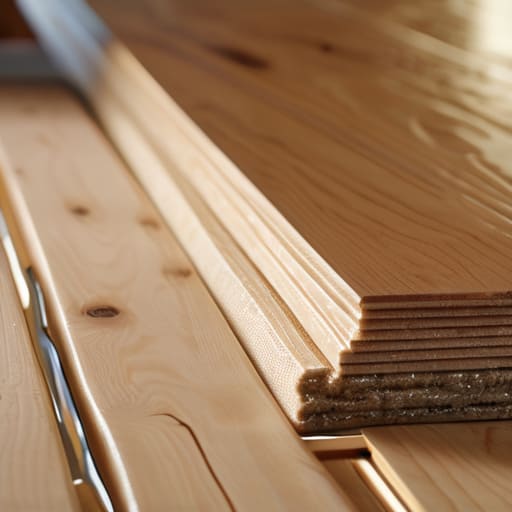
    If you want to avoid the nightmare of seeing your expensive new planks buckle or warp six months after a flip, you cannot afford to skimp on what lies beneath. Most amateur renovators focus entirely on the visible surface, but the real secret to longevity is the underlayment for floor installation. Think of it as the foundation of your aesthetic; if the base is uneven or damp, even the most expensive hardwood is going to fail. I always tell my clients that skipping a quality buffer is just a fast track to a costly callback.

    Before you even think about laying down a single plank, you need to address your subfloor preparation techniques. If you’re dealing with an old fixer-upper, you’re likely going to encounter uneven joists or slight moisture issues. This is where checking your flooring moisture barrier requirements becomes non-negotiable. Whether you’re using a thick foam pad for sound dampening or a specialized vapor barrier for concrete slabs, getting this layer right is what separates a professional-grade rehab from a DIY disaster. It’s about protecting that equity you worked so hard to build.

    Don't Get Burned: 5 Pro Moves for a Flawless Floor

    • Stop obsessing over the prettiest sample in the showroom; instead, grab a sample of the actual material and try to scratch it with a key or spill some coffee on it. If it doesn’t hold up in your own kitchen, it definitely won’t survive a rental or a high-traffic flip.
    • Never, and I mean never, skip the subfloor prep. I’ve seen so many investors try to save a few hundred bucks by laying expensive hardwood over a wonky, uneven subfloor, only to have the boards squeak or buckle six months later. Level it out now, or pay for it later.
    • Always order 10% to 15% more material than your square footage suggests. Between corner cuts, mistakes, and the occasional damaged plank in the box, you do not want to be halfway through a room only to realize you’re short and have to pay more for shipping on a tiny supplemental order.
    • Check your acclimation time religiously. If you’re installing real wood or high-end laminate, let those boxes sit in the actual room where they’ll be installed for at least 48 to 72 hours. If you rush the install, the temperature and humidity shifts will warp your profit margin right out of the house.
    • Focus your budget where it shows. If you’re on a tight margin, go for a high-quality LVP (Luxury Vinyl Plank) in the high-traffic living areas, but don’t skimp on the transitions and baseboards. It’s the little trim details that make a cheap floor look like a custom installation.

    The Bottom Line on Flooring

    Don’t get blinded by high-end material costs; focus your budget on quality underlayment and a level subfloor, because a cheap finish on a bad foundation will fail every single time.

    When you’re quoting contractors, don’t just look for the lowest number—look for the person who understands that a precise installation is what actually protects your profit margins.

    Treat flooring as a strategic equity play rather than just a cosmetic fix; choose durable, timeless materials that won’t need replacing the moment you try to flip the property.

    ## The Real ROI of Your Floors

    “Stop looking at flooring as just another line item in your renovation budget; if you treat it as a strategic asset rather than an expense, you’re not just covering a subfloor—you’re laying the foundation for your profit margin.”

    Gareth Trelawny

    The Bottom Line on Your Floors

    The Bottom Line on Your Floors.

    At the end of the day, flooring isn’t just about picking a color that looks good in a showroom; it’s a strategic move for your property’s value. We’ve talked about how to keep your installation costs from spiraling out of control and why skimping on high-quality underlayment is a mistake you’ll regret when your subfloor starts acting up. If you manage your budget wisely and don’t cut corners on the unseen layers that provide stability, you aren’t just covering up old wood or concrete. You are effectively layering on equity that will show up in your final appraisal.

    I know that looking at a gutted room with bare subfloors can feel overwhelming, especially when you’re staring down a massive project timeline. But remember, every great renovation is just a series of small, calculated decisions. Don’t let the dust and the chaos intimidate you. When you finally walk across those new planks and see the light hitting a clean, finished surface, you’ll realize that the sweat equity was worth every second. Stop looking at the mess and start seeing the potential profit hiding underneath. Now, grab your laser measurer and get to work.

    Frequently Asked Questions

    How do I know if my subfloor is actually level enough for luxury vinyl plank, or if I'm just setting myself up for a nightmare later?

    Grab your laser measurer—or a decent 4-foot level if you’re just starting—and check for dips or humps. For LVP, you really want your subfloor to be within 3/16 of an inch over a 10-foot span. If you see significant waves, don’t just click those planks together and hope for the best; the locking mechanisms will snap underfoot. Level it out with self-leveling compound now, or you’ll be paying for a full replacement later.

    Is it actually worth paying the premium for engineered hardwood in a rental property, or should I just stick to something more durable and budget-friendly?

    Look, if you’re playing the long game, engineered hardwood is a solid move because it looks high-end and holds its value during a resale. But if this is a high-turnover rental? Honestly, don’t overextend yourself. I’d pivot to a high-quality Luxury Vinyl Plank (LVP) instead. It mimics the wood look perfectly, handles spills and heavy foot traffic like a champ, and won’t leave you crying over a scratched-up floor when a tenant moves out.

    What are the biggest red flags I should look for when I'm vetting a flooring contractor to make sure they aren't cutting corners on the prep work?

    If a contractor walks into a room and doesn’t immediately pull out a moisture meter or a straightedge, run. The biggest red flag is someone who wants to lay material directly over uneven subfloors or old, unlevel concrete. They’ll tell you “it’ll flatten out,” but they’re lying. If they aren’t talking about grinding, leveling, or cleaning the substrate before the first plank touches the floor, they aren’t installing a floor—they’re just hiding problems.