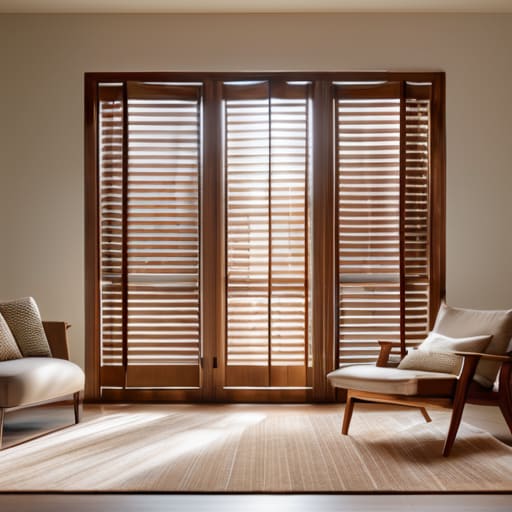
I was standing in a gutted mid-century ranch last Tuesday, dust coating my boots and the smell of old drywall filling the air, when I realized the previous owner had completely botched the window treatments. They’d installed these flimsy, plastic faux-wood slats that looked absolutely pathetic against the original architecture. It’s a classic mistake: people think they can just slap any cheap decor on a property and call it a day, but cheap window shutters are one of the fastest ways to tank your perceived value. If you’re trying to build equity, you can’t afford to let low-quality finishes scream “budget renovation” to every potential buyer who walks through the door.
I’m not here to sell you on some overpriced, designer-label nonsense that eats up your entire contingency fund. My goal is to show you how to select window shutters that actually provide a high-end look without the high-end markup. I’ll be breaking down which materials actually hold up during a heavy-use rental, which styles offer the best visual punch for your dollar, and how to avoid the common installation traps that turn a simple upgrade into a total headache. Let’s get to work.
Table of Contents
- Custom Wood Shutters vs Faux Wood Choosing Long Term Value
- Plantation Shutters Style Guide for Maximum Curb Appeal
- 5 Pro Tips for Picking Shutters That Actually Pay Off
- The Bottom Line: Maximizing Your ROI with Shutters
- ## The ROI of the First Impression
- Making the Final Call on Your Windows
- Frequently Asked Questions
Custom Wood Shutters vs Faux Wood Choosing Long Term Value
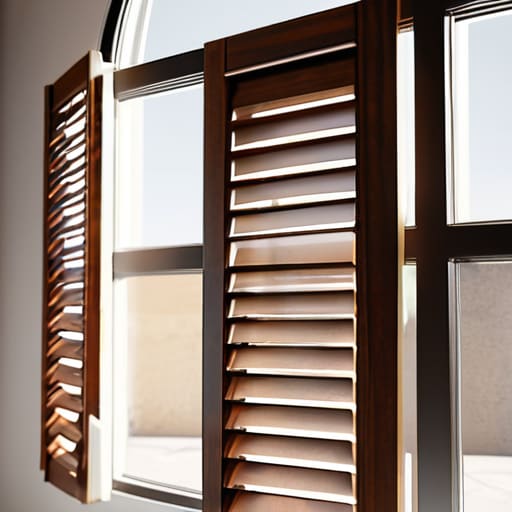
When you’re standing in a gutted living room staring at empty window frames, you have to decide if you’re playing the short game or the long game. If you’re looking for an immediate, budget-friendly fix to get a property market-ready, faux wood is tempting. It’s durable and handles humidity well, but let’s be real: it can feel a bit “builder-grade” if you aren’t careful.
However, if your goal is to maximize your ROI and create a high-end feel that justifies a premium asking price, the debate of custom wood shutters vs faux wood usually ends with the real stuff. Real hardwood adds a layer of architectural soul that plastic just can’t mimic. While you do need to factor in some hardwood shutter maintenance to keep them looking sharp, the equity they add is tangible. They act as premium energy efficient window treatments, helping regulate temperature while providing that sophisticated, layered look that high-end buyers crave. In my experience, investing in quality materials early on is the difference between a quick flip and a truly high-value asset.
Plantation Shutters Style Guide for Maximum Curb Appeal
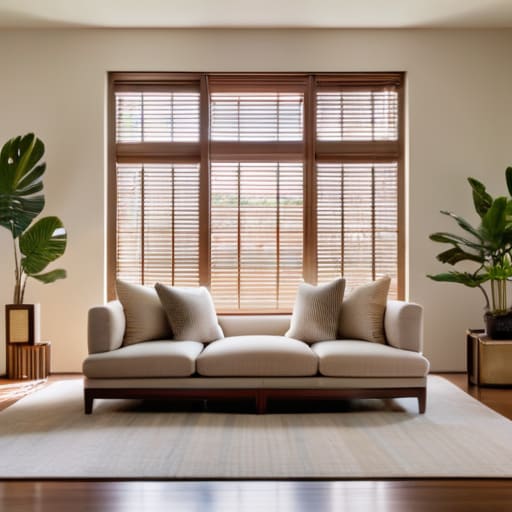
If you’re looking to boost your property’s perceived value without a full-scale remodel, plantation shutters are your best friend. When I’m walking through a potential flip, I’m looking for those clean, architectural lines that make a room feel expensive. For a classic, high-end look that screams “luxury renovation,” I always lean toward larger louvers. They create a bold, structured statement that works perfectly with minimalist industrial chic. If you’re aiming for a more traditional or cottage vibe, smaller slats can add a layer of delicate detail that softens the space.
Beyond just the look, you have to think about the practical side of the investment. I treat these as privacy and light control solutions that actually work for the homeowner. If you’re flipping a property in a sun-drenched area, emphasizing how these can act as energy efficient window treatments is a massive selling point. You aren’t just selling a pretty window; you’re selling a way to keep cooling costs down and light levels manageable. It’s all about showing the buyer that every design choice serves a dual purpose: aesthetics and long-term utility.
5 Pro Tips for Picking Shutters That Actually Pay Off
- Stop buying the cheapest plastic options you find at big-box stores; if they look flimsy, buyers will assume the rest of your renovation is cheap too.
- Always measure twice and check for level before ordering, because nothing kills my mood faster than a set of shutters that hang crooked on a wonky window frame.
- Think about the light—if you’re flipping a dark space, opt for shutters with louvers that allow for better light control so you aren’t fighting shadows during showings.
- Match your shutter color to your trim rather than your siding to create a cohesive, high-end look that makes the whole house feel more expensive.
- Don’t forget about maintenance; if you’re aiming for a quick flip, steer clear of high-maintenance materials that will require a fresh coat of paint before the house even hits the market.
The Bottom Line: Maximizing Your ROI with Shutters
Don’t chase the cheapest option just to save a few bucks on the initial rehab; invest in high-quality materials like real wood if you’re looking to boost the long-term appraisal value of the property.
Curb appeal is your strongest selling tool, so use plantation-style shutters to create that instant “wow” factor that makes potential buyers fall in love before they even step through the front door.
Always prioritize durability and timeless design over trendy patterns, because the goal is to create a space that feels high-end and polished, not one that looks dated by the time you’re ready to list.
## The ROI of the First Impression
“When you’re walking a property, the windows are often the first thing a buyer notices—and cheap, flimsy shutters are a dead giveaway of a lazy renovation. If you want to actually build equity, invest in shutters that have some weight to them; you aren’t just decorating a window, you’re signaling to the buyer that the entire house has been handled with intention.”
Gareth Trelawny
Making the Final Call on Your Windows
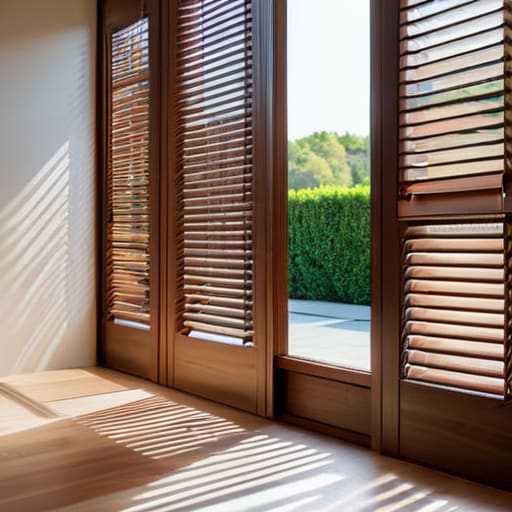
At the end of the day, choosing the right shutters isn’t just about picking a color from a swatch book; it’s a calculated decision about where you want to allocate your renovation budget. If you’re looking for that high-end, custom feel that screams quality to a potential buyer, go with the real wood. But, if you’re flipping a property on a tighter margin and need something durable that won’t warp in a humid climate, faux wood is a perfectly pragmatic choice. Remember, whether you’re opting for the timeless elegance of plantation shutters or a more modern look, your goal is to ensure that every dollar spent on your windows translates directly into increased property value.
Don’t let the small details intimidate you. I know it feels overwhelming when you’re staring at a pile of contractor quotes and endless material samples, but that’s exactly where the profit is made. Real estate isn’t about the easy wins; it’s about having the vision to see how a simple upgrade can transform a house into a high-value asset. Stop overthinking it and start executing. Once you get these shutters installed and that curb appeal kicks in, you’ll realize that building equity is really just a series of smart, intentional decisions. Now, grab your laser measurer and let’s get to work.
Frequently Asked Questions
How do I figure out if the cost of installing shutters will actually be recouped when I go to sell the property?
To figure this out, stop looking at the shutters as a decoration and start looking at them as a line item in your ROI calculation. I always run a quick comparative market analysis. Look at recent sales in your neighborhood—are they selling “turnkey” with high-end finishes, or are they priced for buyers who want to DIY? If you’re flipping for a quick margin, go for high-impact faux wood. If you’re holding for long-term equity, invest in the real deal.
Are there specific shutter styles that look dated or "cheap" and might actually hurt my resale value?
Look, I’ve seen too many flips ruined by “builder-grade” decisions. Avoid those flimsy, plastic-looking shutters that feel hollow when you touch them; they scream “low budget” to potential buyers. Also, steer clear of overly ornate, faux-Victorian styles unless you’re working on a true period home—they tend to look tacky rather than timeless. Stick to clean lines and substantial materials. If it looks like it belongs in a suburban McMansion from 2005, skip it.
How much maintenance am I realistically looking at with real wood shutters versus the low-maintenance faux options?
Look, if you’re chasing high ROI, you need to be honest about your bandwidth. Real wood is stunning and adds serious character, but it’s high-maintenance; you’ll be dusting, conditioning, and occasionally repainting to prevent warping or cracking. Faux wood is the “set it and forget it” winner. It’s virtually indestructible and handles humidity like a champ. If you want premium equity, go wood. If you want a hands-off asset, stick with faux.
