I was standing in a gutted mid-century bungalow last Tuesday, staring at a refrigerator that looked like it belonged in a museum of failed technology. The owner was convinced she needed a $15,000 custom chef’s suite to make the space feel “modern,” but I could see the truth through the dust. Most people treat a kitchen appliance upgrade like a high-stakes fashion show, throwing money at shiny, oversized gadgets that look great in a showroom but absolutely tank your ROI in a real-world flip. You don’t need a professional-grade sous-vide station to build equity; you need a strategy that respects your budget and your bottom line.
I’m not here to sell you on the latest luxury trends or help you blow your renovation budget on things that won’t move the needle. Instead, I’m going to show you how to pick the specific pieces that actually maximize your resale value without draining your bank account. We’re going to talk about the sweet spot between durability and design, ensuring every dollar you spend on a kitchen appliance upgrade is a direct investment into your future wealth.
Table of Contents
Maximizing Kitchen Remodel Roi Through Strategic Selection
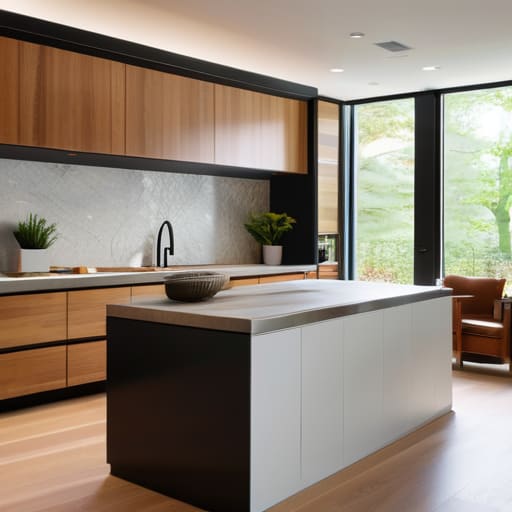
When I’m walking through a potential flip, I’m not just looking at the backsplash; I’m looking at the guts of the room. To truly maximize your kitchen remodel ROI, you have to stop thinking like a homeowner and start thinking like an investor. It’s easy to get seduced by a shiny new fridge, but if it doesn’t serve a strategic purpose, you’re just burning cash. I always tell my clients to look for the “sweet spot” where functionality meets perceived luxury. You want buyers to walk in and immediately feel like they’re stepping into a high-functioning workspace, not a showroom of expensive junk they can’t afford to maintain.
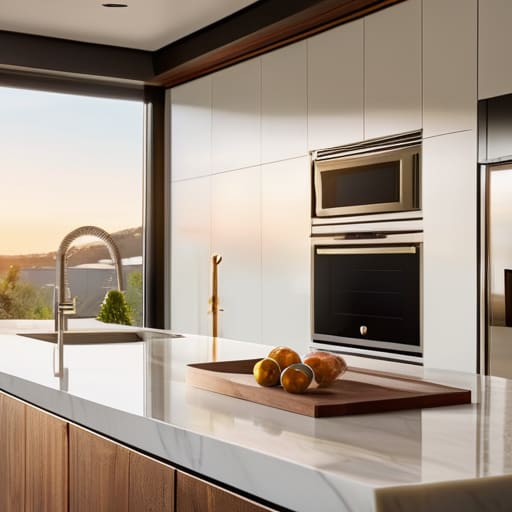
One of the most effective ways to do this is by leaning into integrated kitchen design trends. Instead of scattering mismatched units across the floor, aim for a cohesive look that suggests a smart kitchen ecosystem. This might mean selecting a suite of appliances that share a consistent finish and interface. When the tech feels unified, it signals to a buyer that the home is modern and well-maintained, which is one of the fastest ways to drive up that final sale price.
Why Energy Efficient Appliance Replacement Pays Off Fast
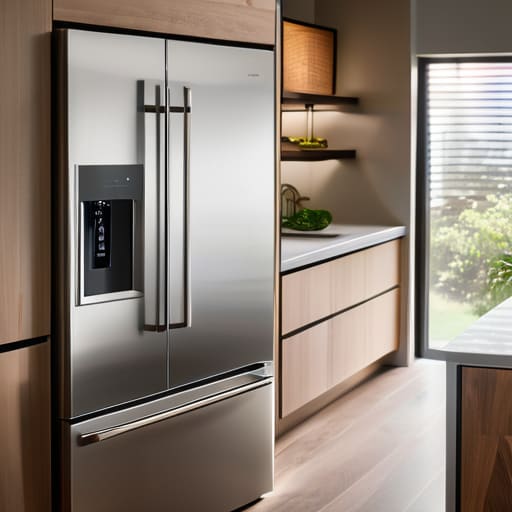
When I’m walking through a potential flip, I’m not just looking at the aesthetic; I’m looking at the utility bills. Buyers today are hyper-aware of overhead costs, and nothing screams “money pit” quite like an old, power-hungry refrigerator or a dishwasher that sounds like a jet engine. An energy efficient appliance replacement isn’t just a green move—it’s a strategic play for your bottom line. By swapping out outdated units for modern, low-consumption models, you’re checking a massive box for the eco-conscious buyer while simultaneously increasing home resale value with kitchen upgrades that feel substantial.
It’s also about the psychological win during a walkthrough. Modern, efficient appliances signal to a buyer that the home has been meticulously maintained and isn’t hiding systemic neglect. If you can integrate these into a smart kitchen ecosystem, where everything talks to each other and saves power, you aren’t just selling a room; you’re selling a lifestyle of convenience and low maintenance. That’s how you turn a standard renovation into a high-equity win that justifies a premium asking price.
Five Ways to Stop Wasting Money on Kitchen Upgrades
- Stop chasing every shiny gadget on the market; focus on the “Big Three”—the fridge, stove, and dishwasher—because these are the heavy hitters that buyers actually inspect during a walkthrough.
- Match your appliance finish to your design aesthetic, but don’t get weird with it; stainless steel is the gold standard for a reason, and it’s the safest bet for ensuring a quick resale.
- Look for integrated or “built-in” looks where possible, as hiding the bulk of a dishwasher or fridge makes a small kitchen feel custom-designed rather than just slapped together.
- Don’t buy the cheapest entry-level models just to check a box; a loud, flimsy dishwasher is a red flag that tells a potential buyer you cut corners on the entire renovation.
- Prioritize smart functionality that actually adds value, like induction cooktops, which are massive for modern buyers and offer a premium feel without the headache of gas lines.
The Bottom Line on Kitchen Appliance ROI
Don’t overspend on high-end luxury brands that won’t recoup their cost; focus on reliable, mid-range stainless steel sets that offer that clean, high-equity look without draining your rehab budget.
Prioritize energy efficiency because modern buyers aren’t just looking for aesthetics—they want lower utility bills, and that’s a massive selling point when you’re trying to close a deal fast.
Treat your appliances as a strategic investment rather than a decoration; every dollar you sink into a mismatched or outdated stove is a dollar you’re losing in potential equity.
The ROI of the Modern Kitchen
Stop looking at appliances as just another line item in your renovation budget; look at them as the finishing touches that turn a house into a high-equity asset. A dated, clunky range tells a buyer the house hasn’t been cared for, but a sleek, modern setup tells them the value is already built in.
Gareth Trelawny
Turning Appliances into Assets
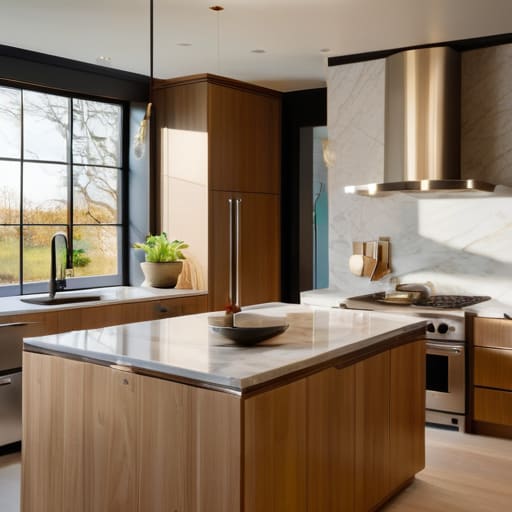
At the end of the day, upgrading your kitchen appliances isn’t about buying the flashiest gadget on the showroom floor; it’s about strategic capital allocation. We’ve covered how choosing high-ROI models and prioritizing energy efficiency can turn a standard kitchen into a major selling point. Remember, every decision you make—from selecting a suite that matches your design aesthetic to picking models that slash utility costs—should be viewed through the lens of building equity. Don’t just spend money to make a room look pretty; spend it to make the property more valuable and easier to move when the time comes.
I know that staring at a list of quotes and spec sheets can feel overwhelming, especially when you’re already managing a renovation headache. But don’t let the complexity stop you from pulling the trigger. Real estate isn’t built on perfect conditions; it’s built on calculated moves made in the middle of the mess. Every smart upgrade you implement today is a brick in the foundation of your future portfolio. Stop viewing these costs as mere expenses and start seeing them as the investments they truly are. Get in there, make the right calls, and start turning those kitchen upgrades into real, tangible wealth.
Frequently Asked Questions
Should I prioritize high-end luxury brands to impress buyers, or stick to mid-range reliable models to protect my margins?
Look, I get the temptation to drop a fortune on a Sub-Zero just to wow a buyer, but don’t let ego eat your profit. In my experience, chasing luxury brands for the sake of a “status” kitchen is a fast way to tank your margins. Stick to reliable, mid-range models that look sleek and function perfectly. Buyers want a kitchen that works without a massive repair bill, not a trophy they can’t afford to maintain.
Is it actually worth the headache of replacing built-in appliances, or should I just look for ways to facelift the ones that are already there?
Look, I get the temptation to just slap some new cabinet fronts on a dated dishwasher and call it a day. But if those built-ins are ancient, a facelift is just a band-aid on a broken bone. If the mechanics are failing, you’re leaving money on the table. Replace them. A buyer wants the peace of mind that comes with modern reliability, not a polished version of a headache waiting to happen.
How do I know if my current electrical setup can even handle a modern, high-performance appliance upgrade without a massive rewiring bill?
Before you drop thousands on a professional-grade induction range, check your breaker box. If you see old, faded labels or a panel that feels cramped, you’re in trouble. Do a quick audit: look at the amperage on your current circuits. Most modern high-performance appliances demand dedicated lines. If you’re running everything off a single 15-amp circuit, you’re looking at a massive rewiring bill that’ll eat your entire renovation budget alive.