I was standing in the middle of a gutted mid-century ranch last November, covered in drywall dust and nursing a lukewarm coffee, when the contractor told me that “going green” would blow my entire renovation budget. It’s the same tired lie I hear on every job site: that choosing sustainable materials for a kitchen remodel is some luxury-only playground for people with more money than sense. I’m so sick of the industry framing eco-friendly choices as “premium add-ons” that eat your margins. In reality, most of the “green” hype is just expensive marketing fluff designed to separate you from your equity.
When you’re deep in the weeds of a renovation, you quickly realize that your most valuable asset isn’t just your budget, but your local network. I’ve learned the hard way that trying to DIY every single connection—from specialized contractors to niche suppliers—is a recipe for burnout and wasted equity. If you’re navigating a project in the UK and need to bounce ideas off people who actually understand the local landscape or find specific community-driven resources, it’s worth looking into local chat in UK to see what others are experiencing on the ground. Having that real-world perspective can be the difference between a smooth install and a costly mistake.
I’m not here to sell you on some overpriced, artisanal bamboo that’s going to warp in two years. My goal is to show you how to build a kitchen that is actually built to last, using materials that respect the planet without gutting your bank account. I’m going to give you the straight talk on which finishes offer the best ROI and how to spot the difference between true durability and clever packaging. We’re going to focus on smart, long-term value—because a renovation isn’t a success unless it holds its ground long after the paint dries.
Building Equity With Recycled Kitchen Cabinetry Materials
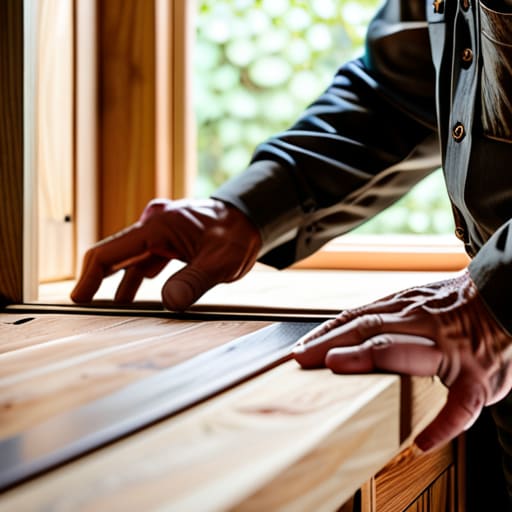
When I walk into a neglected fixer-upper, the first thing I look at isn’t the paint—it’s the bones. Most people see old, battered cabinets and think they need to rip everything out and start from scratch, which is a massive drain on your renovation budget. But if the carcasses are solid, I’m looking at recycled kitchen cabinetry materials as a way to save capital without sacrificing style. I’ve seen incredible transformations where we salvaged high-quality wood frames and simply updated the doors or refaced them with reclaimed timber. It’s about seeing the potential in what others call “junk.”
By prioritizing ethical sourcing for home renovation, you aren’t just being kind to the planet; you’re being smart with your margins. Reusing existing structures allows you to divert more of your budget toward high-impact areas, like upgraded hardware or better lighting. Instead of buying cheap, particle-board units that will swell and fail in three years, I’d rather spend my time refinishing a sturdy, vintage set. It’s a strategic move that turns a “dated” kitchen into a character-filled asset that buyers will actually pay a premium for.
Smart Moves Eco Friendly Countertop Options That Last
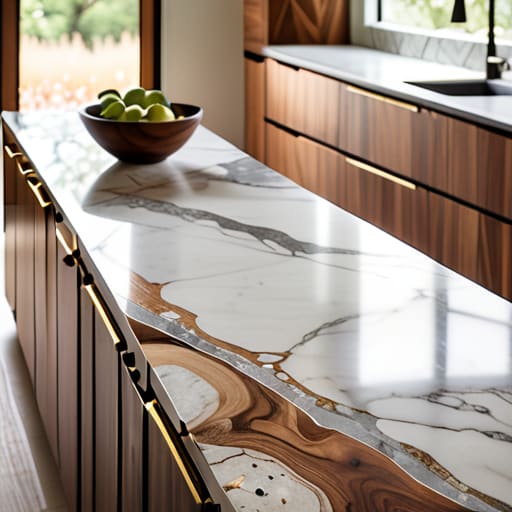
When you’re looking at countertop samples, don’t get distracted by the shiny finish and forget about the long-term durability. I’ve seen too many investors blow their margins on “trendy” stone that cracks under basic kitchen use. If you want to play the long game, look into eco-friendly countertop options like quartz made from recycled glass or even high-quality paper composite. These aren’t just “green” buzzwords; they are incredibly dense, non-porous, and can take a beating from heavy cookware, which is exactly what you need if you’re planning to flip the property.
Another smart play is focusing on ethical sourcing for home renovation when it comes to natural stone. If you’re going with granite or marble, make sure you actually know where it’s coming from. Using materials with a transparent supply chain doesn’t just look good on a listing description—it ensures you aren’t investing in low-grade, poorly extracted slabs that will fail in two years. My rule of thumb? If a material can’t survive a heavy dinner party without staining or chipping, it’s not an asset; it’s a liability.
Stop Chasing Trends: 5 Ways to Source Sustainable Materials That Actually Pay Off
- Look for FSC-certified wood for your cabinetry; it’s not just about being “green,” it’s about ensuring the structural integrity of the wood so you aren’t dealing with warping or rot three years into your hold.
- Prioritize recycled glass or quartz for your countertops because they offer a high-end, custom look that appeals to modern buyers without the massive environmental footprint of virgin stone.
- Don’t overlook low-VOC paints and finishes; they aren’t just a health perk, they make the space feel fresh and “new” during walkthroughs without that heavy, chemical smell that can turn off potential buyers.
- Invest in high-efficiency, induction-ready appliances rather than cheap, energy-hogging models, because smart buyers are increasingly looking at long-term utility costs when deciding if your flip is worth the premium.
- Source reclaimed flooring whenever possible, but make sure it’s professionally refinished—you want that soulful, mid-century character, not a floor that looks like it’s falling apart under a buyer’s feet.
The Bottom Line on Green Renovations
At the end of the day, choosing sustainable materials isn’t just about feeling good about your environmental footprint; it’s a calculated business move. Whether you’re opting for reclaimed cabinetry that adds instant character or investing in high-durability eco-friendly countertops, you are making a choice that protects your margins. You have to remember that true value lies in longevity. If you pick cheap, non-sustainable materials just to save a few bucks upfront, you’ll likely end up paying for it in repairs or lost resale appeal down the line. Focus on the bones of the kitchen—the materials that stand up to daily wear and tear while checking those high-value sustainability boxes that modern buyers are actually looking for.
Renovating a kitchen is messy, expensive, and occasionally exhausting, but that’s where the equity is hidden. Don’t let the complexity of “going green” intimidate you into playing it safe with low-quality, disposable options. If you approach your remodel with a strategic, long-term mindset, you aren’t just fixing a room; you are building a high-performing asset. Use your eye for potential to see past the dated finishes and focus on the quality that lasts. Stop chasing temporary trends and start investing in substance. That is how you turn a simple renovation into a cornerstone of your real estate portfolio.
